Best Time to Visit Bali: Wet and Dry Seasons
Bali's weather month by month, the dry, wet and shoulder seasons, the cheapest time to go, major festivals, packing for each season and typical costs.
In this guide
- Finding Your Perfect Bali Moment
- Bali Weather by Month: A Comprehensive Breakdown
- Embracing the Dry Season: Ideal Weather & Activities
- The Rainy Season's Allure: Fewer Crowds & Lush Landscapes
- Shoulder Seasons: The Smart Traveler's Choice for Bali
- Cheapest Time to Visit Bali: Maximizing Your Budget
- Major Events & Festivals: When to Plan Your Visit Around Culture
- Hottest & Coldest Times in Bali: What to Expect
- Packing Essentials for Every Bali Season
- Bali Budget Breakdown: What to Expect
- Common Mistakes to Avoid When Planning Your Bali Trip
- Pro Tips for Your Bali Adventure
- Conclusion: Your Perfect Bali
This guide is part of our Bali Travel Guide — start there for the overview, itineraries and costs.
Finding Your Perfect Bali Moment
Ah, Bali. Just saying the name conjures images of emerald rice paddies, serene temples, and endless surf breaks. There’s a magic to Bali that’s truly unique. But here’s the secret no one tells you upfront: while Bali is always enchanting, knowing the best time to visit Bali can transform your trip from great to absolutely unforgettable. Peak rainy season is beautiful, but daily downpours can make exploring a soggy challenge. There are sweet spots that balance blissful weather with fewer crowds and even better deals. This guide will arm you with everything you need to know to plan your ultimate Bali trip in 2025, ensuring spectacular memories without the logistical headaches.
Bali Weather by Month: A Comprehensive Breakdown
Understanding the Bali weather by month is crucial for deciding the best time to visit Bali. Generally, Bali experiences two distinct seasons: the dry season and the rainy season. While temperatures hover around a pleasant 28-30°C (82-86°F) year-round, humidity and rainfall vary significantly.
January: Starting the Year with Rain
January is deep into the Bali rainy season. Expect consistent rainfall, often heavy downpours in the afternoons. Humidity is high. However, the island is incredibly lush, and tourist numbers are lower after the New Year's rush. Surfing on the east coast is generally better during this time due to offshore winds.
- Average Temperature: 27°C (81°F)
- Rainfall: High (around 390mm)
- Humidity: Very High
February: Still Wet, But Getting Quieter
Similar to January, February sees significant rainfall, though it might start to decrease towards the end of the month. It's one of the quietest months for tourism, making it a good option for budget travelers who don't mind the rain. The prices are generally lower for accommodation.
- Average Temperature: 27°C (81°F)
- Rainfall: High (around 300mm)
- Humidity: High
March: Transition & Nyepi (Silent Day)
March is a transitional month. Rainfall is still substantial but begins to ease. This month is significant for Nyepi, the Balinese Day of Silence, which brings the entire island to a standstill for 24 hours. Experiencing Nyepi can be profound, but be aware that everything closes. After Nyepi, the island begins to awaken, signalling the approach of the Bali dry season.
- Average Temperature: 28°C (82°F)
- Rainfall: High (around 215mm)
- Humidity: Moderate to High
April: Hello Sunshine
April marks the official start of the Bali dry season. The rains subside considerably, and days become sunnier and clearer. Tourist numbers start to pick up but aren't yet at their peak, making it an excellent shoulder season option and arguably one of the best times to visit Bali for pleasant weather and reasonable crowds.
- Average Temperature: 28°C (82°F)
- Rainfall: Moderate (around 115mm)
- Humidity: Moderate
May: Golden Month for Weather
May is often cited as the best time to visit Bali by many travelers. The weather is consistently sunny, humidity is comfortable, and the island is still green from the recent rains. Prices are competitive before the absolute peak season hits. It's perfect for exploring beaches, volcanoes, and rice fields.
- Average Temperature: 28°C (82°F)
- Rainfall: Low (around 70mm)
- Humidity: Moderate
June: Peak Dry Season Begins
June solidifies the Bali dry season. Expect abundant sunshine, lower humidity, and gentle breezes. Tourist numbers grow steadily, especially towards the end of the month as school holidays begin in many Western countries. This is an excellent month for surfing on the west coast, like at Seminyak.
- Average Temperature: 27°C (81°F)
- Rainfall: Very Low (around 50mm)
- Humidity: Low to Moderate
July: Absolute Peak Season
July is one of Bali’s busiest and most expensive months. The weather is near perfection – dry, sunny, and comfortable. However, expect crowded beaches, popular attractions, and higher prices for accommodation and flights. Book well in advance if you plan to visit in July. Despite the crowds, it's still magical.
- Average Temperature: 27°C (81°F)
- Rainfall: Very Low (around 30mm)
- Humidity: Low
August: Still Busy, Still Beautiful
Just like July, August is prime high season. The weather remains consistently fantastic, making it ideal for all outdoor activities. It's the peak of the Bali dry season. Crowds are at their maximum, especially in popular spots like Ubud and Canggu. This is not the cheapest time to visit Bali, but the weather rarely disappoints.
- Average Temperature: 27°C (81°F)
- Rainfall: Very Low (around 15mm)
- Humidity: Low
September: Shoulder Season Sweet Spot
September is another strong contender for the best time to visit Bali. The peak season crowds begin to thin out, but the glorious dry weather largely persists. Prices might start to drop slightly, offering a better value. It's an ideal month for beach lovers and surfers alike.
- Average Temperature: 27°C (81°F)
- Rainfall: Very Low (around 40mm)
- Humidity: Moderate
October: Approaching the Rainy Season
October is a transition month from dry to wet. The weather is still generally good with plenty of sunshine, but humidity begins to increase, and short, isolated showers become more frequent, especially towards the end of the month. It's a quieter month with good deals before the full Bali rainy season sets in.
- Average Temperature: 28°C (82°F)
- Rainfall: Low (around 70mm)
- Humidity: Moderate to High
November: Beginning of the Wet Season
November sees the full return of the Bali rainy season. Expect more frequent and sometimes intense rainfall, higher humidity, and overcast skies. Tourist numbers are low, so you'll find great deals on accommodation and flights. Surfing on the east coast starts to pick up again.
- Average Temperature: 28°C (82°F)
- Rainfall: High (around 150mm)
- Humidity: High
December: Festive & Wet
December is a mix of heavy rain and holiday cheer. The first half of the month is usually wet and quiet. However, tourism surges significantly in the second half due to Christmas and New Year's celebrations, despite the persistent rain. Prices in late December can be as high as peak dry season, so book way in advance if you're set on a festive Bali getaway. It's not typically the best time to visit Bali for consistent sunshine, but the festive atmosphere is palpable.
- Average Temperature: 28°C (82°F)
- Rainfall: High (around 300mm)
- Humidity: Very High
Embracing the Dry Season: Ideal Weather & Activities
The Bali dry season, running roughly from April to October, is hands down the most popular time to visit. And for good reason! This is when the island truly shines with consistent sunshine, low humidity, and pleasant temperatures. Picture a perfect July morning in Uluwatu, watching surfers glide effortlessly on crystal-clear waves – that's the kind of magic the dry season delivers.
Why Choose Dry Season (April-Oct)?
- Guaranteed Sunshine: Days are consistently sunny, perfect for tanning, exploring, and outdoor adventures.
- Lower Humidity: Much more comfortable for walking around and sightseeing. Sleeping is also easier!
- Ideal for Beaches & Water Sports: Pristine beaches, perfect visibility for snorkeling and diving, and consistent waves for surfing.
- Volcano Treks: Mount Batur and Mount Agung hikes are much safer and more enjoyable with dry trails.
- Outdoor Activities Galore: Everything from cycling through rice fields to white-water rafting is at its prime.
Top Dry Season Activities for Your Bali Trip
- Surfing: Head to the west coast (Kuta, Seminyak, Canggu) for ideal waves. Lessons are abundant, e.g., Rip Curl School of Surf, Jl. Pantai Kuta, Legian, Kuta (around IDR 650,000 / USD 45 for a 2.5hr group lesson).
- Beach Hopping: Explore famous beaches like Seminyak Beach, Echo Beach (Canggu), and the stunning hidden coves of Uluwatu.
- Snorkeling & Diving: Crystal-clear waters around Nusa Penida (Manta Point, Crystal Bay), and the Amed/Tulamben areas offer incredible marine life. A day trip to Nusa Penida with Nusa Penida Trip costs approx. IDR 900,000 / USD 60 including boat transfers and snorkeling stops.
- Mount Batur Sunrise Trek: Start early (around 2 AM from Ubud) to catch the breathtaking sunrise over the volcanic landscape. A guided trek costs roughly IDR 400,000 / USD 27 per person, including transport and breakfast.
- Exploring Rice Terraces: The iconic Tegalalang Rice Terraces (Jl. Raya Tegallalang, Gianyar) are vibrant green. Entrance fee: IDR 25,000 / USD 1.70.
While the best time to visit Bali for weather is undoubtedly the dry season, be prepared for higher prices and more tourists. Booking accommodation, flights, and popular tours well in advance (3-6 months) is essential, especially for July and August.
The Rainy Season's Allure: Fewer Crowds & Lush Landscapes
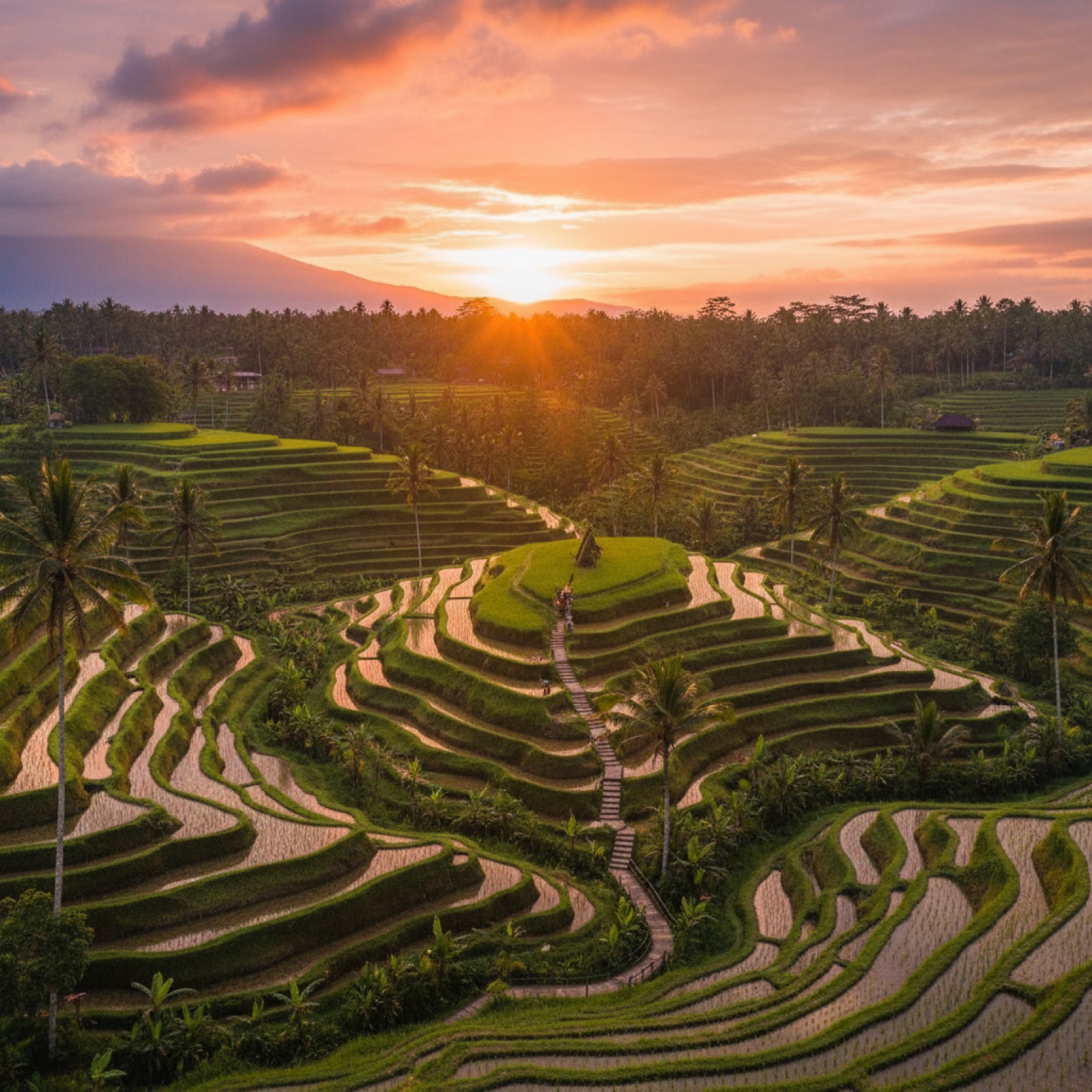
While many avoid the Bali rainy season (November to March), it possesses a unique charm. In December the rain can certainly test your patience at times, but the island is unbelievably green and quiet. There’s a certain tranquillity when the rice paddies shimmer after a downpour, and the air feels fresh and clean.
Why Choose Rainy Season (Nov-Mar)?
- Fewer Crowds: Major tourist spots are significantly less busy, offering a more authentic and peaceful experience.
- Lush Green Landscapes: The rain transforms the island into a vibrant, emerald paradise.
- Lower Prices: This is often the cheapest time to visit Bali, with fantastic deals on hotels, villas, and even some activities.
- Unique Photography Opportunities: Dramatic skies, glistening leaves, and flowing waterfalls make for stunning photos.
- Spa & Wellness Focus: The perfect weather to indulge in Bali’s world-famous spa culture.
Top Rainy Season Activities for Your Bali Trip
- Cooking Classes: A perfect indoor activity. Learn to make authentic Balinese dishes. E.g., Paon Bali Cooking Class, Laplapan, Ubud (approx. IDR 400,000 / USD 27 per person).
- Art & Craft Workshops: Explore Bali’s rich artistic heritage. Try batik painting or wood carving in Ubud.
- Spa Days & Massages: Indulge in luxurious treatments. A 90-minute Balinese massage at a reputable spa might cost IDR 250,000 - 500,000 / USD 17-35. Check out Tamarind Spa (Kuta) or Bodyworks (Seminyak).
- Waterfalls: Waterfalls like Tegenungan Waterfall (Jl. Ir. Sutami, Kemenuh, Gianyar) and Sekumpul Waterfall are at their most powerful and impressive. Entrance generally IDR 15,000 - 20,000 / USD 1-1.30.
- Yoga & Meditation: Retreats and drop-in classes flourish in Ubud, offering a serene escape from the rain. The Yoga Barn (Ubud) offers drop-in classes from IDR 150,000 / USD 10.
While the best time to visit Bali for undisturbed sunshine is the dry season, don't write off the rainy season. Embrace the slower pace, the vibrant greenery, and the opportunity to experience a different, more introspective side of the island.
Shoulder Seasons: The Smart Traveler's Choice for Bali
For those seeking the perfect balance between good weather, manageable crowds, and reasonable prices, the shoulder seasons are the best time to visit Bali. These are generally April-May and September-October. These months offer some of the most rewarding Bali experiences.
Why Choose Shoulder Seasons (April-May & Sept-Oct)?
- Golden Weather Window: You benefit from largely dry, sunny days without the intense heat or humidity.
- Fewer Crowds: While not empty, popular spots are significantly less congested than in July/August.
- Better Deals: Accommodation and flight prices are more attractive than peak season, offering great value. This is definitely a strong contender for the cheapest time to visit Bali while still enjoying excellent weather.
- Lush Greenery: Especially in April/May, the island is still incredibly green from the tail-end of the rainy season.
During these months, you really get the best of both worlds. You can enjoy the stunning beaches and outdoor activities of the dry season, but with more space and often a more relaxed atmosphere. A motorcycle ride through the backroads of East Bali in late September, for example, can be peaceful, with vistas that would be far too crowded just a month prior.
Cheapest Time to Visit Bali: Maximizing Your Budget
If budget is a primary concern for your Bali trip, then careful planning can save you a significant amount. Generally, the cheapest time to visit Bali aligns with the off-peak and rainy seasons.
Best Months for Budget Travelers
- January-February: These are typically the absolute cheapest months for flights and accommodation, excluding the New Year's peak. Expect rain, but enjoy drastically reduced prices.
- March (pre-Nyepi): Before the Silent Day, prices can be low as tourists avoid the closure.
- November: As the rainy season kicks in, tourist numbers drop, leading to lower prices across the board.
- Early May: While still good weather, it's just before peak season, offering a sweet spot for value.
- Late September/Early October: As the dry season winds down, prices begin to fall while the weather remains very pleasant.
How to Save Money During Your Bali Trip
- Flights: Book 3-6 months in advance, use flight comparison sites, and travel during weekdays. Consider flying into Jakarta and taking a budget flight to Denpasar (DPS).
- Accommodation: Opt for guesthouses or homestays over resorts. Look for places slightly off the main tourist strips. For example, a quality guesthouse in Ubud might be IDR 300,000 / USD 20 per night in February, compared to IDR 700,000 / USD 48 in August.
- Food: Eat at local warungs (small restaurants) where a delicious meal can cost as little as IDR 20,000 - 50,000 / USD 1.30-3.50. Avoid tourist trap restaurants.
- Transport: Rent a scooter (approx. IDR 60,000-80,000 / USD 4-5.50 per day, plus petrol). Use ride-hailing apps like Gojek or Grab for longer distances.
- Activities: Look for free activities like beach strolls, temple visits (small entrance fee), or exploring local markets.
By targeting these periods and adopting a budget-friendly mindset, you can enjoy an incredible Bali trip without breaking the bank, regardless of whether it's technically the best time to visit Bali for weather alone. The experiences you gain will be priceless.
Major Events & Festivals: When to Plan Your Visit Around Culture
Beyond the weather, timing your Bali trip with a local festival can add an incredible dimension to your experience. The island’s spiritual heart beats strong, and its ceremonies are captivating.
Key Bali Festivals & Occasions
- Nyepi (Day of Silence): Usually in March. The entire island shuts down for 24 hours. No lights, no noise, no travel. An incredible spiritual experience, but plan accordingly. Date varies yearly as it follows the Balinese calendar. In 2025, Nyepi falls on March 29th.
- Galungan & Kuningan: Celebrated every 210 days (based on the Balinese Pawukon calendar), these ten-day festivals celebrate the triumph of good over evil. The entire island is adorned with 'penjor' (bamboo poles) alongside roads, and temples are bustling. Witnessing this is a truly immersive cultural experience and can happen during the Bali dry season or Bali rainy season, depending on the year.
- Bali Arts Festival (Pesta Kesenian Bali): June to July (during the Bali dry season). A month-long extravaganza of traditional and contemporary Balinese arts, held at the Taman Werdhi Budaya Art Centre in Denpasar, after an opening parade at the Bajra Sandhi Monument. A great way to immerse yourself in local culture.
- Ubud Writers & Readers Festival (UWRF): Usually October. Attracts renowned authors and thinkers from around the world. A must for literary enthusiasts, often falling during the shoulder season, which can still be a good best time to visit Bali weather-wise.
When planning your Bali trip around these events, remember that accommodations might become pricier and fill up faster, especially around Nyepi and Galungan where local tourism also peaks. Always check the specific dates for 2025 as they shift yearly.
Hottest & Coldest Times in Bali: What to Expect
While Bali generally has a tropical climate year-round, there are subtle variations in temperature that might influence your decision for the best time to visit Bali.
Hottest Months (Most Humid Too)
- October, November, December, January: These months generally record the highest average temperatures (around 28-30°C / 82-86°F) and are often accompanied by very high humidity, especially during the Bali rainy season. The combination can feel quite stifling for some. If you're sensitive to heat and humidity, these might not be the absolute best time to visit Bali.
Coolest Months (Low Humidity)
- June, July, August, September: These months, squarely in the Bali dry season, offer the 'coolest' average temperatures (around 26-27°C / 79-81°F). More importantly, the humidity is significantly lower, making the climate feel much more pleasant and comfortable, particularly for outdoor activities. Nights can even feel slightly cool, especially in elevated areas like Ubud or Munduk.
Even during the 'coolest' months, Bali is still a tropical island, so always expect warm weather. The main difference lies in the humidity levels, which can greatly impact comfort. My preference for the best time to visit Bali always leans towards the lower humidity of the dry season, making those long walks on the beach far more enjoyable.
Packing Essentials for Every Bali Season
No matter the best time to visit Bali you choose, smart packing is key. Here's what to make sure you bring:
Dry Season Packing List (April-Oct)
- Lightweight, Breathable Clothing: Cotton, linen, rayon. Shorts, t-shirts, sundresses.
- Swimwear: Multiple options!
- Sun Protection: High SPF reef-safe sunscreen (e.g., mineral-based Raw Elements, approx. IDR 200,000 / USD 14), wide-brimmed hat, sunglasses.
- Comfortable Sandals/Flip-flops: For daily wear.
- Walking Shoes: For exploring temples or light treks.
- Light Jacket/Shawl: For cooler evenings, especially in Ubud or higher altitudes.
- Insect Repellent: Always, even in dry season.
Rainy Season Packing List (Nov-Mar)
- Quick-Drying Clothing: Synthetic fabrics that don't stay damp.
- Light Rain Jacket/Poncho: Essential for sudden downpours.
- Waterproof Bag Cover: To protect electronics.
- Waterproof Sandals: Or shoes that can get wet and dry quickly.
- Insect Repellent: Absolutely crucial as mosquitoes thrive in wet conditions.
- Small Umbrella: Handy for light showers.
- Portable Power Bank: For when you're out and about during potentially overcast days and power might be intermittent.
Year-Round Essentials
- Universal Travel Adapter: Indonesia uses Type C and F outlets (two round pins).
- Reusable Water Bottle: Stay hydrated and reduce plastic waste.
- Basic First Aid Kit: Plasters, antiseptic wipes, pain relievers.
- Copy of Important Documents: Physical and digital.
- Local SIM Card: Purchase upon arrival at the airport (Telkomsel/XL Axiata, approx. IDR 100,000-200,000 / USD 7-14 for data plan).
Remember, less is often more when traveling in Bali. You can easily buy inexpensive clothes or get laundry done for a very low cost (e.g. IDR 10,000-20,000/kg / USD 0.70-1.30 per kg).
Bali Budget Breakdown: What to Expect
Understanding the actual costs helps you determine the cheapest time to visit Bali or prepare for a peak season splurge. Here's a realistic breakdown for a mid-range traveler in 2025, keeping in mind prices fluctuate based on the best time to visit Bali and your travel style.
| Category | Budget Traveler (per day) | Mid-Range Traveler (per day) | Luxury Traveler (per day) |
|---|---|---|---|
| Accommodation | IDR 200,000 - 400,000 (USD 13-27) - hostel/guesthouse | IDR 500,000 - 1,500,000 (USD 34-100) - boutique hotel/villa | IDR 2,000,000+ (USD 135+) - 5-star resort/private villa |
| Food | IDR 100,000 - 200,000 (USD 7-14) - local warungs | IDR 250,000 - 500,000 (USD 17-34) - mix of warungs & cafes | IDR 600,000+ (USD 40+) - fine dining |
| Transportation | IDR 60,000 - 100,000 (USD 4-7) - scooter rental/local bus | IDR 150,000 - 300,000 (USD 10-20) - Grab/Gojek/occasional driver | IDR 400,000+ (USD 27+) - private driver/luxury car hire |
| Activities | IDR 50,000 - 100,000 (USD 3.50-7) - temple entries, cheap surf lesson | IDR 150,000 - 400,000 (USD 10-27) - cooking class, yoga, waterfall tours | IDR 500,000+ (USD 34+) - diving, high-end tours, spa treatments |
| Miscellaneous | IDR 50,000 (USD 3.50) - water, snacks | IDR 100,000 (USD 7) - coffee, souvenirs | IDR 200,000+ (USD 14+) - shopping, cocktails |
| Estimated Daily Total | IDR 460,000 - 800,000 (USD 31-54) | IDR 1,150,000 - 2,800,000 (USD 78-190) | IDR 3,300,000+ (USD 225+) |
Note on Exchange Rates: As of late 2024, 1 USD ≈ 15,500 IDR. Prices are estimates and can fluctuate due to inflation and demand, especially during peak travel times. The Indonesian Rupiah (IDR) is the local currency. Always carry some cash for smaller transactions and local warungs.
For more detailed planning, consider a daily budget of approximately IDR 1,500,000 (USD 100) as a comfortable mid-range estimate for your Bali trip, assuming you are not staying in the most luxurious places or doing high-end activities every day. Adjust this up or down depending on the best time to visit Bali and your personal spending habits.
Common Mistakes to Avoid When Planning Your Bali Trip
Here are some common pitfalls on Bali trips, particularly concerning the best time to visit Bali:
- Underestimating the Rainy Season: Thinking a 'tropical shower' is just a drizzle. It can be an absolute deluge! While charming, it can disrupt travel plans significantly. Don't book too many outdoor activities during this period.
- Not Booking Ahead in Peak Season: Especially July, August, and late December. If you don't book flights, popular accommodations, and even some tours 3-6 months in advance, you'll pay premium prices or be left with limited choices. This is when the island is at its busiest, regardless of if it's the best time to visit Bali for weather.
- Ignoring Nyepi: Forgetting about the Day of Silence can lead to unexpected 24 hours confined to your hotel with no services. Always check the Nyepi date if visiting in March.
- Skipping Travel Insurance: Bali is generally safe, but accidents happen (scooter falls are common). Good travel insurance is non-negotiable.
- Not Getting an International Driving Permit (IDP): If you plan to rent a scooter, you NEED an IDP. Driving without one can lead to fines and invalidate your travel insurance in case of an accident. Get one from your home country's automobile association.
- Only Sticking to Tourist Hotspots: Places like Kuta, Seminyak, Canggu, and Ubud are great, but Bali has so much more to offer. Explore East Bali (Amed, Sidemen), North Bali (Munduk), or the Nusa Islands for different vibes. This is especially easy if you choose the shoulder seasons, which are often the best time to visit Bali for deeper exploration.
- Over-scheduling: Don't try to see everything in a short amount of time. Bali offers a slow pace of life. Build in downtime!
Learning from these common mistakes can elevate your Bali trip from good to exceptional, ensuring you get the most out of your chosen best time to visit Bali.
Pro Tips for Your Bali Adventure
Here's a summary of the pro tips to make your Bali trip even smoother, particularly when considering the best time to visit Bali:
- Embrace Gojek/Grab: These ride-hailing and delivery apps are indispensable. Use them for transport, food delivery, and even sending packages. They're far more convenient and often cheaper than traditional taxis.
- Learn Basic Bahasa Indonesia: Even a few phrases like 'terima kasih' (thank you), 'permisi' (excuse me), and 'berapa harga?' (how much?) go a long way in showing respect and connecting with locals.
- Always Haggle Politely (in markets): In local markets, bargaining is expected, but always do it with a smile and good humor. Never haggle in fixed-price shops or restaurants.
- Respect Local Customs: Dress modestly when visiting temples (knees and shoulders covered, sarong often provided or available for rent). Don't touch people's heads. Don't point with your feet. Remove shoes before entering homes or some shops.
- Stay Hydrated: The tropical heat, especially during the Bali dry season, can be intense. Drink plenty of bottled water (or filtered water if your accommodation provides it).
- Beware of Monkey Thefts: Especially at places like Uluwatu Temple. Keep your sunglasses, hats, and shiny objects secured. Those monkeys are quick learners!
- Consider a Local SIM Card: Essential for using Gojek/Grab and staying connected. Purchase at the airport or any local phone shop.
- Explore Beyond the South: While Kuta, Seminyak, and Canggu are popular, venture to Ubud for culture, Munduk for waterfalls and rice terraces, Amed for diving, or the Nusa Islands for stunning cliffs and marine life. This is particularly rewarding during the shoulder seasons when the roads are less congested.
By keeping these tips in mind, your Bali trip will be not just a vacation, but a richer, more authentic exploration of this incredible island. The best time to visit Bali is truly when you come prepared and open to its wonders.
Conclusion: Your Perfect Bali
Navigating the nuances of Bali's seasons can seem daunting, but with this guide, you're now equipped to choose the best time to visit Bali for your ideal 2025 adventure. Whether you crave the consistent sunshine of the Bali dry season, the tranquil lushness of the Bali rainy season, or the perfect blend of the shoulder months, Bali offers a unique enchantment year-round. The absolute sweet spot often falls in May or September – fantastic weather, fewer crowds than peak season, and better value. However, ultimately, the best time to visit Bali truly depends on your priorities, whether that's perfect surfing conditions, cultural immersion, or finding the cheapest time to visit Bali.
No matter when you decide to embark on your Bali trip, prepare for an island that will captivate your senses and soothe your soul. Start planning your flights and accommodations now, and get ready for an unforgettable journey to the Island of the Gods!
More Bali guides

20 Best Things to Do in Bali: Temples and Beaches
Twenty Bali experiences worth building a trip around - Ubud's rice terraces, Uluwatu's clifftop temples, Nusa Penida, waterfalls and the…
Bali Weather Guide: The Complete Month-by-Month Breakdown
Bali's wet and dry seasons month by month, including rainfall, heat, Nyepi and Galungan, to help you pick the right time of year for your…

Bali's Hidden Gems: Quieter Spots Worth the Detour
Quieter corners of Bali by region, from North and East Bali to the wild west coast, central Bali and lesser-known south coast beaches…