Budapest in 3 Days: An Itinerary That Works
A day-by-day Budapest plan for Pest and Parliament, Buda's Castle Hill, markets and an island escape, with where to stay, transport and Hungarian food.
In this guide
- Quick Facts
- Arriving & Getting Your Bearings
- Where to Base Yourself: A Neighbourhood Guide
- Navigating Budapest: Tickets & Transport
- Day 1: Pest's Grandeur and Parliament's Glow
- Day 2: Conquering Buda's Castle Hill
- Day 3: Markets, History, and Island Escapes
- Hungarian Food and Drink to Try
- Beyond the City: Extending Your Stay
- Explore in Depth
- Frequently Asked Questions
- Final Thoughts
This guide is part of our Budapest Travel Guide: Baths, Districts and Practical Tips — start there for the overview, when to go and how to get around.
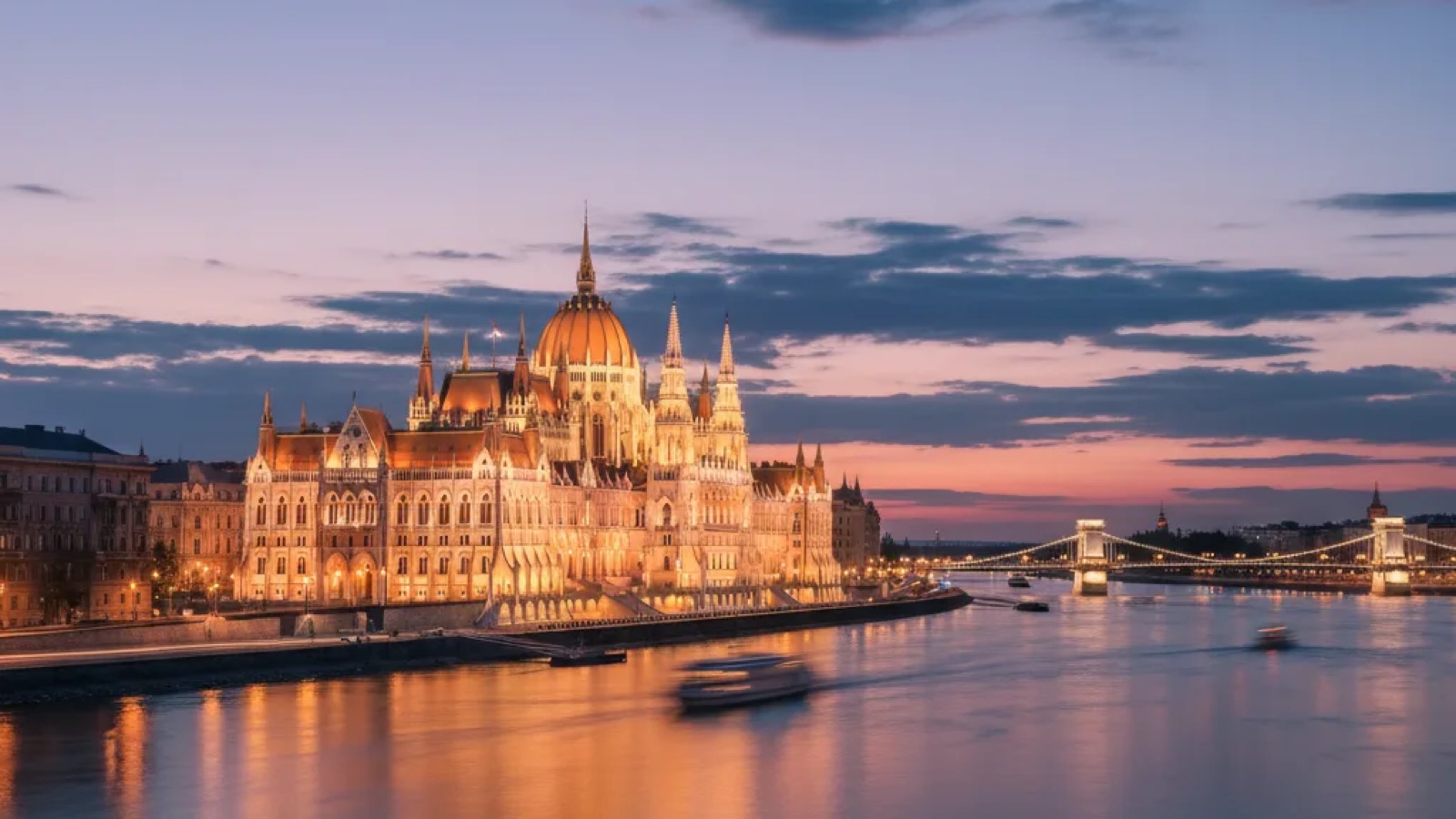
Seeing the Hungarian Parliament Building at night stops you in your tracks. From the Buda side of the Danube, the evening air crisp and smelling of the river, this vast, floodlit Gothic Revival palace blazes against the dark sky across the water, its reflection shimmering on the black current. It isn't just a building; it feels like the city's heart, beating with light. Budapest isn't just a destination, it's a feeling – grand, melancholic, and utterly captivating.
Budapest is a city of two halves, Buda and Pest, split by the Danube but united by a fierce history and a vibrant present. This three-day itinerary is practical, it balances the blockbuster sights with moments of local discovery, and it's designed to help you feel the pulse of this incredible city, from its steamy thermal baths to its historic coffee houses and edgy ruin bars.
Quick Facts
- Location: Hungary, Central Europe, straddling the magnificent River Danube.
- Getting There: Fly into Budapest Ferenc Liszt International Airport (BUD). An efficient bus-plus-metro connection or a direct airport shuttle bus will get you into the city centre.
- Getting Around: The central districts are very walkable. Budapest also has a fantastic public transport network of trams, metros, and buses.
- Language & Currency: The official language is Hungarian (Magyar). The currency is the Hungarian Forint (HUF). English is widely understood in the tourism centre, but learning a few Hungarian phrases is always appreciated.
- Best Time to Visit: A true year-round destination. Summers are abuzz with festivals, while winters are magical with Christmas markets and the unique appeal of steaming outdoor baths in the freezing air. Spring and autumn offer pleasant weather and fewer crowds.
Arriving & Getting Your Bearings
Landing at Budapest's Ferenc Liszt Airport (BUD), your adventure is just a bus ride away. While taxis are plentiful, the best way into town is via public transport – it's efficient, affordable, and your first taste of local life. Look for the BKK public transport counter in the arrivals hall. You have two main options: the 100E shuttle bus, which runs directly to Deák Ferenc Square in the city centre, or the 200E bus, which connects to the M3 metro line at Kőbánya-Kispest station. The latter is a classic route many locals use.
Once you’re in the city, the first thing to understand is its geography. The Danube River is the great divider and organiser of everything. On the west bank sits Buda: hilly, historic, and regal, home to the castle, green hills, and quiet, cobblestoned streets. On the east bank lies Pest: flat, sprawling, and energetic, the city's commercial and administrative heart, where you'll find the Parliament, grand boulevards, and the bustling Jewish Quarter. Your three days will be a tale of these two cities.
Where to Base Yourself: A Neighbourhood Guide
Choosing your home base in Budapest can shape your entire trip. The best advice for a first-timer is to stick to the Pest side for its energy and transport links. Three districts, all bordering each other, are your prime candidates.
District V (Belváros-Lipótváros): This is the absolute heart of the city, right on the Danube, containing icons like the Parliament and St. Stephen's Basilica. Staying here means you can walk to a huge number of sights. It's polished and convenient but can feel more tourist-focused and a bit quieter in the evenings once the day-trippers leave.
District VI (Terézváros): Defined by the grand Andrássy Avenue, this district has an elegant, Parisian feel, home to the State Opera House and designer shops. It's still incredibly central, with the western end bordering District V and the eastern end blending into the buzz of District VII. It offers a great balance of sophistication and accessibility.
District VII (Erzsébetváros): This is the historic Jewish Quarter and the undisputed hub of Budapest's nightlife. It's energetic, gritty in the most charming way, and packed with the famous "ruin bars," fantastic restaurants, and independent shops. It’s the place to be if you want to be in the thick of the action, though it can be noisy at night. The vibe here is young, creative, and constantly evolving.
Navigating Budapest: Tickets & Transport
Budapest’s public transport system, run by BKK, is a dream for travellers. It's a web of four metro lines, countless tram routes, and buses that can get you almost anywhere. The historic M1 Millennium Underground (the "little yellow metro") is a UNESCO World Heritage site and an experience in itself.
The most important piece of advice is this: you must buy a ticket before you travel and validate it immediately. Plainclothes inspectors are common, and the fines for not having a validated ticket are hefty. You can buy tickets from machines at metro stations and major tram stops (most have an English language option) or via the official mobile app.
For a three-day trip, investing in a travel pass (like a 72-hour pass) is often the most convenient and cost-effective option. It gives you unlimited travel on all BKK services within the city limits and saves you the hassle of buying and validating a new ticket for every single journey. Always check the official BKK website for the most up-to-date information on ticket types and network status before you travel.
Day 1: Pest's Grandeur and Parliament's Glow
Your first full day is dedicated to the vibrant energy of Pest. Start your morning at St. Stephen’s Basilica, a monumental church named after Hungary's first king. The interior is opulent, but the real highlight is climbing to the cupola for a breathtaking 360-degree view of the city. Seeing the rooftops of Pest spread out below gives you a fantastic sense of the city's layout.
From the Basilica, make your way to Andrássy Avenue. This grand boulevard is Budapest's answer to the Champs-Élysées. Stroll past the magnificent exterior of the Hungarian State Opera House (check for tour availability if you wish to see the inside) and soak in the neo-renaissance architecture. Further down the avenue, find a station for the M1 Millennium Underground. Riding this creaky, charming metro line, the second oldest in the world, feels like stepping back in time. Take it to its final stop: Hősök tere (Heroes' Square).
Heroes' Square is epic in scale, flanked by art museums and dominated by the Millennium Monument. It's the gateway to City Park (Városliget). Wander into the park and you'll find the enchanting Vajdahunyad Castle, a fantasy collection of architectural styles from across Hungary's history. It’s the perfect place for a wander, and you can often find stalls selling street food like lángos – a delicious disc of deep-fried dough smothered in garlic, sour cream, and cheese.
The afternoon is for one of Budapest's most iconic experiences: a soak at the Széchenyi Thermal Baths. Located right in City Park, this is one of the largest spa complexes in Europe. There's nothing quite like sinking into the 38°C outdoor pool, even on a cold day, watching steam rise into the air as old Hungarian men play chess on floating boards. It's a ritual, a social hub, and the perfect way to soothe your travel-weary muscles. Bring your own towel and flip-flops to make things easier.
As evening approaches, make your way back towards the centre and find a spot on the Pest embankment of the Danube. As dusk turns to night, the Parliament building across the river ignites with golden light. It's a truly unforgettable sight. Photography tip: the "blue hour," that magical time just after sunset when the sky is a deep blue, provides the most dramatic backdrop for the illuminated building. A short walk from here, you’ll find the Shoes on the Danube Bank, a simple, heartbreakingly poignant memorial to the victims murdered here during World War II. It's a somber but essential place for reflection on the city's complex history.
Day 2: Conquering Buda's Castle Hill
Today, we cross the river to explore the historic hills of Buda. The quintessential way to start is by walking across the magnificent Széchenyi Chain Bridge, guarded by its famous stone lions. (The bridge reopened in August 2023 after a two-and-a-half-year restoration and is now closed to private cars but open to pedestrians, cyclists, buses and taxis.)
Once across, you're at the foot of Castle Hill. You have a choice: take the charming, old-fashioned Funicular (Budavári Sikló) for a quick, scenic ride up, or take one of the winding paths or staircases for a rewarding walk. The walk is the better option; it lets the views unfold gradually.
At the top, you're in the Castle District. Start with Buda Castle itself, a vast palace complex that has been home to Hungarian kings for centuries. Today, it houses the Hungarian National Gallery and the Budapest History Museum. Even if you don't go inside, wandering the courtyards and terraces offers spectacular views over Pest and the Danube.
From the palace, take a leisurely 10-minute stroll through the charming, quiet streets to the heart of the old town. Here you'll find the stunning Matthias Church, with its intricately patterned, colourful Zsolnay tile roof that glints in the sun. Beside it stands the brilliant white stone of Fisherman's Bastion. This fairy-tale structure of turrets and cloisters was built as a viewing terrace, and it delivers. The panoramic view of the Parliament, Margaret Island, and the Pest skyline is arguably the best in the city.
A Photographer's Note
If you're serious about photography, get to Fisherman's Bastion for sunrise. Arrive in the pre-dawn dark and, for a glorious hour, you can have the place almost to yourself, watching the sun climb up behind the Parliament building, bathing the entire scene in golden light. It's an early start, but the crowd-free photos and the pure magic of the moment are worth every lost minute of sleep.
In the afternoon, descend from the hill and make your way south to Gellért Hill. It's a bit of a climb through a lovely park, but your reward is the view from the top, next to the Citadella and the Liberty Statue. This vantage point is higher than Castle Hill, offering a sweeping, all-encompassing vista of the entire city, including both Buda Castle and the Pest skyline.
Note that the Gellért Thermal Baths, famous for their Art Nouveau mosaics, stained glass and marble columns, closed on 1 October 2025 for a multi-year renovation expected to run until at least 2028. For a soak in Buda, the nearby Rudas Baths at the foot of Gellért Hill are the usual alternative.
Day 3: Markets, History, and Island Escapes
Start your final day with a feast for the senses at the Great Market Hall (Nagy Vásárcsarnok). This vast, three-level steel-framed building is a temple of Hungarian food. The ground floor is a riot of colour and smell – strings of paprika, salamis of every shape and size, fresh produce, and local cheeses. The upstairs gallery is the place to try traditional Hungarian street food and browse for souvenirs, from embroidered tablecloths to leather goods.
From the market, it’s a short walk into the Jewish Quarter (District VII). This neighbourhood is one of Europe's most compelling urban spaces, a place of profound history and vibrant rebirth. Its centrepiece is the Dohány Street Synagogue, the largest in Europe. Its Moorish Revival architecture is stunning, and a visit here provides a deep insight into the history of Budapest's Jewish community.
As you wander the streets, you'll feel the area's unique energy. This is the home of the famous "ruin bars" (romkocsma). These incredible places popped up in the courtyards of abandoned, pre-war buildings. Instead of renovating, the founders filled them with flea market furniture, bizarre art, and whatever they could find, creating sprawling, eclectic labyrinths that are now the heart of the city's social scene. Grabbing a drink in one feels like you’re at a party in a secret, overgrown art installation.
For the afternoon, you have a choice. If you're craving green space and relaxation, head to Margaret Island (Margit-sziget). This huge park in the middle of the Danube is the city's green lung, a car-free oasis with gardens, medieval ruins, and a musical fountain. You can rent a bike or a bizarre four-wheeled contraption to explore its paths.
Alternatively, if you want more classic city views, take a Danube cruise. Many operators offer daytime or evening cruises, providing a different perspective on the monumental buildings lining the riverbanks. For a low-cost alternative that many locals use, hop on Tram 2. It runs right along the Pest embankment, offering million-dollar views of Buda Castle, Gellért Hill, and the Chain Bridge for the price of a public transport ticket.
Hungarian Food and Drink to Try
Hungarian cuisine is hearty, rich, and full of flavour, heavily featuring paprika, meat, and sour cream. You must try a proper Goulash (Gulyás), which is more of a rich, soupy stew than the thick paste you might find elsewhere. For street food, nothing beats Lángos, a disc of fried dough that's crisp on the outside, fluffy on the inside, and best eaten hot with garlic, sour cream, and cheese. For a sweet treat, follow the scent of cinnamon and caramelised sugar to a stall selling Kürtőskalács (Chimney Cake), a spiral of sweet dough roasted over charcoal and rolled in toppings. Wash it all down with a glass of local wine – the country has many excellent wine regions – or, if you're brave, a shot of Pálinka, the potent Hungarian fruit brandy.
Regarding practicalities, card acceptance is widespread in Budapest, especially in restaurants and shops, but it’s always wise to carry some Forint for smaller cafes, market stalls, or public toilets. Tipping isn't strictly mandatory, but it's appreciated for good service. A tip of 10-15% is standard. Check your bill first, as many restaurants now automatically add a service charge ("szervízdíj").
Beyond the City: Extending Your Stay
If you find yourself with an extra day or two, Budapest makes a fantastic base for exploring the region. The most popular day trip is to the charming artist town of Szentendre, just a short boat or train ride up the Danube. With its colourful baroque houses, art galleries, and Serbian heritage, it feels a world away from the capital's bustle.
For the more adventurous, a trip to the Danube Bend (Dunakanyar) is a must. This dramatic curve in the river is home to the historic towns of Visegrád, with its hilltop castle and stunning views, and Esztergom, site of Hungary's largest basilica. It's a journey through the very heart of Hungarian history and natural beauty.
Explore in Depth
This itinerary gives you the grand tour, but Budapest's greatest sights deserve a closer look. For a deep dive into planning your visit to the thermal baths, tackling Buda Castle, or just getting a list of the absolute must-dos, these guides have you covered.
Frequently Asked Questions
Is three days enough to see Budapest?
Three days is a fantastic amount of time for a first visit to Budapest. It allows you to comfortably explore the highlights of both the Buda and Pest sides of the river without feeling too rushed. You can cover the main sights like Castle Hill, the Parliament building, and the major thermal baths, while also having time to wander the Jewish Quarter and enjoy a leisurely Danube cruise. While you could easily spend a week or more digging deeper, this three-day itinerary will give you a brilliant and memorable taste of the city's magic.
What is the best way to get from Budapest airport to the city?
You have two excellent public transport options. The 100E Airport Express bus is a direct service that runs from the airport to Deák Ferenc tér, a central hub in Pest. It's fast and convenient. The other popular option is the 200E bus, which takes you from the airport to the Kőbánya-Kispest metro station, where you can transfer to the M3 (blue) metro line to reach various points in the city centre. This second option can be slightly more economical but requires a transfer. Both are well-signposted and efficient ways to start your trip.
Are the thermal baths worth visiting in the summer?
Absolutely! While the image of steaming outdoor pools in a snowy landscape is iconic, the baths are a year-round cultural institution. In summer, the big outdoor pools at places like Széchenyi transform into a fun, social swimming spot, a place to cool off, sunbathe, and relax. The indoor pools, saunas, and steam rooms are enjoyable in any weather. Visiting in summer gives you a different, more lively perspective on one of Budapest's most cherished traditions. It’s less about escaping the cold and more about joining a city-wide pool party.
Which thermal bath is better, Széchenyi or Gellért?
For now the choice is made for you: Gellért, known for its Art Nouveau mosaics, stained glass and marble columns, closed on 1 October 2025 for a renovation expected to last until at least 2028. Széchenyi remains open, offering the grand scale, the sprawling outdoor pools, and the iconic sight of people playing chess in the water. It’s a huge, social, and quintessentially Budapest experience.
How does the public transport ticket system work in Budapest?
It's an honour-based system, but with strict enforcement. You must purchase your ticket before boarding a metro, tram, or bus. You can use machines (with English language options) at stations, newsagents, or the BKK mobile app. The crucial step is validation: for single paper tickets, you must stamp them in the orange or red boxes at the entrance to metro stations or on board trams and buses. For multi-day passes, you just need to keep them with you. Inspectors frequently check, and pleading ignorance as a tourist won't save you from a significant fine.
Final Thoughts
Three days in Budapest is enough to make you fall in love with the place. You'll see the grandeur, but you’ll also get to feel its undeniable soul. It's in the echo of history on Castle Hill, the laughter in a steamy thermal pool, the defiant creativity of a ruin bar, and the quiet dignity of the shoes lined up on the riverbank. This city is a survivor, a place that wears its incredible history on its sleeve while dancing headfirst into the future.
The best advice is to use this itinerary as a framework, not a rulebook. Allow yourself to get lost down a side street in the Jewish Quarter, spend an extra hour by the Danube just because the light is perfect, and sit in a cafe for as long as you please. Budapest rewards the curious.
More Budapest guides
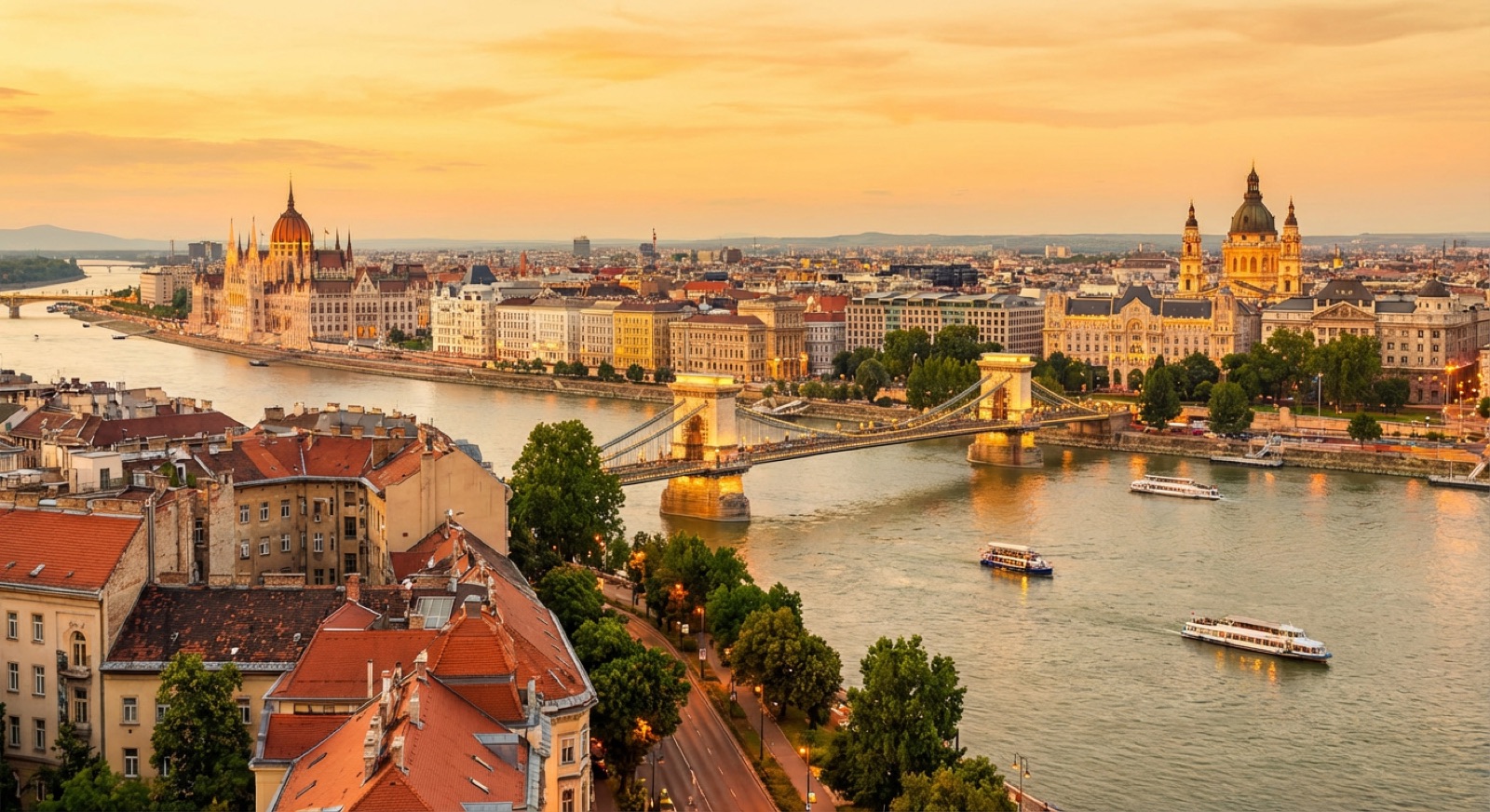
Best Things to Do in Budapest: Baths and Ruin Bars
What to actually do in Budapest — Szechenyi and Gellert baths, the ruin bar scene, Castle Hill, the Parliament and a Danube evening.
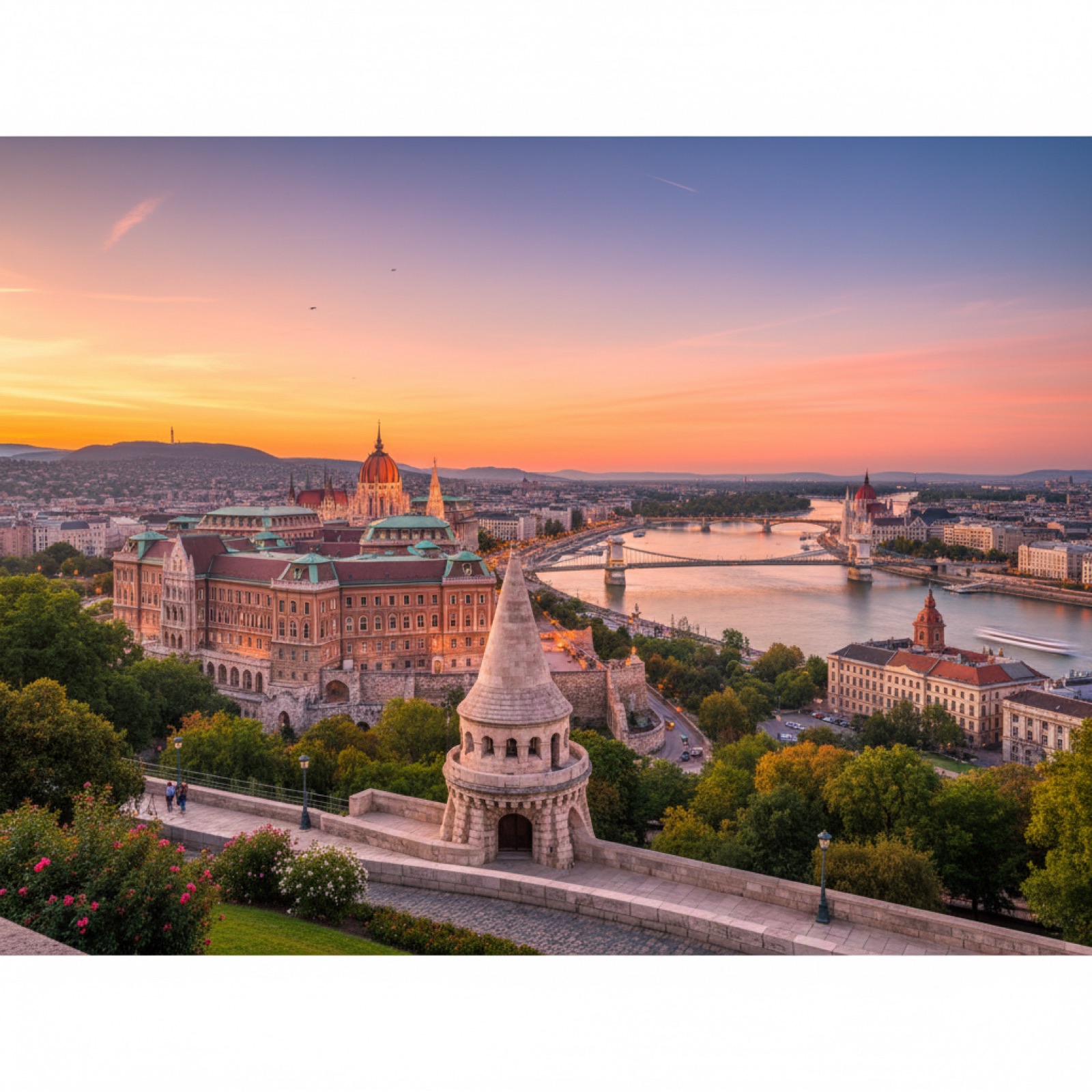
Buda Castle, Budapest: How to Plan Your Visit
A Buda Castle guide covering the hill's history, what's worth seeing inside, tickets, and how to time your visit to this UNESCO site in…
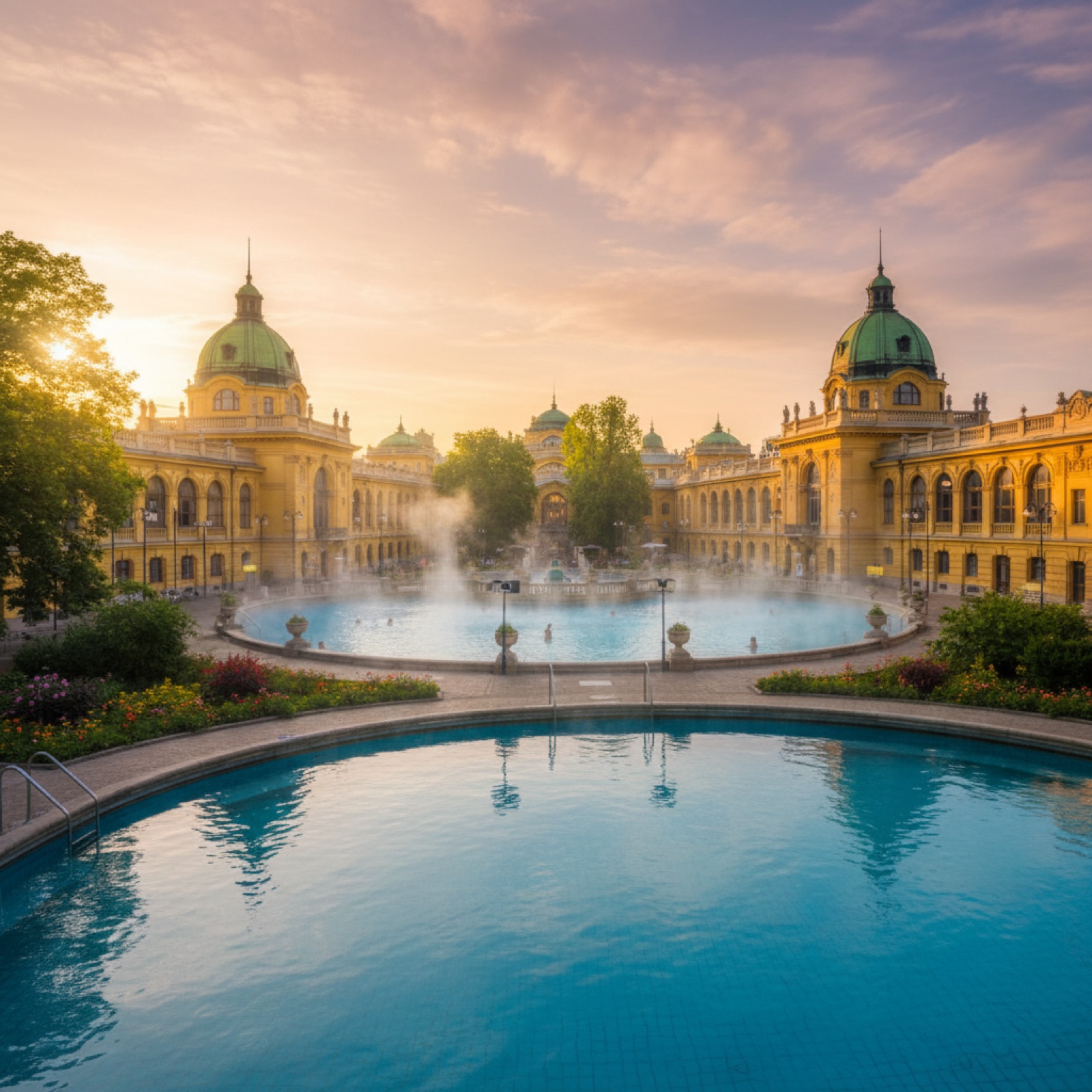
Széchenyi Baths, Budapest: Tickets, Tips and What to Bring
Széchenyi tickets and prices, getting there, the pools and facilities, what to bring, food on site, accessibility and mistakes to avoid at…