Dubai Desert Safari: Camel Trekking and Stargazing
How to choose a Dubai desert safari that isn't a conveyor belt — timings, what a camel trek is really like, stargazing, costs and what to wear.
In this guide
This guide is part of our Dubai Travel Guide — start there for the overview, itineraries and costs.
Few experiences are as memorable as a Dubai Desert Safari. The vast, undulating dunes, the silence broken only by the whispers of the wind, and the sky blazing with a million stars make it an otherworldly adventure that everyone visiting Dubai simply must undertake. Stepping onto the golden sands brings a sense of awe that urban skylines, no matter how magnificent, simply can't replicate. If you're looking for an unforgettable escape during your 2025 travels, a desert safari in Dubai promises an unparalleled blend of thrill, culture and natural beauty.
This comprehensive guide will walk you through everything you need to know to plan your perfect Dubai Desert Safari, focusing on the breathtaking camel treks and the mesmerizing stargazing opportunities. From choosing the right tour operator to understanding the cultural nuances and practical tips, this guide will ensure you're fully prepared for this magical journey.
Choosing Your Perfect Dubai Desert Safari Adventure
When it comes to planning your Dubai Desert Safari, you'll quickly realise there's a myriad of options available, each offering a slightly different flavour of adventure. From quick morning excursions to luxurious overnight stays, selecting the right one depends entirely on your preferences and budget, and each variation has its own charm.
Morning Desert Safari Dubai
If you're short on time or prefer to avoid the evening heat, a morning desert safari Dubai is an excellent choice. These tours typically focus on high-octane activities like dune bashing Dubai, quad biking, and sandboarding, often concluding before lunch. They're usually less focused on cultural experiences like Bedouin camps and traditional dinners.
- Duration: 3-4 hours
- Highlights: Dune bashing, sandboarding, quad biking (often optional extra), short camel ride.
- Pros: Beat the heat, ideal for tight schedules, more focus on adventure.
- Cons: No sunset views, no Bedouin camp dinner, limited stargazing.
Evening Dubai Desert Safari (Most Popular)
This is by far the most popular option for a Dubai Desert Safari, and for good reason. It offers a comprehensive experience, starting in the late afternoon and concluding after dinner. This is where you’ll find the quintessential camel treks, spectacular sunsets, Bedouin camps, and the beginnings of those incredible stargazing opportunities.
- Duration: 6-7 hours
- Highlights: Dune bashing, camel riding, sunset photography, Bedouin camp activities (henna, shisha, traditional costumes), BBQ dinner, belly dancing/Tanoura show, some stargazing.
- Pros: Full cultural immersion, stunning sunset, delicious dinner, balanced adventure and relaxation.
- Cons: Can be crowded at popular camps during peak season.
Overnight Dubai Desert Safari
For those seeking true immersion and the ultimate in stargazing, an overnight desert safari Dubai is the only way to go. After the evening activities, instead of returning to the city, you'll spend the night under the stars in a traditional Bedouin tent or more luxurious desert camp setups. This offers unparalleled tranquility and the best chance for deep-sky observation.
- Duration: ~17 hours (afternoon to next morning)
- Highlights: All evening safari activities, plus extended stargazing, sleeping in a desert camp, breakfast the next morning.
- Pros: Most authentic experience, maximum stargazing, ultimate peacefulness, wake up to a desert sunrise.
- Cons: Higher cost, requires more time commitment.
The best choice for first-timers, especially if you're interested in camel trekking Dubai and stargazing Dubai desert, is the Evening or Overnight safari. They truly capture the essence of what a Dubai Desert Safari should be.
The Thrill of Camel Trekking in the Dubai Desert
Choosing an Operator (This Is the Whole Trip)
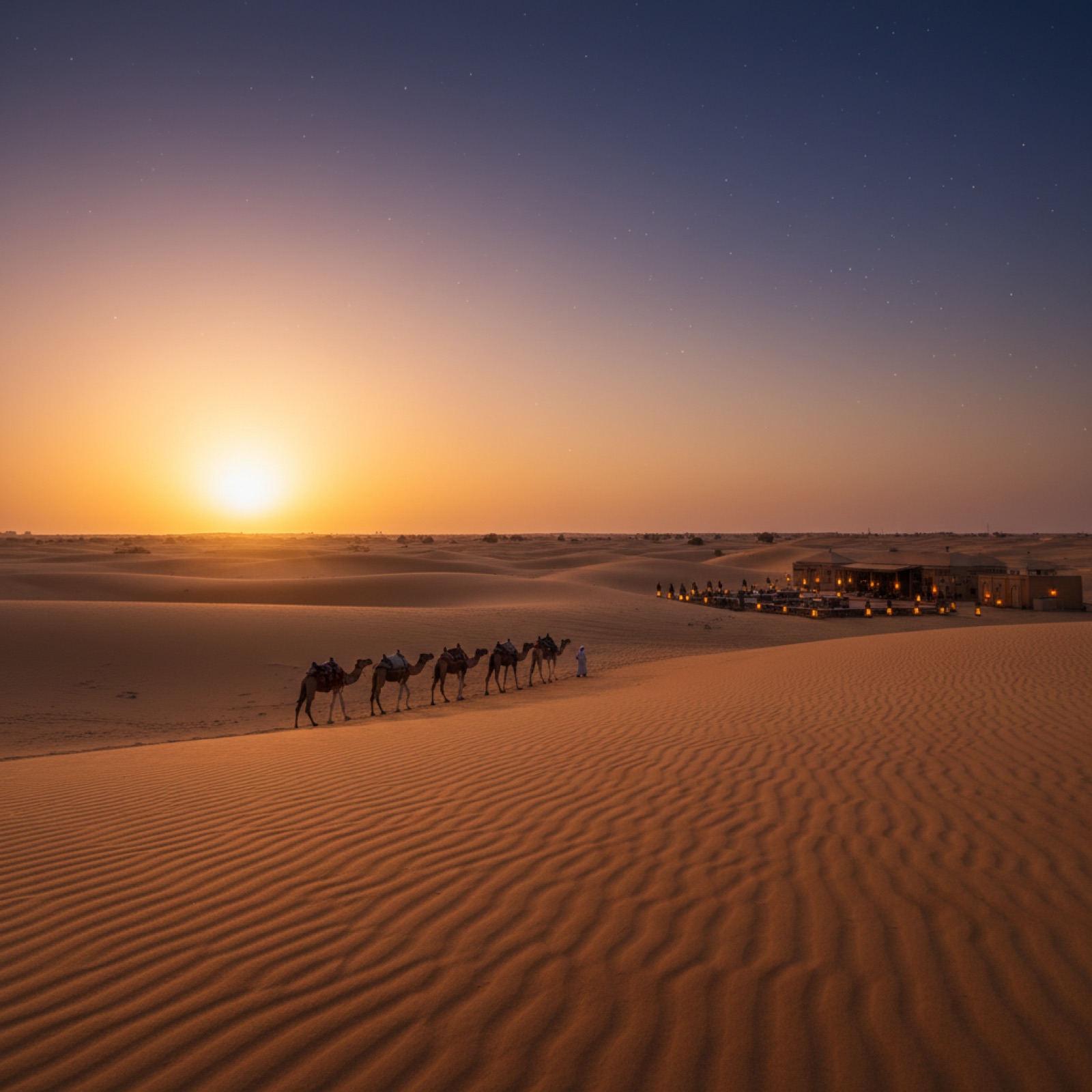
Every hotel in Dubai sells a desert safari, and the difference between a good one and a bad one is enormous. The cheap AED 120-180 trips take you to a fixed camp on the edge of the Dubai Desert Conservation Reserve with 300 other people, a 90-second camel ride around a pen and a buffet. The AED 400-700 trips go deeper into the reserve, cap the group at a dozen or fewer, and do the camel trek across open dunes at dusk.
Questions worth asking before you book: how many people per camp? Is the camel trek a ring or a route? Do you stay after dinner for the stars, or does the bus leave at 9pm? Is dune bashing included, and can you opt out (it's genuinely unpleasant if you get motion sick)? Operators licensed to work inside the conservation reserve — Platinum Heritage and similar — cost more and are worth it.
What a Camel Trek Is Actually Like
Camels get up back legs first, which pitches you forward at an alarming angle — lean back, hold the front of the saddle, and it's fine. The gait is a slow roll, not a jolt, and 40 minutes is plenty before your hips start complaining. You sit high, about 2.2 metres up, which is exactly why the view over the dunes at golden hour is worth the awkwardness. Handlers lead the camels on foot; you are not steering anything. Wear long trousers — the saddle blanket chafes bare legs.
Stargazing: When It Actually Works
Dubai's glow reaches a long way, so the camps 45-60 minutes out towards Al Marmoom or the Al Maha reserve are where the sky opens up. Conditions matter more than location:
- Season: October to March. Summer humidity and dust ruin transparency, and 40C at 9pm ruins the mood.
- Moon: book within three or four days of a new moon. A full moon in a desert is bright enough to read by.
- What you'll see: the Milky Way core rises before dawn in spring and is up in the evening from June to September. Orion dominates winter evenings. Jupiter and Saturn are naked-eye obvious most of the year.
- Bring: a red torch, not white. Twenty minutes of dark adaptation gets destroyed by one phone screen.
Better operators bring a telescope and an astronomer. Ask — it is the difference between "look, stars" and actually finding the Andromeda galaxy.
What to Wear, Bring and Expect to Pay
- Clothing: loose long trousers, closed shoes for the camel, a light jacket — desert nights in January drop to 12C.
- Timing: pickups run 3-3:30pm, returns 9-10pm. Morning safaris (5:30am) are cooler and far less crowded, but you lose the stars.
- Cost: AED 150-200 budget group, AED 350-500 small-group with a proper camel trek, AED 800+ private with an astronomer or a vintage Land Rover.
- Don't eat a big lunch if dune bashing is on the itinerary.
- Falconry demonstrations at the reserve camps are the underrated highlight — ask if yours includes one.
More Dubai guides
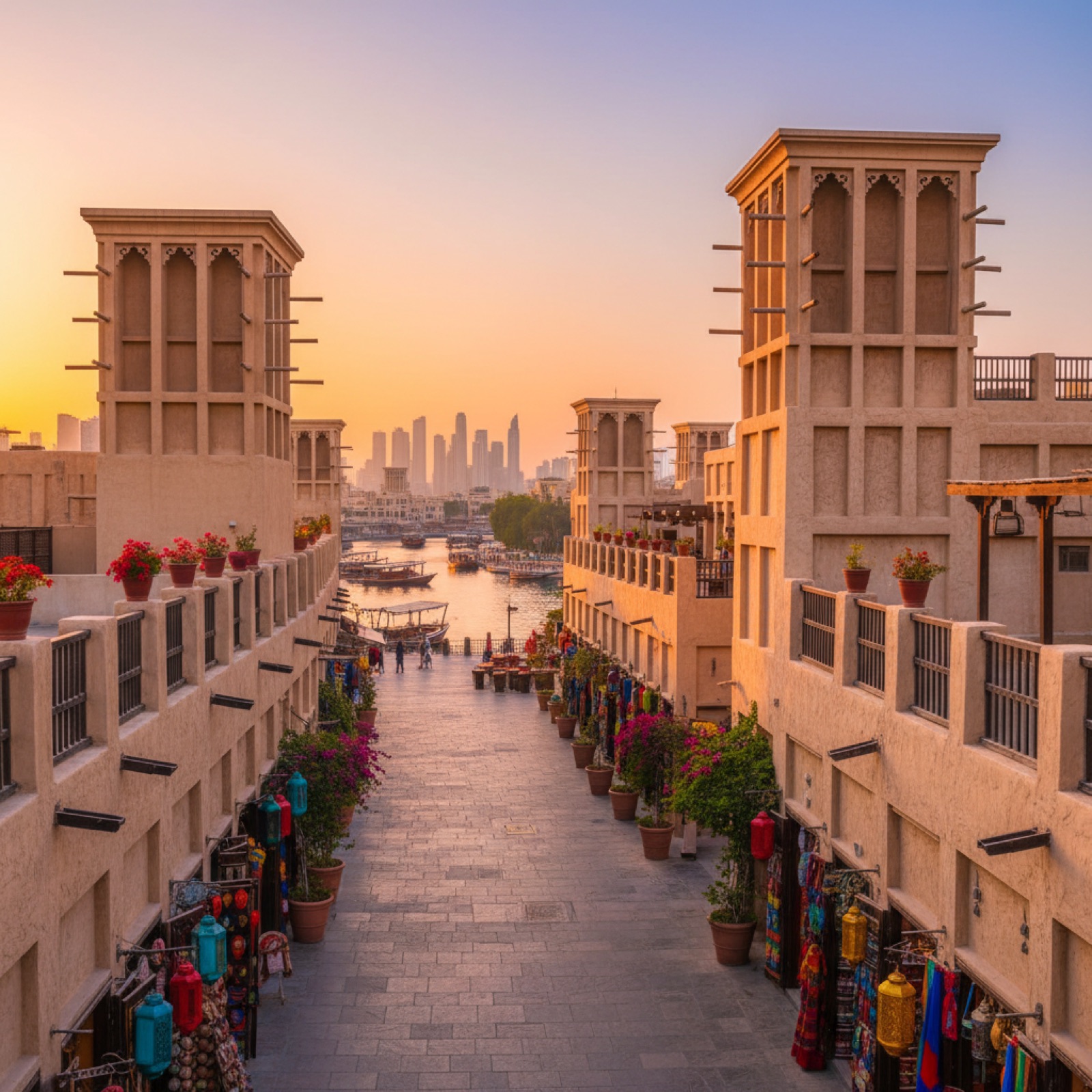
Al Fahidi Historic District: Dubai's Old Town Guide
The history, museums and craft experiences of Dubai's Al Fahidi district, plus the nearby Creek and souks, where to eat and stay, and…
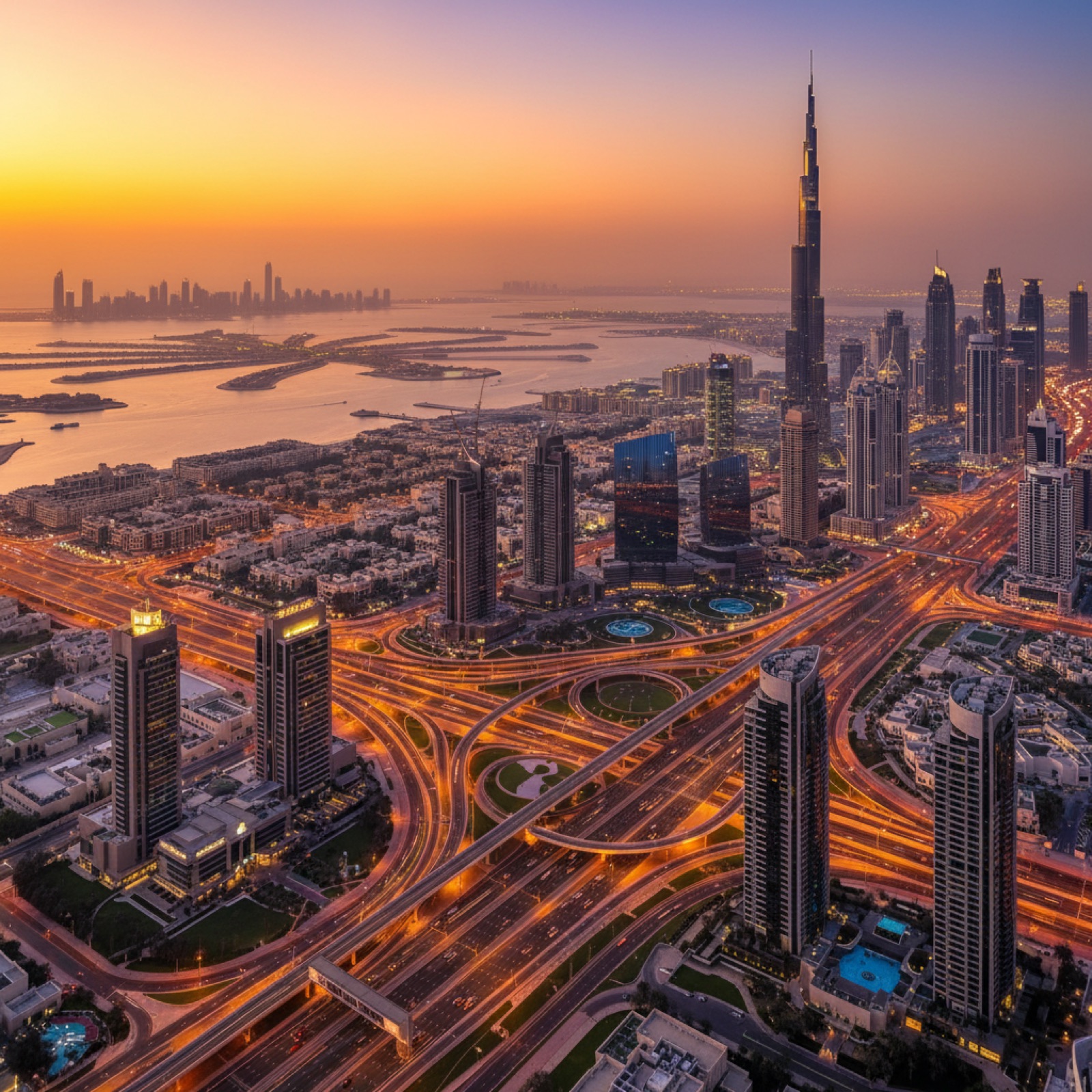
Dubai Travel Guide: Where to Go and How to Plan
When to visit Dubai, visas, getting around, the main attractions, luxury and budget options, where to eat and stay, desert safaris and the…
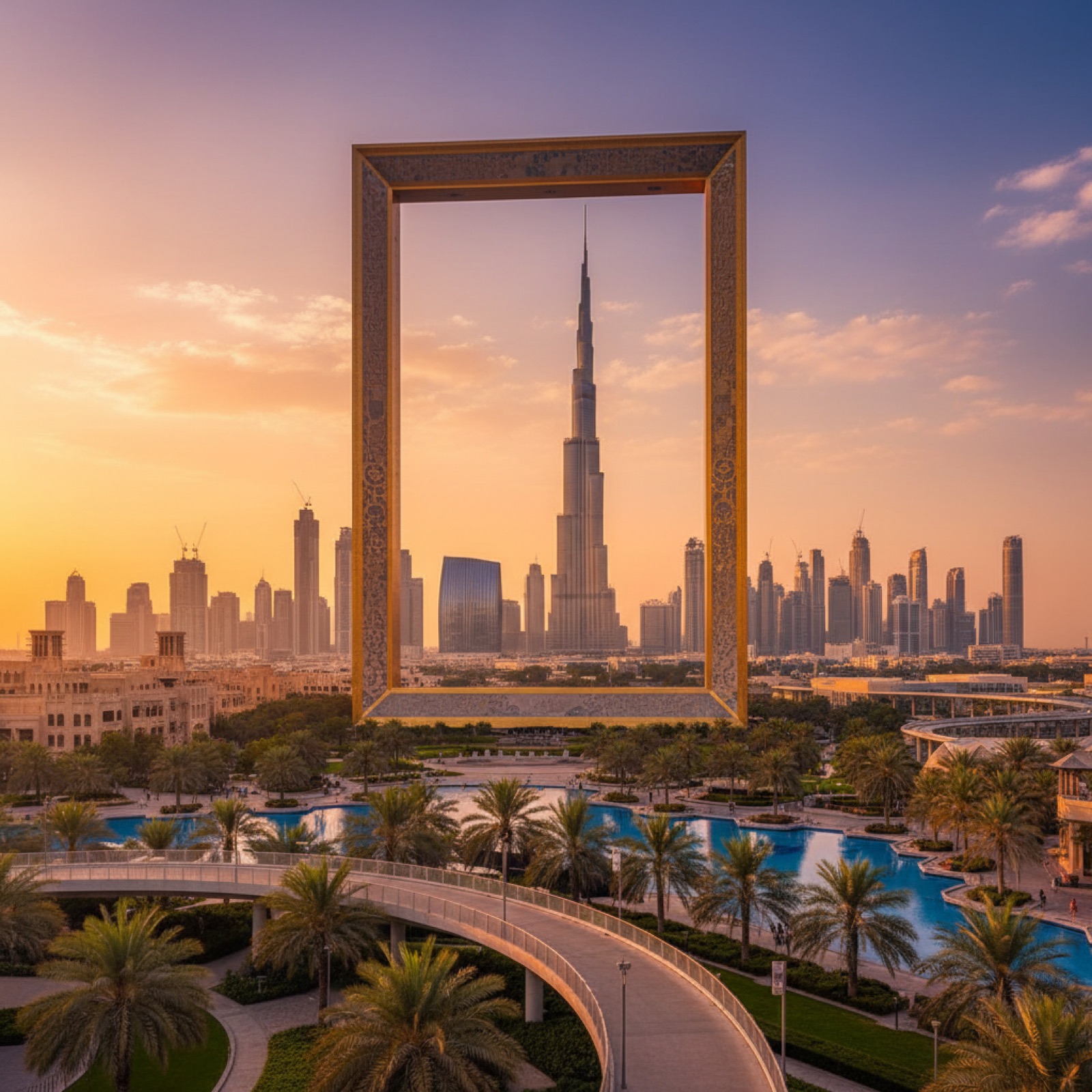
Five Unusual Things to Do in Dubai
Five unusual things to do in Dubai beyond the malls and towers - from street art to an indoor rainforest - with locations, costs and how…