Long-Haul Flight Survival Guide
How to survive a long-haul flight: seat choice, sleep, hydration, jet lag recovery and what actually belongs in your carry-on.
In this guide
- Quick Facts
- Booking the Right Flight: Your First and Most Important Decision
- The Art of Seat Selection
- Your 24-Hour Pre-Flight Ritual
- Packing the Perfect Carry-On Bag
- Hydration and Health at 35,000 Feet
- Caffeine and Alcohol: The Honest Truth
- Move Your Body: Avoiding Stiffness and DVT
- The Sleep Strategy: Beating Jet Lag Before You Land
- Blocked Ears and Flying with Kids
- Arrival Day Game Plan: Your First 24 Hours
- Pre-Flight Countdown: A Final Checklist
- Explore in Depth
- Frequently Asked Questions
- Final Thoughts
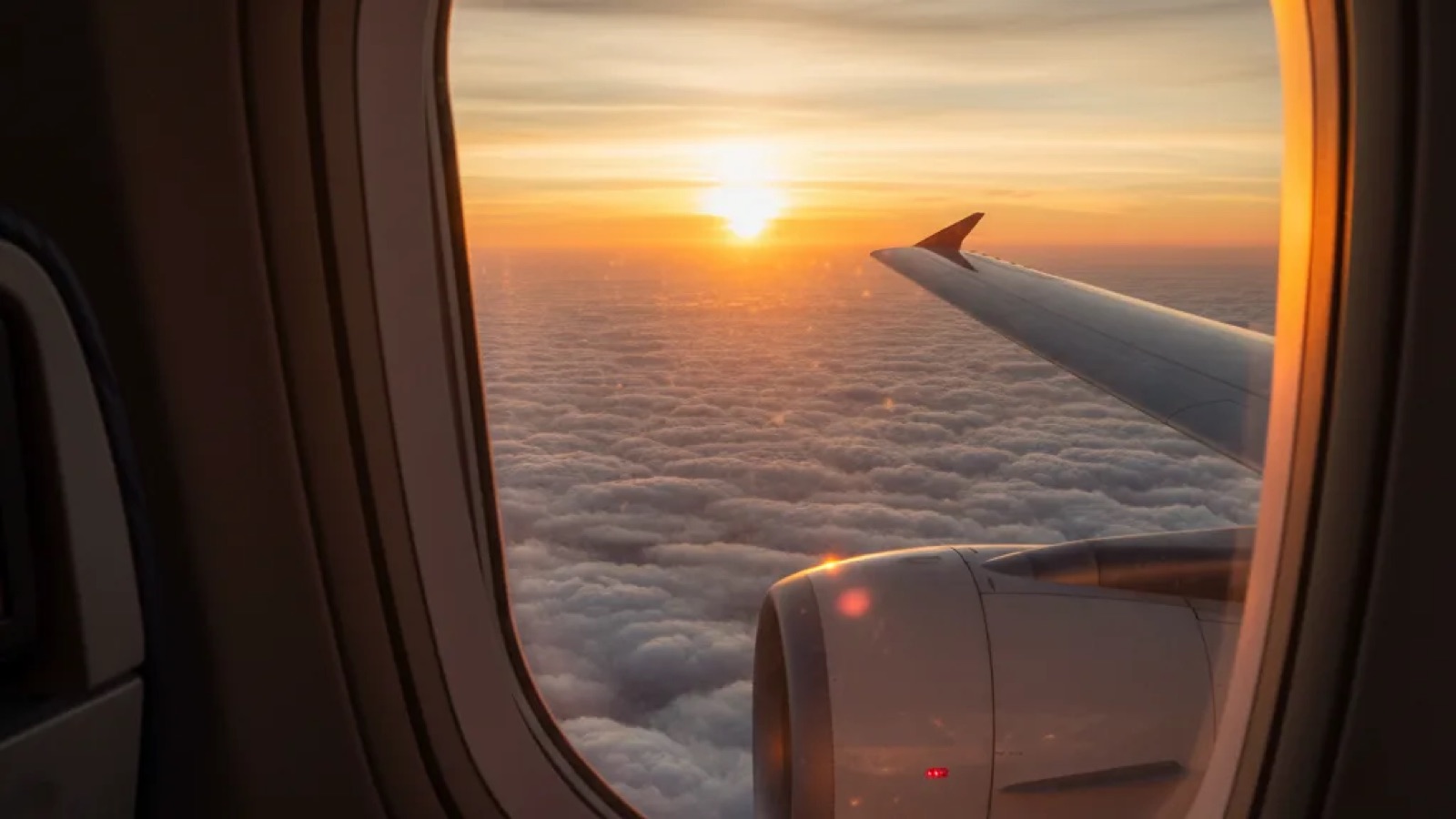
The hiss of the cabin air is a sound I know better than my own home’s quiet hums. Fourteen hours into a flight from Sydney, somewhere over the vast, dark emptiness of the Indian Ocean, the world shrinks to this single pressurised tube. My neck is stiff, my mouth feels like a patch of the Simpson Desert, and the glow of the screen opposite has been showing the same looping map for what feels like an eternity. But then, a crack of brilliant orange appears on the port-side horizon. The sun is rising on a new day in a different hemisphere, and suddenly, the discomfort melts away, replaced by that familiar, addictive hum of anticipation. This is the price of admission, the ritual passage for us Aussies who live a day’s flight from almost everywhere.
After more than a decade of making these marathon journeys from Australia to Europe, Asia, and the Americas, I’ve refined the art of long-haul survival into a science. It’s not about enduring the flight; it’s about conquering it. It’s about arriving on the other side not as a crumpled, jet-lagged zombie, but as a traveller ready to hit the ground running. This guide is my playbook, filled with the hard-won lessons I’ve learned from countless hours at 35,000 feet. From booking the right ticket to your first 24 hours on the ground, this is everything you need to make your next long-haul flight your best one yet.
Quick Facts
- The Challenge: Surviving 12 to 24+ hours of continuous travel across multiple time zones.
- The Goal: Arrive feeling human, minimise jet lag, and start your adventure on the right foot.
- The Enemy: Dehydration, sleep deprivation, deep vein thrombosis (DVT), and boredom.
- Key Weapon: A solid, repeatable strategy for hydration, sleep, and movement.
- Favourite Layover Hubs: Airports in cities like Singapore, Doha, and Dubai are designed for long transits, often offering gardens, pools, and even short-term city tours.
- The Rule of Thumb: Budget one day of adjustment for every one hour of time zone change.
Booking the Right Flight: Your First and Most Important Decision
Your long-haul experience begins long before you get to the airport. It starts with the flight you book. For us travelling from Australia, a 20+ hour journey to Europe or the US East Coast is standard. You’ll be tempted by cheaper fares with multiple short stops, but I urge you to resist. Fewer stops are almost always better. A single, well-timed layover is a strategic advantage, not a delay.
Here’s my golden rule: pay more attention to your arrival time than your departure time. A flight that lands at 7 AM local time might seem efficient, but it’s a recipe for a jet-lagged disaster. You’ll be exhausted, you probably can't check into your hotel for hours, and the temptation to sleep will be overwhelming, destroying your first day. I always aim for a flight that arrives in the late afternoon or early evening. This gives you just enough time to get through the airport, travel to your accommodation, have a simple dinner, and then fall into bed at a locally appropriate time. It’s the single best thing you can do to get onto your new time zone’s rhythm.
Also, scrutinise connection times. Anything less than 90 minutes is a high-stakes gamble. A small delay on your first leg can lead to a frantic, stressful sprint through a massive, unfamiliar airport. I prefer a layover of at least two to three hours. Better yet, consider the long layover. A 10-hour stop in Singapore or Dubai can be a mini-adventure. It breaks the journey into two more manageable flights, gives you a chance to walk on solid ground, breathe fresh (if humid) air, and maybe even grab some incredible street food. Many major hub airports are brilliantly organised for this. You can leave your carry-on in a secure locker and hop on a metro into the city centre for a few hours. It’s a chance to stretch your legs and your camera’s sensor.
The Art of Seat Selection
Your assigned seat is your home for the next dozen or so hours. Choose wisely. This isn’t about minor preferences; it's about core travel strategy. The debate between aisle and window is eternal, but the answer depends on your priorities.
Aisle vs. Window: The Eternal Debate
- The Window Seat: My personal preference for overnight sectors. You have a solid wall to lean your head against for sleeping, which is a surprisingly effective comfort. You control the window shade, crucial for managing light when you’re trying to sleep. And you won’t be disturbed by your neighbours needing to use the loo. The downside? You have to bother them for the same reason. For a photographer, it also offers the chance of capturing incredible high-altitude sunrises or stunning views of mountain ranges on approach.
- The Aisle Seat: The choice for the fidgety and the frequently-hydrating. You have the freedom to get up, stretch your legs, and access the overhead locker whenever you want without clambering over sleeping strangers. This is the best choice if you are tall, have circulation concerns, or simply can't sit still. The main drawback is being bumped by the service cart and fellow passengers walking the aisle, and having to get up for your seatmates.
- The Middle Seat: Avoid at all costs. This is the travel equivalent of purgatory.
Location, Location, Location
Where your seat is on the plane also matters. The front of the cabin is generally quieter as you're forward of the main engine noise. The rear of the plane, near the tail, can experience more turbulence. Seats near the galleys and toilets are a mixed bag. You have easy access, but also constant foot traffic, noise from crew, and lingering light and odours. I try to be at least four or five rows away from them.
What about exit rows and bulkheads? They offer fantastic legroom, which is a game-changer. However, bulkhead seats often mean your tray table and entertainment screen are in the armrest, making the seat slightly narrower. You also can’t have any bags on the floor during take-off and landing. Exit row seats come with the responsibility of being able to assist in an emergency, and sometimes they don’t recline. Always check the specific aircraft's seat map online before confirming.
Your 24-Hour Pre-Flight Ritual
How you spend the 24 hours before you fly has a massive impact on your in-flight experience. Don’t leave everything to the last minute. A frantic, stressful departure almost guarantees a miserable flight.
I make a point to finish all my packing and organising the night before. The day of the flight should be calm. Go for a walk, a light run, or a swim. Gentle exercise helps to tire you out and combat the restlessness of sitting still for a whole day. It also helps with circulation. Focus heavily on hydration. Start drinking more water than usual, and cut back on caffeine and alcohol, which are both dehydrating.
Try to get a solid night's sleep two nights before your flight if you have an overnight departure. The night immediately before is often disturbed by last-minute anxieties or an early alarm. Finally, eat a light, healthy meal before you head to the airport. Avoid anything heavy, greasy, or that you know might upset your stomach. A simple salad or a bowl of soup is a far better choice than a giant burger and chips.
Packing the Perfect Carry-On Bag
Your carry-on is your survival kit. It’s not a place for things you *might* need; it’s for things you absolutely *will* need. Forget fashion; think function. Here is my non-negotiable list, refined over a decade of travel.
- The Essentials: Passport, visas, phone, wallet, and any crucial medications in their original packaging with a doctor's letter if necessary. These never leave my sight.
- A Change of Clothes: Not a full outfit, just the essentials: a fresh t-shirt, underwear, and socks. After 15 hours, changing into these will make you feel like a new person. It's also insurance against lost luggage.
- Power and Entertainment: A fully charged portable battery pack is critical. Remember, regulations require these to be in your carry-on, not checked luggage. Add your phone, noise-cancelling headphones (a non-negotiable sanity saver), and a charging cable. Download a stash of podcasts, music, and shows beforehand.
- Comfort Kit: A good eye mask that blocks all light, effective earplugs (or your headphones), a travel-sized moisturiser and a good lip balm to combat the brutally dry cabin air. Think of it as a personal micro-climate.
- Hydration Station: An empty, refillable water bottle. You can’t take water through security, but you can fill it up at a fountain on the other side and ask the cabin crew to refill it during the flight. It’s better for the planet and ensures you always have water on hand.
- Warmth: A jumper, merino wool base layer, or a large scarf/pashmina is essential. Cabin temperatures can fluctuate wildly, and being cold is miserable. I use my scarf as a blanket, a pillow, or an extra layer.
- Biosecurity-Safe Snacks: Packaged nuts, muesli bars, or biscuits are fine. Avoid fresh fruit, meat, or dairy, which you’ll have to declare and likely discard upon arrival. Having a snack you actually like is a huge morale boost when the cabin meal isn't to your taste.
Hydration and Health at 35,000 Feet
The air in a plane cabin is drier than most deserts on Earth, with humidity levels often dropping below 20%. This is the primary culprit behind feeling terrible after a flight. It dehydrates your body, your skin, your sinuses, and your eyes. Your main weapon against this is simple: water, and lots of it.
This is where your refillable bottle comes in. Don't wait for the crew to bring tiny plastic cups of water every few hours. Keep your bottle full and sip from it constantly. My goal is to drink at least one litre for every four hours of flying. Yes, it means more trips to the bathroom, but that’s a good thing – it forces you to get up and move. Use your moisturiser on your hands and face, apply lip balm regularly, and consider a saline nasal spray if you're prone to dry sinuses. It makes a world of difference.
Caffeine and Alcohol: The Honest Truth
Many travellers see the free-flowing drinks as a perk of long-haul travel. I see them as a trap. While a glass of wine with your meal feels like a civilised way to pass the time, alcohol's effects are magnified at altitude. It's more dehydrating and can disrupt the quality of your sleep, even if it helps you doze off initially. You might sleep, but it won't be the deep, restorative sleep you need. My advice? If you must, have one with your main meal, and then switch to water.
Caffeine is a strategic tool, not a beverage for casual consumption. Avoid it for the first half of the flight, especially if you're trying to sleep. Save it for the final two or three hours before landing. A cup of coffee about 90 minutes before the seatbelt sign goes on can help you wake up and hit the ground feeling more alert and ready to face immigration queues.
Move Your Body: Avoiding Stiffness and DVT
Sitting in the same position for hours on end is unnatural and unhealthy. It leads to stiffness, aches, and in rare cases, a serious condition called Deep Vein Thrombosis (DVT), where blood clots form in the deep veins of the leg. Moving around is your best defence.
Get up and walk the aisle every hour or two if you can. When you are seated, do simple exercises: point and flex your feet, do ankle circles, and lift your knees towards your chest. Stretch your arms, neck, and shoulders. Many in-flight entertainment systems have guided exercise videos you can follow from your seat.
Consider wearing compression socks or stockings. They apply gentle pressure to your legs, which helps maintain blood flow and reduce swelling. They might look a bit medical, but your ankles will thank you when you can still fit into your shoes upon landing. If you have pre-existing health conditions, are pregnant, or have other risk factors for DVT, it is essential to consult your doctor for personalised advice before you fly.
The Sleep Strategy: Beating Jet Lag Before You Land
The moment you board the plane, you should switch your watch and your mindset to your destination’s time zone. This is the core of your anti-jet-lag strategy. Look at your destination. Is it daytime there? Then try to stay awake. Is it night-time? Then it's time to try and sleep. This is often the opposite of what your body wants to do.
To help yourself sleep, create a ritual. After the main meal service, go to the bathroom, brush your teeth, change into your comfortable clothes, and then settle in. Put on your eye mask, pop in your earplugs or noise-cancelling headphones, and cover yourself with your blanket or scarf. Signal to your body that it is time for rest. Don’t try to force it, but create all the right conditions.
Equally important is knowing when *not* to sleep. If you have a long sleep on the plane right before a morning arrival, you'll be wide awake when you should be feeling tired for bed that night. Aim to wake up a few hours before landing, have some food, and start adjusting to the idea of a new day. A key part of this is eating on the destination's schedule, not when you're hungry. If they serve a meal that corresponds to "dinner" at your destination, eat it. If they serve "breakfast" just before landing, eat it, even if your body thinks it's 3 AM.
Blocked Ears and Flying with Kids
The change in cabin pressure during take-off and especially landing can cause painful pressure build-up in your ears. To prevent this, you need to equalise the pressure. Yawning, swallowing, and chewing gum can all help. If it’s particularly bad, I use the Valsalva manoeuvre: pinch your nostrils closed, close your mouth, and gently try to exhale through your nose. You should feel a small pop as your ears clear. It's crucial not to fly with a bad cold or sinus infection if you can help it, as the inflammation can make it impossible to equalise the pressure, leading to severe pain and potential damage.
A quick word for those travelling with children: the same principles apply, but amplified. Snacks are your best friend. A tablet loaded with their favourite shows is a lifesaver. Pack more of everything than you think you’ll need. For babies and toddlers, feeding them or giving them a dummy during take-off and landing can help with their ears. Most importantly, stay calm. Other passengers will be more understanding of a happy parent with a crying baby than a stressed-out parent.
Arrival Day Game Plan: Your First 24 Hours
You’ve made it. Congratulations. But the battle isn’t over; the final boss is jet lag. Your first day sets the tone for your entire trip. If I have one piece of advice, it’s this: do not have a long nap. A 20-minute power nap can be reviving, but sleeping for two or three hours will wreck your body clock for days.
The most powerful tool for resetting your internal clock is natural daylight. As soon as you drop your bags, get outside. Go for a walk around the neighbourhood, find a park, sit at an outdoor café. The sunlight sends a strong signal to your brain that it’s daytime. Keep moving and stay active. Plan a low-stakes activity for your first afternoon, like a walk to a famous landmark or a visit to a local market.
Stay hydrated and eat light meals that align with the local time. Resist the urge to have a huge, heavy dinner. Aim to stay awake until at least 9 or 10 PM local time. If you do this, you’ll be so exhausted that you'll likely sleep soundly through the night, and wake up the next morning feeling surprisingly refreshed and on the right schedule.
Pre-Flight Countdown: A Final Checklist
Before you lock your front door, run through this one last time.
- 72 Hours Out: Check in online and select your seat if you haven't already. Confirm any special meal requests.
- 48 Hours Out: Start hydrating. Pack your main checked luggage.
- 24 Hours Out: Finish packing your carry-on. Charge all electronics, including your portable battery pack. Download your media for the flight. Go for a light walk or swim.
- 12 Hours Out: Eat a light, healthy meal. Get a few hours of sleep if you can. Double-check your passport and visa status.
- At the Airport: Fill your water bottle after security. Re-confirm your gate and departure time. Walk around the terminal instead of just sitting at the gate.
- On Board: Set your watch to the destination time. Let the strategy begin.
There's a lot to consider before embarking on your next adventure. If you're in the planning stages, these articles might help you organise your thoughts and your budget.
Explore in Depth
Frequently Asked Questions
What is better for sleeping on a plane, a window or an aisle seat?
For sleeping, the window seat is generally superior. It provides a solid surface to lean your head against, which makes a huge difference in comfort and neck support. You also have control over the window shade, allowing you to block out light when you want to rest. Perhaps most importantly, you won't be disturbed by your seatmates needing to get up. The main drawback is having to ask them to move when you need to use the bathroom. If you're a light sleeper who values uninterrupted rest, the window is your best bet.
Is it really that bad to have a drink on a long-haul flight?
While not "bad" in a moral sense, drinking alcohol on a long flight is often counterproductive to feeling good on arrival. The lower-humidity cabin air is already very dehydrating, and alcohol compounds this effect. Its sedative effects are also amplified at altitude, and while it might help you doze off, the sleep you get is less restorative and more likely to be interrupted. This can worsen jet lag. My honest advice is to have one glass of wine with a meal if you enjoy it, but then switch exclusively to water for the rest of the flight.
How can I stop my ears hurting during take-off and landing?
That painful feeling is caused by the air pressure in your middle ear being different from the cabin pressure. The key is to help your Eustachian tubes open to equalise this pressure. The simplest methods are frequent swallowing, yawning, or chewing gum, especially during ascent and descent. If that doesn't work, try the Valsalva manoeuvre: gently pinch your nose, close your mouth, and try to exhale through your nostrils. You should feel a gentle pop. If you are congested from a cold, it's wise to use a decongestant before flying, and if it's severe, consult a doctor.
Should I take a sleeping pill to get through a long flight?
This is a personal decision that requires medical advice. You should never take any prescription medication, including sleeping pills, without consulting your doctor. They can interact with other medications and the unique conditions of flying at altitude. Some people find them helpful, but they can also leave you feeling groggy and disoriented upon landing, which can be unsafe. Many travellers prefer non-prescription alternatives like melatonin or herbal remedies, but even these should be discussed with a healthcare professional to ensure they are right for you and your travel plans.
I have a 10-hour layover, is it worth leaving the airport?
For a layover of 10 hours, absolutely! It's a fantastic opportunity to break up the journey and get a taste of another city. Many major hub airports like Singapore Changi, Doha Hamad International, or Dubai International are incredibly well-connected to their city centres with fast, efficient public transport. Check visa requirements for that country first. Many airports also offer specific short city tours for transit passengers. Leaving the airport to walk around, eat a local meal, and see a new sight does wonders for your mental state and helps combat the physical fatigue of flying.
Final Thoughts
There's no getting around the fact that flying from Australia to the rest of the world is a marathon. It’s a significant investment of time, money, and energy. But I’ve come to see it as more than just a means to an end. It's a forced pause, a moment of transition between worlds. It's a quiet space to read, to think, to watch the world from an impossible vantage point, and to prepare yourself for the adventure to come.
By treating the flight itself as the first part of your trip—something to be planned and strategised for, rather than simply endured—you change the entire experience. You take control. So next time you're buckling in for the long haul, remember this guide. Drink your water, do your stretches, and watch that dawn break over a new continent. Your adventure has already begun.
More Airplane guides

Why Are Flights So Expensive? What Drives Airfares
How fuel costs, airline consolidation, dynamic pricing, demand and route economics push up airfares, plus when to book, ways to save and…

How to Keep Your Carry-On Under 7kg
How airline 7kg carry-on rules work, choosing a light bag, packing methods, clothing, toiletries and tech, what to wear on board and…