Ponte Vecchio, Florence: History and How to Visit
The Ponte Vecchio's history and design, its jewellery shops, the Medici Corridor, the best viewpoints for photos, practical tips and nearby sights.
In this guide
- Introducing the Ponte Vecchio
- Table of Contents
- The Enduring History of Ponte Vecchio: Florence's Old Bridge
- Architectural Marvels: Understanding the Design of Ponte Vecchio
- Exploring the Ponte Vecchio Shops: A Treasure Trove of Jewelry
- The Secret Passage: Unveiling the Medici Corridor on Ponte Vecchio
- Best Views of Ponte Vecchio: Photography Spots and Hidden Gems
- Practical Tips for Visiting Ponte Vecchio: What You Need to Know
- Beyond the Bridge: Nearby Attractions to Ponte Vecchio
- Budgeting Your Ponte Vecchio Experience: Prices and Costs
- Pro Tips for an Unforgettable Ponte Vecchio Visit
- Common Mistakes to Avoid When Experiencing Ponte Vecchio
- Conclusion: Your Unforgettable Journey Across Ponte Vecchio
This guide is part of our Florence Travel Guide — start there for the overview, itineraries and costs.
Introducing the Ponte Vecchio
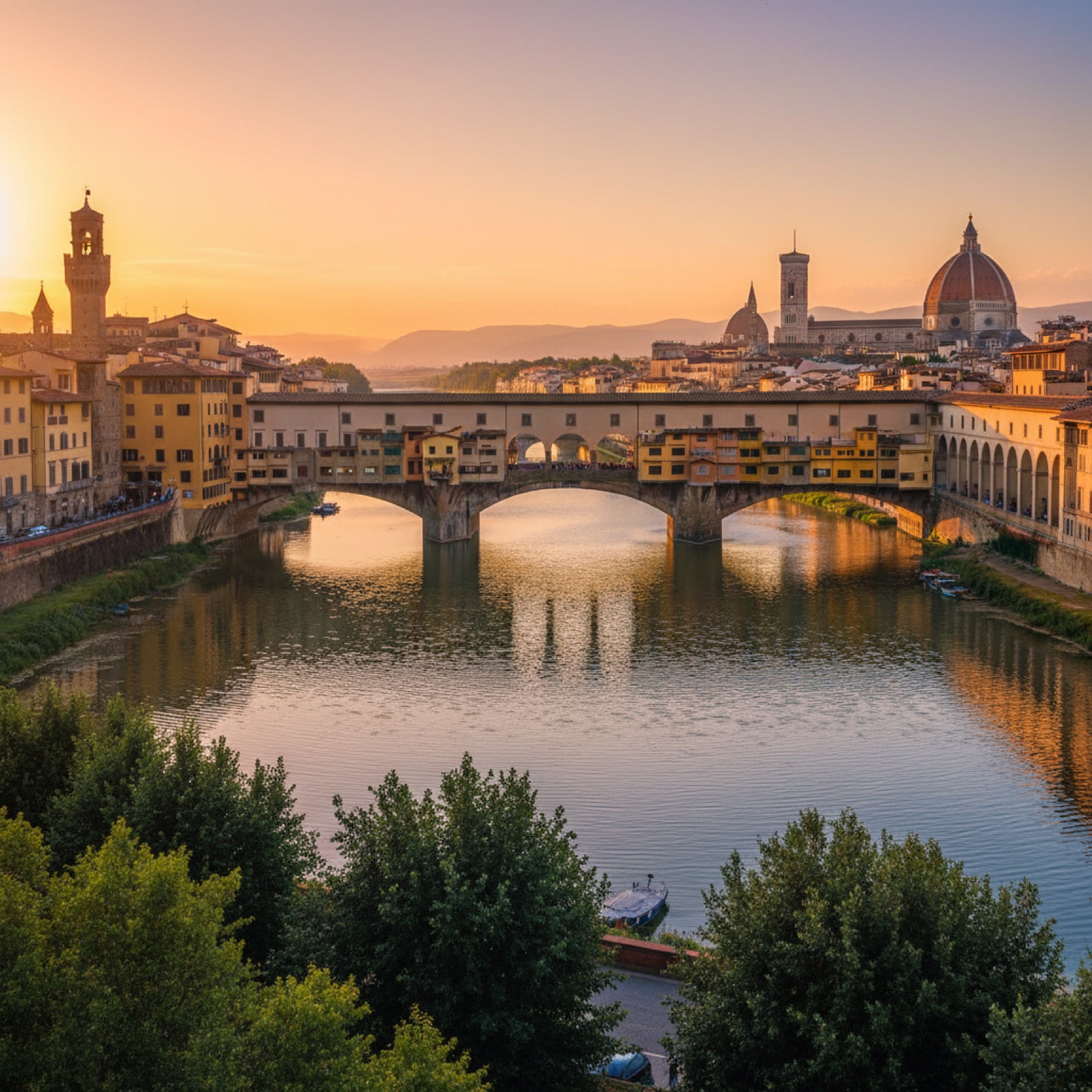
Ah, Florence! The city of art, romance, and unparalleled beauty. One place in Florence stands out, steeped in history and throbbing with life: the Ponte Vecchio. On a crisp autumn evening, the Arno River flows gently beneath, reflecting the warm glow of the bridge's ancient shops. This isn't just a bridge; it's a living museum, a testament to Florence's enduring spirit, and a destination in itself for any memorable Florence trip. If you're planning to visit this magnificent city, understanding the magic of the Ponte Vecchio is absolutely essential. This comprehensive guide will equip you with everything you need to know for your 2025 visit, from its hidden stories to the best places to capture its timeless beauty.
Table of Contents
- The Enduring History of Ponte Vecchio: Florence's Old Bridge
- Architectural Marvels: Understanding the Design of Ponte Vecchio
- Exploring the Ponte Vecchio Shops: A Treasure Trove of Jewelry
- The Secret Passage: Unveiling the Medici Corridor on Ponte Vecchio
- Best Views of Ponte Vecchio: Photography Spots and Hidden Gems
- Practical Tips for Visiting Ponte Vecchio: What You Need to Know
- Beyond the Bridge: Nearby Attractions to Ponte Vecchio
- Budgeting Your Ponte Vecchio Experience: Prices and Costs
- Pro Tips for an Unforgettable Ponte Vecchio Visit
- Common Mistakes to Avoid When Experiencing Ponte Vecchio
- Conclusion: Your Unforgettable Journey Across Ponte Vecchio
The Enduring History of Ponte Vecchio: Florence's Old Bridge
The Ponte Vecchio, meaning 'Old Bridge', is far more than just a means to cross the Arno River; it's a living relic of Florentine history. The first bridge on this site probably dated back to Roman times. Imagine that! Several destructions by floods and subsequent rebuilds marked its early life. The current structure, dating from 1345, is attributed to Taddeo Gaddi or Neri di Fioravanti. This makes it Florence's oldest stone bridge, and one of the only medieval bridges in Europe to have shops built along its edges. This unique design wasn't just for aesthetics; it was a clever way to maximize prime commercial real estate. Originally, butchers, tanners, and fishmongers occupied these spaces, their waste directly dumped into the river below. The stench must have been something else!
A pivotal moment in the bridge's history, and a vital aspect of understanding the Ponte Vecchio, came in 1565. Cosimo I de' Medici, tired of walking through the foul-smelling market stalls to get from his palace (Palazzo Pitti) to his government offices (Palazzo Vecchio), commissioned Giorgio Vasari to build an elevated enclosed passageway above the bridge's shops. This became known as the Vasari Corridor, a secret path that changed the fate of the bridge forever. More on that fascinating journey later!
During World War II, a remarkable event further cemented the legend of the Ponte Vecchio. While all other Florentine bridges were destroyed by retreating German forces in 1944, the Ponte Vecchio was spared. Legend says it was at Hitler's direct command, supposedly charmed by its beauty during a prior visit. Instead, access was blocked by demolishing the buildings at either end. This act of preservation speaks volumes about its cultural significance and makes visiting Ponte Vecchio even more poignant. Every arch, every stone, every shop on this bridge whispers tales of centuries past.
Early Origins and Rebuilds of Florence Bridges
The site of the Ponte Vecchio has seen many iterations of bridges since Roman foundational structures. Early bridges were often made of wood, making them susceptible to fire and the powerful floods of the Arno River. The current masonry structure was a significant engineering feat, designed to withstand the river's force. This commitment to rebuilding after each disaster highlights the bridge's strategic importance, linking the two sides of Florence and facilitating trade. It's truly a testament to Florentine resilience and ingenuity.
The Medici Family's Impact on Ponte Vecchio
The Medici family, grand patrons of the Renaissance, played an undeniable role in shaping the Ponte Vecchio as we know it. Their decision to construct the Vasari Corridor not only led to the relocation of the butchers and tanners but also transformed the bridge's commercial landscape. The less savory trades were replaced by goldsmiths and jewelers, a move deemed more appropriate for the private passage of royalty. This change instantly elevated the status of the Ponte Vecchio shops, turning them into purveyors of luxury goods, a tradition that continues to this day.
Architectural Marvels: Understanding the Design of Ponte Vecchio
The architecture of the Ponte Vecchio is truly distinctive, unlike any other bridge I've encountered. Its three segmental arches support a wide, flat deck where buildings seem to sprout directly from the bridge itself. From a distance, it almost looks like a continuation of the city, suspended over the water. The central arch is wider than the two outer ones, a design choice that likely contributed to its structural stability. The shops, built in a traditional medieval style, jut out over the river, supported by stout pillars and corbels, creating a bustling, vibrant streetscape within the bridge itself.
One of the most striking features, both architecturally and historically, is the open loggia in the middle of the bridge, offering breathtaking views of the Arno River and other Florence bridges like the Ponte Santa Trinita. This open space provides a much-needed break from the enclosed feeling of the shops and allows air and light to permeate. It's a perfect spot to pause, take a breath, and soak in the atmosphere of the Ponte Vecchio. You'll often find street performers here, adding to the bridge's lively ambiance.
The Vasari Corridor, though mostly hidden from public view, is an integral part of the bridge's architectural narrative. Its subtle presence above the shops, with small, discreet windows, speaks of a bygone era of secret passages and political intrigue. Understanding these architectural nuances enriches any visit to the Ponte Vecchio. It’s not just a collection of buildings; it's a beautifully integrated design that has stood the test of time, an iconic Florence landmark that continues to inspire awe.
The Vasari Corridor's Ingenious Design
The Vasari Corridor, designed by Giorgio Vasari, is an engineering marvel. It stretches approximately one kilometer, connecting the Palazzo Vecchio, passing through the Uffizi Gallery, over the Ponte Vecchio, and finally linking to the Palazzo Pitti. The decision to build it over the shops of the bridge was incredibly clever, avoiding the need for new land acquisition and showcasing the Medici's power. It contains small, round windows that provided the Medici family with discreet views of the bustling city life below, including the market and the river.
How Ponte Vecchio Withstands the Arno
The longevity of the Ponte Vecchio is a testament to its robust medieval construction. Its segmental arches are wider and flatter than semicircular arches, distributing the weight more efficiently and making them more resilient to the strong currents and floods of the Arno River. The use of sturdy stone and deep foundations has allowed it to endure centuries of wear, tear, and natural disasters, making it a true symbol of enduring Florentine craftsmanship.
Exploring the Ponte Vecchio Shops: A Treasure Trove of Jewelry
Stepping onto the Ponte Vecchio today, you're immediately struck by the dazzling display of its shops. Gone are the butchers and tanners; in their place are gleaming windows showcasing exquisite jewellery, a tradition firmly established by Grand Duke Ferdinando I de' Medici in 1593. Browsing these shops is an experience in itself, even if just for window shopping. The sheer craftsmanship on display, from intricate gold filigree to sparkling precious stones, is breathtaking. This is what makes the Ponte Vecchio shops so famous and a must-see during your Florence trip.
While the prices in these exclusive boutiques can be steep, reflecting the quality and prime location, the experience of wandering through them is free. You'll find a mix of antique jewelry, contemporary designs, and unique Florentine pieces that make for perfect, albeit luxurious, souvenirs. Many of these shops are family-run, passed down through generations, each with its own story and distinct style. Don't be afraid to step inside, even if you’re not planning a major purchase; the owners are often happy to share insights into their craft.
Look out for the tiny shops tucked away, such as those selling exquisite cameos, where you may find an artisan meticulously carving a shell and explaining the process. Moments like this offer a true connection to Florentine artistry, and they're easy to miss if you rush through. While the gold and silver items dominate, you might also find shops offering high-quality leather goods, art prints, or other curios, especially in the smaller alleys leading off the bridge. Taking your time here is key to fully appreciating the unique offerings of the Ponte Vecchio shops.
What to Buy on Ponte Vecchio
The primary draw of the Ponte Vecchio shops is undoubtedly jewelry. Look for authentic Florentine gold, often characterized by its intricate designs and a specific yellowish hue. Silver pieces, often combined with precious stones, are also popular. While window shopping is enjoyable, if you're serious about a purchase, compare prices across a few shops, although expect similar high-end pricing due to the location and craftsmanship. Look for quality hallmarks and ask about gem certifications.
The Evolution of Shops on Florence Bridges
The concept of shops built directly onto bridges was common in medieval Europe, combining economic activity with strategic location. However, few have survived in their original form like the Ponte Vecchio. The transition from practical, sometimes unsanitary trades, to the luxury goods we see today is a unique aspect of this specific bridge's history, directly influenced by the Medici family's desire for a more 'fitting' passage. This historical evolution adds another layer of appreciation for what you see today.
The Secret Passage: Unveiling the Medici Corridor on Ponte Vecchio
For me, the Vasari Corridor is one of the most intriguing aspects of the Ponte Vecchio, a true whisper of history that few visitors fully comprehend. This elevated, enclosed walkway, commissioned by Cosimo I de' Medici and completed by Giorgio Vasari in 1565, allowed the Grand Duke and his family to move safely and secretly between their residences and government offices. Imagine the power and privilege of having a private skybridge above the bustling city streets! It's a key part of the history of Ponte Vecchio, intertwining with the Medici family's legacy.
The corridor starts at the Palazzo Vecchio, passes through the Uffizi Gallery (with an exclusive balcony looking onto the Hall of the Niobids), snakes over the Ponte Vecchio itself, and ends at the Palazzo Pitti. Along its length, small windows provided discreet views of the city. My favorite anecdote about the corridor is how it inspired the change in the bridge's shops. Cosimo I was reportedly disgusted by the stench emanating from the butchers' shops below and decreed that only goldsmiths and jewelers could occupy the bridge, deeming them more appropriate neighbors for his royal passage. This decision completely transformed the commercial character of the Ponte Vecchio shops.
Access to the Vasari Corridor has historically been very restricted, adding to its mystique. For a long time, it was only open to special groups or by private appointment. The corridor reopened to the public on 21 December 2024, after eight years of closure, as a regular Uffizi Galleries museum route. This is monumental news for those like me who've always yearned to walk in the footsteps of the Medici and gain a truly unique perspective of Florence and the Ponte Vecchio. Book through the Uffizi Gallery's official website. This will truly enhance the experience of visiting Ponte Vecchio.
How to Potentially Access the Vasari Corridor
Visits are booked through the Uffizi Galleries in timed groups of up to 25 people, Tuesday to Sunday, walking one way only: from the Uffizi over the Ponte Vecchio to the Boboli Gardens. Access costs an extra €43 on top of an Uffizi ticket and no more than five tickets can be booked at a time, so booking well in advance is crucial. Check the Uffizi Gallery official website for the most up-to-date information on opening schedules, tour availability, and pricing details. This will be a highlight for many visiting Florence in 2025.
Views from the Medici Corridor
While the corridor itself is a historical marvel, the views from its windows offer unparalleled perspectives of Florence. From the section above the Ponte Vecchio, you'll look out onto the Arno River, upstream and downstream, and get unique aerial glimpses of the crowds on the bridge below. One of the most famous viewpoints is a balcony where the corridor passes the Church of Santa Felicita, looking into the church's interior, where the Medici family could attend mass unseen by the common public. It's a truly exclusive way to experience the city.
Best Views of Ponte Vecchio: Photography Spots and Hidden Gems
Capturing the beauty of the Ponte Vecchio is a rite of passage for any visitor to Florence, and there are vantage points for every taste, from the classic postcards to the hidden nooks. The bridge is stunning at any time of day, but it truly comes alive during golden hour (just before sunset) when the ancient stones glow orange, and the streetlights begin to twinkle. Finding the 'best' view is subjective, but here are the top recommendations for iconic shots and unique perspectives of this famous of Florence bridges.
- From Ponte Santa Trinita: This is arguably the most famous and accessible viewpoint. Just a short walk downstream from the Ponte Vecchio, the Ponte Santa Trinita offers a postcard-perfect shot. You get the entire length of the Ponte Vecchio, with its characteristic shops, framed by the gentle curve of the Arno and often with the Tuscan hills in the background. My personal tip: come here at sunset for breathtaking colors that reflect in the river. It's an ideal spot for any photographer to capture the essence of the Ponte Vecchio.
- From Lungarno Acciaiuoli (North Bank): Walking along the riverbank on the north side, heading west from the bridge, provides excellent street-level views. You can capture more of the bridge's immediate surroundings and the bustling activity. This is also a good spot for capturing reflections in the water, especially on a calm day.
- From Lungarno Torrigiani (South Bank): On the opposite bank, heading east (towards Ponte alle Grazie) from the bridge. This offers a similar perspective but can sometimes be less crowded, providing a slightly different angle on the Ponte Vecchio and the Vasari Corridor. Night shots from here are particularly atmospheric.
- From Uffizi Gallery Terraces: If you're visiting the Uffizi Gallery (which you absolutely should!), head to the upper terraces or specific windows that overlook the Arno. You'll get a unique, elevated view of the bridge, often with a different perspective of the surrounding Florence landmarks. This offers a different context to the Ponte Vecchio, situating it within the grandeur of the Uffizi.
- From Piazzale Michelangelo: While further away, the panoramic view of Florence from Piazzale Michelangelo is iconic. From here, the Ponte Vecchio appears as a charming part of the city's skyline, situated beautifully along the Arno. It's a must-visit in Florence, especially at sunset, even if it's not a close-up of the bridge itself. This view provides a broader context to the significance of the Ponte Vecchio.
- Boat Tour on the Arno: For a truly unique perspective, consider a short 'barchetto' (traditional Florentine boat) tour on the Arno River. These gondola-like boats give you an incredible view of the underside of the arches and the shops jutting out over the water, a perspective you can't get from land. It's an exceptional way to experience the Ponte Vecchio, a true highlight of any Florence trip.
Capturing Ponte Vecchio at Golden Hour
Golden hour is a photographer's dream. The soft, warm light of the setting sun bathes the ancient stones of the Ponte Vecchio in a golden glow, making the river sparkle and creating long, dramatic shadows. This is the optimal time to capture stunning images, especially from Ponte Santa Trinita or either of the Lungarno riverbanks. Be prepared for crowds, as many others will have the same idea, but patience will be rewarded with spectacular shots.
Ponte Vecchio After Dark
Don't pack up your camera after sunset! The Ponte Vecchio takes on a magical quality at night when the lights from the shops and the street lamps cast shimmering reflections on the Arno. The crowds thin out, offering a more serene and romantic atmosphere. Experiment with long exposures to capture the movement of the river and the gentle glow of the bridge, emphasizing its role as a key Florence landmark.
Practical Tips for Visiting Ponte Vecchio: What You Need to Know
To make your visit to the Ponte Vecchio as enjoyable and hassle-free as possible, here are some essential practical tips compiled from my many experiences there. Knowing these details can significantly enhance your Florence trip.
-
Best Time to Visit:
- Early Morning (8:00 AM - 10:00 AM): This is the top recommendation. The crowds are minimal, the light is beautiful, and you can truly appreciate the bridge's architecture and the serene atmosphere before the hustle begins. It's perfect for photography and a peaceful stroll across Florence's oldest bridge.
- Late Evening (After 7:00 PM): Similar to early morning, the crowds thin out, and the bridge takes on a romantic glow from the shop lights. It's a completely different vibe than during the day, ideal for a leisurely walk.
- Avoid Mid-day (11:00 AM - 5:00 PM): This is peak tourist time. The bridge can become incredibly crowded, making it difficult to move, enjoy the views, or browse the Ponte Vecchio shops comfortably.
- Getting There: The Ponte Vecchio is centrally located in Florence and easily accessible on foot from almost anywhere in the historic center. It's about a 5-10 minute walk from Piazza della Signoria and the Uffizi Gallery, and about 15-20 minutes from Santa Maria Novella train station. Look for signs pointing towards 'Ponte Vecchio' or simply follow the Arno River.
- Accessibility: The bridge itself is flat and cobblestoned, making it generally accessible. However, the surrounding streets leading to it can be uneven. The shops inside have small entrances, and some may have a step or two. Wheelchair users should find it manageable to cross, especially during less crowded times.
- Safety: Like any major tourist attraction, be aware of pickpockets, especially during busy hours. Keep your valuables secure and be mindful of your surroundings. The bridge itself is very safe, but common sense precautions are always advised while visiting Ponte Vecchio.
- Restrooms: There are no public restrooms directly on the Ponte Vecchio or immediately adjacent. You’ll need to use facilities in nearby cafes or museums (like the Uffizi) if you're exploring the area for an extended period. Always a good tip to know when on a Florence trip!
- Food and Drink: While there are no restaurants directly on the bridge, you'll find numerous cafes, gelato shops, and trattorias on either side of the Arno immediately off the Ponte Vecchio. Grab a gelato and find a spot by the river to enjoy the view. A favorite of mine is 'Gelateria La Carraia' a short walk away on the other side of Ponte Carraia (Lungarno Soderini 13/r), offering delicious, authentic gelato for around €3-5 (approximately $3.25-$5.40 USD) for a medium cone.
Current Weather Considerations for Florence
Florence experiences hot summers and mild winters. Spring and autumn offer the most pleasant weather for exploring. Always check the local forecast before your visit. In summer (June-August), expect temperatures often exceeding 30°C (86°F), making early morning or late evening visits to the Ponte Vecchio more comfortable. Winter (December-February) can be chilly, sometimes with rain, but offers fewer crowds.
Navigating Florence Bridges on Foot
Florence is a wonderfully walkable city, and the Ponte Vecchio is at its heart. Most key attractions are within a 20-minute walk. Familiarize yourself with the layout of the Arno and the major bridges (Ponte Vecchio, Ponte Santa Trinita, Ponte alla Carraia) to orient yourself. This will ensure you don't miss any of the key Florence landmarks.
Beyond the Bridge: Nearby Attractions to Ponte Vecchio
The beauty of the Ponte Vecchio is that it sits right in the heart of Florence, making it an excellent starting point for exploring many other world-renowned attractions. Integrating your visits helps you maximise your time. Here are some key Florence landmarks and attractions just a stone's throw away from Florence's most iconic bridge:
-
Uffizi Gallery: Located literally steps from the north end of the Ponte Vecchio, the Uffizi Gallery is one of the most famous art museums in the world, home to masterpieces by Botticelli, Leonardo da Vinci, Michelangelo, and more. A visit here is non-negotiable for art lovers. Allow at least 3-4 hours.
Address: Piazzale degli Uffizi, 6.
Opening Hours: Tuesday-Sunday, 8:15 AM - 6:50 PM. Closed Mondays.
Tickets: From €25 (approx. $27 USD) for standard entry. Book online well in advance at uffizi.it. -
Palazzo Vecchio and Piazza della Signoria: Just a short walk from the Uffizi, the Palazzo Vecchio is Florence's town hall and a stunning example of medieval architecture. The Piazza della Signoria, with its replica of Michelangelo's David and the Loggia dei Lanzi, is an open-air sculpture gallery.
Address: Piazza della Signoria.
Palazzo Vecchio Opening Hours: Daily, 9:00 AM - 7:00 PM (Thursdays 9:00 AM - 2:00 PM).
Tickets: From €12.50 (approx. $13.50 USD) for the museum.
Website: cultura.comune.fi.it/palazzovecchio. -
Palazzo Pitti and Boboli Gardens: Cross the Ponte Vecchio to the Oltrarno district, and a brisk 10-15 minute walk uphill will bring you to the immense Palazzo Pitti. This grand palace houses several museums, including the Palatine Gallery and the Gallery of Modern Art, and is backed by the magnificent Boboli Gardens, a prime example of Italian garden design.
Address: Piazza de' Pitti, 1.
Opening Hours: Daily, 8:15 AM - 6:30 PM. Closed first and last Monday of the month.
Tickets (Palazzo Pitti + Boboli): From €22 (approx. $24 USD). Book online at uffizi.it. - Oltrarno District: This vibrant district on the south side of the Arno is known for its artisan workshops, trattorias, and independent boutiques. After exploring the Ponte Vecchio shops, wander into the Oltrarno for a more local, authentic Florentine experience. I love getting lost in its narrow streets and discovering hidden leather goods shops or mosaic ateliers. It's a delightful contrast to the main tourist thoroughfares.
- Vasari Corridor: Reopened in December 2024, the corridor offers a truly unique perspective, running from the Uffizi directly over the Ponte Vecchio to the Boboli Gardens beside Palazzo Pitti. Visits are booked through the Uffizi Galleries.
Must-See Florence Landmarks Near Ponte Vecchio
Beyond the immediate vicinity, key landmarks like the Duomo (Florence Cathedral) and Giotto's Bell Tower are within a 15-20 minute walk of the Ponte Vecchio. The interconnectedness of these attractions makes Florence a joy to explore on foot, allowing you to easily go from the stunning river views of the bridge to the magnificent Renaissance architecture of the Duomo. Each offers a unique perspective on the city's rich past, building on the narrative begun by the history of Ponte Vecchio.
Exploring Florence's Artisan District
The Oltrarno is often overlooked by first-time visitors but offers a deep dive into Florence's artisan traditions. From traditional leather workshops to bespoke shoemakers and master jewelers (many with roots extending to the Ponte Vecchio shops), it’s a place where you can witness craftsmanship firsthand. Take the time to chat with the artisans; their passion for their trade is infectious and provides a wonderful counterpoint to the more bustling tourist areas.
Budgeting Your Ponte Vecchio Experience: Prices and Costs
While the Ponte Vecchio itself is free to walk across and admire, your overall experience and any purchases can vary significantly depending on your budget and interests. Here's a realistic breakdown of potential costs for a well-rounded Florence trip. This will help you plan your finances effectively, especially when considering the Ponte Vecchio shops.
Ponte Vecchio Budget Breakdown (Per Person, Per Day, excluding accommodation)
| Expense Category | Estimated Cost (€) | Estimated Cost ($ USD) | Notes |
|---|---|---|---|
| Activities & Entrance Fees (e.g., Uffizi, Palazzo Pitti) | €25 - €50 | $27 - $54 | Depends on how many museums you visit. Uffizi tickets are around €25. Vasari Corridor access costs an extra €43. |
| Food & Drink (Lunch, Dinner, Snacks) | €40 - €80 | $43 - $87 | Casual lunch: €15-25. Dinner: €25-50. Gelato/Coffee: €3-8. |
| Transportation (if needed, e.g., bus to Piazzale Michelangelo) | €3 - €7 | $3.25 - $7.50 | Most of Florence is walkable. Single bus ticket: €2 (from 1 August 2026). Taxi from station to center: €10-20. |
| Shopping (Souvenirs, Jewelry on Ponte Vecchio) | €0 - €X,XXX | $0 - $X,XXX | Highly variable. Window shopping free. Small souvenir: €10-50. Gold jewelry: €500-thousands. |
| Miscellaneous (e.g., tips, small emergencies) | €10 - €20 | $11 - $22 | Always good to have a buffer. |
| Total Estimated Daily Spend (excluding shopping) | €78 - €157 | $84 - $170 | This excludes any major purchases from the Ponte Vecchio shops. |
*Conversion rates are approximate and can fluctuate. Always check current rates.
Cost of Jewelery on Ponte Vecchio:
The Ponte Vecchio shops are renowned for high-end jewelry. Prices vary immensely based on the metal, gemstones, craftsmanship, and brand. To give you an idea:
- Silver items (small earrings, charms): Starting from €50 - €200 (approx. $54 - $216 USD).
- Gold items (rings, delicate necklaces): Starting from €300 - €1000+ (approx. $325 - $1080+ USD).
- High-end pieces (diamond rings, bespoke creations): Easily run into the thousands of Euros/Dollars.
Always ask for certificates of authenticity for gemstones and gold when making a significant purchase. Many shops offer duty-free shopping for non-EU visitors, so inquire about the tax refund process.
Tips for Saving Money on Your Florence Trip
To reduce costs, consider eating street food like a 'lampredotto' sandwich (around €5-7 / $5.40-$7.50 USD) or grabbing pizza slices for lunch. Opt for free attractions like walking tours or exploring the Oltrarno. If visiting many museums, check if the Firenze Card (€85 / $92 USD for 72 hours, covering most major museums) is cost-effective for your itinerary. Remember, simply walking across the Ponte Vecchio is free and breathtaking.
Currency and Payments in Florence
Italy uses the Euro (€). While credit cards are widely accepted, especially in larger shops and restaurants, it’s always good to have some cash for smaller purchases, markets, or in case a particular vendor prefers it. ATMs are plentiful. Alert your bank before traveling to avoid any issues with your card being blocked. This is especially true for purchases in the Ponte Vecchio shops.
Pro Tips for an Unforgettable Ponte Vecchio Visit
Having navigated the bustling beauty of the Ponte Vecchio multiple times, I’ve gathered a few insights that can transform your visit from merely seeing to truly experiencing this Florence icon. These are the little secrets I’d share with a friend planning their Florence trip.
- Know the Story: Before you even step foot on the bridge, read up on its history, the Vasari Corridor, and its role during WWII. Understanding the 'why' behind its unique presence significantly deepens your appreciation. The history of Ponte Vecchio is rich and fascinating.
- Arrive Early & Stay Late: I cannot stress this enough, especially for photography enthusiasts or those seeking a moment of peace. Early mornings offer serene views and softer light, while late evenings provide a romantic ambiance with fewer crowds. This is the prime time to enjoy the Ponte Vecchio without feeling rushed.
- Look Up and Down: Don't just focus on the shops. Look up to spot the Vasari Corridor running above, and look down at the Arno River flowing beneath. Take in the surrounding architecture and the other Florence bridges visible in the distance from the central loggia.
- Walk the Entire Length (and Beyond): Don't just cross the bridge; walk to the Ponte Santa Trinita to get those iconic distant shots. Also, explore the streets immediately off the Ponte Vecchio, particularly in the Oltrarno district, for charming local spots and authentic artisan workshops.
- Engage with Shopkeepers: The Ponte Vecchio shops, especially the smaller ones, often have jewelers with generations of family history. Even if you're not buying, a polite 'Buongiorno' and an expression of admiration for their craftsmanship can lead to interesting conversations and insights into Florentine artistry. You might learn a lot about what makes these Florence bridges so special.
- Consider a Boat Tour: If your budget allows, a 'barchetto' tour on the Arno offers a completely different, water-level perspective of the bridge. It's a wonderful way to see its unique construction from below. Ask your hotel or local tour operators about booking, as this is a truly memorable way to experience the Ponte Vecchio.
- Pack Light: Especially during peak season, the bridge can be very crowded. A small backpack or cross-body bag is more practical than a large tote, allowing you to move more freely and keeping your valuables secure. This also helps with being mindful of others' space on the Ponte Vecchio.
Visiting Ponte Vecchio by Season
Each season offers a different charm. Spring (April-May) boasts pleasant weather and blooming flowers, but also rising crowds. Summer (June-August) means long, hot days and peak tourism, so early mornings are crucial. Autumn (September-October) brings beautiful foliage colors and fewer crowds than summer. Winter (November-March) is the quietest, allowing for a more intimate experience of the Ponte Vecchio, despite cooler temperatures.
Local Legends and Lore of Ponte Vecchio
The Ponte Vecchio is steeped in local legends. One popular tradition is placing a love lock on the bridge and throwing the key into the Arno, though authorities actively discourage this practice due to structural damage and environmental concerns. Another story involves the small bust at the center of the bridge, said to be of Benvenuto Cellini, a renowned goldsmith, whose presence honors the trade that now defines the bridge. These tales add to the charm of the history of Ponte Vecchio.
Common Mistakes to Avoid When Experiencing Ponte Vecchio
While the Ponte Vecchio is generally a straightforward attraction, many travellers make simple missteps that detract from their experience. Avoiding these common pitfalls will make your visit seamless and your Florence trip much smoother.
- Only Visiting During Peak Hours: This is the biggest mistake. Arriving between 11 AM and 4 PM, especially in summer, means facing dense crowds. You'll spend more time navigating bodies than admiring the bridge. You won't get good photos, and the general atmosphere will be stressful. Always aim for early morning or late evening when visiting Ponte Vecchio.
- Not Looking Beyond the Jewelry Stores: While the Ponte Vecchio shops are iconic for their jewelry, don't miss the historical significance of the bridge itself, the views from the central loggia, and the fact that the Vasari Corridor runs above. It’s more than just a shopping arcade.
- Ignoring the Surrounding Area: The charm of the Ponte Vecchio extends to its immediate surroundings. Don't just cross and leave. Take the time to explore the Lungarno's, the Oltrarno district, and adjacent Florence landmarks. The beauty of Florence isn't just confined to this one bridge.
- Falling for Tourist Traps Elsewhere: While the shops on the Ponte Vecchio offer genuine high-quality items (at high prices), be wary of street vendors or less reputable stores in other heavy tourist areas selling generic souvenirs at inflated prices. Research artisan shops in the Oltrarno for authentic, locally made goods if you're looking for something beyond jewelry.
- Not Booking Nearby Attractions in Advance: If you plan to visit the Uffizi Gallery, Palazzo Pitti, or even the Duomo, do not expect to just walk up and get tickets, especially during peak season. These popular Florence landmarks require advance booking, often weeks or months ahead, to avoid long queues and disappointment. Integrate your visit to the Ponte Vecchio with pre-booked museum entries for a smooth schedule.
- Leaving Valuables Unattended: Florence, like any popular city, attracts pickpockets. Be extra vigilant on the crowded Ponte Vecchio. Keep bags zipped, don't flash expensive items, and never leave your phone or wallet in an easily accessible back pocket.
Avoiding Overspending in Ponte Vecchio Shops
It's easy to get carried away by the dazzling displays in the Ponte Vecchio shops. To avoid buyer's remorse, set a budget before you go. Remember that while the quality is often exceptional, you are also paying a premium for the location. Compare prices if possible, and don't feel pressured to buy. A beautiful memory can be just as valuable as a piece of jewelry, if not more so! This is part of being savvy while visiting Ponte Vecchio.
Managing Crowds on Florence Bridges
Crowd management is key to a pleasant experience. If you find the Ponte Vecchio too overwhelming, simply step off, grab a coffee at a nearby cafe, and return later. Utilize the Lungarno walkways for alternative views and a less congested experience. Remember, there are other beautiful Florence bridges to admire, like the Ponte Santa Trinita, which often offers better photo opportunities of the Ponte Vecchio anyway!
Conclusion: Your Unforgettable Journey Across Ponte Vecchio
The Ponte Vecchio is undeniably one of Florence's most captivating and enduring symbols. From its Roman origins to its current role as a glittering haven for jewellers, its history is deeply woven into the fabric of the city. No Florence trip is complete without a slow, appreciative stroll across this magnificent bridge, ideally in the quiet embrace of an early morning or the romantic glow of evening. Whether you're captivated by the ancient stones, drawn to the sparkle of the Ponte Vecchio shops, or intrigued by the secrets of the Vasari Corridor, this iconic structure promises a truly unforgettable experience.
Remember my pro tips: plan your visit for off-peak hours, immerse yourself in its rich history, and look beyond the obvious to discover its hidden charms. The Ponte Vecchio isn't just a crossing of the Arno; it's a journey through time, a testament to resilience, and a vibrant heart of Florence. Go forth, explore, and let this ancient bridge tell you its extraordinary story. Your adventure to the Ponte Vecchio in 2025 awaits!
Ready to plan your dream Florence trip? Explore our other guides on Florence attractions, best trattorias, and hidden gems to make your Italian adventure truly magical!
More Florence guides
Best Restaurants in Florence: Where to Eat
Where to eat in Florence, from historic trattorias and Michelin dining to cheap eats, markets, gelato and bistecca, plus reservations…
Florence Travel Guide: Art, Food and Where to Stay
A Florence guide to the art, the food and the walkable centre — what to book ahead, what to skip, and how to fit the Duomo and Uffizi into…
Top Things to Do in Florence, Italy
Ten things to do in Florence - the Duomo, Uffizi and Accademia, Oltrarno workshops and Piazzale Michelangelo - with tickets, timings and…