Snorkelling in Bali: Best Spots and Tips
Snorkelling in Nusa Penida, Amed, Padang Bai and the Gili Islands, with mantas, turtles and wrecks, choosing a tour, gear, safety and typical costs.
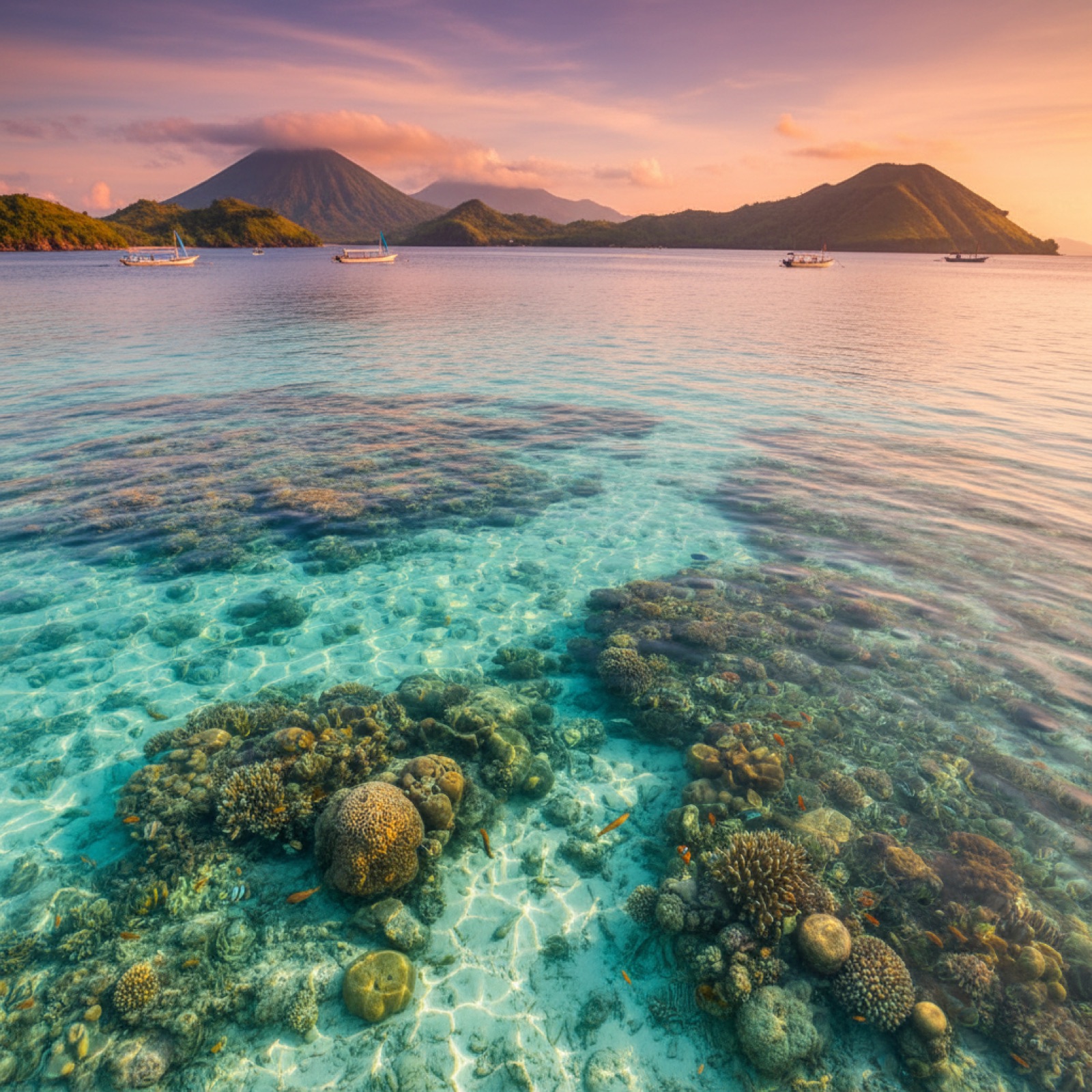
In this guide
- My Underwater Love Affair with Bali Snorkeling
- Why Bali Snorkeling is an Unforgettable Experience
- Nusa Penida Snorkeling Adventures: Manta Rays and Crystal Bays
- Amed Snorkeling: Tranquil Reefs and Shipwrecks
- Padang Bai Snorkeling: Blue Lagoon & Hidden Gems
- Gili Islands Snorkeling Escapade: Turtles and Coral Gardens (Bonus)
- Choosing the Best Bali Snorkeling Tour
- Essential Gear for Bali Snorkeling
- Bali Snorkeling Safety Tips
- Budgeting for Your Bali Snorkeling Trip
- Common Mistakes to Avoid While Snorkeling in Bali
- Conclusion: Your Unforgettable Bali Snorkeling Journey
This guide is part of our Bali Travel Guide — start there for the overview, itineraries and costs.
My Underwater Love Affair with Bali Snorkeling
Forget the rice paddies and temples for a moment: beneath Bali's turquoise surface lies a vibrant, bustling metropolis of marine life that’s absolutely unforgettable. Slip into the clear waters off Amed and you'll see schools of colourful fish darting past. Bali snorkeling is exhilarating, peaceful, and utterly captivating, and this guide covers the best places to go snorkelling in Bali. Whether you're a seasoned free diver or a first-timer, get ready to dip your toes (and your face!) into an experience that will leave you breathless.
Why Bali Snorkeling is an Unforgettable Experience
Bali snorkeling isn't just about floating on the surface; it's about immersing yourself in a kaleidoscope of colors and life. The island's diverse marine ecosystems, fueled by nutrient-rich currents flowing through the Indonesian archipelago, support an incredible variety of coral and fish species. From the dramatic drop-offs of Nusa Penida to the calm, shallow reefs of Amed, each location offers a unique underwater spectacle. You can see everything from majestic manta rays gliding effortlessly to tiny, iridescent nudibranchs clinging to coral. The water temperatures are consistently warm, typically between 26-29°C (79-84°F), making for comfortable, extended snorkel sessions throughout the year. Plus, with Bali's reputation as a world-class travel destination, accessing these incredible snorkeling spots is surprisingly easy, whether you're traveling solo or with family.
The Vibrant Marine Life You'll Encounter
Expect to be greeted by a dazzling array of creatures. Some of the highlights of Bali snorkeling include:
- Clownfish: Playfully darting in and out of their anemone homes.
- Parrotfish: Grinding on coral, essential for sand production.
- Angelfish and Butterflyfish: With their striking patterns.
- Triggerfish: Sometimes territorial, but always fascinating.
- Moray Eels: Peeking out from rocky crevices.
- Sea Turtles: Gracefully swimming past, particularly in the Gilis.
- Manta Rays: The gentle giants of Nusa Penida.
- Coral Gardens: Soft and hard corals in every imaginable shape and color.
Nusa Penida Snorkeling Adventures: Manta Rays and Crystal Bays
When you think of the best snorkeling in Bali, Nusa Penida often comes to mind first, and for good reason! This rugged island, just a 30-minute fast boat ride from Sanur, is famous for its dramatic cliffs and, more importantly for snorkellers, its incredible marine biodiversity. The manta rays are the big draw, and the sheer size and grace of these creatures as they glide beneath you at Manta Point is unforgettable. Nusa Penida snorkeling tours are a must-do for any underwater enthusiast.
Manta Point: Swimming with Giants
Manta Point is arguably the most iconic Nusa Penida snorkeling spot. It's a cleaning station for manta rays, meaning they gather here to have parasites removed by smaller fish. The visibility can vary, and the currents can be strong, so it's usually accessed via a guided tour. You may see six or more mantas in a single session, which is truly humbling.
- Location: Southwest coast of Nusa Penida.
- Ideal for: Seeing Manta Rays.
- Best Time: Year-round, but calmer waters generally May-September.
- Tour Price Estimate: ~IDR 350,000 - 500,000 (US$22-32) per person for a group tour from Nusa Penida, including equipment. From Sanur, a full-day tour might be IDR 1,000,000 - 1,500,000 (US$65-95).
- Booking: Numerous operators in Toyapakeh or directly from Sanur.
Crystal Bay: Calm Waters and Rich Reefs
After the adrenaline of Manta Point, Crystal Bay offers a calmer, equally beautiful experience. The name says it all – the water here is exceptionally clear, making it a fantastic spot for leisurely Bali snorkeling. The bay is sheltered, so currents are generally mild, especially closer to shore. Its healthy coral gardens are home to a diverse range of fish. It's also a popular spot for divers hoping to see the elusive Mola Mola (ocean sunfish) during certain months.
- Location: Western coast of Nusa Penida.
- Ideal for: General colorful reef snorkeling, calm conditions.
- Best Time: Year-round.
- Access: Easily accessible by scooter or car on Nusa Penida.
- Rental: Snorkel gear often available from beachside stalls for ~IDR 50,000 (US$3) for a mask, snorkel, and fins.
Gamat Bay: Hidden Coral Treasures
Just north of Crystal Bay, Gamat Bay is another gem for Nusa Penida snorkeling. It's a bit more secluded and often has stronger currents, making it better suited for more confident swimmers or guided tours. The reward, however, is a pristine reef teeming with macro life and vibrant corals. You might even come across a family of octopus, a truly unexpected and delightful encounter.
- Location: Northwest coast of Nusa Penida, between Toyapakeh and Crystal Bay.
- Ideal for: Advanced snorkelers, diverse coral and fish.
- Best Time: May-September.
Amed Snorkeling: Tranquil Reefs and Shipwrecks
If Nusa Penida is for the adventurous, then Amed is for the serene. Located on Bali's east coast, Amed offers some of the most accessible and rewarding Bali snorkeling experiences. The calm, shallow waters are ideal for beginners and families, and the reefs are literally just steps from the shore in many places. Many Amed snorkeling spots are easy to reach: walk into the water from the shore and you may soon be surrounded by clownfish. Amed also boasts a fascinating shipwreck, adding an extra layer of intrigue.
Japanese Shipwreck: A Historical Reef
Just off the coast of Lipah Beach, the Japanese Shipwreck is one of the most popular Amed snorkeling spots. This small, steel-hulled wreck lies in shallow water (2-12 meters deep), making it perfectly accessible for snorkelers. The wreck is encrusted with corals and home to countless fish species. It's like a living museum underwater. There's always something new to find – from lionfish lurking under ledges to schools of fusiliers glinting in the sun.
- Location: Banyuning village, just off Lipah Beach.
- Ideal for: Wreck exploration, diverse fish life.
- Best Time: Year-round, especially good during dry season (April-October).
- Access: Can be snorkeled independently from shore. Scooter rental ~IDR 60,000-80,000 (US$4-5) per day.
- Guide: Local guides offer tours for ~IDR 100,000-150,000 (US$6-10) for 1-2 hours.
Jemeluk Beach: Reefs and an Underwater Post Office
Jemeluk Beach is the main bay in Amed and offers excellent reef snorkeling right from the sand. The coral gardens here are vibrant and easily accessible. There’s even an quirky underwater post office, a fun photo op and a testament to the community's commitment to marine preservation. The water is usually very calm, making it perfect for an extended snorkel. It's one of the best Amed snorkeling spots for beginners.
- Location: Central Amed.
- Ideal for: Beginners, diverse coral, calm waters.
- Access: From shore, many beachfront cafes offer access and gear.
- Rental: Snorkel gear can be rented for ~IDR 50,000 (US$3) per day from warungs.
Lipah Beach: Black Sand and Healthy Corals
Just a short drive from Jemeluk, Lipah Beach is known for its beautiful black sand and surprisingly healthy reef. The water here is clear, and the lack of strong currents makes for a relaxed snorkeling experience. It's easy to spend an entire morning just drifting along the reef here, watching the interplay of light and shadow on the coral. It’s definitely one of the top Amed snorkeling spots.
- Location: Between Jemeluk and Banyuning.
- Ideal for: Relaxed snorkeling, healthy corals.
- Access: From shore.
Padang Bai Snorkeling: Blue Lagoon & Hidden Gems
Padang Bai, primarily known as a ferry port for Lombok and the Gili Islands, holds a secret: genuinely fantastic Bali snorkeling spots right on its doorstep. Just a short drive from Candidasa, its sheltered bays offer calm waters and rich marine life, perfect for half-day trips or a quick dip before catching a boat. Such pristine reefs so close to a bustling port come as a pleasant surprise.
Blue Lagoon: The Emerald Gem
Blue Lagoon is undoubtedly the star of Padang Bai snorkeling. As its name suggests, the water here is an incredible shade of turquoise, especially on a sunny day. It’s a sheltered bay with healthy corals and an abundance of reef fish. You can walk straight into the water from the small beach, making it very accessible. You can see everything from parrotfish to moray eels here, and the visibility is usually excellent, making it one of the best snorkeling in Bali for sheer beauty and accessibility.
- Location: Northeast of Padang Bai ferry terminal. Accessible via a short walk or motorbike taxi.
- Ideal for: Beginners, colorful fish, calm waters.
- Best Time: Year-round, especially good during dry season.
- Access: ~IDR 20,000 (US$1.30) parking fee if driving. Snorkel gear rental from local warungs on the beach for ~IDR 50,000 (US$3).
- Local Guide: Boat trips to Blue Lagoon and other spots for ~IDR 150,000-250,000 (US$10-16) per person.
Tanjung Jepun: Another Padang Bai Jewel
Adjacent to Blue Lagoon, Tanjung Jepun is another excellent Padang Bai snorkeling spot, often included in boat tours. The reef here is equally healthy, with a different topography that attracts various species. It’s a great complement to Blue Lagoon, offering a slightly different perspective of the local marine life. Small reef sharks are occasionally seen gliding in the distance – a rare but thrilling sight.
- Location: Next to Blue Lagoon, accessible by boat.
- Ideal for: Similar to Blue Lagoon, often less crowded.
Gili Islands Snorkeling Escapade: Turtles and Coral Gardens (Bonus)
While technically part of Lombok, the Gili Islands (Gili Trawangan, Gili Meno, and Gili Air) are so easily accessible from Bali that many travelers combine them with their Bali snorkeling adventures. It's often said that you haven't truly snorkeled the region until you've experienced the Gili's. These car-free islands are famous for their abundant sea turtle populations and pristine coral gardens. The shallow, clear waters are ideal for extended snorkel sessions.
Gili Trawangan: Turtle Haven and Underwater Statues
Gili Trawangan, the largest and most bustling of the Gilis, offers fantastic snorkeling from its eastern shore. Just swim a bit north from the main harbor, and you'll often find yourself swimming alongside green and hawksbill turtles. There are also fascinating underwater art installations by Jason deCaires Taylor near Gili Meno that create artificial reefs and unique snorkeling opportunities.
- Location: East coast of Gili Trawangan.
- Ideal for: Sea turtles, diverse fish, unique underwater art.
- Access: From shore, or join a popular 'island hopping' boat tour for ~IDR 150,000-200,000 (US$10-13).
- Rental: Snorkel gear ~IDR 50,000 (US$3) per day from countless shops.
Gili Meno: Serene Reefs and 'Nest' Statues
The quietest of the three, Gili Meno, is a true gem for tranquil Bali snorkeling (or rather, Gili snorkeling!). Its reefs are wonderfully healthy, and you're almost guaranteed to spot turtles. The famous 'Nest' underwater sculpture by Jason deCaires Taylor is also located here, just a short swim from the beach, and is a surreal experience to snorkel over.
Gili Air: Shallow Gardens & More Turtles
Gili Air strikes a perfect balance between Gili T's vibrancy and Gili Meno's tranquility. It offers excellent shallow reefs on its eastern and southern sides, ideal for families and beginners. Turtles are also frequent visitors here. The sense of calm and natural beauty here makes it a perfect complement to other Bali snorkeling experiences.
Choosing the Best Bali Snorkeling Tour
While independent snorkeling is always an option in many places, a guided Bali snorkeling tour can enhance your experience significantly, especially for locations like Nusa Penida’s Manta Point or if you're unfamiliar with local currents. Here's what to look for.
- Group vs. Private Tours: Group tours are more budget-friendly (IDR 350,000-500,000/person for a local Penida tour, IDR 1,000,000-1,500,000/person for a full-day tour from Sanur). Private tours offer flexibility and personalized attention but are pricier (starting from IDR 800,000-1,500,000/boat, depending on size and duration).
- What's Included: Always check if the tour includes equipment (mask, snorkel, fins), an experienced guide, life jackets, drinking water, and sometimes lunch. Some tours might also include hotel transfers.
- Reputation and Safety: Read reviews! Choose operators with good safety records and well-maintained boats and equipment. Look for boats that aren't overcrowded.
- Operator Recommendations:
- Nusa Penida: Many local operators around Toyapakeh harbor. For a day trip from Bali, reputable companies like Bali Hai Cruises (offers snorkeling day trips from Benoa/Sanur) or smaller, well-reviewed local operators found on TripAdvisor.
- Amed: Most guesthouses and warungs will arrange tours or rentals.
- Padang Bai: Look for local boatmen on Blue Lagoon beach or near the ferry terminal.
Essential Gear for Bali Snorkeling
While you can rent gear, having your own truly enhances the Bali snorkeling experience. It's worth travelling with your own mask and snorkel. Here's what you'll need:
Mask and Snorkel: Your Windows to the World
- Mask: Invest in a good quality mask that fits your face perfectly, creating a watertight seal. This is crucial for comfortable Bali snorkeling.
- Snorkel: A dry-top snorkel is excellent as it prevents water from entering when a wave passes over or you duck your head.
- Cost: Basic rental set ~IDR 50,000 (US$3) per day. Owning a good quality set: US$50-150.
Fins: Glide with Ease
Fins make a huge difference, allowing you to cover more distance with less effort and navigate currents. They also help conserve energy while enjoying your Bali snorkeling adventure.
- Cost: Rental ~IDR 30,000 (US$2) per day. Owning: US$40-100.
Reef-Safe Sunscreen: Protect Yourself & the Environment
Crucially important! Regular sunscreen contains chemicals harmful to coral reefs. Always use a reef-safe sunscreen to protect Bali's delicate marine ecosystems. Wear a rashguard for extra protection.
- Cost: A bottle of reef-safe sunscreen ~IDR 150,000-250,000 (US$10-16).
- Where to Buy: Some dive shops, larger pharmacies in tourist areas like Seminyak or Canggu, or online before your trip.
Rash Guard or Shorty Wetsuit: Sun Protection and Warmth
A rash guard provides excellent sun protection (it's easy to get badly burnt out there!), and a 1-2mm shorty wetsuit adds buoyancy and warmth, especially if you plan extended snorkeling sessions. A rashguard is worth wearing on every Bali snorkeling tour.
Waterproof Camera: Capture the Magic
A GoPro or similar waterproof camera is excellent for capturing your underwater memories. Don't forget a floating wrist strap!
Bali Snorkeling Safety Tips
Even though Bali snorkeling is relatively safe, it's open water, and precautions are essential. Keep these in mind:
- Swim in Pairs: Always snorkel with a buddy.
- Know Your Limits: Don't overestimate your swimming ability, especially in currents.
- Check Conditions: Always assess swell, current, and wind before entering the water. Locals will often know best.
- Look Up: Keep an eye on passing boats, especially in popular areas. A brightly colored snorkel vest can increase visibility.
- Don't Touch: Never touch marine life or coral. It can harm them and, in some cases, you.
- Stay Hydrated: Spending hours in the sun and water can lead to dehydration.
Budgeting for Your Bali Snorkeling Trip
Your Bali snorkeling budget can vary widely depending on whether you opt for independent exploration or guided tours. Here's a breakdown:
| Expense Category | Low Budget (DIY) | Mid-Range (Local Day Tour) | High-End (Full Day, Private/Luxury) |
|---|---|---|---|
| Fast Boat to Nusa Penida (Return) | ~IDR 300,000-400,000 (US$20-25) | Included in tour (Approx. IDR 300,000-400,000) | Included in tour (Approx. IDR 300,000-400,000) |
| Snorkel Gear Rental (1 day) | IDR 50,000-75,000 (US$3-5) | Included in tour | Included in tour (high quality) |
| Nusa Penida Snorkel Tour (on island) | N/A (independent) | IDR 350,000-500,000 (US$22-32) | N/A (upgrade to private) |
| Full Day Bali Snorkel Tour (e.g., from Sanur to Nusa Penida, incl. transpo, lunch) | N/A | IDR 1,000,000-1,500,000 (US$65-95) | IDR 2,000,000+ (US$130+) |
| Amed/Padang Bai Independent Snorkel (incl. scooter rental & gear) | IDR 100,000-150,000 (US$6-10) | N/A (upgrade to local boat tour) | N/A |
| Amed/Padang Bai Local Boat Tour | N/A | IDR 150,000-250,000 (US$10-16) | IDR 500,000+ (US$32+) for private |
| Reef-Safe Sunscreen | IDR 150,000-250,000 (US$10-16) | IDR 150,000-250,000 (US$10-16) | IDR 150,000-250,000 (US$10-16) |
| Lunch/Snacks | IDR 50,000-100,000 (US$3-6) | IDR 50,000-150,000 (US$3-10, sometimes included) | Included (high-quality) |
Prices are estimates and can fluctuate with the season and negotiation. Always carry small denominations of Indonesian Rupiah (IDR) for local vendors.
Common Mistakes to Avoid While Snorkeling in Bali
Learning from others’ mistakes is key to a smooth trip. Here are some pitfalls to avoid during your Bali snorkeling adventure:
- Skipping Reef-Safe Sunscreen: As mentioned, this is critical. Chemical sunscreens may be partly to blame for bleached coral near popular snorkeling spots. Always choose reef-safe.
- Touching Coral or Marine Life: This damages delicate ecosystems and can sometimes be dangerous for you (e.g., stonefish, sea urchins). Observe from a respectful distance.
- Feeding Fish: While it might seem fun, feeding fish disrupts their natural diet and can make them aggressive or unhealthy.
- Not Checking Tides/Currents: Especially in areas like Nusa Penida, currents can be strong. Always ask locals or your guide about the best times and conditions. Even a mild current, such as in Gamat Bay, can make getting back much harder work than anticipated.
- Overcrowding Spots: Try to visit popular spots early in the morning or later in the afternoon to avoid the peak crowds and ensure a more peaceful experience.
- Forgetting Hydration: Even when surrounded by water, you can get dehydrated with sun exposure and physical activity. Bring plenty of drinking water.
- Not Testing Your Gear: If renting, always test your mask for a good seal before heading out. A leaky mask can ruin your Bali snorkeling experience.
Conclusion: Your Unforgettable Bali Snorkeling Journey
From the majestic manta rays of Nusa Penida to the calm, accessible reefs of Amed and the vibrant marine life of Padang Bai, Bali snorkeling offers an unparalleled opportunity to explore an underwater paradise. Each spot has its own charm and its own unique cast of marine characters. Remember to practice responsible tourism, protect those precious reefs with reef-safe sunscreen, and always prioritize safety.
So, what are you waiting for? Pack your mask, grab your fins, and prepare to be enchanted by Bali's incredible underwater world. Whether you're seeking adventure or tranquility, the best snorkeling in Bali awaits. Dive in and create your own unforgettable memories!
P.S. If you're planning your trip, consider checking out our other guides for Bali's Best Dive Sites or Exploring the Nusa Islands for more aquatic adventures!
More Bali guides

20 Best Things to Do in Bali: Temples and Beaches
Twenty Bali experiences worth building a trip around - Ubud's rice terraces, Uluwatu's clifftop temples, Nusa Penida, waterfalls and the…
Bali Weather Guide: The Complete Month-by-Month Breakdown
Bali's wet and dry seasons month by month, including rainfall, heat, Nyepi and Galungan, to help you pick the right time of year for your…
Bali's Hidden Gems: Quieter Spots Worth the Detour
Quieter corners of Bali by region, from North and East Bali to the wild west coast, central Bali and lesser-known south coast beaches…