Zao Onsen Guide: Snow Monsters, Skiing and Hot Springs
Zao Onsen in winter: the snow monsters, the ski terrain, sulphur hot springs, how to get there from Yamagata, and when the frost-covered trees peak.
In this guide
- What is Zao Onsen and Why Visit?
- Getting to Zao Onsen: Your Journey to the Snow Kingdom
- The Zao Onsen Snow Monsters (Juhyo): Nature's Sculptures
- Zao Onsen Ski Resort: Slopes for Every Level
- Experiencing Zao Onsen Hot Springs: Relaxation & Rejuvenation
- What to Do in Zao Onsen Beyond Skiing and Onsen
- Where to Stay in Zao Onsen: Ryokans and Hotels
- Eating in Zao Onsen: Local Delicacies
- Best Time to Visit Zao Onsen
- Budgeting for Your Zao Onsen Trip: A Cost Breakdown
- Pro Tips for Your Zao Onsen Adventure
- Common Mistakes to Avoid in Zao Onsen
- Conclusion: Your Unforgettable Zao Onsen Experience
This guide is part of our Tokyo Travel Guide: Neighbourhoods, Food and Getting Around — start there for the overview, itineraries and costs.
Few places capture the imagination quite like Zao Onsen. Picture a silent, frozen landscape, surrounded by towering, ghostly figures draped in snow and ice. These aren't mythical creatures from a fantasy novel; they’re the legendary Zao Onsen Snow Monsters, or 'Juhyo' as they're known locally. Zao offers a perfect blend of exhilarating winter sports, soothing hot springs, and a natural phenomenon that feels utterly otherworldly. If you're planning a trip to Japan, especially during winter, Zao Onsen should be at the top of your list. This isn't just a destination; it's an experience that will stay with you long after the snow melts. This guide covers everything you need to make the most of your visit, from hitting the slopes to soaking in the healing waters, and of course, witnessing those incredible snow monsters up close.
Japan is famous for its unique blend of tradition and natural beauty, and Zao Onsen perfectly encapsulates this. Nestled in the mountains of Yamagata Prefecture, it’s a haven for winter sports enthusiasts and those seeking the therapeutic benefits of a traditional Japanese onsen. But what truly sets it apart are the extraordinary 'snow monsters,' sculpted by heavy snowfall and icy winds, creating a landscape unlike any other on Earth. Let’s dive in and plan your unforgettable adventure to Zao Onsen!
What is Zao Onsen and Why Visit?
Nestled in the picturesque Yamagata Prefecture, Zao Onsen is far more than just a ski resort; it’s a historic hot spring town famous for its potent sulfuric waters and, of course, the unparalleled spectacle of the Zao Onsen Snow Monsters. The old-world charm of a traditional Japanese onsen village blends seamlessly with the excitement of an international ski destination. The town practically breathes winter magic. But why should you pack your bags for Zao?
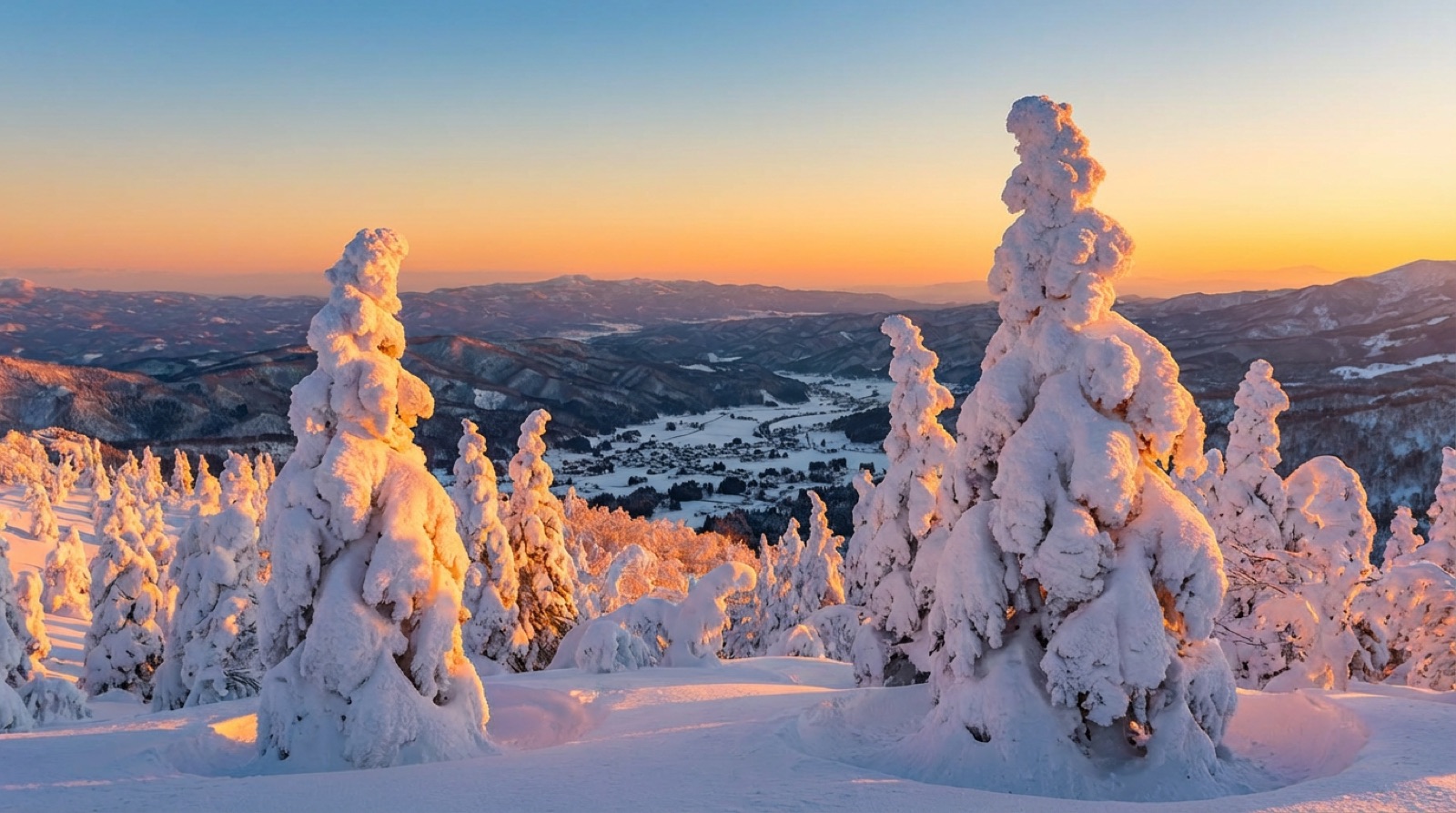
Firstly, the snow monsters are a phenomenon found in very few places globally. These 'Juhyo' are formed when Siberian winds carry moisture that freezes onto fir trees, followed by heavy snowfall, creating bizarre, art-like shapes. Seeing them illuminated at night is unforgettable – like walking through a silent, alien forest. Secondly, the Zao Onsen Ski Resort boasts an incredible range of slopes, from gentle beginner runs to challenging tree skiing, all serviced by an efficient lift system. Whether you’re a seasoned pro or just starting, there’s a slope for you. Lastly, the onsens are legendary. The highly acidic, sulfuric waters are said to have healing properties, perfect for soothing tired muscles after a day on the slopes or simply for pure relaxation. It’s the perfect trifecta for a winter escape in Japan.
Getting to Zao Onsen: Your Journey to the Snow Kingdom
Getting to Zao Onsen is part of the adventure, offering glimpses of the stunning Japanese countryside. The best option is usually the Shinkansen, as it's not only fast but incredibly comfortable. The main gateway cities are Tokyo and Sendai.
From Tokyo to Zao Onsen
The fastest way from Tokyo is by taking the Yamagata Shinkansen Tsubasa line directly to Yamagata Station. The journey takes approximately 2.5 to 3 hours. A one-way ticket costs around JPY 11,000 (USD $75). From Yamagata Station, you can catch a local bus directly to Zao Onsen. Buses depart frequently from stop #1 at the station's east exit. The bus ride takes about 40 minutes and costs JPY 1,000 (USD $7) for adults. Along the way, the scenery slowly transforms from urban sprawl to snowy peaks.
From Sendai to Zao Onsen
If you're starting from Sendai, you have a couple of options. The most convenient is often a direct bus, especially during winter. The Yamako Bus highway service runs direct (winter-season) buses from Sendai Station to Zao Onsen. This bus journey takes about 1 hour 25 minutes and costs JPY 2,500 (USD $17) for adults. Alternatively, you can take a local train to Yamagata Station (about 1 hour, JPY 840 / USD $6) and then transfer to the Zao Onsen bus as described above. Always check bus schedules in advance, especially during peak season, as they can fill up quickly.
Travel Pass Considerations
For visitors using a Japan Rail Pass (JR Pass), the Shinkansen portion of the journey to Yamagata Station is covered. The local bus from Yamagata Station to Zao Onsen is not covered by the JR Pass, so you'll need to pay for that separately. If you're traveling extensively in the Tohoku region, consider the JR East Pass (Tohoku Area) which offers great value.
The Zao Onsen Snow Monsters (Juhyo): Nature's Sculptures
The Zao Onsen Snow Monsters, or 'Juhyo' (樹氷), are undoubtedly the star attraction of Zao Onsen. Witnessing them firsthand is a breathtaking experience that feels almost spiritual. These aren't just piles of snow; they are intricate natural sculptures, each uniquely shaped by the relentless forces of nature.
How the Juhyo are Formed
The magic begins with a specific type of fir tree found in the region. In winter, extremely cold air from Siberia moves across the Sea of Japan, picking up moisture. As this moist air hits the Zao mountain range, it rapidly cools and freezes onto the fir trees. This process is called 'supercooled fog accretion.' Then, heavy snowfall buries these ice-laden trees, resulting in the grotesque, monster-like shapes. The bigger the tree, the bigger the monster!
Best Way to See the Snow Monsters
The primary way to reach the heart of the snow monster fields is via the Zao Ropeway. There are two main ropeways and a cable car: Zao Sanroku Ropeway, Zao Chuo Ropeway, and the Zao Sky Cable. For the snow monsters, you'll want to take the Zao Ropeway (Sancho Line) to the Jizo Sanctuary Station at the summit. The ride itself offers panoramic views that are jaw-dropping.
- Zao Ropeway (Sancho Line): This is the main route. Take the Sanroku Line from Zao Onsen Station to Juhyo Kogen Station, then transfer to the Sancho Line to Jizo Sancho Station.
- Operating Hours: Winter (11 Dec - 31 Mar): 8:30 AM to 4:30 PM (Sancho Line). Extended hours for night illumination.
- Round-trip Ticket Price: Adults JPY 4,400 (USD $30), Children JPY 2,200 (USD $15).
- Location: Zao Ropeway Sanroku Station, Zao Onsen, Yamagata. Zao Onsen Official Website
Night Illumination of the Snow Monsters
This is a MUST-DO experience. Every evening during peak season (usually late December to early March), the snow monsters are dramatically lit up with colorful lights. The night illumination is truly unforgettable. The silence at the summit, broken only by the crunch of boots on the snow, combined with the ethereal glow of the monsters, can feel like another planet. It’s colder at night, so bundle up!
- Illumination Period: Usually late December to early March (check specific dates annually).
- Operating Hours: On light-up dates, 5:00 PM to 9:00 PM (last departure from the base around 7:50 PM).
- Cost: Round trip JPY 4,400 for adults (2025-26 season). Confirm current pricing on arrival.
Pro Tip for Viewing Snow Monsters
Visibility at the summit can be tricky. It's often foggy or snowing, which, while atmospheric, can obscure distant views. Try to go on a day with relatively clear weather if possible, and definitely go more than once – once during the day for the sheer scale, and once at night for the magical illumination. Dress in layers, as the temperature at the summit is significantly colder than in the village. Windproof and waterproof outer layers are essential.
Zao Onsen Ski Resort: Slopes for Every Level
The Zao Onsen Ski Resort boasts one of Japan's largest and most diverse ski areas. With 26 courses, it caters to everyone from absolute beginners to advanced powder hounds. After marveling at the snow monsters, hitting these slopes is the next logical step in your Zao Onsen adventure.
Slopes and Terrain
- Beginner Slopes: Areas like Uwanodai and Omori are perfect for learning, with gentle gradients and ski schools. Many hotels offer direct access to these areas.
- Intermediate Slopes: The area around Utopia, Takamagahara, and parts of Omori offer wider, enjoyable runs.
- Advanced Slopes: Don't miss the challenging Oishida Course from the summit, or Kaminohara for its steep sections. Tree skiing is also possible in designated areas, but always with caution due to the unique terrain and snow depth.
- Long Runs: Zao boasts an incredible 10 km (6.2 miles) run from the top of the snow monster fields all the way back to the village, offering an unforgettable descent through varied terrain.
Lift Passes and Rentals
- One-day Lift Pass: Adults JPY 7,500 (USD $51). Multi-day passes also available, offering better value.
- Half-day Pass: (usually until 1 PM or from 12 PM) Adults JPY 6,200 (USD $42).
- Season Pass: Approximately JPY 70,000 (USD $470) - only for serious skiers staying long-term.
- Ski/Snowboard Rental: Various shops throughout the village. Expect to pay around JPY 5,000 (USD $34) per day for a full set (skis/board, boots, poles). Cheaper for multiple days.
- Snow Wear Rental: Jacket and pants approximately JPY 3,500 (USD $24) per day.
- Popular Rental Shops: Rental shops cluster near the ropeway stations and ski-area bases, and many hotels offer their own rental services. Always compare prices and equipment quality.
Ski School
If you're new to skiing or want to refine your technique, several ski schools offer lessons in Japanese and English. The Zao Onsen Ski School is highly reputable. Private lessons can be pricey (JPY 15,000 - JPY 20,000 / USD $100-$135 for 2 hours), but group lessons offer more affordable options.
Experiencing Zao Onsen Hot Springs: Relaxation & Rejuvenation
No visit to Zao Onsen is complete without immersing yourself in its renowned hot springs. The town's name itself, 'Onsen,' means hot spring, and for good reason! Zao's waters are famed for being highly acidic and sulfuric, making them distinctive and incredibly therapeutic. After a day battling the Zao Onsen Snow Monsters or carving up the slopes, a soak here is pure bliss.
The Unique Qualities of Zao's Onsen Water
Zao's hot springs are known as 'Bijin-no-yu' (waters of beauty) due to their skin-softening properties. The high sulphur content gives the water a distinct, somewhat pungent aroma, but don't let that deter you! It's this unique mineral composition that is said to be effective in treating various ailments, from skin conditions to muscle pain. The warmth and the faint smell of sulphur are instantly calming. It’s an authentic Japanese experience.
Public Onsens (Soto-yu)
Zao Onsen has three main public bathhouses, known as soto-yu, which offer an authentic and affordable onsen experience. These are a fantastic way to mingle with locals and experience the heart of Zao.
- Shimoyu Public Bathhouse: A charming, rustic bathhouse located near the center of the village. It's often the first choice for visitors due to its central location.
- Address: Zao Onsen, Yamagata, 990-2301 (Look for the traditional wooden building).
- Opening Hours: Typically 6:00 AM - 10:00 PM.
- Admission: JPY 200 (USD $1.40).
- Kamiyu Public Bathhouse: Located slightly uphill, offering a similar traditional experience. It can be a bit quieter than Shimoyu.
- Address: Zao Onsen, Yamagata, 990-2301 (Follow signs from the main street).
- Opening Hours: Typically 6:00 AM - 10:00 PM.
- Admission: JPY 200 (USD $1.40).
- Kawarayu Public Bathhouse: The smallest and often the least crowded, offering a very local feel.
- Address: Zao Onsen, Yamagata, 990-2301 (A bit tucked away, ask locals for directions).
- Opening Hours: Typically 6:00 AM - 10:00 PM.
- Admission: JPY 200 (USD $1.40).
Zao Dai-Rotenburo (Outdoor Grand Bath)
This is Zao Onsen's most famous outdoor bath, nestled beside a stream and surrounded by lush nature or snow, depending on the season. It’s a bit of a walk from the main village, but the experience is incredibly rewarding. The scenery is breathtaking as you soak, particularly in winter with snow falling softly around you. Note that the Dai-Rotenburo typically closes during winter for safety reasons (heavy snow accumulation) and reopens around mid-April. However, always check local conditions.
- Address: Zao Onsen, Yamagata, 990-2301 (approximately 15-20 min walk from Zao Onsen Bus Terminal).
- Opening Hours: 9:30 AM - 5:00 PM weekdays, until 6:00 PM on weekends and holidays (open only spring to autumn).
- Admission: JPY 800 (USD $5.40).
Onsen Etiquette
To fully enjoy your onsen experience, remember these basic rules:
- Wash Thoroughly: Always wash and rinse your body completely before entering the bath. Use the provided stools and showerheads.
- No Swimsuits: Onsens are enjoyed naked. This might feel awkward at first, but everyone is doing it!
- Towels: Use a small towel to scrub your body and a larger one for drying. Do not let your small towel touch the bathwater; place it on your head or by your side.
- Silence: Maintain a respectful quiet.
- Tattoos: While historically restricted, many onsens are becoming more accepting of tattoos, especially at private onsens or by covering them. Public bathhouses may still have restrictions. Inquire beforehand if you have prominent tattoos.
Ashiyu (Foot Baths)
For a quick and free onsen experience, try one of the several Ashiyu (foot baths) scattered throughout the village. They’re perfect for resting tired feet after exploring or skiing, and the one near the bus terminal is handy for warming up before heading back to your ryokan.
What to Do in Zao Onsen Beyond Skiing and Onsen
While the Zao Onsen Snow Monsters, exhilarating skiing, and soothing hot springs are the main draws, Zao Onsen offers a surprising array of other activities that can enrich your trip, especially if you want a break from the slopes or are visiting in a different season.
Jizo-san Shrine and the Guardian Statue
At the top of the Zao Ropeway, near the Jizo Sancho Station, you'll find the majestic Jizo-san. This 2.3-meter-tall stone statue of Jizo Bodhisattva has stood guard over the mountain and its visitors for centuries, protecting them from accidents. Pilgrims have traditionally prayed here for safe travels. In winter, the statue is often almost completely buried by snow, becoming a 'snow monster' itself, often adorned with scarves and hats left by grateful visitors. It's a poignant spot that adds a touch of spiritual depth to the natural spectacle.
Zao Onsen Tourist Information Center
Located near the main bus terminal, this is a highly recommended first stop. The staff are incredibly helpful and often speak English. They can provide maps, up-to-date weather information, bus schedules, and recommendations for restaurants and activities. They're invaluable for checking ropeway conditions before heading up to see the Zao Onsen Snow Monsters.
- Address: 724-1 Zao Onsen, Yamagata, 990-2301
- Opening Hours: Typically 8:30 AM - 5:00 PM.
- Contact: +81 23-694-9328
Snowshoeing and Winter Hiking
For those who want to explore the tranquil winter landscape away from the ski slopes, snowshoeing is an excellent option. Guided tours are available, often taking you through serene forests and offering different perspectives of the snowfield. Some tours might even venture into easier parts of the snow monster fields, providing a more intimate encounter. Inquire at your accommodation or the Tourist Information Center for guided tour options and rental equipment. Prices for guided tours typically start from JPY 5,000 (USD $34) for a half-day. This is a fantastic way to connect with the pure nature surrounding Zao Onsen.
Summer and Autumn Activities
While famous for winter, Zao Onsen is also beautiful in other seasons:
- Hiking: In warmer months, the mountain trails open up, offering stunning views and opportunities to hike to Okama Crater Lake, a vibrant, emerald-green volcanic lake.
- Zao Onsen Cable Car: Offers picturesque views of the autumn foliage.
- Zao Onsen Shrine: A small, historic shrine in the village center.
Where to Stay in Zao Onsen: Ryokans and Hotels
Finding the right accommodation is key to a comfortable and enjoyable stay in Zao Onsen. From traditional Japanese ryokans to modern hotels, there are options to suit every budget and preference. Many accommodations offer their own onsen baths, allowing for private enjoyment of Zao's famous waters.
Traditional Ryokans
For an authentic Japanese experience, staying in a ryokan is highly recommended. You'll typically sleep on futons on tatami mats, enjoy multi-course kaiseki dinners, and have access to private or public onsen baths. Ryokan stays are known for personalized service and delicious traditional meals.
- Zao Kokusai Hotel: A popular choice with excellent service, traditional Japanese rooms (some with private onsen), and direct access to the Zao Chuo ski area. Expect prices from JPY 20,000 - JPY 40,000 (USD $135-$270) per person per night with half-board.
- Gokan no Yu Tsuruya: Another well-regarded establishment offering a blend of traditional charm and modern comfort. Features beautiful onsen facilities. Prices typically range from JPY 18,000 - JPY 35,000 (USD $120-$240).
- Ryokan Jurin: A slightly more intimate ryokan with great hospitality and wonderful food. Often has ski-in/ski-out access in winter. Prices from JPY 15,000 - JPY 30,000 (USD $100-$200).
Hotels and Guesthouses
For those preferring more Western-style amenities or a stricter budget, several hotels and guesthouses are available.
- Zao Center Plaza: Offers both Japanese and Western-style rooms, a large public onsen, and is centrally located, making it convenient for accessing lifts and restaurants. Prices from JPY 12,000 - JPY 25,000 (USD $80-$170).
Booking Your Stay
Crucial Tip: Book your accommodation well in advance, especially if you plan to visit during peak winter periods (late December to early March). Popular ryokans and hotels fill up months ahead of time. Use Booking.com, Agoda, or directly contact the hotels via their websites. Check if your booking includes dinner and breakfast (half-board), as this is common and often the best value in Zao Onsen, where dining options can be limited in the evenings outside of hotels.
Eating in Zao Onsen: Local Delicacies
After a day of exploring the Zao Onsen Snow Monsters and hitting the slopes, you'll have worked up quite an appetite! Zao Onsen offers a variety of dining experiences, from traditional Japanese cuisine to more casual eateries. While many ryokans include fantastic multi-course dinners, don't miss the opportunity to try some local specialties.
Must-Try Local Foods
- Yamagata Beef: Yamagata Prefecture is renowned for its high-quality beef. Look for restaurants serving steak or sukiyaki made with local wagyu.
- Imoni: A hearty taro potato stew, often cooked outdoors in large pots, especially popular in autumn but available year-round in some eateries. It's the ultimate comfort food for cold weather.
- Soba and Udon: Hand-made buckwheat soba noodles are a regional specialty, often served hot in a delicious broth or cold with dipping sauce.
- Tamacon (Tama Konnyaku): Skewers of konnyaku (devil's tongue jelly) boiled in soy sauce broth, a popular snack in Yamagata. You'll find vendors selling this around ski areas.
- Zao Onsen Egg: Eggs slowly cooked in the natural hot spring waters, giving them a unique texture and flavor. Available at some shops and onsen hotels.
Recommended Restaurants & Cafes
- Kiraku (きらく): A long-established sushi restaurant (founded 1964) that also serves hot pots and Yamagata local dishes made with local vegetables, wild plants and mushrooms. Open 17:00-23:00. It can get busy, so go early or be prepared to wait.
- Address: Zao Onsen, Yamagata, 990-2301 (near the bus terminal).
- Average price for dinner: JPY 2,000 - JPY 4,000 (USD $14-$27).
- Genghis Khan BBQ (ジンギスカン): Several places in Zao Onsen offer this Hokkaido specialty – grilled lamb on a dome-shaped grill. It’s a hearty meal perfect for cold weather. Look for restaurants with 'Genghis Khan' signs. Prices usually start around JPY 2,500 (USD $17) per person.
Supermarkets & Convenience Stores
There are a few small convenience stores (e.g.,ヤマザキショップ - Yamazaki Shop) in the village where you can pick up snacks, drinks, and basic necessities. For a wider selection, you'd need to go into Yamagata city. Many accommodations also have small gift shops with local snacks and souvenirs.
Best Time to Visit Zao Onsen
Timing your trip to Zao Onsen is crucial, as its main attractions are highly seasonal. The best time largely depends on whether your priority is the Zao Onsen Snow Monsters, skiing, or other activities.
Winter (December - March): Prime Snow Monster and Ski Season
This is undeniably the peak season for a reason:
- Snow Monsters (Juhyo): The 'snow monsters' are typically at their most impressive from late January to early March. December sees the start of their formation, while by mid-March, they begin to melt and lose their defined shapes. For the most dramatic and fully formed monsters, target late January or February.
- Skiing & Snowboarding: Excellent snow conditions usually prevail from mid-December through March. January and February often bring the deepest powder. March can offer sunny spring skiing with softer snow.
- Night Illumination: Runs from late December to early March.
- Crowds: Expect Zao Onsen to be busiest during weekends, public holidays (especially New Year's and Chinese New Year), and the peak snow monster viewing period of February. Book accommodation and ropeway tickets in advance.
Spring (April - May): Transition & Hiking
- Skiing: Limited skiing might be available in April on higher slopes, but the resort largely winds down.
- Snow Monsters: Gone by late March/early April.
- Hiking: The mountains begin to open for hiking, with the iconic Okama Crater Lake typically accessible by late April or early May (road conditions permitting).
- Crowds: Fewer crowds than winter, making it a peaceful time for outdoor activities.
Summer (June - August): Green Mountains & Okama Crater
- Okama Crater Lake: This is the best time to see the stunning emerald-green volcanic lake, as the roads and hiking trails are fully open.
- Hiking & Nature: Enjoy lush green landscapes, refreshing mountain air, and various hiking trails.
- Onsen: Still enjoyable for relaxation, though the focus shifts from winter sports.
Autumn (September - November): Vibrant Foliage
- Autumn Leaves (Koyo): Zao Onsen is spectacular during autumn, with the entire mountain range ablaze in fiery reds, oranges, and yellows. The Zao Ropeway offers incredible views.
- Hiking: Still a great time for hiking before the winter snows arrive.
- Crowds: Can be busy during peak autumn foliage season (usually mid-October).
Recommendation: If you're coming for the full Zao Onsen experience – snow monsters, skiing, and onsen – then late January to mid-February is the sweet spot. It's colder, but the snow monsters are at their best, and the skiing is phenomenal.
Budgeting for Your Zao Onsen Trip: A Cost Breakdown
Planning any trip involves understanding the costs, and Zao Onsen is no exception. Here’s a breakdown of estimated expenses to help you budget for your adventure, focusing on a winter trip for the Zao Onsen Snow Monsters and skiing.
Accommodation (Per Person, Per Night)
- Budget Guesthouse/Lodge: JPY 5,000 - JPY 8,000 (USD $34-$54) (room only)
- Mid-range Ryokan/Hotel: JPY 12,000 - JPY 20,000 (USD $80-$135) (often includes breakfast)
- High-end Ryokan/Hotel: JPY 20,000 - JPY 40,000+ (USD $135-$270+) (typically includes dinner and breakfast)
Transportation (Round Trip from Tokyo)
- Shinkansen (Tokyo to Yamagata): JPY 22,000 (USD $150)
- Bus (Yamagata to Zao Onsen): JPY 2,000 (USD $14)
- JR Pass holders: Pay only for the bus.
Activities (Per Person, Per Day/Session)
- Zao Ropeway (Snow Monsters): JPY 4,400 (USD $30) round trip
- 1-Day Ski Lift Pass: JPY 7,500 (USD $51)
- Ski/Snowboard Rental (full set): JPY 5,000 (USD $34)
- Public Onsen Admission: JPY 200 (USD $1.40)
Food and Drink (Per Person, Per Day)
- Breakfast: Often included with accommodation. If not, JPY 500 - JPY 1,500 (USD $3.50-$10).
- Lunch: JPY 1,000 - JPY 2,500 (USD $7-$17) (e.g., noodles, curry at a ski resort cafe).
- Dinner: JPY 2,000 - JPY 5,000+ (USD $14-$34+) (if not included with accommodation; varies greatly based on choice).
- Snacks/Drinks: JPY 500 - JPY 1,500 (USD $3.50-$10).
Total Estimated Daily Costs (Excluding Major Transportation to Zao)
| Category | Budget (JPY) | Mid-Range (JPY) | High-End (JPY) |
|---|---|---|---|
| Accommodation | 5,000 - 8,000 | 12,000 - 20,000 | 20,000 - 40,000 |
| Food & Drinks | 3,000 - 5,000 | 4,000 - 8,000 | 5,000 - 10,000 |
| Activities (Skiing & Ropeway) | 9,800 - 14,800 | 9,800 - 14,800 | 9,800 - 14,800 |
| Total Per Day (approx.) | 17,800 - 27,800 | 25,800 - 42,800 | 34,800 - 64,800+ |
| Total Per Day (approx. USD) | $120 - $188 | $175 - $290 | $235 - $440+ |
Note: These are estimates. Your actual costs may vary based on your spending habits, specific choices, and current exchange rates (USD $1 = JPY 148, used for calculation, subject to change). Always factor in travel insurance and emergency funds.
Pro Tips for Your Zao Onsen Adventure
A few invaluable 'pro tips' can significantly enhance your Zao Onsen experience, particularly when encountering the marvelous Zao Onsen Snow Monsters and making the most of your ski trip.
- Dress in Layers for the Summit: This cannot be stressed enough. While the village might feel chilly, the summit where the snow monsters are located is often brutally cold, windy, and foggy. Wear thermal base layers, a fleece mid-layer, and a waterproof, windproof outer shell. Don't forget a warm hat, gloves (waterproof ones!), and a neck warmer or balaclava.
- Check Weather & Ropeway Status: Mountain weather is unpredictable. Always check the live webcams and ropeway operational status before heading up to the summit. Fog and strong winds can sometimes lead to temporary closures of the Sancho Line (summit ropeway), especially during extreme weather. The Zao Onsen Tourist Information Center and the resort's official website are your best sources for real-time updates.
- Go Early for Snow Monsters: Especially during peak season, try to take the first few ropeways up when they open. You'll avoid the crowds and potentially get clearer views before the fog rolls in or the afternoon rush begins.
- Protect Your Camera Gear: The cold, wind, and fine snow at the summit can be harsh on electronics. Bring waterproof coverings for your camera and extra batteries (cold drains them quickly). A smartphone in your inside pocket for warmth is a good idea.
- Embrace the Onsen: Even if you're shy, try at least one public onsen. It’s an integral part of the Zao culture and incredibly invigorating after a cold day. Don't be afraid to ask for guidance on etiquette if you're unsure.
- Book Rental Gear in Advance: If you're visiting during a busy period, consider reserving ski or snowboard gear ahead of time, particularly if you have specific size requirements. This will save you time and ensure availability.
- Learn Basic Japanese Phrases: While many staff in Zao Onsen speak some English, knowing a few polite phrases like 'Arigato gozaimasu' (Thank you), 'Sumimasen' (Excuse me/Sorry), and 'Konnichiwa' (Hello) goes a long way and is always appreciated by locals.
- Staying Connected: Consider renting a pocket Wi-Fi device or purchasing a local SIM card. While most accommodations offer Wi-Fi, having your own portable connection is invaluable for navigating, checking weather, and keeping in touch.
Common Mistakes to Avoid in Zao Onsen
To ensure your trip to Zao Onsen is as smooth and enjoyable as possible, here are some common pitfalls, along with advice on how to avoid them.
- Not Bundling Up Enough for the Summit: As mentioned, this is the number one mistake. People often underestimate the extreme cold and wind chill at the Jizo Sancho summit. A thin jacket and jeans simply won't cut it. Your focus will shift from enjoying the Zao Onsen Snow Monsters to shivering uncontrollably.
- Underestimating Onsen Etiquette: Rushing into an onsen without washing first or bringing your large towel into the water can be seen as disrespectful. Familiarize yourself with basic onsen rules to avoid awkward situations.
- Ignoring Ropeway Operational Status: Relying solely on the village weather forecast can be misleading. Conditions at the summit are often vastly different. Always check the ropeway's live status before making the journey to see the snow monsters.
- Not Booking Accommodation in Advance: During peak winter months, particularly weekends and public holidays, good ryokans and hotels in Zao Onsen get fully booked months ahead. Last-minute bookings might leave you with limited, more expensive, or less convenient options.
- Overpacking for Skiing (or Underpacking): While you need warm clothes, don't bring your entire ski gear if you're not a serious enthusiast. Rentals are readily available for skis, boards, boots, and even outerwear. However, definitely bring your own warm base layers, socks, hat, and waterproof gloves/mittens.
- Not Exploring Beyond the Main Slopes: Zao Onsen Ski Resort is vast. Many visitors stick to the lower, more accessible slopes. Don't be afraid to explore the entire mountain (within your skill level). The longer runs and diverse terrain are fantastic.
- Skipping the Night Illumination: The Zao Onsen Snow Monsters illuminated at night offer a completely different, almost magical atmosphere compared to daytime viewing. It's a highlight you shouldn't miss.
- Failing to Plan for Meals: While ryokan meals are often superb, if your accommodation doesn't include dinner, be aware that many village restaurants have specific operating hours and some might close early, especially on weekdays during quieter periods. Have a few options in mind or make reservations if possible.
Conclusion: Your Unforgettable Zao Onsen Experience
There you have it – a comprehensive guide to experiencing the magic of Zao Onsen. From the ethereal beauty of the Zao Onsen Snow Monsters to the exhilarating runs of the ski resort and the deeply relaxing hot springs, Zao offers a truly unique slice of Japanese winter wonderland. Zao tends to leave visitors feeling invigorated, inspired, and craving another bowl of warm soba. It’s a destination that perfectly blends adventure, natural splendor, and cultural immersion.
Whether you’re strapping on skis, donning snowshoes, or simply soaking in the healing waters, Zao promises memories that will last a lifetime. Remember to plan ahead, embrace the cold, and be open to new experiences, especially the onsen! So, what are you waiting for? Start planning your trip to Zao Onsen and prepare to be enchanted by Japan’s majestic snow monsters and the warmth of its hot springs. The mountains are calling, and your unforgettable adventure awaits!
More Japan guides
Universal Studios Japan: Tickets, Express Passes and Tips
Planning Universal Studios Japan: ticket and Express Pass options, the Wizarding World, which rides to hit first, and how to avoid the…
Niseko Ski Guide: Powder, Passes and Where to Stay
Niseko's four resorts compared, getting there from Sapporo, the ski season, lift passes, gear rental, accommodation, onsen, dining and a…
Tokyo Weather Guide: The Complete Month-by-Month Breakdown
Tokyo's weather month by month, with temperatures, rain and seasonal conditions through the year to help you decide when to plan your visit.