The Best Black Sand Beaches in the World
Ten of the world's best black sand beaches, from Iceland to Hawaii and Bali — what makes each one worth visiting and how to swim safely.
In this guide
- My Fascination with the Best Black Sand Beaches
- Table of Contents
- Volcanic Wonders: The Best Black Sand Beach Hawaii Has to Offer
- Ice and Fire: Exploring Reynisfjara, the Iconic Black Sand Beach Iceland
- Beyond the Big Two: Other Stunning Volcanic Beaches Worldwide
- Planning Your Trip: A Unique Beaches Travel Guide
- Essential Gear and Safety for Black Sand Shores
- The Geology Behind the Beauty: What is Black Volcanic Sand?
- Pro Tips for Visiting Black Sand Beaches
- Budget Breakdown: Exploring Black Sand Beaches
- Common Mistakes to Avoid on Your Black Sand Adventure
- Conclusion: Your Next Adventure Awaits Among the Best Black Sand Beaches
My Fascination with the Best Black Sand Beaches
Few experiences leave quite the same indelible mark as the best black sand beaches. On the shores of Tenerife, with the Atlantic roaring, millions of glittering basalt fragments beneath your feet tell a story of ancient volcanic fury. These aren't just beaches; they're geological marvels, canvases painted by Earth’s raw power, and each one offers a unique narrative.
For me, a trip to a black sand beach isn't just about sunbathing; it's an immersion into Earth's dramatic past. It’s an opportunity to witness geology in action, feel the heat of molten rock that once cooled to form these unique landscapes, and appreciate the incredible diversity of our planet. If you're looking for an escape that goes beyond the typical golden shores, you're in the right place. This guide is your ultimate passport to discovering the most stunning and memorable best black sand beaches across the globe in 2025, offering everything from practical tips to personal anecdotes and insider knowledge. Let's dig our toes into some volcanic wonder!
Table of Contents
- Volcanic Wonders: The Best Black Sand Beach Hawaii Has to Offer
- Ice and Fire: Exploring Reynisfjara, the Iconic Black Sand Beach Iceland
- Beyond the Big Two: Other Stunning Volcanic Beaches Worldwide
- Planning Your Trip: A Unique Beaches Travel Guide
- Essential Gear and Safety for Black Sand Shores
- The Geology Behind the Beauty: What is Black Volcanic Sand?
- Pro Tips for Visiting Black Sand Beaches
- Budget Breakdown: Exploring Black Sand Beaches
- Common Mistakes to Avoid on Your Black Sand Adventure
- Conclusion: Your Next Adventure Awaits Among the Best Black Sand Beaches
Volcanic Wonders: The Best Black Sand Beach Hawaii Has to Offer
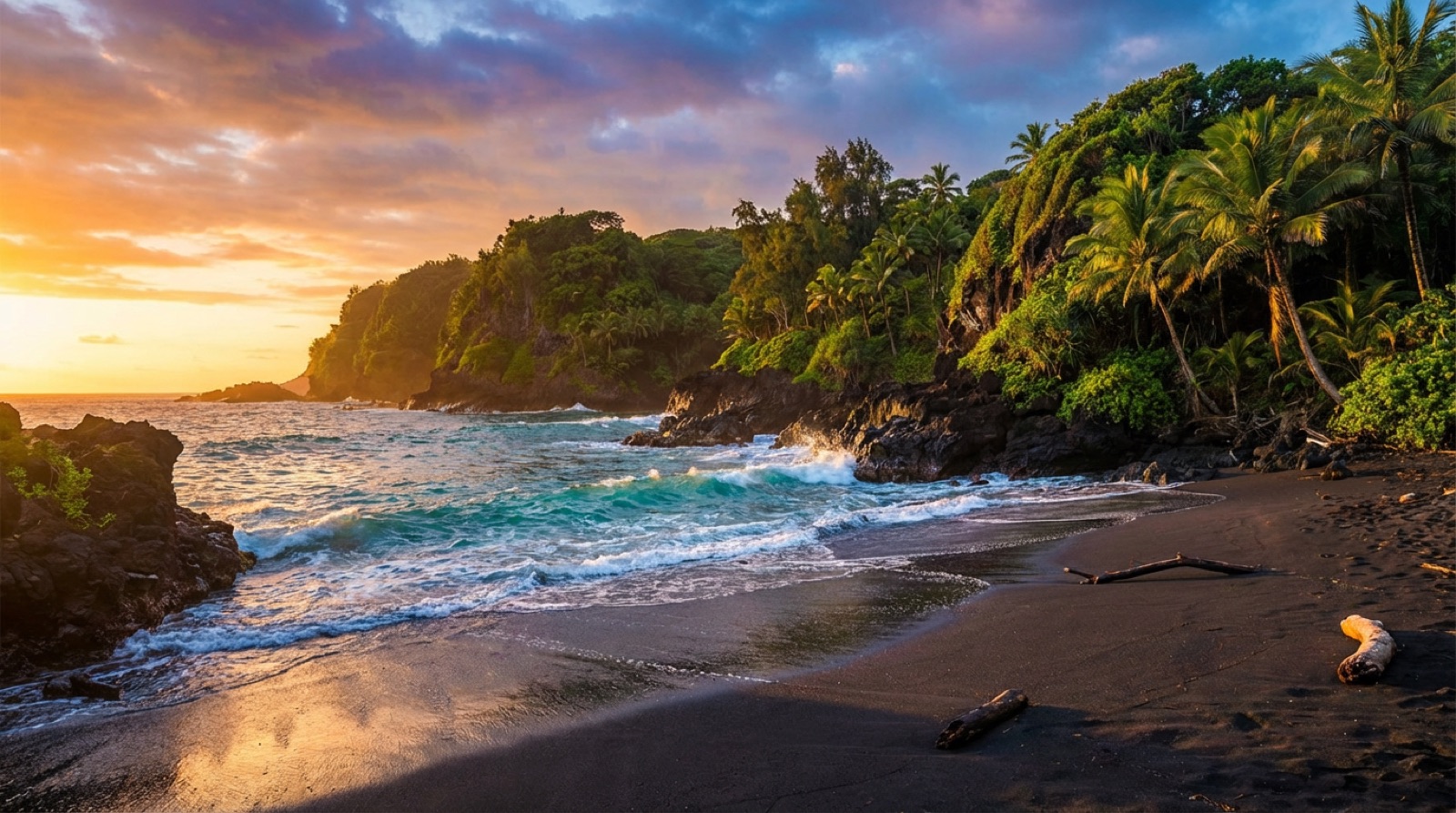
When you think of black sand, black sand beach Hawaii immediately springs to mind, and for good reason! The Big Island's constant volcanic activity creates new land and, of course, magnificent black sands. Punaluʻu Black Sand Beach is magical – the contrast of the jet-black sand against the turquoise water and swaying palm trees feels almost otherworldly. It's not just beautiful; it's a living, breathing testament to the power of Kīlauea.
Punaluʻu Black Sand Beach, Big Island, Hawaii
Often hailed as the most famous black sand beach Hawaii boasts, Punaluʻu is a must-see. The sand here is formed from lava flowing into the ocean, cooling rapidly, and shattering into tiny fragments. It’s a popular spot not only for its striking beauty but also for its resident Hawaiian Green Sea Turtles (honu) that often bask on the warm sand. Seeing these gentle giants up close is an experience that truly connects you to the islands.
- Location: Approximately 23700 Hawaii Belt Rd, Naalehu, HI 96772, USA.
- Opening Hours: Open 24/7, but best visited during daylight hours for safety and viewing.
- Admission: Free.
- Facilities: Restrooms, picnic tables, outdoor showers, ample parking. Gift shop nearby.
- Pro Tip: Arrive early in the morning for the best chance to see turtles and avoid crowds.
- Local Snacks: Grab a Malasada (Portuguese doughnut) from the Punaluʻu Bake Shop nearby – they're legendary!
Turtles are often seen lounging on the sand, unfazed by respectful onlookers. Remember to keep a 20-foot (6-metre) distance from them; it's a federal law and crucial for their protection. The water here can be a bit rough for swimming, but the unparalleled beauty makes it one of the best black sand beaches you'll ever encounter.
Kehena Black Sand Beach, Big Island, Hawaii
A little off the beaten path, Kehena is known locally as "Dolphin Beach" due to frequent spinner dolphin sightings. It’s a bit more rugged and less developed than Punaluʻu, accessible via a short, steep hike. This is an unofficial clothing-optional beach, so be prepared for a more bohemian vibe. Formed by lava flows from Kīlauea, it offers a raw and intimate connection with Hawaii's volcanic origins.
- Location: End of Kehena Rd, Pahoa, HI 96778, USA. Parking is along the road.
- Opening Hours: Daylight hours recommended.
- Admission: Free.
- Facilities: None, come prepared with your own water and snacks.
- Access: Steep, unpaved trail. Wear sturdy shoes.
The hike down to Kehena is a thrill, the sounds of the ocean growing louder with each step. True to its name, pods of dolphins can sometimes be seen playing just beyond the waves. It feels like a secret slice of paradise, truly one of the more unique volcanic beaches.
Ice and Fire: Exploring Reynisfjara, the Iconic Black Sand Beach Iceland
From the tropical warmth of Hawaii, let's journey north to the land of fire and ice. The black sand beach Iceland is famous for is Reynisfjara, near the village of Vík í Mýrdal. This place is utterly dramatic, with towering basalt columns, powerful Atlantic waves, and the haunting Reynisdrangar sea stacks. It's a starkly beautiful contrast to Hawaii, showcasing the diverse ways volcanic forces shape our world.
Reynisfjara Black Sand Beach, Vík, Iceland
Reynisfjara is not just one of the best black sand beaches; it's an experience in itself. The black pebbles and sand are remnants of ancient volcanic eruptions. The basalt columns (Gardar) resemble a natural pyramid or pipe organ, and the powerful sneaker waves are a constant reminder of nature's might. This beach often takes the top spot for stunning volcanic beaches in Europe.
- Location: Near Vík í Mýrdal, South Iceland, off the Ring Road (Route 1). Follow signs for Reynisfjara.
- Opening Hours: Open 24/7, but visit during daylight. Winter daylight hours are very short.
- Admission: Free. Parking €7.00 (approx. $7.50 USD), paid via machine.
- Facilities: Restrooms and a small cafe (Black Beach Restaurant) near the parking lot.
- CRITICAL SAFETY WARNING: NEVER turn your back on the ocean. Sneaker waves are incredibly dangerous and can sweep you out to sea. Stay well clear of the water's edge.
Reynisfjara is awe-inspiring in its sheer scale, with waves that crash with tremendous force and wind that whips around you. Never get too close to the water; the signs are there for a reason! Embrace the power of this natural wonder from a safe distance, and you'll understand why it's a top contender for the best black sand beaches.
Djúpalónssandur and Dritvík, Snæfellsnes Peninsula, Iceland
For a different Icelandic black sand experience, head to the Snæfellsnes Peninsula. Djúpalónssandur is known for its smooth black pebbles and the remains of a British trawler wreck scattered across the sand. Nearby Dritvík was once a bustling fishing village. These beaches carry a strong sense of history and folklore, surrounded by dramatic cliffs.
- Location: Snæfellsnesvegur, 356 Iceland. Part of Snaefellsjokull National Park.
- Opening Hours: Daylight hours recommended.
- Admission: Free. Parking is also free.
- Facilities: Limited, usually just a small parking area. No amenities.
Djúpalónssandur has a raw, untamed feel. The "lifting stones" on the beach, used by fishermen to test their strength, added a charming, historical touch. These are less frequented than Reynisfjara, offering a more serene experience of a black volcanic sand beach.
Beyond the Big Two: Other Stunning Volcanic Beaches Worldwide
While Hawaii and Iceland might dominate the conversation, the world is dotted with other incredible volcanic beaches, each with its own character and charm. These less-traveled gems offer equally compelling reasons to visit, proving that the search for the best black sand beaches can take you to unexpected corners of the globe.
Playa Jardín, Puerto de la Cruz, Tenerife, Canary Islands, Spain
This was one of my first encounters with obsidian shores, and it left a lasting impression! Designed by renowned artist César Manrique, Playa Jardín (Garden Beach) is a beautiful combination of pristine black sand, lush gardens, and volcanic rock formations. It's a surprisingly accessible and family-friendly option for those seeking a black volcanic sand experience.
- Location: Paseo de Luis Lavaggi, 9, 38400 Puerto de la Cruz, Santa Cruz de Tenerife, Spain.
- Opening Hours: Generally open 24/7, but lifeguards are on duty during the day (seasonal).
- Admission: Free.
- Facilities: Lifeguards, showers, restrooms, wheelchair access, nearby cafes and restaurants. Sun loungers and umbrellas available for rent (approx. €5-€10 / $5.50-$11 USD per item per day).
- Activities: Swimming, sunbathing, surfing.
I genuinely loved how Manrique integrated the natural beauty with thoughtful design here. The gardens are vibrant, and the sand is incredibly soft. It’s perfect for a relaxing day, and the town of Puerto de la Cruz itself is a charming base for exploring other unique beaches travel opportunities on the island.
Perissa Beach, Santorini, Greece
Santorini, famous for its white-washed villages and caldera views, also boasts stunning black sand beaches created by the island's ancient volcanic eruptions. Perissa is one of the most popular, offering a lively atmosphere with plenty of amenities.
- Location: Perissa 847 03, Greece.
- Opening Hours: Open 24/7, commercial establishments operate from morning until late evening.
- Admission: Free.
- Facilities: Sunbeds and umbrellas (rentals can range from €10-€20 / $11-$22 USD for a set), beach bars, restaurants, watersports.
- Activities: Swimming, snorkeling, jet skiing, parasailing.
The contrast of the black sand with the bright blue Aegean Sea and the dramatic Mesa Vouno mountain is truly striking. Spend an afternoon here enjoying fresh seafood at a beachfront taverna. It’s a great option for those who want a lively black sand beach experience combined with Greek island charm, making it a fantastic example of unique beaches travel.
Anse Couleuvre, Martinique
Venture to the French Caribbean to discover Anse Couleuvre, a secluded gem backed by lush rainforest. Its fine, dark sand starkly contrasts with the vibrant green vegetation and the clear blue waters of the Caribbean Sea. It's a more remote and pristine experience, showcasing a different face of volcanic beaches.
- Location: Le Prêcheur, Martinique. Accessible via a scenic but winding road.
- Opening Hours: Daylight hours recommended.
- Admission: Free.
- Facilities: Very limited. No restrooms or concessions directly on the beach. Come prepared.
- Activities: Swimming, snorkeling, hiking (trail to Anse Céron nearby).
Getting to Anse Couleuvre was an adventure in itself, driving along winding coastal roads. But the reward was a tranquil paradise, feeling miles away from everything. The snorkeling here is fantastic, with healthy reefs just offshore. It's an excellent choice for those seeking serenity among the best black sand beaches.
Muriwai Beach, Auckland, New Zealand
On the rugged west coast of New Zealand's North Island lies Muriwai Beach, known not only for its powerful surf and dramatic black iron-sand but also for its impressive gannet colony. The sheer scale of this beach, stretching for miles, is breathtaking.
- Location: Muriwai, Auckland 0881, New Zealand.
- Opening Hours: Open 24/7. Gannet colony viewing platforms typically accessible during daylight.
- Admission: Free.
- Facilities: Public restrooms, cafe, surf school, parking.
- Activities: Surfing, walking, gannet viewing (from August to March), horse riding.
The gannet colony at Muriwai, with thousands of birds nesting on the cliffs, is an incredible sight and smell (definitely a unique scent!). The contrast of the black sand with the vibrant green clifftops and the deep blue Tasman Sea is stunning. It’s a powerful, wild beach, certainly one of the best black sand beaches for nature lovers.
Planning Your Trip: A Unique Beaches Travel Guide
Visiting these incredible black sand destinations requires a bit of planning to ensure a smooth and enjoyable trip. Whether you're heading to a bustling spot like a black sand beach Hawaii or a remote Icelandic shore, these tips will help you prepare for a memorable experience.
Best Time to Visit
- Hawaii: Year-round, but drier months (April to October) offer consistently sunny weather. Hurricane season (June to November) generally means more rain.
- Iceland: Summer (June to August) for longer daylight hours and milder temperatures. Winter offers dramatic, snowy landscapes but very short daylight and often harsh weather.
- Tenerife: Spring (April-May) and Autumn (September-October) for pleasant temperatures and fewer crowds. High season is summer and winter.
- Santorini: Late Spring (May-June) or early Autumn (September-October) for ideal weather and fewer tourists than peak summer.
- Martinique: Dry season from December to May for the best weather. Hurricane season runs from June to November.
- New Zealand: Summer (December to February) for warm weather and longer days.
Accommodation
Most black sand beaches are near towns or cities offering a range of accommodation. Use booking sites like Booking.com or Airbnb. For example:
- Near Punaluʻu, Hawaii: Options are limited; consider staying in Volcano Village or Naalehu. Lodge at The Volcano House in Hawaii Volcanoes National Park starts around $250 USD / €230 per night.
- Near Reynisfjara, Iceland: Vík í Mýrdal offers several guesthouses and hotels. Hotel Kría is a good option, starting around €180 / $195 USD per night. Book well in advance, especially for summer.
- Puerto de la Cruz, Tenerife: Many hotels for all budgets. Hotel Botánico (luxury) around €200 / $220 USD per night, or budget-friendly apartments from €60 / $65 USD per night.
I always recommend booking accommodation that allows for easy access to the beach but also nearby amenities. A good night's rest after a day of exploring these unique beaches travel experiences is priceless.
Transportation
- Hawaii: Renting a car is essential, especially on the Big Island. Prices for car rentals usually begin around $50-70 USD / €45-65 per day.
- Iceland: A rental car is highly recommended for exploring the south coast. Expect to pay €60-100 / $65-110 USD per day for a compact car, more for 4x4.
- Tenerife: Good public bus network, but a rental car gives more freedom. Car rentals from €25-40 / $27-45 USD per day.
- Santorini: ATVs and scooters are popular for getting around; cars are also available. ATV rental €25-40 / $27-45 USD per day.
- Martinique: A rental car is necessary to explore beyond Fort-de-France. Prices are similar to Tenerife.
- New Zealand: Car or campervan rental is highly recommended. Car rentals start from NZD $40-60 / $25-40 USD per day.
Having my own wheels has always been critical for me to truly delve into a destination, particularly when chasing the best black sand beaches that might be a bit remote. It offers flexibility to chase the light, beat the crowds, and discover hidden spots.
Essential Gear and Safety for Black Sand Shores
While breathtaking, black sand beaches can also present unique challenges. Their dark color absorbs more heat than white sand, and powerful ocean currents are common. Therefore, preparation is key.
What to Pack
- Sturdy Footwear: The sand can get incredibly hot, and some beaches have rough pebbles or volcanic rock. Closed-toe sandals or water shoes are ideal.
- Sun Protection: Sunscreen (reef-safe for Hawaii!), hat, sunglasses.
- Layers: Especially true for Iceland, where weather can change rapidly.
- Plenty of Water: Hydration is key, particularly on hot, exposed beaches.
- Swimwear & Towel: If swimming is permitted and safe.
- Camera: To capture the dramatic beauty!
- Day Pack: To carry your essentials.
Safety Considerations
- Beware of Sneaker Waves: This is paramount for places like Reynisfjara, Iceland. Never turn your back on the ocean and maintain a safe distance. The powerful undertow can be deadly.
- Hot Sand: On sunny days, black volcanic sand can reach extreme temperatures. Always test the sand with a toe before walking barefoot.
- Currents and Rip Tides: Many black sand beaches, especially those on volcanic coasts, have strong currents. Always check local conditions and only swim where designated and/or where lifeguards are present.
- Volcanic Activity: In active volcanic areas like the Big Island, be aware of any local alerts or closures. Always respect designated viewing areas.
- Respect Wildlife: Maintain a respectful distance from any wildlife, particularly sea turtles on Hawaiian beaches.
I learned the hard way about hot sand in Hawaii – a quick dash across the beach to the water taught me never to underestimate the sun's power on dark surfaces! Always prioritize safety; it ensures you can fully enjoy the incredible experience of these best black sand beaches.
The Geology Behind the Beauty: What is Black Volcanic Sand?
Have you ever wondered why these beaches are black? It's not just a lucky accident. The formation of black volcanic sand is a fascinating geological process, a direct result of volcanic activity, and it’s what makes these shores so special and unique.
The primary ingredient for black sand is basaltic lava. When hot, molten lava flows into the ocean, it undergoes a rapid cooling process. This sudden cooling causes the lava to shatter and fragment into tiny pieces. Over time, these fragments are eroded and smoothed by the constant action of waves and currents, eventually forming the fine (or sometimes coarse) black sand we see on these beaches.
The dark color comes from the minerals within the basalt, which are typically rich in iron and magnesium. Unlike lighter-colored sands predominantly made of quartz or coral fragments, black sand often indicates a younger geological age, as minerals like quartz are more resistant to erosion and weathering over long periods.
This geological story is what truly captivates me. Each grain of black sand is a tiny piece of the Earth's fiery past, a miniature relic of volcanic creation. It's a humbling thought to consider you're walking on material that was once liquid rock, testament to the powerful forces that shape our planet and create the best black sand beaches.
Pro Tips for Visiting Black Sand Beaches
Having explored many of the world's black volcanic sand shores, I've gathered a few insights that might just elevate your experience from good to absolutely unforgettable.
- Golden Hour Photography: The dramatic contrast of black sand is accentuated during sunrise or sunset. The low light creates incredible shadows and warm tones against the dark sand and ocean. This is especially true for the best black sand beaches like Reynisfjara.
- Wear Dark Swimwear: The fine black sand has a knack for clinging to fabric. While generally washing out, dark swimwear can help hide any lingering particles.
- Bring a Change of Clothes & Towel: Even if you don't swim, the sand can get everywhere. A fresh set of clothes for after your visit is always a good idea.
- Check Tides & Conditions: Especially in places like Iceland where waves can be unpredictable. Low tide often exposes more of the fascinating rock formations.
- Pack a Picnic: While some beaches have cafes, truly remote spots won't. Enjoying a packed lunch with a dramatic black sand backdrop is an amazing experience.
- Leave No Trace: These are fragile ecosystems. Do not take rocks or sand, and always pack out everything you pack in. Respect local wildlife and plants.
- Engage with Locals: Ask about local legends or hidden gems. You might uncover a lesser-known black sand cove or a fantastic local eatery that completes your unique beaches travel experience.
Budget Breakdown: Exploring Black Sand Beaches
Your budget will vary greatly depending on the destination, duration, and your travel style. Here's a sample budget for a 5-day trip focusing on two popular black sand beach destinations:
Budget Table: 5-Day Trip to Hawaii (Big Island) Focusing on Black Sand Beaches
| Category | Estimated Cost (USD) | Notes |
|---|---|---|
| Flights (RT to Hilo/Kona) | $600 - $1200+ | Varies greatly by origin and booking time. |
| Accommodation (5 nights) | $750 - $1500 | Mid-range hotel/Airbnb ($150-300 per night). |
| Rental Car (5 days) | $250 - $350 | Compact car, includes basic insurance. |
| Gas | $50 - $100 | Exploring the Big Island involves a lot of driving. |
| Food (5 days) | $300 - $500 | Mix of groceries, casual dining, and a few nicer meals. ($60-100/day). |
| Activities | $50 - $200 | Snorkeling gear rental, park fees (e.g., Hawaii Volcanoes NP ~$30/car). |
| Miscellaneous | $100 - $200 | Souvenirs, unexpected costs. |
| TOTAL ESTIMATE | $2100 - $4050+ | Per person (excluding flights for multi-person trips). |
Budget Table: 5-Day Trip to Iceland (South Coast) Focusing on Black Sand Beaches
| Category | Estimated Cost (EUR/USD) | Notes |
|---|---|---|
| Flights (RT to Reykjavik) | €400 - €800+ / $430 - $870+ | Varies greatly by origin and booking time. |
| Accommodation (5 nights) | €750 - €1250 / $810 - $1350 | Mid-range guesthouse/hotel ($150-250 / €135-225 per night). |
| Rental Car (5 days) | €300 - €500 / $325 - $540 | Compact car, includes basic insurance. |
| Gas | €150 - €250 / $160 - $270 | Iceland's gas prices are high, and driving distances can be long. |
| Food (5 days) | €350 - €600 / $380 - $650 | Iceland is expensive. Mix of groceries and casual dining ($70-120 / €65-110 per day). |
| Activities | €50 - €200 / $55 - $220 | Glacier tours, hot springs (e.g., Sky Lagoon entrance ~€70/$75). Parking at Reynisfjara ~€7/$7.50. |
| Miscellaneous | €100 - €200 / $110 - $220 | Souvenirs, unexpected costs. |
| TOTAL ESTIMATE | €2100 - €3800+ / $2270 - $4120+ | Per person (excluding flights for multi-person trips). |
These estimates are for a comfortable but not extravagant trip. You can certainly adjust these numbers based on your preferences, from budget-travel to luxury! Always factor in travel insurance, especially when embarking on unique beaches travel adventures.
Common Mistakes to Avoid on Your Black Sand Adventure
Even the most experienced travelers can make mistakes, but with a bit of foresight, you can avoid common pitfalls when visiting the best black sand beaches.
- Underestimating the Heat: As mentioned, black sand gets incredibly hot. Don't assume you can walk barefoot in direct sunlight, especially on tropical black sand beaches. Always wear appropriate footwear. At Punalu'u, barefoot visitors can be seen literally hopping across the sand!
- Disregarding Safety Warnings: Whether it's sneaker waves in Iceland or strong currents in Hawaii, these warnings are there for your safety. Never put yourself or others at risk for a photo. The ocean is powerful.
- Forgetting Sun Protection: Even on cloudy days in Iceland, UV rays can be strong. Factor in the heat absorption of the black sand itself. Sunscreen, hats, and sunglasses are non-negotiable.
- Taking Souvenirs: Resist the urge to collect black sand or rocks. It’s illegal in many places (like Hawaii, due to the 'curse of Pele') and ecologically harmful. Let the beauty remain for others to enjoy.
- Not Checking Access or Facilities: Some of the more remote black sand beaches have no facilities (restrooms, water, food). Always check before you go and pack accordingly.
- Ignorance of Local Etiquette: Understand and respect local customs, especially regarding wildlife. Maintain distance from turtles, obey signage, and be mindful of your volume.
- Not Booking Ahead (for Iceland): If you’re traveling to popular Icelandic black sand beaches during peak season (summer), accommodations and even some tours can book out months in advance.
My biggest lesson has always been to prioritize safety. That breathtaking view isn't worth risking your life over. Embrace the raw beauty and power of these volcanic beaches respectfully, and you'll have an incredible story to tell.
Conclusion: Your Next Adventure Awaits Among the Best Black Sand Beaches
Exploring the best black sand beaches around the world is a uniquely rewarding pursuit. Each one, from the serene shores of Martinique to the dramatic coastline of Iceland, tells a unique story of Earth's incredible geological forces. They are more than just stretches of sand; they are vibrant testaments to nature's power, offering unparalleled photographic opportunities, unique ecological encounters, and a deep sense of connection to our planet's ancient past.
Whether you're dreaming of lounging alongside sea turtles on a black sand beach Hawaii, gazing at basalt columns on a windswept black sand beach Iceland, or discovering a hidden gem among other stunning volcanic beaches, this guide should provide you with all the inspiration and practical knowledge you need. Remember to pack wisely, stay safe, and always travel with respect for these magnificent natural wonders.
So, what are you waiting for? Start planning your adventure for 2025 and experience the breathtaking, awe-inspiring beauty of the best black sand beaches for yourself. It’s an experience that will stay with you long after the sand has dusted off your feet. Go forth, explore, and let the unique allure of these dark shores captivate your soul!
More Beach guides
Pas-de-Calais Beaches: France's Opal Coast Guide
The best beaches on France's Opal Coast — quiet stretches, family-friendly spots, the cliffs at Cap Blanc-Nez and when to go.
Four Mile Beach, Port Douglas: Swimming, Stingers and Tips
Four Mile Beach in Port Douglas - swimming and stinger nets, the Flagstaff Hill lookout, where to stay nearby, and how it fits a Far North…
Best Croatian Islands: Hvar, Brac, Korcula and Vis
A practical rundown of Croatia’s main islands — who each one suits, how the ferries connect, when to go and how to build an island-hopping…