Boboli Gardens, Florence: Tickets and What to See
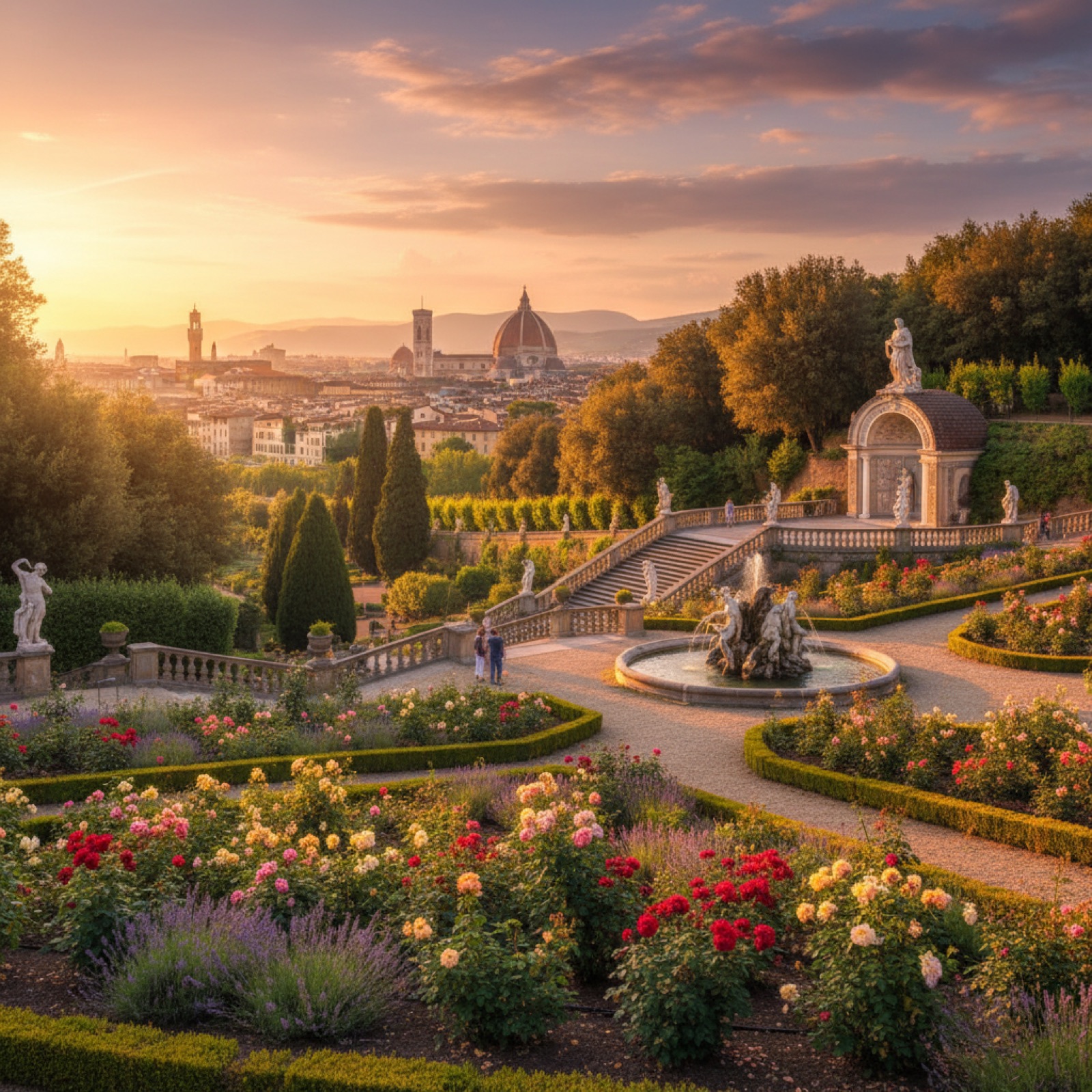
Boboli Gardens tickets and hours, its Medici history, the main sections and sculptures, quieter corners, when to beat the crowds and nearby sights.
In this guide
- Unlocking the Magic of Boboli Gardens Florence
- A Brief History of the Boboli Gardens: Medici Grandeur
- Planning Your Visit: Boboli Gardens Tickets and Hours
- Navigating the Gardens: Must-See Sections and Sculptures
- Hidden Gems and Secret Spots in Florence's Lavish Gardens
- Best Time to Visit and Avoid the Crowds
- Practical Tips for Exploring the Palazzo Pitti Gardens
- Beyond the Gate: Nearby Attractions
- Budget Breakdown: Your Boboli Gardens Florence Trip
- Pro Tips from a Seasoned Traveler
- Common Mistakes to Avoid
- Conclusion: Your Unforgettable Boboli Gardens Experience
This guide is part of our Florence Travel Guide — start there for the overview, itineraries and costs.
Unlocking the Magic of Boboli Gardens Florence
Florence brings to mind the scent of leather, the taste of gelato, and the incredible sight of ancient architecture around every corner. But few places capture the essence of Florentine splendour like the Boboli Gardens Florence. Step through the grand entrance under the warm Tuscan sun and you are not just entering a park; you are stepping into a living, breathing canvas of Renaissance art and history.
Many visitors rush between the Uffizi and the Duomo, but they often miss this sprawling, spectacular outdoor museum behind the Pitti Palace. If you're planning your 2025 adventure, consider the Boboli Gardens Florence not just a pleasant detour, but a cornerstone of your itinerary. This guide aims to be your ultimate companion, covering everything from securing your Boboli Gardens tickets to finding the hidden pathways and understanding the rich tapestry of its past. Plan to carve out a significant chunk of time for this.
A Brief History of the Boboli Gardens: Medici Grandeur
To truly appreciate the Boboli Gardens Florence, you need to understand its origins. This wasn't just a garden; it was a statement. Commissioned by Eleonora di Toledo, wife of Cosimo I de' Medici, in the mid-16th century, these gardens quickly became the model for many European royal gardens, including Versailles. Stand by the amphitheatre and try to picture the grand parties and theatrical performances that once took place there, with the Medici family strolling its paths, surrounded by such opulence.
Designed by influential artists and landscape architects like Niccolò Tribolo, Bartolomeo Ammannati, and Bernardo Buontalenti, the Palazzo Pitti Gardens perfectly blend nature with art. Each fountain, grotto, and statue tells a story, often reflecting the Medici's power, wealth, and their profound appreciation for classical antiquity. It's truly a testament to Florentine Renaissance gardens at their peak. Over centuries, the gardens expanded and evolved, incorporating new styles and features, but always retaining that unmistakable Medici touch.
Planning Your Visit: Boboli Gardens Tickets and Hours
Getting your Boboli Gardens tickets sorted is the first crucial step for a smooth visit. Book online in advance, especially during peak season. This isn't just about convenience; it saves you valuable time queuing, allowing you more moments to soak in the beauty of the Boboli Gardens Florence.
Ticket Options (Prices are estimates and subject to change):
- Standard Adult Ticket: €10.00 bought on the day or €13.00 booked in advance. It covers the Boboli Gardens only; the Porcelain Museum is closed for refurbishment, and the Bardini Gardens need the separate €15.00 Boboli + Bardini ticket.
- Reduced Ticket: €3.00 for EU citizens aged 18-25.
- Free Entry: EU and non-EU citizens under 18. Also, the first Sunday of each month, though it's best avoided unless you love crowds!
- Combined Tickets: Often available with the Pitti Palace or Uffizi Gallery. A combined ticket for Pitti Palace and Boboli Gardens is €22.00 bought on the day or €25.00 booked in advance. This is great value if you plan to visit both.
Where to Buy:
- Official Website: Uffizi Galleries Official Site (recommended for best prices and pre-booking).
- Third-Party Vendors: GetYourGuide, Tiqets, Viator are reliable options, sometimes offering skip-the-line benefits, but may have a slight markup.
- On-Site: Ticket office at Palazzo Pitti (Piazza de' Pitti, 1). Be prepared for queues, especially in summer.
Opening Hours (Subject to change, always check official website):
The Boboli Gardens Florence generally follow a similar pattern year-round, closing on the first and last Monday of each month and Christmas Day.
- March and October: 8:15 AM - 5:30 PM, or 6:30 PM while daylight saving is in force (last admission one hour before closing)
- April, May, September: 8:15 AM - 6:30 PM (Last admission 5:30 PM)
- June, July, August: 8:15 AM - 7:10 PM (Last admission 6:10 PM)
- November, December, January, February: 8:15 AM - 4:30 PM (Last admission 3:30 PM)
Check closing times – it's easy to get so lost exploring a quieter path that you almost miss the exit! Always factor in travel time within the gardens and aim to arrive at least 2-3 hours before closing to fully experience this vast estate.
Navigating the Gardens: Must-See Sections and Sculptures
Navigating the Boboli Gardens Florence is an adventure in itself. It's sprawling, with uphill climbs and winding paths. Grab a map at the entrance; otherwise, you might miss some of the incredible Boboli Gardens sculptures and panoramic views. Here are the highlights you absolutely shouldn't miss:
The Amphitheater and the Obelisco egizio
Immediately behind the Pitti Palace, you'll find the stunning Roman-style Amphitheater. This is where those grand Medici spectacles took place. In its centre stands the magnificent Egyptian Obelisk, brought from the Villa Medici in Rome. It's easy to stand here imagining the bygone eras, the vibrant clothes, and the sheer power these gardens once exuded.
The Neptune Fountain (Fontana del Nettuno)
Known affectionately as the 'Fountain of the Fork' by Florentines due to Neptune's trident, this impressive fountain is a central feature. Located on the main axis, it's a perfect spot to pause and appreciate the detailed craftsmanship. The sheer scale of these Boboli Gardens sculptures is truly breathtaking.
The Grotta del Buontalenti (Buontalenti Grotto)
This is, without a doubt, one of the most fantastical and intricate grottos you'll ever encounter. Designed by Bernardo Buontalenti, it's a marvel of Mannerist art, filled with artificial stalactites, sponges, and mythological figures. Entering felt like stepping into an alchemist's enchanted cave. Look out for the copies of Michelangelo's 'Prisoners' (the originals are in the Accademia Gallery) and the stunning 'Venus' emerging from her bath. It's a key example of the artistic flair you find throughout these Palazzo Pitti Gardens.
The Viottolone and the Isolotto
The Viottolone is the wide, tree-lined avenue that leads you down to the Isolotto (small island). Flanked by statues and magnificent cypress trees, this walk is invigorating. The Isolotto itself is a stunning, oval-shaped island surrounded by water, home to the 'Ocean Fountain' by Giambologna, featuring the powerful figure of Oceanus surrounded by three river gods. This serene spot, tucked away from the more crowded areas, is a personal favorite for reflection.
The Knights' Garden (Giardino del Cavaliere) and Porcelain Museum
Perched atop one of the highest points of the garden, the Knights' Garden offers some of the most spectacular panoramic views of Florence, particularly of the Duomo. It's also home to the Porcelain Museum, showcasing collections acquired by the Medici and Lorraine families, which is currently closed for refurbishment. The view alone makes the climb worthwhile, offering a fresh perspective on the city. These Florence lavish gardens truly connect visitors with the city's artistic core.
Hidden Gems and Secret Spots in Florence's Lavish Gardens
While the main attractions of Boboli Gardens Florence are stunning, it's worth seeking out the lesser-known corners. These are the places where you can truly escape the crowds and feel like you've discovered a secret. It’s in these quiet spots that the true magic of Florentine Renaissance gardens reveals itself.
The Kaffeehaus
A charming Rococo pavilion, the Kaffeehaus offers another fantastic viewpoint of Florence, often with fewer people than the Knights' Garden. It's a beautifully preserved example of 18th-century architecture, originally a spot for the Grand Dukes to enjoy coffee and conversation. It's easy to miss, which makes finding it all the more rewarding.
The Lemon House (Limonaia)
Near the Pitti Palace, you'll find the majestic Limonaia, a grand greenhouse built to shelter the numerous citrus plants during winter. While not always open for interior viewing, its impressive façade and the scent of lemon trees blooming nearby create a wonderfully atmospheric experience. These plants are a testament to the Medici's passion for horticulture and their desire to grow exotic plants.
The Prato dell'Uccellare (Birdcatcher's Meadow)
Beyond the main avenues, this large grassy expanse offers a quieter retreat. Perfect for a momentary reprieve, it's surrounded by mature trees and offers a different kind of tranquility. Few visitors venture this far, making it an ideal spot for a peaceful picnic or simply to enjoy nature’s embrace within the Palazzo Pitti Gardens.
Best Time to Visit and Avoid the Crowds
Timing is everything when exploring popular sites like the Boboli Gardens Florence. The biggest tip is to go early in the morning, right when they open, or later in the afternoon, a couple of hours before closing. This usually helps avoid the mid-day rush.
- Season:
- Spring (April-May): The gardens are in full bloom, and the weather is generally pleasant. It's beautiful but can be crowded.
- Fall (September-October): Similar to spring, with beautiful autumn colors and comfortable temperatures. Still popular.
- Summer (June-August): Hottest and most crowded months. If you visit in summer, go very early or late, and bring plenty of water.
- Winter (November-March): Fewest crowds, but the gardens might not be as lush. Some fountains might be turned off for maintenance. However, a crisp winter day can offer a unique, serene experience.
Early November may sound bleak, but it offers a quiet solitude and a different kind of beauty in the bare trees and muted colours. It’s a wonderful time to truly appreciate the architectural layouts of the Boboli Gardens Florence without distraction.
Practical Tips for Exploring the Palazzo Pitti Gardens
Exploring the Palazzo Pitti Gardens requires a bit of preparation to ensure a comfortable and enjoyable experience. Consider these tips:
What to Wear and Bring:
- Comfortable Shoes: This is non-negotiable. The gardens are vast, with many uphill paths and gravel walkways. You'll be doing a lot of walking.
- Sun Protection: Hat, sunglasses, and sunscreen, especially in warmer months. There's shade, but also many open areas.
- Water Bottle: Stay hydrated! There are water fountains available, but carrying your own bottle is always wise.
- Snacks: While there is a café, a few energy bars can be a lifesaver if you plan to spend several hours exploring.
- Camera: Plenty of photo opportunities!
- Map: Grab one at the entrance or download it to your phone. It's easy to get delightfully lost, but a map helps you find your bearings.
Accessibility:
Due to its historical nature and hilly terrain, the Boboli Gardens Florence can be challenging for visitors with mobility issues. Some paths are steep and uneven. There are some accessible routes, but it's best to contact the Uffizi Galleries in advance for specific information and to arrange assistance if needed. They are generally very helpful.
Restrooms and Refreshments:
Restrooms are located near the main entrance and also near the Kaffeehaus. There is a small café (Caffetteria del Giardino di Boboli) within the gardens, offering drinks, snacks, and light meals. Prices are a bit higher than outside, but the convenience and the view can be worth it. An espresso at the Kaffeehaus while overlooking the city makes a memorable Florentine moment.
Beyond the Gate: Nearby Attractions
Your visit to the Boboli Gardens Florence places you right at the heart of the Oltrarno district, a fantastic area known for its artisan workshops and traditional Florentine charm. Don't just leave after the garden; explore what's around!
- Pitti Palace: Directly connected to the gardens. Explore the Palatine Gallery, Modern Art Gallery, and the Museum of Costume and Fashion. A combined Pitti Palace + Boboli ticket covers both, so make the most of it!
- Bardini Gardens: Available on a combined €15 Boboli + Bardini ticket, these gardens are a short walk away and offer equally stunning views with a different, perhaps more intimate, feel. Don't miss the wisteria tunnel in spring!
- Santo Spirito Basilica: A masterpiece of Renaissance architecture by Brunelleschi, located in the vibrant Piazza Santo Spirito, known for its evening markets and lively atmosphere.
- Ponte Vecchio: A short walk across the Arno brings you to Florence's iconic bridge, lined with jewelry shops.
- Oltrarno Artisan Shops: Wander through the narrow streets of the Oltrarno to discover traditional leatherworkers, goldsmiths, and restorers. It's a joy to watch them at work.
Budget Breakdown: Your Boboli Gardens Florence Trip
Planning your budget helps you relax and enjoy the experience. Here's a realistic breakdown for a visitor exploring Boboli Gardens Florence in 2025 (prices are illustrative and subject to change):
| Expense Category | Estimated Cost (EUR) | Estimated Cost (USD) | Notes |
|---|---|---|---|
| Boboli Gardens Ticket (Adult) | €10.00 - €13.00 | $11.00 - $14.00 | Standard entry (€13 booked in advance); Bardini is a separate €15 combined ticket. |
| Combined Pitti Palace + Boboli | €22.00 - €25.00 | $24.00 - $27.00 | Recommended if visiting both. |
| Public Transport (Bus/Tram) | €1.70 - €2.50 (per ride) | $1.80 - $2.70 | From city center to Pitti Palace. Day pass approx. €7.00. |
| Coffee/Snack at Garden Café | €4.00 - €8.00 | $4.40 - $8.80 | Espresso, pastry, or small sandwich. |
| Water Bottle (reusable) | €0 (bring your own) | $0 | Refill at fountains! |
| Souvenir (small) | €5.00 - €15.00 | $5.50 - $16.50 | Postcard, small print. |
| Approx. Total (per person, garden only) | €14.00 - €20.00 | $15.00 - $22.00 | Excludes major food/transport if walking. |
| Approx. Total (per person, combined + transport) | €30.00 - €40.00 | $33.00 - $44.00 | Includes Pitti Palace & some transport. |
Note on Currency: Italy uses the Euro (€). While credit cards are widely accepted, it's always good to have some small Euro notes for smaller purchases or emergencies.
Pro Tips from a Seasoned Traveler
A few pro tips for visiting the Palazzo Pitti Gardens:
- Go in Reverse: Most people enter from the Pitti Palace and climb up. Try entering from the Porta Romana gate (if it's open, always check) and work your way down. It can feel less strenuous and offers different views of the statues as you descend.
- Don't Be Afraid to Get Lost: Some of the best discoveries in the Boboli Gardens Florence come from simply following a path that looks interesting. Just remember to have your map handy to eventually find your way back.
- Look Up and Down: The beauty isn't just at eye level. Notice the intricate patterns of the gravel paths, the details on the sculpture bases, and the way the trees frame the sky.
- Pack a Picnic: While there's a café, nothing beats finding a quiet bench with a view and enjoying some local cheeses and bread you picked up at a market. Just be sure to clean up after yourselves.
- Consider a Guide: For history buffs, a private guide can unlock layers of meaning in the Boboli Gardens sculptures and architecture that you might otherwise miss. It's a worthwhile splurge if you want depth.
- Check for Events: Sometimes, the gardens host temporary exhibitions or classical music concerts, particularly in summer. Check the official website for details.
Common Mistakes to Avoid
Even in a place as beautiful as the Boboli Gardens Florence, a few missteps can detract from your experience:
- Underestimating the Size: It's vast. Don't plan just an hour. Allocate at least 2-3 hours; 4+ if you want to see everything and relax.
- Forgetting Water: Especially during warmer months, you'll be walking uphill. Dehydration is a real risk.
- Not Wearing Proper Footwear: High heels or flip-flops will lead to regret.
- Only Sticking to the Main Paths: While the main avenues are beautiful, the real charm of these Florence lavish gardens lies in their quieter, more secluded corners. Venture off!
- Visiting on Free Sunday: Unless you enjoy massive crowds and long lines, avoid the first Sunday of the month when entry is free. The experience is often diminished.
- Ignoring the Bardini Gardens Ticket: A combined Boboli + Bardini ticket costs €15, so don't miss this separate but equally beautiful nearby garden. It’s a calmer alternative with fantastic views too.
Conclusion: Your Unforgettable Boboli Gardens Experience
This guide should help you unlock the full potential of your visit to the Boboli Gardens Florence. From the moment you step into its theatrical embrace to the quiet discovery of a hidden grotto, these gardens offer a journey through art, history, and natural beauty that is unparalleled. It truly embodies the spirit of Florentine Renaissance gardens.
Whether you're admiring the intricate Boboli Gardens sculptures, getting lost amidst the cypress trees, or simply enjoying a panoramic view of Florence from the Kaffeehaus, make sure to slow down and savor every moment. It's more than just a garden; it's a profound cultural experience, a testament to the enduring legacy of the Medici, and a tranquil escape from the bustling city. So, pack your comfortable shoes, charge your camera, and prepare to be enchanted by the timeless allure of the Boboli Gardens Florence. It's sure to be a highlight of your 2025 Italian adventure.
More Florence guides
Best Restaurants in Florence: Where to Eat
Where to eat in Florence, from historic trattorias and Michelin dining to cheap eats, markets, gelato and bistecca, plus reservations…

Ponte Vecchio, Florence: History and How to Visit
The Ponte Vecchio's history and design, its jewellery shops, the Medici Corridor, the best viewpoints for photos, practical tips and…

Florence Travel Guide: Art, Food and Where to Stay
A Florence guide to the art, the food and the walkable centre — what to book ahead, what to skip, and how to fit the Duomo and Uffizi into…