Brazil Travel Guide: Rio, Iguazu and the Amazon
Planning a first Brazil trip: which regions to combine, internal flights, seasons, safety awareness and Portuguese basics.
In this guide
- Quick Facts
- The Brazilian Mindset: Embracing the Scale
- The Classic Icons: Rio de Janeiro & Iguazu Falls
- Urban Souls: São Paulo & Salvador
- Wildlife Wonders: The Amazon vs. The Pantanal
- Coasts and Islands: Beyond Rio
- Nature for the Active Hiker
- When to Go: Seasons and Carnival
- Practicalities: Visas, Safety, and Language
- Suggested Brazil Itineraries
- Explore in Depth
- Frequently Asked Questions
- Final Thoughts
Near the bustling port of Manaus, the Rio Negro’s inky, tea-coloured water refuses to mix with the muddy, café-au-lait torrent of the Rio Solimões. For kilometres, these two giants of the Amazon flow side by side, a stark dividing line on the water’s surface – best seen from the deck of a riverboat. It’s a fitting first taste of Brazil’s epic scale, a country that feels more like a continent.
That feeling of immense, near-mythical scale is what defines travelling in Brazil. From the world’s greatest waterfall system at Iguazu to the pulsing urban energy of Rio de Janeiro and the staggering biodiversity of the Pantanal wetlands, Brazil offers a lifetime of adventures. Tackling it requires a plan. This guide is designed to help you navigate Brazil's sheer size and choose your own path. We’ll cover the classic highlights like Rio and Iguazu, dive into lesser-known wonders like the seasonal lagoons of the north, and share hard-won practical advice on everything from safety to seasons, so you can focus on the magic.
Quick Facts
- Location: Covering nearly half of South America, bordering almost every other nation on the continent except Ecuador and Chile.
- Getting There: Major international gateways are São Paulo–Guarulhos International Airport (GRU) and Rio de Janeiro–Galeão International Airport (GIG). Direct flights connect Brazil to major hubs in Europe, North America, Africa, and the Middle East.
- Getting Around: Brazil is colossal. Internal flights are essential for covering large distances. A robust network of domestic airlines connects all major cities. Long-distance buses are comfortable and efficient for regional travel but can involve very long journeys.
- Language & Currency: The official language is Portuguese. Don't expect Spanish to be widely understood, though it might help in a pinch. The currency is the Brazilian Real (BRL). Credit cards are widely accepted in cities and tourist areas, but carrying some cash is wise for smaller towns and markets.
- Best Time to Visit: It's a year-round destination, but the country's size means climates vary. The south has a temperate climate with cooler winters (June-August). The Amazon has wet and drier seasons. The coast is generally warm all year. December to March is the peak summer and holiday season, with Carnival usually falling in February or March.
The Brazilian Mindset: Embracing the Scale
The first thing to get your head around is Brazil's size. It’s the fifth-largest country on Earth. Flying from Manaus in the Amazon to Porto Alegre in the south takes longer than flying from London to Moscow. Looking at a map can be deceiving; those "short hops" between cities are often multi-hour flights. This is why you absolutely cannot "do" Brazil in one trip. Trying to cram too much in will just leave you exhausted in airport terminals.
The best approach is to think of Brazil as a collection of distinct countries. The sun-scorched northeast with its colonial history is a world away from the European-influenced, temperate south. The wild heart of the Pantanal feels like another planet compared to the sophisticated urban jungle of São Paulo. Because of this, internal flights are not a luxury, they are a necessity for any itinerary connecting different regions. Book them as far in advance as you can, especially around major holidays. Embracing this reality is the first step to planning a trip that's exhilarating rather than overwhelming.
The Classic Icons: Rio de Janeiro & Iguazu Falls
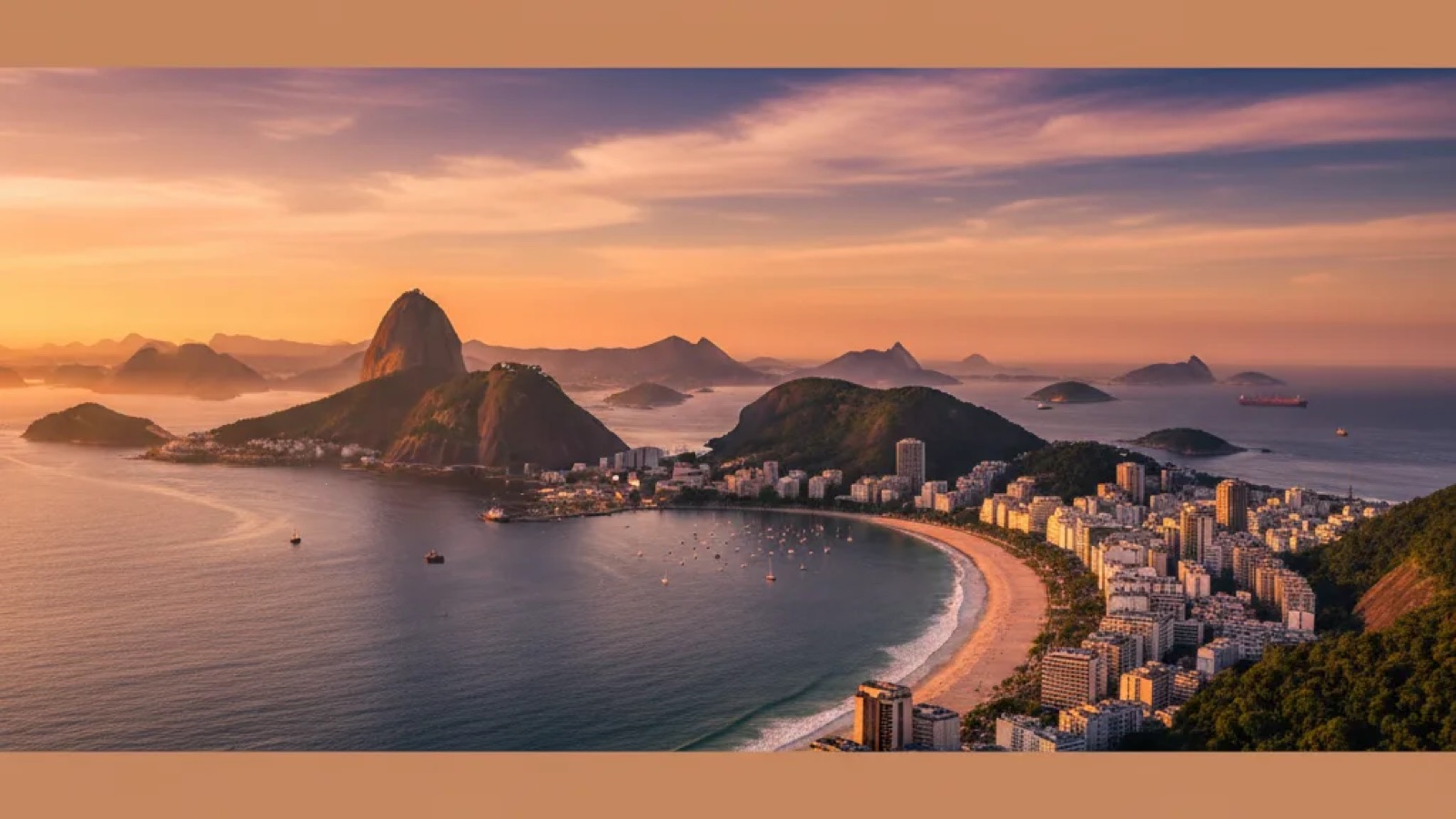
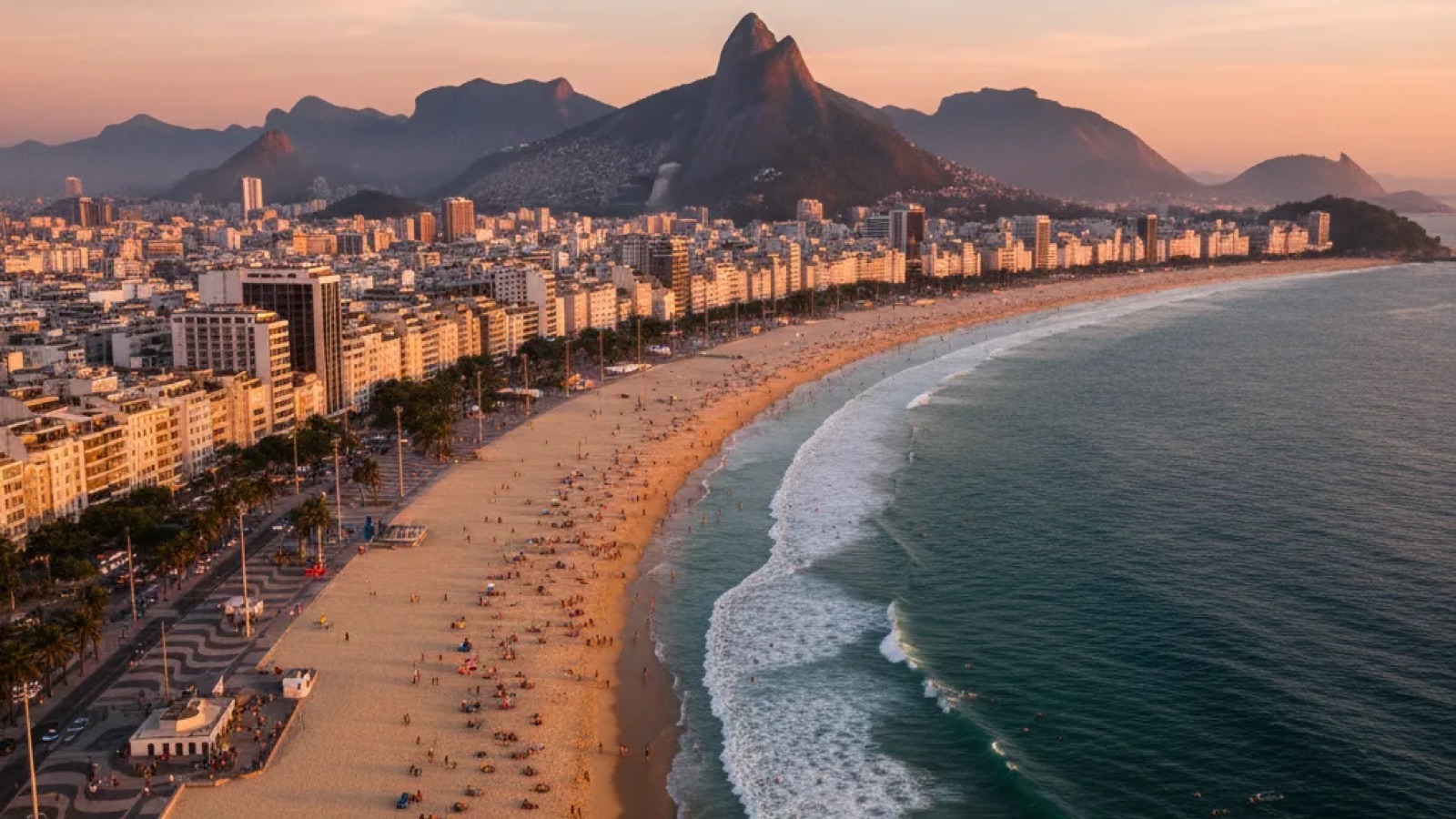
For most first-time visitors, Brazil means two things: the vibrant energy of Rio de Janeiro and the thunderous power of Iguazu Falls. They are iconic for a reason and make a brilliant combination for a shorter trip. Rio is one of the most physically beautiful cities in the world. The sight of the Christ the Redeemer statue with its arms outstretched over the city, framed by granite peaks like Sugarloaf Mountain and the famous arcs of Copacabana and Ipanema beaches, is genuinely breathtaking.
Beyond the postcard views, Rio has a rhythm all its own. It's in the samba clubs of Lapa, the buzz of a beach volleyball game as the sun sets, and the chatter spilling out of neighbourhood juice bars. It’s a city that lives outdoors. A perfect day involves an early morning trip up to Christ the Redeemer to beat the crowds, an afternoon exploring the bohemian streets and tiled staircase of Santa Teresa, and an evening enjoying the sunset from the rocks at Arpoador between Ipanema and Copacabana.
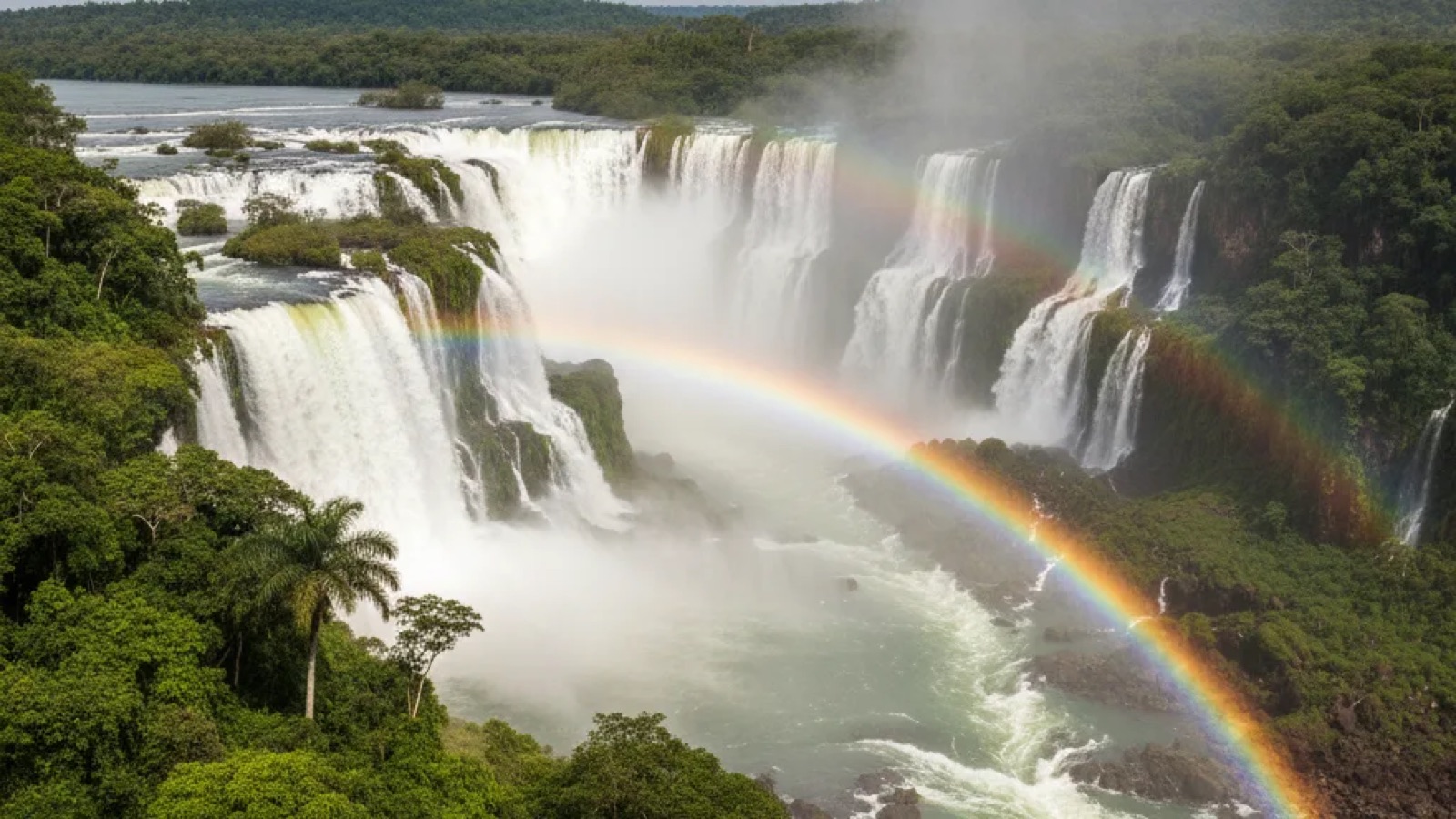
Further south, on the border with Argentina, lies Iguazu Falls. Words and photos don't do it justice. The sheer volume of water, the constant roar, the mist that soaks you from hundreds of metres away—it's a full-body sensory experience. The Brazilian side offers the grand panoramic vistas you see in pictures, while the Argentinian side provides a more visceral experience, with walkways taking you right over the rushing water and to the edge of the mighty Devil's Throat cascade. You absolutely must see both sides if you have the time, which requires a border crossing but is entirely worth the effort.
Photography Tip: At Iguazu, protecting your gear is key. The spray is intense. A good rain sleeve for your camera is essential. A polarising filter also helps cut through the glare on the water and brings out the rich colours of the surrounding rainforest.
Urban Souls: São Paulo & Salvador
While Rio gets the glory, Brazil's other cities offer deep and distinct cultural experiences. São Paulo, or 'Sampa' as it’s known, is the nation's economic engine. It's a sprawling, frenetic megalopolis that can feel intimidating at first, but it is hands-down the best city for food and art in South America. From world-renowned fine dining restaurants to the incredible diversity of the Mercado Municipal, it’s a paradise for food lovers. The street art in neighbourhoods like Beco do Batman is world-class, and museums like the São Paulo Museum of Art (MASP) are outstanding.
In stark contrast is Salvador, the capital of the state of Bahia in the northeast. This was Brazil's first capital and the heart of its Afro-Brazilian culture. The energy here is completely different—more soulful, more rhythmic. You feel it in the hypnotic drumming of Olodum practice sessions in the streets, taste it in the dendê oil of acarajé (a street food staple), and see it in the graceful, swirling movements of capoeira circles. The Pelourinho, the historic centre with its steep, cobblestoned streets and pastel-coloured colonial buildings, is a UNESCO World Heritage site and the city's spiritual heart.
Wildlife Wonders: The Amazon vs. The Pantanal
Many travellers dream of seeing the Amazon, and for good reason. It’s a place of epic proportions. The classic Amazon experience usually starts from Manaus, an unlikely city of millions in the middle of the jungle. From here, you can take multi-day riverboat trips or stay in jungle lodges. The "Meeting of the Waters," where the Rio Negro and Rio Solimões join to form the Amazon River, is a must-see. The thrill of piranha fishing, spotting pink river dolphins, and night-walks to find caiman are unforgettable.
However, and this is a key piece of advice, if your primary goal is to see wildlife, go to the Pantanal. The Amazon's dense canopy makes spotting animals incredibly difficult. The Pantanal, by contrast, is the world's largest tropical wetland—a vast, open floodplain. This openness means wildlife is much easier to see. It’s quite simply the best place in South America for it. During the dry season (roughly May to October), animals congregate around the remaining water sources, offering spectacular viewing opportunities.
The Pantanal offers incredible wildlife encounters: jaguars stalking capybaras along riverbanks, giant river otters at play, and hundreds of species of birds, from hyacinth macaws to jabiru storks. It lacks the legendary name of the Amazon, but for a pure wildlife safari, it is unparalleled. You can access the northern Pantanal via Cuiabá or the south via Campo Grande.
Coasts and Islands: Beyond Rio
Brazil has nearly 7,500 kilometres of coastline, so there’s a beach for every taste. The state of Bahia is famous for its idyllic stretches of sand, from the party-centric vibe of Porto Seguro to the chic, bohemian enclave of Trancoso and the remote, untouched sands further north.
Further up the coast, the state of Ceará near Fortaleza is a global hotspot for kitesurfing, thanks to its reliable winds. The landscape here is dramatic, with vast sand dunes meeting the turquoise ocean. The village of Jericoacoara, once a hidden gem and now a bustling (but still beautiful) destination, is a highlight, with its sand-dusted streets and lagoon oases.
For the ultimate island escape, there is Fernando de Noronha. This protected volcanic archipelago is a UNESCO World Heritage site with strictly controlled visitor numbers. The result is a pristine marine paradise. The diving and snorkelling here are the best in Brazil, with staggering visibility and an abundance of sea turtles, rays, and dolphins. Snorkelling at Baía dos Porcos, with the iconic Dois Irmãos (Two Brothers) rocks in the background, is a highlight. It is an expensive and logistically challenging destination to visit, but for nature lovers, it’s a slice of heaven.
Nature for the Active Hiker
Beyond the big-name ecosystems, Brazil has incredible options for trekkers. Two national parks stand out: Chapada Diamantina in Bahia and Chapada dos Veadeiros in Goiás. "Chapada" refers to a plateau, and these regions are characterised by stunning table-top mountains, dramatic canyons, hidden waterfalls, and vast cave systems.
Chapada Diamantina, accessible from the small town of Lençóis, is a hiker's dream. A week here allows time to trek to the top of Pai Inácio for sunset, swim in crystal-clear natural pools, and descend into the Poço Encantado (Enchanted Well), where a sunbeam illuminates the water in an ethereal blue. The multi-day Pati Valley trek is considered one of Brazil's best hikes.
Another incredible natural wonder is Lençóis Maranhenses National Park in the northeast. For a few months each year, during and after the rainy season (roughly June to September), the gaps between colossal white sand dunes fill with fresh, turquoise rainwater, creating thousands of temporary lagoons. The sight of this shimmering blue-and-white landscape stretching to the horizon is surreal. You can only explore it with registered 4x4 vehicles from the nearby town of Barreirinhas.
When to Go: Seasons and Carnival
Brazil's location on the equator and in the Southern Hemisphere means its seasons are reversed from Europe and North America. December to March is summer—it’s hot, often rainy (especially in the south and southeast), and it's the peak domestic holiday season. This is when beaches are busiest and prices are highest.
The winter months of June to August are generally milder and drier in the south and southeast, making it a pleasant time for city sightseeing in Rio or São Paulo. The northeast coast stays warm year-round. The Amazon has two main periods: the wet season (high water) and the drier season (low water). High water (approx. Jan-June) is great for exploring flooded forests by canoe, while low water (approx. July-Dec) is better for hiking and spotting animals on riverbanks.
Then there's Carnival. This pre-Lent festival is the biggest party on the planet and it completely takes over the country for about a week. The dates change each year, but it almost always falls in February or early March. Rio's Sambadrome parade is the most famous spectacle, but incredible street parties (blocos) happen all over Rio, Salvador, Recife, and Olinda. If you plan to travel during Carnival, you need to book flights and accommodation months, if not a year, in advance. If you're not interested in the party, it's a hectic and expensive time to visit.
Practicalities: Visas, Safety, and Language
Visas & Entry Requirements
This is extremely important: visa rules for Brazil can and do change, sometimes with little notice, based on diplomatic reciprocity. For years, citizens from countries like Australia, the USA, and Canada needed a visa, then this was waived in 2019, and since 10 April 2025 they again need an e-visa. Do not rely on travel blogs (even this one!) for the final word. The only trustworthy source is the official Brazilian consulate or embassy website for your country of citizenship. Check it well before you book anything.
Health & Vaccinations
Health advice also changes. For a long time, a Yellow Fever vaccination was strongly recommended or required for visiting many parts of Brazil, including the Amazon, Pantanal, and even Iguazu Falls. Brazil does not require proof of vaccination for entry, but vaccination is still recommended for most regions. Consult your doctor or a specialised travel clinic well in advance of your trip to get the most current advice for your specific itinerary and health status. They can also advise on other precautions like malaria for certain Amazonian regions.
Safety & Awareness
Brazil has a reputation for crime, and while it's important to be aware, there is no need to be constantly afraid. The vast majority of visits are trouble-free. The key is calm, sensible, situational awareness, especially in large cities like Rio and São Paulo. Don't wear flashy jewellery or expensive watches. Keep your high-end camera in a nondescript bag when you're not using it. Many locals use a second, older phone for daily use on the street. At night, avoid walking through quiet or poorly-lit areas and on empty beaches—use taxis or ride-hailing apps, which are widely available and reliable.
Blending in and staying alert go a long way towards avoiding problems. Don’t let fearmongering ruin your trip; just be smart, as you would in any major city in the world.
Language & Tipping
Brazilians speak Portuguese. While staff in high-end hotels and tour operators in major hubs will speak English, you can't rely on it elsewhere. Learning a few basic phrases will go a long way and will be warmly received. Bom dia (good morning), por favor (please), obrigado/obrigada (thank you - said by a male/female), and tudo bem? (how are you?/it's all good) are a great start. A translation app on your phone is also a huge help.
Tipping is not as widespread as in North America. Most restaurants will automatically add a 10% service charge (serviço) to the bill. This is optional, but it's customary to pay it if the service was good. No further tip is expected. For tour guides or drivers, a tip for excellent service is a welcome gesture but not obligatory.
Suggested Brazil Itineraries
These routes are fast-paced but realistic, using internal flights to connect the dots. Remember to add a day at the beginning and end for international travel.
The Classic Two-Week Trip
- Days 1-4: Rio de Janeiro. Arrive at GIG. Explore the iconic sights: Christ the Redeemer, Sugarloaf Mountain, and the beaches of Copacabana and Ipanema. Immerse yourself in the nightlife of Lapa.
- Day 5: Fly to Foz do Iguaçu (IGU). Travel day. Settle in and perhaps visit the bird park near the falls entrance.
- Days 6-7: Iguazu Falls. Spend one full day on the Brazilian side for the panoramic views, and another full day crossing into Argentina for the up-close trails and the Devil's Throat.
- Day 8: Fly to Salvador (SSA). This will be a long travel day, likely connecting through a major hub like São Paulo.
- Days 9-11: Salvador. Dive into Afro-Brazilian culture. Explore the colourful Pelourinho historic centre, watch capoeira, and enjoy the Bahian cuisine and music. Consider a day trip to a nearby beach like Praia do Forte.
- Days 12-13: Fly to your departure city (Rio or São Paulo). Enjoy a final Brazilian meal and prepare for your flight home.
The Three-Week Nature & Culture Immersion
- Days 1-5: Rio de Janeiro. Allow an extra day here to explore beyond the main sights, perhaps hiking in Tijuca National Park or visiting the Botanical Gardens.
- Day 6: Fly to Foz do Iguaçu (IGU). Travel day.
- Days 7-8: Iguazu Falls. Explore both the Brazilian and Argentinian sides.
- Day 9: Fly to Campo Grande (CGR) or Cuiabá (CGB). This begins your Pantanal adventure.
- Days 10-13: The Pantanal. Spend these days at a lodge (fazenda) on safari. Activities typically include boat trips, 4x4 drives, horseback riding, and night walks to spot the incredible wildlife. This is your best chance to see a jaguar.
- Day 14: Fly to Manaus (MAO). A travel day connecting the Pantanal to the Amazon.
- Days 15-17: The Amazon. From Manaus, join a riverboat cruise or head to a jungle lodge. See the Meeting of the Waters, fish for piranhas, spot dolphins, and learn about the rainforest ecosystem.
- Day 18: Fly to Salvador (SSA). Travel day.
- Days 19-20: Salvador. Absorb the history and music of Bahia's vibrant capital.
- Day 21: Fly home from Salvador or via a final night in Rio/São Paulo.
Explore in Depth
If you're ready to dive deeper into planning your trip to Brazil's most iconic destinations, these dedicated guides offer much more detail, from neighbourhood guides to specific photography locations.
Frequently Asked Questions
Is it better to see Iguazu Falls from the Brazilian or Argentinian side?
You really should do both if you can. They offer completely different perspectives. The Brazilian side gives you the incredible, sweeping panoramic view that you see on postcards, allowing you to appreciate the sheer scale of the 275 individual falls. The Argentinian side is more about immersion. A network of trails and catwalks takes you right up close to the cascades, and even over the top of them, culminating in the awesome, deafening power of the Garganta del Diablo (Devil's Throat). If you are extremely short on time and can only pick one, Brazil gives the iconic photo, while Argentina gives the more visceral experience.
How much Portuguese do I really need to get by?
In major tourist centres like Rio's South Zone, at Iguazu Falls, or on organised tours in the Amazon, you can get by with English. However, the moment you step into a local neighbourhood, a smaller restaurant, a market, or a smaller town, English will be rare. Brazilians are incredibly friendly and will go out of their way to understand you, but knowing the basics like greetings, please/thank you, and numbers is invaluable. It’s also polite. It's well worth having a translation app with offline capabilities downloaded on your phone; it can be a lifesaver for reading menus or asking for directions.
Is Brazil safe for solo female travellers?
Yes, with the right precautions. Many women travel solo in Brazil and have amazing experiences. The key is heightened situational awareness, especially in big cities. Stick to busy, well-lit areas at night, use ride-hailing apps instead of walking alone after dark, and avoid displaying expensive electronics or jewellery. It’s wise to dress to blend in rather than stand out. Joining group tours for activities like hiking or exploring the Amazon can be a great way to meet people and have safety in numbers. Trust your intuition; if a situation feels uncomfortable, remove yourself from it.
Should I choose the Amazon or the Pantanal for a wildlife trip?
This is a classic question. The Amazon is a legendary, bucket-list ecosystem, and the experience of being in that vast, dense rainforest is profound. You will see some wildlife, like monkeys, river dolphins, and plenty of birds. However, the sheer density of the jungle makes spotting animals very difficult. The Pantanal, on the other hand, is an open wetland. This makes wildlife infinitely easier to see. For reliable sightings of creatures like capybaras, caimans, giant river otters, and a staggering variety of birds, the Pantanal wins hands down. It is also the world's number one destination for seeing jaguars in the wild.
Are credit cards widely accepted or do I need a lot of cash?
In cities and established tourist towns, credit cards (especially Visa and Mastercard) are very widely accepted in hotels, restaurants, and larger shops. It's how most locals pay for things. However, you should absolutely not rely on cards alone. For street food stalls, local markets, small family-run shops, taxi drivers who don't use apps, or in more remote areas, cash is essential. Carry a reasonable amount of local currency for these daily expenses, while using a card for larger payments like accommodation. Also, inform your bank of your travel dates to avoid your card being frozen.
Final Thoughts
Brazil is a country that engages all your senses at once—the humid smell of the rainforest floor, the infectious beat of a samba drum, the taste of a fresh-squeezed açai bowl on a hot day, the sight of a sunset turning Rio’s sky orange and purple. It’s a place of overwhelming natural power and incredible human warmth.
Yes, it's a huge country that demands planning, and yes, you need to travel with your wits about you. But the rewards are immense. The sheer diversity of experiences available, from cosmopolitan cities to some of the wildest places left on Earth, is staggering. Don't be intimidated by its scale; embrace it. Pick a region, dive in deep, and let Brazil’s vibrant, life-affirming energy work its magic on you.
More Brazil guides
Rio de Janeiro Guide: Beaches, Christ and Samba
Rio in three or four days: Christ the Redeemer, Sugarloaf, Copacabana and Ipanema, Santa Teresa, Lapa nights and staying smart.
Iguazu Falls: Brazil or Argentina Side?
Which side of Iguazu to visit, how many days you need, the Devil's Throat, boat rides, border crossing and the best seasons.