Busan Travel Guide: Beaches, Markets and Temples
Busan beyond the beaches: clifftop temples, Jagalchi market, Gamcheon and coastal walks, plus how to plan a few days on Korea's southern coast.
In this guide
- Quick Facts
- Arriving In and Navigating Busan
- Sun, Sand and Cityscapes: Busan's Famous Beaches
- Exploring the Diverse Coastline
- Delving into Busan's Cultural Heart
- A Taste of the Coast: Busan's Culinary Identity
- When to Visit Busan
- Day Trip to Gyeongju: A Journey into the Silla Kingdom
- Frequently Asked Questions
- Final Thoughts
This guide is part of our South Korea Itinerary: Seoul, Busan and Jeju — start there for the overview, when to go and how to get around.
Arriving at Busan Station on the KTX bullet train, you notice a subtle change in the air after landlocked Seoul: the scent of salt, carried on a breeze that promises open water and vast horizons. The energy feels looser here, the city's rhythm dictated less by the relentless tick of the clock and more by the ebb and flow of the tide. This is South Korea’s second city, a bustling port with a character all its own.
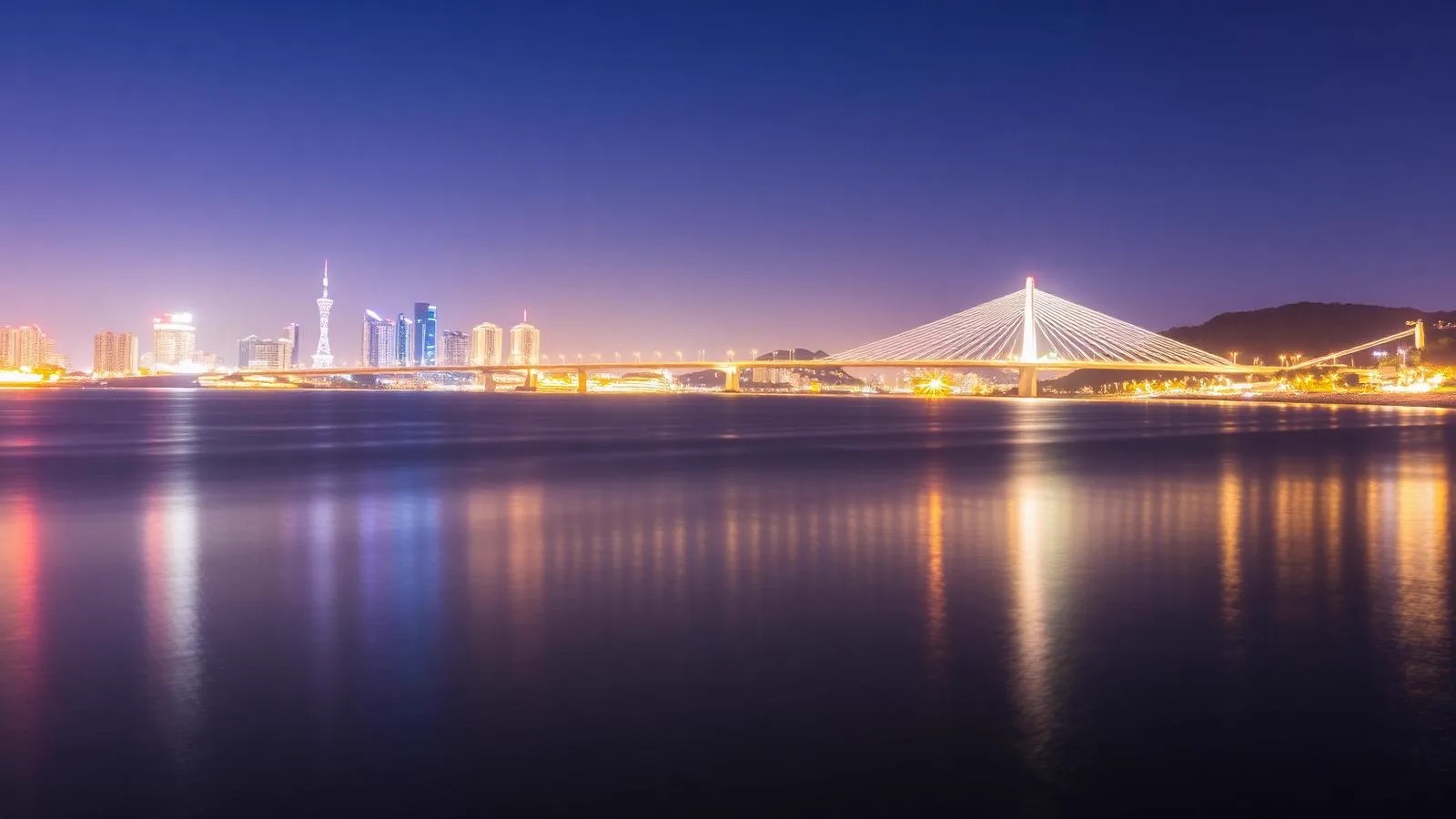
At dusk on Gwangalli Beach, Busan performs its nightly magic trick. As the colour drains from the sky, the Gwangan Bridge—an elegant sweep of steel spanning the bay—begins to glitter as tens of thousands of LED lights spark to life, painting the structure in shifting rainbows that dance across the dark water. Add the murmur of the waves, the laughter from beachfront cafés and the distant hum of traffic on that colossal bridge, and it becomes clear that Busan isn't just a place you visit; it's a multi-sensory experience you absorb.
Quick Facts
- Location: Situated on the southeastern coast of the Korean Peninsula, Busan is South Korea's largest port city.
- Language: Korean is the official language. While English signage is common in tourist areas and on the subway, learning a few basic Korean phrases is always appreciated.
- Getting In: The city is served by Gimhae International Airport (PUS) and is a major hub on the KTX high-speed rail network, making it easily accessible from Seoul and other major cities.
- Transport: Busan has an excellent public transport system, including an extensive subway network and a comprehensive bus system. A rechargeable transit card is essential for convenient travel.
- Geography: The city is characterised by a mix of mountains, rivers, and a long, indented coastline featuring numerous beaches and cliffs. This hilly terrain means travel between different districts can sometimes take longer than expected.
Arriving In and Navigating Busan
For most travellers coming from elsewhere in South Korea, the journey to Busan is an experience in itself. The KTX high-speed train is a marvel of efficiency, covering the roughly 400-kilometre distance from Seoul in under three hours. It's a journey that lets you watch the dense urban landscape of the capital slowly give way to rolling green hills and patchwork fields before the sprawl of Busan rises to meet you. Arriving at Busan Station, a modern transport hub, you're immediately connected to the city’s heart via the subway.
If you're flying in, Gimhae International Airport serves both domestic and international routes. From the airport, a light rail line connects you directly to the main subway system, providing a straightforward and affordable route into the city centre or to the popular beach areas. Be sure to check which part of the city you're staying in, as transfers between subway lines might be necessary.
Getting Around the City
Busan is a huge, sprawling metropolis, and getting your bearings with the public transport system is key to making the most of your time. The Busan Metro is the backbone of city travel. It’s clean, efficient, and has announcements and signage in both Korean and English, making it very user-friendly for international visitors. The network's four main lines (plus the light rail and Donghae Line) connect almost all of the major attractions you'll want to see, from the beaches of Haeundae to the markets of Nampo-dong.
For destinations not directly on a subway line, the city’s bus network is incredibly comprehensive. While it can seem more daunting at first, mapping apps on your phone make navigating the bus routes much simpler. It's well worth purchasing a rechargeable T-money or Cashbee transit card upon arrival. These cards work seamlessly on subways, light rail, and buses across Busan (and the rest of Korea), saving you the hassle of buying single-journey tickets and often offering a small discount on fares.
A word of advice: be realistic about travel times. Due to Busan’s hilly geography and sheer size, a journey that looks short on a map—say, from Haeundae Beach to Gamcheon Culture Village—can easily take over an hour by subway, involving a line change and a final bus ride. Plan your daily itinerary by geographical area to avoid spending half your day in transit.
Sun, Sand and Cityscapes: Busan's Famous Beaches
Busan’s identity is inextricably linked to its coastline, and its beaches are legendary throughout Korea. Each has its own distinct personality, offering everything from high-energy summer fun to tranquil, scenic evenings.
Haeundae Beach: The Icon
Haeundae is the beach that comes to mind when most people think of Busan. It's a magnificent, 1.5-kilometre-long stretch of pale sand, backed by a forest of gleaming skyscrapers and luxury hotels. In summer, it's a spectacle of activity, its shore blanketed with a sea of colourful parasols and buzzing with locals and tourists alike. During the peak months, it can feel like the entire country has descended upon this one strip of coast.
But Haeundae is more than just a summer hotspot. In the cooler months, it becomes a wide-open space for strolling, with a much more relaxed atmosphere. The promenade is perfect for a long walk, and the nearby Haeundae Market offers a gritty, delicious contrast to the polished developments surrounding the beach. It’s a place of scale and energy, representing the city’s modern, ambitious face.
Gwangalli Beach: The Stylish Viewpoint
While Haeundae might be more famous, many locals and seasoned travellers prefer the vibe at Gwangalli Beach. It’s slightly smaller than Haeundae and feels more intimate, with a younger, trendier crowd. The beach is lined with a fantastic collection of independent cafés, craft beer pubs, and restaurants, many with terraces offering front-row seats to the main event: the Gwangan Bridge.
The curve of the sand at Gwangalli creates a natural amphitheatre perfectly framing the colossal bridge, which feels tantalisingly close. By day, it's a great spot for relaxing and people-watching. But Gwangalli truly comes alive after dark.
Gwangan Bridge at Night: A Photographer's Dream
The Gwangan Bridge, or ‘Diamond Bridge’, isn’t just a piece of infrastructure; it’s a work of art and a nightly source of entertainment. Every evening, the bridge puts on a spectacular light show, with dynamic patterns and colours flowing across its double-decker structure. This is a must-see for any visitor, and a particular treat for photographers.
For the classic shot, position yourself anywhere along the centre of Gwangalli Beach. A tripod is essential for capturing crisp, long-exposure shots of the lights, allowing you to smooth out the water and create mesmerising light trails. Don't just stay in one spot; walk the length of the promenade. The perspective changes as you move, offering different compositions with foreground elements like sculptures or the shoreline. The show’s schedule can vary by season, so it's wise to check for the latest times upon your arrival to plan your evening shoot.
Exploring the Diverse Coastline
Beyond the two main city beaches, Busan's coast offers a stunning variety of landscapes, from dramatic cliffs and sacred temples to thrilling modern walkways suspended over the sea.
Haedong Yonggungsa Temple: A Sanctuary by the Sea
Most Korean temples are nestled deep within serene mountain forests. Haedong Yonggungsa breaks this mould spectacularly. Perched on a rugged stretch of coastline in northeastern Busan, this Buddhist temple offers an unforgettable spiritual experience where the scent of incense mingles with the salt spray of the ocean. Its motto, "at least one of your wishes will be answered here through your heartfelt prayers," draws pilgrims from all over.
The journey into the temple grounds is part of the experience. You descend a path lined with statues of the Chinese zodiac animals before coming to the main entrance, guarded by towering statues. From there, 108 steps lead you down towards the sea, a symbolic journey to cleanse worldly passions. The sound of waves crashing against the rocks below the main sanctuary is a constant, powerful mantra. The intricate architecture, with its colourful paintwork and sweeping tiled roofs, stands in stunning contrast to the grey, jagged rocks and the deep blue of the East Sea. For the best light and fewer crowds, aim to visit on a weekday morning.
Taejongdae Resort Park: Cliffs, Lighthouses and Ocean Vistas
Located at the southernmost tip of Yeongdo Island, Taejongdae offers a wilder, more dramatic coastal experience. This park is all about raw nature: dense forest, soaring sea cliffs, and panoramic views of the ocean and passing ships. The park is quite large and hilly, so most visitors opt to use the "Danubi Train," a hop-on, hop-off road train that circles the park's main loop road.
The main stop is the observatory, which on a clear day provides breathtaking views that can stretch all the way to Japan's Tsushima Island. From here, a path leads down to the Yeongdo Lighthouse, the park's most iconic landmark. Standing at the base of the lighthouse, surrounded by wave-cut rock platforms, you feel a profound sense of being at the edge of the land. It’s a powerful place that showcases the untamed beauty of Busan’s maritime environment.
Songdo's Sky-High Adventures
Songdo was Korea’s first official public beach, and in recent years it has been revitalised with some of Busan’s most exciting modern attractions. The centrepiece is the Songdo Cloud Trails, a 365-metre-long skywalk that curves out from the shore over the water. Sections of the walkway have glass floors, offering a dizzying but thrilling view of the waves washing beneath your feet. It's a fantastic way to feel like you're walking on water.
For an even more impressive perspective, the Songdo Marine Cable Car is a must-do. The cabins glide across the bay, connecting Songnim Park on the east side with Amnam Park on the west. Opting for a "crystal cruise" cabin with a transparent floor adds an extra dose of adrenaline. The views are simply spectacular, taking in the entire beach, the skywalk, the layered stacks of the port in the distance, and the green expanse of Amnam Park ahead. It's a perfect blend of natural scenery and modern engineering.
Walking the Blueline Park Coastal Route
One of Busan’s newest and most popular attractions is the Haeundae Blueline Park, built along a disused railway line that hugs the coast. This scenic route offers two distinct ways to travel between Mipo (at the eastern end of Haeundae Beach) and Songjeong Beach, a quieter, local-favourite surf spot.
The most picturesque option is the Sky Capsule. These are small, private, four-person pods that travel on an elevated track, moving slowly to allow for maximum enjoyment of the coastal views. Painted in bright primary colours, the capsules themselves have become an iconic image of Busan. They offer a wonderfully peaceful and personal way to soak in the scenery. The second option is the Beach Train, a larger, more conventional train that runs at sea level, offering great views and more frequent service with multiple stops along the way. You can choose one for the outbound journey and the other for the return to experience both.
Delving into Busan's Cultural Heart
Away from the water, Busan’s hills and alleys hide a rich tapestry of history, art, and commerce that reveals the city's resilient soul.
Gamcheon Culture Village: A Canvas on a Hillside
Often called the "Machu Picchu of Busan," Gamcheon Culture Village is an explosion of colour cascading down a steep coastal hillside. What began as a settlement for refugees during the Korean War has been transformed into a living art gallery. The tiny, box-like houses are painted in a riot of pastel shades, and the narrow, winding alleyways are filled with murals, sculptures, and quirky art installations.
The best way to explore is to simply get lost. Pick up a map at the entrance, which guides you on a "stamp trail" to the main viewpoints and artworks, but don't be afraid to wander off the main path. Every corner reveals a new surprise, a hidden café, or a stunning view over the rooftops to the port below. It's an incredibly photogenic place, but it's crucial to remember that this is a real, living neighbourhood.
A Note on Etiquette: As you wander through Gamcheon, please be a respectful visitor. The colourful houses are people's homes. Keep your voice down, refrain from pointing your camera into private residences or yards, and stick to the public pathways. The community has opened their home to the world; it’s our responsibility to treat it with care and respect.
Beomeosa Temple: A Mountain Retreat
In stark contrast to the seaside location of Haedong Yonggungsa, Beomeosa Temple offers the classic Korean mountain temple experience. Founded over 1,300 years ago, it is one of the most important temples in the region. Located on the slopes of Geumjeongsan, Busan’s highest mountain, the journey to Beomeosa feels like a pilgrimage away from the urban hustle.
The temple complex is a masterpiece of traditional Joseon Dynasty architecture, with beautifully decorated halls set against a backdrop of dense forest and ancient trees. The atmosphere is one of profound peace and tranquillity. You can wander through the various halls, admire the intricate woodwork and paintings, and listen to the rhythmic chanting of the monks. For those feeling energetic, Beomeosa is also the starting point for several hiking trails that lead up Geumjeongsan Mountain, offering even more solitude and stunning views.
Jagalchi Market: The Pulse of Maritime Busan
To truly understand Busan, you must visit Jagalchi Market. This is not just a market; it's the raw, beating heart of the city. As Korea's largest seafood market, it’s a chaotic, vibrant, and utterly fascinating assault on the senses. The air is thick with the smell of the sea, the sounds of boisterous vendors calling out their wares, and the sight of every imaginable type of marine life.
The market is split between a sprawling outdoor section, where rows of stalls are manned predominantly by the famous "Jagalchi ajummas" (older, married women), and a large, modern indoor building. Inside and out, you’ll see endless tanks of live fish, wriggling octopuses, and buckets of clams, crabs, and sea squirts. A quintessential Jagalchi experience is to choose your own live fish or seafood from a vendor on the ground floor of the main building and then take it upstairs to one of the many restaurants. There, it will be prepared for you on the spot—often as hoe (raw fish slices)—for an incredibly fresh and authentic meal.
BIFF Square and Gukje Market
A short walk from Jagalchi Market lies a dense nexus of shopping, history, and street food. BIFF Square (Busan International Film Festival Square) is the historical home of one of Asia’s most famous film festivals. Today, it’s best known as a street food paradise. You'll find handprints of famous film directors embedded in the pavement, but the real stars are the food stalls. This is the place to try ssiat hotteok, a sweet Korean pancake filled with a mixture of seeds and brown sugar syrup—a Busan specialty.
From BIFF Square, you can dive straight into the labyrinthine alleys of Gukje Market. One of Korea's largest traditional markets, its name means "international market," a nod to its origins dealing in goods brought in by refugees and US soldiers after the Korean War. Today, you can find almost anything here, from electronics and clothing to kitchenware and traditional crafts. It’s a chaotic but exhilarating place to wander, offering a glimpse into the commercial lifeblood of the city.
A Taste of the Coast: Busan's Culinary Identity
While Korean cuisine is celebrated worldwide, Busan has its own distinct culinary dialect, heavily influenced by its port-city status and unique history.
Seafood Supremacy
It goes without saying that seafood is king in Busan. Beyond the raw fish experience at Jagalchi Market, you'll find seafood in countless forms. Look for restaurants serving godeungeo gui (grilled mackerel), a simple but incredibly flavourful dish. Another local favourite is haemul pajeon, a savoury pancake packed with green onions and a generous amount of assorted seafood. For a comforting and hearty meal, try haemul ttukbaegi, a bubbling hot pot of seafood stew served in an earthenware bowl.
Busan's Signature Dishes
Beyond the bounty of the sea, Busan has two absolute must-try dishes that define its culinary soul. The first is dwaeji gukbap (pork soup rice). This is Busan's ultimate comfort food: a milky, flavourful pork bone broth filled with tender slices of pork and served with rice. You season it yourself at the table with salted shrimp, chives, and spicy paste. It's a humble, hearty, and deeply satisfying meal that speaks to the city's working-class roots.
The second essential dish is milmyeon (wheat noodles). A local variation of a cold noodle dish originally from North Korea, milmyeon was adapted by refugees using the more readily available wheat flour from US aid supplies. The noodles are served in a chilled, slightly sweet and tangy broth (mul milmyeon) or with a spicy gochujang-based sauce (bibim milmyeon). It's the perfect refreshing meal on a hot summer day.
When to Visit Busan
Busan is a year-round destination, but different seasons offer vastly different experiences. The best times to visit are generally spring (April to May) and autumn (October to November). In spring, the weather is pleasant, and you can catch the city’s cherry blossoms in full bloom, adding a layer of pink and white beauty to parks and streets. Autumn offers clear skies, mild temperatures, and beautiful autumn foliage in the mountains, making it ideal for hiking and outdoor exploration.
Summer (June to August) is peak season. It's hot, incredibly humid, and often crowded, especially on the beaches. While it’s the best time for swimming and enjoying the high-energy atmosphere, be prepared for the heat. Winter (December to February) is cold and can be windy, but it's also the quietest season. The city has a stark beauty in winter, and you’ll have many of the attractions to yourself.
A crucial factor to consider is typhoon season, which typically runs from July through September. While a direct hit is not a daily concern, the season brings a higher chance of heavy rain and strong winds, which can disrupt travel plans, close outdoor attractions, and cancel flights. It's wise to monitor the weather forecast closely if travelling during this period.
Day Trip to Gyeongju: A Journey into the Silla Kingdom
If you have an extra day, Busan serves as the perfect base for exploring one of Korea’s most significant historical sites: Gyeongju. Known as the "museum without walls," Gyeongju was the capital of the ancient Silla Kingdom for nearly 1,000 years, and its legacy is everywhere.
Getting there is simple. A KTX train from Busan Station can have you at Gyeongju Station (formerly Singyeongju) in about 30 minutes, from where a local bus will take you to the historic centre. Alternatively, frequent intercity buses offer a slightly longer but equally convenient journey.
Once there, you can explore the Daereungwon Tomb Complex (Tumuli Park), where the grassy, burial mounds of Silla kings and nobles dominate the landscape. A visit to the UNESCO World Heritage sites of Bulguksa Temple, a pinnacle of Silla-era architecture, and the nearby Seokguram Grotto, with its magnificent stone Buddha statue, is essential. Gyeongju offers a profound sense of history and a tranquil, rural atmosphere that provides a beautiful contrast to the dynamic energy of Busan.
Frequently Asked Questions
How many days are enough for Busan?
To get a good sense of Busan, allow a minimum of three to four full days. This allows you to dedicate a day to the beaches and coastal sights like Haeundae and the Blueline Park, another day for cultural and historical sites like Gamcheon Village and Beomeosa Temple, and a third day for the markets and central areas like Jagalchi and BIFF Square. An extra day would comfortably allow for a visit to Taejongdae or a day trip to Gyeongju.
Is Busan easy to get around without a car?
Yes, Busan is very easy to navigate without a car. The city’s public transport system, centred on its excellent subway and comprehensive bus network, is efficient and foreigner-friendly with English signage. A rechargeable transit card makes travel seamless. However, be mindful that the city is large and hilly, so travel times between different districts can often take an hour or more, requiring some planning to use your time effectively.
What is the best beach for evening views?
For the best evening views, Gwangalli Beach is unbeatable. Its gentle curve offers a perfect, panoramic vantage point for watching the spectacular nightly light show on the Gwangan Bridge. The beach is lined with numerous cafés and restaurants with outdoor seating, creating a wonderful atmosphere for enjoying the cityscape as it glitters to life after sunset. It's a go-to spot for both locals and photographers looking for that iconic Busan night scene.
Besides seafood, what is a must-try local food?
Beyond its incredible seafood, a definitive must-try dish in Busan is dwaeji gukbap, or pork soup rice. This is the city's signature comfort food, a rich and flavourful pork bone broth filled with tender meat and served with rice. Another fantastic local specialty is milmyeon, a cold wheat noodle dish that is particularly refreshing during the warmer months. Both offer a delicious taste of Busan's unique culinary history.
Can I visit a traditional temple by the sea?
Absolutely. One of Busan's most unique and memorable attractions is Haedong Yonggungsa Temple, which is famous for its stunning location built right on the rocky coastline. Unlike most Korean temples, which are found in the mountains, this one allows you to experience the serene atmosphere of a Buddhist sanctuary while listening to the sound of waves crashing against the rocks below. It's a truly spectacular fusion of the spiritual and the natural world.
Final Thoughts
Busan is a city of fascinating dualities. It’s a high-tech, fast-paced port, yet its rhythm is tied to the timeless sea. It has gritty, boisterous fish markets just kilometres from serene, ancient mountain temples. It’s where you can hike rugged coastal cliffs in the morning and be sipping a coffee in a chic café overlooking a glittering, futuristic bridge by night. It lacks the political and corporate weight of Seoul, and it’s all the better for it. There's an honesty to Busan, a character forged by refugees, sailors, fishmongers, and artists. It's a city that’s proud of its heritage but is constantly, excitingly reinventing itself. Whether you’re seeking adventure, relaxation, culture, or just a really good bowl of soup, Busan delivers it all with a warm, salty breeze and a view of the horizon.