10-Day Costa Rica Itinerary: Volcanoes, Forest, Coast
A Costa Rica itinerary built around Arenal, Monteverde and the coast — dry versus green season, wildlife, driving times and honest daily costs.
In this guide
- Why Costa Rica Is Worth the Hype
- Best Time to Visit Costa Rica: Dry Season vs Green Season
- Arenal Volcano and La Fortuna
- Monteverde and the Cloud Forest
- Manuel Antonio and the Central Pacific
- Tamarindo, Nosara and the Guanacaste Beaches
- Osa Peninsula and Corcovado
- The Caribbean Coast
- Getting Around Costa Rica
- Is Costa Rica Expensive to Visit? Costs and Daily Budget
- Food and Drink
- Wildlife Highlights
- Is Costa Rica Safe for Travellers? Safety Tips
- Final Practical Tips
- Explore Costa Rica in Depth: My Detailed Guides
In Monteverde, you can stand on a wooden platform and watch a resplendent quetzal drop into a wild avocado tree just metres away — the kind of moment that makes Costa Rica hard to beat as a tropical destination. From the potholed roads to Corcovado to the sweaty climb up Arenal, night hikes in Cahuita and learning how to order a casado, this guide answers the practical questions first-timers actually ask.
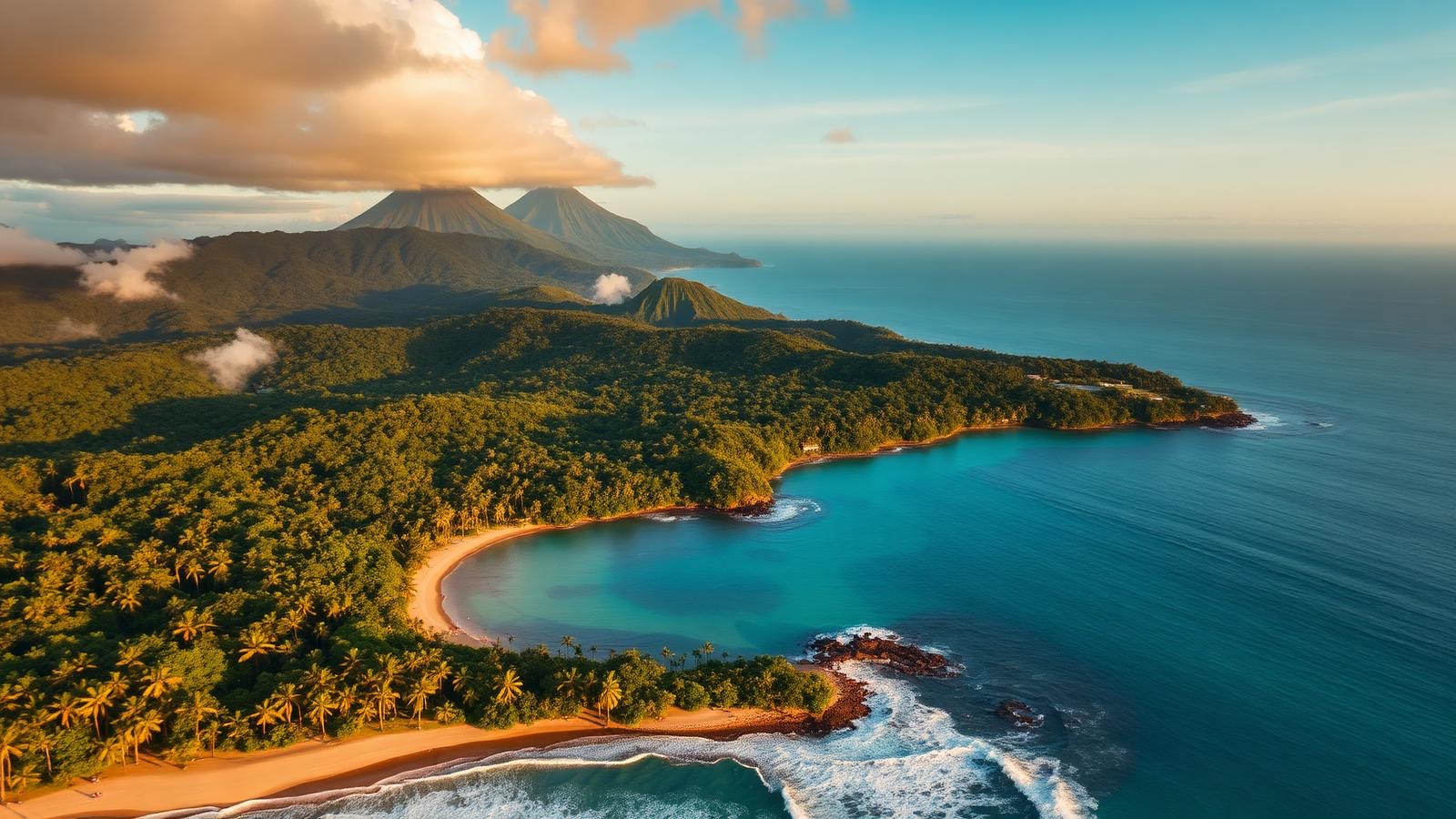
Costa Rica packs an absurd amount of variety into a country roughly the size of West Virginia: active volcanoes, cloud forests, both a Pacific and Caribbean coast, some of the most biodiverse rainforest on the planet, and a tourism infrastructure that genuinely works. You can watch sloths in the morning, soak in a volcanic hot spring by afternoon, and eat fresh mahi-mahi on the beach by sunset — and none of it feels contrived. This is the guide to read before your first visit.
Why Costa Rica Is Worth the Hype
Costa Rica gets called overhyped by people who've never actually been. The country holds roughly 6% of the world's biodiversity on 0.03% of its land area, protects more than a quarter of its territory as national parks or reserves, abolished its army in 1948 and reinvested the money in schools and conservation, and runs on nearly 100% renewable electricity. That's not a marketing brochure — it's why the wildlife is still here and why the trails are still walkable.
What surprises many visitors is how legible the geography is. A rugged spine of volcanoes runs down the middle of the country; the Pacific side is dry-tropical in the north and jungly in the south; the Caribbean side is wetter, hotter and more Afro-Caribbean in culture. You can drive across the country in a long day, but any serious trip picks two or three of those zones and moves slowly between them. The magic is in the transitions — from cloud forest to beach in a single morning is genuinely possible.
Best Time to Visit Costa Rica: Dry Season vs Green Season
The single biggest decision for a Costa Rica trip is when you go. The country has two seasons rather than four, and the difference between them shapes prices, trail conditions, wildlife visibility and whether the road to your lodge is passable.
- Dry season (mid-December to April): peak tourist season, blue skies on the Pacific, easy driving, best beach weather. Prices are highest and popular lodges book out months ahead — especially Christmas/New Year and Easter week (Semana Santa), when Costa Ricans themselves travel.
- Green season (May to mid-November): arguably the sweet spot. Mornings are usually sunny, afternoon showers roll through, everything is intensely green, waterfalls are running, and prices drop by 20–40%. Wildlife is often easier to see because rivers and fruiting trees are active.
- Peak rainy months (September and October): the Pacific and Central Valley get drenched, some Osa lodges close for maintenance, and unpaved roads can become genuinely difficult. Counter-intuitively, this is the driest, sunniest time on the Caribbean coast — Puerto Viejo and Cahuita are at their best.
The best single window: late May, June, or early November. You get green-season prices, functional roads, and the light rains that make the forest feel alive rather than washed out.
Arenal Volcano and La Fortuna
Arenal is where most first-time visitors start, and rightly so. The volcano stopped its active eruptive phase in 2010 but still dominates the skyline — a near-perfect cone rising 1,670 metres straight out of the rainforest — and the town of La Fortuna at its base has grown into Costa Rica's best-organised adventure hub.
The best things to do around La Fortuna:
- Arenal 1968 or Arenal Volcano National Park trails: walk directly on old lava flows with the cone looming above you. 1968 is the more scenic of the two and generally less crowded.
- La Fortuna Waterfall: a 70-metre plunge into a jungle pool. It's roughly 500 steep steps down and back up — go early to swim before the crowds.
- Hot springs: the volcano heats several river systems. Tabacón and The Springs are the polished resort options; for free, locals soak at the Rio Chollín pull-off just downstream of Tabacón.
- Hanging bridges (Mistico Park): a two-hour cloud-forest walk on suspension bridges strung between the canopy. Best done in the morning for wildlife.
Stay 3 nights minimum. Anything less and you'll do the volcano at the same time you're jet-lagged and it'll feel like a checklist.
Monteverde and the Cloud Forest
Monteverde sits at around 1,400 metres in the Tilarán mountains, and it feels like a different country from La Fortuna — cooler, mistier, and covered in gnarled, moss-draped trees. This is one of the last strongholds of the resplendent quetzal, and one of the few places where the biology is so dense you can stand still and watch it happen around you.
Two reserves matter: the Monteverde Cloud Forest Biological Reserve (the classic, quieter, better trails) and the Santa Elena Reserve (higher elevation, often mistier, cheaper). Monteverde is best in the very early morning and Santa Elena for an afternoon. A local guide is genuinely worth the $30–50 — cloud-forest wildlife is small, camouflaged and easy to miss without a scope.
Beyond the reserves, Monteverde is where you do the classic zip-line canopy tour (Selvatura and 100% Aventura are the two big operators) and the night walk, which can be the highlight of a Costa Rica trip — kinkajous, sleeping toucans, tarantulas, red-eyed tree frogs.
The drive up to Monteverde is famously rough (the last stretch is unpaved and slow) but the road has been improved year after year. A regular sedan can now do it in the dry season; a small SUV is smarter in green season.
Manuel Antonio and the Central Pacific
Manuel Antonio National Park is the smallest of Costa Rica's marquee parks and by far the most visited — for good reason. In a compact loop you get three postcard beaches, jungle trails, and near-guaranteed sightings of white-faced capuchins, howler monkeys, sloths and, if you're patient, squirrel monkeys (a species that basically exists only here and further south).
Go at 7 a.m. when it opens, hire a park guide at the entrance (they carry scopes and know where yesterday's sloth is still sleeping), do the main loop to Playa Manuel Antonio, cool off in the sea, and be back at your hotel by lunchtime before the heat and the crowds peak. The park now caps daily visitors, so book your entry ticket online in advance — do not turn up hoping to buy at the gate.
Quepos, the small town next door, is where most people base themselves. It's touristy but the road out to the park (the Manuel Antonio ridge) has genuinely great sunset restaurants — El Avión, an old cargo plane converted into a bar, is worth one evening.
Tamarindo, Nosara and the Guanacaste Beaches
Guanacaste, the dry-tropical northwest, is where Costa Rica does its beach-holiday impression. It has its own international airport (Liberia, LIR) and is the fastest way to get to sand from North America — you can be swimming within two hours of landing.
- Tamarindo is the biggest, busiest beach town — surf schools, beach bars, easy nightlife, reliable sunsets. It gets called "Tamagringo" for a reason, but it's still the easiest place in the country to learn to surf.
- Nosara, about two hours south on rough roads, is the yoga-and-surf sister town — quieter, more expensive, deliberately low-key, with a long, wide, uncrowded main beach (Playa Guiones).
- Santa Teresa, further south on the Nicoya Peninsula, is even wilder — dirt main street, world-class waves, and some of the best sunsets in the country.
- Playa Conchal, Playa Flamingo and Playa Grande, all north of Tamarindo, are the calmer family/resort beaches.
If you're coming purely for a beach week with a couple of day trips, fly into Liberia. If you're mixing beaches with the volcano and cloud forest, fly into San José (SJO) and work your way west.
Osa Peninsula and Corcovado
If you only have time for one national park and you're serious about wildlife, make it Corcovado. National Geographic once called the Osa Peninsula "the most biologically intense place on Earth", and the quote holds up. Tapirs, all four Costa Rican monkey species, scarlet macaws in nesting pairs, pumas if you're extremely lucky — the density here is on a different scale from anywhere else in the country.
Corcovado is the least accessible major park in Costa Rica. You need a certified guide to enter, and you have three realistic ways in:
- Day trip from Drake Bay by boat to the San Pedrillo or Sirena ranger stations. This is the popular option — you're back at your hotel for dinner.
- Overnight at Sirena ranger station — basic bunks, communal meals, and hands-down the best wildlife experience in Costa Rica. Book months ahead through a licensed operator.
- From Puerto Jiménez on the Golfo Dulce side, hiring a 4x4 to the La Leona entrance and hiking in.
Getting to Osa itself is part of the commitment. From San José you're looking at either a 7–8 hour drive plus a boat, or a 45-minute domestic flight into Drake Bay or Puerto Jiménez. In green season, absolutely fly.
The Caribbean Coast
Costa Rica's Caribbean coast — Puerto Viejo, Cahuita, Manzanillo — is culturally the most distinctive part of the country: Afro-Caribbean heritage, reggae on the beach bars, jerk chicken and rice-and-beans-cooked-in-coconut-milk instead of the standard casado, and a very different pace. It's also, as noted above, driest in September and October, which makes it the perfect counterweight to the rainy Pacific.
Cahuita National Park is a walk-in-and-look-around park: a flat coastal trail through jungle, howler monkeys and sloths overhead, and coral reef 20 metres offshore for snorkelling. It's donation-based to enter from the Cahuita town side. Manzanillo, further south, is quieter and better for beach-lazing and reef swimming.
Puerto Viejo itself is the hub — cheap ceviche, good bakeries, chocolate tours on old cacao farms, and easy bike rentals. You can spend a very happy week on this coast doing almost nothing at all.
Getting Around Costa Rica
This is one of the most common questions, and the honest answer is: it depends on your route.
Rental car
Best for: flexibility, remote lodges, families, anyone doing a multi-region loop.
What to know: rent a small 4x4 (RAV4-class), not a sedan. Prices look cheap online but the mandatory local liability insurance (SLI) is not usually included in the quoted rate — the true price is often double the online quote, so use the rental company's own site to see the all-in figure, or ask for it explicitly. Waze works well for navigation. Never drive at night in rural areas — unlit roads, potholes, animals and cyclists make it genuinely dangerous.
Shared shuttles
Best for: solo travellers and couples doing the classic La Fortuna–Monteverde–Manuel Antonio circuit.
Companies like Interbus and Grayline run door-to-door minivans between all the main hubs for $50–70 per person per leg. It's not romantic but it removes every driving decision and drops you at your hotel.
Domestic flights
Best for: reaching Osa/Drake Bay, Tortuguero, or when you only have a week.
Sansa and Skyway run small propeller planes (roughly 12–19 seats) from San José to the peninsulas. A 45-minute flight replaces a 7-hour drive plus boat. Baggage limits are strict (usually 14 kg checked, 5 kg carry-on) — pack light.
Public buses
Best for: budget travellers with time and Spanish.
Cheap ($5–15 for long trips), safe, and reasonably reliable, but connections between smaller towns often require a return to San José. Fine for the classic backpacker route; a poor use of a two-week holiday.
Is Costa Rica Expensive to Visit? Costs and Daily Budget
Costa Rica is more expensive than the rest of Central America and roughly comparable to a middle-of-the-road European country. Here's a realistic daily spend, per person:
- Backpacker ($55–80/day): hostel dorm ($15–25), casados at sodas ($6–10), one national park per day ($15–25), public buses. Doable and enjoyable.
- Mid-range ($120–200/day): mid-range hotel or B&B ($70–120), mix of soda and tourist restaurants, a rental car split between two people, one paid activity most days. This is where the country hits its sweet spot.
- Comfort ($250–400/day): boutique lodge or small eco-resort, guided tours daily, private transfers or domestic flights, nicer dinners.
- Luxury ($500+/day): the top-end eco-lodges — Lapa Rios, Nayara, Pacuare — where all meals, guides and activities are included.
A few specific numbers to calibrate: an entry to Manuel Antonio is around $18.08, Arenal Volcano NP is $15, Monteverde is $26. A soda lunch (casado, drink) is $7–10. A tourist-restaurant dinner is $20–35. A litre of petrol runs around ₡700–800 (about $1.35). ATMs (BAC, DAVIbank, BCR) dispense US dollars or colones; both currencies circulate freely and change is usually given in colones. Tipping isn't strictly required — a 10% service charge is legally included on restaurant bills — but rounding up or leaving small extra tips for good service is standard.
Food and Drink
Costa Rican food is honest, straightforward and built around rice, beans, plantains, fresh fish and tropical fruit. It's not going to headline a food-travel list, but eaten in the right places it's genuinely good, and you can eat cheaply and well every single day.
- Gallo pinto: the national breakfast — rice and beans cooked together with onion, pepper and a splash of Salsa Lizano, served with eggs, fried plantain and sour cream. It sounds plain and it isn't.
- Casado: the lunch plate — rice, beans, salad, plantains, and your choice of grilled fish, chicken, pork or beef. $7–10 at a "soda" (a small family-run diner).
- Ceviche: lime-cured white fish (usually corvina or tilapia) with cilantro, onion and pepper. Cheap, cold, delicious.
- Chifrijo: a bar snack — rice, beans, chicharrones and pico de gallo, layered in a glass. Order with a cold Imperial.
- Caribbean rice and beans: on the Caribbean coast, beans are cooked in coconut milk with a scotch-bonnet pepper. Completely different dish, worth the trip east.
Drink-wise, Imperial is the national lager and Costa Rican coffee (Tarrazú, Naranjo, Dota) is world-class — buy beans, not ground, and drink it black. Fresh fruit smoothies (batidos) are everywhere; ask for it "en agua" (with water) instead of milk if you want to actually taste the fruit.
Wildlife Highlights
Wildlife is the reason most people come to Costa Rica, and the reason most people come back. A few realistic expectations:
- Sloths (both two- and three-toed) are almost guaranteed in Manuel Antonio, Cahuita and around La Fortuna. Guides with scopes make the difference.
- Monkeys: howlers (loud, easy), white-faced capuchins (curious, in the same parks), spider monkeys (needs bigger forest — Corcovado), squirrel monkeys (Manuel Antonio and Osa only).
- Scarlet macaws: Carara National Park (an easy half-day trip from Manuel Antonio) and Osa are your best odds — you'll hear them before you see them.
- Resplendent quetzals: Monteverde in the March–May breeding season, and San Gerardo de Dota year-round with a specialist guide.
- Sea turtles: Tortuguero (Caribbean, green turtles, July–October) and Ostional (Pacific, olive ridleys, mass arribadas roughly monthly).
- Frogs and reptiles: red-eyed tree frogs, poison-dart frogs, basilisks, vine snakes — a night walk with a guide anywhere in the lowlands will find them.
Two rules that will genuinely improve your wildlife hits: go early (in the park at opening time, not 10 a.m.), and hire a guide in at least one park. The difference between what a trained naturalist sees and what you see alone is not subtle.
Is Costa Rica Safe for Travellers? Safety Tips
Costa Rica is one of the safer countries in Latin America and, for most travellers, feels comparable to visiting southern Europe. The risks worth taking seriously are practical rather than dramatic.
- Petty theft from cars is the number-one issue. Never leave anything visible in a rental car — not a jacket, not a shopping bag. Lock everything in the boot before you set off, not at the trailhead where thieves are watching.
- Rip currents on Pacific beaches are the second. Costa Rica has few lifeguards. Swim only at beaches you've been told are safe, don't swim alone, and if caught in a current, swim parallel to shore, not against it.
- Roads at night: covered above. Don't do it if you can avoid it.
- Wildlife: keep a respectful distance from monkeys (they bite and carry disease), never feed anything, watch where you put your hands on hikes (fer-de-lance and eyelash vipers exist), and don't touch frogs.
- Water is safe to drink from the tap almost everywhere on the mainland. Bottled water is only really necessary in some remote lodges.
- ATM safety: use ATMs inside banks or supermarkets during the day rather than freestanding street machines at night.
Final Practical Tips
- Passport validity: must be valid for the duration of your stay. Most Western travellers can be granted up to 180 days on entry, no visa required.
- Onward ticket: officially required to enter — airlines check, immigration sometimes does. Book a refundable flight if your plans are open.
- Language: Spanish. Tourism-industry English is universal in La Fortuna, Monteverde, Manuel Antonio, Guanacaste and Puerto Viejo. Off that trail, basic Spanish helps a lot.
- SIM cards: Kolbi, Claro or Liberty all sell tourist SIMs at SJO and LIR airports for around $10–15 with plenty of data. Coverage is good everywhere except deep Osa.
- Plugs and power: same as the US — Type A/B, 120V. No adapter needed for North American gear.
- Book Corcovado, Tortuguero and marquee eco-lodges months ahead, especially for dry-season trips. Everything else can be booked a week or two out.
- "Pura vida" is not a slogan invented for tourists — it genuinely means hello, goodbye, thanks, no worries and everything's fine, all at once. Use it. It works.
Costa Rica is the rare destination that over-delivers on almost every promise the marketing makes. Go slower than you think you need to, put the phone down when a sloth appears above your head, and let the country do its thing. Pura vida.
Explore Costa Rica in Depth: My Detailed Guides
This guide is the overview. When you are ready to plan a specific part of the trip, these deep-dives go further, and each one links back here:
Things to do
Beaches and coast
More Costa Rica guides
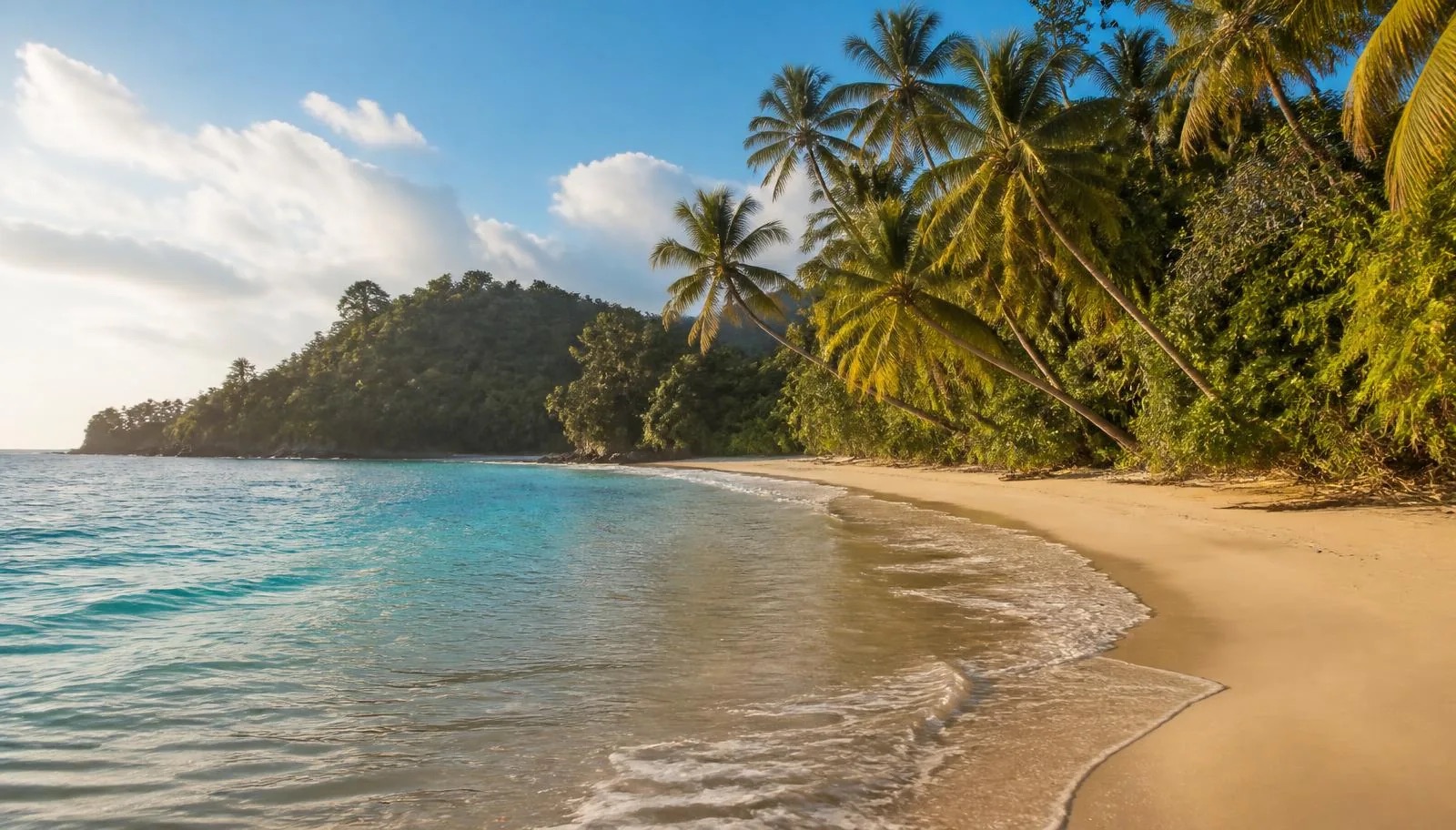
Best Beaches in Costa Rica: Pacific and Caribbean
Costa Rica's beaches coast by coast, from Guanacaste and Nicoya to the Osa Peninsula and the Caribbean, with advice on rip currents and…
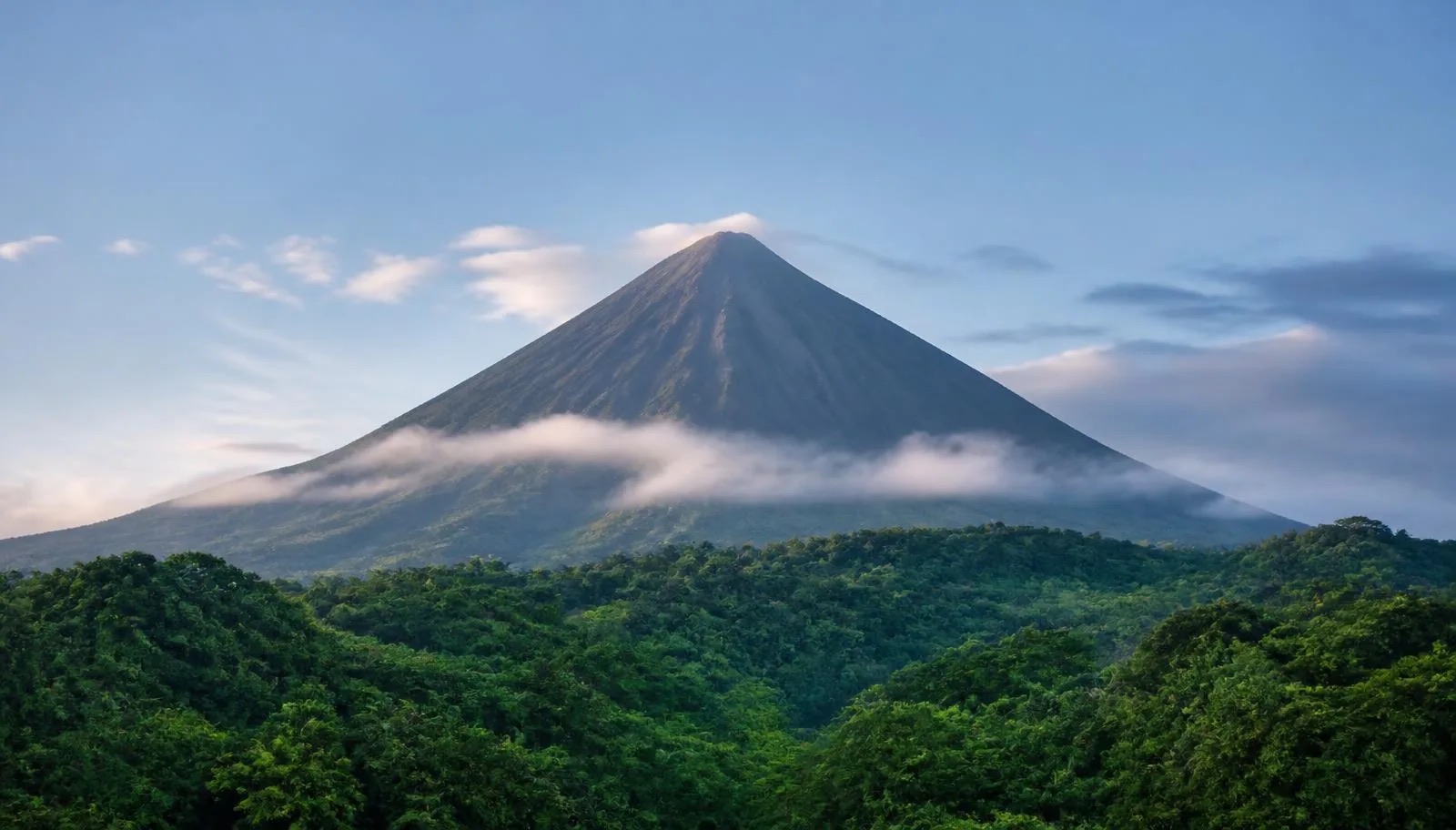
Things to Do in Costa Rica: Volcanoes and Coastlines
Costa Rica's volcanoes, cloud forests, rainforest wildlife, Pacific and Caribbean coasts, river rafting and coffee country, with…