Hungary Travel Guide: Thermal Baths, Wine and the Danube
When to visit, Budapest, thermal baths, Lake Balaton, the Tokaj and Eger wine regions, regional towns, Hungarian food, rail and bus travel and routes.
In this guide
- Quick Facts: Hungary at a Glance
- Geography, Seasons, and When to Visit
- Budapest: The Dual Capital
- Hungary's World-Famous Thermal Bath Culture
- Lake Balaton: The Hungarian Sea
- Historic Wine Regions: Tokaj and Eger
- Historic Regional Towns: Pécs, Szentendre, Sopron, and Győr
- The Great Plain and Hortobágy Puszta
- Hungarian Cuisine: Paprika, Hearty Stews, and Pastries
- Language and Culture: The Unique Magyar Identity
- Transport: Rail, Bus, and City Transit
- Suggested Route Ideas
- Practical Travel Tips, Currency, and Safety
- Final Thoughts: Embracing the Magic of Hungary
- Explore Hungary in Depth: My Detailed Guides
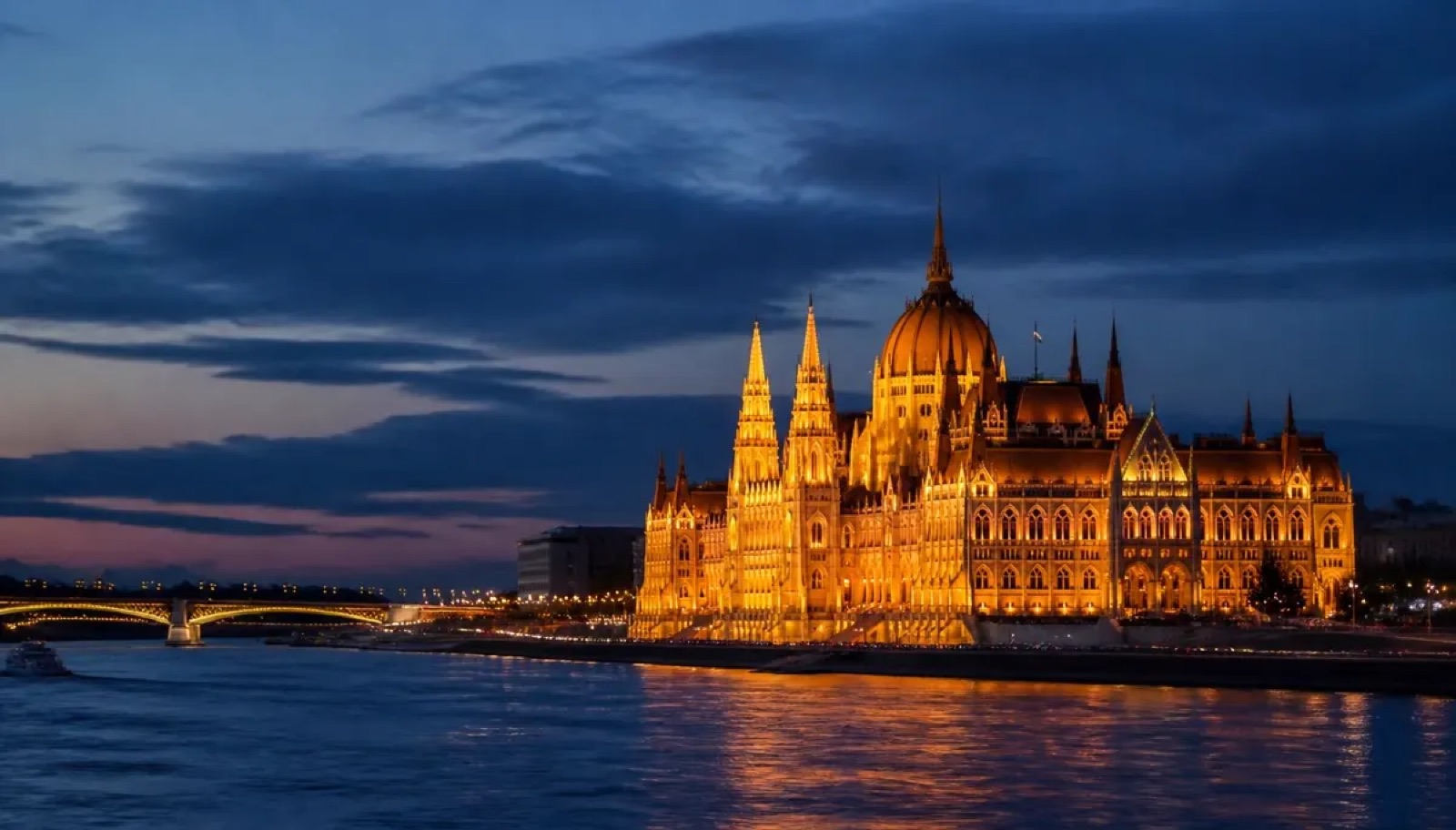
In Budapest, you can step out of the chill of a frosty dusk into the steaming, mineral-rich waters of the Széchenyi Baths, where locals soak up to their chins while intently playing floating games of chess. The contrast is captivating—a nation anchored in ancient Eurasian traditions yet radiating the grand, classical elegance of Central Europe. At sunset, the massive gothic silhouette of the Hungarian Parliament Building lights up across the wide, ink-dark Danube, a reminder that this country offers far more than just a quick European stopover.
Positioned squarely in the heart of the Carpathian Basin, Hungary is a country defined by dramatic geography, unmatched thermal hydrology, and a deep, proud cultural identity. The mighty Danube River surges right through its middle, dividing the rolling, forested hills of the west from the expansive flat plains of the east. It is a land where grand Austro-Hungarian architecture stands side-by-side with atmospheric ruin bars, and where quiet vineyard terraces produce world-class vintages that have nourished royalty for centuries.
Whether you are soaking in thermal springs that have bubbled since Roman times, sailing across the silky waters of Lake Balaton, or trekking across the windswept grasslands of the Great Plain, Hungary rewards curious travellers who look beyond standard tourist itineraries. This guide covers the essential geography, culture, logistics, and sensory experiences you need to plan a memorable trip across this incredible nation.
Quick Facts: Hungary at a Glance
- Official Name: Hungary (Magyarország)
- Capital City: Budapest
- National Currency: Hungarian Forint (HUF)
- Official Language: Hungarian (Magyar)
- Bordering Nations: Austria, Slovakia, Ukraine, Romania, Serbia, Croatia, Slovenia
- Visa & Transit: Member of the European Union and the Schengen Area
Geography, Seasons, and When to Visit
Hungary’s landscape is surprisingly diverse for a landlocked nation. The country is broadly split into three distinct geographic zones: the hilly region west of the Danube known as Transdanubia, the northern volcanic highlands near the Slovakian border, and the vast Alföld (Great Hungarian Plain) stretching out toward the east and south. Central to it all is the river Danube, which sweeps southwards down from northern Central Europe, carving a sharp ninety-degree turn at the majestic Danube Bend before slicing the capital city into two distinct personalities: hilly Buda and flat Pest.
Understanding Hungary’s geography helps immensely when planning your travel itinerary. The western region is green, undulating, and heavily influenced by Alpine microclimates, featuring historic baroque towns, sprawling lakes, and heavily wooded ridges. In contrast, the eastern plains present sweeping horizons, unique pastoral culture, and rich agricultural soils fed by the Tisza River. Meanwhile, the northern regions boast extinct volcanic cones that create ideal soils for Hungary's most celebrated wine appellations.
Seasons and Weather Patterns
Hungary enjoys a classic continental climate with four very distinct seasons. Summers are warm to hot, winters are crisp and cold, and the shoulder seasons bring comfortable temperatures ideal for sightseeing and outdoor exploration.
- Spring (April to May): Daytime temperatures are pleasant, rainfall is moderate, and city park trees burst into bloom. It is a brilliant time for exploring Budapest's outdoor sights and hiking through the northern hills.
- Summer (June to August): Days are sunny and hot, often exceeding thirty degrees Celsius. Peak travel season brings crowds to Budapest and Lake Balaton, where water sports and outdoor music festivals take centre stage.
- Autumn (September to October): Highly recommended for wine enthusiasts and cultural travellers. The summer heat breaks, harvest season commences in Tokaj and Eger, and autumn foliage turns the hills brilliant shades of amber and red.
- Winter (November to March): Cold conditions set in, often bringing light snowfall across the country. This is arguably the best time to experience Hungary’s iconic outdoor thermal bath culture and traditional holiday market stalls.
Budapest: The Dual Capital
Budapest is widely regarded as one of the world's most beautiful urban landscapes. Formally unified in the late nineteenth century from three separate towns—Buda, Óbuda, and Pest—the city retains a thrilling, dual personality. The western bank, Buda, is residential, historic, and dominated by wooded hills and royal grandiosity. The eastern bank, Pest, is energetic, laid out in broad avenues, and packed with commercial vitality, nightlife, and political heartland.
The Buda Side: Castle Hill and Sweeping Vistas
Rising dramatically above the western bank of the river, Castle Hill (Várhegy) is Buda’s crown jewel. Cobbled lanes, colourful pastel townhouses, and medieval door frames transport visitors straight into a bygone era. The imposing Buda Castle complex dominates the southern point of the hill, housing major cultural institutions alongside restored royal gardens that offer stunning viewpoints across the river.
A short walk north brings you to the fairy-tale towers of the Fisherman’s Bastion (Halászbástya). Built in a neo-Romanesque style around the turn of the twentieth century, its seven white towers represent the seven Magyar tribes that originally settled the region. Standing along its balustrades early in the morning provides an unforgettable view of the Danube and Pest skyline. Right behind it stands Matthias Church, famous for its vivid, multi-coloured Zsolnay tile roof and rich interior frescoes.
The Pest Side: Boulevards, Parliament, and Market Halls
Cross over the Danube and you immediately feel Pest’s vibrant urban energy. The riverbank itself is dominated by the awe-inspiring Hungarian Parliament Building, a neo-Gothic architectural masterpiece housing the nation's crown jewels. Nearby, along the river walkway, sits the moving Shoes on the Danube Bank memorial, honoring victims of wartime violence with dozens of iron pairs of era-appropriate footwear fixed directly into the stone edge.
Heading inland, you encounter Andrássy Avenue, a grand tree-lined boulevard lined with neo-Renaissance mansions, upscale boutiques, and the magnificent Hungarian State Opera House. The avenue terminates at Heroes' Square (Hősök tere), anchored by huge statues of ancient chieftains and national leaders, serving as the grand gateway to the city's lush City Park (Városliget).
Food lovers must make a dedicated stop at the Great Market Hall (Nagyvásárcsarnok). Housed inside a cavernous nineteenth-century industrial iron structure, this bustling multi-level market is filled with stalls selling smoked sausages, strings of vibrant red paprika, fresh seasonal fruits, local cheeses, and baked goods on the ground floor, while upper stalls serve classic hot meals.
The Jewish Quarter and Ruin Bars
Pest’s historic VII District, long the focal point of Hungarian Jewish life, is home to the stunning Dohány Street Synagogue—the largest synagogue in Europe. The surrounding streets are steeped in tragic mid-century history, yet today the district has evolved into one of the liveliest artistic hubs in Europe.
This neighbourhood is famous worldwide for its unique ruin bar culture. In the early two-thousands, local artists and entrepreneurs began converting abandoned post-war apartment blocks and open courtyard buildings into eclectic, temporary community pubs. Furnished with vintage flea-market chairs, odd artwork, salvaged cinema seats, and fairy lights, these indoor-outdoor venues serve as multi-generational gathering spaces by day and vibrant entertainment hubs by night.
Hungary's World-Famous Thermal Bath Culture
Sitting atop a uniquely thin area of the Earth’s crust in the Carpathian Basin, Hungary floats on vast reservoirs of natural thermal mineral water. Bathing here is not merely a spa retreat or luxury indulgence; it is a fundamental pillar of national life, social interaction, and preventive medicine, supported by a deep tradition dating back to Roman legionnaires and Ottoman pashas.
Across the nation, hundreds of public baths draw water from natural thermal hot springs rich in calcium, magnesium, bicarbonate, and sulphate. Locals regularly obtain doctor prescriptions for specialised hydrotherapy treatments in these mineral baths, while visitors flock to experience the unique architecture and peaceful soaking pools.
Key Budapest Baths Compared
Each thermal bath in the capital boasts its own distinct ambiance, therapeutic profile, and architectural heritage. The table below outlines what you can expect from the major bathhouses:
| Bathhouse | Architectural Style | Key Features & Atmosphere | Best For |
|---|---|---|---|
| Széchenyi Baths | Neo-Baroque | Massive pale-yellow complex in City Park featuring enormous, steaming outdoor pools and outdoor chess matches. | First-time visitors, social bathers, outdoor winter soaking. |
| Gellért Baths | Art Nouveau | Ornate interior halls lined with turquoise Zsolnay mosaics, stained-glass windows, and intricate stone pillars. Closed for renovation since October 2025, with reopening planned for 2028. | Architecture lovers, photographers, peaceful indoor soaking. |
| Rudas Baths | 16th-Century Ottoman / Modern | Historic octagonal thermal pool under a domed skylight roof, complemented by a modern rooftop panorama bath. | Atmospheric history, sweeping river views, night bathing. |
| Lukács Baths | Classicist / Functionalist | Authentic, local-oriented spa complex fed by ancient subterranean springs, surrounded by marble gratitude plaques. | Serious mineral pool enthusiasts seeking a local vibe. |
When visiting any Hungarian thermal bath, remember to bring rubber sandals/flip-flops and your own towel to avoid extra rental hassles. If you intend to swim laps in the designated exercise pools, a proper swimming cap is universally mandatory. Check official schedules prior to visiting, as certain historic baths occasionally run single-sex or traditional entry days alongside mixed-gender public opening times.
Lake Balaton: The Hungarian Sea
Stretching nearly eighty kilometres across Transdanubia, Lake Balaton is the largest freshwater lake in Central Europe. Often affectionately referred to by landlocked locals as "the Hungarian Sea," Balaton has been the nation's premier summer getaway destination for generations, featuring shallow warm waters, scenic sailing spots, rolling shoreline vineyards, and quiet resort towns.
The North Shore vs. The South Shore
The two sides of Lake Balaton offer completely different geographical profiles and holiday experiences:
- The North Shore: Hilly, historic, and ideal for active travellers. Volcanic soil slopes drop down toward the water, creating scenic background landscapes covered in almond groves and vineyards. The water here deepens quickly from the shore.
- The South Shore: Flat, sandy, and hugely popular with families. The water remains shallow for hundreds of metres into the lake, warming quickly under the midsummer sun. Vibrant resort towns offer long grassy lakefront promenades and extensive watersports facilities.
Tihany Peninsula and Balatonfüred
The standout architectural highlight of the lake is the Tihany Peninsula, a dramatic volcanic spit poking deep into the water from the north shore. Perched high on the peninsula sits the double-spired Benedictine Tihany Abbey, founded nearly a thousand years ago. The village surrounding the abbey features thatched cottage lanes, lavender fields that bloom vividly in early summer, and breathtaking elevated viewpoints across the lake.
Just a short distance east along the shore sits Balatonfüred, the lake's oldest spa town. Famed for its elegant nineteenth-century villas, carbonated mineral springs, and wide, tree-shaded lakeside promenades, Balatonfüred offers a classic, relaxing European lakeside resort feel.
Historic Wine Regions: Tokaj and Eger
Hungary’s winemaking tradition extends back thousands of years, offering remarkable diversity driven by varied volcanic terrains, ancient cellar networks, and distinct microclimates. While the country produces brilliant crisp white wines and peppery red varieties across twenty-two designated wine districts, two historic northern wine regions stand tall on the global stage.
Tokaj: The World's Historic Sweet Wine Capital
Located in north-eastern Hungary at the foot of the Zemplén Mountains, Tokaj is the birthplace of Tokaji Aszú, one of the world's finest noble rot sweet wines. Sunlight, humidity from merging local rivers, and autumnal warmth encourage noble rot (Botrytis cinerea) to concentrate natural sugars in the Furmint and Hárslevelű grapes right on the vine.
Visiting Tokaj involves descending into ancient subterranean cellar networks carved deep into soft volcanic rock. The walls of these tunnels are completely covered in black velvety cellar mould (Cladosporium cellare), which thrives on alcohol fumes and maintains perfect natural humidity and temperature levels for aging rare vintages in oak casks.
Eger and the Legend of Bull's Blood
Situated roughly halfway between Budapest and Tokaj lies the historic baroque city of Eger. Famed for its imposing hilltop castle where Hungarian defenders famously turned back an invading Ottoman army in the sixteenth century, Eger is equally renowned for its rich red wines—most notably Egri Bikavér (Eger Bull’s Blood).
Just outside Eger’s historic town centre lies the Valley of the Beautiful Woman (Szépasszony-völgy). Here, dozens of wine cellars are carved straight into soft tufa rock around a green circular park. Visitors can stroll from cellar door to cellar door, sampling small pours of vibrant red blends directly from local producers in relaxed, authentic surroundings.
Historic Regional Towns: Pécs, Szentendre, Sopron, and Győr
While Budapest rightfully commands a spot on every itinerary, exploring regional Hungarian towns reveals deep historical layers spanning Roman, Ottoman, Medieval, and Baroque eras.
Pécs: Mediterranean Spirit and Early Christian Roots
Located in the far south near the Croatian border, Pécs enjoys a sunny microclimate, outdoor terrace dining culture, and a relaxed, artistic atmosphere. Nestled against the slopes of the Mecsek mountains, Pécs boasts over two millennia of continuous history.
The city's architectural highlights are truly unique in Central Europe. You can explore Fourth-Century Early Christian Underground Necropolis tombs decorated with ancient biblical wall paintings, then wander up to the main square to admire the Mosque of Pasha Qasim—a massive sixteenth-century Ottoman dome converted into a Catholic church, retaining both its original Islamic mihrab facing Mecca and Christian altar artwork.
Szentendre: The Danube Bend Artist Haven
Located just twenty kilometres north of Budapest at the gateway to the scenic Danube Bend, Szentendre is a charming riverside town characterized by narrow cobblestone streets, colourful eighteenth-century Baroque facades, and prominent Serbian Orthodox church spires. Settled in large numbers by refugees fleeing Ottoman expansion, Szentendre developed a distinct Balkan merchant heritage that lives on today through its art galleries, outdoor cafes, artisan workshops, and marzipan museums.
Sopron and Győr: Western Baroque Jewels
Positioned near the border with Austria, Sopron and Győr offer stunning preservation of Central European urban design:
- Sopron: Boasts a historic medieval city centre enclosed within Roman town wall foundations. Its iconic Fire Tower offers panoramic views across surrounding forested foothills and nearby Lake Neusiedl.
- Győr: Located halfway along the main transit corridor between Vienna and Budapest, Győr features meticulously restored Baroque residential squares, grand merchant mansions, and riverside paths along the Rába and Danube rivers.
The Great Plain and Hortobágy Puszta
To experience Hungary’s iconic frontier heritage, head east from the capital into the Alföld (Great Hungarian Plain). This vast, flat landscape covers nearly half the country and is home to Hortobágy National Park, Europe’s largest natural grassland territory and a UNESCO World Heritage cultural landscape.
The Puszta, as it is locally known, preserves a traditional pastoral culture that has thrived here for centuries. Traditional herdsmen, known as Csikós, ride across the open horizon in striking, loose blue tunics, demonstrating incredible equestrian skill while tending native livestock. These include long-horned grey cattle, woolly Mangalica pigs, and twist-horned Racka sheep.
Key highlights of visiting Hortobágy include:
- Watching equestrian demonstrations where horsemen direct teams of horses while standing balanced on their bare backs.
- Crossing the historic Nine-Hole Bridge, an impressive stone arch bridge spanning the marshes.
- Birdwatching during autumn, when tens of thousands of migrating Eurasian cranes pause on the wetlands.
- Dining at a traditional roadside Csárda (inn), enjoying slow-cooked meat stewed over open wood fires in hung iron cauldrons.
Hungarian Cuisine: Paprika, Hearty Stews, and Pastries
Hungarian cuisine is hearty, aromatic, and deeply tied to local agricultural roots. It relies heavily on slow caramelised onions, rich lard or sunflower oil, sour cream (tejföl), and above all, ground red paprika—the defining spice brought to the country centuries ago and perfected in southern farming regions like Szeged and Kalocsa.
Iconic Dishes You Must Try
Forget everything you think you know about westernised versions of "goulash." Authentic Hungarian food culture revolves around fresh ingredients, rich broths, and robust flavours:
- Gulyás (Goulash): Not a thick gravy dish, but rather a rich, deeply savoury soup made with beef tenderloin cubes, potatoes, carrots, onions, and sweet ground paprika, served with small egg pasta bits (csipetke).
- Pörkölt and Paprikás: Thick, rich meat stews cooked down with onions and paprika. Paprikás variants add generous amounts of fresh sour cream at the end, usually paired with tender chicken or veal and served alongside small dumplings (nokedli).
- Lángos: The ultimate local street food snack—a round disc of yeast dough fried golden-crisp on the outside and soft inside, traditionally rubbed with fresh garlic water and piled high with sour cream and grated cheese.
- Halászlé (Fisherman’s Soup): A spicy, bright red river fish broth packed with carp or catfish fillets, prepared outdoors in iron kettles along the Danube and Tisza rivers.
- Kürtőskalács (Chimney Cake): Sweet yeast dough wrapped around a wooden spit, rolled in sugar, and roasted over open hot coals until caramelized, then coated in cinnamon, ground walnut, or cocoa powder.
Pálinka and Unicum: Traditional Spirits
To cap off a rich traditional meal, Hungarians turn to two iconic national digestifs. Pálinka is a clear, highly aromatic double-distilled fruit brandy produced exclusively from local fruits such as plums, apricots, sour cherries, or pears. By law, true Pálinka contains no added sugars or neutral alcohols—just pure fruit essence distilled to high strength.
Alternatively, Unicum is a dark, bittersweet herbal liqueur produced from a secret family formula containing over forty botanicals and aged in oak casks. Recognisable by its spherical green bottle, it serves as an essential staple after heavy meals.
Language and Culture: The Unique Magyar Identity
One of the first things travellers notice upon arriving in Hungary is the entirely unfamiliar look and sound of the local language. Hungarian (Magyar) is one of the few non-Indo-European languages spoken in Central Europe, belonging instead to the Uralic language family, only distantly related to Finnish and Estonian across ancient linguistic roots.
Because Hungarian does not share common linguistic roots with Latin, Germanic, or Slavic tongues, guessing word meanings from English or romance languages is nearly impossible. However, young locals and service staff in Budapest, Lake Balaton, and tourist hubs generally speak fluent English, while older generations frequently understand German.
Basic Expressions for Travellers
Locals always appreciate it when visitors attempt basic, courteous phrases in Magyar:
- Hello / Good day: Jó napot (YOH nah-pot)
- Hi (Informal): Szia (SEE-ah)
- Please: Kérem (KAY-rem)
- Thank you: Köszönöm (KUU-suu-nuum)
- Yes / No: Igen / Nem
- Cheers!: Egészségedre! (EH-gaysh-shay-gehd-reh)
Transport: Rail, Bus, and City Transit
Hungary features a highly centralized and efficient public transit network radiating outward from Budapest. Getting around the country is affordable, comfortable, and straightforward for international visitors.
National Trains and Regional Buses
The state railway network (MÁV) operates frequent connections between Budapest’s major terminus stations—Keleti (Eastern), Nyugati (Western), and Déli (Southern)—and regional hubs. Fast InterCity (IC) trains link the capital to major secondary cities like Pécs, Szeged, Debrecen, Eger, and Győr, as well as towns along Lake Balaton’s north and south shores.
For smaller towns, scenic valley villages, or direct routes between regional towns without returning to Budapest, the national long-distance bus network (Volánbusz) provides comprehensive coverage, picking up right where rail lines end.
Budapest Public Transit System
Budapest’s urban public transit system (BKK) is world-class, operating extensive metro lines, iconic yellow streetcars (trams), blue city buses, and red trolleybuses. Key routes every visitor should know include:
- Metro Line M1 (Yellow Line): Central Europe’s oldest underground railway line, running beneath Andrássy Avenue with beautifully preserved tile stations.
- Tram Line 2: Sweeps right along the Pest riverbank, offering incredible front-row views of Buda Castle, the Chain Bridge, and Parliament for the price of a single standard transit ticket.
Suggested Route Ideas
Whether you have a quick long weekend or two full weeks to explore, these suggested route ideas help you balance urban highlights with regional discovery:
| Duration | Recommended Focus | Key Destinations Included |
|---|---|---|
| 3 to 4 Days | Budapest Essential Highlights | Castle Hill, Parliament, Danube Promenade, Ruin Bars, Széchenyi or Rudas Baths, Great Market Hall. |
| 7 Days | The Classic Golden Triangle | Budapest (3 days), Day trip to Szentendre/Danube Bend, Lake Balaton & Tihany (2 days), Eger wine region (1 day). |
| 10 to 14 Days | Complete Grand Hungary Tour | Budapest (4 days), Szentendre, Eger & Tokaj wine regions (3 days), Hortobágy Puszta (1 day), Pécs (2 days), Lake Balaton (2 days). |
Practical Travel Tips, Currency, and Safety
Hungary is generally a very safe, smooth, and welcoming destination for foreign visitors, but keeping a few practical logistics in mind ensures a completely hassle-free trip.
Currency and Payment Etiquette
Despite being a member of the European Union, Hungary uses its own national currency, the Hungarian Forint (HUF). Electronic card payments are universally accepted across Budapest, major supermarket chains, restaurants, and retail shops. However, keeping some physical cash in small notes is highly recommended for small bakery purchases, rural markets, coin-operated public toilets, and tipping street performers.
Tipping is customary in sit-down restaurants and cafes across Hungary. A service charge of ten to twelve percent is sometimes added directly to the total bill; if it is not included, leaving around ten percent in cash for good service is standard practice.
Taxi Safety Awareness
While safety levels in urban areas are very high, hailing unbranded street taxis in central Budapest can occasionally result in inflated rates for unsuspecting tourists. To protect yourself:
- Never step into unmarked vehicles or accept unmetered rides from street hawkers waiting outside train stations or nightlife districts.
- Use licensed yellow city taxi ranks or order rides directly through official mobile ride-hailing applications.
- Ensure the metre is switched on standard rates at the beginning of any point-to-point trip within city limits.
Entry Rules and Schengen Framework
Hungary is part of the Schengen Border Zone. Passport holders from countries like Australia, the United Kingdom, Canada, and the United States can enter visa-free for tourist stays of up to ninety days within any 180-day window. Always check current official government travel portals before departure for up-to-date entry rules, permit updates, or seasonal regional transit changes.
Final Thoughts: Embracing the Magic of Hungary
Hungary is a country that stays with you long after you pack your bags. It lives in the memory through rich sensory details—the thermal steam drifting off morning bathwaters, the deep aroma of simmering paprika floating from a rustic tavern kitchen, the clink of wine glasses in an ancient underground cellar, and the shimmering reflection of lit bridges spanning the majestic Danube River.
By pairing the sophisticated energy of Budapest with unhurried journeys out to volcanic wine terraces, quiet lakeside towns, and historical southern squares, you discover a deeply resilient nation that celebrates its heritage while welcoming the world with open arms. Set aside plenty of time to slow down, soak in the springs, and savour every single bite along the way.
Explore Hungary in Depth: My Detailed Guides
This guide is the overview. When you are ready to plan a specific part of the trip, these deep-dives go further, and each one links back here:
More Hungary guides
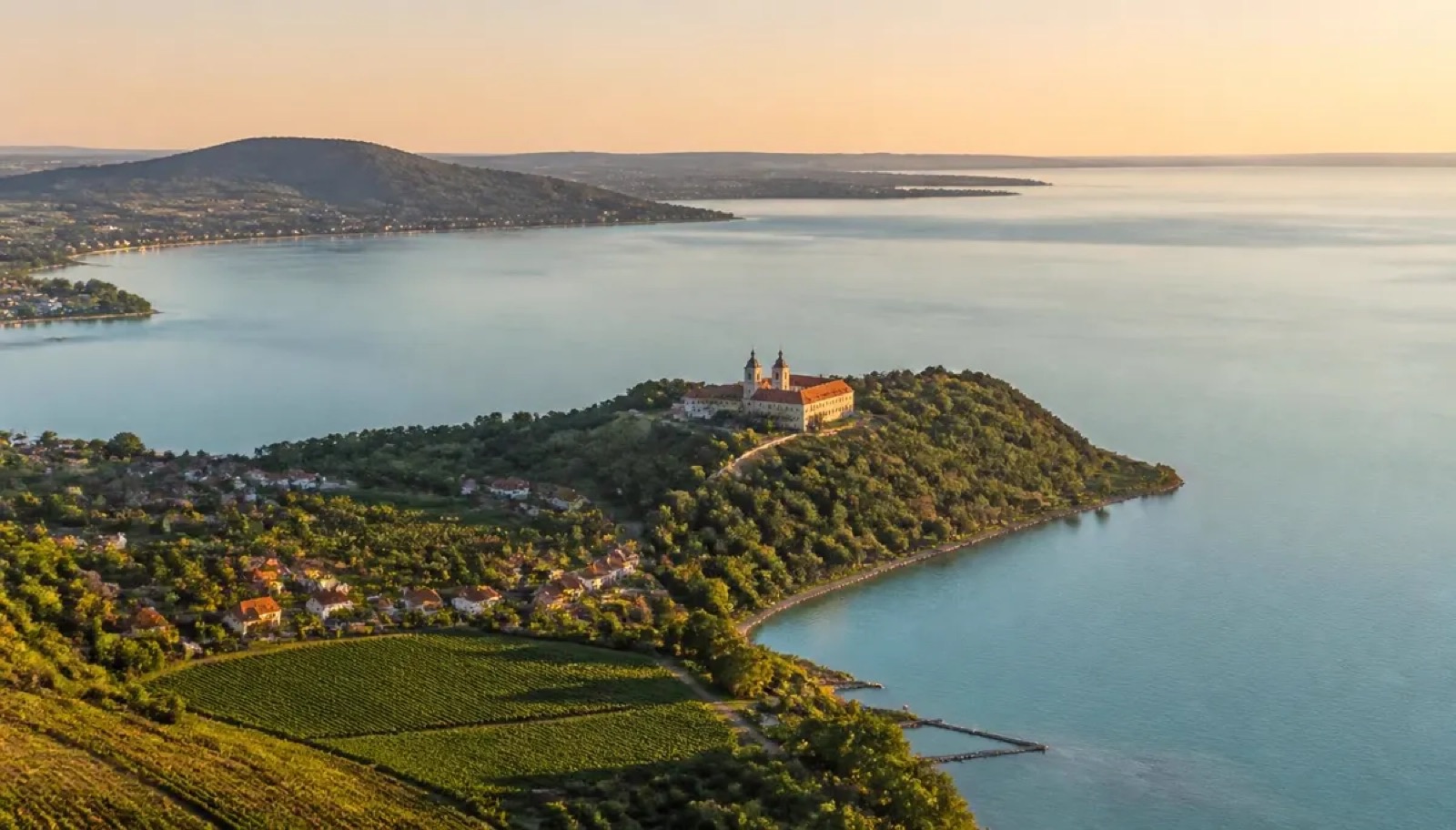
Things to Do in Hungary Beyond Budapest
Hungary outside Budapest: the Danube Bend, Lake Balaton, Eger, Tokaj, Pécs, Sopron and Győr, villages, the Great Plain, spa towns and wine…
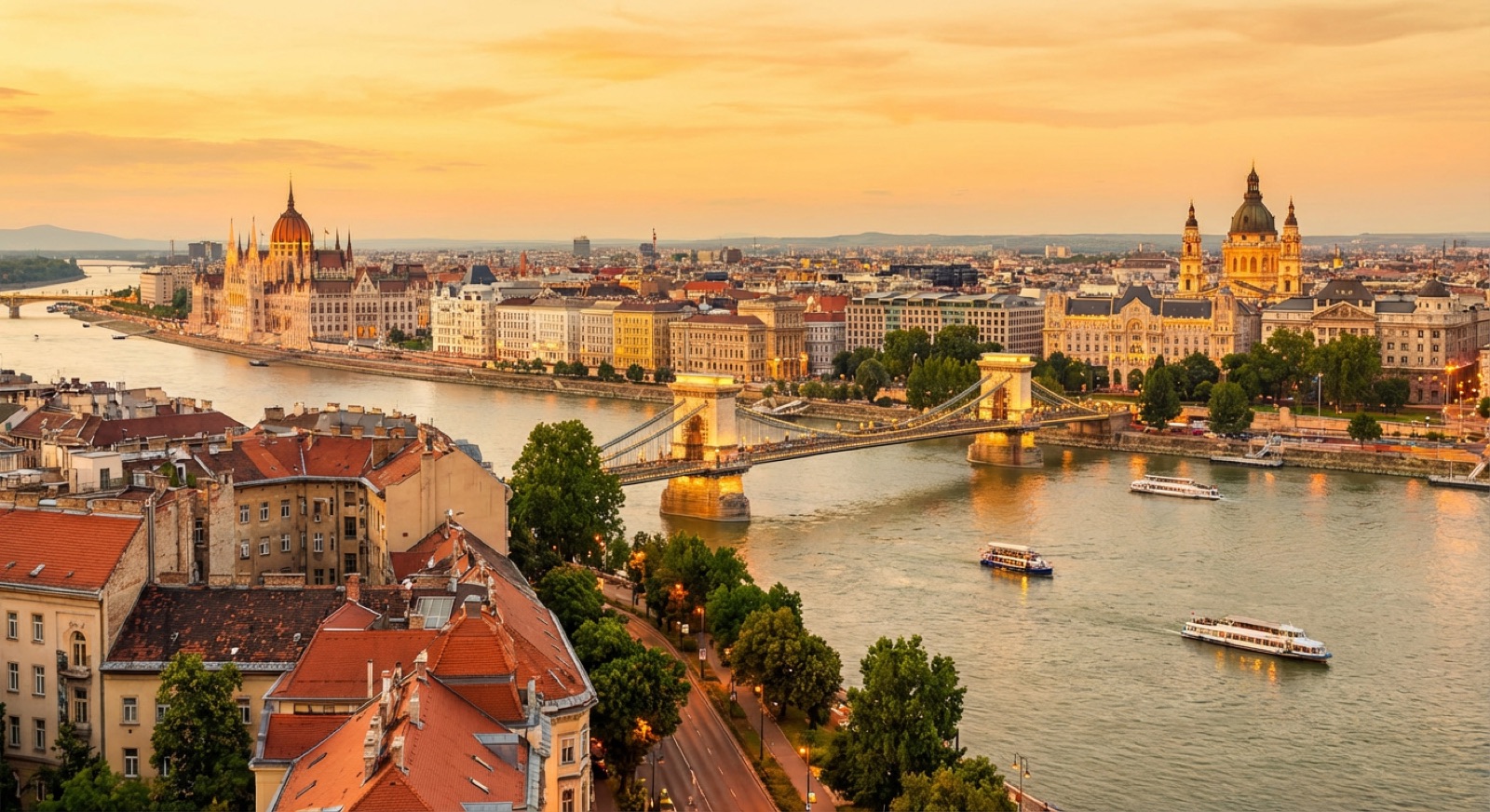
Best Things to Do in Budapest: Baths and Ruin Bars
What to actually do in Budapest — Szechenyi and Gellert baths, the ruin bar scene, Castle Hill, the Parliament and a Danube evening.
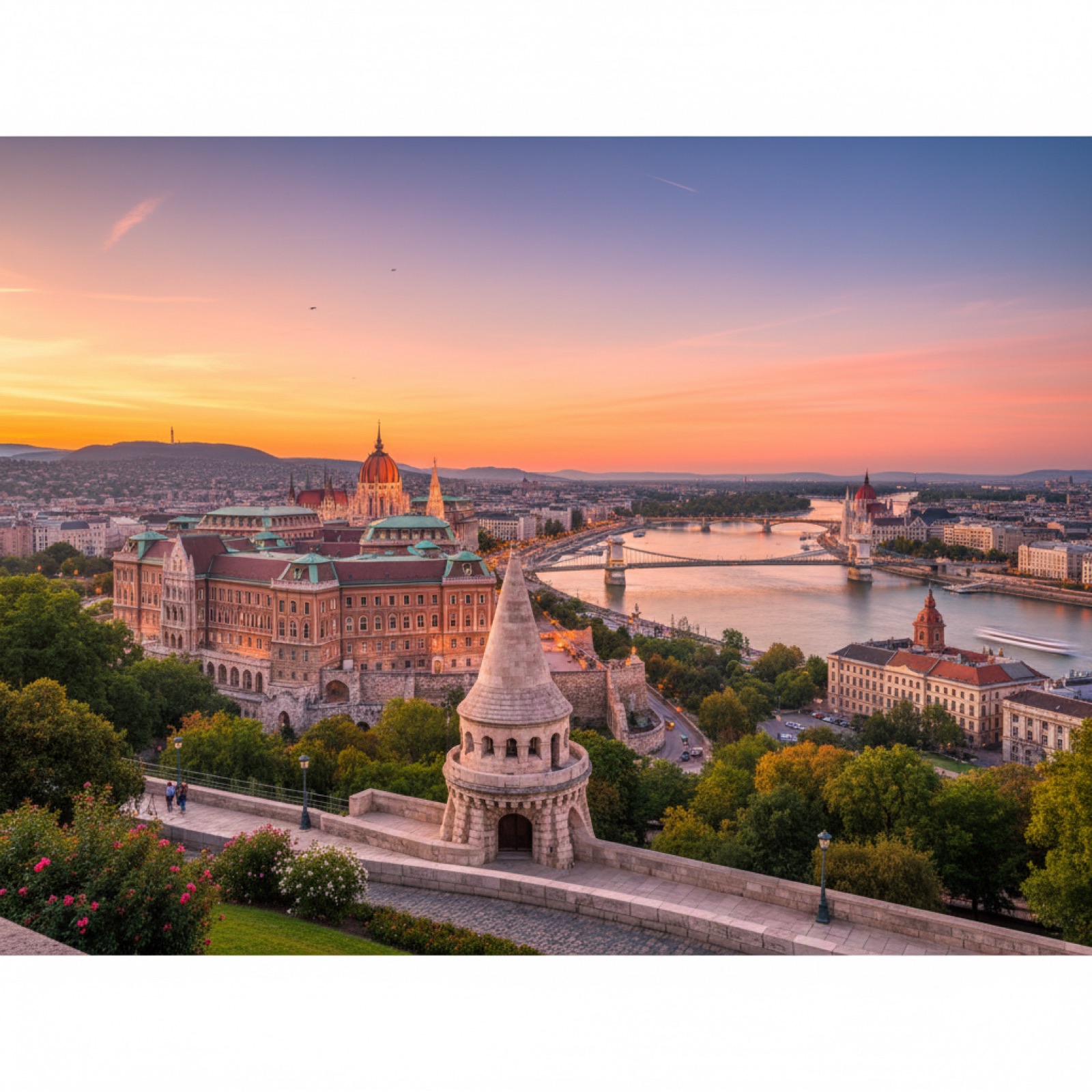
Buda Castle, Budapest: How to Plan Your Visit
A Buda Castle guide covering the hill's history, what's worth seeing inside, tickets, and how to time your visit to this UNESCO site in…