Iceland on a Budget: Your Guide to Affordable Adventures
What Iceland really costs and how to cut it — campervan versus car, supermarket strategy, free hot springs and attractions that never charge.
In this guide
Iceland Doesn't Have to Break the Bank
Every travel blog, every glossy magazine, every Instagram post makes Iceland look like an ethereal, otherworldly paradise. And it is! The land of fire and ice, with its dramatic waterfalls, geothermal wonders, black sand beaches, and the mesmerizing Northern Lights, calls to adventurers worldwide. But let's be honest, those stunning photos often come with an unspoken price tag that can make even the most seasoned traveler wince. Iceland has a reputation for being expensive, and it is – but with some planning, a few practical tricks and a willingness to travel a little differently, you can experience it without draining your savings.
Backpacking through Southeast Asia or Central America is one thing, but budget travel in Iceland? Many think it's an oxymoron. It's not. This comprehensive guide debunks the myth that Iceland is exclusively for the wealthy, with tricks, tips and specific details to help you navigate this incredible country affordably. From cheap eats to free activities, clever transportation hacks to savvy accommodation choices, it's all covered here. Get ready to reclaim your Icelandic dream!
Your Action Plan: The Budget Iceland Travel Tips
-
1. Prepare Early: Book Smart, Travel Smart
This is probably the single most impactful piece of advice for saving money in Iceland. Unlike many destinations where last-minute deals can pop up, Iceland rewards those who plan far, far ahead. The limited infrastructure (especially outside Reykjavik) means that popular accommodations, car rentals, and even some tours book up quickly, driving prices sky-high for procrastinators. Aim to book 6-12 months ahead.
- Flights: Set fare alerts (for example on Google Flights or Skyscanner from your departure city) or look for layovers that significantly reduce the cost. Sometimes, flying to a major European hub and then taking a separate budget flight to KEF can be cheaper.
- Car Rental: This is a critical one. Car rental prices can fluctuate wildly. Booking a 2WD car (for summer travel on Ring Road) or a 4x4 (if going off-road or in winter) months in advance can save you hundreds of dollars. Compare prices across multiple companies like Blue Car Rental (often recommended by locals), Guide to Iceland, and international brands. Always get full insurance – better safe than sorry on those gravel roads. A week's rental for a compact 2WD could range from 45,000 ISK / ~$320 USD (booked early, off-season) to upwards of 90,000 ISK / ~$650 USD (last minute, peak season).
- Accommodation: Hostels, guesthouses, and guesthouses with self-catering options are the most budget-friendly. These, too, fill up quickly. By booking early, you get more choice and better rates.
Key Takeaway: Proactive planning is your biggest currency saver. The more you plan ahead, the more options you'll have, and the better prices you'll secure.
-
2. Embrace the Shoulder Season or Off-Season
Prices fall sharply outside peak summer, in the shoulder seasons and the true off-season (November-March).
- Shoulder Season (April-May, September-October): This is the sweet spot. You still get decent daylight hours, many roads are open, and the crowds are significantly thinner. Prices for flights, accommodation, and car rentals drop by 20-40%. You also have a good chance of seeing the Northern Lights in September/October. The weather can be unpredictable, but that's Iceland all year round!
- Winter (November-March): This is the cheapest time to go, but comes with challenges. Daylight hours are minimal, many F-roads are closed, and weather can be severe. However, it's prime Northern Lights season, and the snowy landscapes are truly magical. Just be prepared for shorter days and potential travel disruptions.
Key Takeaway: Travelling outside of peak summer will drastically cut down your costs while still offering incredible experiences. Early October is a great example, with fewer people, stunning autumn colours, and the chance of incredible Northern Lights displays.
What Iceland Actually Costs
Iceland is expensive in a way that surprises even people who expect it to be expensive. Here's the honest arithmetic, per person per day:
- Shoestring (campervan, supermarket food, free sights): ISK 12,000-16,000 (about AU$140-190)
- Budget (hostel dorms, hire car shared between two, one paid activity a week): ISK 20,000-28,000
- Mid-range (guesthouses, restaurant dinners, glacier walk and whale watch): ISK 45,000+
Individual prices worth bracing for: a beer in a Reykjavik bar is ISK 1,400-1,800, a restaurant main ISK 4,500-7,000, a hot dog from Baejarins Beztu ISK 700, petrol around ISK 320 a litre, and a Blue Lagoon entry from around ISK 10,500 (prices vary by date and time slot).
Campervan or Car? The Decision That Sets Your Budget
A campervan combines transport and accommodation and, in shoulder season, works out at roughly ISK 15,000-22,000 a day for two people all-in. A small hire car is ISK 7,000-11,000 a day, but then you're paying ISK 15,000+ a night for a guesthouse. Campervans win from May to September. In winter they don't — you need a 4x4, heating runs the battery down, and many campsites close.
Two rules that save real money: you must camp at designated campsites (wild camping in a vehicle has been illegal since 2015), and the Camping Card at around ISK 24,000 covers two adults at 30+ sites for the whole summer, which pays for itself in five nights. Skip the F-roads unless you've hired a proper 4x4 — insurance is void otherwise and river crossings are not covered by anything.
The Best Things in Iceland Are Free
- Thingvellir, Geysir and Gullfoss — the entire Golden Circle is free apart from parking (ISK 1,000 at Thingvellir).
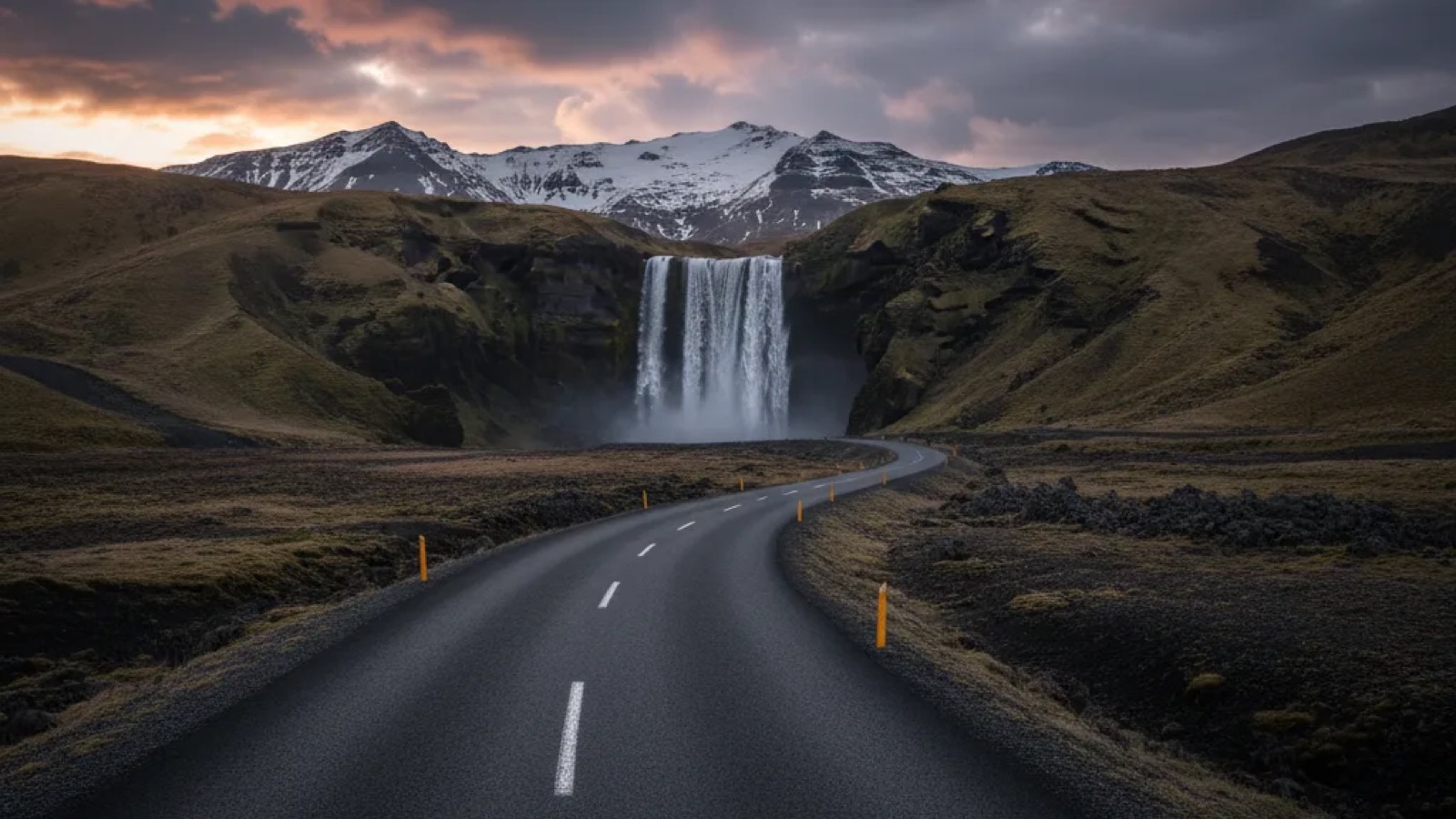
- Seljalandsfoss and Skogafoss on the south coast; parking is ISK 900 at the former.
- Reynisfjara black sand beach — free, and genuinely dangerous. Stay well back from the water; the sneaker waves kill people most years.
- Public geothermal pools. Every town has one. Entry is ISK 1,000-1,400, they're hotter and more sociable than the Blue Lagoon, and locals actually use them. Reykjadalur hot river above Hveragerdi is free after a 45-minute walk.
- The northern lights. September to March, on any clear dark night, from anywhere outside town. You do not need a tour.
Eating Without Going Broke
Shop at Bonus (the pink pig logo) or Kronan, never at the petrol-station shops. Two people can eat well for ISK 4,000-5,000 a day on skyr, bread, pasta, soup and the excellent cheap Icelandic lamb. Fill water bottles from the tap — the tap water is glacier meltwater and bottled water here is an insult. Buy alcohol at the duty-free on arrival at Keflavik; Vinbudin state stores are the only other option and they're far dearer. And when you do eat out, do it at lunch: the same restaurant's lunch plate is often 40% cheaper than dinner.