Japanese Onsen Etiquette: A First-Timer's Guide
How Japanese onsen and sento work, from changing-room protocol and washing before the bath to tattoo rules, open-air rotenburo and private baths.
In this guide
- Your First Onsen – The World of Japan Onsen Etiquette
- What Exactly is an Onsen? Sento vs. Onsen Explained
- Why Japanese Bathhouse Rules Matter: Respecting Tradition
- Before You Go: Essential Onsen Tips Japan
- Arrival at the Onsen: Check-in and Changing Room Protocol
- The Pre-Bath Ritual: The Importance of Washing Thoroughly
- Entering the Bath: Enjoying the Onsen Responsibly
- Tattoo Friendly Onsen Japan: Navigating the Rules
- Open-Air Baths: Embracing the Rotenburo Customs
- Co-ed and Private Onsen: Understanding Your Options
- Post-Bath Relaxation: What to Expect After Your Soak
- Budget Breakdown: Typical Onsen Costs in Japan
- Common Mistakes to Avoid While Bathing in Japan
- Pro Tips for an Unforgettable Onsen Experience
- Conclusion: Embrace the Serenity of Japan's Onsen Tradition
This guide is part of our Tokyo Travel Guide: Neighbourhoods, Food and Getting Around — start there for the overview, itineraries and costs.
Your First Onsen – The World of Japan Onsen Etiquette
Stepping into a Japanese public bath, or 'onsen,' for the first time can bring cultural immersion and slight initial trepidation as you navigate Japan's age-old bathing traditions. It isn't just about getting clean; it's a ritual, a social event, a spiritual purification. And at the heart of it all? Impeccable Japan onsen etiquette.
It's natural to stand hesitantly at the entrance to a local onsen in a place like Hakone, towel clutched, wondering whether you'll unknowingly commit a major cultural faux pas. Take a deep breath and plunge in. This guide offers you everything you need to master Japan onsen etiquette and enjoy an authentic bathing experience in 2025. Forget the awkwardness; embrace the tranquillity. Let's make sure your onsen journey is as serene and respectful as possible.
What Exactly is an Onsen? Sento vs. Onsen Explained
To truly appreciate Japan onsen etiquette, it's crucial to understand what distinguishes an onsen. A common mistake is calling every hot spring a 'sento'. The key difference lies in the water source and mineral content. An onsen (温泉) literally means 'hot spring' and refers to natural hot springs, whose water must meet specific mineral and temperature criteria set by law. These waters are believed to have therapeutic properties, making them a cornerstone of Japanese culture and wellness.
On the other hand, a sento (銭湯) is a public bathhouse that uses heated tap water. While equally relaxing and a fantastic community hub, it lacks the geothermal magic of an onsen. Both follow similar bathing protocols, but the experience, especially the mineral-rich feel and often scenic locations, sets an onsen apart. Many ryokan onsen baths, traditional Japanese inns, offer guests exclusive access to these natural springs, providing an intimate and luxurious way to experience the tradition.
For example, in Beppu, known as one of Japan's onsen capitals, hotels like the Suginoi Hotel boast massive onsen complexes with geothermal waters, often sourced directly from boiling hells. The therapeutic benefits and the stunning views from a seaside rotenburo (outdoor bath) are what draw millions to these natural wonders. Understanding this distinction is your first step to truly appreciating the depth of Japanese bathhouse rules.
Why Japanese Bathhouse Rules Matter: Respecting Tradition
Imagine visiting someone's home and immediately breaking their most cherished customs. That's essentially what ignoring Japanese bathhouse rules can feel like to locals. These aren't arbitrary guidelines; they are centuries-old traditions rooted in respect, hygiene, and communal harmony. Japan places a high value on cleanliness, not just for personal health, but as a form of social responsibility.
The onsen is a place to cleanse not just the body but the spirit, and following the rules shows respect for yourself, for others, and for the waters themselves. That is why understanding Japan onsen etiquette is so vital. It ensures everyone can enjoy the tranquil experience without discomfort or perceived disrespect. Adhering to these unwritten rules fosters a sense of collective peace and relaxation – the very essence of the onsen experience. It's about being mindful that the bathwater is shared amongst everyone, and maintaining its purity is a collective responsibility.
Before You Go: Essential Onsen Tips Japan
Preparation is key for a seamless onsen visit. Here are some crucial onsen tips Japan travelers should know:
- Eat Light: Avoid heavy meals or alcohol right before your bath. A full stomach can lead to discomfort in the hot water.
- Hydrate: Drink plenty of water beforehand and afterward. You'll sweat a lot!
- Check Tattoo Policies: This is a big one. While changing, tattoo policies are important. Many traditional onsen still prohibit tattoos due to historical associations with gangs. However, a growing number of tattoo friendly onsen Japan options exist, which we'll discuss later. Always check their website or signage beforehand.
- What to Bring:
- A small towel (tenugui or hand towel) for washing, provided by most onsen.
- A larger bath towel for drying (often available for rent or purchase).
- Changewear.
- Toiletries (shampoo, soap, conditioner are usually provided).
- A comb/brush.
- Cash for entry and any rentals.
- Know Your Gender: Onsen are strictly segregated by gender, indicated by signs: 赤 (aka - red) or 女 (onna - female) and 青 (ao - blue) or 男 (otoko - male). Double-check before entering!
Baths are separated by gender, and the '男' sign marks the men's side. Pay attention to the signs – it’s a fundamental part of Japan onsen etiquette.
Average Prices for Onsen Entry:
| Onsen Type | Price (JPY) | Price (USD est.) |
|---|---|---|
| Public Sento | ¥300 - ¥500 | $2 - $3.50 |
| Day-trip Onsen (casual) | ¥500 - ¥1,500 | $3.50 - $10 |
| Ryokan Onsen (day use) | ¥1,000 - ¥3,000+ | $7 - $20+ |
| Luxury Onsen Resorts | ¥2,000 - ¥5,000+ | $14 - $35+ |
Arrival at the Onsen: Check-in and Changing Room Protocol
Upon arrival, you'll typically pay an entrance fee at a front desk or vending machine. Some onsen might offer rental towels or other amenities. Once you're through, you'll head to the designated changing room for your gender. This is where your adherence to Japan onsen etiquette truly begins.
- Remove Shoes: Take off your shoes before stepping onto the wooden floor of the changing area. Place them in a locker or cubbyhole.
- Strip Down: This is it! You'll need to remove all your clothes here. Yes, everything. There are lockers provided for your belongings. Don't be shy; everyone else is doing the same.
- The Small Towel: You'll usually be provided with, or can rent/buy, a small 'modesty towel' (a thin hand towel, often a tenugui). This towel is for washing and carrying around – NOT for wiping yourself dry after the bath, and certainly not for entering the bathwater!
- Leave Large Towel Behind: Your large drying towel should stay in the changing room until after you've finished bathing. Remember, the goal is to keep the bathing area and particularly the bathwater as pristine as possible.
Feeling self-conscious at first is normal, but the atmosphere in Japanese changing rooms is usually quiet and respectful. Everyone is simply going about their business. Take a deep breath, embrace the experience, and remember that this communal nakedness is a deeply ingrained part of Japanese culture. This prepares you for what to expect onsen Japan has to offer in terms of purity and tradition.
The Pre-Bath Ritual: The Importance of Washing Thoroughly
This step is non-negotiable and perhaps the most important aspect of Japan onsen etiquette. Before you even think about dipping a toe into the main bath, you must wash your entire body thoroughly. This isn't just a quick rinse; it's a full shower.
- Find a Washing Station: Head to the area with small stools, showers, and mirrors. Each station typically has a showerhead, a faucet, a stool, and complimentary shampoo and body soap.
- Sit Down: Always sit on the stool while washing. This prevents splashing others.
- Wash Thoroughly: Lather up and meticulously wash every part of your body. Think of it as a pre-bath purification. Rinse off all soap completely. Make sure no soap suds remain on your body or get into the main bath.
- Rinse Your Stool and Bucket: When you're done, quickly rinse your stool and the area around you to leave it clean for the next person.
- Small Towel Usage: You can use your small towel to scrub yourself clean, or simply lay it folded neatly on your head while in the bath. Most importantly, do NOT let your small towel touch the bathwater.
Take your time scrubbing yourself thoroughly before entering. This isn't just about personal hygiene; it is an act of consideration for others sharing the communal bath. This rigorous cleaning is a cornerstone of Japanese bathhouse rules and ensures the onsen water remains pristine for everyone.
Entering the Bath: Enjoying the Onsen Responsibly
Now that you're sparkling clean, it's time to enter the main bath. This is the moment of pure relaxation, but still, a few points of Japan onsen etiquette apply:
- Enter Slowly: The water can be very hot (often 40-42°C, sometimes higher), so ease in gently.
- Submerge Respectfully: Don't jump in or splash. Others are there for peaceful relaxation.
- No Towels in the Water: As mentioned, your small modesty towel should never touch the bathwater. Most people fold it neatly and place it on their head, or on the edge of the bath.
- Keep Noise Down: Onsen are places of tranquility. Keep conversations hushed. Avoid shouting or excessive laughter.
- No Swimming: Onsen are for soaking and relaxing, not for swimming laps.
- Don't Wash in the Bath: The bath is for soaking, not for further washing or rinsing.
- Limit Soaking Time: Especially if you're new to hot baths, limit your soaking time to 10-15 minute intervals, taking breaks to cool down outside the bath if needed.
Lowering yourself slowly into the warm, mineral-rich water brings a feeling of deep calm that few other experiences can replicate. Following these simple onsen tips Japan will ensure you and everyone else can fully enjoy this peaceful atmosphere. Be mindful of your surroundings; this is how to truly embrace what to expect onsen Japan experience-wise.
Specific Onsen Locations and Their Unique Characteristics:
- Hakone Yuryo (Hakone, Kanagawa Prefecture)
- Address: 4 Tonosawa, Hakone, Ashigarashimo District, Kanagawa 250-0315, Japan
- Opening Hours: 10:00 - 22:00 (last entry 21:00)
- Price: Adults ¥1,700–¥1,800 (weekdays), ¥2,000–¥2,200 (weekends/holidays). Private open-air bath rooms from ¥10,400 per room for two hours.
- Booking: Walk-ins for public baths; private baths can be reserved online or by phone.
- Feature: Beautifully integrated with nature, offering large open-air baths and private rentable baths. Known for its relaxing forest setting.
- Dogo Onsen Honkan (Matsuyama, Ehime Prefecture)
- Address: 5-6 Dogoyunomachi, Matsuyama, Ehime 790-0842, Japan
- Opening Hours: 6:00 - 23:00 (last entry 22:30).
- Price: Varies by bathing course, from ¥700 (Kami no Yu on its own) to ¥2,500 (with private room and tea).
- Booking: Walk-ins.
- Feature: One of Japan's oldest and most famous onsen, said to have inspired 'Spirited Away.' A historic and cultural landmark.
- Kurokawa Onsen (Minamioguni, Kumamoto Prefecture)
- Address: Kurokawa Onsen, Manganji, Minamioguni, Aso District, Kumamoto 869-2502, Japan
- Opening Hours: Varies by ryokan; many offer day-use bathing from 8:30 - 21:00.
- Price: Ryokan day-use ranges ¥500 - ¥800 per bath. The 'Onsen Hopping Pass' (Nyuto Tegata) for ¥1,500 allows access to three different ryokan onsen.
- Booking: Pass can be bought at any Kurokawa ryokan or at the Kurokawa Onsen Ryokan Association office (Kaze no Ya).
- Feature: A charming, traditional onsen village known for its numerous rotenburo baths nestled along a river. Excellent for 'onsen hopping.'
Tattoo Friendly Onsen Japan: Navigating the Rules
For many years, the presence of tattoos was one of the biggest hurdles for foreign visitors wanting to experience Japanese onsen. Associated with the yakuza (Japanese mafia), tattoos were (and in many places still are) strictly prohibited. However, the times are changing, and finding a tattoo friendly onsen Japan is becoming increasingly easier.
- Use a Tattoo Cover-Up: For smaller tattoos, many onsen will allow entry if you can completely cover them with waterproof patches or bandages. You can often buy these at convenience stores or even at the onsen reception.
- Look for 'Tattoo-Friendly' Onsen: More and more modern onsen, especially those catering to tourists, are explicitly stating they welcome tattooed guests. Websites like Tattoo Friendly Onsen or TattooFriendly.jp are helpful resources.
- Private Onsen: Booking a private, family, or 'kashikiri' onsen is always an option if you have tattoos. These are small, private bathing rooms or open-air baths that you rent for your group, ensuring complete privacy. Many ryokans offer these.
- Call Ahead or Check Websites: When in doubt, it's always best to check the onsen's official website or call them directly to inquire about their policy. Look for phrases like '刺青 (・タトゥー) お断り' (irzumi (tatoo) okotowari - tattoos are prohibited) or 'タトゥー可' (tatoo ka - tattoos allowed).
Some tattoo friendly onsen Japan options, such as one near Fukuoka in Kyushu, have a policy of allowing small tattoos if covered. That can open up the experience for visitors who have previously avoided onsen because of their tattoos. This flexibility shows a growing understanding and acceptance, but it's always best practice to confirm beforehand to avoid disappointment. This is a crucial element of modern Japan onsen etiquette for international visitors.
Open-Air Baths: Embracing the Rotenburo Customs
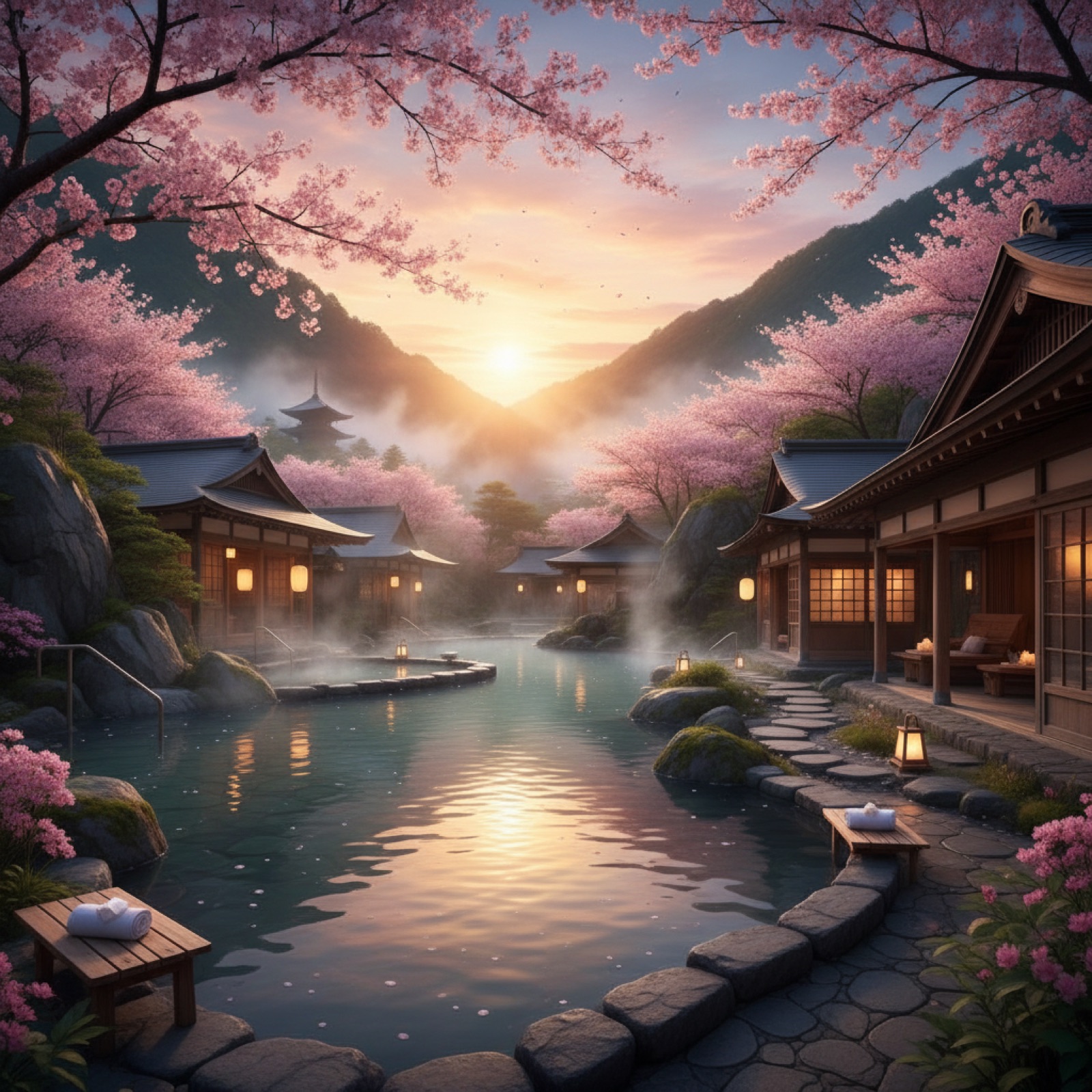
One of the most magical onsen experiences is soaking in a rotenburo (露天風呂), an open-air bath. Picture this: steam rising into the crisp air, surrounded by snow-capped mountains or the sound of crashing waves. It's truly breathtaking. The rotenburo customs largely follow general onsen etiquette, but with a few unique considerations.
- Nature Immersion: Rotenburo are often designed to integrate seamlessly with nature. Enjoy the scenery, the sounds of birds, or the feel of a gentle breeze.
- Temperature Variation: Open-air baths can sometimes feel cooler than indoor baths, especially the air temperature. Don't be surprised if the water is slightly warmer to compensate.
- Insect Encounters: As you're outdoors, don't be alarmed if you spot a small insect. This is part of being in nature.
- Wet Hair: If it's raining or snowing, embrace it! Many rotenburo are even more atmospheric in such weather. Just be mindful of slipping if walking on wet surfaces.
In Hokkaido, a rotenburo can mean soaking in an onsen surrounded by deep snow, where the contrast of the freezing air and the scalding hot water is invigorating. Moments like these make mastering Japan onsen etiquette so worthwhile. This natural immersion is a key part of what to expect onsen Japan truly offers beyond just hot water.
Co-ed and Private Onsen: Understanding Your Options
While most onsen in Japan are gender-segregated, there are exceptions and alternatives to be aware of.
- Konyoku (Co-ed) Onsen: Traditionally, some remote or historical onsen, particularly rotenburo, were co-ed (混浴, konyoku). These are now rare, and most require swimwear for mixed-gender bathing. If you encounter a konyoku, research its specific rules. Many are now simply historical remnants with separate bathing areas.
- Private Onsen (Kashikiri/Kazokuburo): This is an excellent option for couples, families, or those sensitive about public nudity (or with tattoos). Many ryokans offer 'kashikiri-buro' (貸切風呂) or 'kazoku-buro' (家族風呂), which are private baths you can rent by the hour or reserve for specific times during your stay. These often come with beautiful views and allow for a more intimate experience.
Couples can splurge on a private onsen at a ryokan in Kyoto – some come with a gorgeous view of a bamboo grove – and relax together without any self-consciousness about Japan onsen etiquette for public spaces. It's an incredibly romantic and peaceful experience, highly recommended if your budget allows. This provides a different angle on what to expect onsen Japan provides, offering both communal and intimate options.
Post-Bath Relaxation: What to Expect After Your Soak
The onsen experience doesn't end when you step out of the bath. There's a whole culture around post-bath relaxation.
- Quick Rinse (Optional): Many people take a very quick, final rinse at the washing stations before returning to the changing room.
- Dry Off: Use your large drying towel in the changing room. Please make sure you are reasonably dry before stepping onto the public changing room floor.
- Dress Slowly: Take your time getting dressed. Revel in the relaxed feeling.
- Hydrate Again: Many onsen facilities have vending machines or cafes selling milk, fruit juices, or tea. A small bottle of milk after an onsen is a classic Japanese tradition!
- Relaxation Lounges: Larger onsen complexes often have communal lounges, massage chairs, and even restaurants. Enjoy the lingering warmth and peace. Many ryokans will have a space where you can don a yukata (light cotton kimono) and relax.
That post-onsen glow is truly something special. After a bath in Hokkaido, a glass of local milk is said to be a common custom and makes the perfect end to a bath. Understanding these customs is part of fully appreciating Japanese bathhouse rules and experience.
Budget Breakdown: Typical Onsen Costs in Japan
Visiting an onsen can be very affordable, or it can be a luxurious splurge. Here’s a breakdown of common costs:
| Item/Service | Approximate Cost (JPY) | Approximate Cost (USD est.) |
|---|---|---|
| Public Onsen (walk-in) | ¥500 - ¥1,500 | $3.50 - $10 |
| Ryokan Day-Use Onsen (Higher end) | ¥1,500 - ¥3,000 | $10 - $20 |
| Private Onsen (rental per hour) | ¥2,000 - ¥5,000+ | $14 - $35+ (usually for 1-2 people) |
| Small Towel (purchase/rental) | ¥100 - ¥300 | $0.70 - $2 |
| Large Bath Towel (purchase/rental) | ¥300 - ¥800 | $2 - $5.50 |
| Shampoo/Soap (often free) | N/A | N/A |
| Milk/Drink after bath | ¥150 - ¥300 | $1 - $2 |
| Onsen Passport (e.g., Kurokawa) | ¥1,300 - ¥1,800 | $9 - $12.50 |
| Estimated Full Basic Experience (entry + small towel + drink): | ¥750 - ¥2,100 | $5 - $14.50 |
This table demonstrates that enjoying authentic Japan onsen etiquette doesn't have to break the bank. You can find lovely, local onsen for less than the price of a coffee back home!
Common Mistakes to Avoid While Bathing in Japan
Even with the best intentions, a few missteps can happen. Being aware of these common errors will help you adhere to Japan onsen etiquette flawlessly:
- Entering the bath without washing first: The most egregious error. Always wash thoroughly.
- Letting your towel touch the bathwater: Keep it out of the communal water.
- Making too much noise: Respect the peaceful atmosphere.
- Taking photos in the bathing area: Absolute no-no due to privacy concerns.
- Swimming or playing in the bath: Relax and soak, don't treat it like a pool.
- Stepping onto the changing room floor wet: Dry off with your big towel before re-entering.
- Ignoring tattoo policies: Always check beforehand. Don’t expect exceptions.
These rules are taken seriously: a tourist using a phone in the bathing area of a popular onsen can expect a swift, polite but firm redirection from staff. By avoiding these pitfalls, you'll ensure a respectful and enjoyable experience for everyone, fulfilling all onsen tips Japan provides.
Pro Tips for an Unforgettable Onsen Experience
- Embrace the Nudity: It's cultural, not sexual. The quicker you get comfortable with it, the more relaxed you'll be. Everyone is focused on their own bathing.
- Try a Rotenburo (Outdoor Bath): If available, always opt for the open-air bath. The fresh air and natural surroundings elevate the experience immeasurably.
- Don't Rush: An onsen visit is not just about the bath; it's the entire ritual from washing to post-soak relaxation. Allow ample time.
- Hot Water First: If there are multiple baths, some locals recommend starting with a slightly less hot bath to acclimatize your body before moving to the hottest ones.
- Massage After: Many larger onsen have massage chairs or professional massage services. It's the perfect way to cap off your relaxation.
- Buy a Local Onsen Pass: In onsen towns like Kurokawa or Hakone, consider multi-bath passes to try different establishments. This is a great way to experience different water types and atmospheres.
- Stay at a Ryokan: For the ultimate onsen experience, book a night or two at a ryokan with its own onsen. It's a holistic deep dive into Japanese hospitality and bathing culture. This is the best way to fully understand the intricate ryokan onsen bath experience.
The serenity of the rotenburo, the deep relaxation after a proper soak, and the unique camaraderie (even in silence) of the communal bath are what make an onsen visit special. These are the true rewards for understanding and respecting Japan onsen etiquette.
Conclusion: Embrace the Serenity of Japan's Onsen Tradition
Japan’s onsen culture offers profound discovery and unparalleled relaxation. From the first hesitant steps into a naked communal bath to confidently navigating the most traditional Japanese bathhouses, it’s easy to come to appreciate the elegant simplicity and deep-rooted respect that define Japan onsen etiquette. It’s more than just getting clean; it’s about purification, community, and connection with nature.
By following the simple, respectful guidelines outlined in this comprehensive guide for 2025 – from the crucial pre-bath washing to understanding tattoo policies and embracing the quietude – you’re not just taking a bath, you’re participating in a cherished cultural tradition. So, shed your inhibitions, prepare for warmth, and immerse yourself fully in one of Japan's most rewarding experiences. Your journey to master Japan onsen etiquette will undoubtedly lead to moments of profound peace and rejuvenation. Happy soaking!
More Japan guides
Universal Studios Japan: Tickets, Express Passes and Tips
Planning Universal Studios Japan: ticket and Express Pass options, the Wizarding World, which rides to hit first, and how to avoid the…
Zao Onsen Guide: Snow Monsters, Skiing and Hot Springs
Zao Onsen in winter: the snow monsters, the ski terrain, sulphur hot springs, how to get there from Yamagata, and when the frost-covered…
Niseko Ski Guide: Powder, Passes and Where to Stay
Niseko's four resorts compared, getting there from Sapporo, the ski season, lift passes, gear rental, accommodation, onsen, dining and a…