New York in 4 Days: A First-Timer Itinerary
A four-day New York plan that works: Midtown and the park, downtown and the memorial, Brooklyn, and a museum day with room to breathe.
In this guide
- Quick Facts
- A Note on Pacing Your New York Adventure
- Getting Your Bearings: Walking and the Subway
- Day 1: Midtown Marvels and Central Park
- Day 2: Downtown History and Harbour Views
- Day 3: Brooklyn Bridge and Borough Exploring
- Day 4: Museums, Villages, and High Line Heights
- Where to Eat in New York
- Adapting the Itinerary
- Have an Optional Fifth Day?
- Explore in Depth
- Frequently Asked Questions
- Final Thoughts
This guide is part of our New York City Travel Guide: First-Timer Essentials — start there for the overview, when to go and how to get around.
Standing in Times Square for the first time is sensory overload in the best possible way. The fizzing neon signs reflecting in puddles on the pavement, the roar of the traffic, the yellow cabs blurring past, the sheer verticality of it all. It feels less like a place and more like an event, a living thing. You’ve seen it in a thousand movies, but feeling the city's electric hum running right up through the soles of your shoes is something else entirely. It’s overwhelming, intimidating, and utterly exhilarating, and this guide will help you discover it.
Four days might not sound like much for a city that never sleeps, but it’s the perfect amount of time for a first taste. This itinerary is designed to be logical, to minimise backtracking, and to give you a real feel for the city’s different personalities – from the iconic skyline of Midtown to the historic streets of Downtown and the creative energy of Brooklyn. We’ll walk, we’ll take the subway, and we’ll leave room for the spontaneous magic that makes any trip to New York unforgettable.
Quick Facts
- Location: East Coast of the United States, in the state of New York.
- Getting There: Most international travellers fly into John F. Kennedy International Airport (JFK), Newark Liberty International Airport (EWR, in New Jersey), or LaGuardia Airport (LGA). All are connected to the city by a mix of rail, bus, and taxi services.
- Getting Around: An extensive subway and bus system is the most effective way to travel. Ride-sharing apps and yellow cabs are everywhere. But the best way to see the city is on foot.
- Language & Currency: English is the official language, though you'll hear hundreds more spoken on the streets. The currency is the United States Dollar (USD).
- Best Time to Visit: Autumn (September-November) offers pleasant temperatures and beautiful foliage. Spring (April-June) is also lovely. The festive season is magical but crowded and cold. Summer is hot and humid.
A Note on Pacing Your New York Adventure
Before we dive in, a crucial piece of advice: you cannot see it all. New York is colossal, not just in its list of sights but in its physical scale. This itinerary is full, but it's meant to be a menu, not a mandate. A common first-trip mistake is trying to tick off every single item, which leaves you exhausted and overwhelmed. The real magic happens in the moments between landmarks – stumbling upon a quiet neighbourhood garden, finding the perfect slice of pizza, or just sitting on a park bench watching the world go by.
If you feel tired, cut something. If the weather turns, swap an outdoor activity for a museum. See this plan as a framework. The most important thing is to wear your most comfortable walking shoes. No, seriously. You will walk more than you ever thought possible. On an average day in NYC, it’s easy to clock up about 20,000 steps without even trying. Being comfortable is the key to enjoying it.
Getting Your Bearings: Walking and the Subway
Manhattan is a grid system above 14th Street, which makes it wonderfully simple to navigate. Avenues run north-south, and Streets run east-west. Fifth Avenue is the dividing line between 'East' and 'West' addresses. Twenty street blocks make up a mile (about 1.6 kilometres), which is roughly a 20-minute walk. It sounds simple, but a walk from 42nd Street to 82nd Street is two miles and will take you a good 40 minutes.
For anything more than 15-20 blocks, the subway is your best friend. It can seem daunting at first with its spaghetti map of letters and numbers, but it’s surprisingly logical once you get the hang of it. The key things to know are which direction you're heading (Uptown/Queens/The Bronx means north; Downtown/Brooklyn means south) and whether your train is 'Express' (skips stations) or 'Local' (stops at all of them). The city's tap-to-pay OMNY system makes it incredibly easy – you just tap your credit card or phone at the turnstile. Always check the official MTA (Metropolitan Transportation Authority) website for the latest info on getting set up before you arrive.
Day 1: Midtown Marvels and Central Park
There's no better way to start than by diving headfirst into the New York you've seen on screen. Today is all about the iconic architecture and grand spaces of Midtown Manhattan. Start your day at Grand Central Terminal. Forget it’s a train station; this is a cathedral of transit. Walk onto the main concourse and just stand for a moment. Look up at the celestial ceiling, listen to the low roar of a thousand journeys, and watch the beautiful chaos unfold. Photographically, the light here is gorgeous, especially in the morning as it streams through the massive arched windows.
From there, it’s a short walk to the New York Public Library on Fifth Avenue. Step inside to see the magnificent Rose Main Reading Room; it’s a hushed, scholarly sanctuary just metres from the city's busiest street. Right behind the library is Bryant Park, a perfect little oasis. Grab a coffee and watch the world go by. Next, it’s time to embrace Fifth Avenue. Walk north, past the designer shops and famous department stores. Your target is St. Patrick’s Cathedral, a neo-Gothic masterpiece whose delicate spires look almost defiant surrounded by modern skyscrapers.
Across the street is the Rockefeller Center. In winter, this is home to the famous ice rink and Christmas tree, but it’s a hub of activity year-round. This is the place to get your first sky-high view of the city. For first-timers, the best choice is the Top of the Rock Observation Deck. Why? Because its tiered, open-air viewing platforms give you the single best view of the Empire State Building, which is a more iconic photo than the view from it. Time your visit for about an hour before sunset. You’ll get to see the city in daylight, watch the sun dip below the horizon, and then witness the unforgettable moment when millions of lights begin to glitter across the five boroughs.
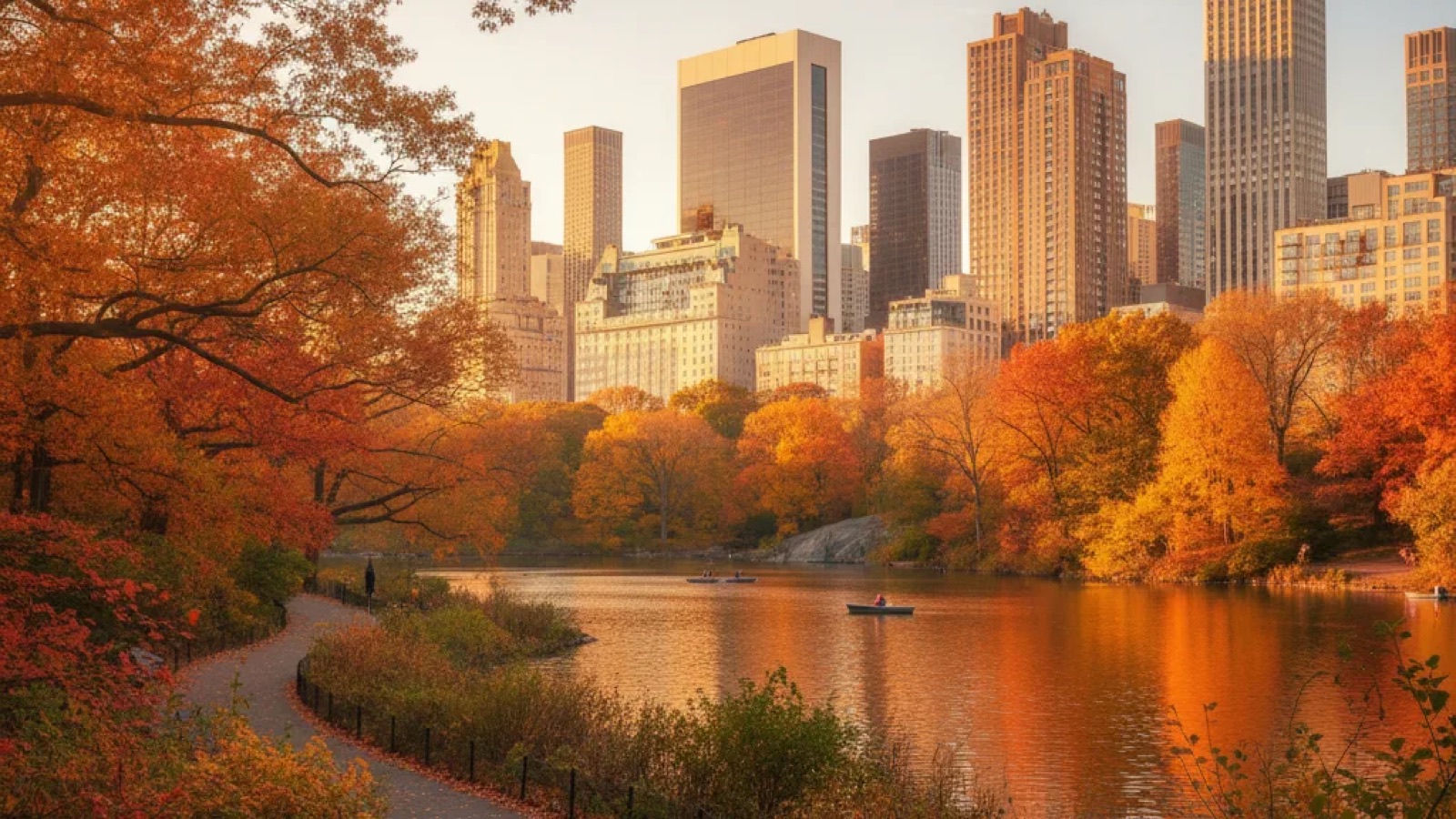
As dusk settles, make your way to the southern edge of Central Park. Stroll past The Pond, over the Gapstow Bridge (a classic photo spot with the Plaza Hotel in the background), and wander along the tree-lined Mall. Even just dipping your toes into this 843-acre masterpiece will give you a sense of its scale and its importance as the city’s backyard.
Day 2: Downtown History and Harbour Views
Today we head to the tip of Manhattan to explore the city's origins and confront its more recent history. Start the day at the 9/11 Memorial & Museum. The Memorial Plaza, with its two enormous reflecting pools set in the footprints of the Twin Towers, is a deeply moving and powerful space. The sound of the waterfalls drowns out the city noise, creating a contemplative atmosphere. It’s best to visit early before the crowds get too thick. The Museum is an emotionally heavy but essential experience that chronicles the events of the day with profound respect. Give yourself at least two to three hours here, and be prepared for the emotional weight of it.
From here, walk into the Financial District. You’ll feel the mood shift as you’re surrounded by the canyons of Wall Street and the New York Stock Exchange. A short walk will bring you to the famous Charging Bull statue. Be warned: this is one of the most crowded photo ops in the city, so be patient if you want a clear shot. Nearby, facing the New York Stock Exchange on Broad Street, you'll also find the Fearless Girl statue.
Next up, a classic travel hack. For a fantastic—and free—view of the Statue of Liberty and the Lower Manhattan skyline, hop on the Staten Island Ferry. It’s a commuter ferry, so it runs 24/7. The trip takes about 25 minutes each way. For the best views of Lady Liberty, stand on the starboard (right) side of the boat on the way to Staten Island, and the port (left) side on the way back. Once you arrive, you just disembark and get on the next boat back to Manhattan. After you land, take a relaxing stroll through Battery Park for more harbour views.
In the afternoon, it's time for a complete change of pace. Take the subway or walk north into the vibrant, chaotic streets of Chinatown. This is a feast for the senses – the smell of baked goods and sizzling dumplings, the sight of flapping ducks in restaurant windows, the sound of a dozen different dialects. Get wonderfully lost. As you wander, you’ll find the streets blend into Little Italy, now mostly concentrated along Mulberry Street. For the evening, continue east into the Lower East Side, a neighbourhood that has transformed from a tenement district to a hub of cool bars, independent boutiques, and a buzzing nightlife scene.
Day 3: Brooklyn Bridge and Borough Exploring
No trip to New York is complete without walking across the Brooklyn Bridge. My hard-won advice is to do it first thing in the morning, and to walk from Manhattan to Brooklyn. This way, you’re facing the incredible downtown skyline the entire way. The light is softer in the morning, the crowds are thinner, and the experience is far more serene. The walk itself is about 2 kilometres and takes around 30-45 minutes at a relaxed pace, stopping for photos (which you will, constantly).
Once you’re on the Brooklyn side, you’ll descend into the neighbourhood of DUMBO (Down Under the Manhattan Bridge Overpass). This is photography heaven. Head to Washington Street for that iconic shot of the Manhattan Bridge perfectly framed by red-brick warehouses. From there, wander along the waterfront at Main Street Park for carousel rides and picture-perfect views of both bridges and the skyline. Next, take a short but steep walk up to the Brooklyn Heights Promenade. This elevated walkway offers one of the most breathtaking panoramic views of Lower Manhattan, the Statue of Liberty, and the harbour. It’s a more peaceful, residential perspective.
In the afternoon, hop on the subway or NYC Ferry's East River route and head to Williamsburg. This neighbourhood offers a completely different Brooklyn vibe. Where DUMBO is polished and picturesque, Williamsburg is edgier, a hub of street art, vintage shops, independent music venues, and creative energy. Spend the afternoon exploring Bedford Avenue and the surrounding streets. As evening approaches, make your way to one of the waterfront parks, like Domino Park or Marsha P. Johnson State Park, for another stunning view of the Manhattan skyline as the sun sets and the city lights up. It's the perfect way to cap off a day in Brooklyn.
Day 4: Museums, Villages, and High Line Heights
Today is a day of contrasts, pairing world-class culture with bohemian neighbourhoods. Start your morning on Museum Mile along the eastern edge of Central Park. You need to make a choice: art or science? If you’re an art lover, you can’t miss The Metropolitan Museum of Art (The Met). It's one of the greatest art museums in the world; you could spend a week here and not see it all. Pick a few wings that interest you—perhaps the Egyptian Art, European Paintings, or the stunning American Wing—and just immerse yourself. If natural history is more your thing, cross the park to the American Museum of Natural History on the Upper West Side. It’s a paradise for kids and adults alike, with its gigantic dinosaur skeletons and famous Milstein Hall of Ocean Life.
Whichever you choose, spend some time exploring the surrounding neighbourhood. The Upper East Side (near The Met) is refined and residential, with elegant townhouses. The Upper West Side (near the Natural History Museum) has a more relaxed, scholarly vibe, with beautiful brownstones and neighbourhood cafes.
In the afternoon, take the subway downtown for a completely different experience: the High Line. This brilliant urban renewal project transformed a derelict elevated railway into a 2.3-kilometre-long public park. Walking the High Line gives you a unique perspective, floating above the traffic as you meander through gardens, art installations, and sun-lounging spots. Start at its northern end at Hudson Yards and walk south. It will lead you right to Chelsea Market, an incredible indoor food hall housed in a former biscuit factory. It's the perfect place for a late lunch, with endless options to choose from.
As evening falls, you'll be perfectly positioned to explore Greenwich Village. "The Village" has a completely different feel to the rest of Manhattan’s grid. Its leafy, crooked streets are full of history, from its beatnik past to its role as the centre of the LGBTQ+ rights movement. Wander through Washington Square Park, watch the chess players, listen to the musicians, and admire the famous arch. Spend your final evening enjoying the intimate feel of The Village's jazz clubs, historic pubs, and cosy restaurants.
Where to Eat in New York
Listing specific restaurants in a city with over 20,000 of them is a fool's errand – places close, trends change. Instead, embrace the quintessential New York food experiences. You absolutely must grab a slice of pizza from a no-frills, by-the-slice joint; fold it in half lengthways like a local and eat it on the go. Start at least one day with a fresh bagel with cream cheese and lox (smoked salmon). Have a massive pastrami on rye sandwich from a classic Jewish deli—it's a rite of passage.
Don’t be afraid of the street food carts. A hot dog with all the trimmings or a gyro from a cart on a busy corner is a cheap, delicious, and authentic lunch. And make time to explore a food hall like Chelsea Market or the many others that have popped up across the city. They are fantastic for groups or indecisive eaters, offering a huge variety of high-quality food in one bustling location.
Adapting the Itinerary
This plan is a starting point, and it’s easy to tweak it for your travel style or the season.
For Families
New York is surprisingly kid-friendly. With children, break up the long days of walking with more park time. The playgrounds in Central Park are fantastic, as is the carousel. The American Museum of Natural History is often a bigger hit with younger kids than an art museum. On Day 3, the Jane's Carousel in DUMBO is a must. Consider swapping an evening in a bar-heavy neighbourhood like the Lower East Side for a Broadway show. Pacing is even more critical; don't be afraid to end the day early and just let the kids recharge at the hotel.
For a Winter Trip
A winter visit, especially around the holidays, is magical but requires planning for the cold. You’ll want to switch up the balance of indoor and outdoor time. Spend more time in museums like The Met, MoMA, or the Tenement Museum. The walk across the Brooklyn Bridge can be brutally cold and windy, so dress in serious layers and be prepared to cut it short. Swap a leisurely stroll in Central Park for an afternoon of ice skating there or at the Rockefeller Center. The festive window displays along Fifth Avenue become an attraction in themselves. The key is warm, waterproof footwear and plenty of layers you can add or remove as you go from the frigid streets into overheated buildings.
Have an Optional Fifth Day?
If you're lucky enough to have an extra day, you can dive a bit deeper into the city's culture. A day trip up to Harlem is highly recommended. You can explore the neighbourhood's rich history, see the famous Apollo Theater, and enjoy some incredible soul food. It offers a completely different perspective on Manhattan.
Alternatively, take the 7 train out into Queens. This ride, known as the "International Express," takes you through some of the most diverse neighbourhoods on the planet. Get off at a stop like Jackson Heights or Flushing to experience incredible, authentic food from Latin America, Asia, and beyond. It’s a true taste of the melting pot that defines modern New York.
Explore in Depth
This four-day plan is the perfect introduction to the city. For a deeper dive into essentials like transport, accommodation neighbourhoods, and budgeting, check out the complete New York City overview.
Frequently Asked Questions
What's the best way to pay for things in New York?
Credit cards are universally accepted in almost all shops, restaurants, museums, and for taxis. In fact, many places are now cashless. However, it’s worth carrying a small amount of cash for tipping (valets, hotel staff) and for small purchases from street carts or bodegas (corner stores), just in case. For the subway and buses, you can use a contactless credit/debit card or your phone's digital wallet to tap and pay directly at the turnstiles via the OMNY system, which is incredibly convenient.
Is walking the Brooklyn Bridge from Manhattan really better?
Absolutely. By walking from the Manhattan side towards Brooklyn, you are constantly facing the magnificent skyline of Lower Manhattan. The view unfolds in front of you as you walk. If you walk the other way, you have to keep stopping and turning around to see it. Going early in the morning also means you'll have fewer crowds to navigate on the relatively narrow pedestrian path, allowing for better photos and a more peaceful and impressive experience.
Can I do this itinerary if I have mobility issues?
This itinerary involves a very significant amount of walking. However, it can be adapted. New York's bus system is excellent and all buses are wheelchair accessible. While not all subway stations have lifts, a growing number do, and you can plan your routes using the MTA's accessible trip planner. Many of the key viewpoints like Top of the Rock and the museums are fully accessible. The Staten Island Ferry and the High Line also have good accessibility. The key is to plan ahead and allow for more travel time between locations.
Should I buy a city pass for attractions?
It really depends on how many major attractions you plan to visit. Sit down with this itinerary and add up the standard admission costs for the big-ticket items you know you'll do (e.g., Top of the Rock, 9/11 Museum, The Met). Compare that total to the price of the various multi-attraction passes available. If you plan to visit a high number of the included attractions, a pass can definitely save you money. If you prefer a more spontaneous trip with fewer big sights, it's often better to pay as you go.
How safe is New York City for a first-time solo traveller?
New York is generally a very safe city for travellers, but like any major metropolis, it requires awareness. Stick to well-lit, populated areas, especially at night. The tourist-heavy areas in this itinerary are very busy and safe. Be aware of your surroundings, keep your valuables secure (especially in crowded places like the subway or Times Square), and avoid walking alone in deserted parks or quiet streets late at night. Trust your gut instinct. Millions of people navigate the city solo every day without issue, and you can too with a bit of standard city sense.
Final Thoughts
New York is a city that gets under your skin. It demands your attention, rewards your curiosity, and always leaves you wanting more. It’s a place of grand statements and tiny, perfect moments. You'll find yourself awestruck by the view from a skyscraper one minute, and charmed by a street musician in a subway station the next. This itinerary is just a key to unlock the door. The real adventure begins when you step through it and let the city's energy guide you.
So go, walk its streets, ride its subways, crane your neck, and soak it all in. You'll come home with tired feet, a camera full of photos, and a list of things you want to do the next time you visit. Because there's always a next time with a city like New York.