Rome Travel Guide: What to See in Three Days
A three-day Rome itinerary covering ancient monuments, Vatican City, gardens and viewpoints, plus where to stay, what to eat, transport and when to go.
In this guide
- Quick Facts
- Ancient Rome: The Great Imperial Monuments
- Vatican City: Art, Faith, and Architecture
- Art, Gardens, and Panoramic Viewpoints
- Where to Stay: Choosing Your Roman Base
- Roman Culinary Traditions: What to Eat and Drink
- Getting Around: Metro, Buses, and Walking Routes
- When to Visit: Seasons and Weather
- Practical Planning, Budgeting, and Mistakes to Avoid
- The Three-Day Rome Itinerary
- Final Thoughts
- Explore in Depth
This guide is part of our Italy Travel Guide: First-Time Itinerary and Tips — start there for the overview, when to go and how to get around.
My first encounter with Rome didn't happen in front of the Colosseum or inside the cavernous hull of St Peter’s. It began on a quiet Tuesday morning on the Janiculum Hill, waiting for the first light of day to sweep across the rooftop horizon. As the orange sun crested the distant Apennine mountains, dozens of terracotta domes and marble spires emerged from the morning mist, glowing in shades of amber and rose. I sat on a stone wall with my camera in hand, watching a city that has spent nearly three millennia perfecting the art of lingering.
Rome is a place where layers of human history are stacked right on top of one another. You can stand on a street pavement laid down in the twenty-first century, look through a subterranean iron grille at a Roman street paved two thousand years ago, and glance up at a Renaissance palace built with marble reclaimed from imperial ruins. It is an overwhelming, majestic, and occasionally chaotic urban canvas that rewards those who arrive with a clear plan and a pair of sturdy walking shoes.
Attempting to see the Eternal City in just three days might sound like a daunting challenge, but it is entirely doable if you structure your time with care. By grouping major landmarks geographically, securing advance entry passes, and leaving ample room to wander down quiet cobblestone alleyways, you can experience the absolute best of Rome without feeling endlessly rushed. This guide draws from my numerous photographic assignments and personal travels across the capital to help you craft an unforgettable three-day Roman journey.
Quick Facts
- Country: Italy
- Official Language: Italian (English is widely spoken in tourist centres)
- Currency: Euro (Cards accepted widely, though keeping small cash for quick coffees is helpful)
- Time Zone: Central European Time (GMT+1) / Central European Summer Time (GMT+2)
- Primary Transport: Metro (Lines A, B & C), urban bus network, trams, and extensive walking routes
- Top Tip: Pre-book all timed tickets for major sites well in advance to skip hours of queues
- Water Supply: Free, crisp drinking water flows continuously from hundreds of historic street fountains (known as nasoni)
Ancient Rome: The Great Imperial Monuments
The Colosseum and Arch of Constantine
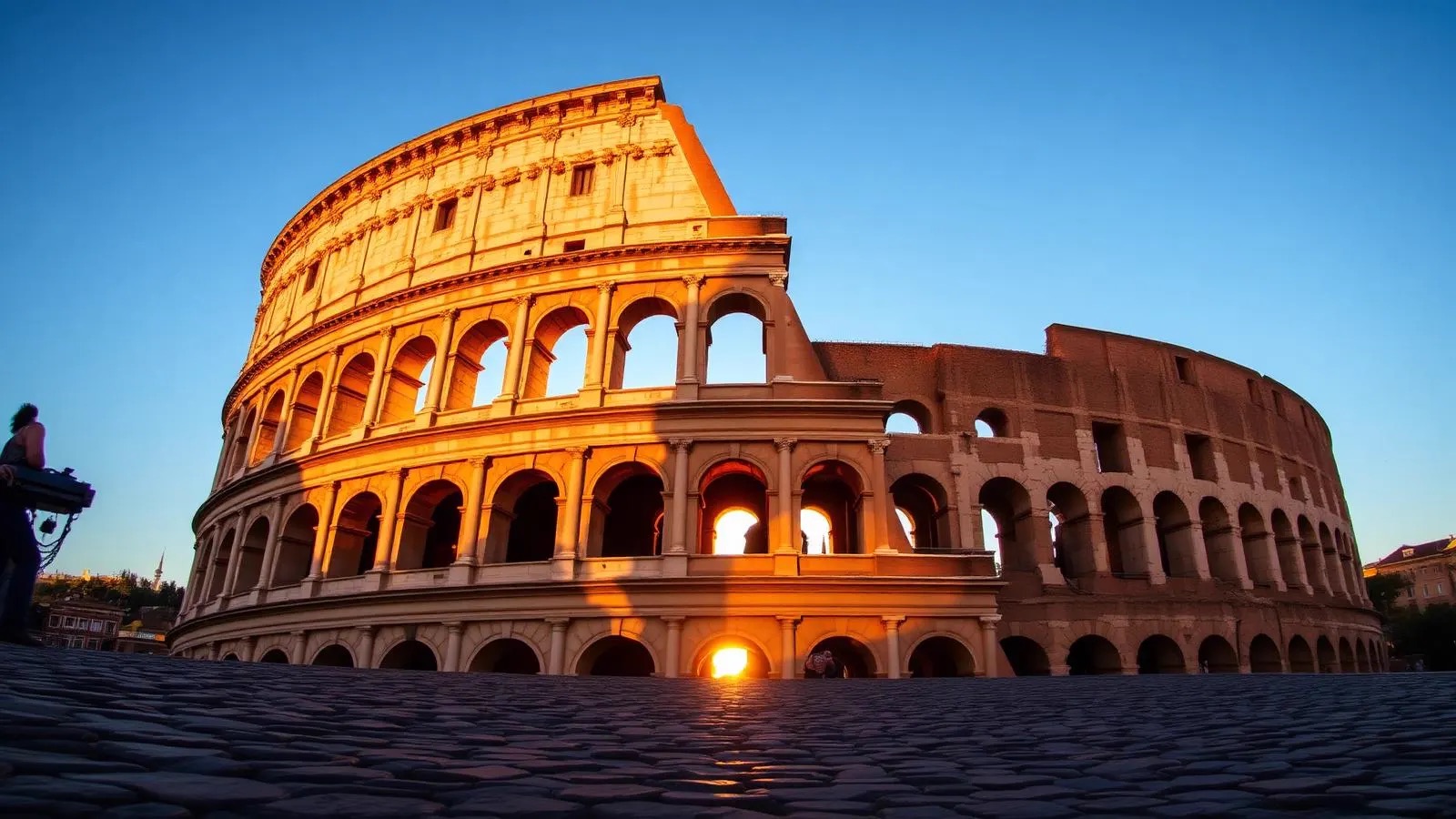
Standing before the Flavian Amphitheatre—universally known as the Colosseum—remains one of the most arresting experiences in global travel. Constructed out of travertine stone, tuff, and brick-faced concrete, this structural marvel once held tens of thousands of spectators cheering on gladiatorial contests, simulated naval battles, and public spectacles. To truly appreciate its immense scale, take time to walk around its complete exterior perimeter first. The northern facade preserves the original four-tiered arches, offering brilliant framing for outdoor photography during the early morning hours when the travertine catches the golden light.
Inside, the view down into the exposed subterranean corridors—the hypogeum—reveals where gladiator traps, wild animals, and scenery were shifted via wooden lifts. Directly beside the amphitheatre stands the majestic Arch of Constantine, a triple-bayed triumphal arch erected to celebrate imperial victory. It serves as an open-air museum of Roman relief sculpture, borrowing artistic elements from earlier grand emperors. When visiting, ensure you carry your passport or official national identity card, as security screening at the entry gates is strict and non-negotiable.
The Roman Forum and Palatine Hill
Directly adjacent to the Colosseum lies the heart of ancient civic life: the Roman Forum. Walking along the basalt paving of the Via Sacra (Sacred Way), you step on the exact stones where political debates were held, triumph processions marched, and ancient elections took place. Highlights inside the valley floor include the towering columns of the Temple of Saturn, the Curia Julia (the ancient Senate house), and the exquisitely detailed Arch of Septimius Severus. It requires a bit of imagination to reconstruct these tumbled capitals and fragmented architraves, so downloading a digital architectural map prior to entry enhances the experience tenfold.
Rising above the Forum is the Palatine Hill, the legendary birthplace of Rome where Romulus and Remus were said to have been found. In imperial times, this leafy hill became the exclusive neighbourhood for emperors and aristocrats, who constructed sprawling palace complexes overlooking the city. Today, it offers an oasis of pine trees, wildflower paths, and ruins. From the edge of the Farnese Gardens on the Palatine's northern rim, you get what I consider to be the single best panoramic overlook of the Roman Forum below.
The Pantheon and Piazza Navona
Moving from the ancient district toward the historic centre brings you to the Pantheon, arguably the best-preserved building from antiquity in the world. Originally built as a temple to all gods, its transition into a Christian church helped preserve its pristine structural integrity. The building's defining feature is its colossal concrete dome, which remains the world's largest unreinforced concrete dome ever constructed. At its apex sits the oculus, an open nine-metre portal that serves as the building’s sole source of natural overhead light. Standing beneath the oculus as shafts of sunlight slice through the cool interior air is a spiritual and architectural highlight of any trip.
A few minutes’ walk westward from the Pantheon leads to Piazza Navona, an elegant oval public square built directly over the footprint of the ancient Stadium of Domitian. The square’s theatrical Baroque centrepieces are three dramatic fountains, chief among them Gian Lorenzo Bernini's Fontana dei Quattro Fiumi (Fountain of the Four Rivers). The grand sculptures represent four major world rivers beneath a tall Egyptian obelisk. The surrounding cafe terraces provide wonderful people-watching opportunities, though you will pay a premium to sit directly on the square.
Vatican City: Art, Faith, and Architecture
The Vatican Museums and Sistine Chapel
Nestled on the western banks of the Tiber River, Vatican City operates as an independent sovereign state and houses one of the greatest art collections on earth. The Vatican Museums stretch across several kilometres of corridors, filled with classical sculptures, Renaissance tapestries, and detailed geographical maps. Crucial areas to focus on during a short visit include the Belvedere Courtyard, containing the iconic classical statue of Apollo, and the breathtaking Raphael Rooms—a suite of papal apartments painted by Raphael, featuring the famous masterpiece The School of Athens.
The undisputed culmination of the museum circuit is the Sistine Chapel. Michelangelo’s vault frescoes, painting scenes from Genesis across the ceiling and The Last Judgment across the altar wall, represent a peak in Western artistic achievement. Photography inside the chapel is strictly prohibited, and silence is enforced by security staff. Take a moment to sit along the wall benches and simply absorb the incredible colour, movement, and scale of the ceiling art. Be mindful that modest dress (covered shoulders and knees) is strictly required for entry into all Vatican spaces.
St. Peter’s Basilica and the Square
Exiting the Vatican complex brings you toward St. Peter’s Basilica, the spiritual heart of Catholicism and a monument of sheer architectural grandeur. Entering the central nave reveals an interior so vastly proportioned that it swallows entire crowds effortlessly. Just to the right of the entrance sits Michelangelo’s heartbreakingly beautiful Pietà, sculpted when the artist was in his early twenties. Further down the central aisle stands Bernini’s massive bronze Baldacchino, a four-columned canopy rising over the papal altar directly above St Peter’s tomb.
For one of the most rewarding views in Southern Europe, purchase a ticket to climb the Basilica's dome (the Cupola). An elevator takes you part of the way up to an interior gallery walkway high above the main altar, followed by a narrow, winding staircase through the double-shell dome itself. Emerging onto the outdoor observation balcony provides a staggering 360-degree vista over St. Peter's Square—designed by Bernini to resemble welcoming arms reaching out from the church—and across the entire landscape of Rome.
Castel Sant’Angelo and the Tiber River
Following the grand avenue from St. Peter's Square toward the Tiber brings you to Castel Sant’Angelo. Originally built as a grand cylindrical mausoleum for Emperor Hadrian, this towering structure was later converted into a heavily fortified castle, prison, and refuge for popes during times of siege. A secret elevated covered passage, the Passetto di Borgo, still connects the Vatican Palace directly to the fortress walls.
Even if you decide not to explore the castle's upper museum terraces, the area around its base is unmissable. Directly in front of the fortress spans the Ponte Sant'Angelo, a pedestrian stone bridge lined with ten expressive marble angel statues designed by Bernini and his pupils. Walking across this bridge near sunset, with the sky turning lavender behind St. Peter’s dome in the background, offers one of Rome's quintessential photography opportunities.
Art, Gardens, and Panoramic Viewpoints
Borghese Gallery and Villa Borghese Gardens
Situated within Rome’s third-largest public park, the Borghese Gallery (Galleria Borghese) holds an extraordinary concentration of fine art inside a seventeenth-century villa. Unlike large, sprawling institutions, the Borghese Gallery strictly limits visitor numbers via enforced two-hour entry windows, creating an intimate viewing experience. The ground floor displays breathtaking marble sculptures by Gian Lorenzo Bernini, including Apollo and Daphne and The Rape of Proserpina, where stone is rendered so delicate that fingers appear to press soft indentation into marble thighs.
The upper floor features incredible paintings by Caravaggio, Titian, and Raphael. After your ticketed time slot concludes, step outside into the surrounding Villa Borghese Gardens. These vast landscaped grounds feature tree-lined walking avenues, marble busts of Italian historical figures, a small boating lake with an Ionic temple, and plenty of shaded manicured lawns perfect for resting tired feet after a busy morning of sightseeing.
The Spanish Steps and Trevi Fountain
Connecting the Piazza di Spagna at the base with the Trinità dei Monti church at the top, the Spanish Steps represent a masterpiece of XVIII-century urban design. The 135 steps curve and fan out in a elegant butterfly pattern, bordered by floral displays in spring. At the base of the staircase sits the Fontana della Barcaccia, a fountain shaped like a sinking boat designed by Pietro Bernini (father of Gian Lorenzo). Note that sitting on the steps themselves is now prohibited by local ordinance to preserve the monument, so enjoy them while strolling through the square.
A short ten-minute walk through narrow shopping lanes leads to the Trevi Fountain, the grandest Baroque fountain in the city. Tucked into a tiny square, the fountain depicts Oceanus flanked by Tritons taming sea horses against the backdrop of the Palazzo Poli. The sound of thousands of litres of rushing water reaches you before you even turn the corner. Tradition dictates that throwing a coin with your right hand over your left shoulder ensures your return to Rome. To experience the fountain without wall-to-wall crowds, arrive before 8:00 AM or well after midnight. Since 2 February 2026, non-residents pay €2 to enter the fountain's basin area (from 9:00 AM, or 11:00 AM on Mondays and Fridays, until 10:00 PM); access is free outside those hours.
The Janiculum Hill and Aventine Keyhole
To escape the busy streets of the flat city centre, climb the Janiculum Hill (Gianicolo), located high above the western bank of the river north of Trastevere. While not officially one of the original Seven Hills of ancient Rome, it offers the most expansive panoramic view across the entire city skyline. At noon each day, a cannon is fired from the crest of the hill beneath the bronze monument of Giuseppe Garibaldi—a tradition dating back over a century to standardise time across local church bells.
On the opposite side of the Tiber, atop the peaceful Aventine Hill, lies another charming secret: the Knights of Malta Keyhole. Looking through the brass keyhole of the green iron doorway at the Priory of the Knights of Malta reveals a perfectly framed, hedge-lined garden alley looking directly at the distant illuminated dome of St. Peter’s. Nearby, the Giardino degli Aranci (Orange Garden) provides another wonderful public terrace overlooking the river and the historic monuments.
Where to Stay: Choosing Your Roman Base
Centro Storico: Heart of the Action
The historic centre—stretching roughly between the Tiber River, Piazza Navona, the Pantheon, and Campo de' Fiori—puts you directly within walking distance of almost every major attraction. Staying here means waking up surrounded by cobblestone lanes, artisan workshops, and endless cafes. You will rarely need to use public transport during your three days. However, because of its prime location, accommodation rates tend to be higher here, and the streets stay lively well into the night.
Trastevere: Bohemian Character and Evening Vibe
Located south of the Vatican across the river, Trastevere is famous for its ivy-clad ochre buildings, twisting lanes, and vibrant evening atmosphere. It feels distinct from the rest of the capital, preserving a warm, neighbourhood-centric lifestyle. By day, it is quiet and relaxed; by night, it turns into a bustling dining district filled with traditional trattorias and wine bars. While it lacks direct access to the Metro line, frequent tram lines connect it quickly to central transport hubs.
Monti: Trendy, Central, and Atmospheric
Situated just a short stroll northeast of the Colosseum, Monti is a stylish, residential neighbourhood that perfectly blends ancient heritage with contemporary urban culture. Once a rough working-class quarter in ancient times (the Suburra), it now features independent boutiques, vintage clothes shops, craft cocktail bars, and excellent family-run eateries. Its central position and dedicated Metro stop (Cavour on Line B) make it an exceptionally convenient base for exploration.
Prati: Quiet Elegance Near the Vatican
Positioned directly north of Vatican City, Prati is an upscale, late-nineteenth-century residential district characterized by wide grid-pattern avenues, elegant Art Nouveau architecture, and a modern shopping street (Via Cola di Rienzo). It is considerably quieter and less touristy at night than Centro Storico or Trastevere, offering authentic neighbourhood pizzerias and high-end delis. Excellent Metro Line A connections (via Ottaviano and Lepanto stations) quickly bridge the distance to the rest of the city.
Roman Culinary Traditions: What to Eat and Drink
The Four Classic Roman Pastas
Roman pasta culture is fiercely traditional, focused on simple, high-quality local ingredients: cured pork, Pecorino Romano cheese, black pepper, and pasta cooked strictly al dente. Every traveler must try the core quartet during their visit:
- Cacio e Pepe: A deceptive masterclass in simplicity, made purely with grated Pecorino Romano cheese and freshly cracked black pepper, emulsified with starchy pasta cooking water into a smooth sauce.
- Pasta alla Gricia: The foundational historic dish consisting of crispy cured pork jowl (guanciale), melted fat, Pecorino Romano, and black pepper.
- Spaghetti alla Carbonara: Building on Gricia, this iconic dish adds raw egg yolks whisked with Pecorino off the heat to create a silky, rich sauce coating the pasta and crispy guanciale. Cream or bacon are never used in authentic versions.
- Bucatini all'Amatriciana: Adding sweet San Marzano tomatoes and a hint of chilli pepper to the crispy guanciale and Pecorino base, creating a savory, satisfying red pasta dish.
Street Food and Fried Delicacies
Beyond formal seated meals, Rome boasts a brilliant street food tradition perfect for lunch on the move. Look out for local fried specialties (fritti) at local bakeries and dedicated street food counters:
- Supplì: Oblong fried rice balls mixed with tomato ragù and a warm core of melted mozzarella cheese that strings out when pulled apart.
- Carciofi alla Giudìa: Deep-fried Jewish-style artichokes, flattened out to resemble golden flowers, crisp on the outside and tender within. Available during peak artichoke season (late winter through spring).
- Carciofi alla Romana: Braised whole artichokes stuffed with wild mint, garlic, and olive oil, cooked slowly until melt-in-your-mouth tender.
- Pizza al Taglio: Rectangular sheet-pan pizza cut with scissors and sold by weight. Point to the topping combination you want, indicate the size of slice, and enjoy it folded in paper on a bench.
Espresso Culture and Gelato Etiquette
Coffee in Rome follows precise unwritten social guidelines. A single espresso is referred to simply as un caffè. Locals typically drink their coffee standing up at the bar (al banco), which is both faster and far cheaper than sitting at outdoor table service areas. Cappuccinos are strictly considered a morning breakfast drink; ordering one after midday or following a heavy meal will often yield a polite, amused look from your barista!
When searching for authentic artisanal gelato, bypass shops presenting towering brightly coloured neon mounds of ice cream. High-quality, natural gelato is kept flat inside covered metal tubs (pozzetti). Natural ingredients yield soft, earth-toned colours: pistachio should be a dull sage-olive brown rather than bright neon green, and banana should be off-white rather than lemon yellow.
Getting Around: Metro, Buses, and Walking Routes
Navigating the Metro and Public Transit
Rome’s Underground system (the Metropolitana) is straightforward to navigate because it consists primarily of just two central intersecting lines: Line A (Orange) and Line B (Blue). They cross at the central transit hub, Termini Station. Line A serves major tourist nodes like Piazza del Popolo (Flaminio), the Spanish Steps (Spagna), and the Vatican (Ottaviano). Line B provides direct access to the Colosseum (Colosseo) and Circus Maximus (Circo Massimo). Since December 2025, Line C also reaches Colosseo, with interchanges to Line B there and to Line A at San Giovanni.
Tap-and-go contactless payment terminals are built into all Metro turnstiles and aboard public buses and trams. Simply tap your contactless bank card or smart device at the gate to enter. If purchasing physical paper tickets at station kiosks, ensure you validate your ticket in the small yellow/grey stamping machines immediately upon boarding buses or before entering Metro gates. Unvalidated paper tickets can result in heavy spot fines from transit inspectors.
Optimised Self-Guided Walking Routes
While public transport is useful for crossing large distances, walking is the absolute best way to experience Rome's historic layout. Most major sights in the city centre lie within logical, walkable clusters:
- Route 1 (Ancient Core): Start at the Colosseum → walk through the Roman Forum → climb the Capitoline Hill → descend into Piazza Venezia → finish at the Pantheon.
- Route 2 (Baroque Splendour): Start at Piazza del Popolo → walk down Via del Babuino to the Spanish Steps → weave through side streets to the Trevi Fountain → cross Via del Corso to Piazza Navona.
- Route 3 (Vatican to Riverside): Start at St. Peter’s Basilica → stroll down Via della Conciliazione to Castel Sant'Angelo → cross the Tiber over Ponte Sant'Angelo → meander through Campo de' Fiori into Trastevere.
When to Visit: Seasons and Weather
Spring and Autumn: The Golden Windows
The ideal periods to experience Rome are spring (April to May) and autumn (September to October). During these transitional months, daytime temperatures are pleasantly warm and mild, perfect for walking ten to fifteen kilometres across cobblestone streets. Outdoor cafe culture is in full swing, and city parks are lush. Autumn brings crisp light that illuminates the orange-ochre buildings beautifully, along with seasonal culinary delights like wild mushrooms and fresh olive oils.
Summer Heat and Winter Quiet
July and August bring intense heat, with temperatures regularly soaring well past 35°C. Walking around unshaded stone sites like the Roman Forum at midday can become exhausting. Furthermore, many small, family-owned shops, bakeries, and traditional trattorias close down for several weeks in mid-August (around the Ferragosto holiday) so owners can escape to the coast.
Winter (November through February), by contrast, offers crisp, clear, cooler days and significantly smaller crowds at top attractions. While daylight hours are shorter and occasional rainfall occurs, exploring the Colosseum or Vatican Museums without dense tourist traffic provides a quiet, introspective experience of the city.
Practical Planning, Budgeting, and Mistakes to Avoid
Ticketing Strategy and Reservations
The golden rule for visiting modern Rome is simple: never show up at major monuments expecting to buy entry tickets on the spot. Tickets for high-demand sites—specifically the Vatican Museums, the Colosseum/Forum complex, and the Borghese Gallery—regularly sell out weeks or even months in advance.
Always purchase your entry passes directly through official venue ticketing portals to secure standard pricing and exact timed-entry slots. Avoid purchasing through unauthorised street scalpers or overpriced third-party reseller sites whenever possible. Keep digital copies of your entry barcodes saved offline on your mobile phone, along with physical photo identification matching the names on the tickets.
Common Pitfalls to Steer Clear Of
To keep your trip smooth, safe, and enjoyable, keep these practical tips in mind:
- Avoid Restaurants with Menus in Pictures Outside: Establishments located directly on high-traffic tourist plazas displaying laminates of pictures and multilingual hosts outside are usually overpriced tourist traps. Walk two or three blocks down quiet side streets for authentic food.
- Carry Reusable Water Bottles: Do not buy single-use plastic bottles continuously. The street drinking fountains (nasoni) throughout the city dispense ice-cold, clean mineral-rich drinking water for free.
- Respect Monument Rules: Sitting on the Spanish Steps, swimming in historic fountains, or leaning against ancient ruin walls carry strict fines enforced by urban police officers.
- Mind Your Belongings: While Rome is generally safe regarding violent crime, pickpocketing is common on crowded public transit lines (especially Metro Line A and Bus 64) and around busy major tourist sites. Keep bags zipped in front of you.
The Three-Day Rome Itinerary
Day 1: Ancient Marvels and Monti
Morning: Start your Roman journey early at the imperial core. Enter the Colosseum during the first available timed slot of the morning to beat the heat and midday crowds. Spend two hours exploring the interior arches and viewing platforms. Walk directly into the adjacent Roman Forum and Palatine Hill complex. Climb up to the Farnese Gardens terrace for panoramic views over the ancient ruins below.
Afternoon: Exit the Forum towards the Capitoline Hill (Campidoglio), designed by Michelangelo. Walk down the back steps to view the grand white marble monument of Victor Emmanuel II at Piazza Venezia. Grab a quick lunch of freshly prepared Pizza al Taglio from a nearby local bakery. Continue walking through the historic streets to reach the Pantheon, stepping inside to marvel at its magnificent oculus.
Evening: Walk eastward into the trendy Monti neighbourhood. Wander through its ivy-draped side streets, browse artisan shops, and relax with an outdoor aperitivo. Finish your first night at an authentic neighbourhood trattoria, enjoying a classic bowl of Rigatoni alla Carbonara or Cacio e Pepe.
Day 2: Vatican Splendour and Trastevere
Morning: Cross over the Tiber River to Vatican City for an early reserved entry at the Vatican Museums. Take your time admiring the Gallery of Maps, the Raphael Rooms, and Michelangelo's legendary frescoes inside the Sistine Chapel. From there, proceed directly to St. Peter’s Basilica to view the majestic interior nave and Michelangelo's Pietà.
Afternoon: Climb to the top of St. Peter's Dome for an unforgettable aerial panorama over Rome. Afterwards, stroll down Via della Conciliazione to Castel Sant’Angelo. Cross over the Ponte Sant'Angelo, taking pictures alongside Bernini’s stone angels. Pause for artisanal gelato at a traditional shop along the riverbank.
Evening: Follow the river southward into the historic Trastevere quarter. As twilight falls, explore the atmospheric cobblestone alleyways around Piazza di Santa Maria in Trastevere. Enjoy a long, relaxed dinner outdoors, savoring fried supplì followed by authentic Bucatini all'Amatriciana.
Day 3: Renaissance Art, Baroque Plazas, and Views
Morning: Begin your final day with a reserved morning entry at the world-renowned Borghese Gallery. Spend two hours admiring masterwork marble sculptures by Bernini and paintings by Caravaggio. Afterward, enjoy a quiet walk through the pine trees and green pathways of the Villa Borghese Gardens.
Afternoon: Head down the sweeping pathways toward the Pincio Terrace overlook, then descend into Piazza del Popolo. Walk south down the shopping avenues to the Spanish Steps. From there, weave through narrow alleys to reach the majestic Trevi Fountain—don't forget to toss your coin into the water! Continue west to finish your afternoon stroll amidst the street performers and fountains of Piazza Navona.
Evening: Cross the river or head up the Janiculum Hill (or the Orange Garden on the Aventine Hill) to catch your final sunset over the rooftops of Rome. Celebrate your journey with a traditional farewell dinner at a classic trattoria in the Centro Storico, enjoying carafes of local house wine and carciofialla Romana.
Final Thoughts
Rome is far more than an open-air museum of stone and marble; it is a living, breathing, passionate city where life plays out out in the open air. The real magic of the Italian capital often happens between the major scheduled site visits: sitting on a stone fountain edge with an espresso, listening to church bells echo across hidden squares, or smelling fresh baked bread drifting out from a basement bakery kitchen.
While three days is only enough to scratch the surface of what the Eternal City has to offer, this curated route ensures you experience its grandest icons along with its local rhythm. Don't worry about trying to see every single broken column or painting gallery. Take your time, walk as much as you can, eat generously, and trust that the coin you toss into the Trevi Fountain will bring you back here again soon. Safe travels!