Italy Travel Guide: First-Time Itinerary and Tips
Italy's regions, when to visit, getting around by train, where to base yourself, regional food, a two-week first-timer itinerary, budgeting and mistakes.
In this guide
- Quick Facts
- Understanding Italy's Key Regions
- When to Visit Italy
- Navigating Italy by Train
- Where to Base Yourself: Top Neighbourhoods
- Regional Culinary Traditions
- The Two-Week First-Timer Itinerary
- Budgeting and Smart Financial Planning
- Essential Practical Advice and Logistics
- Common First-Timer Mistakes to Avoid
- Final Thoughts
- Explore in Depth
Step out of Venice’s Santa Lucia station in the early morning and the light paints the Grand Canal in pale shades of rose and gold, an instant introduction to the sheer impossibility of a city built upon water. Beyond Venice, the Italian peninsula stretches from the sun-bleached ancient ruins of the south to the jagged, snow-capped peaks of the northern alpine border.
Italy is a country that effortlessly lives up to its grand reputation, yet it frequently surprises even the most seasoned travellers. It is not merely a single destination, but a patchwork quilt of former city-states and distinct duchies, each holding tightly onto its own dialect, culinary heritage, and rhythm of daily life. What works in the sleek, fast-paced fashion capital of Milan will feel entirely foreign in the sun-drenched, chaotic alleyways of Naples or the quiet olive groves of Umbria.
For the first-time visitor, this incredible diversity can feel slightly overwhelming. Planning an itinerary requires balancing the magnetic pull of iconic world wonders—the Colosseum, the Uffizi Gallery, the canals of Venice—with the quiet pleasures of slow travel, lingering over an afternoon espresso, and watching local life unfold in a cobblestone piazza. This comprehensive guide draws on twelve years of exploring Italy to help you navigate the regions, master the rail network, avoid common pitfalls, and construct an unforgettable inaugural journey.
Quick Facts
- Capital City: Rome (Roma)
- Official Language: Italian (English is widely spoken in major tourist centres, but basic Italian greetings are warmly appreciated)
- Geographic Regions: 20 distinct administrative regions, ranging from the Alpine north to the Mediterranean south
- Transport Network: World-class high-speed rail system connecting major cities, complemented by extensive regional train lines
- Visa Entry Basics: Member of the European Schengen Area; non-EU travellers must check entry requirements and official authorization protocols prior to departure
- Electrical Outlets: Plug types C, F, and L; operates on 230V voltage and 50Hz frequency
- Time Zone: Central European Time (CET), switching to Central European Summer Time (CEST) from late March to late October
Understanding Italy's Key Regions
To plan an efficient trip, you must first understand how Italy is laid out. The country is broadly divided into Northern, Central, and Southern zones, along with two major islands. For a first trip, focusing on a logical line of transit across two or three regions will yield a far richer experience than attempting to see the entire country at a breakneck pace.
Rome and Lazio
Lazio sits in central Italy, anchored by the national capital, Rome. This region serves as the political, historical, and spiritual heart of the nation. Rome itself is an outdoor museum where ancient imperial monuments like the Colosseum and Roman Forum stand alongside Renaissance palaces, Baroque fountains, and vibrant modern neighbourhoods. Beyond the capital, Lazio offers serene crater lakes, papal palaces in Castel Gandolfo, and ancient Etruscan burial grounds, though most first-timers spend their regional time focused entirely on the Eternal City.
Tuscany and Florence
North of Lazio lies Tuscany, world-famous for its gently rolling hills, cypress-lined roads, medieval hill towns, and rich artistic legacy. Florence (Firenze), the birthplace of the Renaissance, acts as the regional capital and cultural hub. Here you will find iconic masterpieces hanging in the Uffizi Gallery and Accademia, framed by elegant Brunelleschi architecture. The surrounding countryside is dotted with historic towns such as Siena, Lucca, San Gimignano, and Pisa, making it ideal for base-and-day-trip exploration.
Venice and Veneto
Positioned in the northeast, the Veneto region stretches from the dramatic peaks of the Dolomites down to the flat lagoon waters of the Adriatic Sea. Venice (Venezia) is the undisputed jewel of the region, built across more than one hundred small islands separated by canals and linked by stone bridges. Surrounding mainland highlights include Verona, famous for its Roman arena and literary ties, and the prosecco-producing hills near Treviso.
The Amalfi Coast and Campania
Located south of Rome, Campania offers a dramatically different atmosphere—intense, colourful, and deeply tied to Mediterranean traditions. Naples (Napoli) serves as the raw, energetic regional capital, sitting under the shadow of Mount Vesuvius and adjacent to the ancient frozen cities of Pompeii and Herculaneum. Just south of Naples, the Amalfi Coast features sheer cliff faces plunging into azure waters, adorned with pastel-coloured villages like Positano, Amalfi, and Ravello, along with the glamourous island of Capri.
Milan and Lombardy
Lombardy occupies a vast area of the northern plains, bordering Switzerland. Milan (Milano) is Italy’s financial engine and global style capital, dominated by the magnificent white marble Duomo and home to Da Vinci's The Last Supper. Lombardy is also the gateway to the Italian Lakes—Lake Como, Lake Garda, and Lake Maggiore—where grand villas and lush botanical gardens hug pristine lakeside shorelines.
Sicily and the South
The southern regions, including Puglia, Calabria, and the island of Sicily, offer an authentic, sun-drenched look into traditional Mediterranean life. Sicily, the largest island in the Mediterranean Sea, features a fascinating tapestry of Greek temples, Norman cathedrals, active volcanoes like Mount Etna, and a distinct culinary culture shaped by centuries of varied empires. While exceptional, Sicily generally warrants its own dedicated itinerary rather than being squeezed into a quick two-week mainland tour.
When to Visit Italy
Timing your trip correctly can dramatically alter your experience, impacting crowd density, weather comfort, lighting for photography, and overall travel costs.
Spring (April to June)
Spring is widely considered one of the absolute best windows to visit Italy. Temperatures across the peninsula are pleasantly warm without being suffocating, and countryside wildflowers are in bloom across Tuscany and Umbria. Sightseeing on foot in cities like Rome and Florence is comfortable, and daytime light remains clear and crisp for photography. Do note that Easter week brings heavy domestic and international crowds to Rome and Vatican City, so advanced planning is mandatory during this holiday period.
Summer (July to August)
Summer brings extreme heat, particularly in central and southern regions where midday temperatures can exceed thirty-five degrees Celsius. Major historic centres become overcrowded with international tour groups, driving up accommodation costs significantly. Furthermore, mid-August coincides with Ferragosto, the traditional national holiday period when many family-run restaurants, shops, and small businesses close down in the cities as locals head to the coasts. If travelling during summer, focus on coastal areas or northern lake regions, and schedule all outdoor sightseeing for early morning hours.
Autumn (September to November)
Autumn rival spring as the optimal travel season. September retains summer warmth but sees a gradual reduction in tourist crowds. By October, temperatures cool to ideal walking conditions, and the rural landscape shifts into gorgeous hues of amber and gold. This is also harvest season across Italy—the time of the vendemmia (grape harvest) and truffle festivals—making it a haven for food and wine enthusiasts. November marks the start of the quiet season, bringing cooler temperatures and occasional rain, but offering remarkably quiet museums and lower lodging prices.
Winter (December to March)
Winter brings crisp, cold weather to the northern plains and mild, rain-prone days to the south. While daylight hours are shorter, winter allows you to experience iconic cities like Venice and Florence completely free of summer crowds. Standing in an empty St Mark’s Square shrouded in morning mist is a magical experience. Winter is also prime season for alpine skiing in the Dolomites, while city centre hotels offer their most competitive nightly rates of the year, outside of the festive Christmas holiday weeks.
Navigating Italy by Train
Italy possesses one of the most efficient, comfortable, and affordable passenger rail networks in Europe. For a first-time visitor traveling between major cities, taking the train is infinitely superior to renting a car, as it eliminates the stress of navigating tight historic alleys, restricted driving zones, and complex parking garages.
High-Speed vs Regional Trains
The backbone of Italian train travel consists of high-speed express service networks: the state-run Frecciarossa (operated by Trenitalia) and the private operator Italo. These sleek trains travel at speeds reaching up to three hundred kilometres per hour, linking major hubs like Milan, Bologna, Florence, Rome, and Naples with impressive punctuality. High-speed trains require seat reservations, which are automatically included when purchasing a specific departure ticket.
Regional trains (Regionali), on the other hand, operate on slower track networks, connecting smaller towns, rural stops, and suburban routes. These trains operate on fixed pricing structures and do not require advance reservations, making them incredibly flexible for spontaneous day trips, such as taking a regional service from Florence out to Lucca or Pisa.
Validation and Booking Advice
When using paper tickets for regional trains purchased at station kiosks, you must validate them before boarding by inserting the paper ticket into the small green or yellow validation machines located on the platforms. Failure to validate a physical regional ticket can result in heavy on-the-spot fines from conductors. Digital tickets purchased on your mobile phone generally do not require physical validation, but always check the specific confirmation instructions provided.
For high-speed routes (Frecciarossa and Italo), booking your seats weeks or months in advance offers significant savings compared to buying walk-up tickets at the station on the day of travel. Stations in major cities—such as Roma Termini, Firenze Santa Maria Novella, and Milano Centrale—are vast, multi-level transit hubs. Always allow at least twenty to thirty minutes before departure to find your train platform (indicated on overhead boards as Binario).
Where to Base Yourself: Top Neighbourhoods
Choosing the right neighbourhood to set up your temporary home base dictates your daily rhythm, walking access to major sights, and evening dining options. Here are the top district recommendations for the primary transit hubs.
Rome Neighbourhoods
- Trastevere: Located across the Tiber River, this charming neighbourhood features a maze of narrow cobbled alleyways, ivy-draped facades, and an endless array of lively trattorias. It is perfect for travellers seeking authentic atmosphere and evening energy, located a pleasant twenty-minute walk from the historic centre.
- Monti: Positioned just steps from the Colosseum, Monti balances hip fashion boutiques, vintage stores, and artisan coffee spots with ancient charm. It serves as an ideal base for first-time visitors wanting quick access to the main archaeological sites on foot.
- Centro Storico (Navona/Pantheon): The literal heart of historical Rome. Staying here places you within striking distance of the Trevi Fountain, Piazza Navona, and the Pantheon. Accommodation costs are generally higher here, but the convenience of walking everywhere is unmatched.
Florence Neighbourhoods
- Santa Maria Novella: Centred around the principal railway station, this district offers maximum convenience for travellers planning frequent regional train day trips into the Tuscan countryside. The area near the basilica is full of lovely boutique hotels and is only a ten-minute walk from the Duomo.
- Oltrarno: Situated south of the Arno River, across the famous Ponte Vecchio, Oltrarno is the historic artisan quarter of Florence. It feels less crowded than the northern bank, featuring quiet squares, traditional leather-working studios, and incredible family-run wine bars.
- San Giovanni & Duomo: The central core surrounding the cathedral complex. Highly convenient for intense museum schedules, though streets stay consistently busy with daytime tourist traffic.
Venice Districts (Sestieri)
- Cannaregio: Located in the northern part of the city, Cannaregio offers an authentic glimpse into local Venetian life, especially around the historic Jewish Ghetto. It features wide waterfront promenades, excellent local bars, and lower crowd levels, while remaining an easy walk from the main train station.
- Dorsoduro: The artistic heart of Venice, home to the Accademia Gallery and the Peggy Guggenheim Collection. It boasts a relaxed, university-town feel with lovely quiet canals and picturesque, sunlit squares.
- San Polo: Bordering the Grand Canal near the Rialto Bridge, San Polo is bustling, historic, and central. It is ideal for photographers and food lovers who want early morning access to the historic Rialto produce and fish markets.
Regional Culinary Traditions
One of the greatest discoveries for a first-time traveller is realizing that there is no such thing as generic "Italian food." Italian cuisine is fiercely regional, governed by local microclimates, historic trade routes, and soil conditions. Ordering a regional specialty in its home town ensures an unforgettably authentic meal.
Central Classics (Lazio and Tuscany)
Rome is legendary for its four classic pasta dishes, all built on a foundation of sharp Pecorino Romano cheese and freshly cracked black pepper: Cacio e Pepe, Gricia, Carbonara (incorporating cured pork jowl, or guanciale, and egg yolk), and Amatriciana (adding sweet tomatoes). In Tuscany, the food culture leans into rustic, earth-driven comfort dishes. Look for Bistecca alla Fiorentina (a thick-cut T-bone steak grilled over open charcoal), Ribollita (a rich bread and vegetable soup), and wild boar ragù paired with wide ribbons of fresh pappardelle pasta.
Northern Richness (Lombardy, Veneto, and Emilia-Romagna)
Northern Italian cooking relies far more heavily on butter, cream, lard, and cornmeal polenta than the olive-oil-dominated south. In Milan, indulge in saffron-infused Risotto alla Milanese paired with tender braised veal shank (Ossobuco). Further east in Veneto, seafood dominates along the coast, with specialties like cuttlefish ink risotto and creamed salt cod (Baccalà Mantecato). Meanwhile, Emilia-Romagna—often called the stomach of Italy—yields world-renowned artisanal treasures: Aged Parmigiano Reggiano, authentic Traditional Balsamic Vinegar of Modena, Prosciutto di Parma, and hand-rolled filled pastas like handmade tortellini.
Southern Sunshine (Campania and Sicily)
Southern cuisine is characterized by sweet tomatoes, aromatic garlic, extra virgin olive oil, capers, fresh seafood, and tangy citrus fruits. Naples is the undisputed birthplace of wood-fired Neapolitan pizza, characterized by a soft, pillowy crust topped simply with San Marzano tomatoes, fresh buffalo mozzarella, and basil. In Sicily, save room for iconic street foods like Arancini (crispy fried rice balls filled with ragù or cheese) and sweet pastry treats like crispy ricotta-filled Cannoli and refreshing fruit Granita paired with fresh brioche.
Italian Dining Etiquette
Understanding local food culture will save you from common social mistakes and ensure better service:
- Coffee Culture: Milky coffees like Cappuccino or Caffè Latte are traditionally consumed exclusively in the morning hours, usually alongside a sweet pastry (Cornetto). Ordering a cappuccino after 11:00 AM or following a full evening meal is seen as unusual, as Italians view hot milk as a heavy meal in itself. After lunch or dinner, stick to a quick Caffè (single espresso).
- Water and Bread: Tap water is rarely served automatically at restaurant tables. You will be asked whether you prefer bottled water that is Naturale (still) or Frizzante (sparkling). Note that small cover charges for bread and table setup—listed on the menu as the Coperto—are completely normal and standard practice across most table-service establishments.
- Pacing the Meal: Traditional menus are structured in courses: Antipasti (starters), Primi (pastas, risottos, soups), Secondi (meat or fish main courses), Contorni (side dishes ordered separately), and Dolci (desserts). You are under no obligation to order every course; ordering a primary pasta dish followed by a side or dessert is entirely accepted.
The Two-Week First-Timer Itinerary
This classic two-week route—often called the "Golden Triangle" with a southern extension—strikes a balance between major historical landmarks, scenic transit, and cultural depth. It utilizes the high-speed train network for fast, stress-free transfers.
Days 1-4: Rome (The Imperial Core)
Begin your journey in the national capital. Dedicate your first afternoon to a leisurely orientation walk through the historic centre, passing Piazza Navona, the Pantheon, and the Trevi Fountain as dusk settles over the city.
- Day 2: Explore ancient Rome. Spend your morning inside the Colosseum, followed by a walk through the sweeping ruins of the Roman Forum and Palatine Hill. In the late afternoon, head up to the Orange Garden (Giardino degli Aranci) on the Aventine Hill for sweeping sunset views over the dome of St Peter’s Basilica.
- Day 3: Cross into Vatican City to tour the Vatican Museums, the Sistine Chapel, and St Peter’s Basilica. Spend your evening exploring the lively dining scene in the Trastevere district.
- Day 4: Visit the magnificent Galleria Borghese to view Bernini sculptures (reservations required well in advance), then spend your final afternoon exploring the charming streets of the Monti neighbourhood.
Days 5-7: Florence and Tuscan Day Trips
Board a morning high-speed train from Roma Termini north to Firenze Santa Maria Novella (journey time is roughly one hour and thirty minutes).
- Day 5: Check into your Florence base, then spend the afternoon admiring the exterior of the Duomo complex (Santa Maria del Fiore). Walk across the historic Ponte Vecchio bridge, climb up to Piazzale Michelangelo for the definitive panoramic postcard view over the entire Florentine skyline.
- Day 6: Devote your morning to Renaissance masterworks inside the Uffizi Gallery and view Michelangelo’s original David inside the Accademia Gallery. Spend your afternoon wandering through the Oltrarno artisan district.
- Day 7: Take a regional train day trip into the Tuscan countryside. Options include visiting the walled medieval city of Lucca, exploring historic Siena, or capturing the famous leaning tower in Pisa.
Days 8-10: Venice (The Floating City)
Take a direct high-speed train from Florence north to Venice Santa Lucia (journey time is approximately two hours and fifteen minutes). Step straight out of the station doors directly onto the Grand Canal.
- Day 8: Arrive in Venice, check in, and spend your afternoon getting lost in the labyrinthine alleys of the Cannaregio or Dorsoduro districts, stepping away from the central tourist flow.
- Day 9: Rise early to experience St Mark’s Square before the crowds arrive. Visit St Mark’s Basilica and the grand Doge’s Palace. In the late afternoon, ride the public Vaporetto (water bus) line 1 down the entire length of the Grand Canal as the palaces light up.
- Day 10: Take a morning boat excursion out across the northern lagoon to the island of Murano to watch traditional glassblowing, followed by a visit to Burano, famous for its brilliantly painted colourful fisherman houses and delicate lace-making.
Days 11-14: Campania and the Amalfi Coast
Take a morning high-speed train from Venice south down to Naples or Salerno, then transfer via coastal ferry or regional rail down toward the Amalfi Coast or Sorrento Peninsula.
- Day 11: Settle into your southern base (Sorrento serves as an excellent, well-connected logistical base for first-timers). Enjoy an evening seaside promenade walk while tasting fresh local limoncello.
- Day 12: Spend a full day exploring the dramatic Amalfi Coast. Ride the scenic regional passenger ferry line connecting Sorrento, Positano, and the town of Amalfi, taking in dramatic vertical cliffside views directly from the water.
- Day 13: Take the regional Circumvesuviana train line or a private shuttle to tour the expansive, preserved ruins of Pompeii, walking along ancient Roman streets frozen in time by the eruption of Mount Vesuvius.
- Day 14: Return to Naples or Rome via high-speed rail for your final evening dinner and outward flight preparations.
Budgeting and Smart Financial Planning
Managing costs in Italy comes down to understanding where to spend money for maximum convenience and where to save simple daily expenses.
Managing Daily Expenses
To keep costs reasonable, adopt local habits. Drinking your morning coffee while standing at the bar counter (al banco) costs significantly less than sitting at a table outdoors in a tourist plaza (al tavolo), where service charges are added. For quick, inexpensive lunches, look for local Paninoteche (sandwich shops) serving fresh focaccia, or pick up takeaway slices from a local Pizza al Taglio bakery.
Museum entrance costs can add up quickly. Plan your itinerary around essential paid sights, and balance them with freely accessible public sites, such as exploring historic churches (which house incredible original art by masters like Caravaggio and Titian completely free of charge), public parks, and historic squares.
Tipping and Service Charges
Tipping culture in Italy is understated and fundamentally different from North America. Service charge is frequently integrated into the bill, or covered by the small Coperto charge. Tipping is not mandatory, though leaving small change or rounding up the bill at a nice restaurant for attentive service is a gracious gesture that local staff always appreciate. Always verify whether service (Servizio) is already included on your final bill before adding extra cash.
Essential Practical Advice and Logistics
Smooth out the logistics of your journey by keeping these practical entry and operational tips top of mind.
Sim Cards and Connectivity
Having reliable mobile data is invaluable for checking real-time train schedules on the go, booking entry tickets, and navigating pedestrian routes through complex medieval historic quarters. Major Italian telecommunications providers offer convenient prepaid tourist SIM cards and eSIM packages with generous data allowances. You can easily acquire a prepaid card upon arrival at major airport terminals or at official brand stores located near central rail stations. Keep your passport handy, as identity registration is legally required when activating any Italian SIM card.
Safety and Local Customs
Italy is generally a very safe destination for international travellers, but opportunistic petty theft and pickpocketing can occur in high-density tourist locations. Remain vigilant in crowded spaces, such as inside Roma Termini station, onboard packed public transit lines (like Rome's Bus 64 or Naples' Circumvesuviana train), and in dense tourist plazas. Keep valuables tucked securely in front pockets or cross-body bags, and never leave mobile phones or cameras sitting unattended on outdoor dining tables.
When visiting religious structures—including St Peter’s Basilica, the Florence Duomo, and local parish churches—a strict dress code is enforced. Both men and women must cover their shoulders and knees. Carrying a light scarf or shawl in your daypack during summer days allows you to easily cover up before stepping inside holy sites without overheating outdoors.
Common First-Timer Mistakes to Avoid
- Trying to See Too Much: The single biggest mistake first-time visitors make is packing six or seven cities into a ten-day period. Constantly packing bags, checking in and out of hotels, and navigating stations results in travel fatigue. Less is always more; give yourself time to sit at a café and simply soak in the atmosphere.
- Forgetting to Reserve Major Sights in Advance: Long walk-up lines for premier world landmarks—such as the Vatican Museums, the Colosseum, the Uffizi Gallery, and Borghese Gallery—can waste hours of valuable time or leave you completely turned away. Reserve your timed entry tickets online several weeks or months prior to departure.
- Renting a Car for City-to-City Travel: Driving in Italian city centres is a stressful mistake. Many historic cores are classified as Zona a Traffico Limitato (ZTL)—Restricted Traffic Zones—monitored by automated cameras that automatically issue heavy fines to non-resident vehicles. Stick strictly to the rail network for intercity transport.
- Eating Directly Next to Major Landmarks: Restaurants located directly adjacent to iconic sites (such as St Mark's Square or the Trevi Fountain) often cater exclusively to high-turnover tourist traffic, serving lower quality food at inflated prices. Walk just three or four blocks off the main pedestrian thoroughfare to find authentic local trattorias filled with neighbourhood residents.
- Ignoring Train Validation Rules: Always remember to physically validate paper regional train tickets before stepping onto the platform. It is a simple administrative step that prevents unnecessary stress and fine enforcement during your trip.
Final Thoughts
There is an old Italian concept known as il dolce far niente—the sweetness of doing nothing. It is the art of lingering over a second glass of regional wine, listening to street musicians perform under warm evening lights, and allowing yourself to get wonderfully lost along a narrow paved alleyway without checking a map.
While checking off iconic world wonders like the Colosseum or the Rialto Bridge will certainly fill your photo galleries, it is often these spontaneous, quiet moments that stay with you long after the suitcase is packed away. Plan carefully, book your primary train routes and museum entries early, but leave ample space in your daily schedule to let Italy reveal itself to you at its own immortal, magical pace. Safe travels—or as the locals say, Buon viaggio!
Explore in Depth
If you want to go deeper on the places covered above, these companion guides pick up where this one leaves off:
More Italy guides
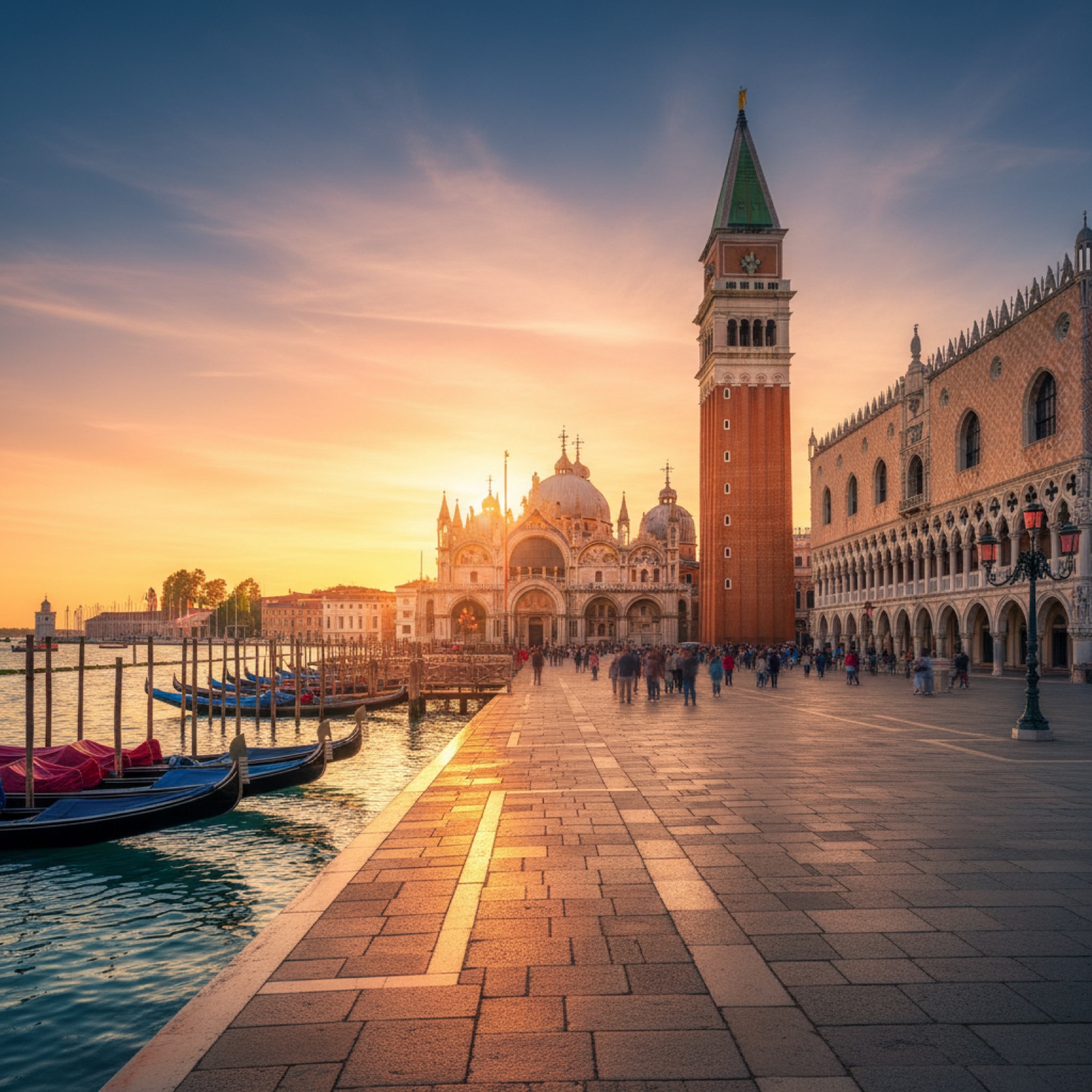
St Mark's Basilica: Tickets, Timing and Beating the Crowds
Tickets and tours, opening hours, dress code, what to see inside, getting there through Venice, the basilica's history and nearby St…
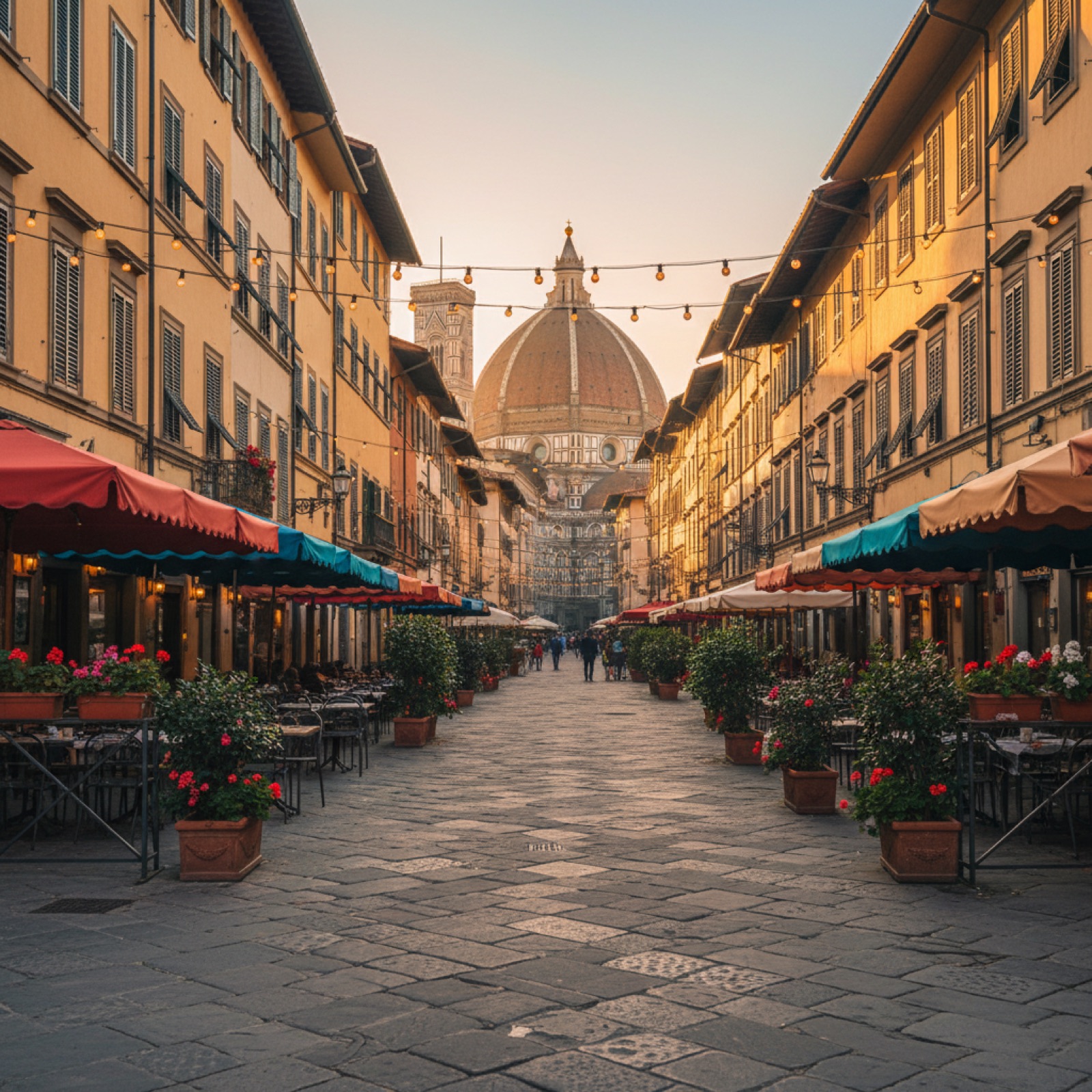
Best Restaurants in Florence: Where to Eat
Where to eat in Florence, from historic trattorias and Michelin dining to cheap eats, markets, gelato and bistecca, plus reservations…
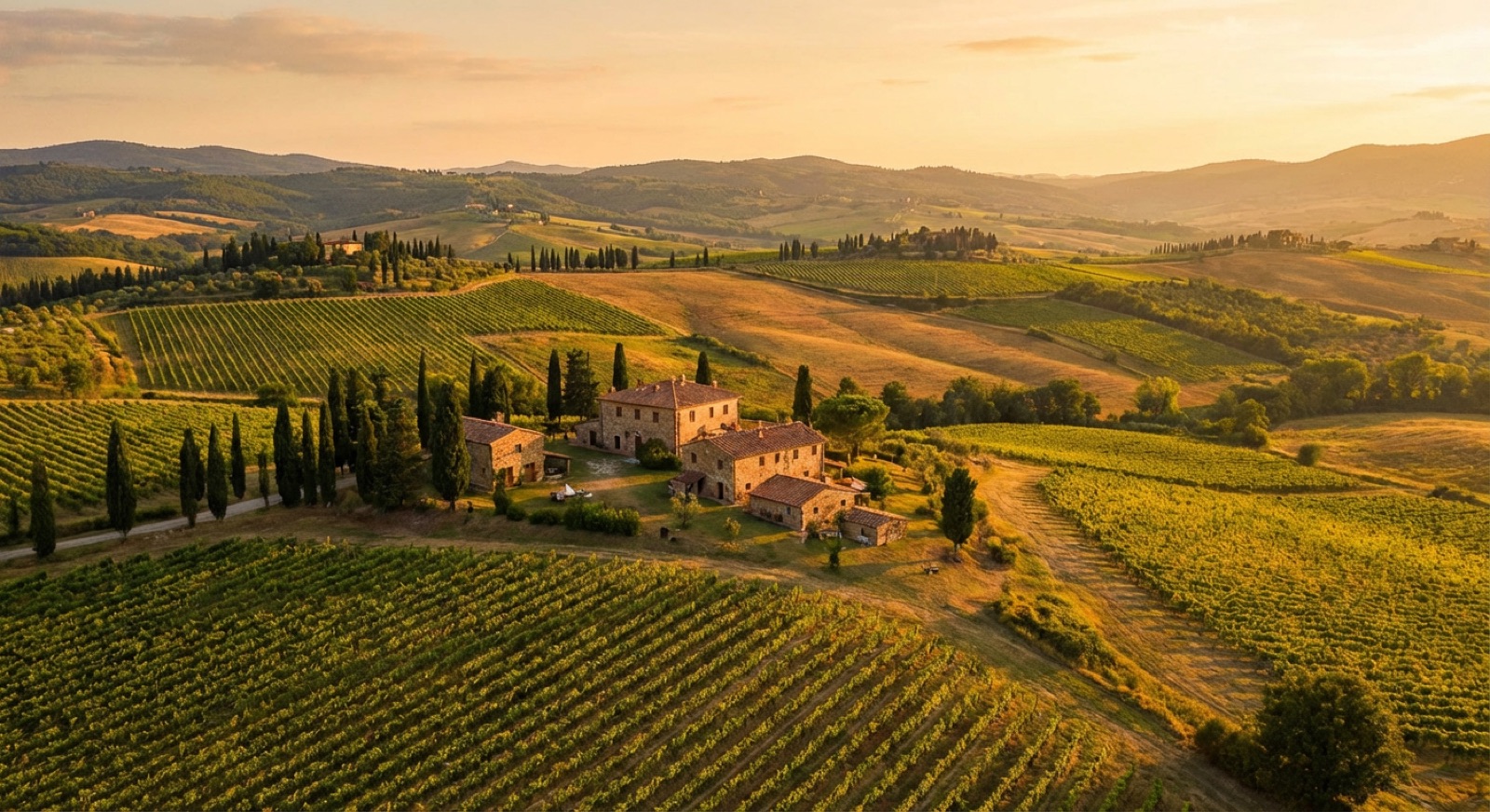
Things to Do in Tuscany: Wine, Hill Towns and Day Trips
Planning a Tuscany itinerary beyond Florence, with the hilltop towns worth visiting, how wine tours work, likely prices and ideas for day…