Seoul Itinerary: Four Days in the Korean Capital
A four-day plan for Seoul covering palaces, markets, hikes and neighbourhoods, with notes on the city's layout, transport, etiquette and seasons.
In this guide
This guide is part of our South Korea Itinerary: Seoul, Busan and Jeju — start there for the overview, when to go and how to get around.
Steam rising from vendors' carts carries the sweet, nutty scent of roasting chestnuts through the streets of Seoul. A walk through the Insadong district is mesmerising: one moment you're navigating a bustling alleyway filled with modern art galleries and chic cafes; the next, you turn a corner and find yourself before a serene, centuries-old tea house, its tiled roof a silent testament to the city's deep-rooted history. It's a dizzying, delightful paradox.
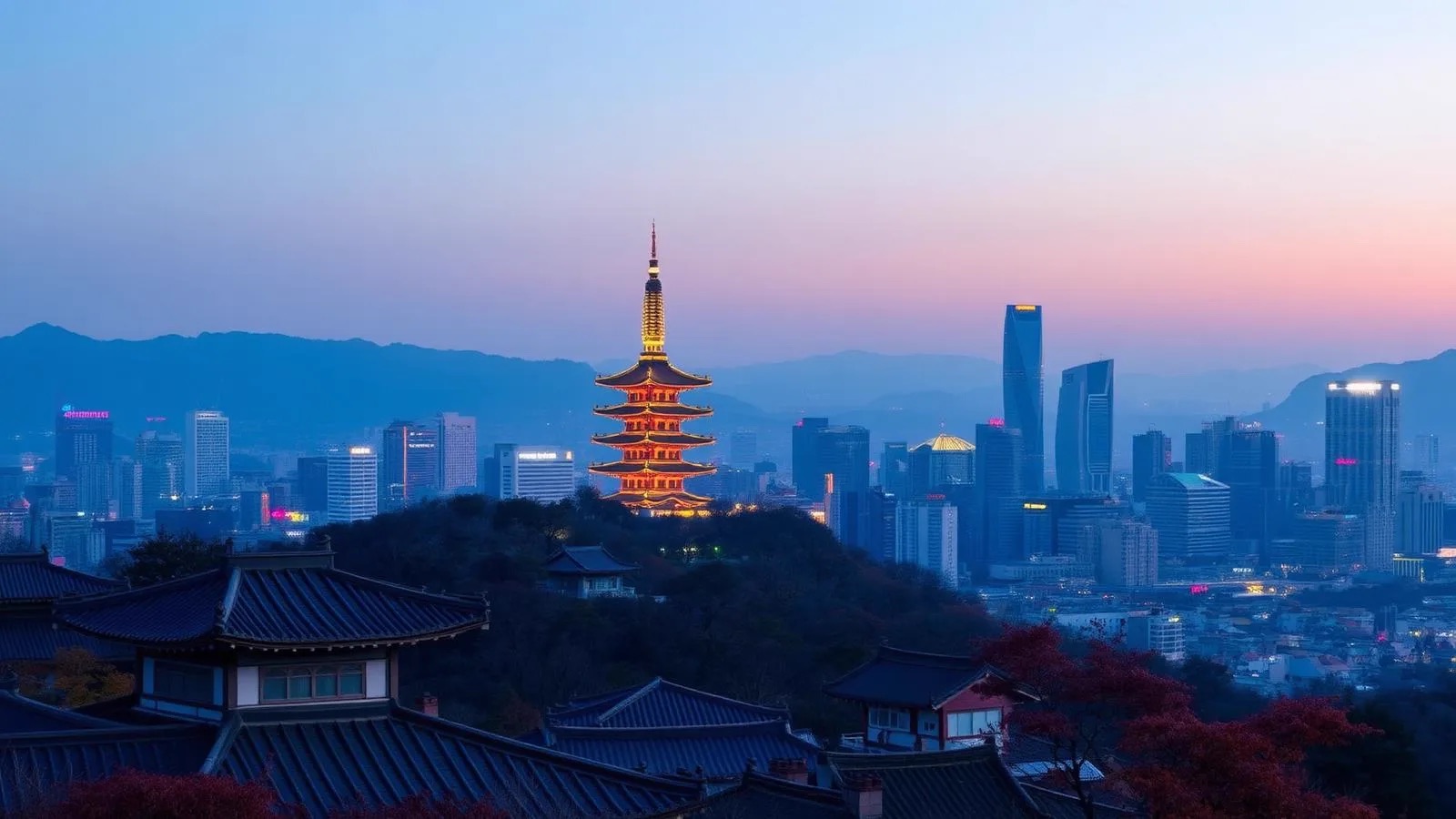
That contrast is the very soul of this sprawling metropolis of more than nine million people. Seoul doesn’t just place the old next to the new; it weaves them together into a vibrant, inseparable tapestry. Gleaming skyscrapers reflect the intricate rooflines of ancient royal palaces. The quiet discipline of a traditional tea ceremony exists just blocks away from the electrifying energy of a K-Pop street performance. The key to unlocking this city isn’t to try and separate its modern and traditional sides, but to embrace their chaotic, beautiful coexistence. This four-day guide is designed to help you do just that.
Quick Facts for Your Seoul Adventure
- Getting Around: Seoul’s subway system is one of the world’s best: efficient, clean, extensive, and with signage in English. Purchase a T-money card from any convenience store or station vending machine; it’s a rechargeable transport card that works on subways, buses, and even in many taxis and retail stores.
- Connectivity: Staying connected is incredibly easy. Free public Wi-Fi is widespread in subway stations, malls, and many public areas. For seamless connectivity, you can rent a portable Wi-Fi "egg" or purchase a local SIM card upon arrival at the airport.
- Language: The official language is Korean, and the alphabet is Hangul. While learning a few phrases like annyeonghaseyo (hello) and gamsahamnida (thank you) is highly appreciated, you can navigate the city with relative ease. Major tourist areas, transit systems, and menus often have English translations.
- Best Time to Visit: Spring (April-May) and Autumn (September-November) are glorious. Spring brings pleasant weather and cherry blossoms, while autumn offers crisp, clear air and spectacular fall foliage. Summer is hot and humid with a monsoon season, and winter is cold and can be snowy.
Understanding Seoul's Geography
At first glance, Seoul's sheer size can feel intimidating. The city is bisected by the wide Han River, creating a geographical and, to some extent, a cultural divide. The area north of the river, Gangbuk, is the historic heart. This is where you'll find the grand palaces, traditional villages, and many of the oldest markets. It’s the political and cultural centre of old Seoul. South of the river is Gangnam, a name made famous by a certain song, which represents the city's modern, affluent face. It’s known for luxury shopping, corporate headquarters, and upscale nightlife.
For a first-time visitor, much of your focus will naturally be in Gangbuk, particularly in the Jongno and Jung districts, which house a dense concentration of historical sites. However, to truly grasp Seoul’s dynamic energy, you need to explore both its historic core and its modern hubs like Hongdae, with its youthful arts scene, and Myeongdong, a paradise for cosmetics and street food. This itinerary is organised to give you a taste of these distinct neighbourhoods, minimising travel time and maximising your experience.
A Four-Day Seoul Itinerary
This plan is a blueprint, not a rigid schedule. Feel free to linger where you feel a connection, whether that’s in a quiet temple courtyard or a bustling market lane. Seoul rewards the curious traveller, so use this as your guide and let your own interests lead the way.
Day 1: Royal History and Traditional Culture
Your first day is a deep dive into the legacy of the Joseon Dynasty, which ruled for over 500 years and left an indelible mark on Seoul's landscape and identity. We’ll walk through palace grounds, navigate traditional villages, and find quiet moments in historic alleyways.
Morning: Gyeongbokgung Palace
Start your journey at Gyeongbokgung, the largest and arguably most magnificent of Seoul's Five Grand Palaces. First built in 1395, it was the main royal palace of the Joseon Dynasty. As you pass through the imposing Gwanghwamun Gate, the roar of the city seems to fade, replaced by the crunch of gravel underfoot and the sight of vast courtyards and elegantly sloping roofs. Plan to time your visit with the Royal Guard Changing Ceremony, a colourful and photogenic spectacle that takes place at the Gwanghwamun and Heungnyemun Gates. Be sure to check the official palace website for the exact schedule.
Inside, wander through the throne hall, the royal living quarters, and the stunning Gyeonghoeru Pavilion, a raised structure set over a man-made pond that was once used for royal banquets. The sheer scale and intricate detail, from the painted eaves to the mythical statues warding off evil spirits, are a feast for the eyes and the camera lens.
A wonderful local custom to embrace is renting a hanbok, traditional Korean attire, from one of the many shops surrounding the palace. Wearing a hanbok grants you free entry to all five of the Grand Palaces, but more importantly, it’s a fun and immersive way to experience the historical atmosphere. You'll see locals and tourists alike strolling the palace grounds in vibrant, colourful hanboks, creating a beautiful, time-travelling scene.
Afternoon: Bukchon Hanok Village & Insadong
A short walk from Gyeongbokgung is Bukchon Hanok Village. This is not a museum or a theme park; it is a residential neighbourhood where people live in traditional Korean houses, known as hanok. As you wander the hilly lanes, you’ll find viewpoints offering breathtaking panoramas of dark-tiled rooftops against the backdrop of the modern city skyline. This is a photographer's dream, but it's crucial to be respectful. Remember that you are walking past people's homes. Keep your voice low, don't sit on doorsteps, and respect the privacy of the residents who graciously share their beautiful neighbourhood with the world.
From Bukchon, make your way to Insadong. This neighbourhood has long been the city's hub for arts and crafts. The main street is a lively promenade filled with shops selling everything from traditional pottery and calligraphy brushes to modern interpretations of Korean crafts. Duck into the narrow side alleys, which are a maze of fantastic restaurants and traditional tea houses. Finding a quiet courtyard tea house, sitting on a floor cushion, and sipping a cup of jujube tea is a perfect way to rest your feet and absorb the day’s historical atmosphere.
Evening: The Hidden Alleys of Ikseon-dong
For dinner and the evening, head to the nearby neighbourhood of Ikseon-dong. Like Bukchon, it's a village of hanoks, but with a completely different vibe. Where Bukchon is reserved and residential, Ikseon-dong is trendy and vibrant. Its network of narrow, winding alleys has been revitalised, with the traditional houses now containing stylish restaurants, quirky bars, and unique little shops, often under glass-covered roofs. It’s a fascinating example of modern Seoul creatively repurposing its past. The area comes alive at night, with the warm glow from cafes and bistros spilling out into the pedestrian-only lanes.
Day 2: Markets, Mountains, and Myeongdong
Today is a day of sensory overload in the best possible way. We’ll explore two of Seoul’s most famous markets, ascend a mountain for panoramic views, and then plunge into the neon-drenched shopping district of Myeongdong.
Morning: The Labyrinth of Namdaemun Market
Start your day at Namdaemun Market, Seoul’s oldest and largest traditional market. It’s a sprawling, chaotic labyrinth of stalls, shops, and alleyways that seems to sell just about everything imaginable—clothing, housewares, electronics, stationery, flowers, and of course, food. Don't go with a specific plan; the joy of Namdaemun is in getting lost. Allow yourself to wander, following your nose to a stall selling freshly made hotteok (sweet pancakes) or your eyes to a colourful display of handmade goods. It’s a slice of life, a place of commerce that has been buzzing for centuries, and a fantastic place for candid photography.
Lunch: A Feast at Gwangjang Market
From one market to another, but for a very different purpose. Take the subway a few stops to Gwangjang Market, one of the oldest functioning markets in South Korea and a true paradise for food lovers. The main event here is the central food alley. Find a seat on a wooden bench at one of the countless food stalls packed tightly together, and prepare for a feast. You absolutely must try the bindaetteok, savoury mung bean pancakes fried to crispy perfection right before your eyes. Another staple is kalguksu, hearty knife-cut noodles in a flavourful broth. Pointing is a perfectly acceptable way to order, and watching the flurry of activity as vendors cook, serve, and chat with customers is half the fun.
Afternoon: Namsan Park and N Seoul Tower
After a filling lunch, it's time to rise above the city. Make your way to Namsan Park, the green lung in the centre of Seoul. You can enjoy a pleasant hike up the mountain, but the most popular option is to take the Namsan Cable Car, which offers lovely views on the way up. At the summit stands the iconic N Seoul Tower. The observation deck provides a breathtaking 360-degree panorama of the entire city. It’s a fantastic way to grasp the immense scale of Seoul, from the Han River snaking through its centre to the mountains ringing its perimeter.
The tower is also famous for its "locks of love," where countless couples have attached padlocks to the fences as a symbol of their affection. While the views are spectacular at any time, they are particularly magical during the golden hour and after dark, when the city transforms into a glittering sea of lights.
Evening: The Neon Gleam of Myeongdong
As evening falls, descend from Namsan and walk straight into the dazzling district of Myeongdong. This is Seoul's premier shopping hub, especially famous for its staggering number of Korean cosmetics and skincare shops. The streets are a riot of sound, colour, and energy, with bright neon signs, competing music from storefronts, and crowds of eager shoppers. But you don't have to be a shopaholic to enjoy Myeongdong. The real highlight for many is the incredible street food scene. The main thoroughfares are lined with vendors selling everything from tornado potatoes and grilled cheese lobster to classic tteokbokki (spicy rice cakes) and odeng (fish cake skewers). It’s the perfect place to have a "roaming dinner," sampling a little bit of everything as you soak in the electric atmosphere.
Day 3: The Modern Metropolis and Youth Culture
Having immersed ourselves in history and tradition, today we pivot to Seoul's hyper-modern face. We’ll explore futuristic architecture, dive into the heart of youth culture, and experience how locals relax along the city’s lifeblood, the Han River.
Morning: Dongdaemun Design Plaza (DDP)
Begin your day at a landmark that looks like it was dropped from a spaceship into the middle of Seoul. The Dongdaemun Design Plaza, or DDP, is a masterpiece of neo-futuristic architecture designed by the late Zaha Hadid. Its flowing, metallic curves create a stunning contrast with the surrounding urban environment. There are no straight lines or right angles here. Spend time just walking around the exterior, appreciating how its appearance changes with the light. Inside, the DDP is a hub of creativity, hosting a constant rotation of art exhibitions, fashion shows, and design-focused conferences. There are also several design shops where you can find unique souvenirs crafted by up-and-coming Korean designers.
Afternoon: The Creative Energy of Hongdae
Take the subway to Hongdae, the neighbourhood surrounding Hongik University, one of Korea’s top fine arts universities. This area is the epicentre of Seoul’s youth and indie culture, and its energy is infectious. The streets are alive with aspiring K-pop idols busking for crowds, colourful murals and street art, and countless independent fashion boutiques where you can find styles you won’t see in a chain store. Hongdae is also famous for its themed cafes—from those where you can pet meerkats or raccoons to board game cafes and virtual reality rooms. It’s a place to wander without a plan, to browse quirky shops, and to simply sit and watch the vibrant street life unfold.
Evening: Riverside Relaxation at a Han River Park
As the day winds down, do as the locals do and head to one of the parks lining the Han River, such as Yeouido or Banpo Hangang Park. This is where Seoul comes to unwind. You can rent a bicycle and cruise along the dedicated paths, or simply find a grassy spot to relax. The quintessential evening experience is enjoying chimaek—a portmanteau of chicken and maekju (beer). You’ll see delivery drivers on scooters expertly navigating the park to bring freshly fried chicken and cold beer directly to picnickers. As the sun sets, the city lights begin to glitter, and the bridges spanning the river light up in a rainbow of colours. At Banpo Park, check the schedule for the Moonlight Rainbow Fountain, a spectacular water and light show from the Banpo Bridge.
Day 4: A View Across the Border or Above the City
For your final day, you have a choice between two profoundly different, yet equally memorable, experiences. One is a sobering look into one of the world's most heavily fortified borders; the other is a physical challenge that rewards you with nature and stunning cityscapes.
Option A: Day Trip to the Demilitarised Zone (DMZ)
The DMZ is the buffer zone between North and South Korea, a stark and sobering reminder of the Korean War and the peninsula's ongoing division. A visit here is not a lighthearted tourist activity but a deeply fascinating and tense educational experience. Visiting the DMZ can only be done as part of an organised tour with a government-approved tour company. You absolutely cannot go independently. These tours must be booked in advance as they fill up quickly.
A typical tour includes several key sites. You'll visit the Dora Observatory, where on a clear day you can use binoculars to peer across the border into a North Korean propaganda village. You'll also have the chance to walk into the Third Infiltration Tunnel, one of several tunnels dug by the North under the border, discovered by the South. The descent is steep and the tunnel is cramped, giving you a visceral sense of the conflict's reality. The entire experience is conducted under strict military supervision. You must bring your passport, and there is a dress code (no ripped jeans, sleeveless shirts, or military-style clothing). The atmosphere is heavy and serious, and it will leave you with a much deeper understanding of modern Korean history.
Option B: Hiking in Bukhansan National Park or on Inwangsan
If the intensity of the DMZ isn’t for you, an incredible alternative is to explore the mountains that form Seoul’s stunning natural backdrop. Bukhansan National Park, located within the city limits, offers a network of trails for hikers of all levels. For a serious but rewarding day hike, the trail to Baegundae Peak, the highest point, offers phenomenal 360-degree views. Be prepared: this is a proper mountain hike with steep sections and some scrambling near the top, so sturdy hiking shoes, water, and snacks are essential.
For a shorter but equally impressive hike, Inwangsan is highly recommended. This 338-metre rocky peak is more accessible and can be climbed in a couple of hours. The trail follows part of the old Seoul City Wall, and the views from the summit are spectacular, especially looking back over Gyeongbokgung Palace and the downtown skyline. It's a favourite spot for photographers, particularly at sunrise or sunset. It’s a powerful way to connect with both nature and the city’s history simultaneously.
Beyond the Itinerary: Deeper Dives
Four days only scratches the surface. Here are a few quintessential Seoul experiences to enrich your visit.
A Taste of Seoul: Must-Try Foods
Korean food is a universe of flavour. Beyond the market snacks, make time for a proper Korean BBQ (gogi-gui), where you grill marinated meat right at your table. Seek out a bubbling pot of jjigae (stew), like the rich and spicy kimchi-jjigae or the comforting soybean paste stew, doenjang-jjigae. Don't miss bibimbap, a beautiful bowl of rice topped with assorted seasoned vegetables, meat, and a fiery dollop of gochujang. And of course, there’s kimchi. You’ll find it served with every meal, in hundreds of varieties, and its spicy, fermented tang is the cornerstone of Korean cuisine.
The Korean Bathhouse Experience (Jjimjilbang)
A visit to a jjimjilbang (Korean bathhouse) is a cultural immersion and the perfect way to soothe tired muscles after days of walking. Don't be intimidated! Here's the basic process: on entry, you’ll receive a key for your shoe and clothing lockers, along with a set of pyjama-like clothes. The bathing areas are gender-segregated and you must bathe completely naked. First, you shower thoroughly, then you can soak in the various hot and cold pools. Many visitors opt for a Korean body scrub, an intense but incredibly exfoliating experience performed by an attendant.
After bathing, you change into the provided pyjamas and head to the co-ed communal area. Here, you'll find various themed sauna rooms (salt, clay, charcoal), relaxation lounges with heated floors, snack bars selling hard-boiled eggs and sweet rice drinks (sikhye), and even sleeping areas. It's a place for socialising, relaxing, and rejuvenation. The key is to embrace the experience with an open mind.
Seoul Through the Seasons
| Season | Months | What to Expect |
|---|---|---|
| Spring | April – May | Considered one of the best times to visit. Mild, pleasant temperatures and the city is blanketed in beautiful cherry and plum blossoms. Parks and palaces are especially stunning. |
| Summer | June – August | Hot, humid, and rainy. The monsoon season (jangma) usually occurs in July. Best for enjoying Seoul's fantastic indoor attractions like museums, cafes, and shopping malls. |
| Autumn | September – November | This is Seoul's golden season. The air is crisp, the skies are clear, and the city's mountains and parks explode in brilliant shades of red, orange, and yellow. Ideal for hiking. |
| Winter | December – February | Cold and often freezing, with chances of snow. The city is less crowded, and seeing the palaces and hanok villages dusted in snow is a magical, serene experience. Pack warm layers. |
A Photographer's Guide to Seoul
As a photographer, Seoul is a city of endless inspiration. The juxtaposition of old and new is a constant theme. For architectural details, focus on the vibrant colours (dancheong) on palace eaves. In Bukchon Hanok Village, look for vantage points that frame the traditional rooftops against the modern skyscrapers. For dynamic cityscapes, N Seoul Tower at sunset is unbeatable, as is a hike up Inwangsan to capture the ancient city wall snaking towards the skyline.
The markets, Gwangjang and Namdaemun, are treasure troves for candid street photography. Focus on the hands of the vendors, the steam rising from food stalls, and the expressive faces of the crowds. The futuristic curves of the DDP are best shot in the early morning or evening to play with light and shadow. Finally, for that iconic shot of people in traditional dress, spend time at Gyeongbokgung Palace, where the colourful hanboks pop against the muted tones of the palace grounds.
Frequently Asked Questions
Do I need cash in Seoul, or are credit cards widely accepted?
Credit cards are accepted almost everywhere, from convenience stores to restaurants and taxis, making it easy to get by. However, it's always wise to carry a small amount of Korean Won in cash. It’s essential for purchasing items from smaller vendors at traditional markets like Gwangjang or Namdaemun, buying street food, or topping up your T-money transport card at some machines. It’s better to have it and not need it, than to be caught without it at a food stall.
Is renting a hanbok really worth it for visiting the palaces?
Absolutely. While it might seem like a touristy gimmick, it’s a genuinely fun and immersive experience that’s popular with Koreans as well. Not only does it make for fantastic photographs against the historic backdrop of the palaces, but it also grants you free admission to all five of Seoul's Grand Palaces—Gyeongbokgung, Changdeokgung, Changgyeonggung, Deoksugung, and Gyeonghuigung. This can represent a significant saving while adding a memorable cultural element to your day, so it’s well worth considering.
Is Seoul easy to navigate if I don't speak Korean?
Yes, Seoul is remarkably accessible for non-Korean speakers. The subway system is a great example, with all signs, station names, and announcements provided in English. Key tourist districts like Myeongdong and Insadong have English-speaking tourist information helpers on hand. While staff at smaller, local restaurants might not speak English, menus often have pictures, and a friendly attitude and pointing go a long way. Learning a few basic Korean phrases will always be appreciated and enrich your interactions.
What is the most efficient way to get around the city?
Without a doubt, the subway is the best way to navigate Seoul. It's incredibly efficient, extensive, clean, safe, and affordable. Combined with a T-money card for seamless tap-and-go payment on both subways and buses, it will be your key to unlocking the city. Stations are logically laid out and well-signed in English, making it easy to find your way. While taxis are plentiful, the subway allows you to bypass Seoul’s often-congested traffic, saving you valuable time.
Is a day trip to the DMZ safe to do?
Yes, visiting the DMZ is considered very safe because it is a highly controlled and regulated experience. You must book your trip through an officially licensed tour operator, and you will be escorted at all times. The tours adhere to strict military protocols, including a dress code and rules of conduct, which your guide will explain clearly. They are in constant communication with the military authorities. As long as you follow all instructions from your guide and the soldiers on site, it is a safe, albeit tense, educational journey.
Final Thoughts
Four days in Seoul is just enough time to feel the city’s pulse, to be swept up in its relentless forward momentum while also finding moments of profound stillness in its ancient corners. It’s a city that manages to be both overwhelmingly vast and surprisingly intimate. You might find your favourite Seoul in the sizzle of a barbecue grill, in the quiet contemplation of a palace courtyard, or in the sweeping view from a mountain peak as the megalopolis glitters below.
Seoul doesn’t just show you its history; it invites you to walk through it. It doesn’t just present its future; it lets you feel the electric charge of its creation. It’s a city that works its way into your memory through all five senses. So pack your walking shoes, bring an empty stomach and an open mind, and get ready to discover a capital city that is truly, and complexly, alive.