Shibuya Sky and Shibuya Crossing: A Visitor's Guide
Shibuya Sky tickets and the best times to go, getting into Scramble Square, viewing Shibuya Crossing from above, photo tips, nearby sights and costs.
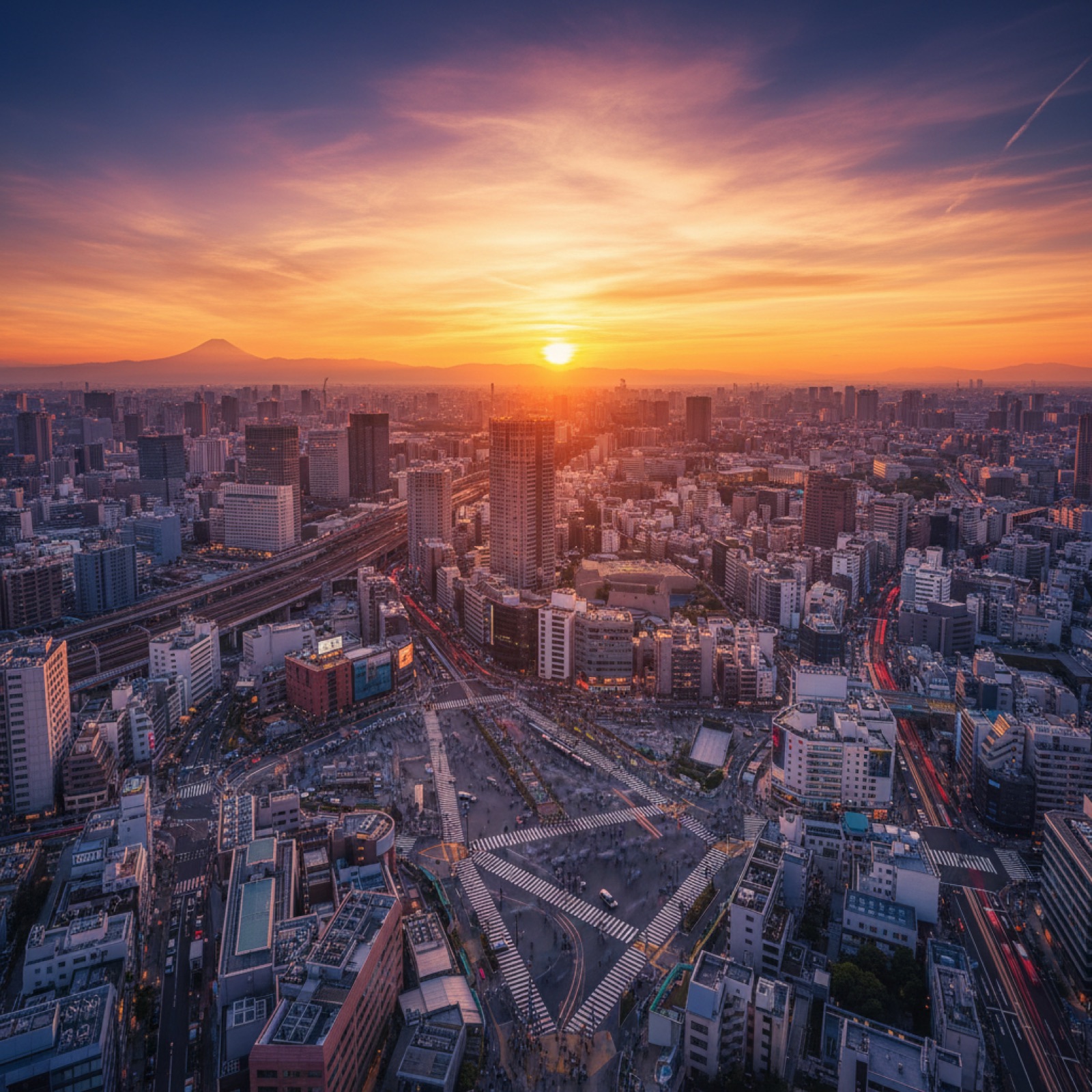
In this guide
- My Unforgettable Ascent to Shibuya Sky
- Table of Contents
- Shibuya Sky: What is it, and Why Visit?
- Planning Your Visit: Shibuya Sky Tickets & Best Times
- Getting There: Shibuya Sky Access & Shibuya Scramble Square
- Exploring Shibuya Sky: The Observatory Experience
- Shibuya Crossing from Above: The Iconic View
- Photography Tips for Shibuya Sky & Best Tokyo Views
- Beyond the Sky: Nearby Shibuya Attractions & Activities
- Budget Breakdown: A Shibuya Sky Visit
- Pro Tips for an Unforgettable Shibuya Sky Experience
- Common Mistakes to Avoid at Shibuya Sky
- Conclusion: Your Shibuya Sky Adventure
This guide is part of our Tokyo Travel Guide: Neighbourhoods, Food and Getting Around — start there for the overview, itineraries and costs.
My Unforgettable Ascent to Shibuya Sky
On a crisp autumn evening, Shibuya Sky offers an astonishing vantage point over the sprawling metropolis of Tokyo. The city, usually a chaotic symphony at street level, transforms into an illuminated tapestry stretching to the horizon. From the open-air observation deck, with a cool breeze on your face, you can watch the famous Shibuya Crossing pulse with life hundreds of feet below – it's nothing short of magical. This isn't just another observation deck; it's an experience that redefines what you think you know about Tokyo viewpoints.
Many visitors plan their Tokyo itinerary around iconic sights, but few offer the panoramic scope and sheer thrill of Shibuya Sky. This is one of the absolute must-do experiences, especially if you want to capture those postcard-perfect shots of one of the world's busiest intersections from above. From managing the crowds to securing the best spots, this guide is packed with everything you need to make your Shibuya Sky experience truly breathtaking.
Table of Contents
- Shibuya Sky: What is it, and Why Visit?
- Planning Your Visit: Shibuya Sky Tickets & Best Times
- Getting There: Shibuya Sky Access & Shibuya Scramble Square
- Exploring Shibuya Sky: The Observatory Experience
- Shibuya Crossing from Above: The Iconic View
- Photography Tips for Shibuya Sky & Best Tokyo Views
- Beyond the Sky: Nearby Shibuya Attractions & Activities
- Budget Breakdown: A Shibuya Sky Visit
- Pro Tips for an Unforgettable Shibuya Sky Experience
- Common Mistakes to Avoid at Shibuya Sky
- Conclusion: Your Ultimate Shibuya Sky Adventure Awaits
Shibuya Sky: What is it, and Why Visit?
So, what exactly is Shibuya Sky? Perched atop the Shibuya Scramble Square building, which soars 230 meters (approximately 755 feet) above ground, it's one of Tokyo's newest and most spectacular observation decks. Opened in November 2019, it quickly became a sensation, offering unparalleled 360-degree views of the cityscape. Unlike many enclosed observation decks, Shibuya Sky boasts a large open-air rooftop area, providing an exhilarating sense of space and connection to the city below. This unique design sets it apart as a premier destination for those seeking the best Tokyo views.
The entire experience is thoughtfully designed. It's not just about the view; it's about the journey to get there. From the moment you step into the 'Sensing Hall' with its immersive digital art, you realize this is more than just a ride up an elevator. The ultimate reward, of course, is stepping out onto the 'Sky Stage' – the open-air rooftop. From here, you can see landmarks like Tokyo Tower, Tokyo Skytree, and even Mount Fuji on a clear day. The energy of Shibuya is palpable, yet you feel strangely serene, high above the hustle and bustle.
Why Shibuya Sky Stands Out Among Tokyo Viewpoints
While Tokyo has several excellent observation decks, Shibuya Sky offers a unique combination of features:
- Open-Air Experience: The rooftop 'Sky Stage' is a game-changer. No reflections from glass walls ruin your photos, and the fresh air adds to the sensory experience. It's truly a different way to enjoy Tokyo viewpoints.
- Direct View of Shibuya Crossing: This is a massive draw. Being able to look down directly at the world-famous Shibuya Crossing as it pulses with pedestrians is captivating. No other major observation deck offers such a clear vantage point of this iconic landmark. It makes for an incredible Shibuya Crossing experience.
- Modern Design and Amenities: The entire facility is sleek, modern, and well-maintained. There are comfortable seating areas, a bar, and even hammocks on the rooftop.
- Strategic Location: Situated in the heart of Shibuya, it's easily accessible and integrates perfectly into a day of exploring the district's trendy shops, restaurants, and entertainment.
Planning Your Visit: Shibuya Sky Tickets & Best Times
Securing your Shibuya Sky tickets in advance is absolutely crucial, especially if you're visiting during peak season, holidays, or want to catch the magical sunset. Turning up on a whim hoping for a sunset slot can see you politely turned away. This popular attraction sells out quickly.
How to Buy Shibuya Sky Tickets
There are two main ways to purchase your tickets:
-
Online (Recommended): This is the best method to guarantee your entry, especially during busy periods or for a specific time slot like sunset. Tickets go on sale two weeks before the visit date via the official Shibuya Sky website. They offer timed entry slots every 20 minutes.
- Official Website: www.shibuya-sky.jp/en/ticket/
- Online Price: Adults (12+) ¥2,700 (approx. $18 USD) for entry until 14:59, or ¥3,400 (approx. $23 USD) for entry from 15:00. Child tickets (¥1,200) are sold only at the on-site counter on the day; preschoolers enter free.
-
On-site (Limited Availability): You can try to purchase tickets at the counter on the 14th floor of Shibuya Scramble Square. However, these are often sold out, particularly for popular time slots. If available, on-site tickets are slightly more expensive.
- On-site Price: Adults ¥3,000 (approx. $20 USD) for entry until 15:00, or ¥3,700 (approx. $25 USD) after 15:00; children ¥1,200. If adult tickets sell out online, the counter is also sold out.
Pro Tip: Always buy online! Not only do you save money, but you guarantee your spot. This matters most for Shibuya Sky tickets.
Best Times to Visit Shibuya Sky
Your choice of time slot will significantly impact your Shibuya Sky experience. Each has its own charm:
-
Morning (Opening – 11:00 AM): Ideal for clear skies and fewer crowds. If you're hoping to see Mount Fuji, morning is your best bet, especially in colder months. The light is soft for photography.
-
Afternoon (11:00 AM – 3:00 PM): Moderate crowds. Good for general sightseeing, though the light can be a bit harsh for photos. You'll still get fantastic Tokyo viewpoints.
-
Sunset (4:00 PM – 6:30 PM, varies by season): This is the undisputed most popular time, and for good reason. Watching the city transition from daylight to twilight and then sparkle with millions of lights is breathtaking. Expect large crowds, especially on the Sky Stage. Book these slots WEEKS in advance. This is also the priciest time for photographers due to the 'golden hour' and 'blue hour'.
-
Night (After Sunset – Closing): The city lights create a dynamic and exciting atmosphere. Fewer crowds than sunset, and the sparkling cityscape provides some of the best Tokyo views. It's a truly romantic setting.
Recommendation: If it's your first time, aim for a sunset slot. Arrive about 30-45 minutes before your scheduled entry time to allow for the ascent. The magic of seeing both day and night from one of the best Japan observation decks is unparalleled.
Opening Hours: Shibuya Sky is generally open from 10:00 AM to 10:30 PM (last entry at 9:20 PM). However, always check the official website for any changes, especially on holidays or for maintenance.
Getting There: Shibuya Sky Access & Shibuya Scramble Square
One of the many conveniences of Shibuya Sky is its prime location directly above Shibuya Station. This makes Shibuya Sky access incredibly easy, whether you're coming from across Tokyo or straight off a train. Shibuya Scramble Square, the building housing Shibuya Sky, is meticulously integrated with the station complex.
Address and Navigation
The entrance to Shibuya Sky is located on the 14th floor of Shibuya Scramble Square.
- Address: 2-24-12 Shibuya, Shibuya City, Tokyo 150-0002, Japan
- Google Maps Link: Shibuya Scramble Square on Google Maps
Accessing Shibuya Sky from Shibuya Station
Shibuya Station is a major transportation hub served by multiple JR and subway lines. Here's how to navigate to Shibuya Scramble Square:
-
JR Lines (Yamanote Line, Saikyo Line, Shonan-Shinjuku Line): Exit the ticket gates and follow signs for 'Shibuya Scramble Square' or 'Chuo East Exit'. The building is directly connected. Look for elevators that will take you to the 14th floor for the Shibuya Sky entrance.
-
Subway Lines (Tokyo Metro Hanzomon Line, Fukutoshin Line, Ginza Line; Tokyu Toyoko Line, Den-en-toshi Line; Keio Inokashira Line): Shibuya Scramble Square is directly connected to the station complex. Follow signs for 'Shibuya Scramble Square' or 'Exit B6' which leads directly into the basement of the building. Once inside, look for elevators to the 14th floor.
Navigation Tip: Shibuya Station can be overwhelming due to its sheer size and multiple exits. Don't be afraid to ask for directions! Look for signs with the Shibuya Scramble Square logo, or simply follow the flow of people heading towards the new, tall building right next to the famous crossing. The staff there are usually very helpful for Shibuya Sky access.
Exploring Shibuya Sky: The Observatory Experience
Your Shibuya Sky experience begins the moment you scan your ticket. Known as 'Sensing Hall' on the 14th floor, it's where you'll find the ticket counter (if purchasing on-site), lockers, and an elevator called 'TRANSITION POD'. This isn't just any elevator; it features a dazzling audiovisual display that builds anticipation as you ascend rapidly to the 45th floor. It sets the tone for the spectacle to come.
The Indoor Panorama: Step One
Upon exiting the TRANSITION POD on the 45th floor, you'll enter the 'SKY GALLERY'. This indoor observation area boasts comfortable seating, panoramic windows, and interactive displays that provide information about the Tokyo landmarks visible from above. It's a great spot to take a breather, enjoy air conditioning on a hot day, or seek shelter from rain, all while still enjoying some of the best Tokyo views. There's also a souvenir shop (more on that later) and a bar here.
The Sky Stage: The Open-Air Rooftop
The true highlight, and what elevates Shibuya Sky above many other Japan observation decks, is the 'Sky Stage' on the 46th floor. To access it, you'll take another escalator from the 45th floor. Before reaching the rooftop, staff will ask you to store all hats, scarves, large bags, and any items that could fly away (like AirPods cases!) into paid lockers. Only your phone, small wallet, and camera (with a strap) are allowed. This is for safety, given the strong winds potential at this height.
- Locker Cost: ¥100 per use (approx. $0.68 USD), which is refundable if you return the key within a certain timeframe. Don't cheap out on this; it's easy to lose a hat up there!
Stepping out onto the Sky Stage is truly invigorating. The 360-degree views are simply breathtaking. You'll find several distinct areas:
-
Corner Lounges: These are popular spots for photos, offering unobstructed views of different parts of the city. Expect queues here during peak times.
-
Glass Walls: Along the edges, reinforced glass barriers provide safety without compromising the view. These are perfect for looking straight down at the Shibuya Crossing experience.
-
Sky Edge: A truly unique feature is a large glass floor panel towards one corner, allowing you to look straight down to the street level with a thrilling sense of height. Not for the faint of heart!
-
Helipad: In the center of the rooftop, there's a helipad area. Occasionally, special events or photography sessions are held here, but generally, it's open for visitors to walk around and enjoy the space.
-
'Cloud Hammocks': On one side, you'll find comfortable mesh hammocks where you can lie back and gaze up at the sky or across the city. They're surprisingly cozy and a great spot for a unique perspective.
-
Sky Gallery 46 (Indoor area): If weather conditions are harsh or you need a break, there's a small indoor section on the 46th floor with a bar ('Paradise Lounge') serving drinks and light snacks. It's a good place to escape the elements while still enjoying a prime Tokyo viewpoint.
Shibuya Sky Souvenirs and Dining
-
SHIBUYA SKY SOUVENIR SHOP: Located on the 46th floor, this shop offers a range of curated items, from Shibuya Sky branded merchandise to unique Tokyo-themed gifts. Prices are typical for tourist attractions in Japan. Expect to pay around ¥800-¥2,000 (approx. $5.40-$13.50 USD) for small souvenirs like keychains or themed snacks.
-
Paradise Lounge: This bar on the 46th floor (indoor area) is perfect for enjoying a drink with a view. They offer alcoholic beverages (beer from ¥800/approx. $5.40 USD, cocktails from ¥1,000/approx. $6.75 USD) and non-alcoholic options, along with some light snacks. It’s a great way to unwind after taking in the best Tokyo views.
Shibuya Crossing from Above: The Iconic View
For many visitors, the chance to witness the legendary Shibuya Crossing from above is a primary reason to visit Shibuya Sky. It does not disappoint. From this height, the organized chaos of the 'scramble' takes on a mesmerizing, almost choreographic quality.
From the Sky Stage, look towards the lower side of Shibuya Scramble Square building. You'll see the crossing directly below you, framed by the surrounding vibrant buildings. From up high, it's striking how smoothly the thousands of pedestrians flow, despite seemingly crossing in every direction. It truly highlights the incredible efficiency and order of Tokyo.
The Best Spot for Shibuya Crossing Photos
The best vantage point for capturing the Shibuya Crossing experience from a high angle is usually along the glass barriers on the side of Shibuya Sky that directly overlooks the intersection. During peak times, especially sunset, these spots can get crowded. Be patient, and you'll get your turn. Consider using the video function on your phone to capture the dynamic movement.
When to See the Shibuya Crossing in Full Glory
- Rush Hour: Weekday mornings (7 AM - 9 AM) and evenings (5 PM - 7 PM) are when the crossing is at its busiest, offering the most dramatic displays of pedestrian movement.
- Weekend Afternoon/Evening: Weekends also see significant crowds, particularly Saturday afternoons and evenings.
- Just Before Sunset: Combining the sunset view with the increasing density of the crossing as people head out for the evening makes for an unforgettable scene.
Remember that the crossing is active almost constantly, so you'll always see some movement, but for the true 'scramble' effect, aim for busier times. This unique perspective is what makes Shibuya Sky one of the essential Shibuya attractions.
Photography Tips for Shibuya Sky & Best Tokyo Views
Shibuya Sky offers incredible photo opportunities, but you'll need to be prepared. Those sweeping Tokyo viewpoints demand a bit of planning!
Camera Gear and Restrictions
-
DSLRs/Mirrorless Cameras: Absolutely bring your good camera! A wide-angle lens (16-35mm equivalent) is great for capturing the vastness of the city. A telephoto lens (70-200mm equivalent) can be useful for picking out distant landmarks or compressing the perspective of the Shibuya Crossing.
-
Tripods/Monopods: Unfortunately, these are *not* allowed on the Sky Stage (rooftop) for safety reasons and to manage crowd flow. This is a common rule at most Japan observation decks.
-
Camera Straps: Crucial! All cameras must have a strap around your neck or wrist. Security staff are strict about this.
-
Phones: Perfect for quick shots, videos, and panoramas. Most modern phone cameras do an excellent job here, especially in good lighting.
-
Drones: Absolutely forbidden.
Gear Recommendation: A mirrorless camera with a 24-70mm lens is the most versatile option. For sunset/night shots without a tripod, increase your ISO, use a fast lens (low aperture), and brace your camera against the glass barrier for stability.
Lighting and Timing for the Best Shots
-
Golden Hour (Sunrise/Sunset): As mentioned, sunset is incredibly popular. The warm, soft light is ideal for photography, creating beautiful hues over the city. Be prepared for crowds and strategically position yourself early.
-
Blue Hour (Just after sunset): This is magical. The sky turns a deep indigo, and the city lights truly start to sparkle. This is often when you get the most dramatic and vibrant shots of Tokyo at night. Don't leave immediately after the sun dips below the horizon!
-
Daytime: Excellent for clear, crisp views where you can see distant landmarks like Mount Fuji (on a very clear day). Fewer crowds mean more freedom to move around and compose your shots. Ideal for wide panoramas.
-
Night: While challenging without a tripod, night photography here is stunning. The intricate web of streetlights and neon signs creates incredible patterns. Use manual mode on your camera or phone to adjust ISO and shutter speed.
Composition and Angles
-
Shibuya Crossing: Focus on capturing the flow of people. A slightly longer exposure (if you can hold steady) can create light trails from cars and blur the pedestrians into a sea of motion. Look for interesting angles showing the full width of the crossing against the backdrop of vibrant Shibuya. It's the ultimate Shibuya Crossing experience for photographers.
-
Panoramic Views: Use a wide-angle lens or your phone's panorama mode to capture the vastness of Tokyo. Look for distinctive landmarks like Tokyo Tower, Tokyo Skytree, and the various office buildings. The 360-degree nature of Shibuya Sky means there's always a new angle.
-
Reflections: If shooting from the indoor Sky Gallery, be mindful of reflections. Try to get as close to the glass as possible and use a lens hood. On the Sky Stage, reflections aren't an issue, which is a huge plus!
-
Framing: Use the glass barriers or the edges of the roof to frame your shots, adding depth and context to the expansive best Tokyo views.
Beyond the Sky: Nearby Shibuya Attractions & Activities
After you've descended from your incredible Shibuya Sky experience, you'll find yourself in the heart of Shibuya, one of Tokyo's most vibrant and iconic districts. Don't rush off! There's a plethora of Shibuya attractions waiting to be explored.
The Shibuya Crossing (from Street Level)
It sounds obvious, but after seeing it from above, experiencing the Shibuya Crossing at street level is a must. Immerse yourself in the organized chaos, walk across with the throngs of people, and feel the pulse of Tokyo. It’s an iconic moment.
Hachiko Statue
Located just outside Shibuya Station’s Hachiko Exit, this bronze statue commemorates the loyal Akita dog who waited for his owner for years after the owner's death. It’s a popular meeting spot and a touching symbol of fidelity. Hachiko is one of the most recognizable Shibuya attractions.
Shibuya Center-Gai
This bustling pedestrian street, just across the Shibuya Crossing, is the epicenter of youth culture, fashion, and entertainment. It's lined with trendy boutiques, restaurants, arcades, and karaoke bars. Dive in for a sensory overload!
Shibuya 109
A fashion landmark, Shibuya 109 is a cylindrical building filled with dozens of small boutiques targeting young women. Even if you're not shopping, it's an interesting place to observe Shibuya's unique style.
Miyashita Park
This newly renovated rooftop park (above a shopping complex) offers a refreshing green space in the middle of Shibuya. It features a skate park, bouldering wall, sandy court, and several cafes and restaurants. It's a great spot to relax and people-watch after your Shibuya Sky experience. Expect to pay around ¥500-¥1,500 (approx. $3.40-$10.00 USD) for a coffee or snack here.
Nonbei Yokocho (Drunkard's Alley)
For a taste of old Tokyo, head to this charming, narrow alleyway near Shibuya Station. It's packed with tiny, traditional izakayas (Japanese pubs) that often seat only a handful of people. It’s a fantastic place for a unique dining experience, though many places might only speak Japanese. Small drinks start from ¥500 (approx. $3.40 USD).
MEGA Don Quijote (Shibuya)
For an overwhelming but fun shopping experience, visit this multi-story discount store. It sells everything from groceries and cosmetics to electronics and bizarre souvenirs. It's open 24/7 and a true Japanese institution.
Cat Street (Ura-Harajuku Area)
While technically between Shibuya and Harajuku, Cat Street is easily accessible from Shibuya. This pedestrian-friendly lane is known for its independent fashion boutiques, vintage shops, and cool cafes. It's a more relaxed shopping experience than the main Shibuya streets.
Food and Drink in Shibuya
Shibuya is a culinary paradise. From Michelin-starred restaurants to casual ramen shops and trendy cafes, you'll find it all. Don't miss trying some local delights:
- Ramen: Find countless ramen joints, with a bowl costing around ¥800-¥1,500 (approx. $5.40-$10.00 USD).
- Sushi: From kaiten (conveyor belt) sushi to high-end establishments, prices vary widely from ¥120 per plate to thousands of yen.
- Izakaya: Experience Japanese tapas culture with small dishes and drinks. Expect to pay around ¥2,000-¥5,000 (approx. $13.50-$34.00 USD) per person for a decent meal with drinks.
Budget Breakdown: A Shibuya Sky Visit
To help you plan your finances, here's a realistic budget breakdown for a typical visit to Shibuya Sky and some surrounding activities in Shibuya. Prices are approximate and can fluctuate based on exchange rates and specific choices.
Table: Estimated Costs for a Shibuya Sky Day Trip
| Expense Category | Estimated Cost (JPY) | Estimated Cost (USD) | Notes |
|---|---|---|---|
| Shibuya Sky Ticket (Online) | ¥2,700 - ¥3,400 | $18.00 - $23.00 | Adult price, recommended to buy online for savings and guaranteed entry. |
| Locker Rental (Shibuya Sky) | ¥100 | $0.68 | Refundable if key returned within time limit. Essential for rooftop access. |
| Transportation (Round trip within Tokyo) | ¥400 - ¥800 | $2.70 - $5.40 | Based on Tokyo Metro/JR lines. Use IC card (Suica/Pasmo) for convenience. |
| Snack/Drink at Shibuya Sky (Optional) | ¥800 - ¥1,500 | $5.40 - $10.00 | Coffee, soft drink, or light snack at Paradise Lounge. |
| Lunch/Dinner in Shibuya | ¥1,500 - ¥3,000 | $10.00 - $20.00 | A decent meal at a ramen shop, cafe, or casual restaurant. |
| Souvenir (Optional) | ¥1,000 - ¥3,000 | $6.75 - $20.00 | Small item from Shibuya Sky shop or similar. |
| TOTAL ESTIMATE | ¥6,500 - ¥11,800 | $44.00 - $80.00 | Excludes heavy shopping or high-end dining. |
Pro Tips for an Unforgettable Shibuya Sky Experience
Some insider knowledge will ensure your visit to Shibuya Sky is as smooth and spectacular as possible. These nuggets of wisdom will help you maximize your enjoyment of one of the best Tokyo views.
-
Book Sunset Tickets WEEKS in Advance: This can't be emphasized enough for a prime Shibuya Sky experience. These slots are the first to go, especially on weekends and during peak travel seasons. Don't wait until the last minute!
-
Arrive Early for Your Slot: Even with a timed ticket, arriving 15-30 minutes before your scheduled entry allows you to get through the initial check-in process calmly and be among the first to the Sky Stage for optimal photo spots. This is especially true if you are aiming for a sunset spot.
-
Check the Weather Forecast Religiously: Clear skies are paramount for the best views, especially if you hope to see Mount Fuji. Rain can lead to the Sky Stage (open-air rooftop) being closed, though the indoor gallery remains open. Strong winds can also impact the open-air section. A quick online search for 'Shibuya hourly weather' before you go is a smart move.
-
Dress Appropriately: Even on a warm day, it can be significantly windier and cooler on the rooftop. Bring a light jacket or scarf. Also, avoid loose clothing or items that could easily fly off (like Hats!). Remember the locker rule!
-
Utilize the Lockers: They are there for a reason. Don't try to sneak a small bag or hat up. Safety is the priority, and the staff are vigilant. The ¥100 is a small price to pay for peace of mind and access to the open-air deck.
-
Be Patient for Photos: The most popular photo spots (especially overlooking Shibuya Crossing or with Tokyo Tower/Skytree) will have queues. Be polite, wait your turn, and be quick once you're there. Don't hog the spot.
-
Look Beyond the Famous Landmarks: While Shibuya Crossing, Tokyo Tower, and Tokyo Skytree are compelling, take time to appreciate the sheer scale and intricate urban fabric of Tokyo that stretches in every direction. Spot the smaller details. This is one of the ultimate Tokyo viewpoints, after all.
-
Allow Ample Time: Don't rush your visit. Allow at least 1.5 to 2 hours, especially if you want to experience both day and night (if you have a sunset slot), visit the bar, and truly soak in the atmosphere. This is another tip that enhances your Shibuya Sky experience.
-
Consider a Weekday Visit: If your schedule allows, visiting on a weekday will generally mean smaller crowds, particularly outside of sunset hours. This gives you more freedom to move around and enjoy the views without feeling rushed.
-
Combine with Other Shibuya Activities: Shibuya Sky is perfectly located. Plan your visit so you can explore other Shibuya attractions before or after, such as the Shibuya Crossing at street level, Hachiko statue, or shopping at Shibuya 109.
Common Mistakes to Avoid at Shibuya Sky
Even seasoned travellers can make missteps. To help you have the smoothest Shibuya Sky experience possible, here are some common mistakes and how to avoid them:
-
Not Booking Tickets in Advance: As mentioned repeatedly, this is the biggest mistake. Showing up hoping to buy tickets for a popular time slot, especially sunset, will almost certainly lead to disappointment. You'll either be turned away or forced to buy a more expensive on-site ticket for a less desirable time.
- Solution: Purchase your Shibuya Sky tickets online, well in advance, specifically targeting your preferred time slot.
-
Underestimating Wind/Cold on the Rooftop: Even on a warm day, the open-air rooftop is high up and can be very windy and chilly. Many people arrive dressed for the street level and are uncomfortably cold.
- Solution: Always bring an extra layer, even a light jacket or scarf, especially for sunset or night visits.
-
Forgetting to Use the Lockers: Attempting to bring hats, large bags, or loose items onto the Sky Stage will result in you being turned back to store them. This costs you valuable time and can be frustrating.
- Solution: Proactively use the dedicated lockers on the 46th floor before heading up to the Sky Stage. Keep only essentials like phone and camera with a strap.
-
Leaving Right After Sunset: The 'blue hour' just after the sun dips below the horizon offers some of the most spectacular lighting for best Tokyo views and photos. Many people leave immediately once the sun is gone.
- Solution: Linger for another 30-45 minutes after sunset to experience the city's transition into full night mode and capture the magnificent blue hour.
-
Expecting to Use a Tripod: Tripods and monopods are not allowed on the open-air rooftop. Trying to use one will lead to staff intervention.
- Solution: Plan for handheld photography. Brace your camera against glass barriers for stability for night shots, increase ISO, and use a fast lens if possible.
-
Not Exploring Other Shibuya Attractions: Focusing solely on Shibuya Sky and then leaving means missing out on the vibrant culture of Shibuya itself.
Solution: Allocate time before or after your Shibuya Sky visit to explore the Shibuya Crossing at street level, Hachiko, Shibuya Center-Gai, or Miyashita Park. Integrate it into a broader Shibuya travel guide.
-
Rushing the Experience: Shibuya Sky isn't just about snapping a few photos and leaving. It's a place to soak in the atmosphere.
- Solution: Give yourself a good 1.5 to 2 hours, especially during sunset. Relax in the hammocks, grab a drink, and truly absorb the incredible Tokyo viewpoints.
Conclusion: Your Shibuya Sky Adventure
A visit to Shibuya Sky is more than just a trip to an observation deck; it's an unforgettable encounter with the electric spirit of Tokyo. From the 'TRANSITION POD' that whisks visitors upwards, setting the mood with its captivating visuals, to the exhilarating rush of stepping out onto the open-air Sky Stage, it's a remarkable experience. Witnessing the iconic Shibuya Crossing experience from such a unique perspective is a highlight, but the sheer scale and beauty of the entire sprawling metropolis laid out below make it one of the absolute best Tokyo views.
Armed with this comprehensive guide, from securing your essential Shibuya Sky tickets in advance to navigating the best photo spots and understanding the nuances of the rooftop, you are now fully equipped to plan your own perfect visit. Don't forget the pro tips about the lockers, dressing for the wind, and crucially, booking those sunset slots well ahead of time! Whether you're a first-time visitor to Japan or a seasoned Tokyo explorer, Shibuya Sky offers a fresh, breathtaking perspective that will undoubtedly become a cherished memory of your travels.
So, go ahead, plan your ascent, and prepare to be truly amazed by the panoramic majesty of Tokyo from above. Your ultimate Shibuya Sky adventure awaits!
More Japan guides
Universal Studios Japan: Tickets, Express Passes and Tips
Planning Universal Studios Japan: ticket and Express Pass options, the Wizarding World, which rides to hit first, and how to avoid the…
Zao Onsen Guide: Snow Monsters, Skiing and Hot Springs
Zao Onsen in winter: the snow monsters, the ski terrain, sulphur hot springs, how to get there from Yamagata, and when the frost-covered…
Niseko Ski Guide: Powder, Passes and Where to Stay
Niseko's four resorts compared, getting there from Sapporo, the ski season, lift passes, gear rental, accommodation, onsen, dining and a…