The Smallest Countries in Europe: A Microstate Guide
Visiting Vatican City, Monaco, San Marino, Liechtenstein, Andorra, Malta and Luxembourg, with what each is known for, travel tips and a budget guide.
In this guide
- Unveiling Europe's Smallest Countries
- Table of Contents
- The Allure of Europe's Microstates: Why Visit?
- Vatican City: The World's Smallest Sovereign State
- Monaco: The Glamorous Principality on the French Riviera
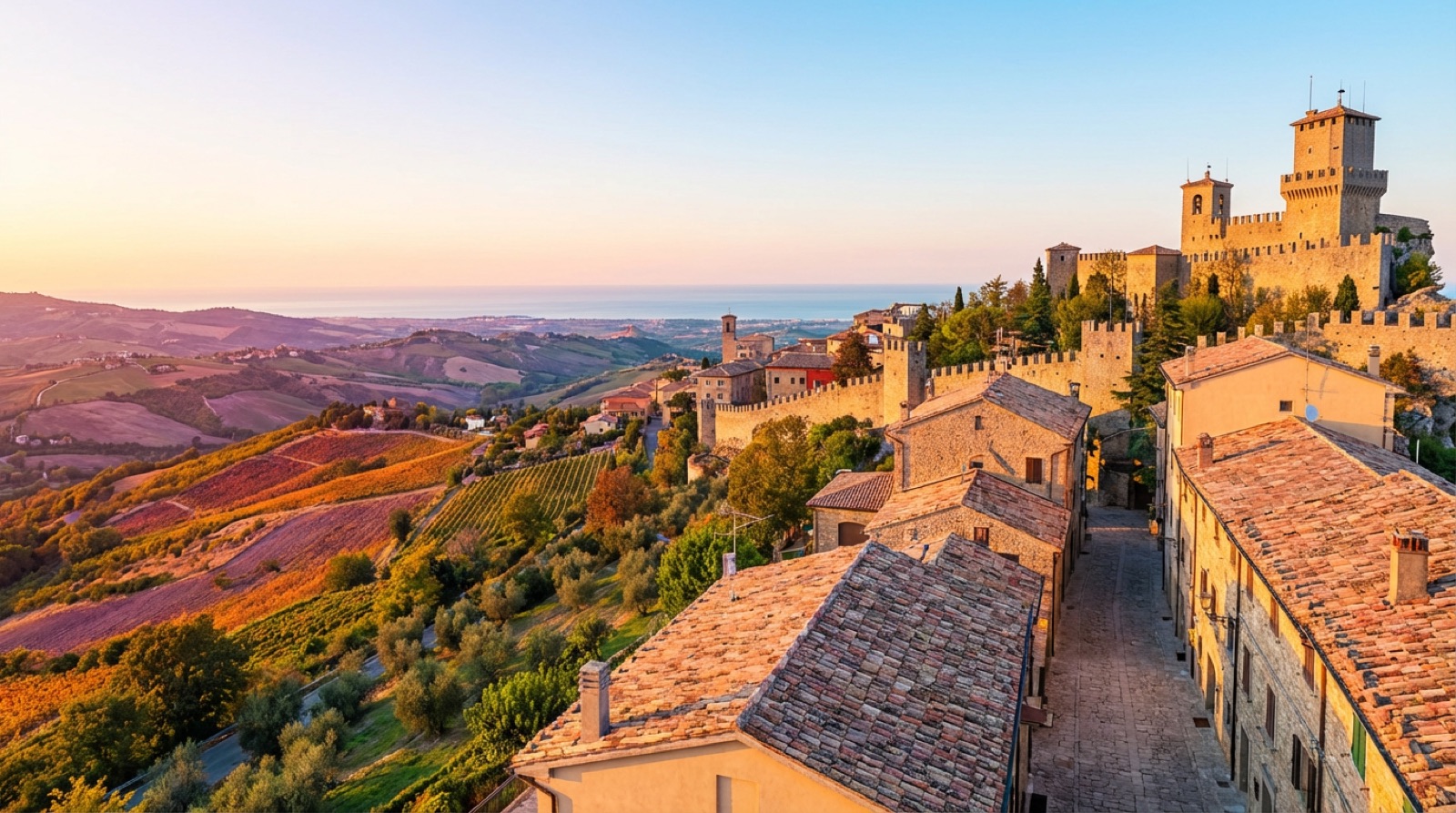
- San Marino: The Ancient Republic atop Mount Titano
- Liechtenstein: Alpine Beauty and Princely Charm
- Andorra: Pyrenean Paradise and Tax-Free Shopping
- Malta: Mediterranean History and Sunshine
- Luxembourg: The Grand Duchy of Contrasts
- Budgeting for Your European Microstates Adventure
- Pro Tips for Traveling Through Europe's Smallest Countries
- Common Mistakes to Avoid While Exploring Microstates
- Beyond the Borders: Combining Microstates with Larger Nations
- Conclusion: Your Microstate Journey
Unveiling Europe's Smallest Countries
While Paris and Rome receive millions, there's a special kind of magic in discovering Europe's smallest countries. You can navigate the bustling corridors of a sovereign state smaller than some city parks in the morning, then hike through breathtaking mountain landscapes in another by afternoon, all within a day's journey. These European microstates offer an unparalleled blend of rich history, distinctive cultures, and stunning scenery, packed into incredibly compact packages.
This ultimate 2025 travel guide isn't just about listing places; it's about helping you craft an unforgettable journey through these fascinating nations. From the ancient wonders of an independent republic within Italy to the glamour of a principality on the French Riviera, we'll dive deep into what makes each of these destinations so special. Prepare to unlock a world where every corner holds a story, every border crossing feels like stepping into a new dimension, and where the sense of discovery is magnified by the intimate scale of these incredible lands.
Table of Contents
- The Allure of Europe's Microstates: Why Visit?
- Vatican City: The World's Smallest Sovereign State
- Monaco: The Glamorous Principality on the French Riviera
- San Marino: The Ancient Republic atop Mount Titano
- Liechtenstein: Alpine Beauty and Princely Charm
- Andorra: Pyrenean Paradise and Tax-Free Shopping
- Malta: Mediterranean History and Sunshine
- Luxembourg: The Grand Duchy of Contrasts
- Budgeting for Your European Microstates Adventure
- Pro Tips for Traveling Through Europe's Smallest Countries
- Common Mistakes to Avoid While Exploring Microstates
- Beyond the Borders: Combining Microstates with Larger Nations
- Conclusion: Your Microstate Journey Awaits
The Allure of Europe's Microstates: Why Visit?
What is it about Europe's smallest countries that makes them so captivating? It's the sheer concentration of history, culture, and natural beauty. These aren't just tiny dots on a map; they are vibrant, distinct nations with their own unique stories. Imagine stepping into a millennia-old republic, gazing at masterpieces in the smallest state in the world, or skiing in the Pyrenees and then enjoying duty-free shopping, all within the span of a few days. These European microstates offer a travel experience unlike any other.
Their compact size means you can often explore a significant portion of a country in a day or two, making them perfect for short breaks or as fascinating additions to a larger European itinerary. You'll find fewer crowds in many areas compared to major capitals, and you'll encounter a genuine sense of local life. From the high-stakes glamour of Monte Carlo to the peaceful grandeur of the Alps, the diversity packed into these small nations is truly astounding. Don't underestimate the power of these pint-sized powerhouses to leave a lasting impression.
The Unique Charm of Each European Microstate
Each of the European microstates we'll explore has its own distinct personality. Vatican City, for example, is a spiritual and artistic hub, while Monaco embodies luxury and speed. San Marino offers ancient fortresses and panoramic views, and Liechtenstein boasts stunning alpine scenery. Andorra is a haven for outdoor enthusiasts and shoppers, Malta is steeped in the history of the Knights of St John, and Luxembourg presents a compelling blend of old-world charm and modern financial prowess. This rich tapestry of experiences is why it's worth carving out time for these incredible destinations.
Vatican City: The World's Smallest Sovereign State
A first visit to Vatican City is overwhelming in the most magnificent way. Emerging from the bustling streets of Rome, St Peter's Square opens up before you, an architectural marvel. It's truly mind-boggling to think that this entire sovereign state, the smallest in the world, is encompassed within the Eternal City. It's a place of profound spirituality, unparalleled art, and staggering history, making it a must-visit among Europe's smallest countries.
Key Attractions and Activities in Vatican City
- St. Peter's Basilica: This architectural masterpiece is a pilgrimage site and an artistic wonder. Climb to the top of the dome for breathtaking views of Rome and the Vatican (Entry to Basilica is free; Dome climb: €10 EUR / $10.75 USD for stairs, €12 EUR / $12.90 USD for elevator + stairs).
Address: Piazza San Pietro, 00120 Città del Vaticano, Vatican City
Opening Hours: Basilica 7:00 AM - 7:00 PM (April-September), 7:00 AM - 6:00 PM (October-March); Dome 8:00 AM - 6:00 PM (April-September), 8:00 AM - 5:00 PM (October-March) - Vatican Museums and Sistine Chapel: Prepare to be awestruck by masterpieces like Michelangelo's Sistine Chapel ceiling. Book tickets well in advance to avoid extremely long queues. (Standard entry: €20 EUR / $21.50 USD walk-up, or €25 EUR / $26.90 USD booked online including the €5 booking fee; various guided tours available at higher prices).
Address: Viale Vaticano, 00120 Città del Vaticano, Vatican City
Opening Hours: Monday-Saturday 8:00 AM - 8:00 PM (last entry 6:00 PM); closed Sundays (except last Sunday of month, free entry) and some religious holidays. Check official website for exact times. Book tickets here. - Vatican Gardens: Explore these beautiful, serene gardens, often accessible only via guided tours (Tour prices vary, often combined with museum tickets from €37 EUR / $39.80 USD).
Vatican City Travel Tips (LSI: Vatican City Visitor Info)
Dress code is strict: shoulders and knees must be covered for entry into St. Peter's Basilica and the Vatican Museums. Don't bring large bags, as they may need to be checked. For accommodation, stay in Rome's Prati or Borgo districts, which are conveniently located near the Vatican walls. Rome's public transport (metro A line to Ottaviano-S. Pietro or Cipro) connects directly.
Monaco: The Glamorous Principality on the French Riviera
Stepping into Monaco feels like walking onto a movie set – the yachts, the luxury cars, the impeccably dressed people. This tiny principality, nestled on the French Riviera, is synonymous with opulence and high-stakes glamour. It might be one of Europe's smallest countries, but its global footprint for luxury and events like the Grand Prix is immense. The harbour, with multi-million dollar vessels gleaming under the Mediterranean sun, is an unforgettable sight.
Top Experiences and Luxury Highlights in Monaco
- Monte Carlo Casino: Even if you don't gamble, a visit to this iconic Belle Époque building is a must. Dress smart.
Address: Place du Casino, 98000 Monaco
Opening Hours: Casino for gaming 2:00 PM - 4:00 AM; Atrium and Salle Renaissance for public viewing 10:00 AM - 1:00 PM daily.
Entry Fee: €18 EUR / $19.40 USD for casino access (passport required). - Prince's Palace of Monaco: Witness the Changing of the Guard ceremony daily at 11:55 AM. The State Apartments are open for tours during certain months.
Address: Place du Palais, 98000 Monaco
Opening Hours: Palace courtyards accessible; State Apartments 10:00 AM - 6:00 PM (April-October, specific dates available on website).
Entry Fee: €8 EUR / $8.60 USD for State Apartments, €12 EUR / $12.90 USD combined with Oceanographic Museum. - Oceanographic Museum: Perched on a cliffside, this world-renowned museum offers stunning aquariums and oceanographic exhibits.
Address: Avenue Saint-Martin, 98000 Monaco
Opening Hours: Varies by season, generally 9:30 AM - 7:00 PM in peak season.
Entry Fee: €18 EUR / $19.40 USD (Adult). - Formula 1 Grand Prix Circuit: Walk or drive parts of the legendary F1 track that snakes through the city streets.
Monaco Luxury Travel Tips (LSI: Monte Carlo itinerary)
Monaco is expensive, but you can experience its charm without breaking the bank. Consider staying in nearby French towns like Nice or Menton and taking a scenic train ride (train tickets Nice to Monaco: approx. €4 EUR / $4.30 USD one way). Dining options range from Michelin-starred restaurants to more accessible cafés. Public buses in Monaco are efficient (single ticket: €2 EUR / $2.15 USD). Don't miss the picturesque Jardin Exotique for incredible views and unique plants.
San Marino: The Ancient Republic atop Mount Titano
My journey to San Marino felt like stepping back in time. As you ascend Mount Titano, the views get more spectacular, culminating in the sight of the three iconic towers perched on the ridgeline. This truly ancient republic, often overlooked among Europe's smallest countries, boasts a history stretching back to 301 AD and offers a wonderfully distinct Italian-infused culture. It's a land of medieval fortresses, breathtaking panoramas, and a peaceful charm that's a refreshing contrast to its larger neighbor.
Must-See Sights and Historic Gems in San Marino
- Three Towers of San Marino: Guaita, Cesta, and Montale are the symbols of San Marino. Hike between them for incredible views. Cesta houses a museum of ancient weaponry.
Address: Salita alla Rocca, 47890 Città di San Marino, San Marino
Opening Hours: Guaita & Cesta Towers generally 9:00 AM - 5:00 PM (winter) / 8:00 AM - 8:00 PM (summer).
Entry Fee: €4.50 EUR / $4.85 USD for one tower, €7 EUR / $7.55 USD for two towers (Guaita & Cesta). - Basilica di San Marino: The main church of the republic, housing the relics of Saint Marinus.
Address: Piazzale Domus Plebis, 47890 Città di San Marino, San Marino
Opening Hours: Generally 6:30 AM - 7:00 PM. Free entry. - Palazzo Pubblico (Public Palace): The government building and its square are the heart of San Marino City.
Address: Piazza della Libertà, 47890 Città di San Marino, San Marino
Opening Hours: Varies, usually 9:00 AM - 5:00 PM (winter) / 8:00 AM - 6:00 PM (summer), closed during parliamentary sessions.
Entry Fee: €3 EUR / $3.25 USD. - Museum of Curiosity: A quirky museum showcasing strange, historical inventions and oddities.
Address: Via Salita alla Rocca, 26, 47890 Città di San Marino, San Marino
Opening Hours: Approx. 10:00 AM - 6:00 PM.
Entry Fee: €8 EUR / $8.60 USD (Adult).
San Marino Itinerary Tips (LSI: Day trip to San Marino)
San Marino is easily visited as a day trip from Rimini, Italy. A bus service (approx. €5 EUR / $5.40 USD one way) runs frequently. The historic center is pedestrianized, so wear comfortable shoes for walking up and down hills. Don't forget that San Marino has its own stamps, which are popular souvenirs. For food, try the local Torta Tre Monti cake – delicious!
Liechtenstein: Alpine Beauty and Princely Charm
Liechtenstein is a delightful surprise. Tucked between Switzerland and Austria, this small principality exudes a quiet dignity and stunning natural beauty. It's one of those Europe's smallest countries where you can feel the serenity of the Alps while being surrounded by a deeply traditional culture. Sit by the Rhine River and gaze up at Vaduz Castle for a profound sense of calm.
Exploring the Vaduz and the Stunning Scenery of Liechtenstein
- Vaduz Castle: The official residence of the Prince of Liechtenstein. While not open to the public, it's an impressive sight from the valley and a great photo opportunity.
Address: Bergstrasse 2, 9490 Vaduz, Liechtenstein - Kunstmuseum Liechtenstein (Art Museum): A striking black cube building housing modern and contemporary art.
Address: Städtle 32, 9490 Vaduz, Liechtenstein
Opening Hours: Tuesday-Sunday 10:00 AM - 5:00 PM (Thursday until 8:00 PM); closed Mondays.
Entry Fee: CHF 15 / $16.50 USD (Adult). - National Museum of Liechtenstein (Landesmuseum): Learn about the history, culture, and nature of the principality.
Address: Städtle 43, 9490 Vaduz, Liechtenstein
Opening Hours: Tuesday-Sunday 10:00 AM - 5:00 PM; closed Mondays.
Entry Fee: CHF 12 / $13.20 USD (Adult). - Malbun: A popular ski resort in winter and a hiking paradise in summer.
Address: Malbun, 9497 Triesenberg, Liechtenstein
Activities: Hiking, skiing, chairlift rides.
Liechtenstein Tourism & Practicalities (LSI: Vaduz attractions)
Liechtenstein uses the Swiss Franc (CHF) as its currency. It's well-connected by bus from Sargans or Buchs in Switzerland. The 'Citytrain' provides a charming guided tour of Vaduz (CHF 12 / $13.20 USD for 35 min tour). Don't forget to get your passport stamped at the Tourist Office in Vaduz (CHF 3 / $3.30 USD) as a unique souvenir of these incredible European microstates.
Andorra: Pyrenean Paradise and Tax-Free Shopping
The drive into Andorra through the Pyrenees is all dramatic mountain scenery. This landlocked principality, tucked between France and Spain, is a haven for outdoor adventurers and shoppers alike. It’s one of Europe's smallest countries that truly blends natural beauty with modern amenities, offering everything from world-class skiing to excellent opportunities for duty-free purchases.
Activities and Duty-Free Delights in Andorra
- Skiing and Snowboarding: Grandvalira and Vallnord are the two main ski areas, offering hundreds of kilometers of slopes. Ski season generally runs from December to April.
Price example: Grandvalira Ski Pass (1 day): €60-70 EUR / $64.50-75.30 USD depending on season. - Hiking and Mountain Biking: In summer, the ski resorts transform into prime spots for hiking and mountain biking. The Coma Pedrosa Natural Park is particularly stunning.
- Caldea Thermal Spa: One of Europe's largest mountain spas, offering thermal baths, saunas, and various treatments.
Address: Parc de la Mola, 10, AD700 Escaldes-Engordany, Andorra
Opening Hours: Varies, generally 10:00 AM - 10:00 PM.
Entry Fee: From €39 EUR / $42 USD (3-hour access to Thermoludic space). Book tickets here. - Duty-Free Shopping: Andorra is famous for its tax-free status on many goods, including electronics, perfume, alcohol, and tobacco.
Andorra Tax-Free Shopping & Travel Logistics (LSI: Andorra ski resorts)
Andorra does not have an airport or train station; access is primarily by road from Toulouse (France) or Barcelona (Spain) via bus services (Barcelona to Andorra La Vella: approx. €35 EUR / $37.65 USD one way). The official currency is the Euro. Be mindful of customs allowances when crossing back into France or Spain after your shopping spree in this unique European microstate!
Malta: Mediterranean History and Sunshine
On the island of Malta, the first things to strike you are the golden-hued limestone cities and the brilliant blue of the Mediterranean Sea. This archipelago, one of Europe's smallest countries, is a treasure trove of history, from ancient megalithic temples to the legacy of the Knights of St. John. Days in Malta can be split between exploring ancient fortifications and relaxing by the stunning coastline.
Historic Sites and Coastal Beauty of Malta
- Valletta: The capital city, a UNESCO World Heritage site, is packed with Baroque architecture and fortified walls. Don't miss St. John's Co-Cathedral, home to Caravaggio's masterpiece 'The Beheading of Saint John the Baptist'.
Address: St. John's Co-Cathedral, St John's Street, Valletta VLT 1156, Malta
Opening Hours: Monday-Friday 9:00 AM - 4:30 PM (last entry 4:00 PM), Saturday 9:00 AM - 12:30 PM (last entry 12:00 PM). Closed Sundays.
Entry Fee: €15 EUR / $16.15 USD (Adult). - Mdina: The 'Silent City', Malta's ancient capital, is a beautifully preserved fortified medieval town.
Access: Bus connections from Valletta. Free to wander; some attractions require entry fee. - Three Cities (Vittoriosa, Senglea, Cospicua): Historic fortified cities across the Grand Harbour from Valletta, offering a glimpse into Malta's maritime past. Take a traditional 'dghajsa' boat for a scenic crossing.
- Gozo and Comino: Take a ferry to these sister islands for stunning beaches, crystal-clear waters (like the Blue Lagoon), and more historical sites.
Ferry from Cirkewwa (Malta) to Mgarr (Gozo): €4.65 EUR / $5 USD (return).
Malta Historical Sites & Island Hopping (LSI: Valletta attractions)
Malta is an EU member and uses the Euro. Public buses are the most economical way to get around the main island (single ticket: €1.50-€2 EUR / $1.60-2.15 USD). Consider a multi-day tallinja card for better value. Summers are hot and busy; spring and autumn offer pleasant weather for exploring these captivating European microstates.
Luxembourg: The Grand Duchy of Contrasts
Luxembourg is a country far more intriguing than its reputation as a financial hub suggests. While undeniably modern and prosperous, the Grand Duchy also possesses a rich medieval heritage and stunning natural landscapes. It's one of Europe's smallest countries that truly offers a fascinating blend of old and new, and its capital, Luxembourg City, is a captivating place of deep gorges and ancient fortifications.
Key Attractions and Cultural Experiences in Luxembourg
- Casemates du Bock & Chemin de la Corniche: Explore the underground tunnels (casemates) built into the rock of Bock promontory, offering strategic views. Walk along the 'most beautiful balcony in Europe' – Chemin de la Corniche.
Address: Montée de Clausen, 1934 Luxembourg City, Luxembourg (Casemates entrance)
Opening Hours: Casemates generally 10:00 AM - 5:00 PM (open seasonally, closed winter).
Entry Fee: €8 EUR / $8.60 USD (Adult). - Notre-Dame Cathedral: A beautiful example of Late Gothic architecture.
Address: Rue Notre Dame, 2240 Luxembourg City, Luxembourg
Opening Hours: Depends on services, generally open to visitors during the day. Free entry. - Grand Ducal Palace: The city residence of the Grand Duke. Guided tours are available in summer.
Address: 17 Rue du Marché-aux-Herbes, 1728 Luxembourg City, Luxembourg
Opening Hours: Only open for guided tours in July & August.
Entry Fee: €15 EUR / $16.15 USD (when tours are available). - Vianden Castle: A stunning medieval castle located in the north of the country, a perfect day trip from Luxembourg City.
Address: Montée du Château, 9408 Vianden, Luxembourg
Opening Hours: Generally 10:00 AM - 4:00 PM (winter) / 10:00 AM - 6:00 PM (summer).
Entry Fee: €10 EUR / $10.75 USD (Adult).
Luxembourg Tourism & Getting Around (LSI: Luxembourg City guide)
Luxembourg is unique in offering free public transport nationwide for everyone! This includes all buses, trams, and trains (yes, FREE!). The Euro is the currency. For exploring beyond the capital, the 'Mullerthal Trail' (Little Switzerland) offers fantastic hiking opportunities. Don't underestimate this efficient and picturesque European microstate!
Budgeting for Your European Microstates Adventure
Traveling through Europe's smallest countries can range from surprisingly affordable to incredibly luxurious. A good approach is to find a balance, enjoying some splurges while being mindful of your overall budget. Here's a breakdown to help you plan your finances for these diverse destinations.
Average Daily Costs (per person, excluding flights)
| Microstate | Budget Traveler | Mid-Range Traveler | Luxury Traveler |
|---|---|---|---|
| Vatican City | €40-60 / $43-65 | €80-120 / $86-129 | €150+ / $160+ |
| Monaco | €70-100 / $75-108 (staying outside) | €150-250 / $160-270 | €400+ / $430+ |
| San Marino | €30-50 / $32-54 | €60-90 / $65-97 | €120+ / $130+ |
| Liechtenstein | €60-80 / $65-86 | €100-150 / $108-162 | €200+ / $215+ |
| Andorra | €50-70 / $54-75 | €90-140 / $97-150 | €180+ / $195+ |
| Malta | €50-70 / $54-75 | €80-130 / $86-140 | €160+ / $172+ |
| Luxembourg | €50-70 / $54-75 | €100-150 / $108-162 | €200+ / $215+ |
Note: These are estimates for 2025 and can vary widely based on individual choices, season, and booking in advance. Currency conversions are approximate. Monaco is significantly more expensive if staying within the principality.
Accommodation Tips for Budget and Mid-Range Travelers
- Vatican City: Stay in Rome's Prati district for easy access. Budget hostels from €25-40 / $27-43 USD, mid-range hotels from €80-130 / $86-140 USD.
- Monaco: For true budget Monaco luxury travel, stay in nearby Nice or Menton (France). Hostels in Nice from €20-35 / $21-38 USD, hotels from €70-120 / $75-129 USD.
- San Marino: Hotels in the historic center start from €60-100 / $65-108 USD. Staying in Rimini, Italy, and taking a day trip is a cheaper option.
- Liechtenstein: Limited accommodation. Budget hostels/guesthouses from CHF 50-70 / $55-77 USD, hotels from CHF 100-180 / $110-198 USD. Search in Vaduz or nearby Balzers.
- Andorra: Hotels in Andorra La Vella range from €50-90 / $54-97 USD for mid-range. Ski season prices are higher.
- Malta: Guesthouses and B&Bs from €40-70 / $43-75 USD. Hotels from €80-150 / $86-162 USD.
- Luxembourg: Hostels in Luxembourg City from €35-50 / $38-54 USD. Hotels from €90-160 / $97-172 USD.
Pro Tips for Traveling Through Europe's Smallest Countries
A few insights will enhance your journey through Europe's smallest countries. These aren't just minor details; they can genuinely transform your experience.
- Passport Stamps: Many of these microstates offer novelty passport stamps (Vatican City, San Marino, Liechtenstein, Andorra). Some are free, others charge a small fee. It's a fantastic souvenir and a way to prove you've visited these unique nations. Always ask at the tourist information office!
- Currency Confusion: Be aware that while most use the Euro, Liechtenstein uses the Swiss Franc (CHF), and Andorra technically uses the Euro but has no central bank (meaning notes can be from any Eurozone country). Always carry some local cash for smaller purchases.
- Public Transport is Your Friend: Most microstates are incredibly walkable, but external connections often rely on efficient public transport. Luxembourg's free public transport is a game-changer. Research bus schedules meticulously, especially for less frequent routes.
- Go Beyond the Capital: While the capitals are charming, venturing into the surrounding areas often reveals stunning natural beauty or quaint villages. For instance, exploring the 'Little Switzerland' region in Luxembourg or the hiking trails of Liechtenstein.
- Respect Local Customs: Each microstate has its own subtle nuances. Dress respectfully in Vatican City, understand Monaco's high-society etiquette, and appreciate the quiet pride of places like San Marino and Liechtenstein.
- Book Accommodations and Major Attractions in Advance: Due to their compact size and often limited options, popular attractions and accommodations, especially in peak season, can book out quickly. This is particularly true for things like Vatican Museums tickets or Monaco Grand Prix viewings.
- Combine with Larger Nations: These microstates are perfectly positioned for integration into longer itineraries. Think of combining a visit to the Vatican with a trip to Rome, Monaco with the French Riviera, San Marino with Emilia-Romagna, or Liechtenstein with a Swiss Alps adventure.
Common Mistakes to Avoid While Exploring Microstates
Even seasoned travelers can sometimes fall into traps if not careful. Here are some common pitfalls to sidestep when exploring Europe's smallest countries to ensure a smooth and enjoyable trip.
- Underestimating Travel Times: While small, getting to some of these microstates can take time due to mountainous terrain (Andorra, Liechtenstein) or reliance on specific bus schedules (San Marino). Don't assume everything is a quick hop.
- Ignoring Dress Codes: This is crucial for Vatican City. Visitors with uncovered shoulders can end up buying an overpriced scarf outside St. Peter's. Always err on the side of caution with conservative attire for religious sites.
- Only Visiting for a Few Hours: While many can be seen in a day, spending an overnight offers a completely different, more tranquil experience, especially after day-trippers depart. The evening atmosphere in San Marino or Mdina, Malta, is magical.
- Not Understanding Currency Differences: As mentioned, Liechtenstein uses CHF. Using Euros there means getting change in CHF at potentially unfavorable rates. Always check local currency.
- Overlooking Customs Regulations (Especially for Andorra): Andorra's duty-free status is great, but there are strict limits on what you can take into France or Spain without paying duties. Be informed to avoid fines.
- Assuming English is Widely Spoken Everywhere: While common in tourist areas, especially in smaller shops or rural parts of these European microstates, knowing a few basic phrases in Italian (San Marino, Vatican City), French (Monaco, Luxembourg, Andorra), or German (Liechtenstein, Luxembourg) will go a long way.
- Not Checking Opening Hours/Days: Smaller museums or attractions in microstates can have more limited opening hours or be closed on specific days (e.g., Vatican Museums closed Sundays). Always check official websites before your visit.
Beyond the Borders: Combining Microstates with Larger Nations
One of the true joys of exploring Europe's smallest countries is their perfect geographical integration with larger, well-known destinations. This allows for incredibly diverse itineraries, blending iconic landmarks with undiscovered gems. Here are some of the best combinations:
- Italy & Vatican City/San Marino: Rome is the obvious gateway to Vatican City. You can easily spend a morning in the smallest state and an afternoon exploring ancient Roman ruins. San Marino is a natural extension of a trip through Italy's Emilia-Romagna or Marche regions, perhaps after a visit to Bologna or Florence.
- France & Monaco: The French Riviera provides the perfect backdrop for a visit to Monaco. Base yourself in Nice, explore Cannes and Éze, then spend a day or two indulging in Monte Carlo's glamour.
- Switzerland/Austria & Liechtenstein: Liechtenstein is nestled perfectly between these two Alpine giants. Combine a scenic train journey through Switzerland with a day trip to Vaduz, or incorporate it into an Austrian skiing holiday.
- Spain/France & Andorra: The Pyrenees provide a stunning route to Andorra. Whether it's driving from Barcelona or Toulouse, you can easily add a few days of skiing, hiking, or duty-free shopping to a broader Spanish or French adventure.
- Mediterranean Cruise & Malta: Malta is a popular stop on many Mediterranean cruises, but it deserves more than a few hours. Extend your stay to properly explore its rich history and beautiful coastline, perhaps even combining it with Sicily.
- Belgium/Germany & Luxembourg: Luxembourg is a fantastic addition to a trip through the Benelux region or the German Rhineland. Its excellent train connections make it easy to reach from Brussels, Cologne, or Trier.
By thoughtfully planning your itinerary, you can maximize your time and experience the incredible diversity that these European microstates offer, making your European journey truly unique.
Conclusion: Your Microstate Journey
Exploring Europe's smallest countries is one of the most rewarding experiences in European travel. From the spiritual grandeur of the Vatican to the dazzling coastlines of Monaco and Malta, and the serene mountain landscapes of Liechtenstein and Andorra, these microstates punch far above their weight in terms of cultural richness, historical significance, and sheer natural beauty.
Each of these European microstates offers a distinctive experience, packed into a wonderfully manageable size. They are perfect for travellers seeking something beyond the ordinary, a chance to collect unique passport stamps, and to immerse themselves in cultures that have held their own against the tides of history. So, pack your bags, prepare for some unforgettable scenery and stories, and embark on your own adventure through Europe's smallest countries. You won't be disappointed.
More Europe guides
St Mark's Basilica: Tickets, Timing and Beating the Crowds
Tickets and tours, opening hours, dress code, what to see inside, getting there through Venice, the basilica's history and nearby St…
Annaberg Ski Resort: A Day Trip Guide From Vienna
Annaberg's ski area in Lower Austria: slopes and lifts, flexible lift pricing and regional passes, getting there from Vienna, ski school…
Iceland on a Budget: Your Guide to Affordable Adventures
What Iceland really costs and how to cut it — campervan versus car, supermarket strategy, free hot springs and attractions that never…