What to Wear Skiing for the First Time
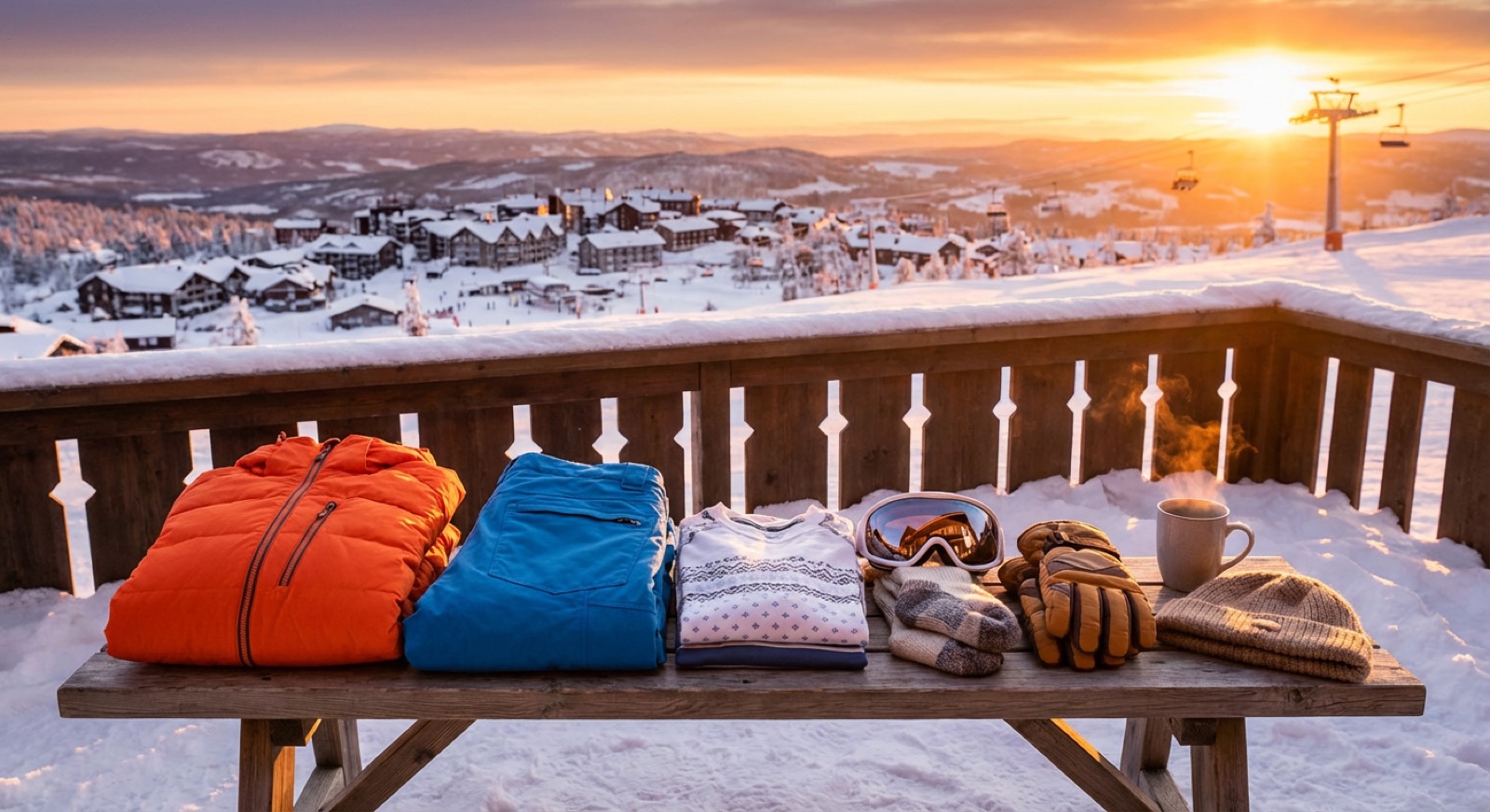
What to wear skiing as a beginner - base, mid and outer layers, gloves, goggles and helmets, and what is worth renting rather than buying your first time.
In this guide
Last Updated: December 2024
Learning from My Frozen Mistakes
My first ski trip was a disaster. I showed up in jeans, a cotton hoodie, and borrowed gloves that soaked through in an hour. By lunch, I was shivering, miserable, and wondering why anyone would voluntarily do this. That experience taught me that knowing what to wear skiing for the first time is just as important as learning how to turn.
Getting ski gear right matters. This guide will help you avoid common mistakes – whether you're hitting the slopes next week or planning ahead, proper clothing will transform your experience from survival mode to genuine fun.
Table of Contents
- The Layering System Explained
- Base Layer Guide
- Mid Layer Options
- Outer Layer: Jackets and Pants
- Essential Accessories
- Rent vs. Buy Guide
- Budget Breakdown
- Common Mistakes to Avoid
- Pro Tips
- Conclusion
The Layering System Explained
Proper ski clothing works as a system with three layers, each serving a specific purpose:
| Layer | Purpose | Key Feature |
|---|---|---|
| Base Layer | Moisture management | Wicks sweat away from skin |
| Mid Layer | Insulation | Traps warmth |
| Outer Layer | Protection | Blocks wind, water, and snow |
Why layering matters: Temperature varies dramatically throughout a ski day. You'll be cold on chairlifts, warm while skiing, and sweaty after falls. Layers let you regulate temperature by adding or removing pieces.
Base Layer Guide
What to Look For
- Material: Merino wool or synthetic (polyester/polypropylene)
- Fit: Snug but not restrictive
- Coverage: Long sleeves, full-length legs
NEVER Wear Cotton
This is the most important rule in ski clothing: no cotton. Cotton absorbs moisture and holds it against your skin, making you cold and clammy. When people say they got cold skiing, they usually wore cotton.
Best Base Layer Options
| Brand/Product | Price | Material | Best For |
|---|---|---|---|
| Smartwool 250 | $90-100 | Merino | Cold days, comfort |
| Patagonia Capilene | $50-70 | Synthetic | All-around |
| Uniqlo Heattech | $20-30 | Synthetic | Budget option |
| 32 Degrees | $15-25 | Synthetic | Entry-level |
Mid Layer Options
Types of Mid Layers
- Fleece: Lightweight, breathable, affordable. Best all-around choice for beginners.
- Down: Maximum warmth, very packable. Best for cold days.
- Synthetic insulation: Warm when wet, durable. Good for variable conditions.
Recommended Mid Layers
| Product | Price | Warmth | Notes |
|---|---|---|---|
| Patagonia R1 | $130 | Medium | Classic, breathable |
| The North Face Denali | $180 | High | Iconic, durable |
| Uniqlo Ultra Light Down | $70 | High | Great value |
| Columbia Fleece | $40-60 | Medium | Budget pick |
Outer Layer: Jackets and Pants
Ski Jacket Features
- Waterproof rating: 10,000mm minimum (15,000mm+ ideal)
- Breathability: 10,000g minimum
- Powder skirt: Blocks snow from entering at waist
- Pit zips: Allow venting when hot
- Goggle pocket: Lined to prevent scratching
- Lift pass pocket: Usually on left sleeve
Ski Pants Features
- Waterproof rating: 10,000mm minimum
- Boot gaiters: Prevent snow from entering boots
- Reinforced cuffs: Protect against ski edge cuts
- Thigh vents: Temperature regulation
Recommended Outer Layers
| Product | Price | Level | Notes |
|---|---|---|---|
| Patagonia Powder Town | $350-450 | Premium | Excellent all-around |
| The North Face ThermoBall | $250-350 | Mid-range | Good insulation |
| Columbia Bugaboo | $150-200 | Budget | Great value |
| 686 SMARTY Jacket | $200-280 | Mid-range | Removable liner |
Essential Accessories
Helmet (Mandatory)
Non-negotiable for beginners. Many resorts now require helmets for lessons.
- Rental: $10-15/day
- Purchase: $50-150 (Smith Holt, Giro Ledge)
Goggles
Protect eyes from sun, wind, and snow. Essential for visibility.
- Rental: $10-15/day
- Purchase: $30-100 (Smith Cascade, Oakley O-Frame)
Gloves
Your hands will get cold and wet. Quality gloves are essential.
| Type | Price Range | Best For |
|---|---|---|
| Budget gloves | $20-40 | Occasional skiing |
| Mid-range gloves | $50-100 | Regular skiing |
| Mittens | $40-80 | Maximum warmth |
Neck Gaiter/Balaclava
Protects face and neck from cold. Merino wool or fleece options from $15-40.
Ski Socks
One pair of proper ski socks – NOT multiple regular socks.
- Best brands: Darn Tough, Smartwool, Icebreaker
- Price: $20-30 per pair
- Key feature: Merino wool, cushioned shin/calf areas
Rent vs. Buy Guide
Rent for First Time
- Skis, boots, poles – always rent as a beginner
- Helmet – rent unless you'll ski multiple times
- Goggles – rent or buy cheap pair
Buy Before First Trip
- Base layers (you'll use these for other activities)
- Mid layer fleece (versatile, everyday use)
- Ski socks
- Neck gaiter
Rent or Buy (Depends)
- Jacket and pants – rent if unsure you'll continue skiing
- Gloves – buy if continuing, rent if one-time
Budget Breakdown
Minimum First-Time Budget
| Item | Cost | Approach |
|---|---|---|
| Base layers (top/bottom) | $40-60 | Buy (Uniqlo/32 Degrees) |
| Mid layer | $40-70 | Buy (existing fleece works) |
| Jacket rental | $25-40/day | Rent |
| Pants rental | $20-35/day | Rent |
| Ski socks | $20-30 | Buy |
| Gloves | $25-50 | Buy budget pair |
| Helmet/goggles rental | $20-30/day | Rent |
| Neck gaiter | $15-25 | Buy |
| Total First Day | $205-340 | - |
Common Mistakes to Avoid
1. Wearing Cotton
I've said it before, I'll say it again: no cotton. This includes jeans, cotton hoodies, and cotton socks.
2. Over-Layering
More layers isn't always better. You'll generate heat while skiing. Start with less – you can always add more.
3. Multiple Sock Pairs
Wearing two pairs of socks causes friction and blisters. One pair of proper ski socks is all you need.
4. Forgetting Sun Protection
UV rays are intense at altitude and reflect off snow. Sunscreen and lip balm with SPF are essential.
5. Cheap Gloves
This is where people most commonly cut corners and regret it. Wet, cold hands ruin ski days quickly.
Pro Tips
Hand Warmers Are Magic
Those $1 disposable hand warmers can save a cold day. Toss them in gloves and boot toe areas. Buy a 10-pack before your trip.
Bring an Extra Base Layer
If you get sweaty and stop for lunch, having a dry base layer to change into prevents afternoon chills.
Test Your Setup at Home
Put on all your layers before your trip. Move around, bend, stretch. Make sure nothing restricts movement or feels uncomfortable.
Lens Considerations
If buying goggles, get lenses rated for variable conditions (VLT 25-50%). Avoid very dark lenses that won't work in flat light or cloudy conditions.
Conclusion
Knowing what to wear skiing for the first time is the difference between loving the sport and freezing through a miserable day. The layering system works – trust it. Avoid cotton like the plague. Invest in quality base layers and gloves, rent everything else until you know you'll continue.
With the right clothing, you'll stay warm, dry, and comfortable – and actually have the energy to learn how to ski. Don't repeat my jeans-and-hoodie disaster. Your first day on the slopes can be magical if you're prepared.
Ready to hit the slopes? Gear up and enjoy!
More Skiing guides
Annaberg Ski Resort: A Day Trip Guide From Vienna
Annaberg's ski area in Lower Austria: slopes and lifts, flexible lift pricing and regional passes, getting there from Vienna, ski school…
Zao Onsen Guide: Snow Monsters, Skiing and Hot Springs
Zao Onsen in winter: the snow monsters, the ski terrain, sulphur hot springs, how to get there from Yamagata, and when the frost-covered…
Niseko Ski Guide: Powder, Passes and Where to Stay
Niseko's four resorts compared, getting there from Sapporo, the ski season, lift passes, gear rental, accommodation, onsen, dining and a…