Yakitori Alley, Shinjuku: What to Order and When to Go
Yakitori Alley (Memory Lane) in Shinjuku - which stalls to pick, what the skewers cost, opening hours, and the etiquette that keeps the locals happy.
In this guide
This guide is part of our Tokyo Travel Guide: Neighbourhoods, Food and Getting Around — start there for the overview, itineraries and costs.
Last Updated: December 2024
Stepping Back in Time
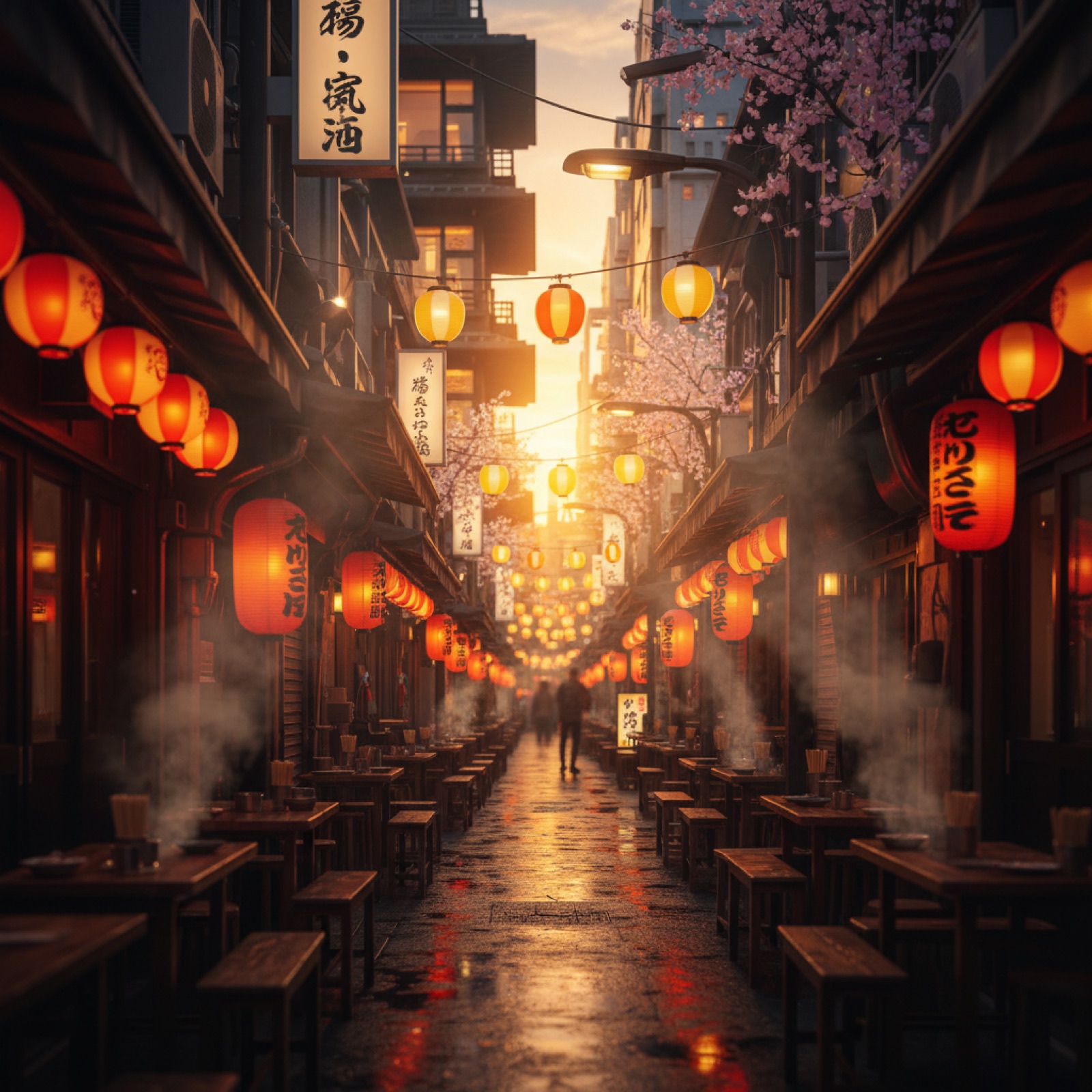
Ducking into Yakitori Alley can feel like being transported to 1950s Tokyo. Smoke billows from tiny grills, red lanterns glow against the evening sky, and salarymen squeeze onto plastic stools no bigger than dinner plates. Yakitori Alley (Memory Lane/Omoide Yokocho) is one of the city's most unforgettable experiences.
This narrow alleyway grew out of a black market set up around 1946 on ground cleared by the wartime air raids, and has survived post-war reconstruction and endless modernisation. What remains is a living time capsule – and some of the best grilled chicken in Japan.
Table of Contents
- Essential Information
- History of Yakitori Alley
- What to Order
- Best Stalls and Restaurants
- Price Guide
- Etiquette and Tips
- When to Visit
- Nearby Attractions
- Pro Tips
- Conclusion
Essential Information
| Detail | Information |
|---|---|
| Location | West exit of Shinjuku Station, alongside the JR train tracks |
| Address | 1 Chome-2 Nishishinjuku, Shinjuku City, Tokyo 160-0023 |
| Nearest Station | Shinjuku Station (West Exit), 2-minute walk |
| Hours | Most stalls open 5 PM - midnight (varies) |
| Price Range | ¥1,500-3,500 per person |
| Seating | Counter stools, very cramped |
| Reservations | Generally not accepted |
History of Yakitori Alley
Post-War Origins
Yakitori Alley emerged from the chaos following World War II. Black market vendors set up makeshift stalls near Shinjuku Station, selling whatever they could get their hands on – including chicken parts that more affluent customers rejected.
The Name "Piss Alley"
The area earned its crude nickname (Shonben Yokocho) because the original alley lacked plumbing. Men would relieve themselves against nearby walls after drinking. Today, proper facilities exist, and the more polite "Memory Lane" (Omoide Yokocho) is the preferred name.
Survival Against Odds
Despite fires, including a major blaze in November 1999 that damaged 28 of its 70 shops, and constant redevelopment pressure, the alley has been rebuilt each time. The 2020 Olympics prompted efforts to modernize, but the vendors successfully preserved the area's character.
What to Order
Yakitori Basics
Yakitori means "grilled chicken" – skewered pieces cooked over charcoal. Most shops offer two seasoning choices:
- Shio (塩): Simple salt – highlights the chicken's natural flavor
- Tare (タレ): Sweet-savory soy-based glaze
Essential Yakitori Cuts
| Japanese | English | Price | Notes |
|---|---|---|---|
| Momo | Thigh meat | ¥150-200 | Juicy, flavorful – start here |
| Negima | Thigh with scallion | ¥150-200 | Classic combination |
| Tsukune | Chicken meatball | ¥180-250 | Often served with egg yolk |
| Kawa | Chicken skin | ¥120-180 | Crispy, rich |
| Hatsu | Heart | ¥150-200 | Surprisingly tender |
| Reba | Liver | ¥150-200 | Creamy, iron-rich |
| Sunagimo | Gizzard | ¥150-180 | Chewy texture |
| Nankotsu | Cartilage | ¥130-180 | Crunchy |
| Bonjiri | Tail | ¥180-220 | Fatty, flavorful |
| Tebasaki | Wing | ¥200-280 | Grilled whole |
Beyond Yakitori
Most stalls also serve:
- Yakiton: Grilled pork skewers
- Motsu: Grilled or stewed offal
- Edamame: Salted soybeans (¥300-400)
- Ramen: Some stalls serve small bowls
Best Stalls and Restaurants
1. Asadachi (あさだち)
Specialty: Hormone (offal), organ meats
Hours: 5 PM - 11:30 PM
Seats: ~10
Best for: Adventurous eaters
2. Tori Ichibu (鳥一部)
Specialty: Traditional yakitori
Hours: 5 PM - midnight
Seats: ~8
Best for: First-timers, classic yakitori
3. Kabuto (かぶと)
Specialty: Eel (unagi) skewers
Hours: 5 PM - midnight
Seats: ~12
Best for: Trying grilled eel skewers
4. Wakaba (わかば)
Specialty: Ramen and yakitori combo
Hours: 6 PM - 1 AM
Seats: ~8
Best for: Late night cravings
Price Guide
Typical Evening Budget
| Items | Cost |
|---|---|
| 5-6 yakitori skewers | ¥800-1,200 |
| 2-3 drinks (beer/highball) | ¥600-1,000 |
| Edamame or side dish | ¥300-400 |
| Total per person | ¥1,700-2,600 |
Drink Prices
- Draft beer (large): ¥500-600
- Highball: ¥350-450
- Sake (small flask): ¥400-600
- Shochu: ¥350-500
- Soft drinks: ¥200-300
Etiquette and Tips
Ordering Etiquette
- Point and gesture if language is a barrier – staff are used to tourists
- Order drinks first (it's expected)
- Order skewers 2-3 at a time, not all at once
- Say "Shio" or "Tare" for your seasoning preference
Space Etiquette
- Expect very tight quarters – your elbows will touch neighbors
- Don't linger if there's a queue – finish and make room for others
- Large bags should be left at station lockers
Payment
- Most stalls are cash only – bring ¥5,000-10,000
- Some may have minimum orders
- Pay at end of meal
When to Visit
Best Times
| Time | Crowd Level | Atmosphere |
|---|---|---|
| 5-6 PM | Low | Stalls opening, calm |
| 6-8 PM | Medium-High | Bustling, best vibe |
| 8-10 PM | Peak | Crowded, lively |
| 10 PM - midnight | Medium | Late-night energy |
Best Days
- Weekdays: Less crowded, easier seating
- Friday/Saturday: Most atmospheric but packed
- Rainy evenings: Fewer tourists, smoky atmosphere enhanced
Nearby Attractions
Before Your Visit
- Tokyo Metropolitan Government Building: Free observation deck, sunset views (closes 9:30 PM)
- Shinjuku Gyoen: Beautiful garden, closed Mondays, closing time varies by season (enter before yakitori)
After Your Visit
- Golden Gai: 5-minute walk, 200+ tiny bars
- Kabukicho: Neon-lit entertainment district
- Don Quijote: 24-hour discount store for souvenirs
Pro Tips
Go Early or Go Late
The 7-9 PM window is chaos. Either arrive at 5:30 PM when stalls open (my preference) or after 10 PM when crowds thin.
Try the "Weird" Stuff
You're in a place famous for grilling every part of the chicken. This is your chance to try heart, liver, or gizzard prepared by masters. Start with hatsu (heart) – it's surprisingly approachable.
Use Google Maps
The alley is a maze. Screenshot your target stall's location before entering, or you'll wander the same 50 meters repeatedly.
Dress Down
You will smell like smoke. Wear clothes you don't mind airing out afterward. This is not the night for your nice jacket.
Learn the Magic Words
- "Sumimasen" (excuse me) – to get attention
- "Kanpai" (cheers) – before drinking
- "Oishii" (delicious) – makes the cook smile
Conclusion
Yakitori Alley offers something increasingly rare in modern Tokyo: genuine, unreconstructed authenticity. The smoke-stained alleys, cramped stools, and sizzling skewers create an experience that feels more real than any polished tourist attraction.
Yes, it's crowded. Yes, you'll smell like a campfire afterward. Yes, the menu is mostly in Japanese. But that's precisely the point. This is Tokyo as it existed 70 years ago, preserved against all odds. For the price of a few beers and some chicken skewers, you'll have one of your most memorable Tokyo evenings.
Ready to explore Memory Lane? The smoke is waiting!
More Japan guides
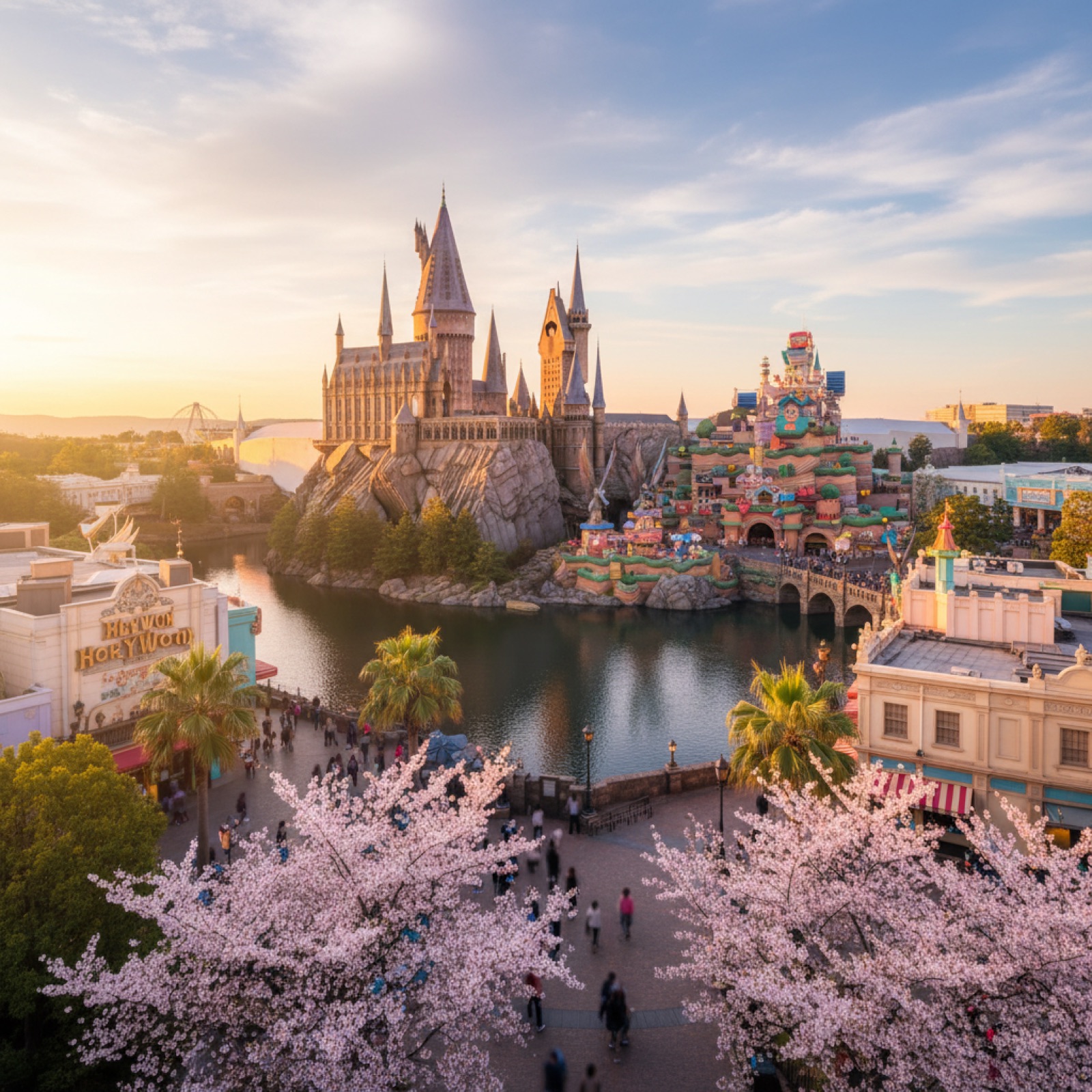
Universal Studios Japan: Tickets, Express Passes and Tips
Planning Universal Studios Japan: ticket and Express Pass options, the Wizarding World, which rides to hit first, and how to avoid the…
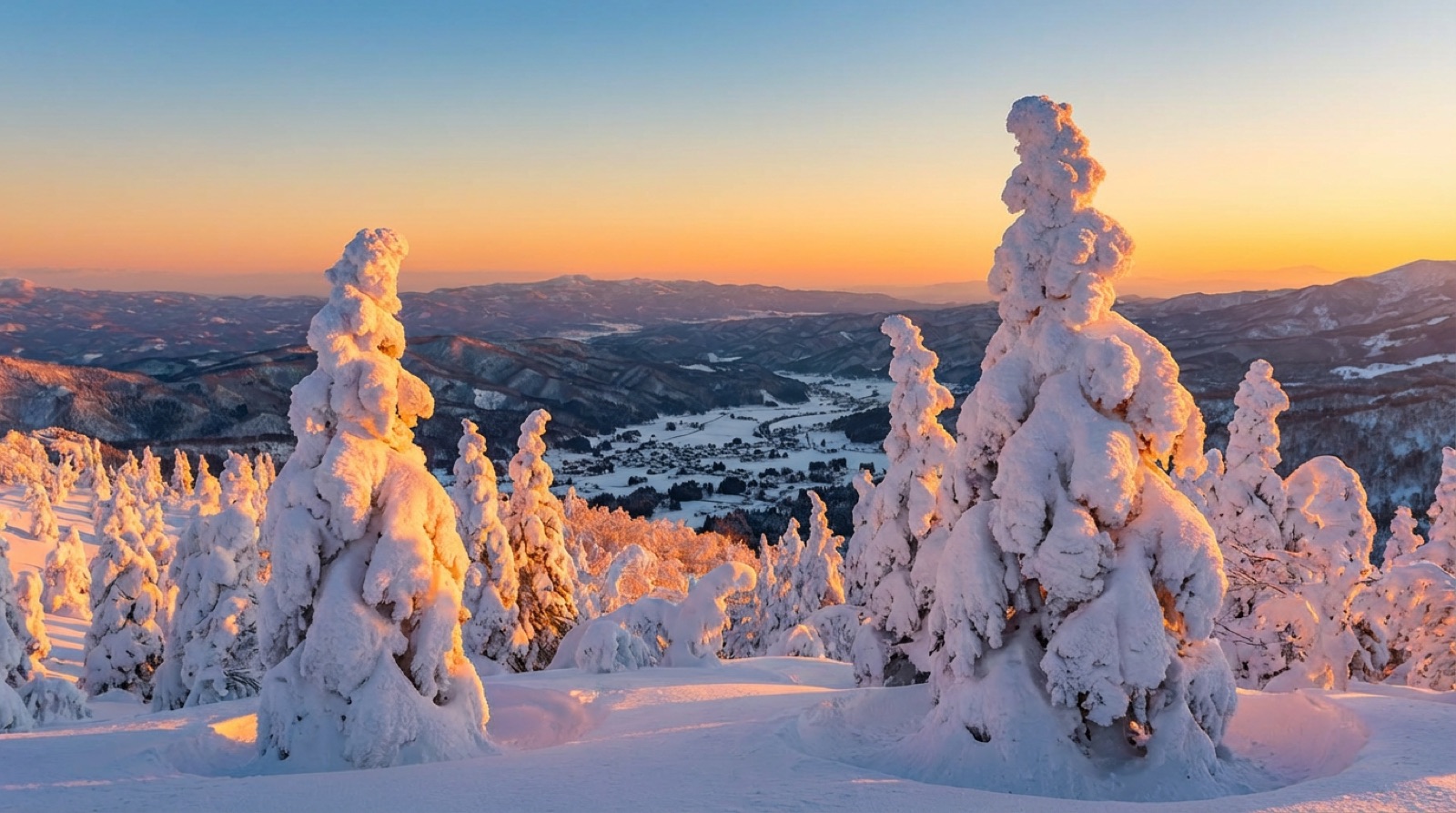
Zao Onsen Guide: Snow Monsters, Skiing and Hot Springs
Zao Onsen in winter: the snow monsters, the ski terrain, sulphur hot springs, how to get there from Yamagata, and when the frost-covered…
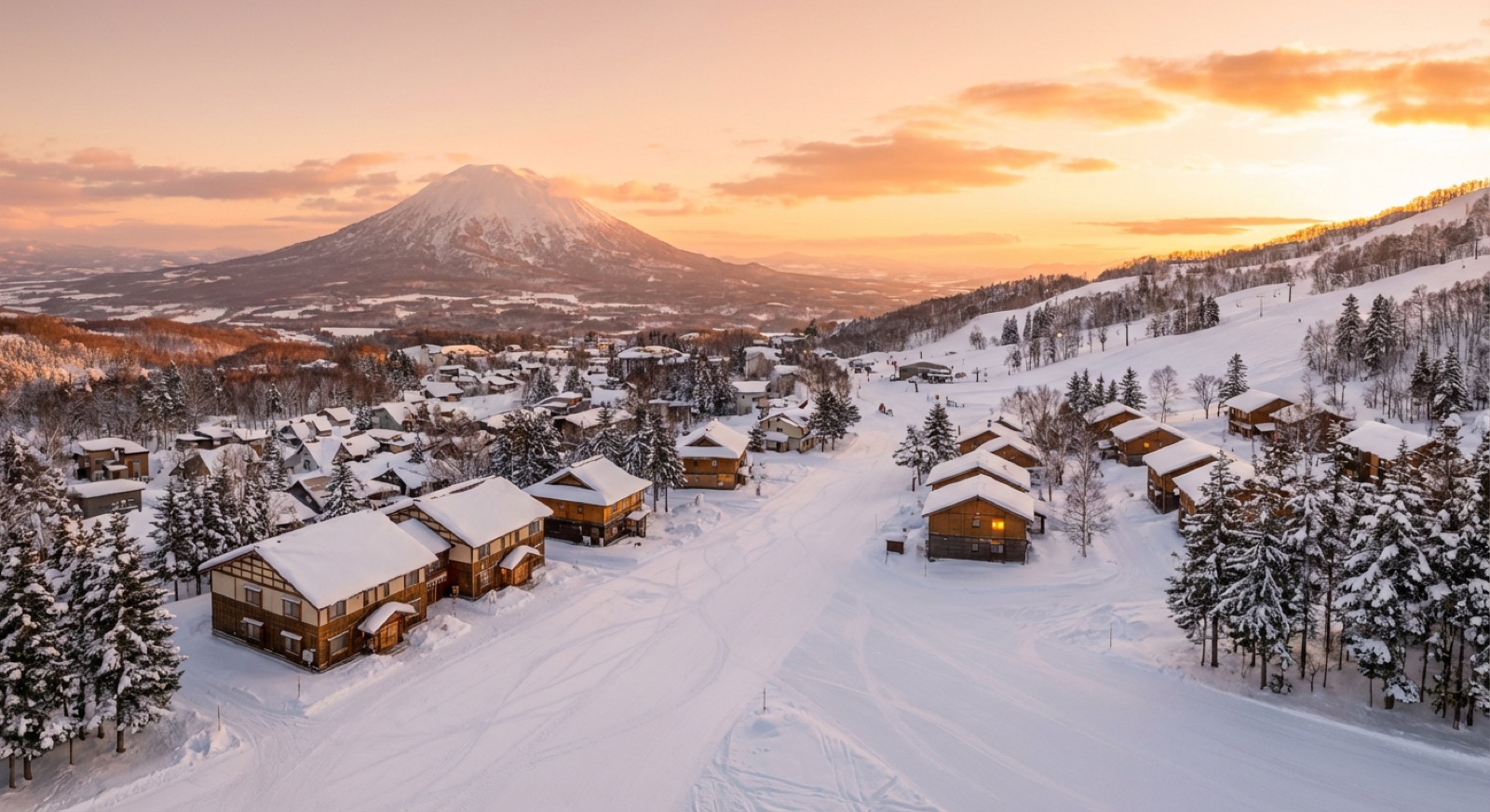
Niseko Ski Guide: Powder, Passes and Where to Stay
Niseko's four resorts compared, getting there from Sapporo, the ski season, lift passes, gear rental, accommodation, onsen, dining and a…