Argentina Travel Guide: Routes, Seasons, Distances
Planning Argentina: the huge distances, when to visit Patagonia versus the north, domestic flights and a realistic first route.
In this guide
- Quick Facts
- A Country of Epic Proportions
- When to Visit: A Tale of Two Climates
- Getting In and Around: Planes, Hubs, and Comfy Buses
- Crafting Your Itinerary: Two or Three Weeks
- Buenos Aires: The Passionate Heart
- The Subtropical North: Iguazú Falls
- The Andean North-West: Salta and Jujuy
- Patagonia: Glaciers, Mountains, and the End of the World
- A Photographer's Perspective: Capturing the Light
- Diving into Argentine Culture
- Essential Know-How: Money, Safety, and Language
- Explore in Depth
- Frequently Asked Questions
- Final Thoughts
The silence is what hits you first. Standing on the boardwalks opposite the Perito Moreno Glacier, you’re watching a wall of ice the size of a city skyline, serrated and shockingly blue. There’s no sound but the sighing of the wind across the frigid lake and the creak of your own jacket. Then comes the crack. It’s not like thunder; it’s sharper, a rifle shot that echoes off the ice. You scan the glacier’s face, trying to find the source. And then a skyscraper-sized shard of ice groans, detaches, and crashes into the milky-turquoise water below, birthing a wave that rocks the tour boats like toys. That raw, visceral display of nature’s power is one of the most incredible sights in Patagonia.
Argentina is a country that defies easy summary. It stretches over 3,700 kilometres from the steamy, subtropical jungles in the north to the subpolar tundra of Tierra del Fuego in the south. It’s a land of glacial peaks and sun-scorched deserts, of sophisticated European-style cities and gaucho traditions that feel a world away. Planning a trip here requires grappling with its sheer scale and its dizzying diversity. This guide is built to help you do just that. We’ll cover the classic routes, the best seasons for each region, the vital transport logistics, and the cultural rhythms—from late-night steak dinners to the ritual of sharing mate—that make travelling here so unforgettable.
Quick Facts
- Location: Southern South America, bordering Chile, Bolivia, Paraguay, Brazil, and Uruguay.
- Getting There: Major international flights land at Ministro Pistarini International Airport (EZE) in Buenos Aires. From there, an extensive domestic flight network connects the country.
- Getting Around: Domestic flights are essential for covering long distances. For regional travel, a superb network of long-distance buses (micros) offers comfortable overnight journeys, especially in cama (bed) class.
- Language & Currency: The official language is Spanish, spoken with a distinctive Rioplatense accent. The currency situation is complex and subject to frequent change; it is crucial to research the current payment landscape and advice just before you travel.
- Best Time to Visit: It depends entirely on the region. Patagonia is best from November to March. The north (Iguazú, Salta) is more pleasant during the cooler, drier autumn and winter months (April to September). Buenos Aires is wonderful in the spring (October-November) and autumn (March-April).
A Country of Epic Proportions
The first thing you must realise about Argentina is its size. It’s the eighth-largest country in the world, and laying a map of it over Europe reveals it would stretch from the top of Denmark to the Sahara Desert. This isn’t a place where you can just hop from one highlight to the next in a few hours. The distance from the tropical Iguazú Falls on the Brazilian border to Ushuaia, the world’s southernmost city, is greater than the distance from London to Moscow.
This scale dictates everything about how you plan your trip. Trying to "see it all" in two weeks is not just ambitious; it’s impossible and will lead to a blur of airports and exhaustion. You must be selective. A typical trip involves flying between two or three key regions, using the capital, Buenos Aires, as a central hub for your connections. Embracing this reality is the first step to crafting a truly magnificent Argentinian adventure rather than a frustrating logistical puzzle.
When to Visit: A Tale of Two Climates
Argentina’s vastness means there is no single "best time to visit". The seasons are flipped for those of us from the Northern Hemisphere, with summer running from December to February and winter from June to August.
For Patagonia (El Calafate, El Chaltén, Ushuaia): The travel window is relatively narrow. The southern summer, from November to March, is the only practical time to visit. This is when the days are long (up to 17 hours of light in December), temperatures are mildest, and most hiking trails and services are open. Outside of these months, conditions can be harsh, with heavy snow, freezing temperatures, and many attractions becoming inaccessible. Even in summer, be prepared for wild, four-seasons-in-one-day weather.
For the North (Iguazú, Salta, Jujuy): The opposite is true. The southern summer can be incredibly hot and humid here, with heavy rainfall in the northeast (Iguazú). The best time to visit is during the cooler, drier autumn and winter months, roughly April to September. The skies are often clearer, and the temperatures are far more comfortable for exploring the high-altitude deserts of the northwest.
For Buenos Aires & the Centre (Mendoza, Córdoba): The shoulder seasons of spring (September-November) and autumn (March-May) are glorious. You'll find pleasant temperatures, blooming jacaranda trees in spring, and beautiful autumn colours in the vineyards. Summer can be hot and sticky in the city, while winter is cool and can be grey.
Getting In and Around: Planes, Hubs, and Comfy Buses
Navigating Argentina is an exercise in logistics, but it’s a well-oiled machine once you understand the system. Almost all journeys, international or domestic, begin and end in Buenos Aires.
The Buenos Aires Airport Shuffle
Buenos Aires has two main airports, and you will almost certainly use both. It's vital to know the difference and factor in transfer time.
- Ezeiza (EZE - Ministro Pistarini International Airport): This is the main international gateway, located about 35 kilometres outside the city centre. Your flight from Australia, Europe, or North America will land here.
- Aeroparque (AEP - Jorge Newbery Airfield): This is the domestic hub, conveniently located right on the waterfront in the Palermo neighbourhood. Almost all flights to Patagonia, Iguazú, Salta, and other internal destinations leave from here.
Transferring between EZE and AEP is a common travel-day task. Depending on traffic, which can be horrendous, the journey by taxi or shuttle bus can take anywhere from an hour to two hours. Always leave a generous buffer if you have a connecting flight on the same day.
Domestic Flights and Long-Distance Buses
Given the distances, flying is a necessity for any multi-region trip. Aerolíneas Argentinas is the main carrier, with an extensive network connecting Buenos Aires to all major tourist centres. Booking flights well in advance is highly recommended, especially for travel to Patagonia during the peak season.
For shorter distances or as a cost-effective (and surprisingly comfortable) alternative, Argentina's long-distance buses, known as micros, are fantastic. Forget what you know about bus travel elsewhere. The premium classes on major routes are a revelation. Look for:
- Cama Suite / Cama Ejecutivo: These are fully reclining seats that turn into a flat bed, often with curtains for privacy, blankets, pillows, and meal service. It’s like flying business class on the ground.
- Cama: A seat that reclines to a near-flat position. Still extremely comfortable for an overnight journey.
- Semi-Cama: A standard reclining seat, fine for shorter daytime trips.
Crafting Your Itinerary: Two or Three Weeks
Being realistic is key. My advice is to pick a maximum of three regions for a two-week trip, and four for a three-week trip. This ensures you have time to actually experience them.
The Classic Two-Week "Big Three"
This route gives you a taste of Argentina’s incredible diversity.
- Days 1-4: Buenos Aires. Arrive at EZE. Settle in, explore neighbourhoods like Palermo and Recoleta, see a tango show, and recover from jet lag with some of the world's best steak.
- Days 5-6: Iguazú Falls. Fly from AEP to Iguazú. Spend a full day exploring the labyrinth of trails on the Argentinian side, getting right up close to (and soaked by) the cascades.
- Days 7-11: Patagonia - The Glaciers. Fly from Iguazú to El Calafate (often via BA). Use El Calafate as your base. Dedicate one day to the awesome Perito Moreno Glacier and another to a boat trip on Lago Argentino to see the Upsala and Spegazzini glaciers.
- Days 12-14: Return to Buenos Aires & Departure. Fly from El Calafate back to BA. Enjoy one last night in the capital before flying home from EZE.
An Extended Three-Week Adventure
With an extra week, you can add another distinct region or dive deeper into Patagonia. Here are two popular options.
Option 1: Add the Andean Northwest
Follow the "Big Three" route, but after Iguazú, fly to Salta for 4-5 days. Explore the city of Salta and take a multi-day road trip north into the province of Jujuy. Drive through the stunning Quebrada de Humahuaca, a UNESCO World Heritage valley of multicoloured mountains, and visit the high-altitude salt flats of the Salinas Grandes.
Option 2: Deeper into Patagonia
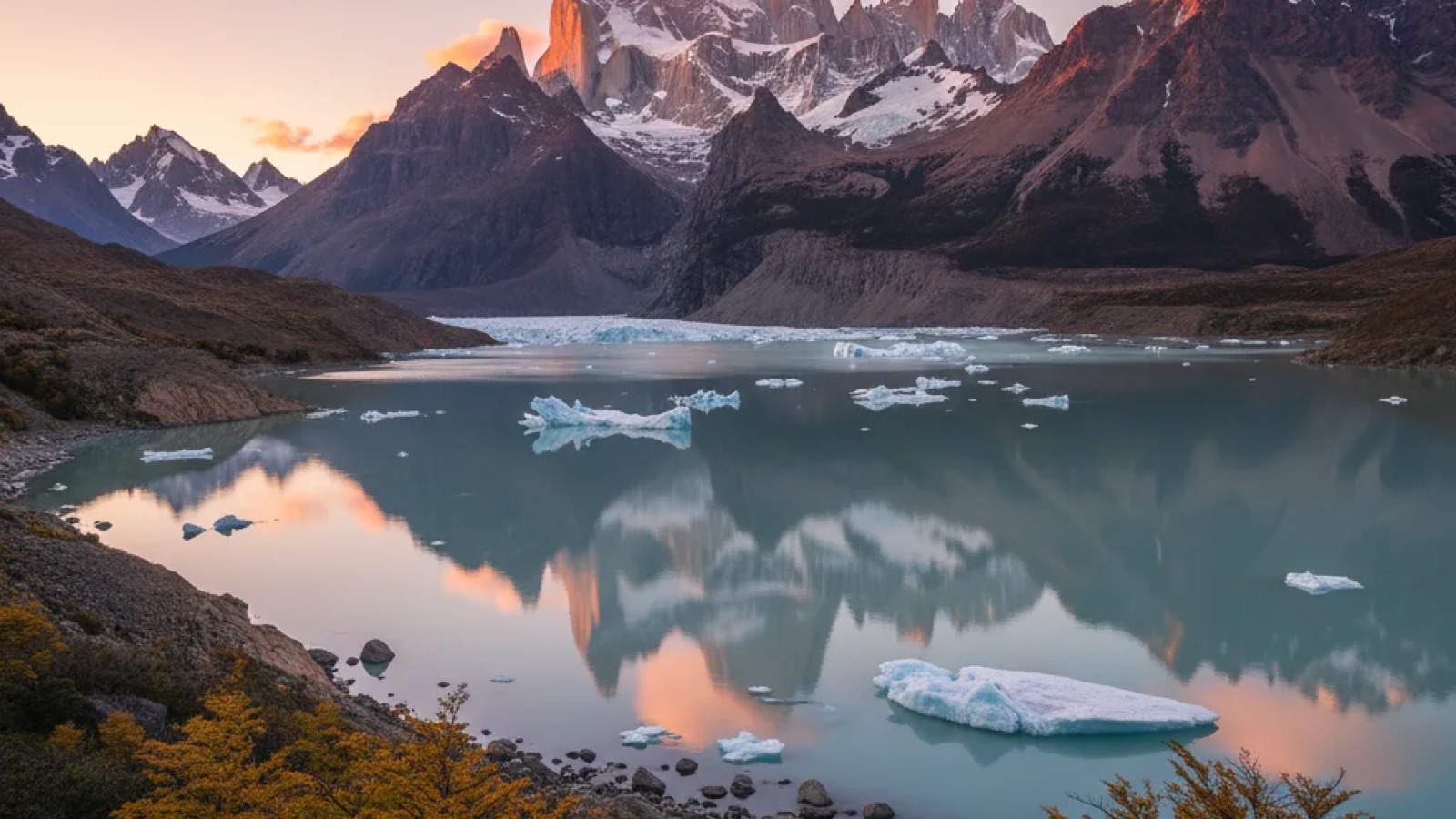
After visiting the glaciers in El Calafate, take the 3-hour bus to El Chaltén, Argentina’s national hiking capital. Spend 3-4 days here tackling world-class trails like Laguna de los Tres for iconic views of Mount Fitz Roy, and the Laguna Torre trail. This is a must for keen hikers and photographers.
Buenos Aires: The Passionate Heart
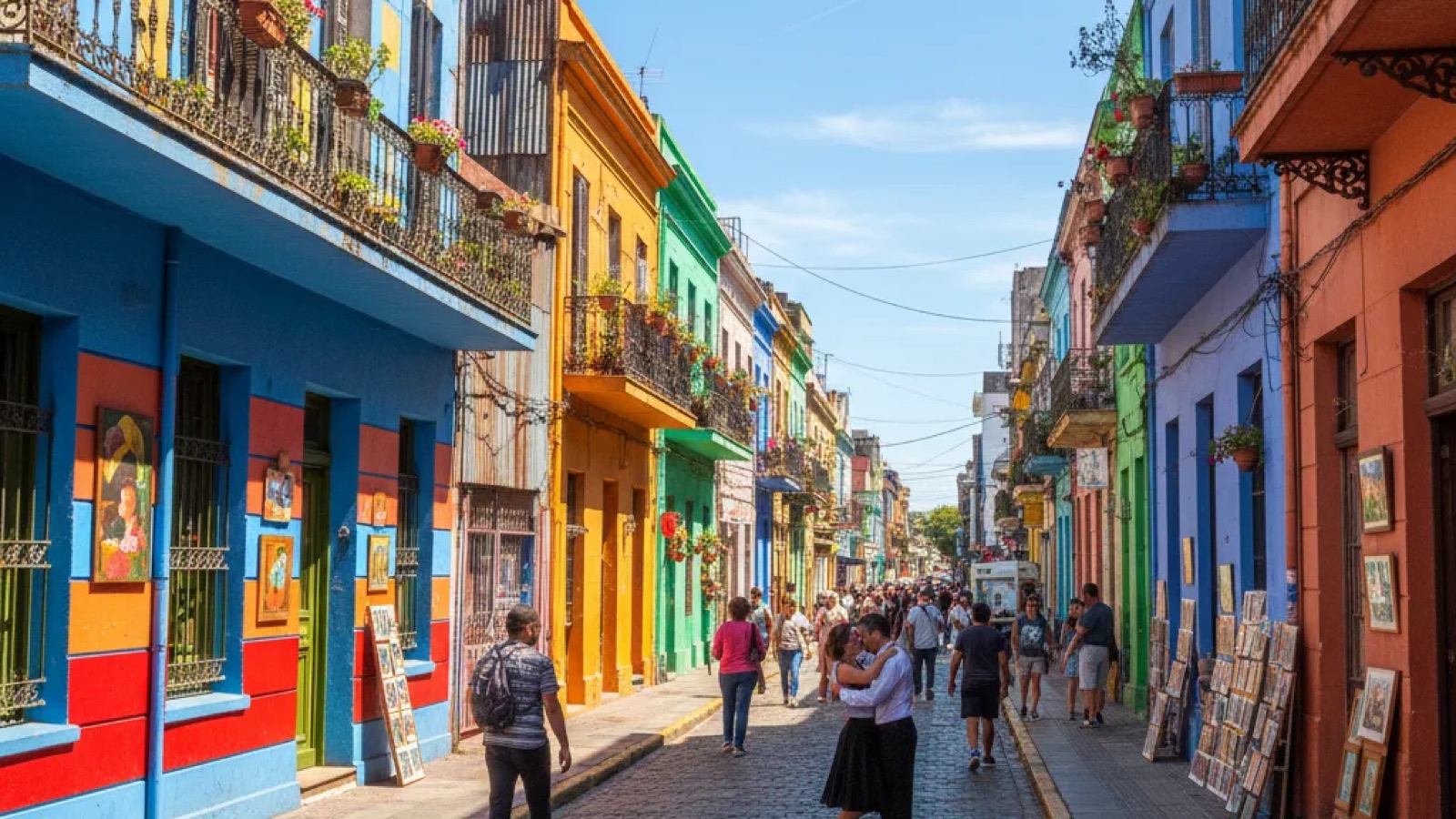
Buenos Aires isn't just a travel hub; it's a destination in its own right. It feels like a slice of Europe—with its grand boulevards, Parisian architecture, and cafe culture—transplanted to South America and infused with a fiery Latin spirit. Each barrio (neighbourhood) has its own distinct personality. Highlights include the leafy, cobblestoned streets and trendy boutiques of Palermo Soho, the stately elegance and hauntingly beautiful Recoleta Cemetery, and the colourful, gritty history of La Boca's Caminito. The city pulsates with energy, from the passionate intensity of a live tango performance in San Telmo to the roar of the crowd at a football match.
The Subtropical North: Iguazú Falls
Shared with Brazil, the Iguazú Falls are a force of nature that humble you. The Argentinian side offers an intimate, immersive experience. A network of metal catwalks takes you over, under, and through the 275 individual cataracts. The highlight is the Garganta del Diablo (Devil's Throat), where you stand on a platform overlooking a horseshoe-shaped abyss into which half the river’s volume plummets. The sound is a physical force; the air is thick with spray that soaks you to the skin. It feels primal and exhilarating. Spend a full day here; you’ll need it to walk all the circuits.
The Andean North-West: Salta and Jujuy
This region feels like a different country altogether. The culture is more Andean, the landscapes are arid and spectacular, and the colours are otherworldly. Salta, known as 'La Linda' (The Pretty One), is a beautiful colonial city and the perfect base for exploring. The real magic happens when you hire a car and drive north into Jujuy province. The Quebrada de Humahuaca is the star attraction, a valley carved by the Rio Grande, revealing mountains painted in incredible stripes of red, green, ochre, and purple. Don't miss the Hill of Seven Colours in Purmamarca and the otherworldly expanse of the Salinas Grandes salt flats, a brilliant white desert at 3,450 metres elevation.
Patagonia: Glaciers, Mountains, and the End of the World
Argentinian Patagonia is a dreamscape for adventurers and photographers. It's a vast, sparsely populated land of monumental glaciers, jagged granite spires, and wind-swept steppes.
El Calafate & Perito Moreno Glacier
El Calafate is the gateway town to Los Glaciares National Park. Its main purpose is to serve visitors heading to the Perito Moreno Glacier. Long famous for holding steady while most glaciers retreated (it has been retreating on its northern front since about 2020), it is a river of ice 30 kilometres long and over 60 metres high. The extensive boardwalk system allows for spectacular, safe viewing. For a more adventurous perspective, you can take a boat trip along its face or even book a guided ice-trekking tour to walk on the glacier itself.
El Chaltén & Mount Fitz Roy
A few hours by bus from El Calafate lies El Chaltén, a small town nestled at the base of the iconic Mount Fitz Roy massif. This is Argentina's premier hiking destination. The trails start right at the edge of town, and many can be done as day hikes without a guide. The trek to Laguna de los Tres is the most famous, offering a breathtaking, postcard-perfect view of Fitz Roy's granite spires on a clear day. It's a challenging full-day hike, but the reward is unforgettable.
Ushuaia: The End of the World
At the very tip of the continent on the island of Tierra del Fuego sits Ushuaia, which proudly bills itself as the 'city at the end of the world'. Surrounded by mountains and fronting the Beagle Channel, it has a rugged, frontier feel. It's the main departure point for Antarctic cruises, but is a destination in its own right. Take a boat trip on the Beagle Channel to see sea lions and cormorants, ride the 'End of the World Train', and explore the stunning landscapes of Tierra del Fuego National Park.
A Photographer's Perspective: Capturing the Light
The quality of light in Patagonia is second to none. The air is incredibly clean and the low angle of the sun during the long summer days creates magic. The 'golden hour' around sunrise and sunset can last for what feels like an eternity, painting the granite peaks of Fitz Roy and Cerro Torre in fiery shades of pink and orange. A sturdy tripod is non-negotiable, as the infamous Patagonian wind can be relentless. A polarising filter is also your best friend; it cuts the glare from the glacial lakes and ice fields, revealing the intense blues and turquoises.
Diving into Argentine Culture
Beyond the landscapes, it's the culture that will stay with you. You'll quickly notice everything happens late. Restaurants don't get busy until 9 PM, and it's common to see families with young children dining at 11 PM. Embrace it and enjoy a siesta. You'll see locals everywhere sharing mate, a bitter herbal infusion drunk from a hollowed-out gourd through a metal straw called a bombilla. It's a deeply social ritual; if you’re offered a sip, it’s a sign of friendship. Then there's the asado, which is so much more than a barbecue. It's a slow-cooked feast of various cuts of meat, a weekend institution that brings families and friends together for hours. And finally, football (fútbol) is not a sport, it's a religion. The passion is palpable everywhere, and if you get a chance to be in the city during a big match, you'll feel the ground shake.
Essential Know-How: Money, Safety, and Language
A little preparation goes a long way. Argentina's economic situation is famously volatile. The way people pay for things, access currency, and the general costs can change very quickly. Do not trust blog posts or guidebooks that are more than a few months old on this topic. Before you travel, do thorough research on current travel forums and news sites to understand the best and most cost-effective way to handle your money. This is the single most important piece of practical advice for Argentina.
In terms of safety, Argentina is generally safe for travellers. However, in big cities like Buenos Aires, Mendoza, and Salta, you should be vigilant. Practise common sense: be aware of your surroundings, avoid walking alone in deserted areas at night, and keep your valuables secure and out of sight to avoid pickpocketing and bag snatching, especially in crowded areas and on public transport.
While you can get by with English in major tourist centres and hotels, learning a few basic Spanish phrases will go a long way. Argentinians are warm and appreciate the effort. Be aware of the local accent: the 'll' and 'y' are pronounced with a 'sh' sound. So, calle (street) sounds like 'ca-shey' and yo (I) sounds like 'sho'.
Explore in Depth
This guide provides the strategic overview for planning a country-wide trip. For deep dives into the most popular destinations, these dedicated guides will give you the neighbourhood-by-neighbourhood and trail-by-trail detail you need.
Frequently Asked Questions
Is Argentina a safe destination for travellers?
Yes, Argentina is generally considered a safe country for travellers. The main concerns are petty crimes like pickpocketing and bag snatching in large cities, particularly in tourist-heavy areas and on public transport. By taking standard precautions—keeping valuables out of sight, using a money belt, being aware of your surroundings, and avoiding unlit streets at night—you can significantly minimise risks. Violent crime against tourists is rare, but it’s always wise to stay informed and cautious, just as you would in any major city around the world.
How should I handle money and payments in Argentina?
This is the most complex aspect of travelling in Argentina, as the economic situation is fluid. There are often multiple currency exchange rates and the rules and best practices for payment can change monthly. It is absolutely essential to research the most current information right before your trip from reliable sources like recent traveller forums or financial news. Do not rely on old guidebooks. Many travellers find a combination of using credit cards where possible and bringing foreign currency to exchange locally works well, but again, you must verify the best strategy for the time of your visit.
Do I need to speak fluent Spanish to visit?
You don’t need to be fluent, but knowing some basic Spanish will dramatically improve your experience. In major hotels, tour agencies, and upscale restaurants in Buenos Aires and popular tourist towns like El Calafate, you will find English speakers. However, once you step into smaller shops, local restaurants, or taxis, Spanish is essential. Argentinians are very friendly and patient, and will appreciate any attempt you make. Download an offline translation app and learn key phrases like "por favor" (please), "gracias" (thank you), "la cuenta" (the bill), and numbers.
Can I really fit Patagonia and Iguazú Falls into a single two-week trip?
Yes, but it requires careful planning and an acceptance that you'll be moving quickly. The "Classic Two-Week" itinerary outlined in this guide is designed for exactly this. It involves using Buenos Aires as a hub and taking three major flights: BA to Iguazú, Iguazú to El Calafate (likely connecting back through BA), and El Calafate back to BA. You will have just enough time to see the highlights of each place—the falls, the Perito Moreno Glacier, and the city of Buenos Aires—but you won't have much time for leisurely exploration or multi-day hikes. It will be a fast-paced but incredibly rewarding trip.
Is it better to see Iguazú Falls from the Argentinian or Brazilian side?
Ideally, you should see both, as they offer completely different perspectives. If you only have time for one, the Argentinian side provides a more immersive, up-close experience. Its extensive network of catwalks lets you walk above, below, and alongside the many cascades, culminating in the visceral power of the Devil's Throat platform. The Brazilian side, in contrast, offers the grand, panoramic postcard view, allowing you to appreciate the immense scale of the entire falls complex. If you have a full day and a half, visiting both is highly recommended, but be sure to check visa requirements for Brazil in advance.
Final Thoughts
Argentina is a country that gets under your skin, and each visit reveals a new facet—the deep red canyons of the northwest, the unexpected wildlife on the Valdes Peninsula, the quiet dignity of the gauchos on the pampas. It’s a place that demands you slow down, forces you to confront the sheer power of nature, and invites you into a culture that values long conversations, shared meals, and fiery passion.
It’s a challenging country to plan for, but the rewards are immense. Whether you’re watching ice calve from a glacier, feeling the spray of Iguazú on your face, or simply sipping a Malbec on a sun-drenched terrace in Buenos Aires, Argentina delivers moments that will stay with you long after you’ve returned home.
More Argentina guides
Buenos Aires Guide: Neighbourhoods, Steak, Tango
Buenos Aires in four days: San Telmo, Recoleta, Palermo and La Boca, plus asado, tango, transport and safety basics.
Patagonia Guide: El Chalten to Torres del Paine
Planning Patagonia: El Calafate, El Chalten and Torres del Paine, the wind, the season window and how to link it all up.