Best Beaches in Sri Lanka: South and East Coasts
Sri Lanka's south and east coast beaches, how the two monsoons decide when to visit each, stilt fishermen, trip planning and staying safe in the surf.
In this guide
- Quick Facts for Your Coastal Adventure
- The Secret to Perfect Beach Weather: Understanding the Two Monsoons
- The South Coast: Sun-Seekers, Surfers, and Serenity
- A Note on Stilt Fishermen
- The East Coast: Wild Beauty and Uncrowded Shores
- Planning Your Trip Around the Coasts
- Beach Safety in Sri Lanka: Respect the Ocean
- Frequently Asked Questions
- Final Thoughts
This guide is part of our Sri Lanka Itinerary: Hill Country and Coast — start there for the overview, when to go and how to get around.
The deep blue water off the coast of Mirissa is a global hotspot for seeing the blue whale, the largest animal to have ever lived. Boats head out just after dawn, and when a plume of vapour shoots into the air, followed by the slow, majestic arch of a blue whale’s back breaking the surface, it is a humbling reminder of the planet's power and beauty.
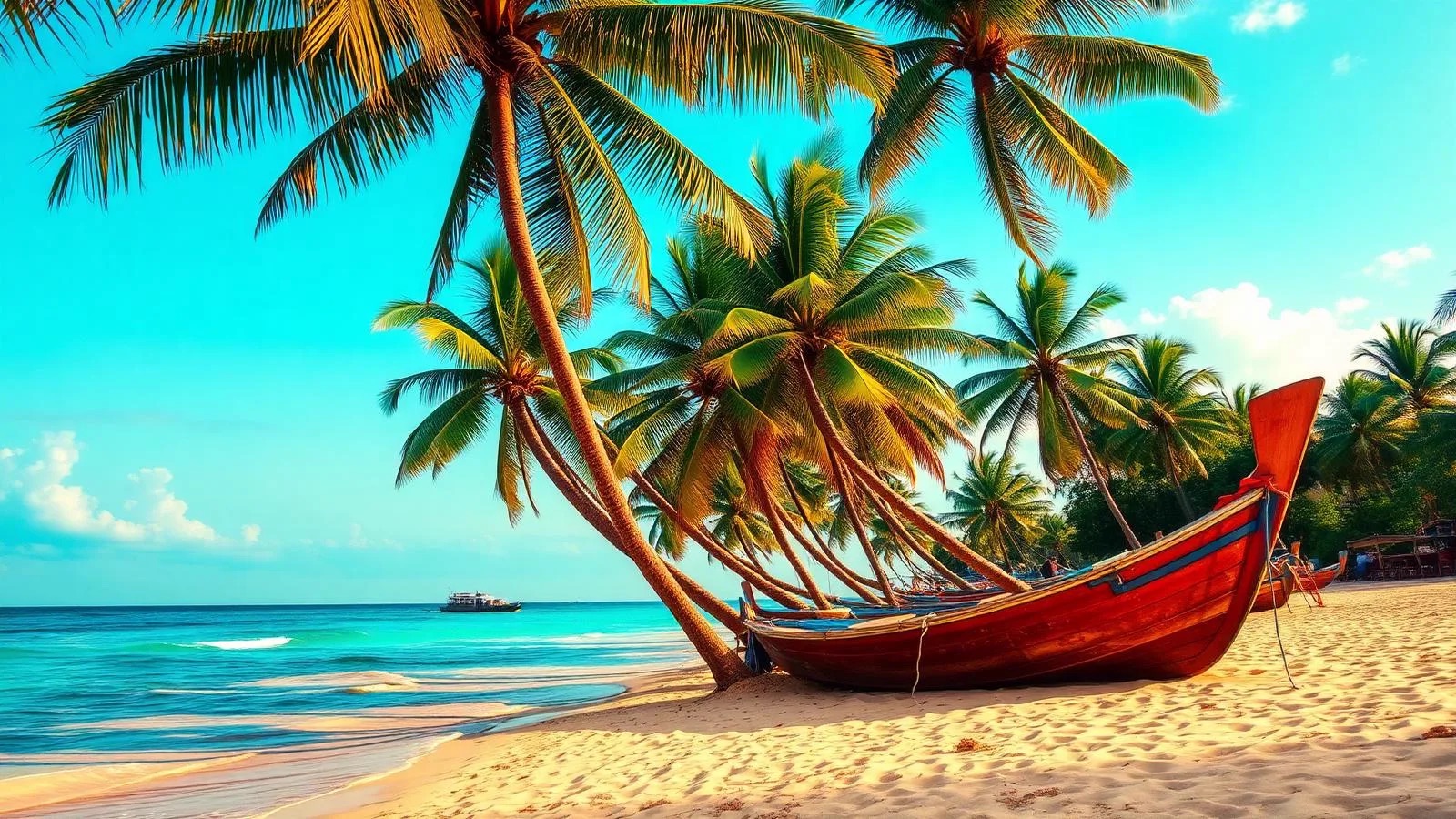
Sri Lanka’s coastline is more than just a string of pretty beaches; it's a dynamic, living entity governed by ancient monsoon rhythms. In a single trip you can travel from the bustling, sun-drenched shores of the south, teeming with surfers and yogis, to the raw, windswept beauty of the east coast, where the rhythm of life feels slower, more elemental. This is an island of two distinct coastal personalities, and understanding which one is ‘in season’ is the key to unlocking your perfect seaside escape. Whether you’re seeking world-class waves, tranquil coves for your family, or a life-changing encounter with marine giants, Sri Lanka has a stretch of golden sand waiting just for you.
Quick Facts for Your Coastal Adventure
Before you pack your bags and buy a new set of swimmers, here are a few essential points to help you get your bearings on the 'Pearl of the Indian Ocean'.
- Currency: The local currency is the Sri Lankan Rupee (LKR). ATMs are widely available in towns and cities, but it's wise to carry some cash, especially in smaller beach villages.
- Language: Sinhala and Tamil are the two official languages. English is widely spoken and understood in tourism centres, hotels, and restaurants along the coast, making travel relatively straightforward.
- Getting Around the Coast: The coastal train line, especially from Colombo southwards, is scenic and affordable. For more flexibility, hiring a private car and driver is a popular option. For shorter hops between beaches, the ubiquitous three-wheeled tuk-tuks are an adventure in themselves.
- Visa Requirements: Most visitors will need a visa or an Electronic Travel Authorization (ETA) to enter Sri Lanka. It’s crucial to check the latest requirements for your nationality on the official government immigration website well before you travel.
- Power Plugs: Sri Lanka uses a mix of plug types, most commonly Type D (3 round pins), Type M (larger 3 round pins), and Type G (the rectangular 3-pin British style). To be safe, a good quality universal travel adapter is your best friend.
- Health and Safety: Drink bottled or filtered water. Be mindful of sun exposure, as the tropical sun is powerful. Most importantly, be extremely cautious when swimming, as many beaches have strong rip currents. This is covered in more detail further on.
The Secret to Perfect Beach Weather: Understanding the Two Monsoons
Sri Lanka’s weather is dictated by two separate monsoons that hit different sides of the island at different times of the year. This is the single most important factor to grasp when planning your trip. Choosing the right coast for the right month means the difference between endless sunshine and a week of torrential rain. It’s like the island has a built-in travel hack, ensuring there’s always a sunny coastline to enjoy.
Here’s the basic breakdown:
- The Yala Monsoon brings rain to the South and West Coasts from roughly May to September. During this time, the sea can be rough, skies are often grey, and many businesses in tourist areas close down for the off-season.
- The Maha Monsoon brings rain to the East and North Coasts from roughly October to January. This makes the beautiful beaches of the east coast less than ideal during these months.
This clever opposition means you can almost always find good beach weather somewhere. The periods between these main monsoons, known as the inter-monsoon seasons (typically April/May and October/November), can be unpredictable across the entire island, often bringing short, sharp thunderstorms in the afternoons, but they can also offer calm, quiet travel conditions.
To make it even simpler, here is a guide for planning at a glance:
| Travel Period | Best Coast for Sunshine & Calm Seas | Coast to Generally Avoid |
|---|---|---|
| December to April | South and West Coasts (e.g., Mirissa, Unawatuna, Bentota) | East Coast (e.g., Arugam Bay, Pasikuda) |
| May to September | East Coast (e.g., Arugam Bay, Pasikuda, Nilaveli) | South and West Coasts (e.g., Mirissa, Unawatuna) |
| October & November | Inter-monsoon/Shoulder Season: Weather can be unpredictable everywhere. Less rain in the south towards the end of November. | |
The South Coast: Sun-Seekers, Surfers, and Serenity
When most people picture a Sri Lankan beach holiday, they’re picturing the south coast. Running from just south of Colombo all the way to the nation's far southeastern corner, this coastline is dotted with an incredible variety of beaches, from bustling resort towns to hidden, palm-fringed coves. The prime season here is from December to April, when the skies are blue and the ocean is at its most welcoming.
Bentota: Water Sports and Resort Comfort
As one of the first purpose-built tourist developments in Sri Lanka, Bentota is geared towards organised leisure. The main beach is a broad, golden affair, backed by large resorts and luxury hotels. What makes it unique is the Bentota Ganga, a wide river that runs parallel to the ocean, creating a lagoon that is a hub for water sports. Here you’ll find everything from jet skiing and wakeboarding to banana boat rides and gentle river safaris. It’s an excellent choice for families or travellers looking for comfortable, all-in-one holiday experiences without the need to travel far for activities.
Hikkaduwa: A Backpacker Classic with a Coral Heart
Hikkaduwa is one of the originals, a place that first put Sri Lanka on the global surf and backpacker map decades ago. The vibe is energetic, youthful, and a little bit rustic. The main road runs right alongside the beach, lined with guesthouses, dive shops, and beach bars. While the famous Hikkaduwa coral reef has suffered from bleaching and overuse over the years, there are still areas where you can snorkel and see colourful fish. The beach is also known for the large sea turtles that often swim incredibly close to shore, accustomed to being fed by locals and tourists—a practice conservationists are trying to discourage for the animals' own wellbeing. The surf breaks here are better suited to intermediate riders than pure beginners.
Unawatuna: The Picture-Postcard Bay
Unawatuna is arguably one of Sri Lanka’s most famous beaches. It’s a beautiful, sweeping curve of golden sand protected by a double reef, making its waters generally calm and perfect for swimming. Over the years, it has evolved from a sleepy village into a major tourist hub, with a dense concentration of restaurants, bars, and guesthouses packed tightly behind the sand. While it can feel crowded, its charm is undeniable. A short tuk-tuk ride away is Jungle Beach, a smaller, more secluded cove, and the Japanese Peace Pagoda on the headland offers spectacular panoramic views back across the bay, especially at sunset.
Weligama: The Ultimate Surfing Nursery
If you have ever dreamt of learning to surf, Weligama is your place. The name itself translates to ‘sandy village’, and that’s exactly what you get: a massive, two-kilometre bay with a soft, sandy bottom and gentle, rolling waves. It’s the perfect, forgiving environment for a beginner. The entire beachfront is a colourful lineup of surf schools and board rental stalls. The feeling here is one of shared enthusiasm; you’ll see dozens of people in the water at any one time, all taking their first tentative steps on a board, sharing wipeouts and celebrating their first successful rides. The atmosphere is encouraging and entirely focused on the joy of learning.
Mirissa: Whales, Nightlife, and Coconut Tree Hill
Mirissa strikes a brilliant balance. By day, it's a stunningly beautiful crescent beach perfect for sunbathing and swimming. By night, many of the restaurants place their tables directly on the sand, lighting them with candles and lanterns, creating a magical dining atmosphere. It has a livelier, more sophisticated vibe than Hikkaduwa but is more compact than Unawatuna. One of its most iconic photo spots is the small, climbable islet known as Parrot Rock, which offers a great perspective of the entire bay. The other, and arguably more famous, is the nearby private coconut grove nicknamed 'Coconut Tree Hill', a small headland covered in perfectly angled palm trees that has become an Instagram sensation. But Mirissa’s biggest claim to fame lies offshore.
Whale Watching from Mirissa
The waters off Mirissa are a world-renowned feeding ground for blue whales. The peak season for sightings runs from November to April. Embarking on a whale watching tour here offers a genuine opportunity to see not only blue whales, but also sperm whales, fin whales, Bryde's whales, and playful pods of dolphins. However, the popularity of this activity has led to a proliferation of tour operators. It is critically important to choose a company that demonstrates respect for the animals. Responsible operators will keep a safe distance, approach the whales slowly and from the side, limit their viewing time, and never crowd or chase the animals. Your choice of operator has a direct impact on the welfare of these magnificent creatures.
Talalla: The Quiet Crescent
If the buzz of Mirissa or Unawatuna sounds like too much, Talalla is the antidote. This is a truly gorgeous, kilometre-long crescent of sand that remains remarkably undeveloped and peaceful. There are no beach bars blasting music, no rows of vendors, just a few quiet guesthouses and yoga retreats tucked back amongst the palms. The ocean here can have strong waves, making it more suited to confident swimmers, but the real joy of Talalla lies in its tranquillity. It's the kind of beach where you can spend your days reading a book under a palm tree, taking long walks along the shore, and feeling like you’ve stepped back in time.
Hiriketiya: The Horseshoe Bay Hideaway
‘Hiri’, as it's affectionately known, was the south coast’s best-kept secret for a long time. The secret is definitely out now, but the bay’s beauty remains. This stunningly perfect horseshoe-shaped cove is fringed with palm trees and has become a magnet for a trendy, surf-and-yoga crowd. The waves here are unique; a reef break on one side of the bay offers a fun challenge for intermediate surfers, while the other side is generally calm and perfect for swimming. The atmosphere is laid-back and cool, a sort of bohemian-chic vibe with boutique guesthouses, smoothie bowls, and excellent coffee. It gets very busy in high season, but its compact beauty is hard to resist.
Tangalle: A Rugged and Dramatic Coastline
Tangalle is less a single beach and more a sprawling area of coastline characterised by long, windswept beaches and dramatic rocky coves. This stretch is generally less developed for tourism and feels wilder than the coast further west. Swimming can be treacherous in many parts due to powerful waves and currents, so it’s a place to be cautious. The appeal here is the raw beauty and solitude. You can walk for kilometres along near-empty stretches of sand, exploring hidden bays like Silent Beach or the rugged shore of Medaketiya. Tangalle also serves as a primary base for one of Sri Lanka’s most moving natural spectacles: sea turtle nesting.
Sea Turtles and Responsible Viewing
Several species of marine turtles, including the Green, Olive Ridley, and Hawksbill, come ashore on the beaches around Tangalle to lay their eggs. This incredible event happens at night, and watching a female haul herself up the beach to dig a nest is a profound experience. However, it must be done with extreme care to avoid disturbing the turtles. Always go with a guide from a local conservation project. They understand turtle behaviour and will ensure you don't interfere. The cardinal rules are: no white light (torches, phone screens, camera flashes), which can disorient and scare the turtles, and absolutely no noise or sudden movements. Keep your distance and never, ever touch the turtles or the eggs.
A Note on Stilt Fishermen
One of the most enduring images of Sri Lanka is that of the stilt fishermen, perched precariously on poles embedded in the shallows. You'll see them dotted along the coast, particularly between Unawatuna and Weligama. Photographers are naturally drawn to this iconic scene. However, it’s important to approach this with the right context. While stilt fishing was a genuine, localised fishing technique developed in the mid-20th century, it is almost entirely a performance for tourism today. The men you see are not actively fishing for a living; they are posing for photographs. They will expect, and often demand, payment. It's a purely transactional experience. While it can still result in a beautiful photograph, it’s crucial to realise you are paying for a photo opportunity, not observing an authentic, ongoing cultural practice.
The East Coast: Wild Beauty and Uncrowded Shores
When the monsoon is drenching the south, the east coast comes alive. From May to September, this is the place to be for sunshine and surf. The east feels different—less populated, more expansive, and with a wild edge that is incredibly appealing. The journey from the south or the hill country is longer, but the rewards are immense.
Arugam Bay: Sri Lanka's Surfing Mecca
Arugam Bay—or 'A-Bay'—is legendary. This is, without a doubt, the surfing capital of Sri Lanka. The town's entire existence revolves around the surf season and the world-class right-hand point break at its southern end. During the season, the dusty main street buzzes with an international crowd of surfers, from seasoned pros to hopeful intermediates. The vibe is unapologetically laid-back and rustic. Beyond the main point, a short tuk-tuk ride will take you to other fantastic breaks like Whisky Point (great for intermediates) and Peanut Farm. Even if you don't surf, the atmosphere is contagious. The area is also adjacent to national parks, and it’s not uncommon to see wild elephants casually crossing the roads, especially in the early morning or evening.
Pasikuda: The Endless Shallow Bay
If Arugam Bay is for adrenaline, Pasikuda is for pure relaxation. Its defining feature is an incredibly calm and shallow bay, protected by an offshore reef. You can walk out into the crystal-clear, bath-warm water for hundreds of metres before it even reaches your waist. This makes it one of the safest and most family-friendly beaches in the entire country, absolutely perfect for those with small children. The coastline here is home to a number of spacious, modern resorts that capitalise on the tranquil setting. It’s a place for slow days, building sandcastles, and wading in the serene blue water.
Trincomalee and the Northern Beaches: History and White Sands
Trincomalee is a major port city with a deep and fascinating history, built around one of the world's finest natural harbours. The city itself is worth exploring, particularly Fort Frederick, a massive colonial fort first built by the Portuguese in 1624 and rebuilt by the Dutch in 1665, and the famous Koneswaram Temple, perched dramatically on a cliff inside the fort with breathtaking ocean views. But for most beach lovers, Trincomalee is the gateway to the spectacular beaches just to its north.
Nilaveli and Uppuveli
A short drive north of Trinco lie Uppuveli and Nilaveli, the east coast's star attractions. Uppuveli is closer to the city and a bit more developed, with a good range of guesthouses and restaurants on its lovely stretch of sand. Further north, Nilaveli is the real stunner: a seemingly endless expanse of pristine, white sand that meets turquoise water. It is far less crowded than the popular southern beaches and offers a sense of space and freedom.
Just off the coast of Nilaveli is Pigeon Island National Park, a small island with a coral reef that is the most popular spot for snorkelling on the east coast. Here you can swim among blacktip reef sharks (they are harmless) and a variety of colourful reef fish. The island can get very crowded, so it’s best to go early in the morning to enjoy it with fewer people and be mindful of the fragile coral ecosystem.
Planning Your Trip Around the Coasts
A successful Sri Lankan itinerary is built around the monsoons. Trying to fight the weather is a losing battle. The most effective approach is to plan your route to match the seasons.
- For a trip between December and April: Focus on the West and South Coasts. A classic route involves flying into Colombo, perhaps heading inland to the Hill Country (Kandy, Ella) for a few days, and then taking the scenic train down to the south coast to beach-hop from Tangalle all the way back towards Colombo.
- For a trip between May and September: Focus on the East Coast. You could fly into Colombo, travel through the heart of the country visiting the ancient cities of the Cultural Triangle (Sigiriya, Polonnaruwa), and then continue east to Trincomalee, Pasikuda, or Arugam Bay for your beach time.
This approach lets you experience the best of Sri Lanka's culture and landscapes while ensuring you get the glorious sunshine and calm seas you came for.
Beach Safety in Sri Lanka: Respect the Ocean
Sri Lanka's beaches are beautiful, but the Indian Ocean is powerful and must be respected. Many popular beaches have strong and unpredictable rip currents. These are fast-moving channels of water that can pull even the strongest swimmer out to sea. It’s vital you know how to handle them.
A rip current will not pull you under; it will pull you out. The fatal mistake is to try and swim directly against it, which will exhaust you. If you get caught in a rip, do not panic. Swim parallel to the shoreline. The current is usually a narrow channel, and by swimming sideways, you will eventually exit the pull and can then swim back to shore at an angle. If you can't escape, float on your back, conserve your energy, and wave for help.
Always look for warning signs and red flags on patrolled beaches, and pay attention to advice from locals. Be extra cautious on deserted beaches where there is no one to help, and avoid swimming alone. Never swim under the influence of alcohol. A moment of caution can ensure your memories of Sri Lanka’s coast are nothing but wonderful.
Frequently Asked Questions
When is the best time to visit Sri Lanka for a beach holiday?
It depends on which coast you want to visit. For the popular South and West Coasts, including beaches like Mirissa and Unawatuna, the best weather is from December to April. For the East Coast, including Arugam Bay and Trincomalee, the prime season is from May to September. This is due to Sri Lanka's two-monsoon system, which affects different sides of the island at different times of the year, ensuring there's always a sunny coast to enjoy.
Which beach is best for beginner surfers?
Weligama on the south coast is widely considered the best beach in Sri Lanka for complete beginners. Its long, wide, sandy bay has a gentle slope and produces consistent, small, rolling waves that are perfect for learning. The absence of rocks or strong currents, combined with a multitude of surf schools right on the beach, creates an ideal and safe environment for anyone wanting to stand up on a board for the very first time.
Is it possible to see whales in Sri Lanka?
Yes, absolutely. The waters off Mirissa, on the south coast, are a world-famous location for whale watching, particularly for seeing Blue Whales, the largest animals on Earth. The main season runs from approximately November to April when the seas are calmest. Sperm whales and dolphins are also commonly sighted. It is highly recommended to choose a tour operator that follows ethical guidelines for marine mammal watching to ensure the animals are not stressed.
What should I know about swimming safety?
The biggest danger is rip currents, which can pull you away from the shore. If you are caught in one, do not panic or swim against it. Instead, swim parallel to the beach until you are out of the current's pull, then swim back to shore. Always obey red flag warnings on beaches, avoid swimming alone, and never swim after consuming alcohol. The Indian Ocean is powerful, so exercising caution is essential for a safe holiday.
Are the stilt fishermen I see in photos real?
While stilt fishing was once a genuine fishing method, today it is almost exclusively a performance for tourists and photographers. The men you see perched on the stilts along the south coast are posing for photos and will expect payment for the opportunity. It is important to understand this is a transactional experience rather than an observation of an authentic, active fishing tradition. It can still be a beautiful photo, but it's not a 'real' cultural practice in the present day.
Final Thoughts
Few places pack as much diversity into one island as Sri Lanka. In a single journey, you can pass from the manicured tea plantations of the highlands to the ancient stones of Sigiriya, and finally onto a stretch of sand that feels like it was made just for you. The duality of its coasts is a gift to travellers, an invitation to visit and revisit, to see the island in its different seasonal moods.
Whether you find your bliss on a surfboard at Arugam Bay, in the tranquil shallows of Pasikuda with your family, or watching the sunset from a beanbag in Mirissa, the coastline of Sri Lanka offers a profound sense of escape. It’s a place that reminds you of the simple joys: the warmth of the sun, the rhythm of the waves, and the taste of saltwater on your lips. It’s an island that rewards the curious, so go, explore, and find your own perfect piece of paradise.
More Sri Lanka guides
Sri Lanka Itinerary: Hill Country and Coast
Cultural Triangle, the Ella train through tea country, safari parks and southern beaches — plus how the two monsoons split the seasons.
Kandy to Ella Train: How to Book and What to See
How to plan the Kandy to Ella hill country train: classes, reserved seats, the best side for views, Nine Arches Bridge and doorway safety.