Sri Lanka Itinerary: Hill Country and Coast
Cultural Triangle, the Ella train through tea country, safari parks and southern beaches — plus how the two monsoons split the seasons.
In this guide
- Quick Facts for Travelling in Sri Lanka
- Understanding Sri Lanka's Seasons and Monsoons
- Starting in Colombo: Coastal Energy and Urban Heritage
- The Cultural Triangle: Sigiriya, Dambulla, and Ancient Empires
- Kandy: The Sacred Hill Capital
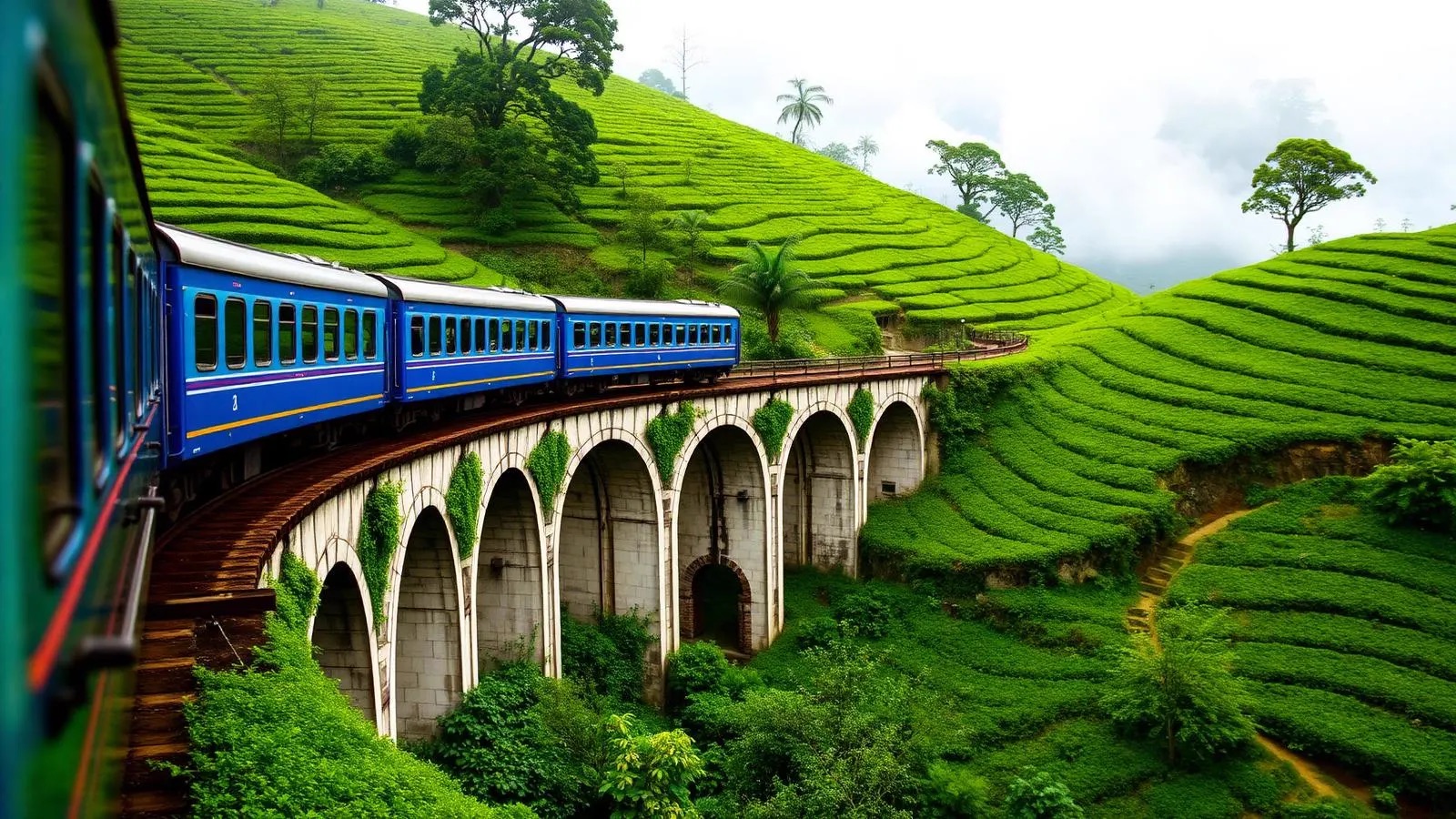
- The Iconic Hill Country Train: Kandy to Ella
- Ella and Tea Country: Peak Hikes and Misty Plantation Valleys
- National Parks and Wildlife: Yala and Udawalawe
- The Golden Southern Coast: Beaches and Colonial Charm
- Savouring Sri Lankan Cuisine: Rice, Curry, and Street Eats
- Navigating Sri Lanka: Tuk-Tuks, Trains, and Local Buses
- Recommended Two-Week Itinerary
- Practical Tips and Common Mistakes to Avoid
- Final Thoughts
- Explore in Depth
There is a specific moment on the mountain train between Kandy and Ella when the tropical heat gives way to a cool, eucalyptus-scented breeze, and emerald-green tea terraces cascade down misty ravines outside the open carriage doorway. Few places deliver such an intense concentration of landscapes, ancient history, and vibrant culture into a single journey.
Sri Lanka is an island that feels far larger than its geography suggests. Within a few hours of travel, you can transition from the humid coastal energy of Colombo to two-thousand-year-old rock fortresses in the Cultural Triangle, climb through cloud-wrapped mountain plantations, track wild Asian elephants across dry scrubland, and end your day watching the sun dip below the horizon from an oceanfront bastion.
Planning an itinerary here requires a smart approach to geography, transportation, and seasonal weather patterns. Whether you are navigating winding mountain passes by rail, bargaining for fresh mangoes at a roadside stall, or searching for leopards on safari, this guide will help you craft a seamless journey through Sri Lanka’s essential hill country and southern coastline.
Quick Facts for Travelling in Sri Lanka
- Commercial Hub & Entry Point: Colombo (Bandaranaike International Airport in Katunayake).
- Official Languages: Sinhala and Tamil, with English widely spoken in tourism, transport, and hospitality.
- Visa Basics: Foreign travellers generally require an Electronic Travel Authorization (ETA) prior to arrival or an entry visa. Always verify current entry requirements on official Sri Lankan government immigration portals before booking.
- Primary Transport: Government and private train networks, local buses, three-wheeled tuk-tuks, and private hired cars with drivers.
- Driving Side: Left side of the road.
- Religious Etiquette: Modest dress (covering shoulders and knees) and removal of footwear and headwear are strictly required when visiting Buddhist and Hindu sacred sites.
- Primary Currency Rules: Always check official exchange facilities upon arrival; card payments are accepted in major hubs, but cash is essential for local transport, markets, and regional eateries.
Understanding Sri Lanka's Seasons and Monsoons
One of the most critical aspects of planning a Sri Lankan itinerary is understanding its complex dual monsoon system. Because two distinct weather systems affect opposite sides of the island at different times of the year, Sri Lanka is genuinely a year-round destination—provided you stay on the correct coast for your travel dates.
The Yala Monsoon (South-West and Hill Country)
The Yala monsoon brings heavy rainfall to the south-western coastline and central highlands from May through September. During these months, sea conditions along popular southern beach towns can be rough with strong currents, making swimming hazardous. However, this is the dry season for the northern and eastern regions, making places like Trincomalee, Pasikudah, and Arugam Bay ideal coastal alternatives.
The Maha Monsoon (North and East)
Conversely, the Maha monsoon brings rain to the northern and eastern provinces between October and January. During this period, the south-western coast and southern beaches experience clearing skies, calmer waters, and optimal conditions for sunbathing, diving, and coastal exploration.
The Inter-Monsoon Shoulder Seasons
The months of February through April, along with late September and October, represent transitional periods. February to April is widely regarded as one of the best times to travel island-wide, offering generally clear skies across the Cultural Triangle, central highlands, and southern beaches alike. Keep in mind that hill country weather is notoriously localized; rain showers can occur in the mountains at any time of year, contributing to the lush greenery of the tea estates.
Starting in Colombo: Coastal Energy and Urban Heritage
Most international flights arrive at Bandaranaike International Airport, located roughly thirty kilometres north of central Colombo. While many travellers bypass the commercial capital entirely, spending a day here provides fascinating context regarding Sri Lanka's colonial past and contemporary urban culture.
Exploring Fort and Pettah
The Fort district showcases a blend of Dutch and British colonial architecture juxtaposed against modern high-rises. A short walk away lies Pettah, Colombo’s sprawling, high-energy market district. Here, narrow streets are organised by trade—streets dedicated to textiles, jewellery, electronics, and aromatic spices. Photographers will find endless inspiration in the vibrant colours, bustling pushcarts, and historic Dutch-era structures like the Old Dutch Hospital, now thoughtfully restored into an open-air dining precinct.
Getting Your Bearings and Transport Essentials
Colombo serves as the ultimate hub for arranging onwards travel. It is the best place to pick up a local SIM card, withdraw cash from official banking kiosks, and secure advance train reservations at the central Fort Railway Station. Spending a late afternoon walking along Galle Face Green—a seaside urban promenade—gives you a taste of local life, where families gather to fly kites and savour hot street snacks while the Indian Ocean crashes against the seawall.
The Cultural Triangle: Sigiriya, Dambulla, and Ancient Empires
Heading northeast from Colombo brings you into Sri Lanka's Cultural Triangle, a heartland of ancient royal capitals, vast irrigation reservoirs, and sacred Buddhist monuments. Centred around towns like Dambulla, Habarana, and Sigiriya, this region offers deep insights into the island's sophisticated early civilisations.
Climbing Sigiriya Rock Fortress
Rising sheer above the surrounding forest, Sigiriya—also known as the Lion Rock—is an extraordinary UNESCO World Heritage site. Built as an impregnable palace-fortress atop a granite column approximately 180 metres high by King Kasyapa centuries ago, the site features extensive water gardens, ancient wall frescoes, and the famous Lion Gate staircase. Climbing the iron staircases attached to the rock face requires a reasonable level of fitness, but the panoramic views from the flat summit across the jungle canopy are spectacular. To avoid intense heat and crowds, begin your climb as early in the morning as official site access allows.
Exploring Dambulla Cave Temple and Polonnaruwa
A short drive from Sigiriya lies the Dambulla Cave Temple complex. Carved into a massive cliff face, these five distinct caves house over a hundred Buddha statues and detailed ceiling murals dating back across millennia. The site remains an active place of worship, so remember to wear clothing that covers your shoulders and knees, and prepare to walk barefoot across the stone courtyards.
For those fascinated by archaeology, the ruined city of Polonnaruwa makes an easy day excursion. Best explored by bicycle, the site features remarkably preserved stupas, royal palace ruins, and the Gal Vihara—a collection of monumental Buddha figures carved directly into a single granite face.
Kandy: The Sacred Hill Capital
Nestled among forested hills surrounding a central lake, Kandy acts as the gateway to the central highlands and serves as Sri Lanka’s cultural and spiritual capital. As the last capital of the ancient Sri Lankan kings, Kandy retains a distinct architectural and musical identity.
Temple of the Sacred Tooth Relic
The focal point of the city is the Sri Dalada Maligawa, or Temple of the Sacred Tooth Relic, which houses a revered relic of the Buddha. Joining local devotees during the daily puja (prayer services) is a deeply moving sensory experience, defined by traditional drumming, incense smoke, and offerings of fresh lotus blossoms. Visiting during early morning or evening services provides the most authentic atmosphere.
Around Kandy Lake and Royal Botanical Gardens
A stroll around the perimeter of Kandy Lake offers a peaceful retreat from the bustling city traffic. Just outside the city centre, the Royal Botanical Gardens at Peradeniya feature grand avenues of royal palms, giant bamboo groves along the Mahaweli River, and an impressive collection of tropical orchids. It is an ideal spot for a relaxing afternoon walk before boarding the train into the high hills.
The Iconic Hill Country Train: Kandy to Ella
Widely regarded as one of the most picturesque rail journeys in the world, the train ride from Kandy up into the mountain hub of Ella is a definitive highlight of any Sri Lankan trip. The tracks climb steadily into the high country, winding past pine forests, misty valleys, dramatic waterfalls, and sprawling tea estates.
The Experience Onboard
The entire train journey takes roughly six to seven hours, though delays are frequent and part of the slow-travel charm. As the altitude increases, the temperature drops noticeably. Windows are pushed wide open in second and third-class carriages, filling the train with cool mountain air and the sweet scent of tea foliage. Local vendors board at intermediate stations, balancing baskets of freshly fried vada (savoury lentil snacks), roasted peanuts, and sweet chai.
Booking Tickets and Choosing Your Class
Train travel options generally fall into three main categories:
- First Class Air-Conditioned Carriages: Sealed windows and comfortable reclining seats. While comfortable, sealed windows prevent you from leaning out to capture photographs or fully feeling the changing climate.
- Second Class Reserved: Offers assigned seating with openable windows and ceiling fans, providing the ideal balance between guaranteed seating and excellent photography access.
- Third Class Reserved/Unreserved: Unreserved carriages can be extremely crowded, but offer an authentic local experience. If travelling unreserved, arrive at the station early to secure space near an open doorway.
Because reserved seats on this route are highly sought after by global travellers, it is best to check official railway ticketing portals or book through local station agencies well in advance of your travel dates.
Ella and Tea Country: Peak Hikes and Misty Plantation Valleys
Perched on the edge of a dramatic mountain gap, the small town of Ella has evolved into Sri Lanka’s premier base for outdoor adventure and hiking. Surrounded by steep tea-clad hills, Ella offers cooler temperatures and immediate access to scenic walking trails.
Trekking Little Adam’s Peak and Ella Rock
For a manageable hike suitable for most fitness levels, Little Adam’s Peak offers a well-marked trail through lush tea gardens leading to a sharp ridge with 360-degree views across the valley below. The round-trip walk takes roughly two hours from the trailhead.
For a more demanding day hike, Ella Rock presents a steeper ascent through eucalyptus forests, farmland, and exposed ridge lines. The trail can be confusing near the base, so paying a modest fee to a local guide or downloading offline GPS maps is recommended to ensure you stay on the correct path. Reaching the summit rewards trekkers with breathtaking views over the Ella Gap to the southern plains.
Nine Arches Bridge and Plantation Walks
Located just outside Ella town, the Nine Arches Bridge is an engineering marvel constructed entirely of brick, stone, and cement without structural steel. Set amidst dense banana trees and tea gardens, watching a blue passenger train cross the curved viaduct is a iconic Sri Lankan scene. Walking along the forest tracks leading to the bridge early in the morning allows you to beat the crowd and observe tea pluckers at work in the surrounding fields.
No trip to the hill country is complete without visiting a working tea factory. Tours walk visitors through the orthodox tea production process—from the initial withered leaf to rolling, oxidation, drying, and grading—finishing with a tasting of pure single-origin Ceylon tea varieties.
National Parks and Wildlife: Yala and Udawalawe
Dropping down from the central mountains into the southern dry zone brings you to Sri Lanka’s famous national parks. Despite its modest geographical size, the island boasts extraordinary biodiversity, making safari excursions an absolute must.
Udawalawe National Park: Asian Elephant Herds
If observing wild Asian elephants is high on your priority list, Udawalawe National Park is one of the most reliable reserves in Asia. Centred around a vast reservoir, the park features open grasslands and scrub terrain that afford exceptional visibility. Guided open-top four-wheel-drive safaris allow you to observe elephant herds—including mothers and young calves—grazing peacefully, alongside water buffalo, sambar deer, painted storks, and birds of prey. Udawalawe generally experiences lower jeep congestion than other parks, offering a tranquil wildlife experience.
Yala National Park: Spotting Leopards and Sloth Bears
Further east along the southern coast lies Yala National Park, Sri Lanka’s most famous wildlife sanctuary. Yala Block 1 boasts one of the highest densities of leopards in the world. The terrain here transitions dramatically between arid scrub, rocky outcrops, brackish lagoons, and coastal dunes.
While seeing a Sri Lankan leopard lounging on a rocky outcrop requires patience and a good eye, the park is also home to sloth bears, mugger crocodiles, wild boars, and expansive birdlife. To enjoy an ethical safari experience, ensure your driver adheres to speed limits, stays strictly on designated tracks, and keeps a respectful distance from animals.
The Golden Southern Coast: Beaches and Colonial Charm
After mountain trekking and dusty game drives, the southern coastline offers the ideal environment to unwind. Stretching from Tangalle in the east to Hikkaduwa in the west, this coastline features a sequence of golden sand crescents, surf breaks, and historic fortresses.
Mirissa, Weligama, and Surf Breaks
Each coastal village along the south has its own distinct personality:
- Weligama: A broad, shallow sandy bay featuring gentle wave breaks, making it one of the premier locations in South Asia to learn to surf.
- Mirissa: Famous for its crescent-shaped beach, vibrant seaside evening dining, and seasonal whale-watching excursions operating off the continental shelf.
- Tangalle: Located further east, offering expansive, quiet stretches of sand framed by coconut palms, perfect for those seeking tranquility away from busy resort hubs.
Galle Fort: Ramparts and History
Located on a rocky peninsula at the south-western tip of the island, Galle Fort is an exceptionally preserved living UNESCO World Heritage site. Originally built by the Portuguese in the 16th century and extensively fortified by the Dutch during the 17th century, the fort survived the centuries intact.
Inside the thick stone ramparts lies a quiet, pedestrian-friendly grid of narrow streets lined with colonial-era villas, boutique shops, artisan cafes, and historic churches. Walking along the ramparts at sunset—watching locals play cricket on the bastions while the Indian Ocean crashes below—is one of the most memorable experiences in southern Sri Lanka.
Savouring Sri Lankan Cuisine: Rice, Curry, and Street Eats
Sri Lankan cuisine is vibrant, complex, and unashamedly spicy. Richly seasoned with coconut milk, roasted spices, curry leaves, pandan, and fiery bird's eye chillies, eating here is a central part of the travel experience.
The Classic Rice and Curry Spread
Rather than a single dish, a traditional Sri Lankan meal consists of a large central platter of steamed rice surrounded by five to eight small, colourful curry bowls. A standard spread usually includes:
- Parippu (Dhal Curry): Red lentils cooked down in rich coconut milk, tempered with mustard seeds, garlic, and fried curry leaves.
- Polos (Jackfruit Curry): Young, green jackfruit simmered until tender, absorbing roasted spices until it takes on a savory, meat-like texture.
- Kukul Mas Curry (Chicken Curry): A fragrant, dark roasted spice curry featuring roasted coriander, cumin, and fennel seeds.
- Pol Sambol: Freshly grated coconut pounded with dried red chillies, red onions, lime juice, and cured Maldives fish.
- Gotu Kola Sambol: A fresh, bright salad made from finely shredded pennywort leaves, grated coconut, and lemon juice.
Hoppers, Kottu Roti, and Tea Culture
Street food plays a major role in daily life. In the early morning or evening, look for vendors making appam (hoppers)—crispy, bowl-shaped crepes made from fermented rice flour and coconut milk. Ordering an "egg hopper" places a whole egg into the soft centre of the crepe as it cooks.
In the evenings, the rhythmic clatter of metal blades scraping against flat griddles signals the preparation of kottu roti. Chopped flatbread is wok-fried with vegetables, eggs, spices, and optional meat, creating a hearty, delicious late-night meal. Wash it down with fresh king coconut water straight from the shell or a steaming cup of sweet Ceylon milk tea.
Navigating Sri Lanka: Tuk-Tuks, Trains, and Local Buses
Getting around Sri Lanka is an adventure in itself. Because distances can be deceiving due to mountain roads and local traffic, choosing the right mode of transit for each leg of your trip is key to a smooth journey.
Mastering the Local Bus Network
Sri Lanka’s bus network is extensive, reaching almost every corner of the island. Run by both state-owned companies (CTB red buses) and private operators (brightly decorated buses), they are extremely affordable and run continuously throughout the day. Private buses often play loud music and drive aggressively along narrow roads. While they are a fun, budget-friendly way to travel short distances between coastal towns, private hired cars or trains are generally preferred for long cross-country mountain journeys with luggage.
Tuk-Tuk Etiquette and Private Drivers
Three-wheeled tuk-tuks are ideal for short trips within towns or travelling from train stations to your accommodation. In major metropolitan areas like Colombo and Kandy, ride-hailing mobile apps offer metered tuk-tuks, eliminating the need to bargain. In rural areas or beach towns, always agree on the total price with the driver before getting in.
For travellers short on time or travelling in small groups, hiring a private vehicle with an experienced driver for multi-day stretches offers maximum flexibility. It allows you to stop at roadside fruit stands, hidden temples, and scenic viewpoints at your own pace without worrying about luggage storage.
Recommended Two-Week Itinerary
This balanced fourteen-day routing captures the country's essential contrast between ancient history, mountain rail routes, wildlife encounters, and relaxed coastal exploration.
Days 1–4: Cultural Triangle & Kandy
- Day 1: Arrive in Colombo, transfer north towards Sigiriya or Habarana. Settle in and explore local countryside villages.
- Day 2: Early morning climb up Sigiriya Rock Fortress. In the afternoon, visit the Dambulla Cave Temple complex.
- Day 3: Morning excursion to the ancient ruins of Polonnaruwa. Afternoon drive south to Kandy, stopping at a spice garden en route.
- Day 4: Explore Kandy. Visit the Temple of the Sacred Tooth Relic, stroll around Kandy Lake, and wander through the Royal Botanical Gardens.
Days 5–9: Hill Country & Train Ride
- Day 5: Board the morning scenic train from Kandy station bound for Ella. Enjoy six hours of breathtaking mountain scenery across tea country.
- Day 6: Hike Little Adam’s Peak early in the morning. Afternoon visit to the iconic Nine Arches Bridge to watch passenger trains pass through the valley.
- Day 7: Tackle the longer trek up Ella Rock or take a day trip to visit a nearby tea plantation and processing factory.
- Day 8: Morning transfer from Ella down the mountain pass to Udawalawe or Yala. Afternoon open-top jeep safari to spot elephants or leopards.
Days 10–14: Wildlife & Southern Coast
- Day 9–11: Head to the southern coast (Mirissa, Weligama, or Tangalle). Relax on golden beaches, try surf lessons, or sample seafood at coastal cafes.
- Day 12: Day trip to Galle Fort. Walk the historical Dutch ramparts, photograph colonial architecture, and shop in boutique lanes.
- Day 13: Final relaxing morning on the beach before taking the coastal road or train back towards Colombo.
- Day 14: Final souvenir shopping in Pettah or Fort, followed by transfer to Bandaranaike International Airport for departure.
Practical Tips and Common Mistakes to Avoid
To ensure your trip runs smoothly and respectfully, keep these essential practical considerations in mind throughout your journey.
Visa Essentials and Logistics
Ensure your passport has at least six months of validity remaining from your planned date of departure. Secure your Electronic Travel Authorization online via official government channels prior to departure to avoid long queue delays upon arrival. It is always smart to carry printed paper copies of your visa confirmation and hotel details.
Travel Mistakes to Steer Clear Of
- Underestimating Travel Times: Do not measure journey times purely by map distance. Winding mountain passes, single-lane roads, and agricultural traffic mean a 100-kilometre drive can easily take three to four hours.
- Posing Disrespectfully with Sacred Statues: Never turn your back directly to a statue of the Buddha to pose for a photograph, as this is considered deeply disrespectful in Buddhist culture. Step to the side or simply photograph the monument directly.
- Ignoring Beach Safety Flags: Ocean currents along Sri Lanka's south and west coasts can be powerful and unpredictable, particularly during transitional monsoon months. Pay close attention to local safety flags before entering the water.
- Not Packing for Diverse Climates: While coastal areas are hot and tropical, high-altitude towns like Nuwara Eliya and Ella drop significantly in temperature at night. Pack a light fleece or warm layer alongside your light cotton beachwear.
- Forgetting Modest Temple Attire: Always carry a lightweight sarong or scarf in your daypack to cover shoulders and knees when visiting sacred sites on short notice.
Final Thoughts
Sri Lanka possesses an uncommon magic that lingers long after you leave. It is found in the warm hospitality of locals sharing tea on a roadside, the morning mist lifting over mountain ridges, and the sound of crashing ocean waves framed by palm fronds. By honoring local customs, planning around the seasonal monsoons, and embracing the relaxed pace of hill country train travel, you will discover an extraordinarily diverse and rewarding island destination.
Explore in Depth
More Sri Lanka guides
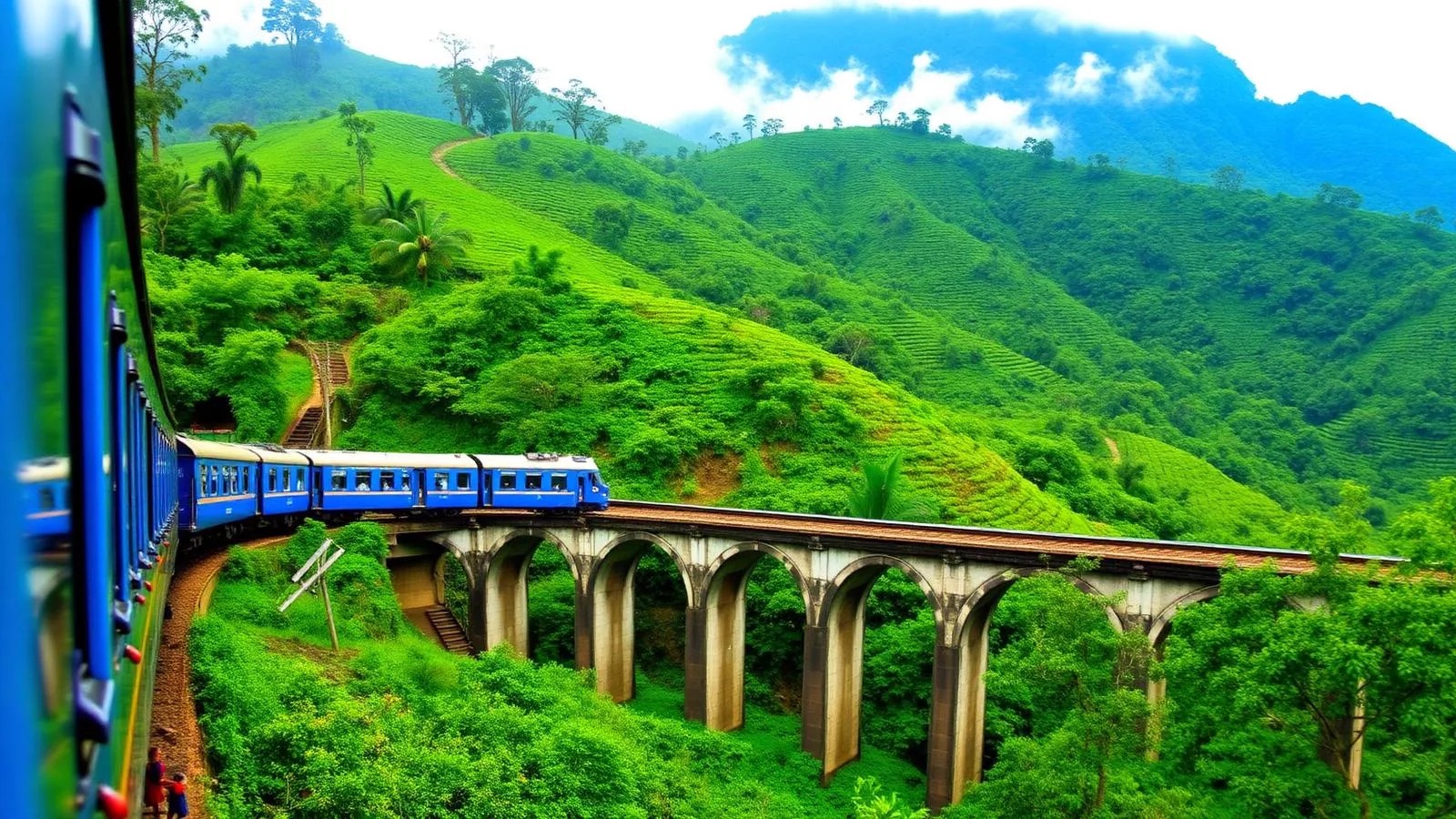
Kandy to Ella Train: How to Book and What to See
How to plan the Kandy to Ella hill country train: classes, reserved seats, the best side for views, Nine Arches Bridge and doorway safety.
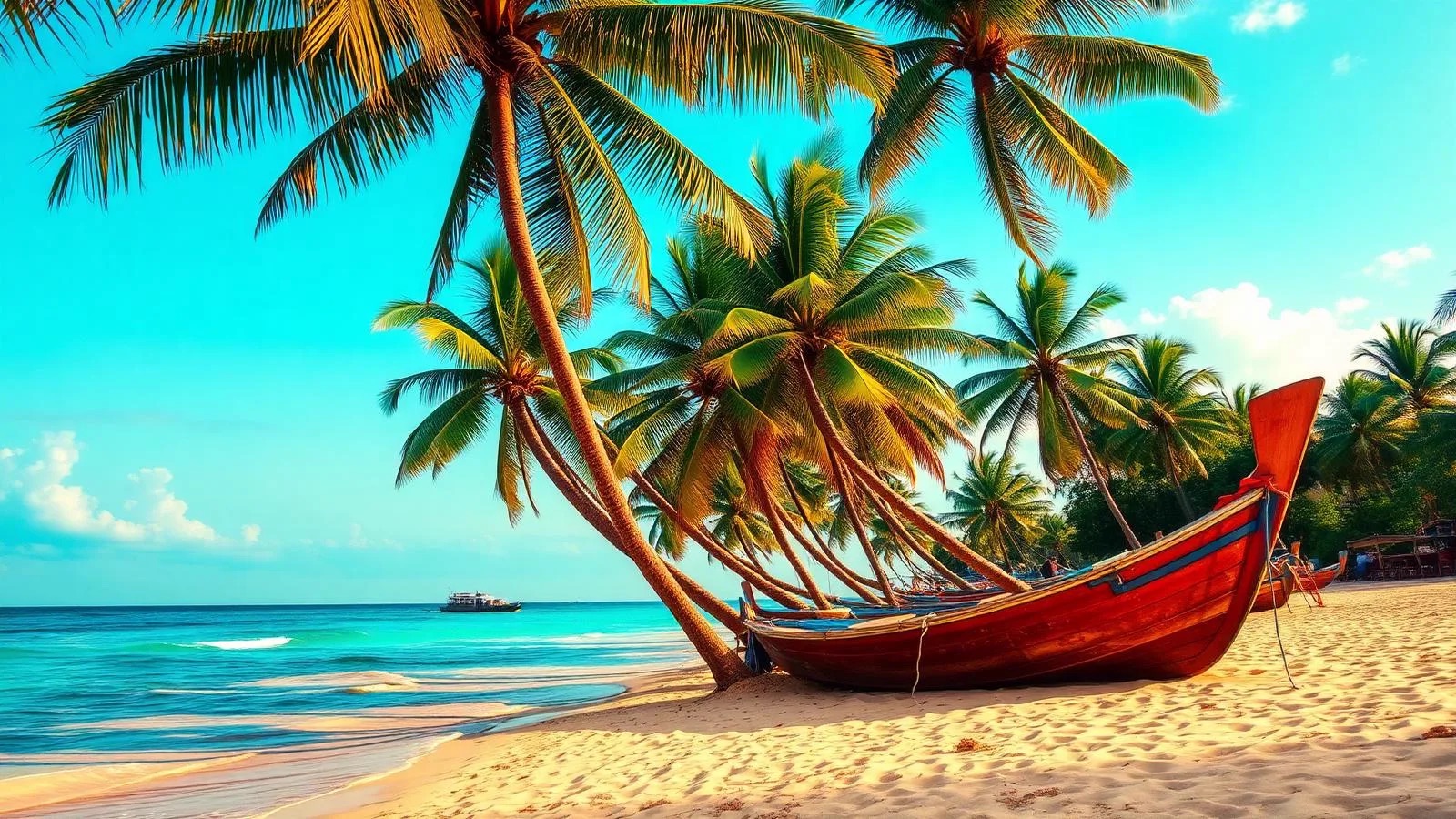
Best Beaches in Sri Lanka: South and East Coasts
Sri Lanka's south and east coast beaches, how the two monsoons decide when to visit each, stilt fishermen, trip planning and staying safe…