Best Islands in Panama: San Blas to Bocas del Toro
How Panama's island groups differ — Guna Yala's sandbars, Bocas del Toro's Caribbean buzz, Coiba's diving and the Pearl Islands — and how to reach each one.
In this guide
- Quick Facts: Best Islands in Panama
- Guna Yala (San Blas Islands): Coconut Palms and Indigenous Autonomy
- Bocas del Toro: Caribbean Rhythm and Rainforest Islands
- Isla Coiba and Santa Catalina: Pacific Marine Wilderness
- The Pearl Islands (Archipiélago de las Perlas): Pacific Luxury and History
- Isla Taboga: The Island of Flowers
- Isla Grande and Portobelo: Caribbean History and Culture
- Comparing Panama's Archipelagos
- Choosing the Right Island for Your Travel Style
- Practical Travel Tips for Panama’s Islands
- Final Thoughts on Panama's Island Paradises
This guide is part of our Panama Itinerary: San Blas, Bocas del Toro and Boquete — start there for the overview, when to go and how to get around.
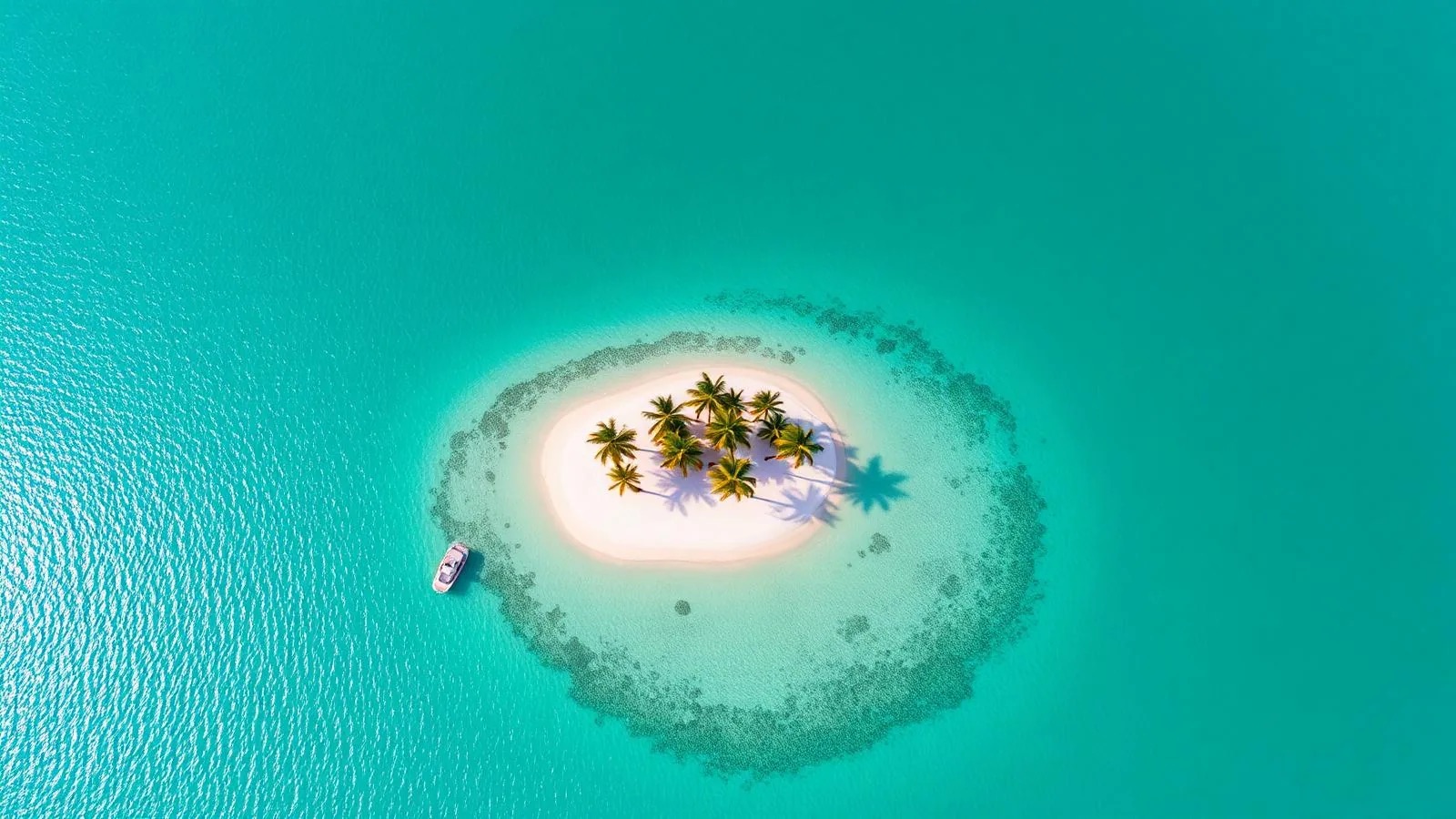
Arriving by wooden dugout canoe on the sugar-white shore of a tiny cay in Guna Yala at sunrise, you'll find sand so fine it feels like warm flour, gentle turquoise waves, and the smoky aroma of roasting fish from a nearby thatch hut. Panama’s islands offer something increasingly rare in modern travel: untouched, raw magic.
Panama sits in a unique geographic sweet spot, stretched like a narrow bridge between North and South America and flanked by two vast bodies of water. To the north lies the warm, calm Caribbean Sea, fringed by coral reefs and lush rainforests. To the south stretches the wilder, deeper Pacific Ocean, where dramatic tidal shifts, volcanic islands, and rich marine migration routes draw nature enthusiasts from around the globe.
What makes island hopping in Panama so intoxicating is the sheer diversity of experiences packed into a relatively compact country. Within a single trip, you can move from the off-grid, indigenous-governed paradises of the Caribbean coast to surf-battered Pacific archipelagos swarming with humpback whales and reef sharks. Whether you are looking for barefoot luxury, vibrant West Indian culture, or deep wilderness diving, there is an island group with your name on it.
Quick Facts: Best Islands in Panama
- Geography: Over 1,400 islands spanning both the Caribbean Sea and Pacific Ocean coastlines.
- Primary Archipelagos: Guna Yala (San Blas), Bocas del Toro, Pearl Islands, and Coiba National Park.
- Best Time to Visit: The dry season runs generally from mid-December through April, though Caribbean islands remain tropical and can experience rain year-round.
- Primary Transport: Regional flights, water taxis (lanchas), public ferries, and 4x4 overland transfers.
- Cultural Mix: Indigenous Guna communities, Afro-Caribbean West Indian heritage, and Spanish colonial coastal towns.
Guna Yala (San Blas Islands): Coconut Palms and Indigenous Autonomy
When people picture a pristine tropical paradise, they are usually imagining Guna Yala, formerly known as the San Blas Archipelago. Stretching along Panama’s eastern Caribbean coast toward the Colombian border, this collection of roughly 365 tiny cays—only a fraction of which are inhabited—looks like a postcard brought to life. Here, emerald-green palm trees lean dramatically over blindingly white sand, surrounded by shallow, crystal-clear sea that shifts from pale jade to deep sapphire.
What sets Guna Yala apart from almost anywhere else in the tropics is its political and social structure. The region is an autonomous indigenous territory governed entirely by the native Guna people. There are no high-rise resort chains, no foreign-owned hotel franchises, and no paved airstrips carved through the jungle. The Guna have managed their land and marine resources for generations, protecting their culture, environment, and traditional way of life against outside commercialism.
Guna Culture and Visiting Protocols
Visiting Guna Yala is as much a cultural exchange as it is a beach holiday. The Guna live in close-knit island communities where traditional customs remain vibrant. Women wear intricately hand-stitched textiles known as molas, framed by colorful beaded leggings and nose rings. When travelling through their territory, it is crucial to remember that you are a guest in an autonomous nation.
Always ask permission before taking photographs of local people, particularly elders and children, as some islanders may request a small fee or prefer not to be photographed at all. Respect local rules regarding restricted islands, land use, and alcohol consumption. By honouring these boundaries, your visit directly supports the local indigenous economy and helps preserve one of the Caribbean's last untouched cultural landscapes.
What to Expect: Barefoot Living
If you are seeking luxury amenities like infinity pools, air conditioning, and high-speed Wi-Fi, San Blas is not the destination for you. Accommodations here are intentionally rustic, ranging from basic wooden beach cabins with sand floors to simple canvas tents pitched beneath the palms. Power is usually generated via solar panels and operates for only a few hours each evening.
Meals are straight from the ocean to the plate, typically consisting of freshly caught fish, spiny lobster, or octopus paired with coconut rice and fried plantains. Days are spent swimming in calm natural pools out in the open ocean, snorkelling vibrant coral gardens, reading in hammocks strung between palm trunks, and stargazing under unpolluted night skies.
Getting There and Practicalities
Reaching Guna Yala is an adventure in itself. Most travellers leave Panama City before dawn in a specialized 4x4 vehicle to navigate the winding, mountainous road that cuts through the jungle of the Central Cordillera to the coastal port of Cartí. From the port, wooden water taxis shuttle visitors out to their designated islands.
Alternatively, many visitors choose to explore the archipelago aboard private or shared sailing yachts that cruise between the outer, uninhabited cays. You must bring your original passport, as there is an official border checkpoint entering the Guna Yala comarca, along with sufficient cash in small denominations, as there are no cash machines anywhere in the region.
Bocas del Toro: Caribbean Rhythm and Rainforest Islands
Located in Panama’s northwestern corner near the Costa Rican border, the Bocas del Toro archipelago offers a completely different Caribbean vibe. Where San Blas is quiet and undeveloped, Bocas del Toro is vibrant, bohemian, and alive with the sounds of reggae, splashing water, and rustling rainforest leaves. It is a place where overwater wooden structures painted in pastel shades sit alongside lush jungle dropping directly into calm bay waters.
The island group comprises nine main islands and hundreds of smaller islets, creating a maze of mangrove channels, surf breaks, and coral reefs. The culture here is deeply influenced by its Afro-Caribbean West Indian history, giving the towns a relaxed, welcoming rhythm where English is widely spoken alongside Spanish and local creole dialects.
Isla Colón: The Energetic Hub
Isla Colón is the largest and most populated island in the chain, home to Bocas Town. This bustling hub serves as the main entry point for travellers arriving by air or water taxi from the mainland town of Almirante. The town’s streets are lined with timber buildings, dive shops, casual waterfront cafes, and lively bars where travellers gather to watch the sunset over the bay.
Beyond the main town, Isla Colón offers easily accessible adventures. You can hire a cruiser bicycle to pedal along the coastal road to northern beaches where waves crash against rocky headlands, or take a local bus across the island’s interior to wide, sandy bays where wooden beach huts serve ice-cold drinks and fresh seafood.
Isla Bastimentos: Rainforest, Sloths, and Red Frogs
A short boat ride across the bay lies Isla Bastimentos, one of the largest and visually striking islands in the group. Bastimentos feels much wilder and more remote than Isla Colón. The main settlement, Old Bank, is a traditional Afro-Caribbean village where car-free footpaths wind between colorful wooden houses built on stilts.
Bastimentos is home to a massive marine national park and dense interior rainforests where wildlife thrives. Walking along jungle trails, you are likely to spot white-faced capuchin monkeys, sloth families sleeping high in the canopy, and tiny, bright-red poison dart frogs hidden among the damp leaves on the forest floor.
Isla Carenero: Laid-Back Surfing and Coastal Paths
Squeezed between Isla Colón and Isla Bastimentos, Isla Carenero is a long, thin island that you can walk around in under an hour. Because of its proximity to Bocas Town, it offers the perfect balance: quick, easy access to restaurants and services, paired with a far quieter, laid-back atmosphere.
Carenero is surrounded by shallow turquoise water ideal for stand-up paddleboarding and swimming. The island is also famous among surfers for its smooth, point-break left waves that break over a shallow reef, making it a classic spot for experienced wave riders looking for consistent Caribbean swells.
Cayos Zapatillas: Uninhabited Coral Keys
No trip to Bocas del Toro is complete without a day trip out to Cayos Zapatillas. These two uninhabited mangrove-fringed islands sit within the boundaries of the Isla Bastimentos National Marine Park, surrounded by shallow coral reefs and deep blue water. The beaches here are spectacular, featuring soft golden sand backed by thick palm foliage.
Because the islands are strictly protected, there are no permanent settlements or commercial structures. Boat tours bring visitors out for a day of snorkelling over brain coral and sea fans, walking the circular island boardwalk through coastal jungle, and swimming in warm, clear waters teeming with tropical fish.
Transport and Logistical Tips
Getting to Bocas del Toro is straightforward. Domestic flights run regularly from Panama City’s Marcos A. Gelabert Airport (Albrook) directly to the small airstrip on Isla Colón. Alternatively, budget-conscious travellers can take an overland bus or drive to the port of Almirante, where frequent water taxis ferry passengers across the tranquil bay to Bocas Town.
Moving between islands within the archipelago is simple and affordable. Fiber-glass water taxis wait at wooden docks throughout Bocas Town and can be flagged down just like land-based taxis to whisk you across the water to nearby beaches or neighbouring islands.
Isla Coiba and Santa Catalina: Pacific Marine Wilderness
Moving over to Panama’s Pacific coastline, the island landscape changes dramatically. Far from the shallow, calm Caribbean cays, the Pacific archipelagos are defined by powerful ocean currents, dramatic volcanic geology, and deep oceanic waters that attract vast concentrations of large marine life. At the heart of this oceanic wilderness is Isla Coiba.
Isla Coiba is the largest island in Central America, measuring over 500 square kilometres. Its history is dark and unusual: for nearly a century, the island operated as an isolated penal colony. Because human settlement was strictly restricted and development banned, the island’s ancient primary rainforests and surrounding marine ecosystems remained remarkably pristine while the mainland was cleared for agriculture.
Coiba National Park: The "Galapagos of Panama"
Today, Coiba and its surrounding islets form Coiba National Park, a UNESCO World Heritage site often referred to as Panama's Galapagos. The park protects vast tracts of primary rainforest where endemic subspecies—such as the Coiba island howling monkey and the Coiba agouti—thrive undisturbed by modern human encroachment.
Below the ocean surface, Coiba is world-renowned. The island sits along an underwater mountain range connected to the Cocos Ridge and the Galapagos Islands, creating a marine highway for migratory species. Diving or snorkelling here reveals massive schools of fish, whitetip reef sharks, nurse sharks, manta rays, sea turtles, and, during peak migration months, majestic whale sharks and humpback whales.
Santa Catalina: The Mainland Gateway
Because Coiba is a strictly protected national reserve with no commercial hotels, visitors access the island via the small mainland fishing village of Santa Catalina, located on the coast of Veraguas province. Once a quiet, isolated settlement known only to intrepid surfers chasing legendary point breaks, Santa Catalina has transformed into a charming hub for marine adventurers.
The village retains its sleepy, unpretentious atmosphere, with dirt roads, casual eateries serving fresh seafood, and dive shops organising daily boat expeditions out to the national park. Watching the sun set over the Pacific after a long day on the water is an essential Santa Catalina experience.
Reaching Coiba and Practical Expectations
Day trips to Coiba leave early in the morning from the beach at Santa Catalina. The boat journey across the open Pacific ocean takes roughly an hour to seventy minutes depending on swell and weather conditions. Boats generally head to the ranger station on the main island for park registration before visiting pristine offshore cays like Granito de Oro, a tiny islet surrounded by a natural aquarium of soft coral and sea life.
Overnight stays inside the national park are strictly controlled and must be arranged in advance through authorised dive operators or park rangers, with basic dormitory-style ranger facilities serving as the only shelter. Pack reef-safe sunscreen, dry bags for camera equipment, and light waterproof jackets for the open-ocean crossing.
The Pearl Islands (Archipiélago de las Perlas): Pacific Luxury and History
Situated in the Gulf of Panama, roughly 50 kilometres off the coast of Panama City, the Pearl Islands comprise more than 200 islands and islets. The archipelago owes its name to the abundance of pearls harvested from its surrounding waters during the Spanish colonial era, including the world-famous La Peregrina pearl once owned by royalty and Hollywood icons alike.
The Pearl Islands are defined by white-sand beaches contrasting against dark volcanic rock, turquoise Pacific waters, and a distinctly upscale, tranquil ambiance. Because of their proximity to the capital, they have long served as a private retreat for wealthy Panamanian families, international travellers, and sailors seeking quiet anchorages.
Isla Contadora: Beaches and Coastal Elegance
Isla Contadora is the heart of tourism in the Pearl Islands. Small, developed, and easy to navigate via golf cart or pushbike, the island features over a dozen beautiful public beaches tucked into sandy coves around its perimeter. The interior is dotted with private villas, boutique lodges, and quiet residential streets shaded by flowering trees.
The waters surrounding Contadora are exceptionally clear for the Pacific side, making it an ideal destination for swimming, stand-up paddleboarding, and coastal kayaking. Unlike the rustic conditions found in San Blas, Contadora offers paved pathways, air-conditioned rooms, fine dining, and reliable amenities.
Isla Saboga: Serene Nature and Trails
Located just a few minutes by boat north of Contadora, Isla Saboga offers a far quieter, nature-focused experience. Saboga features traditional local villages, dense tropical vegetation, and secluded beaches where you can often spend the entire day without seeing another soul.
Hiking trails wind through the island's forested interior, leading down to quiet coastal coves where local fishermen pull up their boats. It is an ideal spot for travellers seeking absolute quiet and open space, while still remaining within easy reach of Contadora’s restaurants and ferry docks.
Whale Watching and Marine Cruising
One of the absolute highlights of visiting the Pearl Islands occurs between July and October, when hundreds of Southern Hemisphere humpback whales migrate thousands of kilometres north from Antarctica to the warm, sheltered waters of the Gulf of Panama to mate and give birth.
During these months, boat excursions from Contadora and Saboga offer incredible whale-watching opportunities. It is common to see mother whales swimming alongside their newborn calves, or adult males breaching completely out of the ocean water against the backdrop of the islands.
Ferry and Flight Access
Reaching the Pearl Islands is quick and convenient, making them a popular choice for short stays or weekend escapes. High-speed passenger ferries depart daily from the Amador Causeway in Panama City, reaching Isla Contadora and Isla Saboga in about ninety minutes. Small charter and scheduled domestic flights also operate from the city's domestic airport, landing on Contadora's airstrip in under twenty minutes.
Isla Taboga: The Island of Flowers
For travellers with limited time who still want to experience Panama’s island charm, Isla Taboga provides the quickest and most accessible escape. Located just twenty kilometres off the coast of Panama City, Taboga is visible from the city's waterfront skyscrapers, appearing as a lush, green volcanic mound rising out of the Pacific bay.
Known historically as the Isla de las Flores (Island of Flowers) due to its sweet-smelling jasmine and bougainvillea bushes, Taboga has a rich historic heritage. It was visited by Spanish conquistadors, used as a staging ground for South American expeditions, and served as a retreat for French engineers during the early construction phase of the Panama Canal.
Historic Charm and Day-Tripping
The island’s main village, San Pedro, features narrow, car-free cobblestone paths lined with pastel-colored houses, bright floral displays, and historic landmarks. The town church, San Pedro, was built in the sixteenth century and is considered one of the oldest surviving churches in the Western Hemisphere.
Visitors can hike up to high viewpoints on the island—such as Cerro de la Cruz—for sweeping vistas across the Gulf of Panama, looking back toward the impressive modern skyline of Panama City and the steady line of cargo ships waiting to enter the Panama Canal. After a hike, the calm, shallow waters at the island's main beach offer a relaxing spot to swim and cool off.
Express ferries run multiple times daily from the Amador Causeway in Panama City, making the crossing in roughly thirty minutes. It is the ultimate day-trip destination for urban travellers looking to trade pavement for sand without altering their itinerary.
Isla Grande and Portobelo: Caribbean History and Culture
Situated along the Caribbean coast of Colón province, northeast of the Panama Canal entrance, lies a region rich in piracy history, Spanish fortifications, and vibrant Afro-Panamanian culture. The primary island escape along this stretch of coast is Isla Grande.
Despite its name (which translates to "Big Island"), Isla Grande is modest in size, featuring a long, palm-fringed shoreline, calm turquoise water, and a relaxed, slow-paced village vibe. The island is predominantly inhabited by descendants of enslaved Africans brought to the region during Spanish rule, resulting in a unique cultural heritage expressed through local music, traditional Conga drumming, and spicy coastal cuisine.
Exploring Isla Grande
Isla Grande is completely car-free, connected by a narrow concrete footpath that runs along the southern shore. Palm trees sway over wooden boardwalks, small guest houses, and casual seafood shacks serving fried whole snapper, coconut rice, and spicy habanero-infused sauces.
A short uphill hike through the island's wooded interior brings you to a historical iron lighthouse designed by Gustave Eiffel's engineering firm in the late nineteenth century. From the top, you can enjoy broad views out over the crashing waves of the open Caribbean Sea.
Portobelo and Mainland Access
To reach Isla Grande, travellers drive from Panama City or Colón to the small mainland coastal village of La Guaira, where quick five-minute water taxis shuttle passengers across the narrow channel to the island's docks.
En route to La Guaira, travellers pass through the historic town of Portobelo. Once a major fortified port for Spanish silver fleets, Portobelo is home to atmospheric stone fort ruins overlooking the bay, as well as the Church of San Felipe, which houses the revered statue of the Black Christ (Cristo Negro). Combining a visit to Portobelo’s historic ruins with a weekend relaxation trip on Isla Grande makes for a rich historic and coastal getaway.
Comparing Panama's Archipelagos
Choosing between Panama’s archipelagos depends heavily on what kind of experience you are seeking. The table below highlights the key differences across water conditions, infrastructure, culture, and access methods for each major island destination.
| Archipelago / Island | Ocean Coast | Water & Beach Vibe | Infrastructure & Comfort | Best Suited For | Primary Access |
|---|---|---|---|---|---|
| Guna Yala (San Blas) | Caribbean | Shallow, crystal-clear turquoise; soft white sand cays | Very rustic; off-grid, thatched huts, limited power | Unplugging, cultural immersion, sailing, pristine sand bars | 4x4 road transfer + wooden lancha from Cartí |
| Bocas del Toro | Caribbean | Calm bays, surf breaks, lush mangrove channels | Moderate to high; hotels, hostels, overwater bars | Backpackers, surfers, night owls, wildlife watchers | Domestic flight to Isla Colón or water taxi from Almirante |
| Isla Coiba | Pacific | Deep ocean, volcanic sand beaches, massive reef life | Minimal; protected park ranger station only | Scuba divers, wildlife enthusiasts, serious nature lovers | Day boat from Santa Catalina (Veraguas) |
| Pearl Islands | Pacific | Clear Pacific waters, wide golden sand beaches | High; boutique hotels, luxury villas, paved paths | Couples, whale watching, quiet luxury, quick escapes | Ferry from Amador Causeway or short regional flight |
| Isla Taboga | Pacific | Calm bay water, view of shipping lanes and city skyline | Moderate; casual village, small hotels, restaurants | Day-trippers from Panama City, history buffs | 30-minute passenger ferry from Panama City |
| Isla Grande | Caribbean | Warm coastal waters, coconut-fringed shores | Basic to moderate; local guesthouses, casual eateries | Weekend relaxers, Afro-Caribbean food lovers, history fans | Short boat ride from La Guaira (Colón province) |
Choosing the Right Island for Your Travel Style
Every island group in Panama possesses a distinct personality. Matching your travel style to the right archipelago will ensure you get the absolute most out of your Panamanian journey.
For Backpackers and Social Travellers
If you love meeting fellow travellers, enjoying lively waterfront social spots, and jumping between surf spots and jungle trails, head straight for Bocas del Toro. Isla Colón and Isla Carenero offer incredible social hubs, affordable hostels, and easy water-taxi hopping. You can spend your mornings surfing or spotting sloths and your evenings dining over the water.
For Cultural Seekers and Off-Grid Dreamers
If your ultimate dream is dropping out of modern life, turning off your smartphone, and experiencing an untouched tropical paradise, Guna Yala (San Blas) is unmatched. Living alongside the Guna people on tiny, palm-studded cays offers a profound sense of peace and a rare glimpse into a beautifully preserved indigenous culture.
For Scuba Divers and Wildlife Enthusiasts
Nature purists and marine biology lovers should place Isla Coiba at the top of their bucket list. The sheer quantity and scale of underwater marine life—from reef sharks to humpback whales—makes dive trips out of Santa Catalina into Coiba National Park one of the world's truly great marine adventures.
For Relaxed Luxury and Easy Escapes
If you prefer air-conditioned comfort, fine dining, white-sand coves, and painless transport logistics, book a stay in the Pearl Islands on Isla Contadora or Saboga. It offers a refined, unhurried coastal environment ideal for couples and families wanting a quick beach fix near Panama City.
Practical Travel Tips for Panama’s Islands
Planning an island-hopping adventure across Panama requires a bit of logistical foresight, especially when moving between remote indigenous territories and offshore national parks.
- Cash is Essential: While credit cards are accepted in major hubs like Bocas Town or Isla Contadora, remote destinations like Guna Yala, smaller islands in Bocas del Toro, and Santa Catalina rely almost entirely on cash transactions. Always carry plenty of US paper currency in small bills ($1, $5, $10, and $20 notes).
- Passport Requirements: Always keep your physical passport with you. You will need it to clear immigration checkpoints when travelling overland to Guna Yala, when boarding domestic flights, and when registering with park rangers at Coiba National Park.
- Pack Light and Waterproof: Moving on and off small fiberglass water taxis (lanchas) often requires wading through shallow surf with your luggage. A high-quality dry bag or waterproof cover for electronics and cameras is crucial to protect your gear from sea spray and rain showers.
- Protect the Ecosystems: Panama's marine environments are fragile. Always use reef-safe, biodegradable sunscreen to protect delicate coral reefs, avoid touching or standing on live coral, and never remove shells, starfish, or animal life from national parks or indigenous waters.
- Sea Sickness Preparation: Pacific waters around Coiba and the Pearl Islands can involve ocean swells, particularly outside the dry season. If you are prone to seasickness, carry motion-sickness medication for long open-water transfers.
Final Thoughts on Panama's Island Paradises
Panama is one of those rare countries where you can watch the sunrise over the calm Caribbean Sea on an indigenous-governed coral cay, cross the continental divide, and watch the sun set over the wild Pacific Ocean while listening to the distant blow of a humpback whale. Its islands are not homogenised resort complexes; they are vibrant, living ecosystems steeped in rich history, distinct cultures, and spectacular natural beauty.
Whether you choose to swing in a hammock under the coconut palms of San Blas, dance to reggae rhythms in Bocas del Toro, or dive into the churning, life-rich waters of Isla Coiba, Panama's island worlds will stay with you long after the sand has washed off your feet. Pack your dry bag, leave your worries on the mainland, and step aboard the next lancha into paradise.
More Panama guides
Things to Do in Panama: Canal, Casco Viejo, Islands
The canal locks, Casco Viejo's old town, Guna Yala's islands, Bocas del Toro, Boquete's coffee highlands and Coiba's diving — Panama's…
Panama Itinerary: San Blas, Bocas del Toro and Boquete
A 7–10 day Panama itinerary: the Canal, San Blas Islands, Bocas del Toro and Boquete, plus the best time to visit and realistic daily costs.