Things to Do in Panama: Canal, Casco Viejo, Islands
The canal locks, Casco Viejo's old town, Guna Yala's islands, Bocas del Toro, Boquete's coffee highlands and Coiba's diving — Panama's best coast-to-coast days.
In this guide
- Quick Facts: Things to Do in Panama
- Panama City and the Marvel of the Canal
- Rainforest Escapes Near the Capital
- Caribbean Archipelagos: San Blas and Bocas del Toro
- Mountain Highlands: Boquete and Volcán Barú
- The Wild Pacific Coast and Coiba National Park
- Pearl Islands and Charming Central Day Trips
- Comparing Panama's Top Travel Regions
- Practical Tips for Planning Your Panama Itinerary
- Final Thoughts on Experiencing Panama
This guide is part of our Panama Itinerary: San Blas, Bocas del Toro and Boquete — start there for the overview, when to go and how to get around.
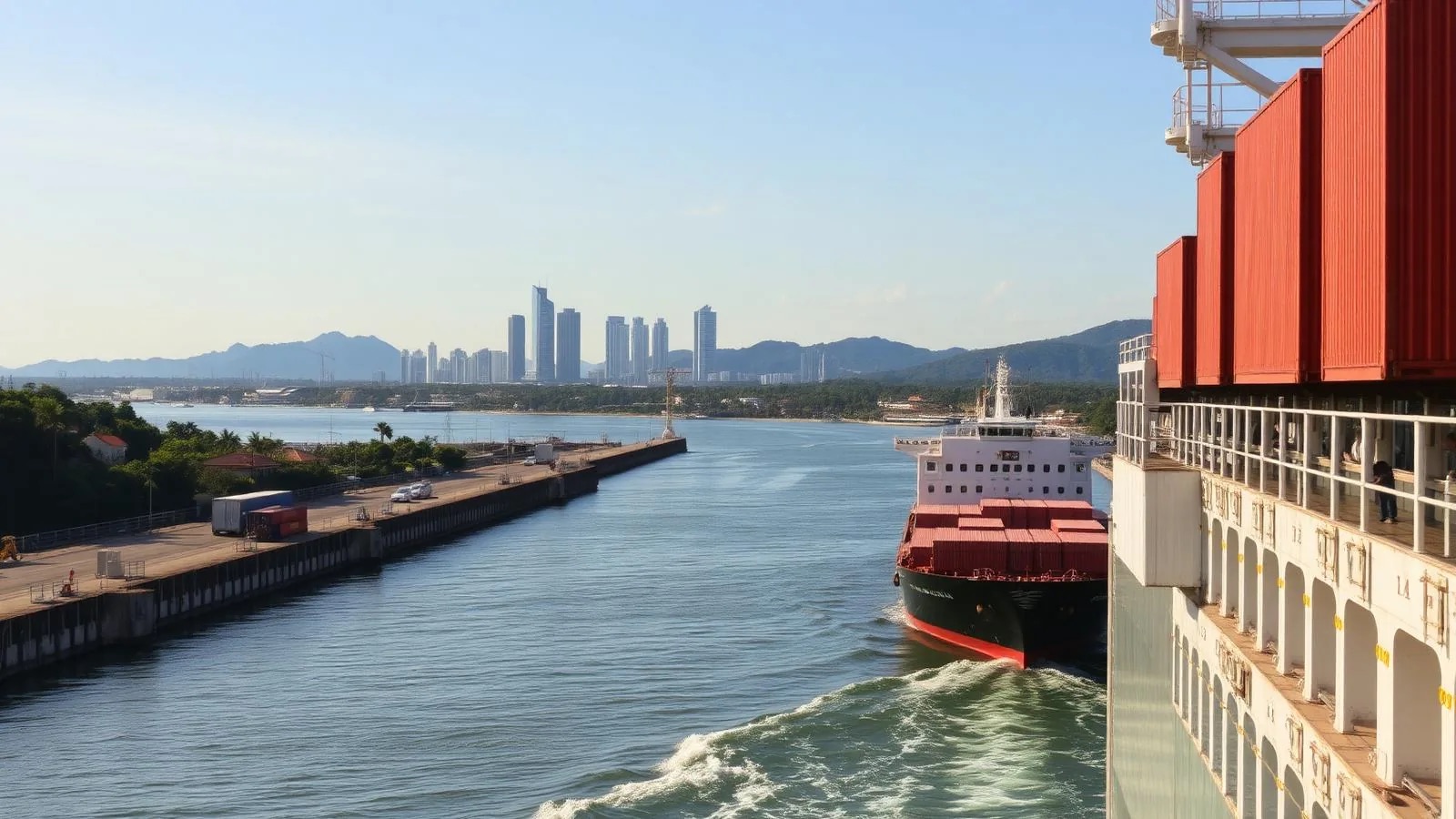
Drifting into the shadow of the Miraflores Locks on the open deck of a wooden passenger vessel, you feel the humid tropical breeze cut by cooler air rising off wet concrete walls. As thousands of tonnes of Pacific saltwater fill the chamber, lifting the boat several metres in minutes, huge container ships glide past close enough to almost touch. This narrow ribbon of land between two great oceans is unlike anywhere else on Earth.
Panama is often described simply as a transit hub, but to treat it merely as a quick stopover is to miss one of the most astonishingly diverse destinations in Central America. Within a single day, you can stroll through cobblestone historic districts built in the seventeenth century, trek through dense virgin rainforest inhabited by sloths and toucans, and end your evening gazing out at a glittering metropolis from a rooftop lounge.
Beyond the sprawling modern capital lies a country of dramatic contrasts. You will find cold mountain ridges wrapped in cloud forest where world-class coffee thrives, paradise archipelagos where indigenous Guna communities preserve their ancient way of life, and protected Pacific marine reserves teeming with sea turtles and whale sharks. Whether you are seeking wilderness, history, or coastal relaxation, Panama delivers an extraordinary breadth of experiences.
Quick Facts: Things to Do in Panama
- Best Time to Visit: December to April (dry season) for sunny beach weather and hiking; May to November (wet season) for lush green landscapes, lower crowds, and whale watching.
- Currency: United States Dollar (USD) alongside the local Panamanian Balboa (pegged 1:1 with the USD).
- Languages: Spanish is the official language; English is widely spoken in tourist centres, alongside indigenous languages such as Guna and Ngäbe.
- Getting Around: Excellent domestic air connections, comfortable long-distance coaches, passenger ferries, and local water taxis make regional transit straightforward.
- Key Regions: Panama City & Canal, Caribbean Archipelagos (San Blas & Bocas del Toro), Chiriquí Highlands (Boquete), and the Pacific Coast (Coiba & Pearl Islands).
Panama City and the Marvel of the Canal
Panama City is a captivating metropolis where steel-and-glass skyscrapers rise directly beside lush tropical rain forest and historic Spanish colonial architecture. It serves as the natural starting point for any journey through the country, blending cosmopolitan energy with rich maritime history.
Experiencing the Panama Canal and Miraflores Locks
No trip to the country is complete without witnessing the marvel of human engineering that is the Panama Canal. Located just a short drive from the city centre, the Miraflores Visitors Centre provides an up-close look at massive vessel transits through multi-tiered lock chambers.
Standing on the observation terraces, you can watch mega-ships clear the concrete lock walls with mere centimetres to spare. The water levels rise and fall purely by gravity, moving millions of litres from Lake Gatún to facilitate ocean crossings. To truly understand the mechanics and scale, booking a partial transit boat tour allows you to sail through the locks yourself, floating alongside massive commercial tankers while an onboard historian explains the canal's harrowing construction history.
Exploring Casco Viejo (Casco Antiguo)
Built in 1673 after the original settlement was destroyed by pirates, Casco Viejo is Panama City's atmospheric colonial heart. Designated as a UNESCO World Heritage site, this vibrant neighbourhood features pastel-coloured brick buildings, iron balconies draped in bougainvillea, and leafy plazas anchored by grand cathedrals.
By day, Casco Viejo is a delight to explore on foot. You can wander past restoration projects, pop into craft boutique shops selling traditional Panama hats, and pause for iced local coffee in sun-dappled plazas. By night, the neighbourhood transforms into the capital's culinary and nightlife capital, filled with intimate wine bars, seafood restaurants, and breezy rooftop lounges offering panoramas of the city skyline across the bay.
Discovering the Ruins of Panama Viejo
To trace the roots of the capital back even further, head east along the bay to Panama Viejo. These sprawling archaeological ruins mark the site of the original European settlement founded in 1519, which was sacked and burned during a notorious raid by the privateer Henry Morgan in 1671.
Walking through the stone foundations and grassy courtyards gives you a deep sense of early colonial history. The centerpiece is the iconic square bell tower of the original cathedral, which has been restored so visitors can climb the inner stairs for sweeping views across the ancient stone walls toward the modern high-rises in the distance.
The Biomuseo and the Amador Causeway
Jutting out into the Pacific Ocean at the entrance to the canal, the Amador Causeway was constructed using rock excavated during the building of the waterway. Today, this scenic four-kilometre breakwater links four small islands and offers paved walking and cycling paths with harbour views.
Located at the gateway to the causeway is the Biomuseo, an architectural icon designed by world-renowned architect Frank Gehry. Its crumpled, brightly coloured roof panels represent Panama's dramatic geological emergence three million years ago—an event that united North and South America, divided two oceans, and fundamentally altered global climate and biodiversity. Inside, interactive galleries showcase the country's unique ecosystem.
Rainforest Escapes Near the Capital
One of Panama City's greatest assets is how rapidly urban concrete gives way to deep tropical wilderness. Within thirty minutes of downtown, you can be deep inside primary rainforest listening to the call of howler monkeys.
Soberanía National Park and Pipeline Road
Stretching along the eastern bank of the Panama Canal, Soberanía National Park is a world-renowned destination for birdwatchers and naturalists. This pristine expanse of lowland tropical forest protects vital watersheds and provides sanctuary for hundreds of animal species.
The park's most famous feature is Pipeline Road, a wide gravel track stretching deep into the jungle. Naturalists from across the globe gather here to spot elusive species, including toucans, motmots, trogons, and three-toed sloths resting in the high canopy. Walking early in the morning when the forest mist lingers provides the best opportunities for wildlife sightings.
Gamboa and the Chagres River Basin
Situated at the confluence of the Chagres River and the Panama Canal, the quiet outpost of Gamboa serves as the launch point for water excursions into the interior. Boarding a small motorboat onto Lake Gatún allows you to navigate close to forested islets known as Monkey Island, where capuchin, howler, and tamarin monkeys often scamper through the branches near the water's edge.
Further up the Chagres River, boat journeys lead through dense vegetation to traditional indigenous Emberá villages. Visiting these communities offers insights into ancestral customs, traditional botanical knowledge, handwoven basketry, and regional music.
Caribbean Archipelagos: San Blas and Bocas del Toro
Panama's Caribbean coastline is defined by turquoise waters, vibrant coral reefs, and distinct island cultures. Two contrasting archipelagos showcase the best of these tropical waters.
San Blas (Guna Yala): Pristine Indigenous Paradise
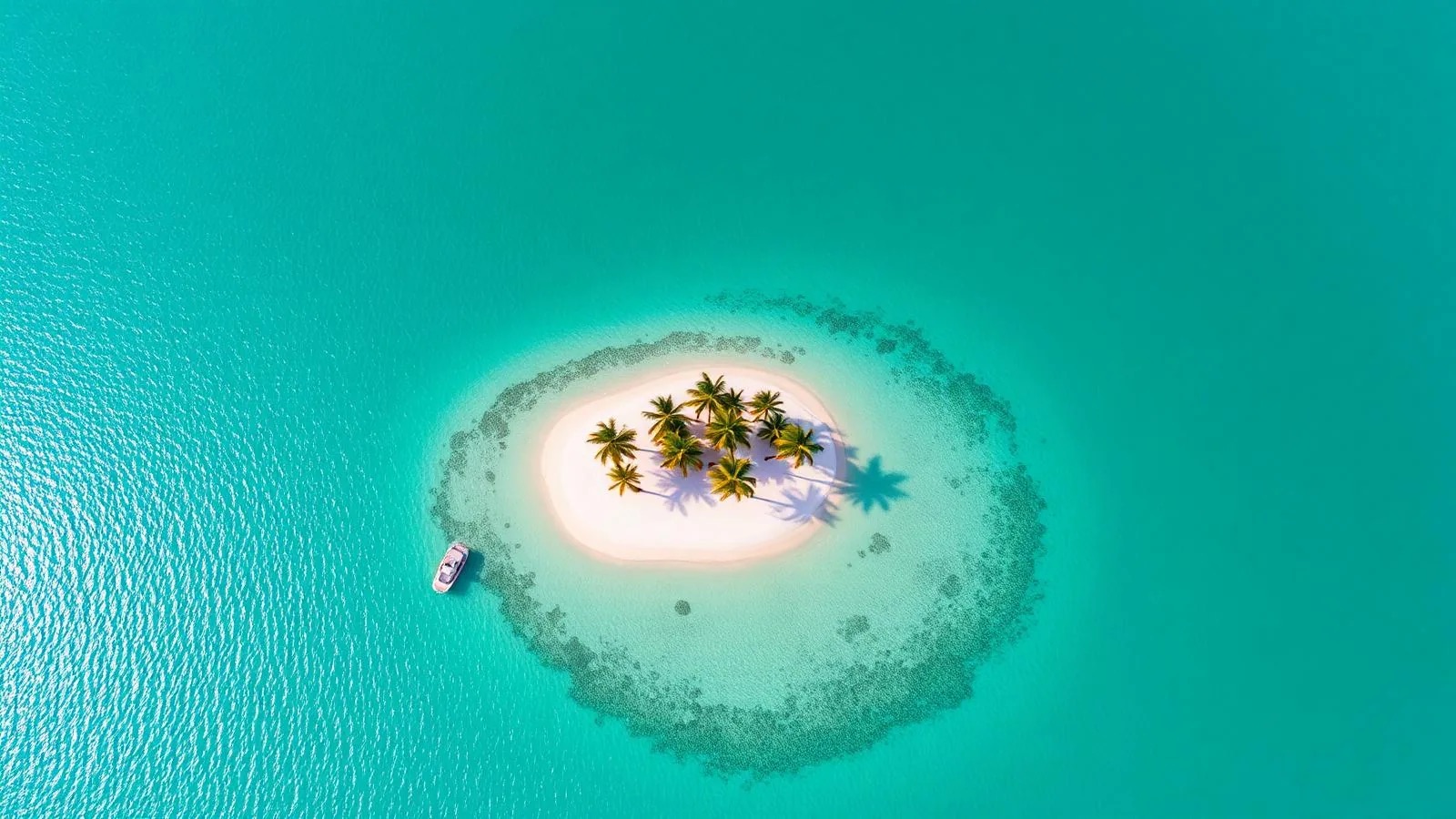
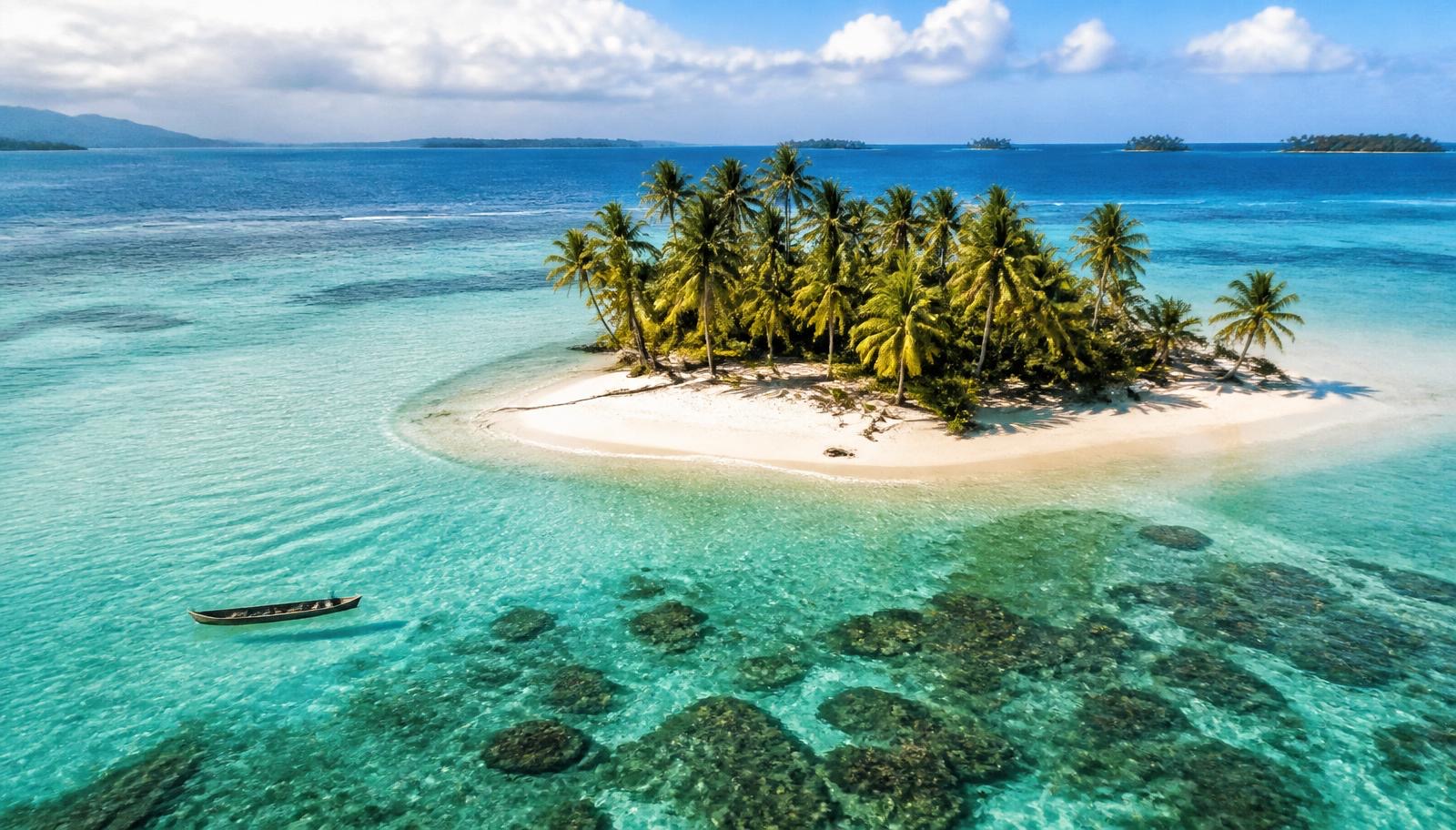
The San Blas Archipelago, officially known as Guna Yala, is a semi-autonomous territory comprised of over 300 tiny coral islands scattered along the Caribbean coast. Governed directly by the indigenous Guna people, this region remains virtually untouched by large-scale commercial development.
Visiting San Blas is about stripping back modern luxuries to enjoy pure natural beauty. Days are spent swimming in crystal-clear water, relaxing on tiny sugar-white sandbars surrounded by coconut palms, and dining on fresh lobster caught by local fishermen. Accommodation here consists primarily of rustic beachfront cabanas or live-aboard sailboats, providing a rare chance to un-plug completely.
Bocas del Toro: Island Vibe and Marine Biodiversity
Located in northwestern Panama near the Costa Rican border, Bocas del Toro offers a lively Caribbean environment filled with colourful wooden overwater houses, surf breaks, and sprawling marine parks. The main hub is Isla Colón, where water taxis hum between nearby islands.
Key highlights across the archipelago include:
- Isla Bastimentos: Home to the national marine park, pristine rainforest trails, and Red Frog Beach, named after the tiny poison dart frogs endemic to the area.
- Starfish Beach (Playa Estrella): A sheltered bay on Isla Colón famous for its calm water and hundreds of large red orange starfish visible resting on the sandy seabed.
- Cayo Zapatilla: Two uninhabited islands surrounded by vibrant coral reefs, ideal for day trips, snorkelling, and lounging on remote beaches.
- Dolphin Bay: A quiet lagoon where resident pods of bottlenose dolphins can frequently be seen swimming in the calm water.
Mountain Highlands: Boquete and Volcán Barú
When you need a respite from coastal humidity, the western province of Chiriquí delivers crisp mountain air, fertile volcanic soils, and cloud forest reserves populated by rare wildlife.
Boquete and World-Class Coffee Tasting
Nestled in a verdant valley on the eastern slopes of Volcán Barú, the charming town of Boquete is Panama's eco-adventure and agricultural capital. The surrounding hillsides are carpeted in lush cloud forest and manicured coffee plantations, creating an ideal microclimate for growing exceptional arabica beans.
Boquete is world-famous for producing Geisha coffee, one of the most sought-after and complex coffee varieties on Earth. Guided tours of local coffee estates walk you through the entire cultivation process—from hand-picking bright red coffee cherries on steep hillsides to processing and roasting. Tastings allow you to experience the delicate floral and tea-like notes that make this regional speciality famous globally.
Hiking Volcán Barú National Park
Dominating the regional landscape is Volcán Barú, an inactive volcano and the highest point in Panama, rising to 3,474 metres above sea level. On clear days, the summit offers the rare privilege of seeing both the Pacific Ocean and the Caribbean Sea simultaneously.
Reaching the summit requires dedication. Adventurous hikers often set off around midnight on a challenging multi-hour uphill trek along a rugged track, reaching the peak just as dawn illuminates the clouds below. For those preferring a less demanding journey, 4WD vehicle transfers up the mountain trail can be arranged locally.
Cloud Forest Trails and Canopy Adventures
The mountains around Boquete feature a network of pristine hiking trails cutting through high-altitude cloud forests. The popular Sendero Los Quetzales links Boquete with the small agricultural town of Cerro Punta, winding past ancient trees, cascading waterfalls, and rushing mountain streams.
This habitat is one of the best places in Central America to spot the elusive Resplendent Quetzal, a bird celebrated for its iridescent green plumage and long tail feathers. Beyond hiking, the area offers zip-lining canopy tours, tree-canopy suspension bridges, and white-water rafting on nearby roaring rivers.
The Wild Pacific Coast and Coiba National Park
Panama's Pacific coastline features dramatic headlands, world-class surf breaks, and isolated offshore marine preserves that rival the Galápagos in terms of underwater biodiversity.
Santa Catalina: Surf and Coastal Culture
Once a sleepy fishing village tucked away in Veraguas province, Santa Catalina has evolved into a laid-back coastal haven for surfers and ocean enthusiasts. The town's legendary point break attracts experienced surfers from around the globe, while calmer beach breaks offer accessible conditions for beginners.
Santa Catalina maintains an authentic, slow-paced atmosphere with dusty unpaved roads, small family-run seafood eateries, and guesthouses lining the shore. Beyond surfing, it serves as the primary jumping-off point for boat journeys to Coiba National Park.
Diving and Snorkelling in Coiba National Park
A UNESCO World Heritage site, Coiba National Park encompasses 38 islands and the surrounding marine reserves in the Gulf of Chiriquí. Because the main island operated as a penal colony for decades, human development was severely restricted, preserving both pristine primary forest and untouched marine habitats.
Today, Coiba is celebrated as one of the premier diving and snorkelling destinations in the eastern Pacific. The surrounding waters are rich in nutrients, attracting massive marine life including:
- Whale Sharks: Frequently spotted feeding in the marine reserve between December and April.
- Humpback Whales: Migrate to these warm protected waters to give birth and nurse calves between July and October.
- Sea Turtles: Hawksbill, olive ridley, and green sea turtles nest on island beaches and graze on local reefs.
- Manta Rays and Reef Sharks: Abundant across offshore pinnacles and underwater coral formations.
Pearl Islands and Charming Central Day Trips
Within easy reach of the capital are central mountain valleys and Pacific archipelagos ideal for shorter excursions or relaxing weekend getaways.
The Pearl Islands (Archipiélago de las Perlas)
Located in the Gulf of Panama roughly 50 kilometres offshore from Panama City, the Pearl Islands consist of over 200 islands and islets. Famous historically for producing large natural pearls during Spanish colonial rule, the archipelago now offers peaceful white-sand beaches and calm turquoise waters.
Isla Contadora is the most developed island in the group, accessible via a short ferry ride or charter flight from the capital. It features boutique beach lodging, quiet bays for paddleboarding, and boat rentals for sports fishing and whale watching.
El Valle de Antón: The Extinct Volcano Crater
Situated in central Panama, El Valle de Antón is a cool mountain village nestled inside the caldera of a massive extinct volcano. Surrounded by steep, jagged green cliffs, this fertile valley is famous for its mild climate and lush natural beauty.
Popular activities in El Valle include hiking up the dramatic ridge known as La India Dormida for sunrise views across the crater floor, visiting thermal hot springs, exploring local butterfly enclosures, and shopping at the vibrant Sunday artisan market for hand-carved crafts and tropical plants.
Portobelo: Caribbean History and Fortifications
Located on the northern Caribbean coast near Colón, the small harbour town of Portobelo was once one of the Spanish Empire's most important shipping ports in the Americas. Treasures of silver and gold collected across South America were held here before being loaded onto treasure fleets bound for Europe.
Today, visitors can explore the crumbling coral-stone ruins of historic sea forts, iron cannons still pointing out across the bay. Portobelo is also famous for its distinct Afro-colonial culture and the annual festival honoring the statue of the Black Christ housed in the town's historic church.
Comparing Panama's Top Travel Regions
To help you decide how to divide your time across Panama, the following table compares the country's primary destinations, highlighting their unique characteristics, ideal travel styles, and recommended minimum stays.
| Region | Vibe & Landscape | Best For | Recommended Stay |
|---|---|---|---|
| Panama City & Canal | Modern metropolis meets colonial architecture and jungle. | History, engineering, fine dining, urban exploration. | 2 – 3 Days |
| San Blas (Guna Yala) | Rustic, remote, untouched tropical coral islands. | Unplugging, beach relaxation, indigenous culture. | 2 – 3 Days |
| Bocas del Toro | Lively Caribbean island cluster with overwater culture. | Snorkelling, nightlife, surf, island hopping. | 3 – 4 Days |
| Boquete & Highlands | Crisp mountain climate, lush cloud forest, farmland. | Coffee tours, hiking, wildlife, cool weather. | 3 – 4 Days |
| Coiba & Santa Catalina | Wild Pacific coast and pristine marine sanctuary. | Scuba diving, surfing, big marine life. | 3 – 4 Days |
| El Valle de Antón | Tranquil mountain village set inside a volcano crater. | Day hikes, markets, hot springs, quick city escape. | 1 – 2 Days |
Practical Tips for Planning Your Panama Itinerary
Planning a seamless trip across Panama involves understanding seasonal weather variations, local transit logistics, and regional travel customs.
Weather and Seasonality
Panama experiences two distinct seasons. The dry season (locally called summer) runs from late December through April, offering clear skies, windier conditions, and minimal rainfall—ideal for hiking and beach trips. The wet season (green season) runs from May to November, characterised by warm humid mornings and heavy rain showers in the late afternoon. Travelling during the wet season brings lower accommodation costs, lush green scenery, and prime whale-watching conditions along the Pacific.
Logistics and Transportation
Panama City benefits from a clean, modern underground metro network and reliable rideshare options. For regional travel, domestic flights quickly connect the capital with Bocas del Toro and David (the gateway to Boquete). Modern air-conditioned coaches depart regularly from the main terminal in Panama City to destinations across the country. In island regions like Bocas del Toro and San Blas, water taxis and small motorboats are the standard mode of transport, so packing gear in dry bags is highly recommended.
Health, Safety, and Packing Essentials
Panama is generally one of the safest countries in Central America for international visitors, though standard precautions regarding belongings should be taken in major urban areas. Lightweight, breathable clothing is essential for warm lowlands, but be sure to pack warm layers, windbreakers, and sturdy footwear if visiting highland regions like Boquete. Strong insect repellent, reef-safe sunscreen, and a reusable water bottle are indispensable accessories for outdoor excursions.
Final Thoughts on Experiencing Panama
Panama is a destination that constantly defies expectation. It manages to pair modern convenience with wild, untouched wilderness in a way few other countries can replicate. Within a single fortnight, you can cross historic lock systems on the canal, sip world-renowned coffee on a misty mountain slope, dive alongside whale sharks in the Pacific, and fall asleep to the sound of gentle waves lapping against a remote Caribbean cay.
By balancing time between the vibrant capital, the cool highland forests, and the pristine archipelagos on both coasts, you will uncover the true breadth of this extraordinary central American crossroads.
More Panama guides
Best Islands in Panama: San Blas to Bocas del Toro
How Panama's island groups differ — Guna Yala's sandbars, Bocas del Toro's Caribbean buzz, Coiba's diving and the Pearl Islands — and how…
Panama Itinerary: San Blas, Bocas del Toro and Boquete
A 7–10 day Panama itinerary: the Canal, San Blas Islands, Bocas del Toro and Boquete, plus the best time to visit and realistic daily costs.