Panama Itinerary: San Blas, Bocas del Toro and Boquete
A 7–10 day Panama itinerary: the Canal, San Blas Islands, Bocas del Toro and Boquete, plus the best time to visit and realistic daily costs.
In this guide
- Why Panama Is Worth the Hype
- Best Time to Visit Panama
- Panama City
- The Panama Canal
- Bocas del Toro
- San Blas Islands (Guna Yala)
- Boquete and the Highlands
- Food Culture
- Getting Around
- Is Panama Expensive to Visit? Costs and Daily Budget
- How Many Days Do You Need in Panama? A 7 to 10 Day Itinerary
- Final Practical Tips
- Explore Panama in Depth: My Detailed Guides
At the Miraflores Locks you can watch a Panamax container ship — 300 metres long, stacked ten containers high — descend through the chambers with maybe 60 cm of clearance either side. Few countries compress this much geography, engineering and untouched wilderness into such a small land area. Covering the isthmus, the canal, the Caribbean coast, the Pacific islands and the highlands, this is the guide to read before your first flight into Tocumen.
Panama is compact but staggeringly varied. In a single week you can walk cobblestones through a 17th-century old town, see the world's most consequential shipping shortcut in operation, sleep in a hammock on a Caribbean island in an indigenous-run archipelago, and hike a cloud forest at 1,700 metres with quetzals overhead. It also uses the US dollar, has one of the strongest passports in Latin America, and is genuinely easy to travel in. This is the guide for the trip that treats it properly — not as a canal stopover, but as a destination.
Why Panama Is Worth the Hype
Panama's tourism marketing sells "one country, two oceans", and for once the tagline is completely true. The country is only about 50–60 km wide at its narrowest, and you can drive from Pacific surf to Caribbean coral in a couple of hours. It's also — and this rarely comes up in travel writing — an extraordinarily easy country to travel logistically. The currency is the US dollar (they've used it since 1904, alongside the local balboa coin), the domestic airline network reaches every corner of the country, and English is widely spoken in tourism, business and finance thanks to a century of US canal-zone presence.
What surprises most first-time visitors is how modern Panama City is. The skyline reads more like Miami than Managua — glass towers, elevated highways, a metro system, high-end restaurants — and sits directly across a bay from Casco Viejo, the 17th-century Spanish colonial quarter that's been beautifully restored over the last 20 years. Nowhere else in Central America gives you that side-by-side.
Panama is a natural pairing with Costa Rica (see the Costa Rica guide) — many travellers do them together as a two- or three-week Central America trip. Panama is cheaper, less overtly touristy, and offers experiences (San Blas, Casco Viejo, the canal itself) that Costa Rica simply doesn't.
Best Time to Visit Panama
Panama has two seasons rather than four:
- Dry season (mid-December to mid-April): the high-tourism window. Sunny, warm, low humidity by tropical standards, and reliably clear seas on the Caribbean side. Prices are highest and hotels book up. My preferred window.
- Green ("wet") season (mid-April to mid-December): shorter, heavier rain in the afternoons, mornings usually sunny. Prices drop meaningfully. The Pacific coast can get consistent afternoon storms; the Caribbean side (Bocas, San Blas) has less predictable seasonality and can be swimmable most of the year.
Temperatures are remarkably consistent year-round — 24–32°C in the lowlands, 12–24°C in the highlands (Boquete). No real "cold" season. Hurricanes are not a concern — Panama sits below the Atlantic hurricane belt, which is a real practical advantage over Yucatán, Belize and Cuba during August–October.
The best window is January to March for a first trip.
Panama City
Panama City is unlike any other Central American capital — a proper skyline of glass towers, a working metro (the only metro system in Central America), a genuinely walkable historic old town, and a Pacific waterfront that runs the length of the city. Give it three nights.
The essential districts:
- Casco Viejo (also Casco Antiguo): the 17th-century Spanish colonial old town, UNESCO-listed, on a peninsula jutting into the Pacific. Cobblestone streets, restored townhouses in ochre and dark red, boutique hotels, rooftop bars, ceviche joints. This is where you should stay.
- El Cangrejo and Marbella: the modern high-rise financial and hotel district. Business-traveller staples like the Waldorf Astoria and Marriott are here.
- Amador Causeway: a 6 km road built on the rock excavated from the canal, linking three small islands to the mainland. Cycle it at sunset for the Bridge of the Americas and Panama Canal ship-anchorage views. The BioMuseo — a Frank Gehry-designed biodiversity museum — is at the entrance.
- Ancón and San Francisco: quieter residential districts with the Parque Natural Metropolitano (tropical forest inside the city limits, monkeys and toucans).
Non-negotiables: Casco Viejo at dawn (empty streets, morning light on the churches, cathedral bells) and again after dark (rooftop bar at Casa Casco, Tántalo or Selina), a Miraflores Locks visit (see Canal section below), a BioMuseo visit on the Amador Causeway if you have any interest in natural history, and an evening ceviche crawl at the Mercado de Mariscos fish-market ceviche stalls (US$3–5 per cup, one of the great cheap food experiences of Central America).
The Panama Canal
The Panama Canal is the reason the country exists in its modern form — 80 km connecting the Atlantic and Pacific, opened in 1914, expanded in 2016 to handle new-generation Panamax ships. Around 12,000–14,000 ships transit each year, and Panama earns billions in transit fees. Visiting is easier than you'd think.
Three practical options:
- Miraflores Visitor Center: the classic. A modern multi-storey observation deck and museum overlooking the Miraflores Locks (the Pacific-side pair of chambers). Two ships transit approximately per hour during the two peak windows: 8am–11am (northbound, Pacific-to-Atlantic) and 3pm–5pm (southbound). Time your visit for one of these. Non-resident adult entry is B/.17.22 (US$17.22, including the IMAX film); allow 3 hours.
- Agua Clara Visitor Center: the new visitor centre on the Atlantic side, opened with the 2016 expansion. Overlooks the new expanded locks (Panamax neopanamax ships pass through here). Less trafficked, quieter, arguably better view. Combine with an afternoon in Colón or Portobelo.
- Partial transit: the half-day boat trip that actually takes you through the locks on the water — Panama Marine Adventures and Canal & Bay Tours both run these on Saturdays year-round, weekly during dry season. Usually the Miraflores + Pedro Miguel + Culebra Cut route, ~5 hours, US$180–220. Full ocean-to-ocean transits run less often, US$220–280, all day.
My recommendation: do the Miraflores Visitor Center on a weekday, timed for the 8am–11am window. If you have a Saturday spare and the schedule aligns, add a partial transit — actually going through the chamber, watching the doors close, feeling the water rise ~28 metres under the boat, is a genuinely emotional experience for anyone who cares about engineering or geography.
Bocas del Toro
Bocas del Toro is the Caribbean archipelago in the far north-west of Panama — nine main islands, ~50 smaller ones, in warm turquoise water, next to the Costa Rican border. It's Panama's beach-and-diving centre, backpacker-friendly, with a compact main town (Bocas Town, on Isla Colón) and a scattering of quieter island stays. Give it three to four nights.
The essential islands:
- Isla Colón: the main island, home to Bocas Town. Where you fly in and start. Boca del Drago (north end) has a calm beach and the famous Starfish Beach (Playa Estrella) with hundreds of orange starfish in shallow water — go early morning before the day boats arrive.
- Isla Bastimentos: the second island, home to Red Frog Beach (paid entry, calm surf, the small red poison dart frogs you'll spot in leaf litter behind the sand) and Wizard Beach (harder to get to, wilder waves, empty). The Bastimentos National Marine Park protects the coral around here.
- Isla Carenero: a five-minute boat from Bocas Town, quieter overnight bases (such as Aqua Lounge), reef-break surfing.
- Cayos Zapatillas: two uninhabited small coral cays inside the marine park — the picture-postcard Caribbean image. Reachable by half-day boat trip from Bocas Town, typically combined with snorkel stops.
Non-negotiables: a day boat trip through the marine park (Cayos Zapatillas + Dolphin Bay + Coral Cay snorkel), one full day on Bastimentos exploring Red Frog and Wizard, and one meal at Bocas Town's caribbean-creole spots. Getting there: fly Panama City to Bocas del Toro Isla Colón (Air Panama, 1h, ~US$150 return) or the long road-plus-boat option (~10 hours) via Almirante — flying is worth every dollar.
San Blas Islands (Guna Yala)
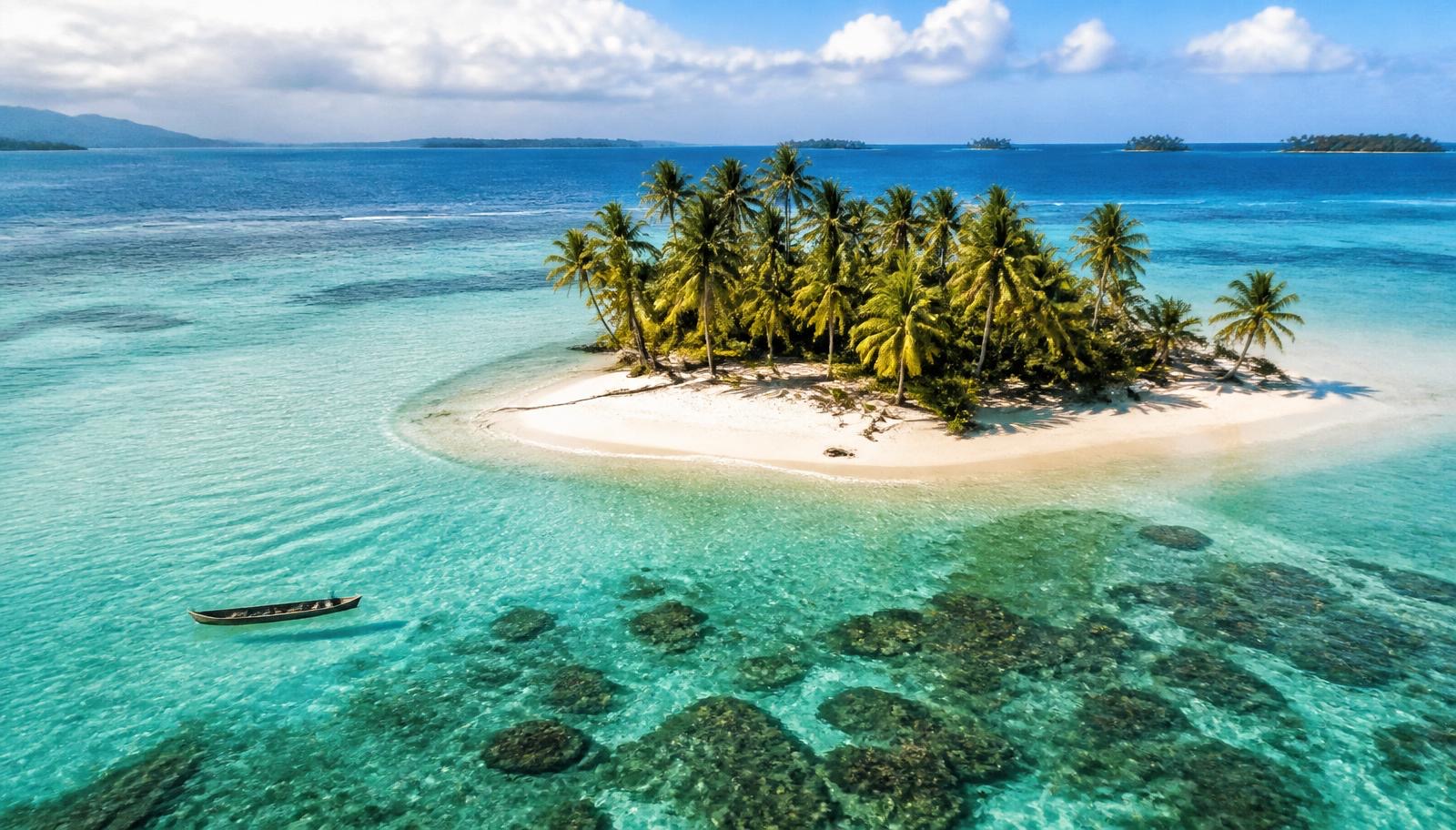
The San Blas archipelago — properly called Guna Yala after the indigenous Guna people who own and administer it — is the single most striking travel experience in Panama and one of the most in Central America. It's an autonomous indigenous comarca (territory) on the Caribbean coast, comprising ~365 small islands (most uninhabited, most 100–500 metres across), some fringed with a single row of palms and a bare handful of Guna family huts, all in turquoise water over white sand.
How it works: the Guna administer their own tourism, own the islands and the boats, and you visit only through Guna-run channels. Most travellers do a 2- or 3-day, 2-night trip departing from Panama City by 4WD to Cartí (2.5–3 hours, mixed paved and steep dirt road), then boat transfer to your chosen island. You sleep in a simple sand-floor thatched hut or in a hammock, eat what the family cooks (usually fish, coconut rice, plantain), and spend days boating between uninhabited islands for snorkeling and swimming. There is little to no electricity, no wifi, and no hot showers. That's the point.
Practical points:
- Book through a legitimate operator — San Blas Adventures, Cacique Cruiser and Panama Travel Unlimited are three of the reliable names in 2026. A standard 2-night package from Panama City runs US$220–360 per person including transport, guides, all meals, boat trips.
- The road entry has a Guna checkpoint where you pay a US$20 territorial entry fee, cash only.
- Bring cash for the entry fee and any drinks (typically US$1–3 for a beer or soda). There are no ATMs.
- Pack light and dry: a small waterproof bag or dry sack, reef-safe sunscreen, a headlamp, wet-wear for the boat transfers.
- Sailboat option: multi-day sailing charters between Panama and Cartagena, Colombia through the archipelago run 4–5 days per direction. Around US$500–700 per person including all meals. The classic Central-to-South-America overland crossover.
Two nights is the minimum. Three nights is better. You're paying for the disconnection — do not overschedule.
Boquete and the Highlands
Boquete is Panama's highland coffee town at 1,200 metres in the Chiriquí province, an hour by road inland from David airport. Cool days (18–24°C), cool nights (10–15°C), coffee plantations, cloud forest, rivers running through, and the Volcán Barú (Panama's highest peak at 3,475 metres) rising behind. It's an Americans-and-Canadians retirement destination and a legitimate outdoor-adventure base. Give it two nights.
What actually to do:
- Coffee farm tour. Boquete produces some of the highest-scoring geisha coffee in the world. Kotowa Coffee Tour, Café Ruiz and Finca Lerida all offer tours; a two-hour farm-to-cup tour is US$25–35 and includes a proper cupping.
- Sendero Los Quetzales. The classic 4–5 hour highland hike between Boquete and Cerro Punta over a ridge in the Volcán Barú National Park. Cloud forest, quetzals (especially April–June), waterfalls. Go with a guide or park a car at each end.
- Volcán Barú summit. You can see both oceans from the summit in the right weather. It's a serious hike — usually done as an overnight from the trailhead starting at midnight, arriving at the summit for sunrise. 26 km return, 13–14 hours; or hire a 4WD to shuttle you up. Guided-only recommended.
- White-water rafting the Chiriquí Viejo (Class III–IV, most reliable November–February).
- Chill: Boquete Tree Trek zipline, hot springs at Los Pozos de Caldera, a Sunday brunch at Boquete Brewing Company on the main street.
Getting there: fly Panama City to David (1h, ~US$120 return) then 45-minute taxi/bus to Boquete. Or the long overnight bus (7h, ~US$18) if you're on a budget.
Food Culture
Panamanian food is a Caribbean-Pacific-Colombian-Spanish-Guna crossover, hearty, coastal, and dominated by rice, beans, seafood, plantain, coconut and chicken. A few things to know:
- Sancocho is the national dish — a slow-cooked chicken soup with ñame (yam), corn, culantro (Panamanian coriander) and other roots. Traditionally eaten Sunday morning for a hangover. Every Panamanian will tell you their mother makes the best.
- Ceviche is arguably better here than in more famous ceviche countries. Panama's version is minimally dressed — fish, lime, red onion, coriander, small habanero — no heavy corn or camote garnish. The Mercado de Mariscos ceviche stalls in Panama City, US$3–5 per plastic cup, are essential.
- Regional flavours: Caribbean coast (Bocas, Colón) uses more coconut milk, curry spices and root veg — Rondón (a coconut fish stew) is the star. Guna Yala food is fish, coconut rice, plantain, cassava. Interior/highland (Boquete, Chiriquí) is meatier and pastoral.
- Fritters and street food: hojaldras (fried breakfast dough) with a cup of coffee, patacones (twice-fried green plantain), empanadas, tamales wrapped in banana leaf.
- Drinks: Panamanian coffee is genuinely world class — Boquete geisha auctions have set world price records. Chicheme (a fermented corn drink with cinnamon and vanilla) is the traditional refresher. Seco Herrerano is the national spirit — a sugar-cane distillate similar to rum but drier. Balboa and Panamá are the domestic beers.
Tipping is not culturally traditional but 10% at proper restaurants in Panama City is expected in tourist zones; not required at local sodas and market stalls.
Getting Around
Panama is small enough that most travel is either short domestic flights or 2–4 hour road transfers.
- Domestic flights: Air Panama flies from Panama City's Albrook Airport (not international Tocumen) to Bocas del Toro, David, Chitre, Contadora Island and more. Book 2–3 weeks ahead. US$100–160 return most legs.
- Buses: the Albrook Bus Terminal (adjacent to Albrook Airport) runs to every corner of the country. Panama City to David (7h, US$18), Panama City to Almirante for Bocas (10h, US$32), Panama City to Boquete (7–8h). Overnight buses are common and generally clean.
- Rental cars: straightforward in Panama City and David. Panama City driving is fine but parking is limited; leave the car with the hotel. Panamerican Highway is fully paved end to end. Off it, expect dirt roads and slow going.
- City transport: Panama City has one of Central America's newest metro systems (two lines and expanding), plus buses. Uber works and is often cheaper than taxis. Cabbies do not always use meters — agree the fare before you get in.
Is Panama Expensive to Visit? Costs and Daily Budget
Panama uses the US dollar (they call it balboa; identical bills). Prices roughly:
- Backpacker (hostel dorm, comida corriente lunches, buses): US$50–75 per day.
- Mid-range (private hotel/guesthouse room, mix of comida corriente and restaurants, occasional taxis, one or two paid activities): US$110–170 per day per person.
- Comfort (boutique hotel, restaurant meals, domestic flights, guided tours): US$220–350 per day per person.
- Luxury (Casco Viejo boutique like American Trade, Nayara Bocas del Toro, Hacienda Los Molinos in Boquete): US$400–900 per night.
Concrete price points from 2025–2026 trips: ceviche at Mercado de Mariscos US$3–5, comida corriente lunch (rice, beans, meat, plantain) US$5–8, mid-range restaurant main US$14–24, Casco Viejo boutique double room US$140–260, Air Panama Panama City-Bocas one way US$85–120, Miraflores Locks entry US$17.22, San Blas 2-night trip US$260 per person, coffee farm tour Boquete US$25–35.
Panama is not a cheap Central American country — it's roughly middle of the pack (cheaper than Costa Rica, pricier than Nicaragua and Guatemala). But you get modern infrastructure and easy logistics.
How Many Days Do You Need in Panama? A 7 to 10 Day Itinerary
Ten days is the sweet spot for Panama. Suggested route:
- Days 1–3 (Panama City): arrive, day 1 Casco Viejo and Mercado de Mariscos ceviche, day 2 Miraflores Locks morning + BioMuseo afternoon, day 3 Casco Viejo cathedral + Panama Viejo ruins.
- Days 4–5 (San Blas / Guna Yala): 2-night trip from Panama City. Return late day 5 or morning day 6.
- Days 6–8 (Bocas del Toro): fly Panama City to Bocas Isla Colón in the morning, day 6 Boca del Drago + Starfish Beach, day 7 full marine-park boat trip (Cayos Zapatillas + Dolphin Bay), day 8 Bastimentos Red Frog + Wizard.
- Days 9–10 (Boquete): fly Bocas to David (or long road transfer) then transfer up to Boquete. Coffee farm tour, one highland hike (Sendero Los Quetzales or Lost Waterfalls), fly out from David or bus back to Panama City.
Have another 3–4 days? Skip Boquete and instead add Portobelo and Isla Grande on the Caribbean side (pirate history + calm beach) between Panama City and Bocas, or add Pearl Islands (Contadora) as a 2-night Pacific-island break.
Combining with Costa Rica: cross overland at the Sixaola-Guabito border between Costa Rica's Puerto Viejo/Cahuita and Panama's Bocas del Toro — a natural extension. See the Costa Rica guide for the other side.
Final Practical Tips
- Money: US dollar. ATMs work with international cards; withdraw at bank machines (Banco General, BAC, BBVA) rather than airport or convenience-store ATMs. Cash for San Blas, taxis and rural areas; cards work in Panama City hotels and restaurants.
- Visa: Most Western passports (US, Canada, UK, EU, Australia, NZ) get 180 days visa-free. You must show a return ticket and proof of at least US$500 in funds on arrival.
- SIM cards: Digicel, Claro and +Móvil (Cable Onda) offer cheap tourist SIMs. eSIMs also work well.
- Plugs: US Type A/B, 110V. No adapter needed for North American travellers.
- Language: Spanish. English widely spoken in Panama City finance/tourism zones, Bocas del Toro, and Boquete. Elsewhere, basic Spanish is useful.
- Water: tap water is safe in Panama City and Boquete. Bottled elsewhere.
- Health: Yellow fever vaccination is not required for entry but is recommended if you're visiting the Darién. Bring insect repellent for Bocas del Toro and San Blas.
- Respect in Guna Yala: ask before photographing anyone, especially Guna women (many wear intricate mola blouses and have opinions about photography). Support the community by tipping guides and buying molas directly from the artisan.
- Safety: Panama City is generally safe in tourist areas (Casco Viejo, Marbella, El Cangrejo, Amador). Colón city (Atlantic side) has real safety issues — pass through, don't linger. The Darién Gap in the far east is off-limits without expert local guidance.
Panama rewards travellers who commit to seeing both coasts and both altitudes. A canal transit, a Caribbean island stay, a Pacific old town, a highland coffee morning — that's the full country in ten days. Eat ceviche standing at the market, take at least one Air Panama flight, and trust that Panama is much more than the isthmus most people picture. That's the whole point — you'll come back.
Explore Panama in Depth: My Detailed Guides
This guide is the overview. When you are ready to plan a specific part of the trip, these deep-dives go further, and each one links back here:
More Panama guides
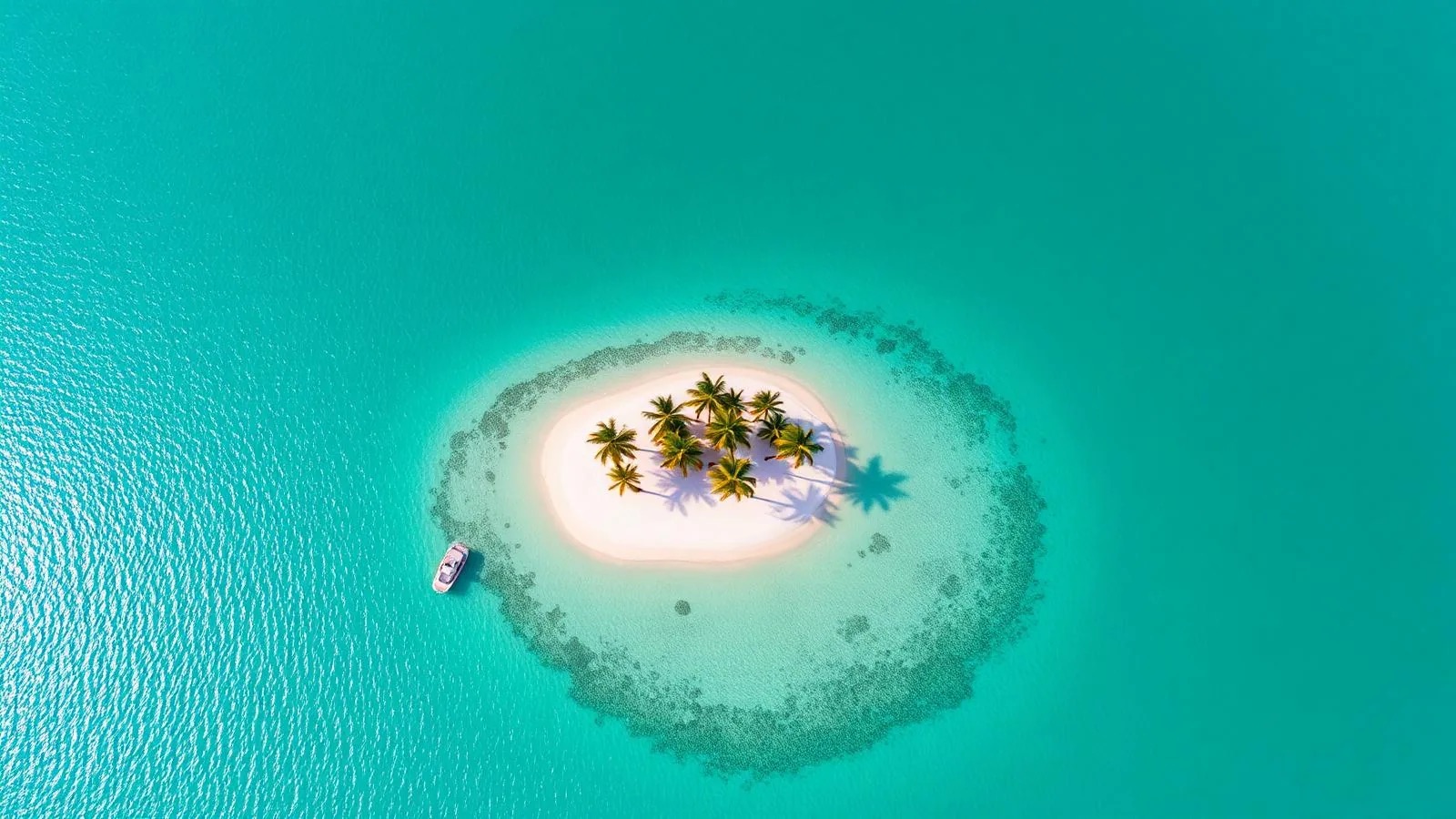
Best Islands in Panama: San Blas to Bocas del Toro
How Panama's island groups differ — Guna Yala's sandbars, Bocas del Toro's Caribbean buzz, Coiba's diving and the Pearl Islands — and how…
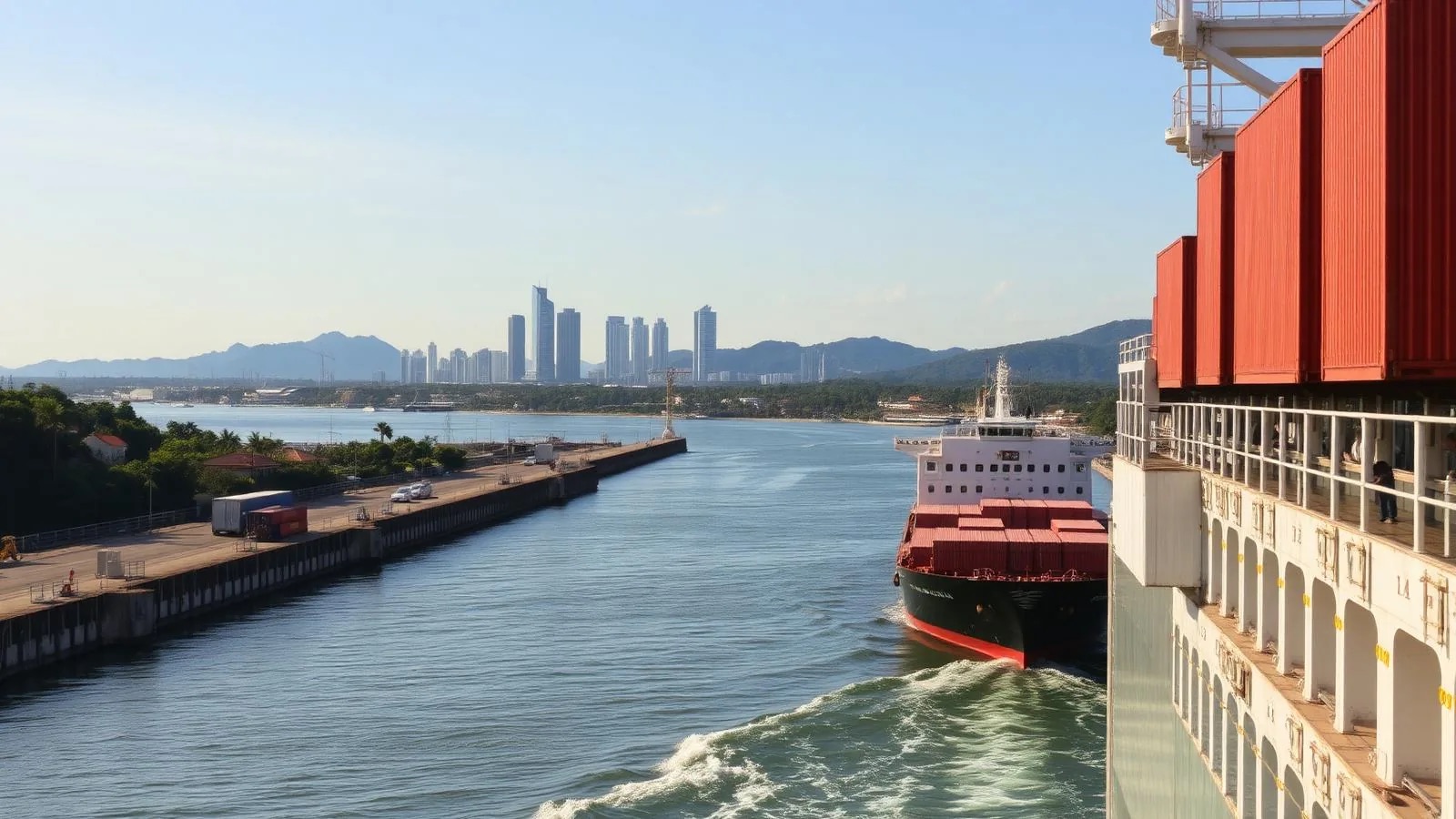
Things to Do in Panama: Canal, Casco Viejo, Islands
The canal locks, Casco Viejo's old town, Guna Yala's islands, Bocas del Toro, Boquete's coffee highlands and Coiba's diving — Panama's…