Best Time to Visit Thailand: Seasons by Region
Thailand's cool, hot and rainy seasons, month-by-month weather, how the north and the east and west coasts differ, shoulder-season value and festivals.

In this guide
- Planning the Best Time to Visit Thailand
- Table of Contents
- Overview of Thailand's Climate: Understanding the Seasons
- The Cool and Dry Season (November - February): Peak Travel to Thailand
- The Hot and Dry Season (March - May): Navigating the Heat
- The Monsoon/Rainy Season (June - October): Embracing the Green
- Thailand Weather by Month: A Detailed Breakdown
- Regional Variations: North vs. South, East vs. West Coasts
- The Shoulder Seasons in Thailand: Best Value for Money
- Best Activities for Each Season: Beyond Just Weather
- Thailand's Festival Calendar: Plan Your Trip Around Key Events
- Budgeting for Your Thailand Trip: Seasonal Price Differences
This guide is part of our Thailand Travel Guide — start there for the overview, itineraries and costs.
Planning the Best Time to Visit Thailand
Thailand is known for its vibrant culture, stunning landscapes, and mouth-watering food, but its weather can swing between brilliant sunshine and unexpected downpours. Knowing the best time to visit Thailand isn't just about avoiding a little rain; it's about unlocking the ultimate experience. You don't want to be caught trying to snorkel in murky waters during a monsoon or sweating through a temple visit in scorching heat.
This comprehensive guide is built from years of personal exploration across this incredible country, from the bustling streets of Bangkok to the serene beaches of Krabi. We'll dive deep into Thailand's distinct seasons, helping you pinpoint the ideal travel window for your 2025 adventure, whether you're chasing pristine beaches, ancient temples, or lush jungles. Forget generic advice; we're talking specific months, regional variations, and how to make the most of every moment. Let's make sure your Thailand trip is nothing short of legendary!
Table of Contents
- Overview of Thailand's Climate: Understanding the Seasons
- The Cool and Dry Season (November - February): Peak Travel to Thailand
- The Hot and Dry Season (March - May): Navigating the Heat
- The Monsoon/Rainy Season (June - October): Embracing the Green
- Thailand Weather by Month: A Detailed Breakdown (2025 Planner)
- Regional Variations: North vs. South, East vs. West Coasts
- The Shoulder Seasons in Thailand: Best Value for Money
- Best Activities for Each Season: Beyond Just Weather
- Thailand's Festival Calendar: Plan Your Trip Around Key Events
- Budgeting for Your Thailand Trip: Seasonal Price Differences
- Common Mistakes to Avoid When Planning Your Thailand Trip
- Pro Tips for Visiting Thailand Anytime of Year
- Conclusion: Finding Your Perfect Best Time to Visit Thailand
Overview of Thailand's Climate: Understanding the Seasons
To truly understand the best time to visit Thailand, you first need to grasp its tropical climate. Unlike temperate zones with four distinct seasons, Thailand generally experiences three main meteorological periods, largely dictated by monsoon winds. This is a critical factor for any 2025 Thailand planning.
- The Cool and Dry Season: Typically from November to February. This is widely considered the prime time, offering pleasant temperatures and minimal rainfall.
- The Hot and Dry Season: From March to May. Temperatures soar, and humidity rises, making it less comfortable for extensive outdoor activities.
- The Monsoon or Rainy Season: Generally from June to October. While it sounds daunting, this period brings lush greenery and often refreshing, short downpours rather than constant rain.
Understanding these general patterns is just the beginning. As we delve deeper, you'll see how these seasons impact different regions and activities, helping you decide on your ideal Thailand travel calendar.
The Cool and Dry Season (November - February): Peak Travel to Thailand
Ah, the cool and dry season! This is when Thailand truly shines for many travelers. From November to February, the skies are generally clear, humidity is low, and temperatures are comfortably warm, typically ranging from 20-30°C (68-86°F) in the central and northern regions, and a bit warmer in the south. This weather makes it the best time to visit Thailand for almost any activity you can imagine.
During these months, you'll find perfect conditions for:
- Beach hopping: The Andaman Sea (Phuket, Krabi, Koh Phi Phi) and the Gulf Coast (Koh Samui, Koh Phangan, Koh Tao) both offer pristine beaches and calm, clear waters.
- Exploring ancient temples: Walking around the historical parks of Ayutthaya or Sukhothai is far more pleasant without the intense heat or rain.
- Trekking in the north: The mountains around Chiang Mai and Chiang Rai are particularly inviting for hiking and experiencing hill tribe culture.
- Diving and snorkeling: Visibility is usually at its peak, especially around the Similan and Surin Islands.
However, this prime weather comes with a trade-off: it's peak tourist season. This means higher prices for flights and accommodation, and more crowded attractions. Maya Bay (before its closure and reopening), for example, was absolutely stunning in December but also bustling with people. Planning ahead, especially for 2025, is non-negotiable if you choose this period.
Budgeting During Peak Season
Expect to pay a premium. Here's a quick example:
| Item | Low Season (June-Oct) | Peak Season (Nov-Feb) |
|---|---|---|
| Flight (return, e.g., London-Bangkok) | ~£600 / $750 | ~£800-1200 / $1000-1500+ |
| Mid-range Hotel (Bangkok/Phuket) | ฿1,500 / $42 per night | ฿2,500-3,500 / $70-100 per night |
| One-day island tour | ฿1,200 / $33 | ฿1,800 / $50 |
Book flights and accommodation at least 6-9 months in advance for the best time to visit Thailand during peak season.
The Hot and Dry Season (March - May): Navigating the Heat
March to May marks Thailand's hot season. Temperatures can regularly hit 35-40°C (95-104°F) or even higher, particularly in April, which is often the hottest month. Humidity also climbs, leading to a stifling heat that can be challenging for some travelers. This period is definitely not for everyone, but it has its unique charm.
During these months, a significant drawback is the increased air pollution, especially in Northern Thailand (e.g., Chiang Mai), due to agricultural burning known as the 'burning season.' This can lead to hazy skies and poor air quality, sometimes necessitating the use of face masks.
However, it's not without its advantages:
- Songkran Festival: April is when Thailand celebrates its New Year with the famous Songkran water festival – an epic, nationwide water fight that provides much-needed relief from the heat. My experience in Chiang Mai during Songkran was unforgettable, albeit drenched!
- Lower prices: While not as low as the monsoon season, prices for hotels and some tours tend to drop compared to peak season.
- Fewer crowds: Popular spots are generally less crowded, offering a more serene experience at temples and some beaches.
If you plan your 2025 Thailand trip for this period, prioritize activities near water, plan early mornings or late evenings for sightseeing, and always stay hydrated. This is a crucial aspect of understanding Thailand weather by month.
The Monsoon/Rainy Season (June - October): Embracing the Green
The monsoon season, or rainy season, typically runs from June to October. Don't let the name deter you completely! While it does bring rain, it's rarely continuous all day. Locals often refer to these as refreshing showers, and they typically last for an hour or two in the afternoon, leaving the rest of the day clear and often delightfully cool. This is when Thailand's landscapes transform into lush, vibrant green. It's often misrepresented, leading many to believe it's not the best time to visit Thailand, but I beg to differ!
Key advantages of traveling during the Thailand monsoon season:
- Lush landscapes: The countryside, especially in the north, is incredibly green and beautiful. Waterfalls are at their most spectacular.
- Significantly fewer crowds: Enjoy popular attractions like the Grand Palace or the temples of Ayutthaya with far fewer tourists. My visit to Doi Suthep in September felt almost spiritual with the mist and quiet.
- Best prices: This is unequivocally the cheapest time to travel. Discounts on accommodation, flights, and even some tours can be substantial.
- Excellent for diving on the Gulf Coast: While the Andaman Sea can be rough, the Gulf of Thailand (Koh Samui, Koh Phangan, Koh Tao) often experiences its drier, calmer weather during these months, making it perfect for diving and beach activities.
However, some downsides exist:
- Rough seas on the Andaman Coast: Ferries to islands like Koh Phi Phi or Koh Lanta can be canceled or experience delays due to strong winds and high waves.
- Muddy trekking trails: While beautiful, some jungle trails might be inaccessible or very slippery.
- Higher humidity: Even without the extreme heat, the humidity can be quite high.
For those seeking authentic experiences, better value, and don't mind a few refreshing showers, the monsoon season can be a surprisingly rewarding choice for your 2025 Thailand itinerary.
Thailand Weather by Month: A Detailed Breakdown
Let's get granular. Understanding Thailand weather by month is the ultimate tool for planning your 2025 trip. This isn't just about averages; it's about what to expect and where to go.
January (Peak Season)
- Weather: Excellent nationwide. Warm, sunny, low humidity. Average temp: 26°C (79°F).
- Best for: Everything! Beach holidays (both coasts), northern trekking, city exploration, diving.
- Crowds & Prices: Very high. Book well in advance.
- Events: Chinese New Year (late Jan/early Feb), Bo Sang Umbrella Festival (Chiang Mai).
February (Peak Season)
- Weather: Still fantastic. Slightly warmer than January. Average temp: 28°C (82°F).
- Best for: Beaches, northern mountains (temperatures start to rise but remain pleasant).
- Crowds & Prices: High, especially around Valentine's Day.
March (Hot Season Begins)
- Weather: Heat starts to build, especially in central and northern regions. Humidity increases. Minimal rain. Average temp: 30°C (86°F).
- Best for: Gulf Coast beaches (Koh Samui, Koh Phangan, Koh Tao) still offer great conditions.
- Crowds & Prices: Moderating from peak, but still decent.
- Challenges: 'Burning Season' in the North (haze).
April (Hottest Month)
- Weather: Hottest month of the year, very high humidity. Average temp: 32°C (90°F+). Occasional pre-monsoon showers.
- Best for: Songkran festivities! Water activities, staying near a pool or beach. Gulf Coast diving remains good.
- Crowds & Prices: Moderate, brief spike during Songkran.
- Events: Songkran Festival (April 13-15, but celebrations last longer). This is definitely one way to cool down!
May (Transition to Monsoon)
- Weather: Continues to be hot and humid, with increasing frequency of afternoon thunderstorms as the monsoon approaches. Average temp: 31°C (88°F).
- Best for: Gulf Coast islands. Fewer tourists before the full monsoon sets in.
- Crowds & Prices: Low season prices begin.
June (Monsoon Season)
- Weather: Monsoon officially begins. Regular afternoon showers, but often sunny mornings. Andaman Sea can be rough. Average temp: 29°C (84°F).
- Best for: Gulf Coast islands (Koh Samui, Koh Phangan, Koh Tao are relatively drier). Experience lush green landscapes and powerful waterfalls in the north.
- Crowds & Prices: Low. Great deals to be found.
July (Monsoon Season)
- Weather: Similar to June, consistent afternoon downpours. High humidity. Average temp: 28°C (82°F).
- Best for: Cultural immersion, cooking classes, shopping in Bangkok, lush scenery in the north. Gulf Coast beaches.
- Crowds & Prices: Low.
August (Monsoon Season)
- Weather: Still rainy, but often broken by clear spells. Average temp: 28°C (82°F).
- Best for: Similar to July. Consider indoor activities, spas, and exploring local markets.
- Crowds & Prices: Low.
September (Monsoon Season Peak)
- Weather: Can be one of the wettest months, especially on the Andaman side. Gulf Coast still drier. Average temp: 27°C (81°F).
- Best for: Budget travelers, those who love greenery. Certain parts of Khao Sok National Park are stunning with water levels high.
- Crowds & Prices: Lowest prices.
October (Transition to Cool Season)
- Weather: Rain tapering off, especially towards the end of the month. Humidity remains high, but temperatures start to drop. Average temp: 27°C (81°F).
- Best for: Excellent value before peak season. North and Central Thailand become more appealing. Andaman Sea starts to calm down.
- Crowds & Prices: Low to moderate as conditions improve.
- Events: Vegetarian Festival (Phuket is famous for this).
November (Cool Season Begins)
- Weather: Glorious! Return of cool, dry breezes and sunny skies. Andaman Sea is excellent. Average temp: 26°C (79°F). Many consider this a strong contender for the best time to visit Thailand.
- Best for: Everything! Especially diving in the Andaman.
- Crowds & Prices: Begin to increase rapidly.
- Events: Loy Krathong and Yi Peng (lantern festivals – usually early Nov).
December (Peak Season)
- Weather: Perfect. Clear skies, comfortable temperatures. Ideal for all activities. Average temp: 25°C (77°F).
- Best for: Christmas and New Year celebrations, trekking, beaches.
- Crowds & Prices: Highest of the year. Essential to book many months in advance.
This detailed Thailand travel calendar should help you align your desires with the seasonal reality. Every month offers something special.
Regional Variations: North vs. South, East vs. West Coasts
One of the biggest mistakes travelers make when determining the best time to visit Thailand is assuming the entire country experiences the same weather. Thailand is diverse, and its geography plays a huge role in local weather patterns. This is key to understanding Thailand climate.
Northern Thailand (Chiang Mai, Chiang Rai, Mae Hong Son)
- Cool Season (Nov-Feb): Pleasant, dry, and often chilly in the mornings and evenings, especially at higher elevations. Daytime temperatures are ideal for sightseeing and trekking (20-28°C / 68-82°F). This is the absolute best time to visit Thailand's north.
- Hot Season (Mar-May): Very hot and dry, with the 'burning season' often causing haze and poor air quality. Temperatures can exceed 40°C (104°F). It's still possible to visit, but focus on early mornings and evenings.
- Rainy Season (Jun-Oct): Lush and green, with afternoon downpours. Waterfalls are spectacular. Treks can be muddy, but fewer crowds make for a more authentic experience.
Central Thailand (Bangkok, Ayutthaya, Kanchanaburi)
- Cool Season (Nov-Feb): Less humid, warm days (25-32°C / 77-90°F) and slightly cooler evenings. Ideal for exploring cities and historical sites.
- Hot Season (Mar-May): Intense heat and humidity. Bangkok can feel like an oven. Plan indoor activities, enjoy air-conditioned malls, or visit early in the morning.
- Rainy Season (Jun-Oct): Frequent, heavy downpours, often leading to temporary localized flooding in Bangkok. Still, sightseeing is possible between showers.
Southern Thailand: Andaman Coast (Phuket, Krabi, Koh Phi Phi, Koh Lanta)
- Dry Season (Nov-Apr): The absolute best time to visit Thailand's Andaman coast. Azure waters, calm seas, perfect for island hopping, diving, and beach activities. Temperatures around 28-32°C (82-90°F). My most memorable longtail boat trips were always during this period.
- Monsoon Season (May-Oct): This coast gets the full brunt of the monsoon. Frequent heavy rain, rough seas, and many island tours, especially to the Similan and Surin Islands (closed May-Oct), cease operations. Ferries can be canceled. Some resorts offer significant discounts.
Southern Thailand: Gulf Coast (Koh Samui, Koh Phangan, Koh Tao)
- Dry Season (Jan-Apr): Good weather, but less 'perfect' than the Andaman at this time. Can still get occasional showers.
- Monsoon Season (May-Oct): Interestingly, this region experiences a comparatively milder monsoon, and often has its driest period from May to September! Its heaviest rains typically come later in the year, particularly October and November. This makes it an excellent alternative for beach lovers during the Thailand monsoon season.
- Peak Rain (Oct-Dec): The Gulf experiences its peak rainfall later in the year. If you're planning a trip to Koh Samui or Koh Tao in November, be prepared for heavier downpours than the rest of the country.
As you can see, understanding these microclimates is crucial for deciding the best time to visit Thailand based on your desired itinerary.
The Shoulder Seasons in Thailand: Best Value for Money
For those looking for a balance between good weather, fewer crowds, and better prices, the shoulder season Thailand offers a fantastic compromise. These are the periods bridging the gap between peak season and the full monsoon, and they are increasingly my preferred times to travel.
April & May (Early Shoulder Season)
- Weather: Warm to hot, with increasing humidity and occasional showers, particularly by late May.
- Pros: Songkran festival in April, fewer crowds (especially post-Songkran), lower prices than peak season. Gulf Coast beaches are still good.
- Cons: Intense heat, 'burning season' haze in the north, Andaman Sea starts to get choppier.
October (Late Shoulder Season)
- Weather: Rain tapering off, especially towards the end of the month. Temperatures begin to cool, and humidity remains high but slowly drops. Andaman Sea calms down.
- Pros: Excellent value, fewer crowds, lush green scenery from the monsoon, beginnings of ideal weather. Great for cultural festivals like the Vegetarian Festival.
- Cons: Still a chance of rain, particularly early in the month. Gulf Coast starts getting its heavier rains.
I distinctly remember a trip in October where I got incredible deals on a charming villa in Krabi and enjoyed uncrowded Phi Phi islands. The occasional rain made the landscapes incredibly vibrant, and it felt like I had paradise almost to myself for a fraction of the cost. If you're flexible, these months can offer the best time to visit Thailand for value and experience.
Best Activities for Each Season: Beyond Just Weather
Your ideal activities should also heavily influence when you plan your 2025 Thailand adventure. Thinking about weather patterns Thailand in relation to what you want to DO is crucial.
Cool & Dry Season (Nov-Feb): The 'Do-Anything' Season
- Beaches & Island Hopping: Andaman Coast (Phuket, Krabi, Koh Lanta, Koh Phi Phi) and Gulf Coast (Koh Samui, Koh Phangan, Koh Tao). Waters are calm and crystal clear.
- Diving & Snorkeling: Visibility is at its best. Similan and Surin Islands are open and spectacular.
- Trekking & Hiking: Northern mountains are at their most accessible, offering stunning views and comfortable temperatures.
- City & Culture: Exploring Bangkok temples, historical parks (Ayutthaya, Sukhothai) is pleasant and enjoyable without oppressive heat.
Hot Season (Mar-May): Water & Culture Focus
- Songkran Festival: A must-experience in April!
- Water Sports: Primarily on the Gulf Coast islands. Keep pool days and beach relaxation a priority.
- Indoor Activities: Cooking classes (I recommend Baan Thai Cooking School in Bangkok, approx ฿1,500 / $42), massages, shopping in air-conditioned malls (e.g., ICONSIAM in Bangkok), exploring museums.
- Early Morning Sightseeing: Beat the heat for temple visits; for example, Wat Arun in Bangkok opens at 8:00 AM (entry ฿100 / $2.75).
Monsoon Season (Jun-Oct): Greenery & Value
- Gulf Coast Beaches: Koh Samui, Koh Phangan, Koh Tao are excellent alternatives during this period.
- Waterfall Chasing: Northern Thailand's waterfalls (e.g., Bua Tong 'Sticky Waterfalls' near Chiang Mai) are at their most powerful and impressive. Entry to national parks, like Doi Inthanon, is around ฿300 / $8.20 for foreigners.
- Jungle Treks: While muddy, the scenery is incredibly lush. Consider guided tours for safety. Khao Sok National Park (khaosok.com) is breathtaking, with elevated lake tours.
- Spa & Wellness: Embrace the slower pace with indulgent spa treatments and yoga retreats.
- Cooking Classes & Markets: Perfect for rainy afternoons.
Thailand's Festival Calendar: Plan Your Trip Around Key Events
Beyond natural beauty, Thailand's vibrant festivals are a huge draw. If participating in unique cultural events is high on your priority list, this could define your best time to visit Thailand.
- Chinese New Year (Late January / Early February): Celebrated extensively in Chinatown (Yaowarat) in Bangkok. Expect parades, lion dances, and street food.
- Songkran (Thai New Year) (April 13-15): The famous water festival. Celebrations often last longer. Chiang Mai, Bangkok, and Phuket are popular locations. Be prepared to get soaked!
- Loy Krathong & Yi Peng (Usually November, sometimes late October): Loy Krathong involves releasing decorative floats (krathongs) onto water, while Yi Peng (unique to Northern Thailand, especially Chiang Mai) is about releasing sky lanterns. These are incredibly beautiful and spiritual events. Booking flights and accommodation for Chiang Mai during this time requires booking almost a year in advance due to demand – everything can sell out!
- Phuket Vegetarian Festival (Usually September / October): A spectacular and sometimes shocking display of devotion by local Chinese communities, with processions and ritualistic self-mutilation.
- Full Moon Party (Koh Phangan) (Monthly): While not a traditional festival, this iconic beach party occurs monthly, usually around the full moon. Dates vary, so check the official Full Moon Party website. Accommodation on Koh Phangan gets fully booked around these dates.
Budgeting for Your Thailand Trip: Seasonal Price Differences
Your budget will significantly impact the best time to visit Thailand for you. Prices fluctuate dramatically between seasons.
Peak Season (Nov-Feb & Christmas/New Year)
- Flights: Often 50-100% higher than low season.
- Accommodation: Expect 30-70% price increases. Many hotels have minimum stay requirements and gala dinner charges around Christmas/New Year.
- Tours: Standard prices, but may need booking further in advance.
- General Spending: Food and local transportation remain relatively consistent, but some tourist-focused establishments might subtly increase prices.
Hot Season / Early Shoulder (Mar-May)
- Flights: Moderate. Can find good deals outside of Songkran.
- Accommodation: 10-30% cheaper than peak.
- Tours: Generally standard to slightly lower.
Monsoon / Low Season (Jun-Oct)
- Flights: Lowest prices. Return flights from Europe can be found for under €500 in September!
- Accommodation: 30-60% cheaper than peak season. Many resorts offer attractive packages.
- Tours: Some Andaman coast tours may not run or be cheaper if they do. Gulf Coast tours run as usual.
Here's a sample budget breakdown for a 14-day trip (excluding international flights), per person:
| Category | Low Season Budget (June-Oct) | Peak Season Budget (Nov-Feb) | Mid-Range Example |
|---|---|---|---|
| Accommodation (14 nights) | ฿10,000 - 15,000 / $275 - 415 (Budget hostels/guesthouses) | ฿20,000 - 35,000 / $550 - 960 (Mid-range hotels) | ฿30,000 / $825 (Mix of boutique hotels & nice guesthouses) |
| Food (฿800-1,500/day) | ฿11,200 - 21,000 / $310 - 580 | ฿11,200 - 21,000 / $310 - 580 | ฿17,500 / $480 |
| Activities/Tours (e.g., 3-4 tours) | ฿4,000 - 6,000 / $110 - 165 | ฿6,000 - 9,000 / $165 - 250 | ฿7,000 / $195 |
| Local Transport | ฿2,000 - 3,500 / $55 - 95 | ฿2,500 - 4,500 / $70 - 125 | ฿3,500 / $95 |
| Total (excl. flights) | ฿27,200 - 45,500 / $750 - 1,255 | ฿39,700 - 69,500 / $1,100 - 1,915 | ฿58,000 / $1,600 |
(Rates are approximate for 2025 and fluctuate with exchange rates and booking timing. Current exchange rate ~1 USD = 36.5 THB)
More Thailand guides

Sak Yant Tattoos in Thailand: The Complete Cultural Guide
What a Sak Yant is, common designs and meanings, temples versus ajarns in Chiang Mai and Bangkok, the ceremony, hygiene, costs and the…
Sukhothai Travel Guide: Visiting Thailand's Ancient Capital
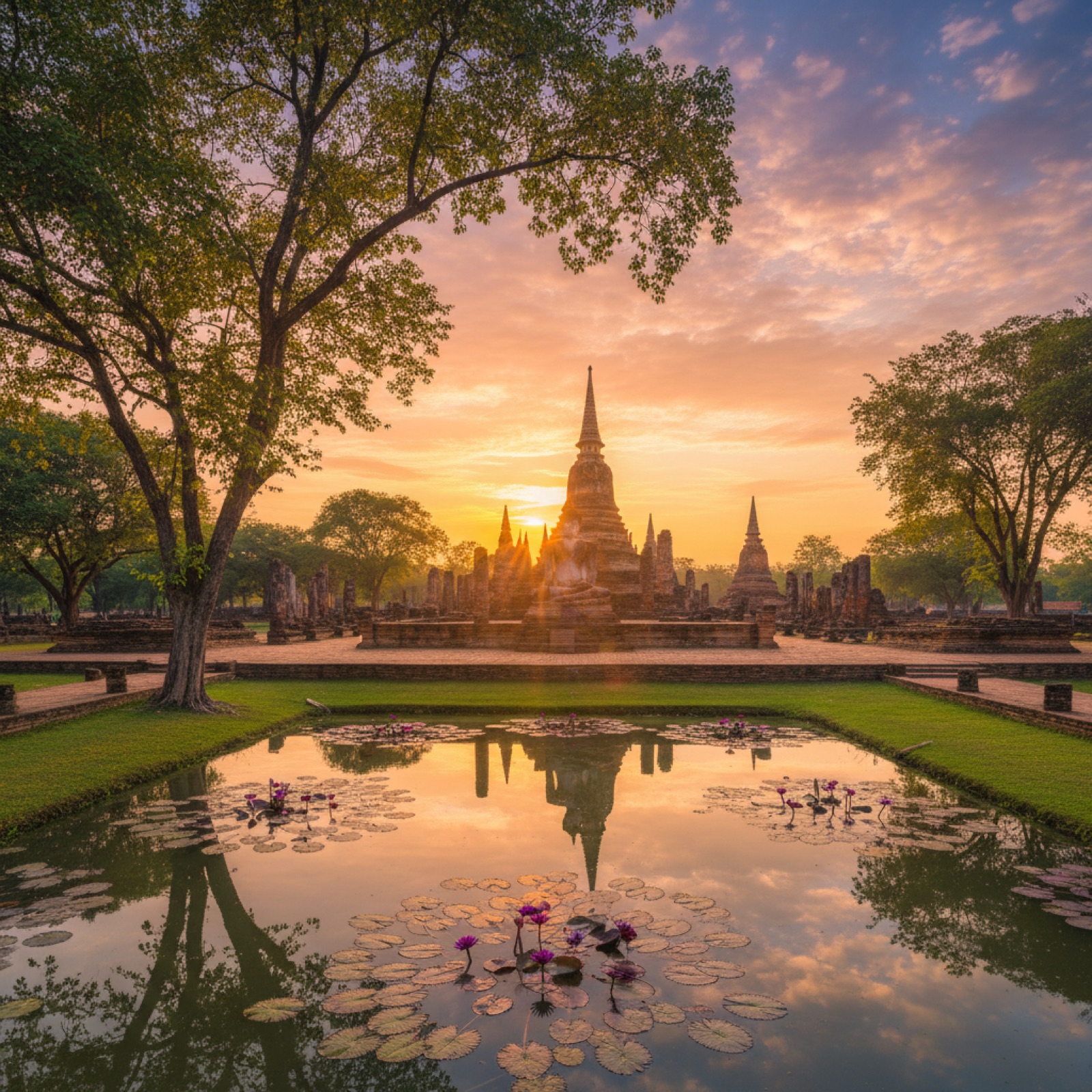
How to visit Sukhothai, Thailand's first capital — the Historical Park's ruins, getting there from Bangkok or Chiang Mai, and the best…
Chiang Mai Travel Guide: Temples, Markets and Day Trips
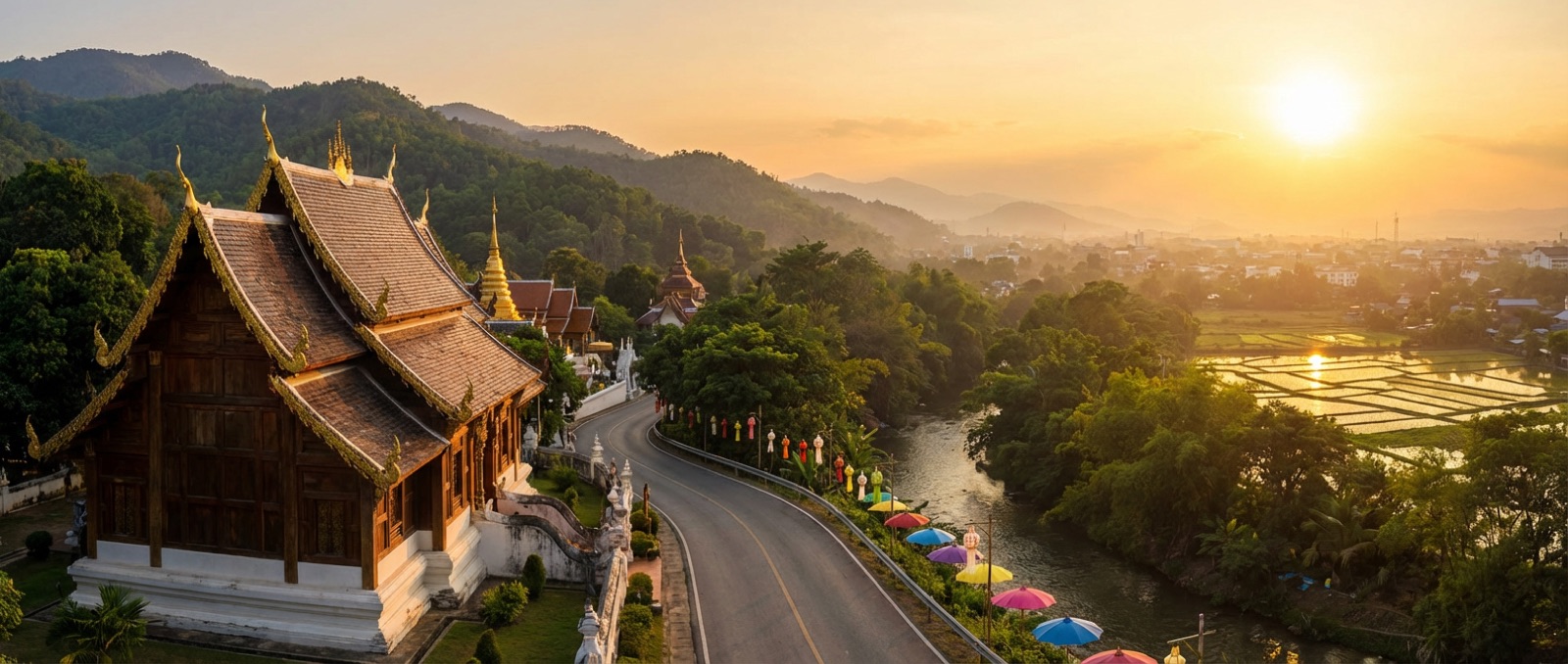
Chiang Mai's best temples, markets and street food, ethical elephant sanctuaries, sample itineraries, day trips out of the city and where…