Thailand Travel Guide: Bangkok, Islands and Itineraries
When to visit, visas, transport, a two-week itinerary, Bangkok, Chiang Mai and Chiang Rai, island hopping, temple etiquette and daily costs in Thailand.
In this guide
- Planning Your Dream Thailand Travel Guide
- Why Thailand? The Allure of the Land of Smiles
- Best Time to Visit Thailand: Seasons & Festivals
- Visa & Entry Requirements for Thailand
- Getting To and Around Thailand: Flights & Local Transport
- Crafting Your Ideal Thailand Itinerary: 2 Weeks of Bliss
- Bangkok Explored: A Chaotic Symphony (Best Places to Visit in Thailand)
- Northern Charm: Chiang Mai & Chiang Rai
- Island Hopping in Paradise: The Best Thai Islands
- Temple Etiquette: How Not to Offend Anyone
- What Thailand Actually Costs, Per Day
- Ten Experiences I Send Everyone To
- Explore Thailand in Depth: My Detailed Guides
- Before you book
- Nearby Guides
Planning Your Dream Thailand Travel Guide
If there's one country that keeps calling travellers back, it's Thailand, with its bustling cities, ancient temples and cerulean waters. Each visit unveils a new layer of magic, a different spice to its already vibrant tapestry.
This comprehensive Thailand travel guide for 2025 is born from countless hours of exploration, a few wrong turns (that always led to amazing discoveries, mind you!), and a deep love for the Land of Smiles. Whether you're dreaming of sipping coconuts on a pristine beach, bartering in a vibrant night market, or marveling at golden temples, Thailand offers an experience for every soul. Planning a trip here can feel overwhelming with so many incredible options, but don't worry – I've distilled all my knowledge into this ultimate guide to help you craft an unforgettable journey. Let's dive into planning your perfect Thai adventure!
- Planning Your Dream Thailand Travel Guide for 2025
- Why Thailand? The Allure of the Land of Smiles
- Best Time to Visit Thailand: Seasons & Festivals
- Visa & Entry Requirements for Thailand
- Getting To and Around Thailand: Flights & Local Transport
- Crafting Your Ideal Thailand Itinerary: 2 Weeks of Bliss
- Bangkok Explored: A Chaotic Symphony (Best Places to Visit in Thailand)
- Northern Charm: Chiang Mai & Chiang Rai
- Island Hopping in Paradise: The Best Thai Islands
- A Foodie's Guide to Thailand: Eating Your Way Through the Kingdom
- Budget Travel Thailand: Making Your Baht Go Further
- Safety & Health: Staying Well on Your Thai Adventure
- Cultural Etiquette: Respecting Thai Traditions
- Essential Thailand Packing List
- Pro Tips for Your Thailand Trip
- Common Mistakes to Avoid in Thailand
- Your Unforgettable Thailand Travel Guide Awaits!
Why Thailand? The Allure of the Land of Smiles
Ask anyone who's been, and they'll tell you: Thailand is addictive. The sheer diversity is what truly sets it apart. One day, you could be navigating the heady aroma of street food stalls in Bangkok, the next, you're trekking through lush jungle to an elephant sanctuary in Chiang Mai, and then suddenly, you're snorkeling in crystal-clear waters off the coast of Ko Lanta. It's an incredible sensory explosion that keeps you on your toes in the best possible way. This is why a thorough Thailand travel guide is essential to maximize your experience.
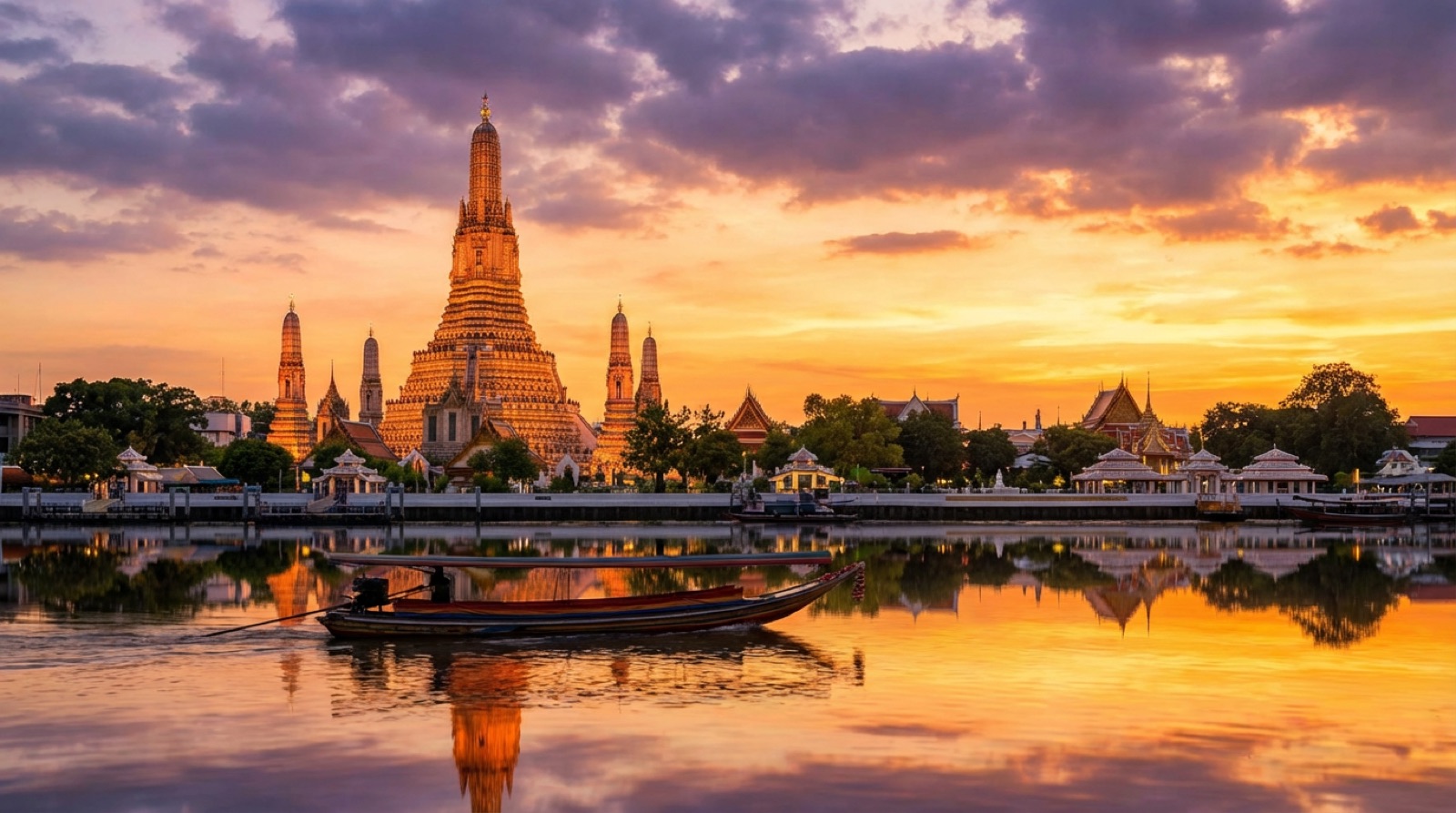
For me, it was that first glimpse of Wat Arun, glittering like a diamond against the setting sun on the Chao Phraya River, that sealed my fate. It was a moment of pure, unadulterated awe. Every subsequent journey has reinforced my belief that Thailand offers an unparalleled travel experience, blending rich history, vibrant culture, breathtaking natural beauty, and some of the friendliest people you'll ever meet. It truly deserves its reputation as one of the best places to visit in Thailand.
Best Time to Visit Thailand: Seasons & Festivals
Timing your visit can significantly impact your experience. Thailand generally has three main seasons:
- Cool and Dry Season (November to February): This is peak tourist season, and for good reason. Temperatures are pleasant (around 20-30°C / 68-86°F), humidity is lower, and skies are typically clear. Ideal for exploring all the best places to visit in Thailand. However, expect larger crowds and higher prices for flights and accommodation.
- Hot Season (March to June): Temperatures soar, often exceeding 35°C (95°F), especially in April and May. Humidity also increases. While less crowded, daily activities can be challenging due to the heat. It's a good time for beach lovers who don't mind the heat.
- Rainy Season (Wet Season) (July to October): Characterized by tropical downpours, which can range from short, intense bursts to prolonged periods of rain. While it might sound unappealing, the rain often brings lush greenery, fewer crowds, and lower prices. Plus, not all days are rainy; you'll still get plenty of sunshine. The south (Andaman Coast) often experiences its heaviest rain later in the season (September/October), while the Gulf Coast (Ko Samui, Ko Phangan) can be drier during this period.
Major Festivals & Events
Experiencing a Thai festival is truly special. Consider aligning your Thailand travel guide with these:
- Loy Krathong & Yi Peng (November): My absolute favorite! Known as the 'Festival of Lights,' where thousands of lanterns (Yi Peng) are released into the sky and krathongs (decorated floats) are set adrift on rivers. Chiang Mai is famous for Yi Peng. It's a magical, unforgettable sight.
- Songkran (Thai New Year) (Mid-April): The world's largest water fight! Extremely fun but expect to get soaked everywhere. Major celebrations happen in Bangkok, Chiang Mai, and Phuket.
- Vegetarian Festival (September/October): Particularly vibrant and intense in Phuket, featuring extreme acts of devotees.
Visa & Entry Requirements for Thailand
Staying updated on entry requirements is a crucial part of any Thailand travel guide.
Most Western nationalities (including US, UK, Canada, Australia, and most EU countries) can enter Thailand for up to 30 days without a visa when arriving by air, or 15-30 days when arriving by land (check specifics for your nationality). You'll receive a visa exemption stamp upon arrival.
- Passport Validity: Your passport must be valid for at least six months beyond your intended departure date.
- Onward Ticket: While not always checked, immigration officials *can* request proof of an onward or return ticket. It's best to have one.
- Longer Stays: If you plan a longer stay, you'll need to apply for a tourist visa (60 days) in advance from a Thai embassy or consulate in your home country.
- COVID-19 Requirements (as of 2025): Always check the latest information from the Royal Thai Embassy or your country's foreign office. Typically, health declarations or specific insurance requirements have been eased, but policies can change.
Pro Tip: Always double-check the latest regulations with the Royal Thai Embassy or Consulate in your country before your trip! Entry requirements can change without much notice, and this is a critical aspect of your Thailand travel guide.
Getting To and Around Thailand: Flights & Local Transport
Getting to Thailand is relatively straightforward, and once you're there, a robust transport network makes exploring a breeze, which is a key part of any solid Thailand travel guide.
International Flights
Bangkok's Suvarnabhumi Airport (BKK) is the primary international gateway. Don Mueang International Airport (DMK) mainly handles budget airlines and domestic flights.
- Cost Example: Flights from Europe or North America to Bangkok typically range from €600-€1000 / $650-$1100 USD return, depending on the season and booking time. I generally book 3-4 months in advance to snag good deals.
- Airlines: Thai Airways, Emirates, Qatar Airways, EVA Air, Turkish Airlines, and various budget carriers like AirAsia connecting via hubs.
Domestic Travel
Internal travel in Thailand is generally efficient and affordable.
1. Flights:
- Airlines: Thai Airways, Bangkok Airways, Thai Lion Air, Thai Vietjet Air, and the popular budget carrier AirAsia.
- Major Routes: Bangkok to Chiang Mai, Phuket, Krabi, Ko Samui, Hat Yai.
- Cost Example: A flight from Bangkok to Chiang Mai can cost as little as ฿900-฿2,500 / $25-$70 USD if booked in advance, but can go up to ฿4,000 / $110 USD last minute.
- Pro Tip: For longer distances, especially between Bangkok and the North or South, flying saves a lot of time.
2. Trains:
- Routes: The State Railway of Thailand (SRT) offers routes across the country. The most popular is the overnight sleeper train between Bangkok and Chiang Mai.
- Classes: 1st Class (private cabins, A/C), 2nd Class Sleeper (A/C or fan, often shared berths), 2nd Class Seat, 3rd Class Seat.
- Cost Example (Bangkok to Chiang Mai, overnight sleeper):
- 1st Class A/C sleeper: ฿1,300-฿2,000 / $36-$55 USD
- 2nd Class A/C sleeper: ฿800-฿1,200 / $22-$33 USD
- Booking: Book well in advance, especially for 1st and 2nd class sleepers, at train stations or via reliable online agents like 12Go.Asia.
- Experience: I love taking the sleeper train. It's an authentic experience, saves on a night's accommodation, and you wake up refreshed at your destination.
3. Buses:
- Extensive Network: Connects almost everywhere. From local buses to VIP coaches.
- Cost Example: Bangkok to Chiang Mai (VIP bus): ฿600-฿900 / $17-$25 USD. Shorter routes are significantly cheaper.
- Booking: At bus terminals or online.
- Pro Tip: Overnight VIP buses are common; they are budget-friendly and save accommodation costs, but be mindful of your belongings. Always store valuables close to you.
4. Ferries & Speedboats (for islands):
- Essential for island hopping. Routes from mainland ports (e.g., Krabi, Surat Thani) to islands like Phuket, Ko Phi Phi, Ko Lanta, Ko Samui, Ko Phangan, Ko Tao.
- Cost Example: Krabi to Ko Phi Phi ferry: ฿450-฿700 / $12-$20 USD one-way. Speedboats will be more expensive.
- Booking: At piers, local travel agents, or online via 12Go.Asia.
5. Local Transport within Cities:
- Tuk-Tuks: Iconic, fun, but always negotiate the price *before* you get in. A short ride (1-2 km) in Bangkok might be ฿80-฿150 / $2-$4 USD.
- Taxis: Metered taxis are common in larger cities. Insist that the driver uses the meter. If they refuse, find another. Basic fare starts around ฿35 / $1 USD.
- Grab: (Southeast Asia's Uber) – excellent and reliable for ride-hailing in major cities (Bangkok, Chiang Mai, Phuket). Very convenient and transparent pricing.
- Motorbike Taxis: Quick for short distances in traffic but be mindful of safety. Always wear a helmet.
- BTS Skytrain & MRT Subway (Bangkok): Efficient, clean, and a great way to beat traffic. Fares from ฿17-฿62 / $0.50-$1.70 USD per ride depending on distance.
- Songthaews: (red pickup trucks with two benches in the back) – common in places like Chiang Mai. Act as shared taxis, agree on the route/price beforehand.
Crafting Your Ideal Thailand Itinerary: 2 Weeks of Bliss
This Thailand itinerary for 2 weeks aims to give you a perfect blend of culture, adventure, and relaxation, hitting some of the best places to visit in Thailand. This was very similar to my first big backpacking trip!
Option A: Classic Culture & Southern Islands (My personal favorite!)
Days 1-4: Bangkok - The Urban Jungle
- Arrive at BKK/DMK. Settle in.
- Day 1: Temples & River. Grand Palace, Wat Pho (Reclining Buddha), Wat Arun (Temple of Dawn). Take a longtail boat on the Chao Phraya River. Evening: Explore Khao San Road (for the backpacker vibe) or the upscale Sky Bar at Lebua (for cinematic views).
- Day 2: Markets & Culinary Delights. Chatuchak Weekend Market (if it's a weekend) or Or Kor Tor Market (foodie paradise). Evening street food tour in Chinatown.
- Day 3: History & Art. Jim Thompson House. Explore local neighborhoods like Ari or Thonglor for cafes and boutique shops. Muay Thai fight at Lumpinee or Rajadamnern Stadium.
- Day 4: Travel North. Fly from DMK to Chiang Mai (1.5 hours).
Days 5-7: Chiang Mai - Northern Rose
- Day 5: Old City & Temples. Explore Chiang Mai's Old City, rent a scooter or bicycle. Visit Wat Phra Singh, Wat Chedi Luang. Evening: Night Bazaar for shopping and food.
- Day 6: Elephant Sanctuary & Doi Suthep. Ethical elephant sanctuary visit (e.g., Elephant Nature Park). Later, head up to Wat Phra That Doi Suthep for stunning views and sunset.
- Day 7: Cooking Class & Relaxation. Take a Thai cooking class. Enjoy a traditional Thai massage. Evening: Jazz bar or local eatery.
Day 8: Travel South. Fly from Chiang Mai to Krabi (via BKK if direct isn't available) or Phuket. Transfer to your chosen island.
Days 9-13: Island Paradise (Choose one or two from Krabi/Andaman Coast)
- Option 1: Ko Lanta. More laid-back, beautiful beaches. Great for unwinding.
- Option 2: Ko Phi Phi. Famous for Maya Bay (check current access rules) and lively atmosphere.
- Option 3: Railay Beach (Krabi). Stunning limestone karsts, rock climbing, accessible by longtail boat.
- Activities: Island hopping tours (e.g., 4-Island Tour), snorkeling, diving, kayaking, sunbathing, enjoying fresh seafood.
Day 14: Depart. Travel from your island back to your departure city (e.g., Krabi or Phuket airport). Fly back to Bangkok for your international flight, or directly from a southern hub if possible.
Option B: Gulf Coast Focus (Drier in Rainy Season!)
Follow Days 1-7 as above (Bangkok and Chiang Mai), then for Days 8-13, transfer to Surat Thani and take a ferry to the Gulf Islands:
- Ko Samui: Largest, most developed, luxury resorts.
- Ko Phangan: Famous for Full Moon Party, but also has serene beaches and yoga retreats.
- Ko Tao: World-renowned for diving and snorkeling, relaxed vibe.
Bangkok Explored: A Chaotic Symphony (Best Places to Visit in Thailand)
Bangkok is often the first stop for anyone planning a Thailand travel guide, and for good reason. It's a sensory overload in the best possible way. From the roar of tuk-tuks to the aroma of street food, it's an exhilarating introduction to Thailand. This city is undeniably one of the best places to visit in Thailand for a vibrant urban experience.
Must-See Bangkok Attractions
- The Grand Palace & Wat Phra Kaeo (Temple of the Emerald Buddha): The most sacred site in Thailand. Absolutely breathtaking.
- Address: Na Phra Lan Road, Phra Borom Maha Ratchawang, Phra Nakhon.
- Opening Hours: 8:30 AM - 4:30 PM daily (tickets sold until 3:30 PM).
- Admission: ฿500 / $14 USD. (Includes Wat Phra Kaew and the Queen Sirikit Museum of Textiles; Vimanmek Mansion has been closed since 2016.)
- Dress Code: Strictly enforced. Shoulders and knees must be covered for both men and women. No ripped jeans.
- Wat Pho (Temple of the Reclining Buddha): Home to the massive, 46-meter-long Reclining Buddha. It's also known as the birthplace of traditional Thai massage.
- Address: 2 Sanamchai Road, Grand Palace Subdistrict, Pranakorn District.
- Opening Hours: 8:00 AM - 6:30 PM daily.
- Admission: ฿300 / $8 USD.
- Pro Tip: Get a traditional Thai massage here; it's authentic and supervised by the temple's massage school. An hour costs around ฿420 / $11 USD.
- Wat Arun (Temple of Dawn): Iconic riverside temple, stunning at sunset. Take a cross-river ferry from Wat Arun Pier.
- Address: 158 Thanon Wang Doem, Wat Arun, Bangkok Yai.
- Opening Hours: 8:00 AM - 6:00 PM daily.
- Admission: ฿200 / $6 USD.
- My memory: Watching the sun dip behind Wat Arun from a riverside restaurant is a core memory from my travels.
- Chinatown (Yaowarat): A vibrant district, especially at night, for street food.
- Highlights: Sampeng Lane (wholesale market), street food stalls on Yaowarat Road (especially after sunset).
- Must-try Food: Seafood, bird's nest soup, grilled squid, dim sum.
- Chatuchak Weekend Market: One of the world's largest markets, with over 15,000 stalls.
- Opening Hours: Saturdays & Sundays, 9:00 AM - 6:00 PM. Fridays (wholesale) evenings.
- Getting there: BTS Skytrain (Mo Chit Station) or MRT Subway (Chatuchak Park/Kamphaeng Phet Station).
- Pro Tip: Go early to avoid the heat and crowds. Wear comfortable shoes and stay hydrated.
- Jim Thompson House: A beautiful museum housing the art collection of an American entrepreneur who revived the Thai silk industry.
- Address: 6 Soi Kasem San 2, Rama 1 Road.
- Opening Hours: 9:00 AM - 6:00 PM daily.
- Admission: ฿200 / $5.50 USD.
Practical Bangkok Travel Tips
- Transportation: Use the BTS Skytrain and MRT Subway to avoid traffic. For short distances, Grab is your best friend. Always use a metered taxi or agree on a price for tuk-tuks *before* starting.
- Accommodation: Areas like Sukhumvit (modern, nightlife, good transport), Silom (business, nightlife, Lumpini Park), or the Riverside (luxury, historic views) are popular. For budget options, look around Khao San Road (though it's a specific vibe!).
- Hydration: Bangkok is hot, especially between March and June. Drink plenty of water. Street vendors sell chilled bottled water for ฿10-฿20 / $0.30-$0.60 USD.
Northern Charm: Chiang Mai & Chiang Rai
Beyond the bustling capital, Northern Thailand offers a more serene and culturally rich experience, making it another one of the best places to visit in Thailand, especially for history buffs and nature lovers. This part of the Thailand travel guide focuses on its unique draws.
Chiang Mai: The Rose of the North
Chiang Mai is my sanctuary away from the Bangkok buzz. It’s surrounded by mountains, dotted with ancient temples, and offers a slower pace of life.
- Wat Phra That Doi Suthep: Perched atop a mountain, this stunning temple offers panoramic views of Chiang Mai.
- Address: Doi Suthep Road, Suthep.
- Opening Hours: 6:00 AM - 6:00 PM daily.
- Admission: ฿30 / $0.80 USD (for foreigners, locals free). Cable car up to the temple costs ฿20 / $0.55 USD one-way.
- Getting there: Red songthaews from the Old City (near Wat Phra Singh) or a Grab. Expect to pay around ฿50-฿100 / $1.40-$2.70 USD per person for a shared songthaew, or more for a private one.
- Old City: Enclosed by ancient walls and a moat, it's perfect for exploring on foot or by bicycle.
- Temples: Wat Chedi Luang, Wat Phra Singh, Wat Suan Dok.
- Activities: Traditional Thai massage, cooking classes (often include market visits), browsing artisanal shops.
- Elephant Nature Park: An ethical rescue and rehabilitation center for elephants. No riding, just observing and interacting responsibly. Booking *far* in advance is crucial.
- Location: Mae Taeng District (approx. 60 km north of Chiang Mai).
- Booking: Via their official website elephantnaturepark.org.
- Cost: Full day visit ฿2,500 / $70 USD (includes transport and vegetarian lunch).
- My experience: This was one of the most moving experiences of my life. Seeing these majestic creatures rehabilitated and living peacefully is worth every penny.
- Chiang Mai Night Bazaar: A sprawling market offering everything from handicrafts to clothing and delicious street food.
- Opening Hours: Daily, 6:00 PM - 11:00 PMish.
Chiang Rai: Art, Temples, and Culture
A few hours north of Chiang Mai, Chiang Rai offers unique architectural marvels and a more relaxed atmosphere.
- Wat Rong Khun (White Temple): A contemporary, unconventional Buddhist temple designed by artist Chalermchai Kositpipat. It's truly a work of art.
- Address: Pa O Don Chai, Mueang Chiang Rai District.
- Opening Hours: 8:00 AM - 5:00 PM daily.
- Admission: ฿100 / $3 USD.
- Baan Dam Museum (Black House): The antithesis of the White Temple, this complex by artist Thawan Duchanee features dark, traditional Lanna-style buildings housing disturbing and fascinating artworks.
- Address: 333 Moo 13, Nang Lae, Chiang Rai.
- Opening Hours: 9:00 AM - 5:00 PM daily (closed for lunch 12 PM - 1 PM).
- Admission: ฿80 / $2.20 USD.
- Wat Rong Suea Ten (Blue Temple): Another stunning, modern temple featuring striking blue hues and intricate golden details.
- Address: 306 Village No 2, Rim Kok, Mueang Chiang Rai.
- Opening Hours: 7:00 AM - 8:00 PM daily.
- Admission: Free.
- Golden Triangle: The historically significant area where Thailand, Laos, and Myanmar meet. Can be visited on a day trip from Chiang Rai.
Island Hopping in Paradise: The Best Thai Islands
No Thailand travel guide is complete without its iconic islands. This is where you find those postcard-perfect beaches and turquoise waters. The main decision is usually between the Andaman Coast (west) and the Gulf Coast (east), as they have slightly different peak seasons.
Andaman Coast (Phuket, Krabi, Ko Phi Phi, Ko Lanta)
Best to visit from November to April (dry season).
- Phuket: Thailand's largest island, offering everything from bustling Patong Beach nightlife to serene north-western beaches.
- Highlights: Phi Phi Islands tours (Maya Bay viewpoint - access can be restricted), Big Buddha, Kata/Karon beaches.
- Transport: International airport (HKT) with direct flights. Ferries to other islands.
- Cost: Taxis on Phuket can be pricey (฿500-฿800 / $14-$22 USD for a 30-min ride). Grab is available.
- Krabi (Ao Nang, Railay Beach): Famous for stunning limestone karsts, rock climbing, and beautiful beaches. Ao Nang is the mainland hub, while Railay is paradise accessible only by longtail boat.
- Highlights: Railay Beach, Phra Nang Cave Beach, 4-Island Tour (Poda, Chicken, Tup, Mor Islands), Hong Island tour.
- Transport: Krabi International Airport (KBV). Regular longtail boats from Ao Nang to Railay (฿100-฿150 / $3-$4 USD per person).
- My memory: Kayaking around the limestone cliffs of Railay remains one of my most cherished memories of the best places to visit in Thailand.
- Ko Phi Phi: Made famous by 'The Beach' movie. A lively hub (Phi Phi Don) with stunning smaller islands (Phi Phi Leh, including Maya Bay). Maya Bay has restricted access for environmental recovery, check status.
- Highlights: Longtail boat tours to Maya Bay, Loh Samah Bay, Pileh Lagoon, snorkeling. Viewpoint hike.
- Transport: Ferry from Phuket or Krabi (Ao Nang/Railay).
- Accommodation: Ranges from budget hostels to luxury resorts. Book well in advance during peak season.
- Ko Lanta: More laid-back and family-friendly, with long, beautiful beaches. Great for chill vibes and stunning sunsets.
- Highlights: Long Beach, Klong Dao Beach, Mu Ko Lanta National Park, scuba diving.
- Transport: Ferry or minivan+ferry combo from Krabi or Phuket.
Gulf Coast (Ko Samui, Ko Phangan, Ko Tao)
Best to visit from February to October (relatively drier during rainy season in the Andaman).
- Ko Samui: The second-largest island, offering a mix of luxury resorts, lively towns (Chaweng, Lamai), and quiet beaches.
- Highlights: Ang Thong Marine Park day trips, Big Buddha, Na Muang Waterfalls, Fisherman's Village (Bophut).
- Transport: Private airport (USM) (operated by Bangkok Airways, usually pricier flights). Ferries from Surat Thani.
- Ko Phangan: Famous for the Full Moon Party at Haad Rin, but also has many serene beaches and yoga/wellness retreats on the calmer parts of the island.
- Highlights: Full Moon Party (check dates),bottle Beach, Than Sadet-Ko Phangan National Park, wellness centers.
- Transport: Ferry from Ko Samui or Surat Thani.
- Pro Tip: If you're attending the Full Moon Party, book accommodation well in advance and be prepared for higher prices and crowds. Otherwise, explore other parts of the island for peace and quiet.
- Ko Tao: (
Temple Etiquette: How Not to Offend Anyone
This is the bit most first-timers get wrong, and Thais are far too polite to tell you. Cover your shoulders and knees at every temple — no exceptions, and yes, that includes men in singlets. Take your shoes off before stepping into any building where the Buddha image sits. Never point the soles of your feet at a Buddha image or at a person; if you sit on the floor, tuck your feet behind you. Women should not hand anything directly to a monk. And the head is sacred — do not ruffle a child's hair, however cute they are.
The other rule that catches people out: the Thai royal family is genuinely off-limits as a topic. Lese-majeste laws are real and enforced. Don't joke about it, don't step on a dropped banknote to stop it blowing away (the King's face is on it).
What Thailand Actually Costs, Per Day
Thailand is cheap until you start living like the Instagram version of Thailand. Here is what I actually spend, per person, per day:
- Backpacker (fan room, street food, buses): 900-1,400 THB (roughly AU$40-65)
- Mid-range (aircon hotel, mix of restaurants and street food, occasional flight): 2,500-4,000 THB (AU$115-185)
- Comfortable (four-star, private transfers, daily activities): 6,000 THB+ (AU$275+)
Individual costs worth knowing: a plate of pad kra pao from a street cart is 50-70 THB. A Chang beer at a 7-Eleven is 45 THB, and 150 THB at a beach bar. A one-hour Thai massage is 250-400 THB. Domestic flights booked two weeks out run 900-2,000 THB. The overnight train Bangkok to Chiang Mai in a second-class aircon sleeper is about 800 THB and is genuinely one of the better nights' sleep you'll have.
Ten Experiences I Send Everyone To
Beyond the big three regions, these are the things that come up again and again when friends ask me what to actually do:
- An ethical elephant sanctuary near Chiang Mai. The test is simple: if you can ride them or watch them paint, walk away. Look for places where you feed and observe, nothing more.
- Ayutthaya by bicycle. An hour and a bit north of Bangkok by train for about 20 THB. Hire a bike at the station and spend the day among collapsed brick temples and that famous Buddha head wrapped in banyan roots.
- A Thai cooking class. Half a day, usually 1,000-1,500 THB, and it starts at the local market so you finally learn the difference between galangal and ginger.
- Diving the Similan Islands. Liveaboards run November to May out of Khao Lak. Visibility is 25-30 metres and the granite boulder swim-throughs are unlike anywhere else in Thailand.
- Yi Peng and Loy Krathong in November. Lanterns over Chiang Mai, floats on every waterway. Book accommodation months ahead.
- Khao Sok National Park. Limestone karsts, a floating raft house on Cheow Lan Lake, and jungle that sounds like a machine at night. Two nights minimum.
- A proper street-food crawl in Bangkok's Chinatown. Yaowarat Road after 7pm. Go hungry, bring small notes.
- A traditional Thai massage at Wat Pho. The temple runs the country's best-known massage school. It is not relaxing. It is very good for you.
- Railay by longtail. Only reachable by boat, which is exactly why it still feels like Thailand from 1995 in the early morning.
- A night market that is not for tourists. Ask your guesthouse where they eat. That is the market you want.
Explore Thailand in Depth: My Detailed Guides
This guide is the overview. When you are ready to plan a specific leg of the trip, I have written a dedicated deep-dive on each of these, and every one of them links back here:
When to go and weather
Cities and regions
Islands and beaches
- Best beaches in Thailand
- Ko Samui
- Railay Beach, Krabi: Getting There and What to Do
- Maya Bay and Phi Phi
- Freedom Beach, Phuket: How to Get There and What to Expect
Food and drink
- Best Restaurants in Thailand: Where to Eat by City
- Best Cafes in Thailand: Coffee From Bangkok to the Islands
Culture, stays and experiences
Before you book
Nearby Guides
More Thailand guides
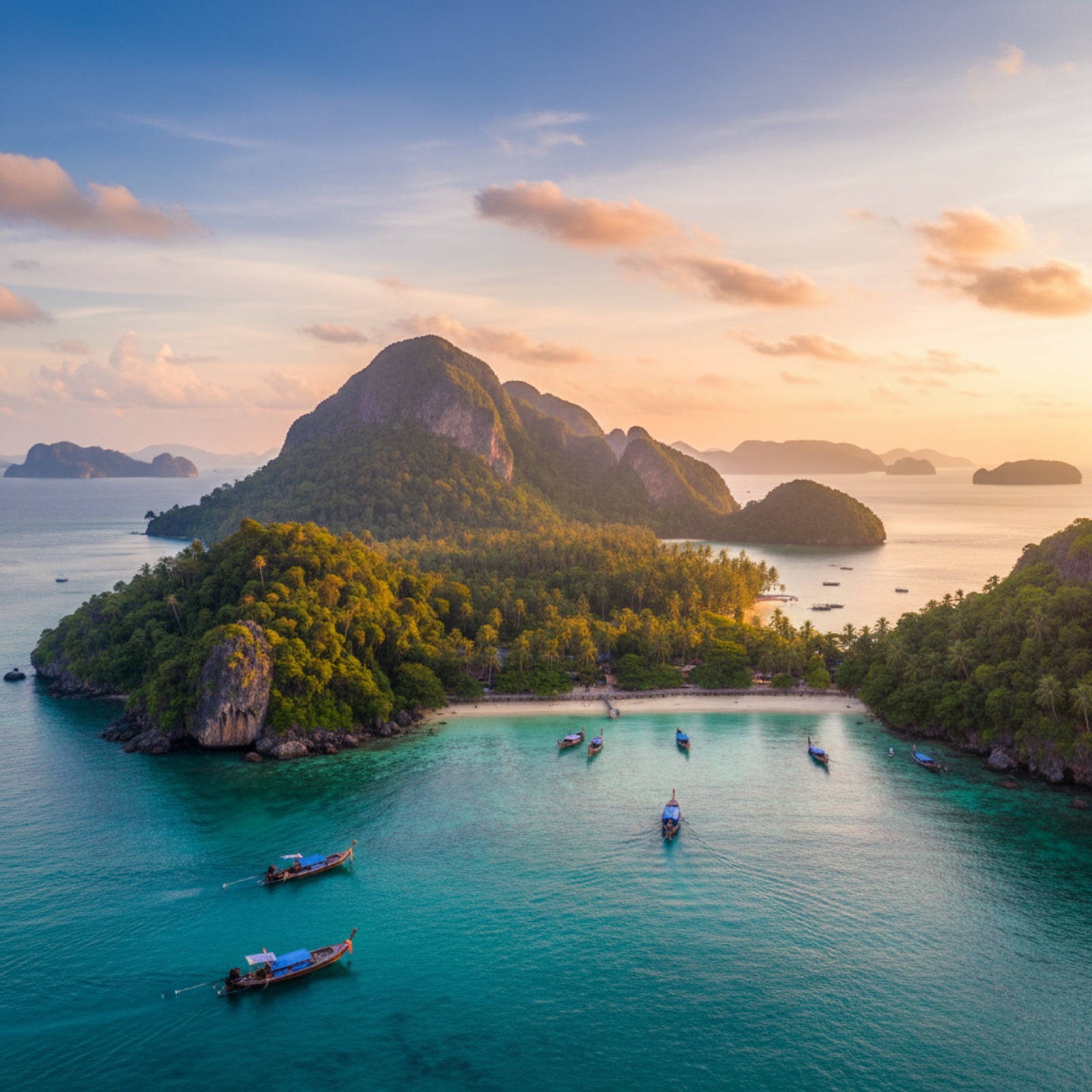
Best Time to Visit Thailand: Seasons by Region
Thailand's cool, hot and rainy seasons, month-by-month weather, how the north and the east and west coasts differ, shoulder-season value…
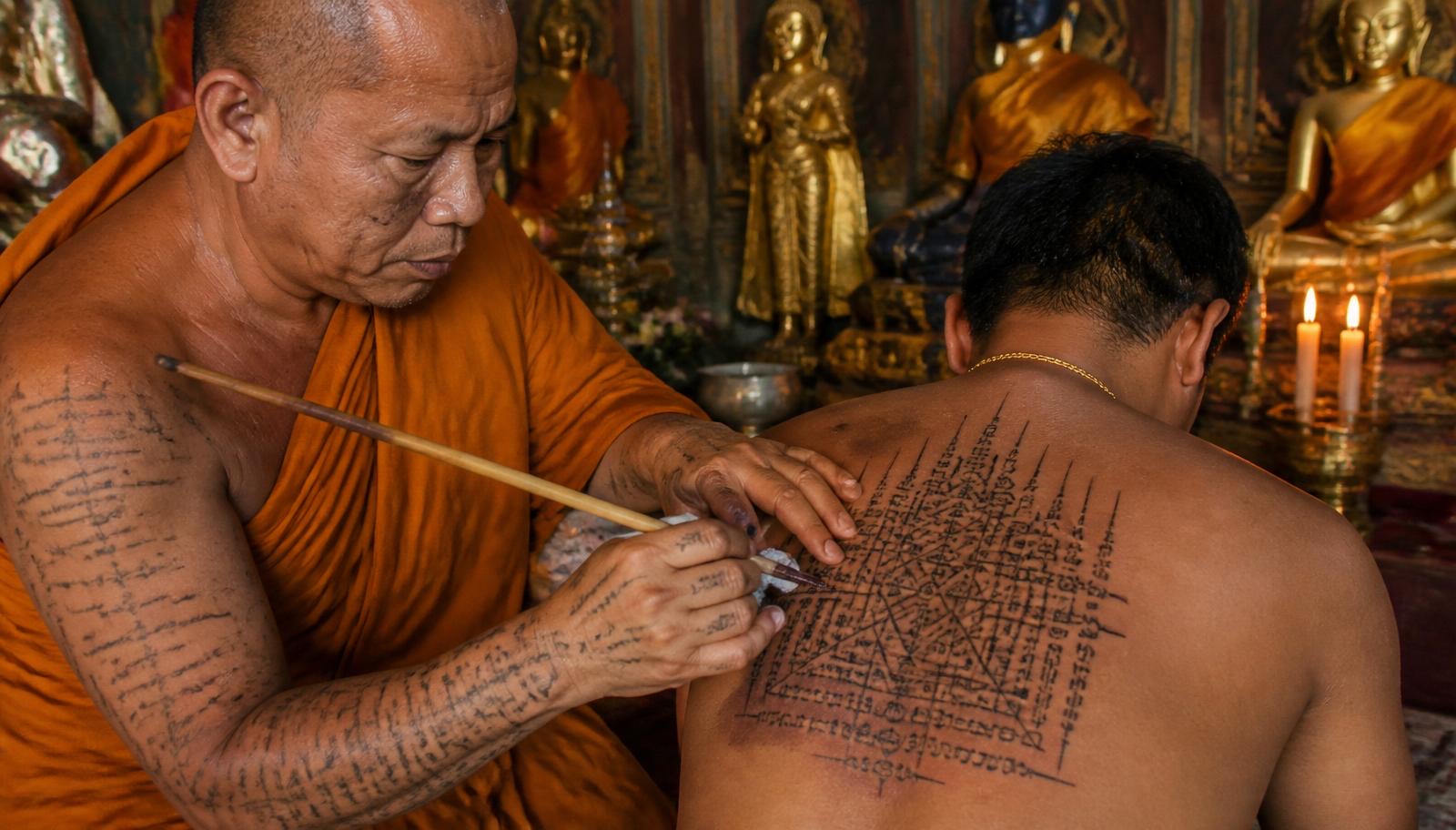
Sak Yant Tattoos in Thailand: The Complete Cultural Guide
What a Sak Yant is, common designs and meanings, temples versus ajarns in Chiang Mai and Bangkok, the ceremony, hygiene, costs and the…
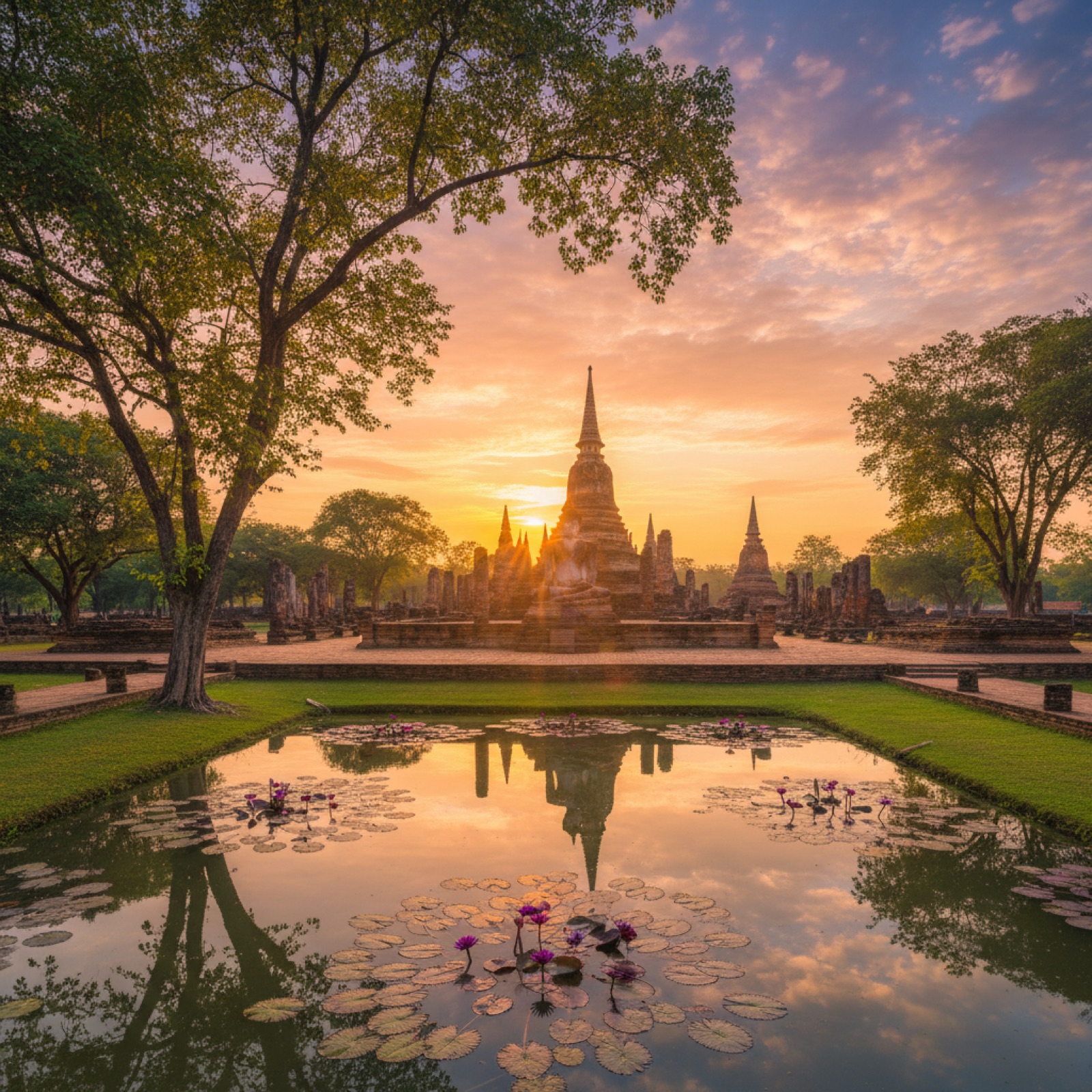
Sukhothai Travel Guide: Visiting Thailand's Ancient Capital
How to visit Sukhothai, Thailand's first capital — the Historical Park's ruins, getting there from Bangkok or Chiang Mai, and the best…