How to Plan a Multi-Country Trip Without Chaos
A repeatable way to plan a multi-country trip: choosing a route, pacing, transport, visas, budgets and the buffers that save it.

In this guide
- Quick Facts
- Start With Time and Season, Not a Wish List
- The Geographic Loop Principle
- Pacing: Fewer Countries, Slower Travel
- Your Secret Weapon: Open-Jaw & Multi-City Flights
- Getting Around: Overland Routes and Strategic Flights
- The Anchor-Point Method: Structure Meets Spontaneity
- The Paperwork: Passport and Visa Strategy
- Health Precautions and Entry Rules
- Essential On-the-Ground Logistics
- Managing Energy and Group Dynamics
- Example Route: A Six-Week South American Sequence
- Explore in Depth
- Frequently Asked Questions
- Final Thoughts
The air in the quiet border town of Mèo Vạc, perched on the edge of Vietnam’s Ha Giang highlands, was thick with the smell of woodsmoke and diesel. I was sitting on a low plastic stool, nursing a cup of thick, sweet Vietnamese coffee, my eyes fixed on the karst peaks that dissolved into the misty blue of southern China just a few kilometres away. That line on the map, an abstraction just days before, was now a real, physical barrier. My passport, heavy in my pocket, held a visa for the next leg of a three-month journey. In that quiet moment, I felt the familiar, thrilling hum of a multi-country trip clicking into place—a complex machine of visas, transport, and currencies all working in harmony. It’s a feeling that never gets old, and it’s not the result of luck, but of a solid, battle-tested plan.
After a dozen years on the road, I’ve learned that the difference between a trip of a lifetime and a chaotic scramble is all in the preparation. But planning a journey across multiple borders doesn’t have to be overwhelming. It’s a method, a sequence of logical steps that you can follow. This guide isn’t a wish list of destinations; it’s the blueprint I use every single time I plan a grand tour. We’ll cover how to build a realistic route, why you should think in loops, the magic of anchor-point booking, and the nitty-gritty logistics—from visas to bank cards—that will keep you moving smoothly, so you can focus on the adventure itself.
Quick Facts
- The Big Idea: A journey that crosses at least one international border, planned as a single, cohesive trip rather than separate holidays.
- Starting Point: Always begin with two things: your total available time and the season you'll be travelling in. These factors determine the 'where' and 'how many'.
- Best Itinerary Shape: A geographic loop or a linear 'open-jaw' route (fly into City A, fly out of City B) to maximise your time and avoid costly, time-wasting backtracking.
- Key Transport: A smart mix of long-haul 'open-jaw' flights to enter and exit a region, combined with overland travel (trains, buses) and occasional, strategic regional flights.
- Currencies & Languages: Will change with every border crossing. Research is essential. Organise your digital and physical wallets accordingly before you leave.
- Pacing: Slower is almost always better. Aim for at least one week per country as a bare minimum, but 2-3 weeks allows for a much richer experience.
Start With Time and Season, Not a Wish List
Every great adventure begins with a dream, but the most successful ones are built on a foundation of reality. The single biggest mistake I see travellers make is starting with an epic, continent-spanning list of destinations and then trying to cram it into a four-week holiday. This approach is a recipe for burnout and budget blowouts. Instead, invert your thinking. Start with your two most rigid constraints: how much time you have and what time of year you can go.
Your timeframe is your ultimate boundary. If you have three weeks, you can have a magnificent, in-depth trip across two neighbouring countries. You cannot, however, realistically 'do' five countries spread across Southeast Asia. The season dictates everything else. A six-week window in July opens up Europe, North America, or Central Asia perfectly. That same window in January makes a journey through Patagonia, New Zealand, or mainland Southeast Asia the logical choice. Thinking this way immediately narrows your options from "anywhere in the world" to a handful of viable regions, making the next steps far more manageable.
Once you’ve identified a potential region that fits your calendar, *then* you can pull out the wish list. Look at the countries within that region and start to see how they might connect. This "time and season first" approach turns a daunting, abstract dream into a concrete, solvable puzzle.
The Geographic Loop Principle
Once you have a region in mind, resist the temptation to just pin-drop your favourite cities on a map. The most efficient and enjoyable multi-country trips follow a logical geographic path. The goal is simple: avoid backtracking. Wasted days on a bus or in an airport going back the way you came is time and money you’ll never get back. The best way to do this is by planning in a loop or a straight line.
A classic example is the 'Banana Pancake Trail' in Southeast Asia. A traveller might fly into Bangkok, travel overland south through Thailand, cross into Malaysia, and fly home from Singapore. Or they might do a northern loop: fly into Hanoi, travel through Vietnam, cross into Cambodia, then into Thailand, and fly home from Bangkok. In Europe, you could fly into Lisbon, travel overland across Spain and the south of France, and fly home from Rome. Notice the pattern? They are all linear or circular routes that keep you moving forward.
Get a large-scale map of your chosen region (a big print-out or a digital one you can draw on) and sketch out a potential flow. Look for common overland routes, train lines, and ferry paths. This simple visual exercise will quickly reveal which routes make sense and which will have you pointlessly crisscrossing your own path. This is also where you’ll start to get a feel for the distances involved—something maps on a small phone screen often fail to convey.
Pacing: Fewer Countries, Slower Travel
I can’t stress this enough: travel fatigue is real. The excitement of a big trip can mask it for a while, but a relentless pace of a new country every few days will wear you down. You'll end up seeing everything through a bus window and remembering little of it. When planning, build in time not just to see the sights, but to simply exist in a place. Allow for days where the only thing on your agenda is to wander through a market, sit in a café, or deal with life admin like laundry.
As a rough guide for a first multi-country trip:
- 3-4 Weeks: Perfect for two large countries, or three smaller, well-connected ones (e.g., Vietnam & Cambodia, or Portugal & Spain).
- 6-8 Weeks: This opens up possibilities for a larger regional loop of 3-5 countries, like the Balkan Peninsula or the Andean spine of South America (e.g., Peru, Bolivia, Northern Chile).
- 3+ Months: This is where you can genuinely tackle a significant chunk of a continent without feeling rushed.
Photography improves dramatically when you slow down. When you’re rushing, you take snapshots. When you have time, you can wait for the light to be perfect. You can return to a location at dawn. You can sit and observe street life until a truly compelling story unfolds in front of your lens. A slower pace doesn't mean seeing less; it means experiencing more of what you see.
Your Secret Weapon: Open-Jaw & Multi-City Flights
This is the single most powerful tool for planning a logical multi-country route. Many travellers still think in terms of simple return flights, but that locks you into ending your trip in the same place you started, forcing you to backtrack. Instead, you need to master the 'Multi-City' or 'Open-Jaw' search function on flight booking websites.
An open-jaw flight is when you fly from your home (A) to one city (B), but fly back home from a different city (C). The portion between B and C is the 'open jaw', which you cover by other means, usually overland. For example: Sydney to Rome, then two months later, Amsterdam to Sydney. This allows you to travel north through Europe without needing to make a mad dash back to Italy for your flight home.
A multi-city booking allows you to string together multiple, disconnected flights in one ticket. For instance: Melbourne to Bogotá, then a separate flight from Lima to Melbourne three weeks later. Sometimes, booking this way can be surprisingly cost-effective compared to two one-way tickets. Using this feature is fundamental to building the loops and linear routes we talked about earlier. It’s what gives your grand tour a clean beginning and a definitive end, thousands of kilometres apart.
Getting Around: Overland Routes and Strategic Flights
The journey between two points is often as memorable as the destinations themselves. I have some of my fondest memories from rattling trains in India and long-distance buses crossing the Andes. Overland travel is immersive; it connects you to the changing landscape and the rhythm of a country in a way that flying never can. It’s also often the most economical way to travel shorter distances between neighbouring countries.
Before you default to a flight, always investigate the overland options. Is there a scenic train journey? An efficient and comfortable overnight bus service? A ferry? Websites and apps that aggregate bus and train schedules are invaluable here. However, be realistic. Time is a finite resource on any trip. While a 30-hour bus journey can be an adventure, a two-hour flight might be the smarter choice if it buys you two extra days in a city you’re dying to explore. This is especially true when crossing vast distances (like from northern Peru to southern Patagonia) or navigating difficult terrain or awkward border crossings.
My rule of thumb: if the overland journey is under 10-12 hours and can be done safely and comfortably overnight, I’ll almost always choose it over a flight. If it's longer, or involves multiple, complex changes, I’ll seriously consider a budget regional flight. The key is to make a conscious choice, weighing the experience against the time saved.
The Anchor-Point Method: Structure Meets Spontaneity
One of the biggest anxieties in planning is finding the balance between a rigid, fully-booked itinerary and a completely open-ended trip. I’ve found the perfect middle ground with what I call the "Anchor-Point Method". This approach provides a solid skeleton for your trip while leaving plenty of room for spontaneity.
The idea is to book only the big, unchangeable, and crucial elements of your trip in advance. These are your 'anchors'. For a six-week trip, this might look like:
- Your international flight into your starting city.
- Your international flight home from your final city.
- Accommodation for the first two nights upon arrival (a non-negotiable for me, to ease into a new place).
- Perhaps one key internal flight or a multi-day trek that requires advance booking (like hiking the Inca Trail).
That’s it. You now have a start date, an end date, and maybe one fixed point in the middle. The weeks in between are flexible. You know you need to get from Anchor A to Anchor B, but you can decide on the day whether you want to stay an extra night in a town you’ve fallen in love with, or take a detour based on a recommendation from another traveller. This method gives you room to join an impromptu festival or simply rest when you need to, without the stress of missing a pre-booked train or hotel. It’s the perfect blend of organised and free.
The Paperwork: Passport and Visa Strategy
This is the least glamorous but most critical part of your planning. Get it wrong, and your trip could be over before it even begins. You must research your visa requirements *as soon as* you have a rough idea of your route.
First, your passport. Check the expiry date. Many countries require your passport to be valid for at least six months from your date of entry. Some also require you to have a certain number of completely blank pages. Don't risk it; if your passport is nearing expiry or running out of pages, renew it well in advance.
Second, visas. Visa rules are a complex web that depends on your citizenship and the countries you plan to visit. They can also dictate the order of your travels. For example, some visas are only valid for entry at specific land borders, or you might need to apply for one from your home country, while another can be obtained on arrival. Start by visiting the official embassy or consulate websites for every country on your list. Make a spreadsheet tracking the requirements for each one: cost, processing time, documents needed, and validity period. Some countries also require proof of an onward or return ticket before they let you in; this is a common trap for one-way travellers. Always check the official government travel advisory sites for the most current information, as these rules change constantly.
Health Precautions and Entry Rules
Alongside visas, your health and safety documentation is paramount. At least two to three months before your departure, consult your doctor or a specialised travel clinic. They can provide personalised advice on recommended or required vaccinations for your chosen region. Some countries require proof of vaccination for diseases like Yellow Fever for entry, especially if you're arriving from another country where it's prevalent. Keep your vaccination certificate with your passport.
In recent years, health screening and entry requirements have become more common worldwide. These rules can change with very little notice. It is your responsibility to stay up-to-date. Well before your flight, you must check the official tourism or immigration websites for both your destination countries and any transit airports. Look for any required health declarations, tests, or specific insurance coverage. Assuming the rules are the same as they were last month is a gamble you can't afford to take.
Essential On-the-Ground Logistics
A smooth trip relies on getting the small details right. These are the habits and strategies I use on every long journey to minimise friction and stress.
The Buffer Day Principle
I learned this the hard way after a delayed bus in Bolivia caused me to miss a flight, throwing my plans into chaos. Now, I live by the Buffer Day Principle. Always schedule a 'zero-day' or buffer day before any critical, time-sensitive event. This means arriving in your departure city at least one full day before a major international flight. It means adding a spare day to your itinerary before a pre-booked, non-refundable tour begins. This buffer absorbs the shock of transport delays, strikes, or unexpected illness without derailing your entire schedule.
Money and Card Redundancy
Never rely on a single source of money. On a multi-country trip, I carry a minimum of three cards: a primary credit card, a primary debit card, and a backup of each, stored in a separate bag. Before you leave, notify your banks of your travel dates and destinations to avoid your cards being frozen for suspicious activity. I usually get a small amount of local currency from an ATM on arrival at the airport, enough to pay for a taxi and my first meal, rather than getting poor exchange rates at home.
Luggage, Laundry, and Offline Access
For a multi-country trip, travel light. A 40-50 litre backpack is more than enough. It's easy to carry, fits in overhead compartments on most flights, and forces you to be ruthless with your packing. Your mantra should be: pack for one week and plan to do laundry. I establish a rhythm of doing laundry roughly every 7-10 days. Before leaving, download offline maps of your key regions on Google Maps or Maps.me. Keep digital copies of your passport, visas, insurance policy, and flight confirmations in a secure cloud service (like Google Drive or Dropbox) and also saved directly on your phone. If your documents are lost or stolen, these copies are invaluable.
Managing Energy and Group Dynamics
A long trip is a marathon, not a sprint. It's crucial to manage your energy. My key strategy is to reframe 'travel days'. A day spent on a 10-hour train journey is not a day off; it's exhausting. I treat travel days as 'work' and plan for a low-key, restful day afterwards. Don't be afraid to schedule a day of doing absolutely nothing. Your body and mind will thank you.
If you're travelling with a partner or in a group, the most important conversation you can have happens *before* you book anything. Sit down and be brutally honest about your expectations. Discuss budgets, travel style (hostels vs. hotels), and pace. Is one person an early riser who wants to see every museum, while the other prefers a slow morning and a vibrant nightlife? Acknowledging these differences beforehand and agreeing on a compromise—like building in solo time or alternating who plans the day—can prevent a massive amount of friction on the road.
Example Route: A Six-Week South American Sequence
Let's put this all together with a hypothetical six-week trip through Colombia, Ecuador, and Peru, a popular and well-trodden route.
Foundations: The season is right, and six weeks is a good timeframe for these three countries without being too rushed.
Flights: You book an open-jaw flight: flying into Bogotá, Colombia (BOG) and out of Lima, Peru (LIM). This sets your start and end points.
Anchors:
- Week 1: Arrive in Bogotá. You've pre-booked your first three nights in a hotel or hostel in the La Candelaria or Chapinero neighbourhood to settle in. You spend about two weeks exploring Colombia, perhaps heading north to Medellín and the coast around Cartagena.
- Week 3: You take a regional flight from Cartagena or Medellín to Quito, Ecuador. This flight is your second anchor. A flight is strategic here to cross the border and the difficult Darién Gap region. You spend about two weeks in Ecuador, exploring the mountains, maybe visiting Baños or Otavalo.
- Week 5: From southern Ecuador (e.g., Cuenca), you take a well-regarded long-distance bus across the border to northern Peru. This is your overland leg. You now have two weeks to make your way south through Peru towards your final anchor.
- Week 6: You arrive in Lima a couple of days before your flight home, giving you that crucial buffer. You fly home from Lima.
Flexibility: The time between arriving in a country and needing to move to the next is flexible. You didn't book the bus from Ecuador to Peru in advance. You didn't pre-book any accommodation between your first few nights in Bogotá and your final nights in Lima. If you love a place, you can stay longer. If a town doesn't vibe with you, you move on the next day. This structure provides a clear path without being a restrictive minute-by-minute plan.
Explore in Depth
A well-planned trip is a safe trip. Once you have your itinerary sketched out, diving into the specifics of packing and insurance is your next critical step. These guides provide the detail you need.
Frequently Asked Questions
How far in advance should I start planning a multi-country trip?
For a substantial trip of a month or more, I'd recommend starting your initial research about 6-9 months in advance. This gives you plenty of time to figure out the best season for your chosen region, research the complex visa requirements without pressure, and renew your passport if needed. The sweet spot for booking your main international flights is typically 3-5 months out. This lead time allows you to plan thoughtfully rather than making rushed, last-minute decisions.
Is it better to book all my accommodation in advance?
Absolutely not. That’s a fast way to lose all flexibility. I strongly recommend booking your first two or three nights in your arrival city to have a soft landing after a long flight. It’s also wise to book accommodation for any other 'anchor points', like before an early morning flight or a pre-booked tour. For the rest of your trip, book as you go, perhaps a day or two in advance. This allows you to linger in places you love and leave ones you don't, which is the true joy of long-term travel.
How do you handle money across different countries and currencies?
My strategy is built on redundancy. I travel with at least two different debit cards and two different credit cards, from different banks if possible, and I store them in separate places. Before I leave, I inform all my banks of my travel itinerary. Upon arriving in a new country, I withdraw a moderate amount of local cash from a reputable bank's ATM at the airport or in the city centre. I avoid currency exchange counters due to their poor rates. This mix of cash for small purchases and cards for larger expenses works almost everywhere.
What's the single biggest mistake people make when planning a trip like this?
Without a doubt, it's trying to do too much. People overestimate what they can comfortably fit into their timeframe. They see a map of Europe or South America and think they can tick off a new country every three days. They forget to account for the 'in-between' time—the full days spent on buses, trains, and in airports. This overly ambitious planning leads to exhaustion and a superficial experience. The secret to a great multi-country trip is to embrace a slower pace and explore fewer places more deeply.
How do I keep my itinerary organised without it being too rigid?
I use a very simple digital document, like a Google Doc or a basic spreadsheet. It's not a minute-by-minute schedule. Instead, it just lists my "anchor points": flight dates and confirmation numbers, visa application deadlines, and any major pre-booked tours. I also have a checklist of pre-departure tasks, like vaccinations and travel insurance. This document acts as the structural skeleton of my trip. It tells me where I need to be and when, but all the space in between those points is left blank, ready to be filled with spontaneous adventures.
Final Thoughts
A great plan isn't a cage; it’s a launching pad. It's the solid ground from which you can leap into the unknown with confidence. The process of piecing together a route, solving the puzzle of transport, and sorting your documents can feel like part of the journey itself. It builds anticipation and turns a vague dream into a tangible reality. When you're standing on a mountain pass looking into the next valley, or crossing a border with the right visa stamped in your passport, you’ll be grateful for the hours you put in beforehand.
The goal of all this planning is to eventually forget it. It's to create a journey so smooth that you can immerse yourself completely in the moment—in the taste of a new dish, the challenge of a new language, the mesmerising colour of a sunset over a foreign landscape. Build the scaffold, do the work, and then go and have the adventure of a lifetime. I'll see you out there.
More Travel Tips guides
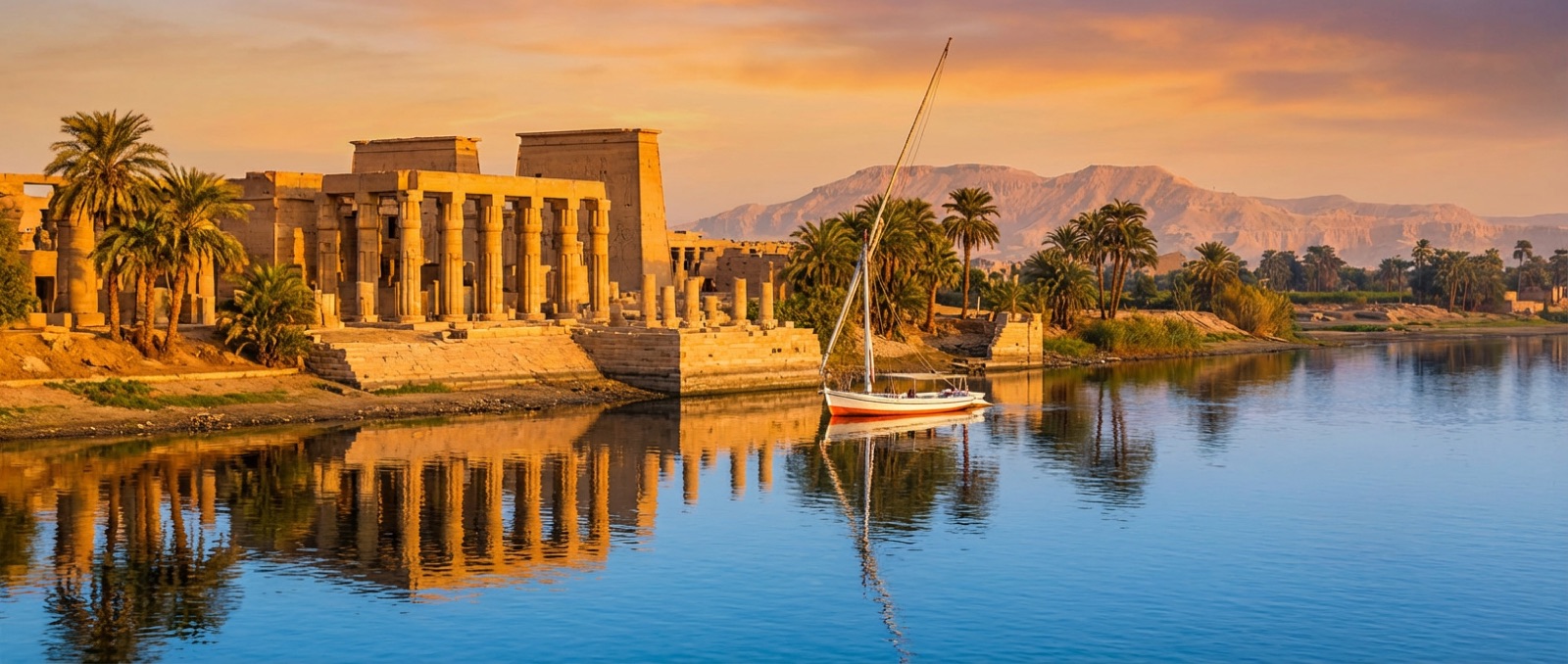
Egypt Weather Guide: The Complete Month-by-Month Breakdown
Month-by-month weather for Cairo, Luxor and the Red Sea - cool winter temple days, peak summer diving heat - so you can pick the right…
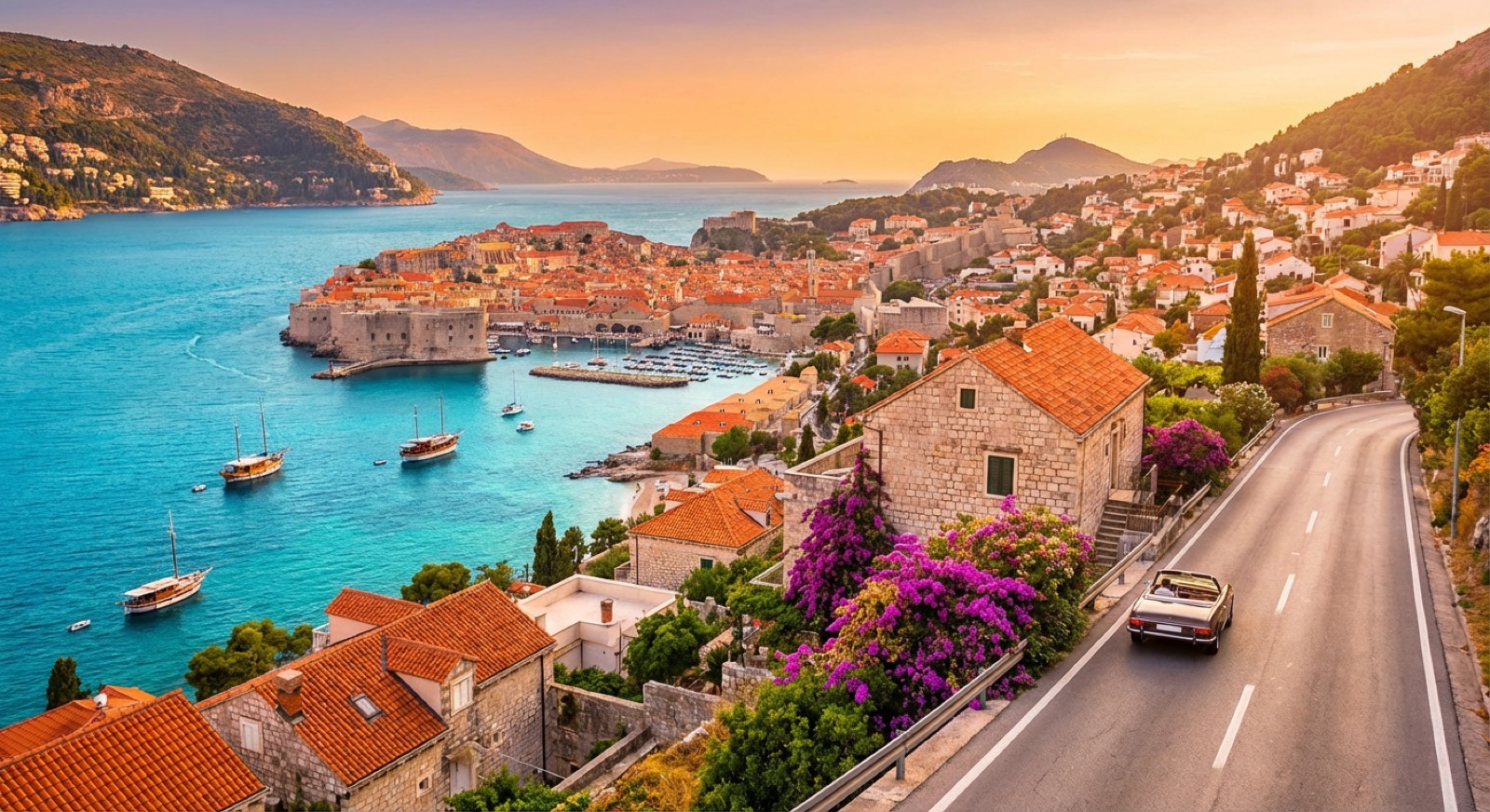
Dream Destinations: A Travel Bucket List by Region
Twenty-five bucket-list destinations across Asia, Europe, the Americas, Africa and Oceania, with planning and budget tips and common…
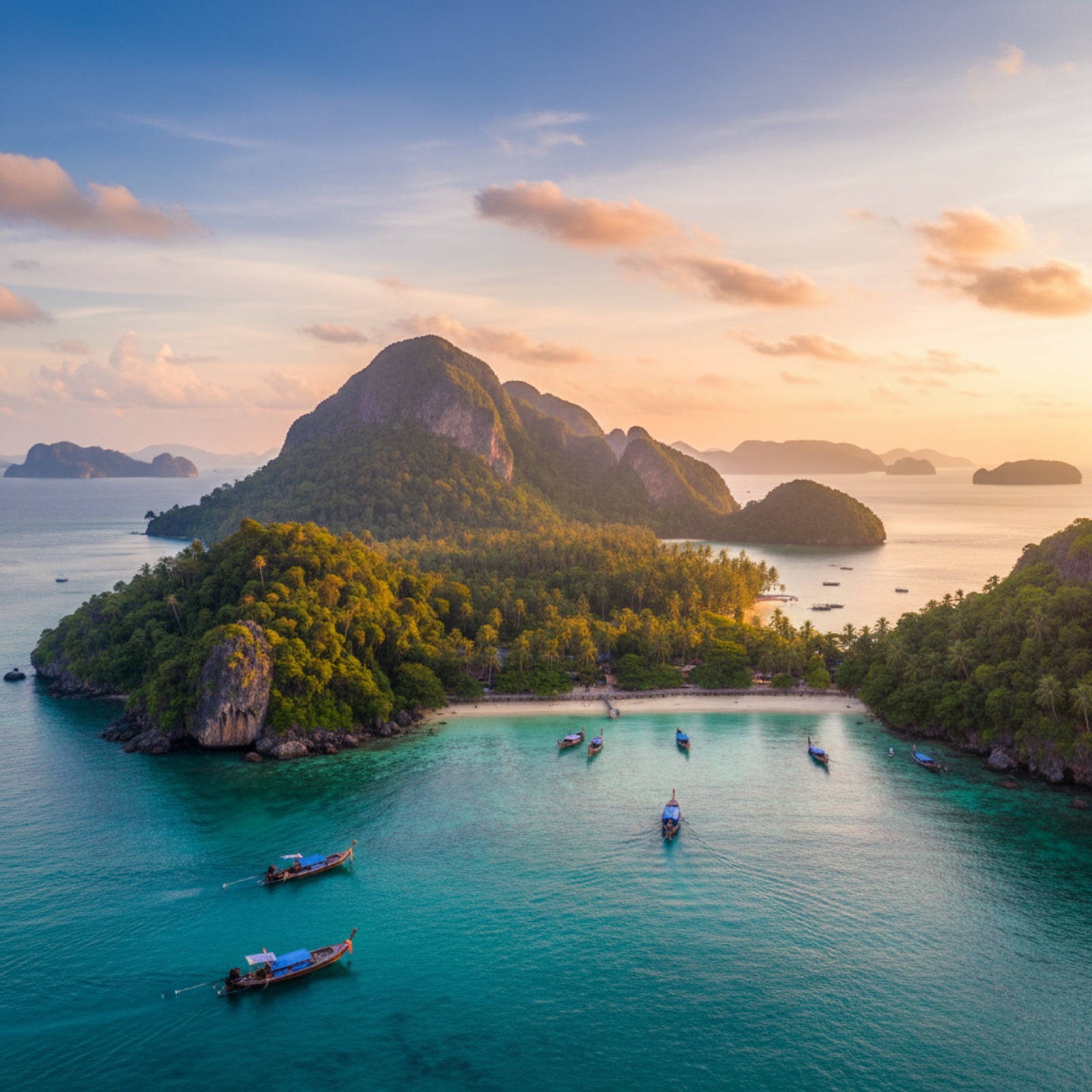
Best Time to Visit Thailand: Seasons by Region
Thailand's cool, hot and rainy seasons, month-by-month weather, how the north and the east and west coasts differ, shoulder-season value…