International Travel Packing List: What to Bring
An evergreen international packing checklist - documents, clothing by climate, electronics, toiletries and carry-on strategy from 20 years on the road.
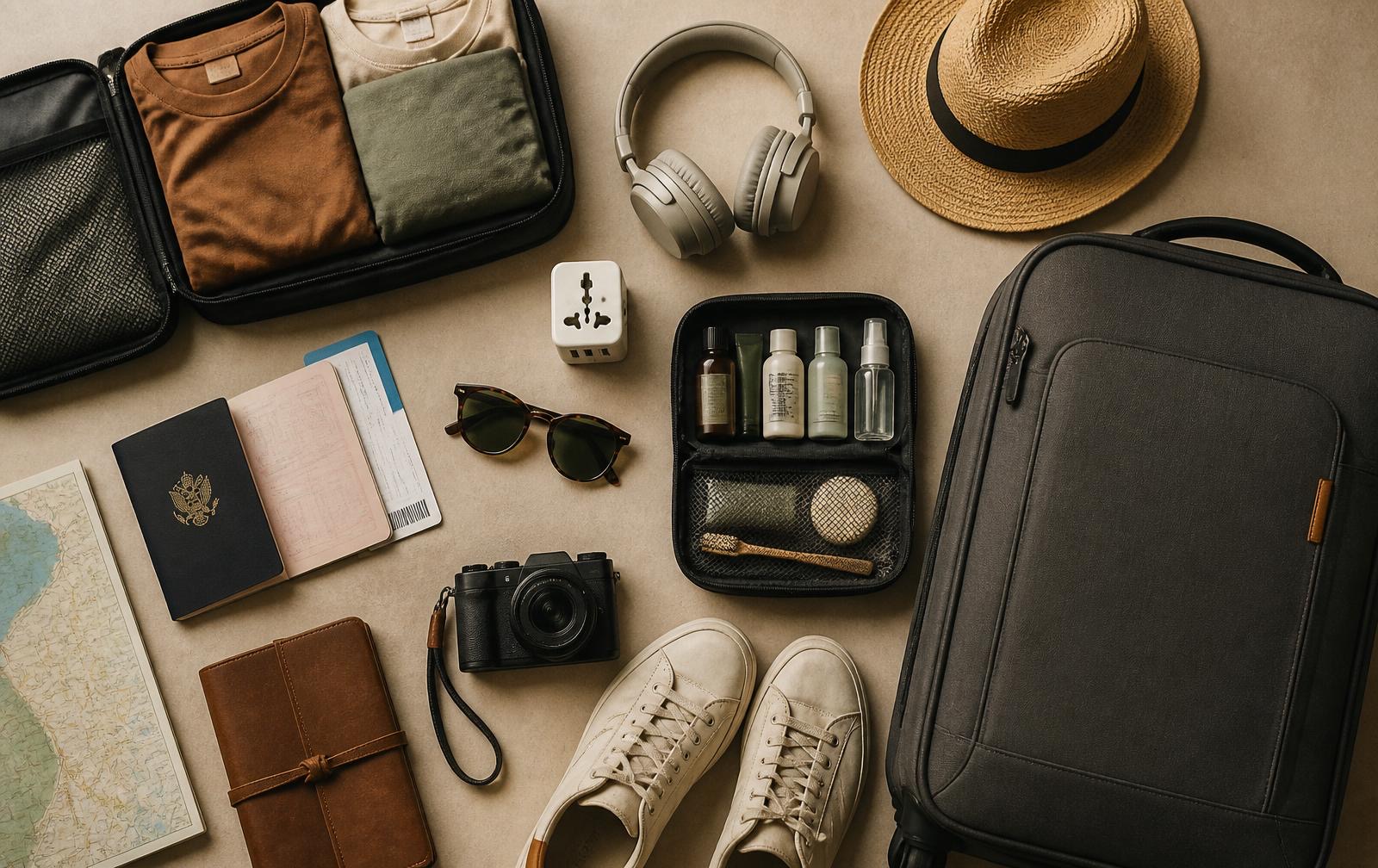
In this guide
How you pack can make or break your trip. Take a trip to Jordan packed for desert heat, with light linens and shorts for Petra, Wadi Rum and the Dead Sea. A freak cold snap in Amman can leave you shivering in your only pair of long trousers and a flimsy jumper, paying a fortune for a decent jacket and throwing your budget out of whack. The lesson: preparation isn’t about packing for the trip you expect, but for the trip that could happen.
Since then, I’ve refined my packing system into a fine art. It’s a modular, adaptable method that has seen me through humid Southeast Asian jungles, frigid Scandinavian winters, and everything in between, often on the same trip. This isn't just another list; it's a philosophy. It’s the culmination of dozens of international trips and countless packing mistakes. Forget the stress and the overstuffed suitcase. This is the only packing list you’ll ever need, designed to work for any destination, any climate, and any traveller.
Table of Contents
- Documents & Essentials You Cannot Forget
- Clothing: A Climate-Based Approach
- Electronics & Tech
- Toiletries, Health & Medications
- Carry-On vs Checked Bag Strategy
- Packing Tips by Trip Type
- Pro Tips I Learned the Hard Way
- What NOT to Pack
Documents & Essentials You Cannot Forget
Let's get the most crucial stuff out of the way first. Forgetting any of these can end your trip before it even begins. I treat this section like a pre-flight cockpit check. No exceptions, no "I'll do it later."
- Passport & Visas: Your passport should have at least six months of validity from your planned return date. Check visa requirements for your destination AND any layover countries well in advance. Some e-visas take weeks to process.
- Physical Copies: Print a copy of your passport's photo page, your visas, your flight confirmations, and your first night's accommodation details. Keep these separate from the originals. If your phone dies and your wallet gets stolen, these paper copies will be your lifeline at an embassy or with local police.
- Travel Insurance: Don't leave home without it. Print a copy of your policy certificate and emergency contact number. Know what you're covered for. Something as common as an ear infection after diving can mean a specialist visit costing hundreds of dollars out-of-pocket.
- Vaccination Records: Keep your International Certificate of Vaccination or Prophylaxis (ICVP) or other proof of vaccinations (e.g., COVID-19 certs, Yellow Fever) with your passport. Some countries require it for entry.
- Driver's Licence & IDP: If you plan to rent any vehicle, from a car to a scooter, bring your Australian driver's licence and an International Driving Permit (IDP). Many countries legally require the IDP, and rental agencies will turn you away without one.
- Cards & Cash Strategy: Never rely on a single source of money. My formula is:
- Two different credit cards (from different banks, like a Visa and a Mastercard) to avoid issues with acceptance or one being blocked for fraud.
- One debit card with low international fees for ATM withdrawals.
- A small amount of local currency for your arrival (enough for a taxi and a meal) ordered before you leave, or withdrawn at the airport ATM upon landing. Avoid currency exchange counters as their rates are usually terrible.
- Digital Backups: Before you leave, take photos of every single document: passport, visas, driver's licence, both sides of your credit/debit cards, and insurance policy. Save them in a secure cloud service (like Dropbox, Google Drive) and also save a copy to your phone's offline files. This redundancy is your safety net.
Clothing: A Climate-Based Approach
The secret to all-purpose packing is layering and choosing versatile fabrics. Your goal is to create a small wardrobe where almost every top works with every bottom. I build my clothing list around a core "Universal Kit" and then add climate-specific items.
The Universal Layering Kit
This is the backbone of your travel wardrobe, no matter where you're going. These items work together and form the base for any climate.
- T-shirts/Tops (4-5): Choose neutral colours (black, grey, navy, white) in breathable fabrics like merino wool or a high-quality cotton blend. Merino is my champion: it's temperature-regulating, moisture-wicking, and odour-resistant, meaning you can wear it multiple times before washing.
- Long-Sleeve Top (1-2): One for layering warmth and another lightweight one for sun and insect protection.
- Mid-Layer (1): A fleece jacket or a merino wool jumper. This is your primary warmth layer.
- Trousers/Jeans (1-2): One pair of comfortable, durable travel trousers (I like brands like Prana or a good pair of chinos) and maybe one pair of dark jeans that can be dressed up or down for a city break.
- Packable Rain Jacket (1): Non-negotiable. It must be waterproof, not just "water-resistant." It also acts as an excellent windbreaker. Get one that packs down into its own pocket.
- Underwear & Socks (5-7 pairs): Enough to last a week. Again, merino wool socks are brilliant for all climates as they keep your feet dry and comfortable.
- "Smart" Outfit: One outfit that's a step up from your daily travel gear. For men, a button-down shirt and chinos. For women, a versatile dress or a nice top and trousers. You'll need it for a nice restaurant, a theatre show, or an unexpected invitation.
- Sleepwear: Something light you're comfortable in.
Hot & Tropical
Build on the universal kit with these additions for heat and humidity.
- Swap/Add Shorts (2 pairs): Replace one pair of trousers with shorts.
- Linen Shirt (1): Incredibly breathable and looks sharp even when a bit crumpled.
- Swimwear (1-2 pairs): So you can have one drying while you wear the other.
- Sun Hat: A wide-brimmed, packable hat is essential. Protect your face and neck.
- Sunglasses: Polarised are best for cutting glare.
- Sandals/Thongs: For the beach and casual walking.
Cold & Winter
Layering is everything here. Add these to your universal kit to stay toasty.
- Thermal Base Layers (2 sets): A long-sleeve top and leggings. Merino wool or synthetic capilene are far superior to cotton, which holds moisture and makes you cold.
- Heavier Mid-Layer/Puffer Jacket: Swap the light fleece for a heavier one, or add a packable down/synthetic puffer jacket. This can be worn on its own or under your rain shell for complete protection.
- Waterproof Trousers (1 pair): If you expect a lot of snow or sleet, a pair of pull-on waterproof overtrousers is a lifesaver.
- Warm Accessories: A beanie (or 'toque'), gloves, and a scarf or neck gaiter (like a Buff) are small items that make a huge difference.
- Warm Socks (3-4 pairs): Thick wool socks are a must.
- Insulated, Waterproof Boots: Your shoes will define your comfort in the cold. Don't skimp here.
Temperate/Shoulder Season
This is the easiest climate to pack for. Your universal kit is almost perfect as-is. You have layers for cool mornings and evenings, and can strip down to a t-shirt during the day. The only addition I'd make is to ensure your one jacket is genuinely waterproof for those unpredictable spring or autumn showers. A stylish trench coat can be a great option for a European city break.
Electronics & Tech
My tech bag is lean but mighty. I focus on multi-purpose items and solid organisation.
- Universal Travel Adapter: Get a good quality, new-generation one with multiple USB-A and USB-C ports. This allows you to charge your phone, power bank, and camera all at once from a single wall socket. It's the only adapter you'll ever need.
- Portable Power Bank: An absolute must-have. A 10,000-20,000mAh bank is the sweet spot—enough to charge your phone 2-4 times but still small enough to carry in a daypack. A lifesaver on long travel days or when navigating a new city.
- Phone & Charger: Your phone is your map, camera, translator, and lifeline. Protect it. Bring its charging cable and a wall plug.
- All Your Cables: Use a small electronics organiser or a Ziploc bag to keep all your cables (phone, e-reader, camera, etc.) tidy. There's nothing worse than a tangled mess of wires at the bottom of your bag.
- Headphones: A pair of noise-cancelling headphones is one of the best travel investments you can make. They make flights, bus rides, and noisy hostels infinitely more pleasant.
- E-reader (Kindle, etc.): If you're a reader, an e-reader is a game-changer. It's lighter than one book but can hold thousands. I load mine up before I leave. The battery lasts for weeks.
- VPN (Virtual Private Network): Install a VPN app on your phone and laptop before you leave. It secures your data when using public Wi-Fi (in cafes, airports) and can help you access home-country websites or streaming services that might be blocked abroad.
- Offline Maps: Before you leave, download offline maps of your destination in the Google Maps or Maps.me app. This lets you navigate without using expensive international data. Pin your hotel, attractions, and transport hubs.
Toiletries, Health & Medications
The goal here is to carry just enough to get by, not to replicate your entire bathroom cabinet. Remember, you can buy most standard items like shampoo and toothpaste anywhere in the world.
- TSA-Compliant Toiletry Bag: Use a clear, quart-sized bag for your liquids if you're flying carry-on only. The 100ml (3.4oz) per container rule is strictly enforced.
- Refillable Bottles: Instead of buying travel-sized miniatures (which are expensive and wasteful), invest in a set of high-quality, leak-proof silicone refillable bottles for your specific shampoo, conditioner, and lotion.
- Solid Toiletries: Even better, reduce liquids altogether. Solid shampoo bars, conditioner bars, and toothpaste tablets are fantastic, eco-friendly, and don't count towards your liquid allowance.
- Prescription Medications:
- Pack enough for your entire trip, plus a few extra days in case of delays.
- Keep them in their original packaging with the pharmacy label.
- Carry a copy of your prescription or a letter from your doctor explaining what the medication is for, especially for controlled substances.
- Always pack medication in your carry-on bag. Never in your checked luggage.
- Basic First-Aid Kit: I build my own in a small pouch.
- Pain relief (Ibuprofen or Paracetamol)
- Assorted plasters (Band-Aids) and blister plasters (Compeed is a godsend for city breaks)
- Antiseptic wipes and a small tube of antiseptic cream
- Antihistamines for allergies or insect bites
- Stomach remedies (Imodium for emergencies, rehydration salts for recovery)
- Any personal items like eye drops or contact lens solution
- Other Essentials: Sunscreen (often expensive abroad), insect repellent (with DEET for tropical areas), and hand sanitiser.
Carry-On vs Checked Bag Strategy
How you divide your gear between bags is a strategic decision. My guiding principle is: "If the airline loses my checked bag, can I survive and be comfortable for three days with just my carry-on?"
- Always in Your Carry-On:
- All your documents (passport, visas, etc.)
- All your money (cards and cash)
- All your essential medications
- All your valuable electronics (phone, laptop, camera)
- A power bank and the charging cable for your phone
- A change of underwear and a fresh t-shirt
- Basic toiletries (toothbrush, toothpaste, deodorant)
- A book or e-reader, and headphones
- Any breakable souvenirs you've picked up
- In Your Checked Bag:
- The bulk of your clothes
- Extra shoes
- Full-sized liquids (if you're checking a bag, you're not bound by the 100ml rule for these items)
- Less-valuable items
- The One-Bag Philosophy: For trips under two weeks, I strongly advocate for travelling with only a carry-on sized backpack or suitcase (usually around 40-45 litres). The freedom is unparalleled. You can walk off a plane and straight out of the airport, you never worry about lost luggage, and you're more mobile navigating cities and public transport. It forces you to pack smart and light.
- Check Weight & Size Limits: Always check the carry-on and checked baggage allowance for every airline you're flying with, including budget carriers for short connecting flights. They can have wildly different and much stricter rules. A cheap flight isn't cheap if you get slapped with a $100 oversized bag fee at the gate.
Packing Tips by Trip Type
The core list works for everything, but specific trips require a few specialised items.
Beach & Island Trips
- Quick-Dry Towel: A microfibre travel towel is lighter and packs smaller than a cotton one.
- Dry Bag: Essential for boat trips or days at the beach to protect your phone, wallet, and camera from water and sand.
- Water Shoes: Brilliant for rocky beaches or exploring coral reefs.
- After-Sun Lotion: Soothing aloe vera gel is a must.
City Breaks
- Comfortable Walking Shoes: This is the most important item. You will walk more than you think. Make sure they are well broken-in. A second, slightly more stylish but still comfortable pair is a good idea.
- Daypack or Crossbody Bag: Something small and secure to carry your daily essentials (water, power bank, jacket, sunnies) while exploring.
- Reusable Water Bottle: Stay hydrated and reduce plastic waste. Most cities have public fountains where you can refill.
Adventure & Trekking Trips
- Broken-In Hiking Boots: Never, ever take new hiking boots on a trip.
- Headlamp: You'll need it for early morning starts, navigating a campsite, or in case of a power outage in a remote guesthouse. Bring extra batteries.
- Water Filter or Purification Tablets: A safe, reliable way to drink from natural water sources, saving you from carrying kilos of water.
- Specialised Clothing: Moisture-wicking hiking shirts, convertible hiking trousers, and several pairs of good hiking socks.
Multi-Climate Long Trips
This is where the universal layering kit is your best friend. Pack the full kit, including thermal base layers and a puffer jacket. You can wear every layer at once in the cold, and just a t-shirt in the heat. Consider mailing bulky cold-weather gear home after you leave a cold region to lighten your load for the warmer legs of your journey.
Pro Tips I Learned the Hard Way
- Packing Cubes Are Non-Negotiable: These are the secret to organisation and compression. Use different coloured cubes for different categories: one for tops, one for bottoms, one for underwear, etc. You'll never have to tear your entire bag apart to find one t-shirt again. Compression cubes will also save you a surprising amount of space.
- Roll, Don't Fold: For most clothing items (t-shirts, trousers, shorts), rolling them tightly minimises wrinkles and saves significant space compared to folding flat. For more structured items like a blazer or a formal shirt, a careful fold is better.
- The Outfit Test: Before an item goes in your bag, hold it up and mentally pair it with at least two or three other items you're packing. If it only works as part of one specific outfit, it doesn't make the cut. Versatility is everything.
- Plan to Do Laundry: Pack for one week, not for the entire duration of your trip. You can do laundry on the road. A sink with some travel wash can work in a pinch, but I prefer finding a local laundromat (a "lavanderia" or "laverie"). It's a great slice-of-life experience and takes only an hour or two out of your week.
- Leave Empty Space: Your bag should not be bursting at the seams when you leave. Leave about 15-20% free space. You will need it for souvenirs, or simply to make repacking less of a stressful puzzle every time you move on.
What NOT to Pack
We're all guilty of overpacking. Here are the most common culprits to leave at home.
- Full-Size Toiletries: They are heavy, bulky, and unnecessary. Decant or buy locally.
- A Hairdryer: Almost every hotel and even most Airbnbs have one. If it's a critical item, email ahead to check.
- "Just In Case" Items: That fancy dress you might wear if you get invited to a ball? Leave it. That extra pair of shoes for a hypothetical scenario? Don't pack it. Pack for definite plans and buy something locally if a true, unexpected need arises.
- Too Many Shoes: They are the heaviest and bulkiest items in your bag. Three pairs is a good maximum: your comfortable walking shoes, a pair of sandals/thongs, and a third pair specific to your trip (e.g., boots for cold, or smarter shoes for a city).
- Expensive or Irreplaceable Jewellery: It's a target for theft and a source of constant worry.
Packing doesn't have to be a chore you dread. Think of it as the first step of your adventure—a puzzle where the prize is a smoother, lighter, and more enjoyable journey. This list is a comprehensive guide, but feel free to tailor it to your personal style. Lay everything out on your bed, be ruthless, and remember the freedom that comes with carrying less. Now, get packing. The world is waiting.
Explore in Depth
Explore in Depth
If you want to go deeper on this trip, these companion guides pick up where this one leaves off.
Explore in Depth
If you want to go deeper on the places covered above, these companion guides pick up where this one leaves off:
More Travel Tips guides
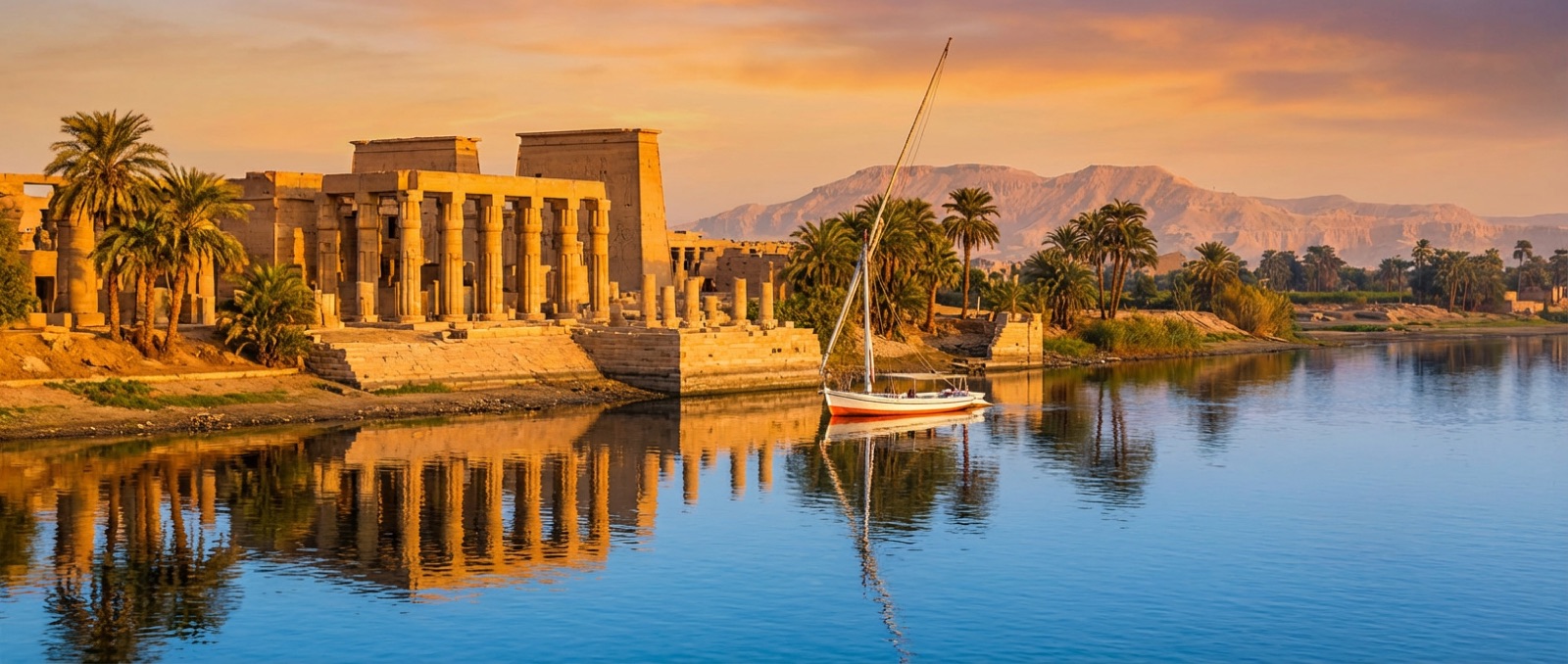
Egypt Weather Guide: The Complete Month-by-Month Breakdown
Month-by-month weather for Cairo, Luxor and the Red Sea - cool winter temple days, peak summer diving heat - so you can pick the right…
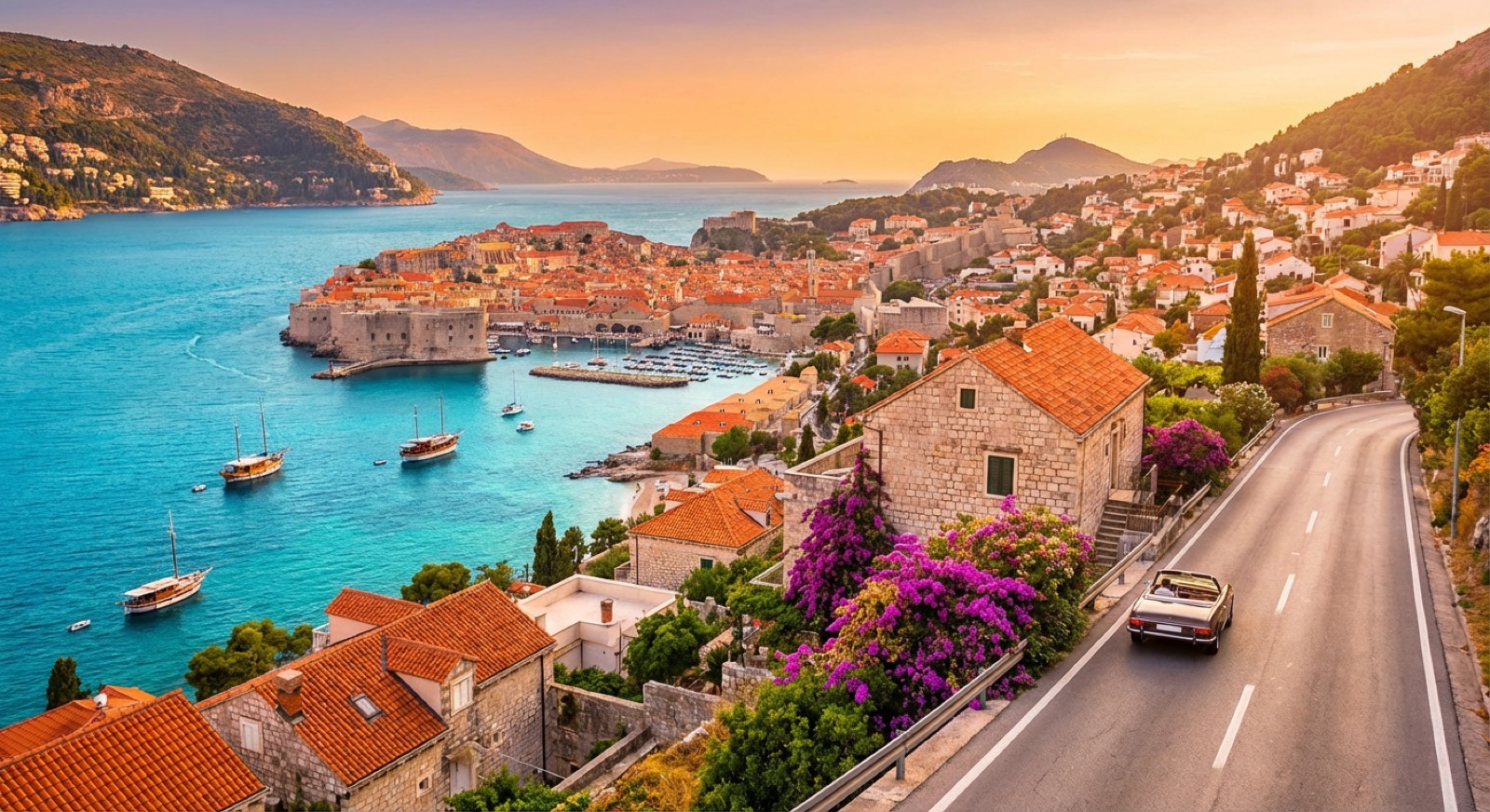
Dream Destinations: A Travel Bucket List by Region
Twenty-five bucket-list destinations across Asia, Europe, the Americas, Africa and Oceania, with planning and budget tips and common…
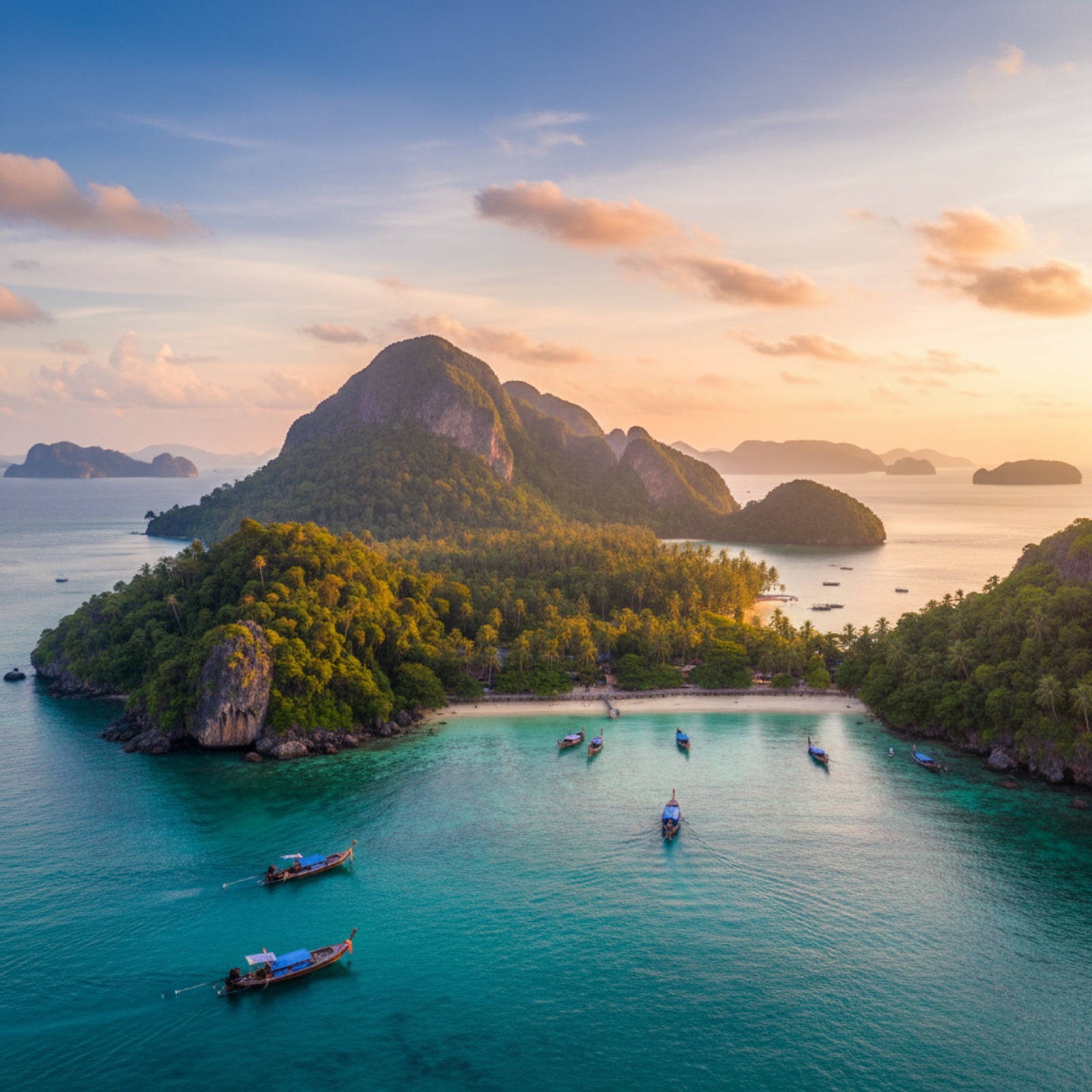
Best Time to Visit Thailand: Seasons by Region
Thailand's cool, hot and rainy seasons, month-by-month weather, how the north and the east and west coasts differ, shoulder-season value…