Jordan Travel Guide: Petra, Wadi Rum, Dead Sea
A week in Jordan: the classic route from Amman to Petra and Wadi Rum, driving, the Jordan Pass, seasons and cultural basics.
In this guide
- Quick Facts
- Planning Your Jordanian Journey
- When to Visit: Seasons and Considerations
- Getting Around: Driving and Buses
- Amman: Ancient Heart, Modern Bustle
- North of Amman: The Roman North
- The Scenic King's Highway
- The Dead Sea and Sacred Canyons
- Petra: The Rose-Red City
- Wadi Rum: Mars on Earth
- Aqaba and the Red Sea
- Jordanian Culture, Food, and Hospitality
- A Note on Safety and Photography
- Explore in Depth
- Frequently Asked Questions
- Final Thoughts
The last of the day’s heat was bleeding out of the sand, and the silence in Wadi Rum was so complete it felt like a presence. Our Bedouin guide, Salim, poured sweet, sage-infused tea from a blackened kettle that seemed permanently attached to the campfire. Above us, a billion stars were popping into view in the cold, clear desert air, a celestial dome untouched by city lights. I’d spent the afternoon scrambling up rock formations, my camera working overtime to capture the shifting colours of the vast, Martian landscape. In that moment, sipping tea under a blanket of stars, I realised Jordan isn’t just a place you see; it’s a place you feel, a country that gets under your skin with its epic history and the quiet, profound warmth of its people.
For a country so packed with world-class, bucket-list sites, Jordan is remarkably compact and accessible. In a single trip, you can wander a perfectly preserved Roman city, float in the planet’s saltiest sea, hike through canyons of biblical importance, and stand in awe before a city carved from rock. It’s an adventure that feels both grand and surprisingly easy to organise. This guide is built on my own journeys through the Hashemite Kingdom, designed to give you the practical, on-the-ground advice you need to craft your own unforgettable trip, from the bustling markets of Amman to the silent, star-strewn sands of Wadi Rum.
Quick Facts
- Location: The Middle East, bordered by Israel and Palestine, Syria, Iraq, and Saudi Arabia.
- Getting There: Most international travellers arrive at Queen Alia International Airport (AMM) near Amman. King Hussein International Airport (AQJ) in Aqaba is a great alternative for reaching the southern sites.
- Getting Around: Renting a car offers the most freedom. JETT buses connect major cities, and private taxis are plentiful for shorter trips or day hires.
- Language and Currency: The official language is Arabic, but English is widely spoken in tourist areas. The local currency is the Jordanian Dinar.
- Best Time to Visit: Spring (March to May) and autumn (September to November) offer pleasant temperatures perfect for sightseeing. Summers are scorching hot, and winters can be cold, especially in the desert at night.
Planning Your Jordanian Journey
One of Jordan’s greatest assets for travellers is its size. It’s a country you can properly explore in seven to ten days without feeling rushed. A classic and highly recommended route starts in the capital, Amman. From there, you can make a day trip north to the Roman ruins of Jerash before heading south along the historic King's Highway. This scenic road takes you to the Dead Sea, through nature reserves and past crusader castles, eventually leading to the main event: Petra. After soaking in the Rose-Red City, you continue south to the deserts of Wadi Rum before either heading to the Red Sea at Aqaba or looping back to Amman via the faster Desert Highway.
Before you book anything, you must look into the Jordan Pass. This is a brilliant initiative by the government that bundles the cost of your tourist entry visa with entrance fees to dozens of major sites across the country, including Petra, Jerash, and Wadi Rum. For most travellers, it represents significant savings and convenience. However, the specific terms, costs, and eligibility requirements can change. It is essential to check the official Jordan Pass website for the most current information to determine if it’s the right choice for your trip length and itinerary.
When to Visit: Seasons and Considerations
Timing your trip to Jordan is crucial. The country experiences distinct seasons, and your comfort level will vary dramatically depending on when you go. The sweet spots are undoubtedly spring (March-May) and autumn (September-November). During these months, the daytime temperatures are warm and sunny without being oppressive, making it ideal for long days spent exploring Petra or hiking in the Dana Biosphere Reserve. In spring, the northern hills are often surprisingly green and dotted with wildflowers.
Summer (June-August) is brutally hot, especially around the Dead Sea and Aqaba, where temperatures can soar. While manageable if you plan your activities for the very early morning and late afternoon, the midday sun is intense and can make extensive walking a gruelling task. Winter (December-February) can be surprisingly cold, particularly in Amman and the desert. It’s not uncommon for temperatures in Wadi Rum to drop close to freezing overnight, and I’ve even seen snow lightly dust the hills around Petra. If you travel in winter, pack plenty of warm layers.
Also, consider the timing of Ramadan. Travelling in Jordan during the holy month is a unique and fascinating cultural experience, but it comes with logistical challenges. During the day, many cafes and restaurants will be closed, and it is respectful to refrain from eating, drinking, or smoking in public. The pace of life slows, but the evenings come alive with festive Iftar meals. It’s a rewarding time to visit, but requires planning and sensitivity.
Getting Around: Driving and Buses
For the independent traveller, renting a car is, in my opinion, the best way to see Jordan. It gives you the freedom to move at your own pace, stop for photos whenever a stunning vista appears (which is often), and explore the contours of the country beyond the main tourist trail. The major roads, like the Desert Highway and the King's Highway, are generally in good condition. Signage is frequent and usually in both Arabic and English, making navigation relatively straightforward, especially with a GPS app.
Driving in Amman can be chaotic, with heavy traffic and assertive local driving styles, but once you're out of the city, it’s much more relaxed. You will encounter numerous police checkpoints, but these are a routine part of life in Jordan. As a tourist, you'll almost always be greeted with a smile and waved through. Just have your passport, driving licence, and car rental papers handy.
If you’d rather not drive, the JETT bus company offers a comfortable, reliable, and affordable service connecting Amman with major hubs like Petra (Wadi Musa) and Aqaba. Their schedules are fixed, however, so you lose the spontaneity of having your own vehicle. For shorter distances or to create your own day trip (for example, from Amman to the Dead Sea), hiring a private car and driver is a very common and convenient option. You can often arrange this through your hotel, agreeing on a route and a price for the day upfront.
Amman: Ancient Heart, Modern Bustle
Many travellers treat Amman as a mere entry point, but Jordan's capital is a destination in its own right, a fascinating blend of ancient and new. Sprawled across a series of hills, the city is a study in contrasts. The historical heart is Downtown (Al-Balad), a chaotic, vibrant area at the bottom of the valleys. Here you’ll find bustling souks selling everything from gold to spices, tiny storefronts serving up delicious knafeh, and the magnificent, restored Roman Theatre, which still hosts events today. Towering above it all is the Citadel (Jabal al-Qal'a), the city's ancient acropolis. I love going up there in the late afternoon; you get incredible panoramic views of the sprawling city as the call to prayer echoes from minarets across the hills.
Climb out of the valley and you'll find the more modern, affluent side of West Amman. Neighbourhoods like Jabal Amman and Jabal al-Weibdeh are home to leafy streets, art galleries, trendy cafes, and bookshops. Rainbow Street is the most famous of these, a great place for a stroll, a coffee, and a completely different vibe from the historic downtown. Spending a day or two exploring both sides of Amman is the perfect introduction to the country.
North of Amman: The Roman North
Just an hour's drive north of Amman lies the ancient city of Jerash, and I can't stress this enough: do not skip it. It is one of the largest and most well-preserved sites of Roman architecture outside of Italy. This isn't just a few scattered pillars; it’s a whole city. You can walk down colonnaded streets, trace the ruts of chariot wheels, stand in the centre of a vast oval forum, and sit in the tiered seats of two amphitheatres. It’s an immersive experience that gives you a genuine sense of life in a Roman provincial city. Give yourself at least three to four hours to do it justice.
Nearby, perched on a hilltop with commanding views of the Jordan Valley, is Ajloun Castle. This is a very different piece of history. Built in the 12th century by Saladin's forces to defend against the Crusaders, it’s a fantastic example of Islamic military architecture. A visit here pairs perfectly with Jerash for a day trip from Amman, showing two distinct and powerful empires that shaped this land. For those with more time, the far northern town of Umm Qais (ancient Gadara) offers more Roman ruins with the unique bonus of spectacular views over the Sea of Galilee.
The Scenic King's Highway
When travelling south from Amman towards Petra, you have two choices: the fast, direct Desert Highway or the ancient, scenic King's Highway. If you have the time, the choice is easy. The King's Highway is the journey itself. This winding, 5,000-year-old trade route snakes its way through the country's mountainous backbone, offering breathtaking views and a slice of rural Jordanian life.
The road dips into dramatic canyons and climbs up to plateaus, passing through small towns and villages. Along the way, you'll find the majestic Dana Biosphere Reserve, Jordan's largest nature reserve. It’s worth stopping here even for an hour to gaze into the vastness of the Wadi Dana from the viewpoint near Dana village. For hikers, it's a major destination with trails ranging from short walks to multi-day treks.
Further south, the highway leads you to two imposing Crusader castles: Kerak and Shobak. Kerak is the larger and more famous of the two, a dark and labyrinthine fortress with a bloody history. Shobak, perched dramatically on a conical hill, is more ruinous but arguably more picturesque. Exploring these castles is a visceral link to the turbulent history of the Crusades in the Holy Land.
The Dead Sea and Sacred Canyons
Floating in the Dead Sea is one of travel’s most unique experiences. At over 400 metres below sea level, it’s the lowest point on Earth. The water is so hypersaline—nearly ten times saltier than the ocean—that you bob on the surface like a cork. The sensation is truly bizarre and delightful. Slathering yourself in the dark, mineral-rich mud from the seabed and baking in the sun before rinsing off is a ritual you have to try. A word of warning: the salt will find any tiny cut you have and sting like crazy, and getting it in your eyes is agony. The most sobering part of a visit is seeing the stark evidence of the sea's decline; its shoreline is receding at an alarming rate, leaving former resort beaches high and dry.
Just a short drive from the Dead Sea's northern shore is Bethany Beyond the Jordan, the site where Jesus is believed to have been baptised by John the Baptist. It’s a quiet, contemplative place managed by the Baptism Site Commission, an independent board of trustees appointed by the King, a sharp contrast to the tourist resorts nearby. For adventure-seekers, the magnificent canyon of Wadi Mujib offers the thrilling Siq Trail, a water-hike where you wade and scramble up a river through a spectacular sandstone gorge. This is a seasonal activity, typically open from April to October, so always check with the official authorities (Wild Jordan) before planning a visit, as flash floods can make it dangerous.
Petra: The Rose-Red City
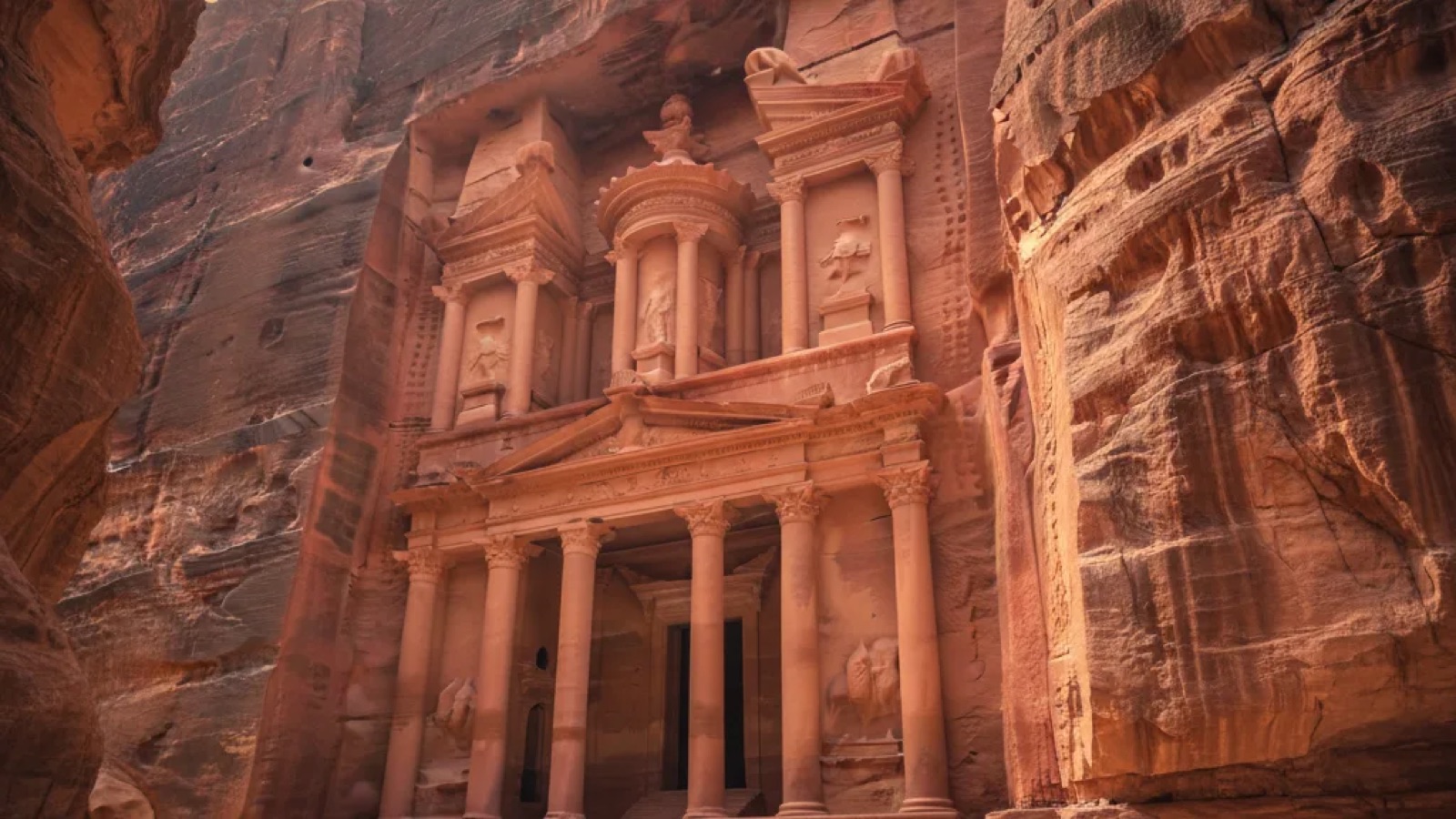
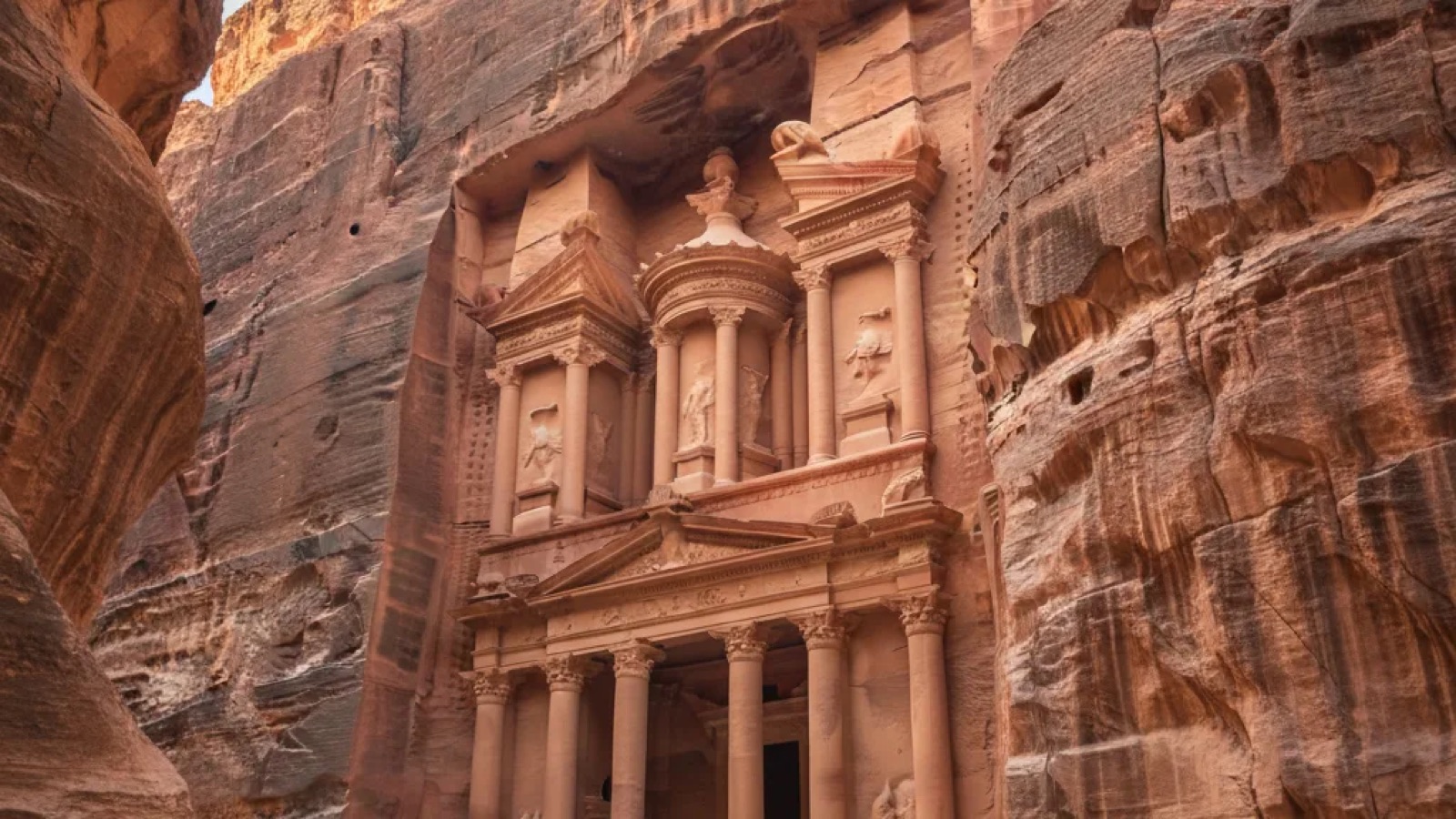
There are few wonders in the world that truly exceed their hype. Petra is one of them. Nothing prepares you for the walk through the Siq, a kilometre-long, narrow gorge with towering rock walls, that serves as the entrance to the ancient Nabataean city. The sense of anticipation is immense. And then, you see it: a sliver of that iconic, intricately carved facade of the Treasury (Al-Khazneh) appearing through the crack in the rock. It’s a moment that will be seared into your memory forever.
But the Treasury is just the beginning. Petra is huge, a vast city of tombs, temples, and colonnaded streets all carved directly into the pink and red sandstone cliffs. You need a full day at a bare minimum. The walk through the main valley past the Street of Facades and the Theatre is incredible, but the real reward comes to those who put in the effort. The climb up the 800-plus steps to the Monastery (Ad-Deir) is tough, but sitting in front of its colossal facade, which is even larger than the Treasury, is an experience of sublime scale and solitude. I also highly recommend a visit to Little Petra (Siq al-Barid) nearby, which is a wonderful, less-crowded introduction to Nabataean architecture.
Wadi Rum: Mars on Earth
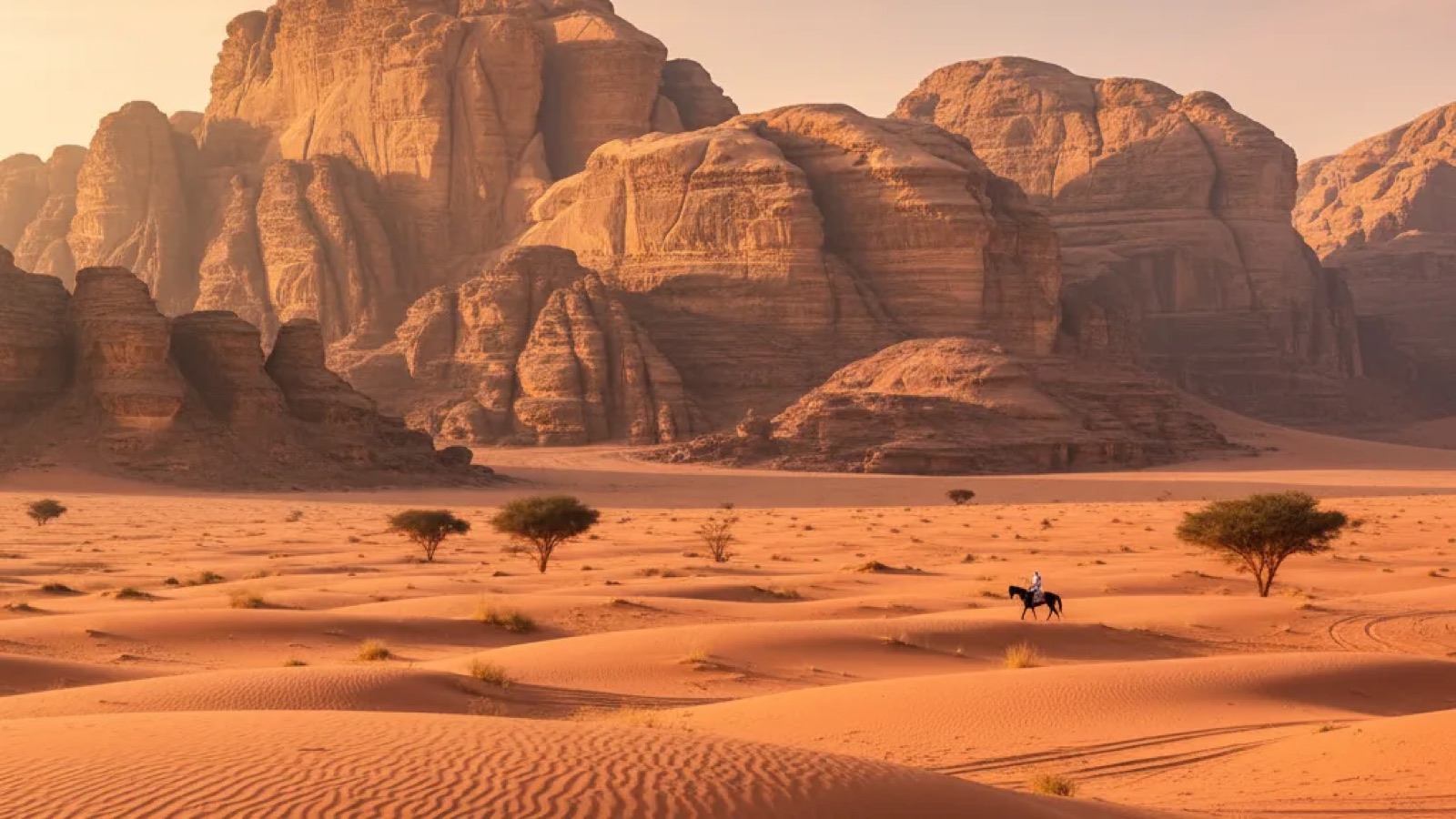
After the dense history of Petra, the vast, empty landscapes of Wadi Rum are a welcome change of pace. This is the Jordan of Lawrence of Arabia, a protected desert wilderness of rust-coloured sand and monumental sandstone and granite mountains, known as jebels. The best way to experience it is by staying a night or two in one of the many Bedouin-run desert camps. The accommodation can range from simple tents to luxurious "martian domes," but the experience is universal: warm hospitality, hearty traditional food cooked underground (a zarb), and mesmerising scenery.
From a photographer's perspective, Wadi Rum is paradise. The light here is extraordinary. The "golden hours" after sunrise and before sunset set the red sand and rock formations ablaze with colour. The stark, dramatic silhouettes of the jebels against the soft pastel sky make for incredible images. A 4x4 jeep tour is the standard way to explore, taking you to famous sites like natural rock bridges and ancient inscriptions. For me, the real magic happens when the engine is off—the profound silence, the taste of tea by a fire, and the breathtaking clarity of the Milky Way in a sky free from light pollution.
Aqaba and the Red Sea
At Jordan's southern tip lies Aqaba, the country's only coastal city. It provides a perfect, relaxing end to a desert adventure. After days of dust and ancient stones, plunging into the cool, clear waters of the Red Sea is pure bliss. The vibe here is much more laid-back resort town than the rest of the country. The Red Sea is world-renowned for its marine life, and the waters off Aqaba are no exception. The snorkelling and diving are excellent, with vibrant coral reefs accessible right from the public beaches south of the city centre. It’s a fantastic place to wash off the desert dust, enjoy some fresh seafood, and decompress before heading home.
Jordanian Culture, Food, and Hospitality
Beyond the incredible sites, it's the incredible people who make travel in Jordan so memorable. Hospitality is a cornerstone of Jordanian and Bedouin culture. You'll hear the phrase "Ahlan wa sahlan" (welcome) constantly, and it’s meant with genuine warmth. Don't be surprised if a shopkeeper, or even someone you’ve just met, invites you for tea. Accepting these offers is one of the great joys of travelling here.
When it comes to dress, Jordan is a conservative country, especially in rural areas. While Amman is quite modern, outside the capital, it's respectful to dress modestly. For women, this means covering your shoulders and knees. You don't need to wear a headscarf (unless entering a mosque), but having a light scarf with you is always a good idea for its versatility and as a sign of respect. Loose, lightweight clothing is not only culturally appropriate but also the most comfortable in the heat.
And then there's the food. Jordanian cuisine is a highlight. You must try Mansaf, the national dish of lamb cooked in a fermented, dried yoghurt sauce, served on a bed of rice. More common for everyday meals is a fantastic array of mezze—small dishes like hummus, baba ghanoush, falafel, and tabbouleh—served with warm, fresh-baked flatbread. For dessert, there is no greater treat than Knafeh, a delicious pastry made of shredded phyllo dough or semolina, layered with soft white cheese, baked, and drenched in a sweet syrup. Finding a popular, local knafeh shop in downtown Amman is a quintessential Jordanian experience.
A Note on Safety and Photography
Despite being in a complex region, I have always found Jordan to be an exceptionally safe and stable country to travel in. The people are welcoming to foreigners, and the tourism infrastructure is well-established. That said, the world is always changing. It is your responsibility as a traveller to consult your home country's official government travel advice before and during your trip for the most up-to-date information on safety and security.
For photographers, Jordan is a dream. The quality of light is magnificent. In the desert, the air is often clear, creating sharp shadows and intense colours, especially during the first and last hours of the day. The Siq at Petra offers dramatic lighting challenges, with deep shadows and bright highlights. A polarising filter can be very useful for cutting through the midday haze and deepening the blues of the sky against the red rock. But my best tip is simply to be patient. Wait for the light. Wait for the crowds to thin. The most powerful images often come not from the grand postcard view, but from the quiet, intimate moments in between.
Explore in Depth
This guide provides a broad overview of the incredible experiences waiting for you in Jordan. For a more detailed look at the country's two most iconic destinations, check out my specialised guides:
Frequently Asked Questions
Is it easy to drive in Jordan as a tourist?
Yes, for the most part. Outside of Amman's city traffic, the main highways are well-maintained, and road signs are in both Arabic and English. Renting a car gives you incredible freedom. Be prepared for routine police checkpoints where you'll be greeted politely and usually waved through quickly. Always carry your passport, international driving permit, and rental documents. The King's Highway is winding and slower than the Desert Highway, so plan your travel times accordingly and enjoy the scenic drive.
What should I wear as a woman travelling in Jordan?
The key is modest and comfortable. While Jordan is welcoming, it is a predominantly Muslim country. In Amman's more modern areas you'll see a range of styles, but especially in towns, villages, and religious sites, it's respectful to cover your shoulders and knees. Loose-fitting long trousers or skirts and shirts with sleeves are perfect. A light scarf is incredibly useful – not mandatory, but handy for covering your head when entering mosques or for extra sun protection and modesty if you feel you need it.
Is the Jordan Pass worth getting?
For most tourists, the answer is a definite yes. It cleverly combines your visa fee (if you’re staying more than a few nights) with entry to over 40 sites, including the most expensive one, Petra. If your itinerary includes Petra and at least two or three other major sites like Jerash or Wadi Rum, it will almost certainly save you money and the hassle of buying tickets at each location. However, always do the maths for your specific plan and check the official Jordan Pass website for the latest pricing tiers and rules before purchasing.
How many days do I really need for Petra?
One very long, fast-paced day allows you to walk the main trail from the Siq, past the Treasury, and all the way up to the Monastery and back. However, you'll be exhausted and won't have time for much else. I strongly recommend two full days. This allows you to explore the main trail on one day and dedicate the second to hiking more strenuous but rewarding routes, like the trail to the High Place of Sacrifice, which offers breathtaking views from above the valley floor. Two days transforms Petra from a checklist item into a true exploration.
Can you visit Jordan during Ramadan?
Yes, you absolutely can, and it offers a unique insight into the culture. However, you must be prepared for a different rhythm of life. During fasting hours (sunrise to sunset), most restaurants and cafes will be closed. It is crucial for you to be respectful by not eating, drinking, or smoking in public spaces. Your days might be quieter, but the evenings are vibrant as families and friends gather for Iftar, the meal breaking the fast. Hotels will cater to tourists, but your experience outside them will be different. Plan ahead, carry snacks to eat discreetly, and embrace the festive atmosphere at night.
Final Thoughts
Jordan has a way of leaving a permanent mark on you. You'll come for the monumental history—for a city carved from stone, for Roman legions and desert crusaders—and you will leave remembering the smaller moments just as vividly. The taste of hot, sweet tea in the desert, the genuine smile that comes with a heartfelt "welcome," the view from a hilltop over a landscape that has swallowed empires and seen the birth of faiths.
It's a country of epic scale and intimate human connection. A place that feels both adventurous and incredibly safe, ancient yet alive. It’s a journey I’ve taken more than once, and one I know I’ll make again. Go with an open heart, a good pair of walking shoes, and an empty memory card. Jordan will fill all of them.
More Jordan guides
Petra Guide: The Siq, Treasury and Monastery
How to see Petra properly: the walk through the Siq, the Monastery climb, the back trails, ticket days and beating the heat.
Wadi Rum Guide: Desert Camps and the Landscape
What a night in Wadi Rum is really like: jeep tours, camps, sandstone arches, star photography and choosing the right season.