Machu Picchu Guide: Tickets, Trains and Trekking
How Machu Picchu access works — timed tickets and circuits, the train through the Sacred Valley, trekking options and how to handle altitude before you go.
In this guide
- Quick Facts: Machu Picchu
- History and the 'Lost City' Misconception
- Understanding the Layout and Architecture
- Ticket Circuits and Entry Rules
- Add-On Peaks: Huayna Picchu and Machu Picchu Mountain
- How to Get to Machu Picchu
- Trekking to Machu Picchu: The Main Routes
- Weather, Seasons and Timing Your Visit
- Altitude Acclimatisation and Health
- Packing Rules, Prohibited Items and Regulations
- Practical Planning Tips
- Final Thoughts on Visiting Machu Picchu
- Explore in Depth
This guide is part of our Best Places to Visit in Peru Beyond Machu Picchu — start there for the overview, when to go and how to get around.
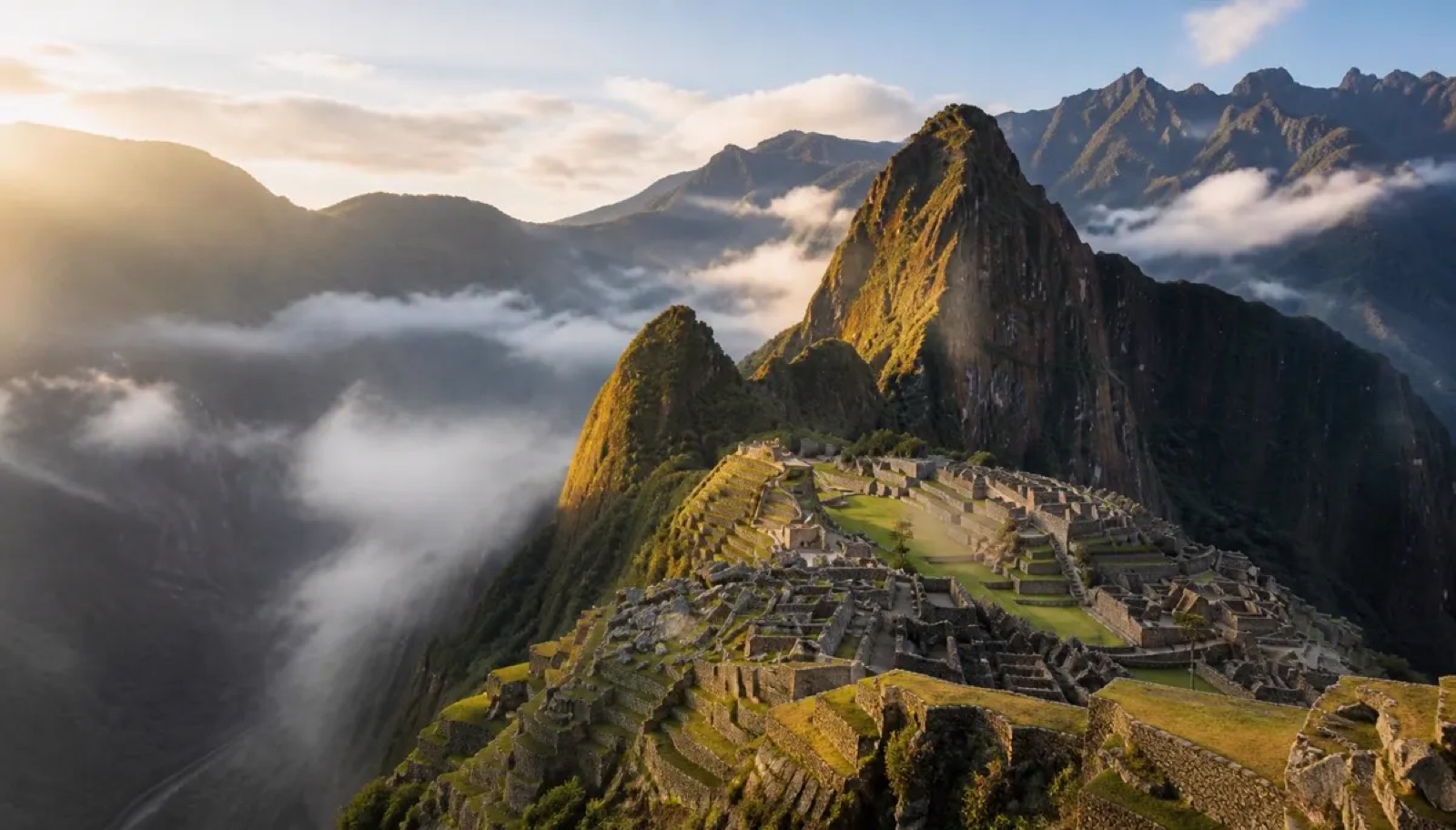
When the morning fog lifts over the Vilcanota River valley, Machu Picchu reveals emerald agricultural terraces carved directly into sheer granite cliffs. Near the upper watchhouse, the damp mountain air carries the earthy scent of wet lichen, orchids, and crushed mountain grass as the sharp horn of the morning valley train echoes far below. Beyond the famous postcard skyline, the sheer scale of Inca engineering—where massive hand-cut stones merge seamlessly into mountain ridges—is breathtaking.
For many travellers across the globe, reaching this ancient citadel in the high cloud forest of the Peruvian Andes represents the culmination of a lifelong dream. Perched dramatically between two jagged peaks, Machu Picchu bridges the Amazon basin and the Andean highlands in a location that feels both impossible and deeply sacred.
Navigating a visit to Machu Picchu requires deliberate planning. From securing site tickets months in advance to understanding train schedules, altitude acclimatisation, and trekking permits, preparing your journey thoroughly ensures an unforgettable experience without unwanted stress.
Quick Facts: Machu Picchu
- Location: Cusco Region, Urubamba Province, Peru
- Elevation: 2,430 metres above sea level
- Gateway Town: Aguas Calientes (Machu Picchu Pueblo)
- Primary Travel Hub: Cusco (3,400 metres above sea level)
- Climate: Subtropical cloud forest with distinct dry and wet seasons
- Key Highlight: 15th-century Inca citadel built without mortar
History and the 'Lost City' Misconception
Inca Origins and Purpose
Constructed around the mid-15th century under the reign of the Inca Emperor Pachacuti, Machu Picchu served as an estate for the royal elite and a dedicated ceremonial centre. The site was intentionally positioned to align with sacred mountain peaks (known locally as apus) and key astronomical events, such as the winter and summer solstices.
Rather than a massive population centre, the citadel housed an estimated 300 to 1,000 residents at its peak, including royals, priests, administrators, and specialized artisans. Its advanced agricultural terraces allowed the community to cultivate crops while maintaining structural integrity on steep slopes.
The 'Lost City' Myth
Machu Picchu is frequently referred to in popular culture as the "Lost City of the Incas." However, this label is historically inaccurate. While Spanish conquistadors conquered Cusco and dismantled many Inca sites across the region during the 16th century, they never discovered Machu Picchu due to its remote, hidden position in the cloud forest.
Furthermore, local Quechua families living in the Urubamba valley were always aware of the ruins. When American academic Hiram Bingham brought the site to international attention in 1911, he was guided directly to the overgrown stone terraces by a local indigenous farmer named Melchor Arteaga and a young boy from a neighbouring farm.
Understanding the Layout and Architecture
The citadel is divided into two distinct zones: the Agricultural Sector and the Urban Sector, separated by a wide dry moat and central plaza. The Incas used ashlar masonry, a technique where granite blocks were cut to fit together tightly without mortar, allowing the structures to withstand severe earthquakes.
Agricultural Terraces and Guardhouse
Upon entering the upper section of the citadel, visitors encounter broad stone terraces stepping down the mountainside. These fields prevented soil erosion, managed water drainage from heavy rains, and created microclimates suitable for growing corn and potatoes. Nearby stands the restored Guardhouse (Hitching Post view), which offers the classic overview perspective of the entire site.
Sacred Plaza and the Temple of the Three Windows
Located in the heart of the urban sector, the Sacred Plaza houses some of the finest stonework on the site. The Temple of the Three Windows features massive, perfectly fitted stone blocks framing trapezoidal windows that look out across the valley toward the eastern mountain ranges.
Temple of the Sun
This semi-circular tower is one of the few curved structures built by the Incas. Constructed over a natural rock cave (often referred to as the Royal Tomb), the Temple of the Sun features precisely angled windows through which sunlight streams during the winter solstice, illuminating a carved rock altar inside.
Intihuatana Stone
Perched on a raised pyramid of stone terraces, the Intihuatana is an carved granite monolith used as an astronomical clock and calendar. Translating from Quechua as "Hitching Post of the Sun," the stone allowed Inca astronomers to predict solstices and equinoxes by observing the angle of shadows cast by the central pillar.
Ticket Circuits and Entry Rules
To preserve the delicate stonework and control foot traffic, the Peruvian Ministry of Culture enforces strict access controls. Visitors must purchase entry tickets well in advance, as tickets are strictly capped per day and capped per entry time slot.
Understanding the Circuit System
When purchasing your ticket, you must select a designated entry route or circuit. Each circuit directs visitors along fixed, one-way pathways through specific sectors of the citadel to prevent crowding and back-tracking:
- Panoramic Circuits: Access the upper agricultural terraces and classic vantage points overlooking the citadel, ideal for classic photography and panoramic vistas.
- Classic Citadel Circuits: Route through the heart of the urban zone, visiting major temples, plazas, and sacred structures up close.
- Lower/Royalty Circuits: Explore the lower urban sectors, agricultural fields, and lower storage rooms, often bundled with add-on peak climbs.
Important: Always Check Official Regulations
Regulations governing entry times, allowed circuits, ticket categories, and daily visitor caps change periodically. Always verify current rules and book entry passes directly through the official Peruvian government booking portal or an authorized tour operator prior to confirming flights or regional accommodation.
Add-On Peaks: Huayna Picchu and Machu Picchu Mountain
For energetic travellers, purchasing a ticket that includes an extra mountain climb provides breathtaking aerial perspectives of the sanctuary and the surrounding Andes.
Huayna Picchu (Wayna Picchu)
The prominent green spire that forms the iconic backdrop of standard photos is Huayna Picchu. Climbing this peak requires a separate specialized ticket and involves a steep, exposed trail up hand-carved stone steps (often called the "Stairs of Death"). The climb takes roughly 1.5 to 2 hours return and requires a steady head for heights.
Machu Picchu Mountain (Montaña)
Located opposite Huayna Picchu, Machu Picchu Mountain is higher (reaching over 3,000 metres above sea level) and features a wider, less exposed stone path. While longer (roughly 3 hours return), the summit offers expansive 360-degree views of the entire ridge, the river loop, and distant snow-capped mountains.
Huchuy Picchu
A smaller peak located adjacent to the control point for Huayna Picchu, Huchuy Picchu offers a shorter, less demanding incline that still rewards walkers with elevated views over the northern sector of the citadel.
How to Get to Machu Picchu
Reaching Machu Picchu from international destinations involves a multi-stage transit journey starting in the historical highland city of Cusco.
Stage 1: Cusco to the Sacred Valley
Most travellers start by travelling from Cusco into the Sacred Valley of the Incas via private driver, shared minibus (colectivo), or organised tour. Many stop at Ollantaytambo, a living Inca town with an ancient fortress, which serves as the primary railway departure station.
Stage 2: Train to Aguas Calientes
Because no roads lead directly into Aguas Calientes (Machu Picchu Pueblo), the vast majority of visitors arrive by rail. Trains run regularly from Ollantaytambo (and seasonally from stations closer to Cusco) following the roaring Urubamba River down into the cloud forest.
Options range from comfortable tourist class carriages with large panoramic windows to premium luxury train services offering fine dining and outdoor observation cars.
Stage 3: Aguas Calientes to the Gates
From Aguas Calientes, located at the base of the gorge, you have two choices to reach the actual entrance gates of Machu Picchu on the ridge above:
- Shuttle Bus: Official buses run continuously up and down the winding Hiram Bingham switchback road. The ride takes approximately 25 to 30 minutes each way.
- Walking Up: A steep, stone-step trail cuts straight up through the cloud forest, crossing the road switchbacks multiple times. This strenuous hike takes 1.5 to 2 hours and requires a good level of fitness.
Trekking to Machu Picchu: The Main Routes
For many, arriving at Machu Picchu on foot along ancient trails is the ultimate South American adventure. Several distinct trekking options exist catering to different interests and fitness levels.
The Classic Inca Trail
The iconic 4-day, 3-night Classic Inca Trail covers roughly 42 kilometres of original Inca stone paving. Trekkers cross high mountain passes—including the challenging Dead Woman's Pass (Warmiwañusqa) at 4,215 metres—and explore remote archaeological ruins before entering Machu Picchu directly through the Sun Gate (Intipunku) at dawn on the final day.
Strict conservation rules apply to the Inca Trail:
- Permits are strictly limited per day (covering trekkers, licensed guides, cooks, and porters).
- Independent trekking is forbidden; you must go with an authorised guide or trekking agency.
- Annual Closure: The Inca Trail is completely closed every year during the month of February for environmental maintenance and stone conservation.
Salkantay Trek
A spectacular high-altitude alternative for adventurers who missed out on Inca Trail permits, the Salkantay Trek crosses rugged alpine terrain underneath the towering snow-capped peak of Mount Salkantay (6,271 metres). The trail passes high turquoise glacial lakes before descending into lush subtropical coffee plantations, eventually connecting with rail or walking links into Aguas Calientes.
Lares Trek
Focusing heavily on cultural immersion, the Lares Trek traverses traditional Quechua-speaking weaving communities nestled high in the Sacred Valley. This route sees far fewer hikers and offers intimate insights into local Andean rural life before finishing with a train ride to Aguas Calientes.
Inca Jungle Trail
Designed for action-oriented travellers, the multi-activity Inca Jungle Trail combines downhill mountain biking, river rafting, zip-lining, and hiking through the cloud forest to reach the base of Machu Picchu over three to four days.
Trekking Options Comparison
| Trek Route | Duration | Difficulty | Primary Highlight | Permit Requirements |
|---|---|---|---|---|
| Classic Inca Trail | 4 Days / 3 Nights | Moderate to Strenuous | Finishing at the Sun Gate via ancient Inca stone paving | Strict advance permit required; mandatory guide |
| Salkantay Trek | 4–5 Days | Strenuous | Glacial mountains, Humantay Lake, diverse eco-zones | No strict permit caps; operator booking recommended |
| Lares Trek | 3–4 Days | Moderate | Indigenous Andean mountain communities and traditional textiles | Standard operator booking; low crowd density |
| Inca Jungle Trail | 3–4 Days | Moderate (Multi-sport) | Downhill mountain biking, zip-lining, cloud forest hiking | Standard operator booking |
Weather, Seasons and Timing Your Visit
Because Machu Picchu is located in a subtropical cloud forest zone on the eastern slopes of the Andes, weather conditions can shift rapidly from dry sunshine to heavy mist and sudden downpours.
Dry vs. Wet Season
- Dry Season (May to September): Characterised by clear blue skies, cooler mornings, and minimal rain. This is peak tourist season, resulting in higher demand for train tickets and entry passes.
- Wet Season (November to April): Heavy rain showers are frequent, particularly between January and March. Landscapes are extraordinarily green, and site crowds are thinner, though cloud cover can obscure views.
- Shoulder Months (April and October): Transition periods featuring moderate rainfall, bright lush scenery, and reasonable crowd levels.
The Sunrise Myth and Morning Mist
Many first-time visitors attempt to secure the earliest possible entry slot to see "sunrise over Machu Picchu." However, because the site is tucked high inside a deep river canyon, actual early-morning sunlight is frequently blocked by high peaks or heavy fog hanging in the valley. Mid-morning to early afternoon often brings clearer skies and warmer light for photography.
Altitude Acclimatisation and Health
Machu Picchu sits at 2,430 metres above sea level, which is actually lower than the city of Cusco (3,400 metres) and the Sacred Valley hub of Pisac. However, altitude sickness (soroche) remains a real concern if you travel directly into the highlands without proper rest.
Acclimatisation Strategy
To give your body time to adjust to thin mountain air, plan to spend your first 2 to 3 days resting in Cusco or lower-elevation settlements in the Sacred Valley (such as Urubamba or Ollantaytambo) before undertaking heavy treks or climbing peaks at Machu Picchu.
- Drink plenty of water and herbal infusions such as coca tea or muña (Andean mint).
- Eat small, light meals during your first few days at high altitude, as digestion slows down.
- Avoid intense physical exertion immediately upon arrival in Cusco.
- Consult your local medical practitioner prior to travel regarding altitude medication options if appropriate.
Packing Rules, Prohibited Items and Regulations
Strict controls govern what visitors can bring inside the historic sanctuary to safeguard its delicate ecosystem and ancient structures.
Essential Items to Bring
- Original Physical Passport: Essential for checking in at entry gates and boardings buses or trains (digital copies are strictly rejected). You can also get a novelty Machu Picchu stamp in your passport near the exit.
- Physical Printed Ticket: Printed copy of your official entry pass matching your exact name and passport details.
- Reusable Water Bottle: Refillable canteen or flask (disposable plastic bottles are banned).
- Layers and Rain Gear: Lightweight waterproof jacket, breathable fleece, sturdy walking shoes with good traction, and a sun hat.
- Cash in Local Currency: Peruvian Soles (PEN) for paying bathroom fees outside the main gates and tipping bus attendants or luggage storage staff.
Strictly Prohibited Items
- Single-use plastic bottles: Banned at entry checkpoints.
- Large Backpacks: Bags exceeding 40 x 35 x 20 centimetres are not permitted inside; storage lockers are available for a fee outside the entrance gates.
- Drones and Tripods: Professional camera equipment, tripods, extensions, and drones are forbidden without expensive commercial permits.
- Trekking Poles and Walking Sticks: The official code of conduct prohibits entering with walking sticks, as metal tips damage ancient stones.
- Banners, Flags, or Costumes: Prohibited to maintain decorum and reduce commercial distraction.
Respectful Visitor Conduct
Machu Picchu is a protected archaeological monument and sacred heritage site. Visitors must remain on designated stone paths at all times. Do not lean on, sit on, climb, or touch the granite walls, as oils from human hands accelerate stone degradation. Feeding or touching local wildlife, including grazing alpacas, is strictly forbidden.
Practical Planning Tips
- Bathroom Facilities: There are no toilet facilities inside the archaeological park. Use the restrooms located directly outside the main entrance gates before passing through control checkpoints.
- Stay in Aguas Calientes overnight: Taking a late afternoon train to Aguas Calientes and sleeping in town allows you to start your site entry early without an exhausting 3:00 AM departure from Cusco.
- Hire a Licensed Local Guide: Navigating the intricate history and subtle architectural marvels of Machu Picchu is vastly improved by engaging an official guide at the entrance gate or through your tour agency.
- Insect Protection: The subtropical moisture in the valley attracts biting midges (locally called manta blanca). Apply strong bug repellent to exposed skin.
Final Thoughts on Visiting Machu Picchu
Standing high above the Urubamba River surrounded by cloud-wrapped peaks, it becomes immediately obvious why Machu Picchu remains one of humanity's most cherished historical treasures. The combination of brilliant Inca engineering, mysterious astronomical design, and dramatic mountain geography creates an atmosphere found nowhere else on earth.
By taking the time to acclimatise properly, booking official circuits and train transfers well in advance, and treating the ancient sanctuary with deep respect, your journey to this Andean sanctuary will stand out as a highlight of your global travels for years to come.
Explore in Depth
More Peru guides
Cusco and the Sacred Valley: Altitude, Ruins and Markets
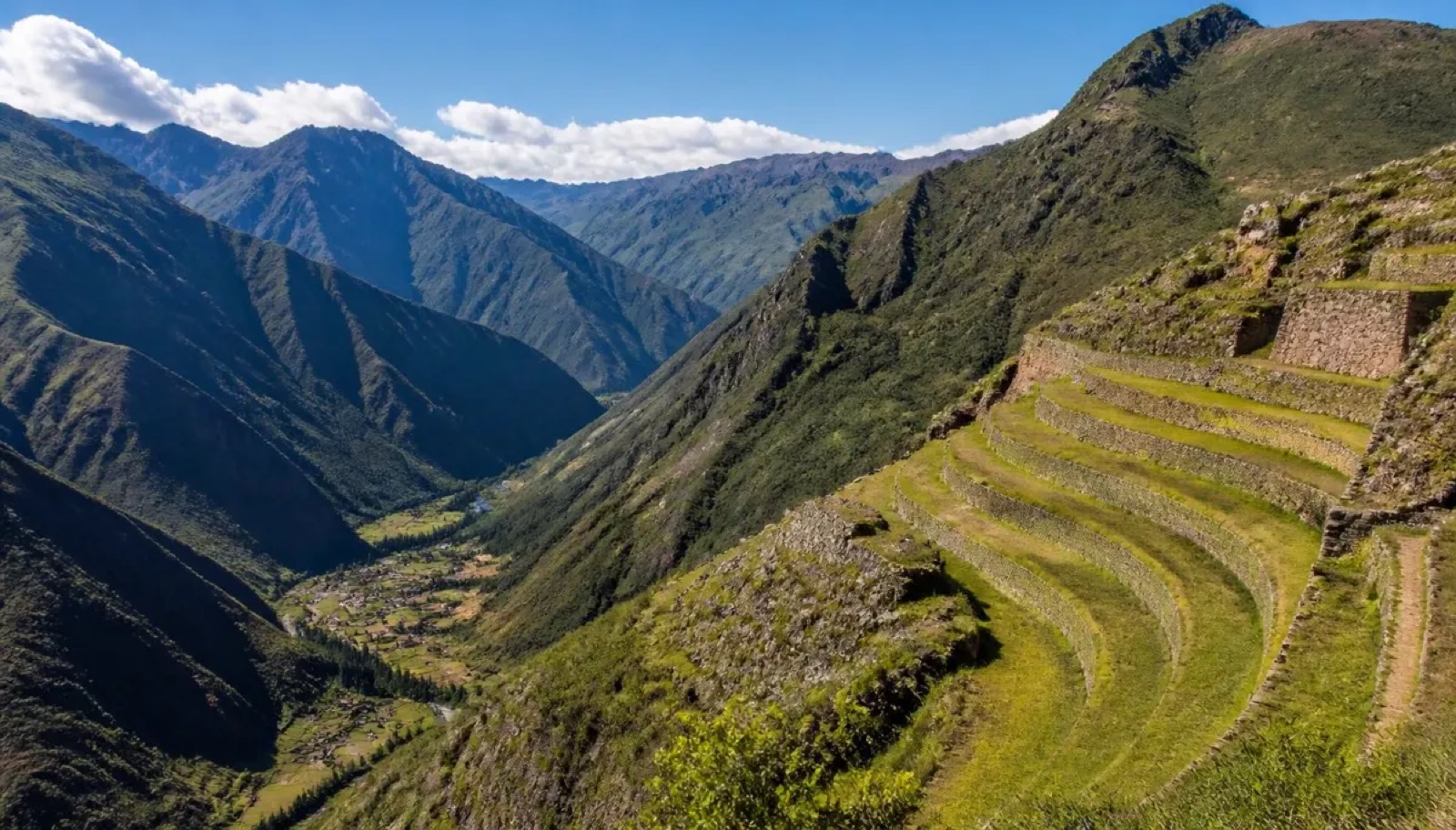
Acclimatising in Cusco, the Inca sites that are worth your time, Pisac and Ollantaytambo, market days and how to sequence the valley…
Best Places to Visit in Peru Beyond Machu Picchu
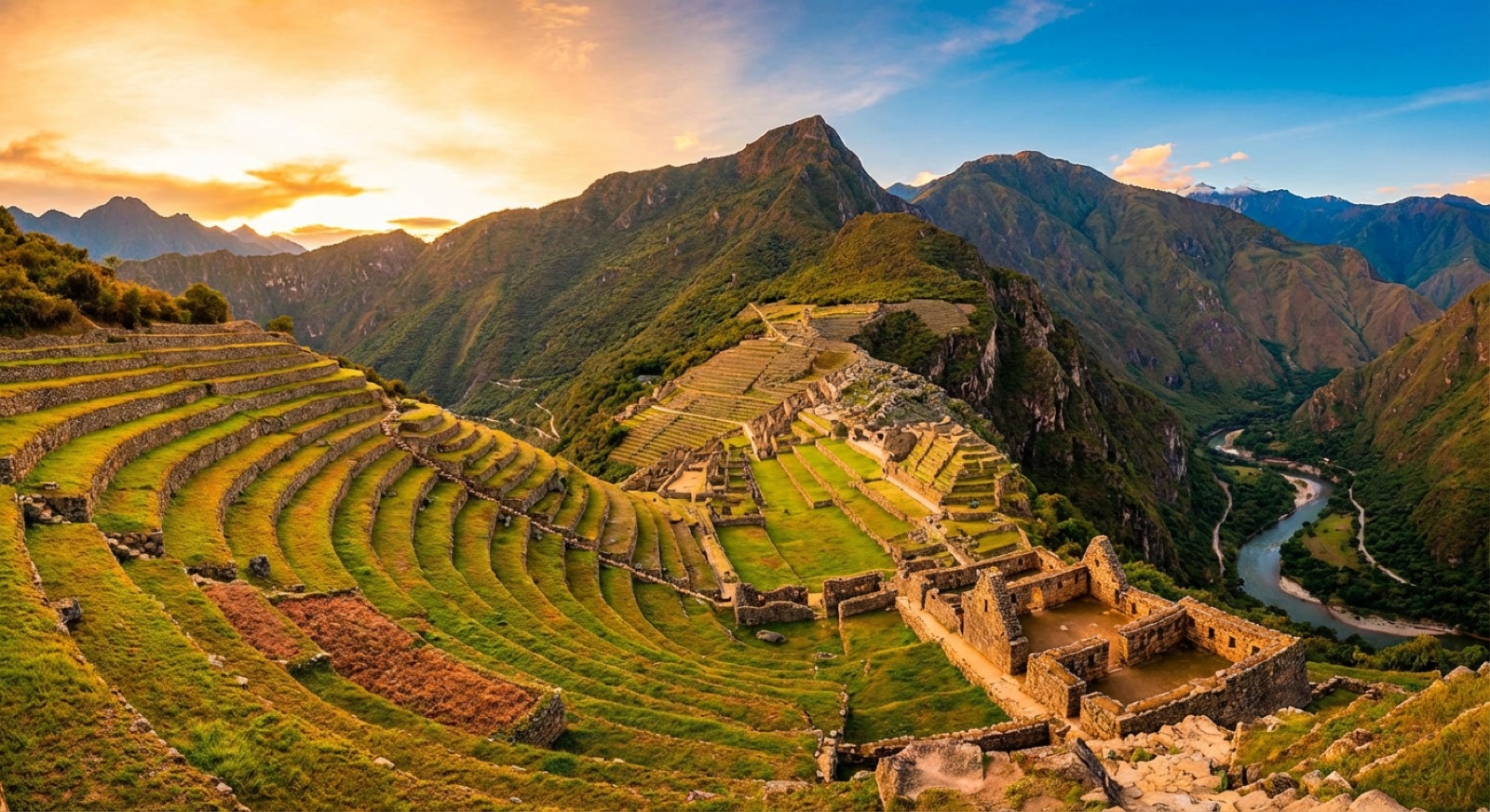
Machu Picchu, Cusco, the Sacred Valley, Lima, Lake Titicaca, Colca Canyon, the Nazca Lines, the Amazon, Arequipa and Huacachina, and why…
Peru Itinerary: Lima, Cusco and Machu Picchu
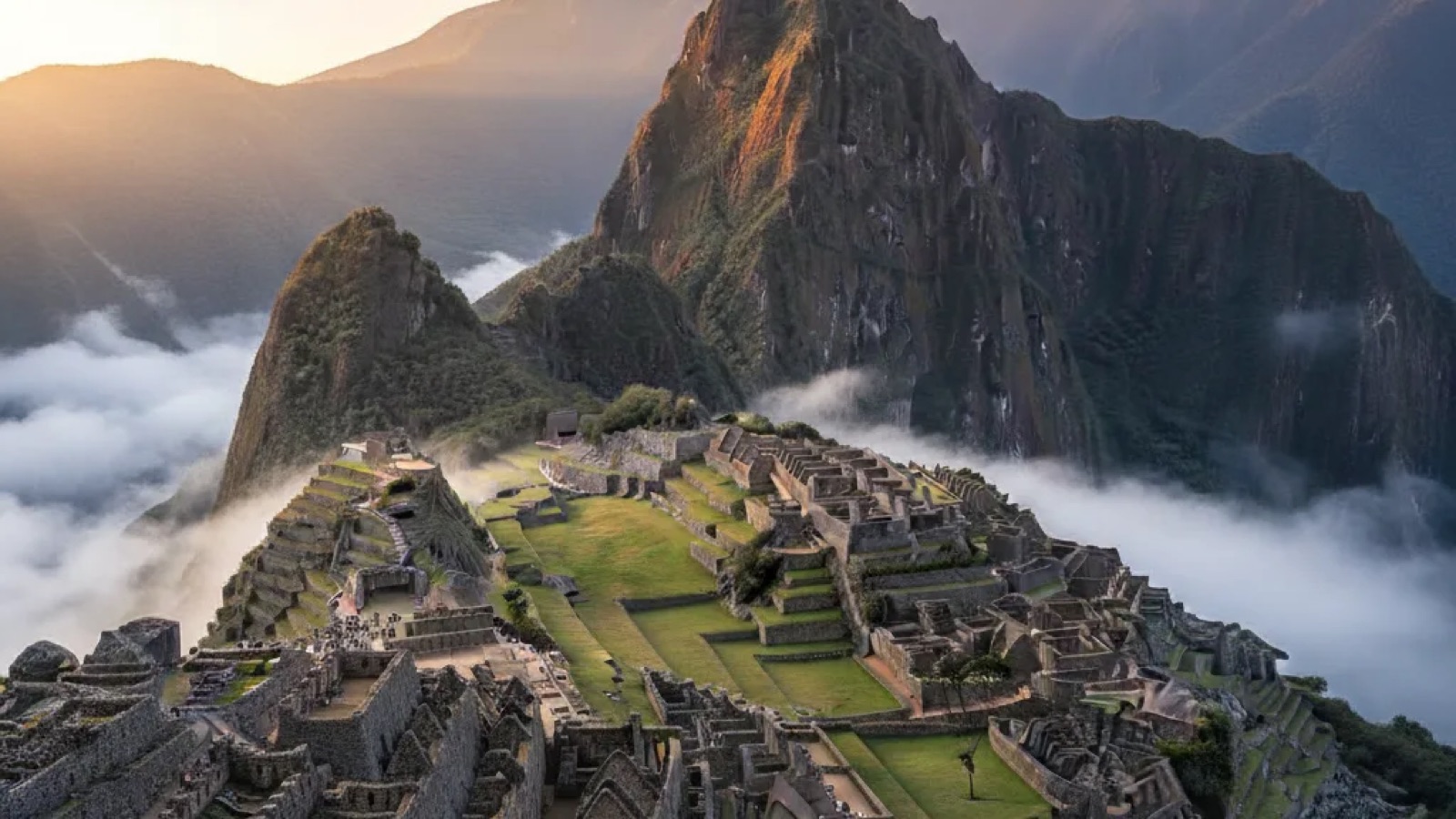
A first Peru itinerary: Lima, the Sacred Valley, Machu Picchu and beyond, with altitude, timing and how to sequence it all sensibly.