Peru Itinerary: Lima, Cusco and Machu Picchu
A first Peru itinerary: Lima, the Sacred Valley, Machu Picchu and beyond, with altitude, timing and how to sequence it all sensibly.
In this guide
- Quick Facts
- A Classic Peru Itinerary (10 to 14 Days)
- When to Visit Peru: Seasons and Sunshine
- Altitude Sickness: The Curse of the Andes
- Getting Around: Flights, Buses, and Trains
- Lima: Pacific Coast and Culinary Capital
- Cusco and The Sacred Valley
- Machu Picchu: The Lost City of the Incas
- A Taste of Peru: More Than Just Potatoes
- Beyond the Gringo Trail: Where to Go Next
- Practicalities: Packing, Safety, and Language
- Explore in Depth
- Frequently Asked Questions
- Final Thoughts
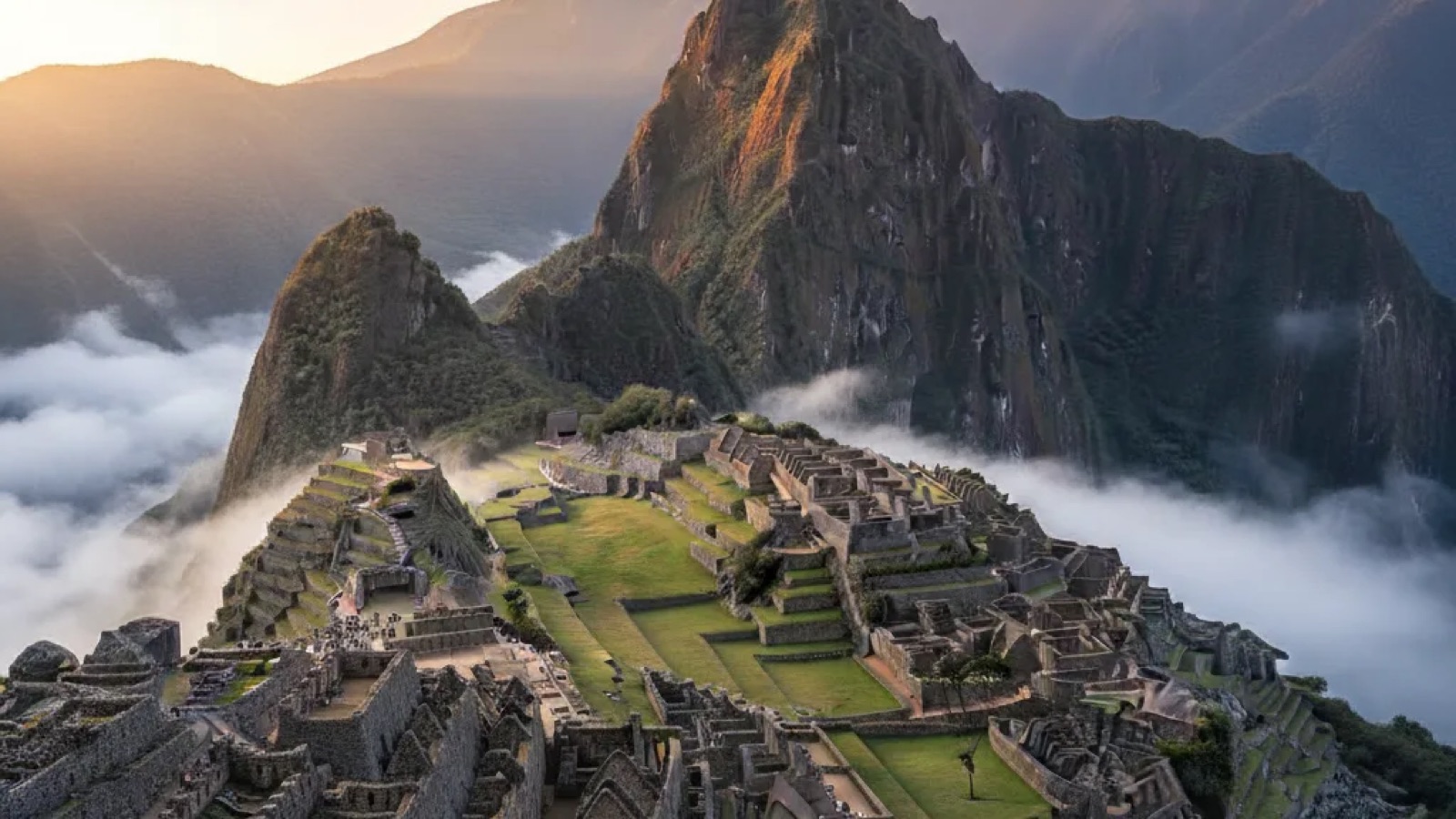
The air is thin and sharp in your lungs, each breath a conscious effort. Just before dawn, after an early morning climb, you reach Inti Punku, the Sun Gate, as the first hint of light spills over the mountain peaks opposite. And then, there it is. Laid out below in the saddle of the Andes, the stone city of Machu Picchu emerges from the blue-grey mist, catching the day's first golden rays. Few moments in travel deliver on their promise so completely. It isn't just a ruin; it's a feeling, an impossible vision of human ingenuity hanging in the clouds.
Peru is a country that lodges itself deep in your soul. It’s a land of staggering contrasts, from the bone-dry coastal desert to the soaring Andean peaks and the humid depths of the Amazon basin. For most first-time visitors, the journey centres on the incredible legacy of the Inca Empire. This guide is built around that classic 10 to 14-day route: the culinary buzz of Lima, the historical heart of Cusco, the gentle beauty of the Sacred Valley, and the ultimate prize, Machu Picchu. It shares hard-won advice on navigating the altitude, getting around, what to eat, and when to go, plus options for extending your adventure into Peru's other incredible regions.
Quick Facts
- Location: Western South America, bordering the Pacific Ocean, Ecuador, Colombia, Brazil, Bolivia, and Chile.
- Getting There: Most international travellers arrive at Jorge Chávez International Airport (LIM) in Lima. From there, domestic flights are the most common way to reach destinations like Cusco (CUZ).
- Getting Around: A network of domestic airlines connects major cities efficiently. For a more scenic (and budget-friendly) experience, Peru has an excellent culture of long-distance buses with comfortable sleeper-style seats. Trains are key for accessing Machu Picchu.
- Language & Currency: The official language is Spanish, with Quechua and Aymara also widely spoken, especially in the Andes. The local currency is the Peruvian Sol. While credit cards are accepted in larger hotels and restaurants, cash is essential for markets and smaller towns.
- Best Time to Visit: The dry season (April to October) is the most popular time, offering sunny days and clear skies in the Andes. This is peak season, so expect crowds and book well in advance. The wet season (November to March) sees fewer visitors and greener landscapes, but also more rain.
A Classic Peru Itinerary (10 to 14 Days)
For a first trip, trying to see all of Peru is a mistake. The country is vast and its terrain demanding. A 10 to 14-day itinerary focused on the highlights gives you enough time to acclimatise and truly soak it all in without feeling perpetually rushed. Here’s a route that works beautifully:
Days 1-2: Lima. Arrive in the capital. Spend your time exploring the modern clifftop district of Miraflores and the colourful, bohemian streets of Barranco. Use this time to recover from your flight and dive headfirst into Peru’s world-famous culinary scene.
Day 3: Fly to Cusco & Transfer to the Sacred Valley. Take a morning flight from Lima to Cusco. Here's the most important piece of advice: do not stay in Cusco tonight. Upon arrival, take a pre-booked taxi or transfer directly into the Sacred Valley to a town like Pisac or Ollantaytambo. The lower elevation will make your acclimatisation much gentler.
Days 4-5: The Sacred Valley. Spend two full days exploring the heart of the Inca Empire. Visit the spectacular ruins and bustling market at Pisac, the formidable fortress at Ollantaytambo, and perhaps the salt pans of Maras or the circular terraces of Moray. Breathe the mountain air and take it easy.
Day 6: Journey to Machu Picchu. From Ollantaytambo, take one of the spectacular scenic trains to Aguas Calientes, the town at the base of Machu Picchu. Settle into your hotel and rest up for an early start.
Day 7: Machu Picchu & Return to Cusco. Wake up before dawn to take one of the first buses up the winding road to the citadel. Spend the morning exploring the magnificent site before the biggest crowds arrive. In the afternoon, take the train back to Cusco (either from Aguas Calientes or Ollantaytambo) and finally check into your hotel there. You are now well-acclimatised and ready to enjoy the city.
Days 8-9: Cusco. Explore the former Inca capital. Wander the cobblestone streets, marvel at how Spanish colonial churches are built on Inca stone foundations, visit the Plaza de Armas, the San Blas neighbourhood, and the impressive Sacsayhuamán fortress overlooking the city.
Day 10: Fly Home. Fly from Cusco back to Lima to connect with your international flight home, full of incredible memories.
With 14 days, you can add an extra day in the Sacred Valley, spend more time exploring Cusco's museums and markets, or take a day trip to the stunning Rainbow Mountain (be aware this is a very high-altitude excursion).
When to Visit Peru: Seasons and Sunshine
Choosing when to go to Peru has a huge impact on your trip, especially in the Andes. The highlands have two distinct seasons: dry and wet.
The dry season, from roughly May to September, is considered the best time to visit. You can expect bright blue skies, strong sunshine, and crisp, cold nights. It’s perfect weather for trekking and photography. The sky above Cusco in June is a deep, impossible blue. The downside is that this is peak tourist season. You'll need to book flights, accommodation, and especially your Machu Picchu tickets and train seats months in advance.
The wet season runs from November to March. This doesn’t mean it rains all day, every day. Often, you’ll have clear mornings with afternoon showers. The landscape is incredibly lush and green, and the crowds are much thinner. The shoulder months, April and October, can be a fantastic compromise, offering a mix of decent weather and fewer crowds.
Crucially, if you’re planning to trek the classic four-day Inca Trail, you must be aware that the trail is closed for maintenance every year during the entire month of February. Machu Picchu itself remains open, accessible by train.
Altitude Sickness: The Curse of the Andes
Don't underestimate altitude sickness, or *soroche* as it's known locally. It can affect anyone, regardless of age or fitness level. Symptoms range from a persistent headache and nausea to fatigue and shortness of breath, and at their worst, can be dangerous. The cause is simple: at high elevations like Cusco (3,399 metres), the air pressure is lower, and each breath you take contains fewer oxygen molecules.
The absolute best way to combat it is with gradual acclimatisation. This is why it's so important to fly into Cusco and immediately travel down to the Sacred Valley (around 2,800 metres). By spending your first two or three nights at a lower altitude, you give your body a crucial head start to adjust before moving up to Cusco and eventually Machu Picchu.
Locals have been dealing with the altitude for centuries, and their go-to remedy is coca leaves. You'll be offered *mate de coca* (coca tea) everywhere. It’s a mild stimulant that helps with oxygen absorption. Chewing the leaves is also common. Beyond that, the rules are simple: drink plenty of water, avoid heavy meals and alcohol for the first couple of days, and don't push yourself physically. Walk slowly, rest often, and listen to your body.
Getting Around: Flights, Buses, and Trains
Peru is a big country. To cover the large distance between Lima and Cusco, flying is the only practical option for a shorter itinerary. Several domestic airlines operate this popular route with multiple flights a day. The flight itself is spectacular, taking you from the Pacific coast, over the Andes, and down into the Cusco valley.
For other routes, Peru’s long-distance bus system is one of the best in South America. Forget the cramped buses you might be imagining. Reputable companies offer services with fully reclining seats (*cama*) or semi-reclining seats (*semi-cama*) that are perfect for overnight journeys. It's a fantastic way to see the landscape change and travel like a local. The journey from Cusco to Puno on the shores of Lake Titicaca, for example, is a classic and comfortable bus trip.
Trains are less common for general travel but are an essential and iconic part of the journey to Machu Picchu. The main operators run services from Cusco (or nearby Poroy) and Ollantaytambo in the Sacred Valley to Aguas Calientes. The ride, especially the section from Ollantaytambo, which winds through the narrow Urubamba Valley beside the river, is a destination in itself. Book a carriage with panoramic windows; the views are simply epic.
Lima: Pacific Coast and Culinary Capital
Many travellers treat Lima as a mere layover, but that's a huge mistake. The 'City of Kings' is a massive, sprawling metropolis with a vibrant energy and, most famously, one of the world's most exciting food scenes. You don’t need to spend a fortune at world-renowned restaurants to eat well here; incredible food is everywhere.
Most visitors base themselves in Miraflores, a modern and safe district perched on cliffs overlooking the Pacific Ocean. It’s a great place to wander, watch the paragliders launch from the clifftop parks, and shake off your jet lag. Adjacent to it is Barranco, a standout neighbourhood. With its faded colonial mansions, vibrant street art, and romantic 'Bridge of Sighs', it has a wonderfully bohemian and artistic atmosphere. It's filled with small galleries, cafes, and lively bars.
Lima is the perfect place to try Peru's national dishes in their natural habitat. This is the capital of ceviche, where the access to fresh fish is unparalleled. Don’t leave without trying it.
Cusco and The Sacred Valley
If Lima is Peru’s modern heart, Cusco is its ancient soul. The city is a living museum. It’s a joy simply to sit in the Plaza de Armas, watching the light change on the cathedral facade, surrounded by wooden balconies and the bustle of city life. The genius of Inca stonemasons is everywhere, forming the foundations of colonial-era buildings. It’s a powerful visual reminder of the layers of history here. Devote time to wandering the narrow, hilly streets of the artisan quarter, San Blas.
The Sacred Valley of the Incas, or Urubamba Valley, is a non-negotiable part of the journey. This fertile valley was the breadbasket of the Inca Empire and holds some of its most important sites. At one end sits Pisac, famous for its sprawling Sunday market and the breathtaking Inca ruins that cling to the mountain high above the town. At the other end is Ollantaytambo, a living Inca town where people go about their days in centuries-old laneways. Its terraced fortress is one of the most impressive and well-preserved Inca sites you'll see. The valley floor, threaded by the Urubamba River and flanked by snow-dusted peaks, is a place to slow down and connect with the Andean landscape.
Machu Picchu: The Lost City of the Incas
No photograph can ever do it justice. The reality of Machu Picchu is more magical, more epic, and more intimate than you can imagine. The sheer audacity of building a city of such masterful stonework in such an inaccessible location is mind-boggling. Expect to spend a while just trying to process the scale of what you are looking at.
To get that classic postcard photo, you'll want to head to the Guardian's House on the upper terraces shortly after you enter. But don't linger there too long. The real joy of Machu Picchu is in the details: tracing the perfectly fitted stones with your eyes, watching llamas graze peacefully on ancient terraces, finding a quiet corner to sit and contemplate the mystery of it all.
Getting there requires planning. You can take the train to Aguas Calientes and then a 25-minute bus ride up to the entrance. Or, for the more adventurous, you can arrive on foot via one of the multi-day treks, like the famous Inca Trail. Access to the site is strictly controlled to preserve it. You must book your entrance ticket online from the official government site or an authorised agency well in advance, as they sell out, especially for specific time slots or access to hike Huayna Picchu or Machu Picchu Mountain for those higher vantage points.
A Taste of Peru: More Than Just Potatoes
Peruvian food is a revelation. It’s a dynamic fusion of indigenous ingredients (like thousands of varieties of potatoes, corn, and quinoa) with Spanish, African, Chinese, and Japanese influences. It’s one of the great cuisines of the world.
- Ceviche: Unmissable, especially on the coast. It’s chunks of incredibly fresh raw fish marinated and 'cooked' in the acidic juice of limes, mixed with onion, chilli, and coriander. Served with sweet potato and choclo (large-kernel corn), it's the taste of the Peruvian Pacific.
- Lomo Saltado: This dish perfectly embodies Peru's multiculturalism. It’s a smoky stir-fry of beef strips, onions, tomatoes, and soy sauce, traditionally served with both rice and french fries. It’s hearty, delicious, and a legacy of Chinese immigration.
- Aji de Gallina: A classic comfort food. It’s shredded chicken in a creamy, subtly spicy sauce made from bread, walnuts, and aji amarillo (a yellow Peruvian chilli). Served over rice with potatoes and a black olive, it's soul-warming.
- Causa Rellena: A uniquely Peruvian dish. It's a sort of layered terrine or cake made from mashed yellow potatoes seasoned with lime and aji amarillo, typically filled with a chicken or tuna salad. It's served cold and is as beautiful as it is tasty.
And to drink? You have to try a Pisco Sour. Made from pisco (a grape brandy), lime juice, egg white, and sugar syrup, it's the national cocktail and the perfect way to toast your Peruvian adventure.
Beyond the Gringo Trail: Where to Go Next
If you have more time, Peru's wonders extend far beyond the well-trodden path to Machu Picchu. Here are a few incredible options to extend your trip:
- Arequipa & Colca Canyon: Head south to Arequipa, the beautiful 'White City' built from volcanic sillar rock. It's the gateway to the Colca Canyon, one of the world's deepest canyons and a prime spot for watching majestic Andean Condors soar on the thermals.
- Lake Titicaca: On the high-altitude plains near the Bolivian border lies the world's highest navigable lake. Take a boat trip from the city of Puno to visit the unique Uros floating islands made of reeds and the traditional communities on Taquile Island.
- The Amazon: Experience the staggering biodiversity of the Amazon rainforest. Puerto Maldonado is the most accessible jungle gateway from Cusco, offering stays in incredible eco-lodges. For a deeper, more remote experience, fly to Iquitos in the north, a city that can only be reached by air or river.
- Huacachina & Nazca: For a completely different landscape, travel south from Lima into the desert. Discover the tiny oasis village of Huacachina, surrounded by massive sand dunes perfect for sandboarding and dune buggy rides. Nearby, you can take a flight over the enigmatic Nazca Lines, giant geoglyphs etched into the desert floor centuries ago.
- Huaraz & the Cordillera Blanca: For serious trekkers and mountaineers, Huaraz is paradise. This high-altitude city is the base for exploring the Cordillera Blanca, a spectacular mountain range with dozens of peaks over 6,000 metres and turquoise glacial lakes. This is adventure travel at its best.
Practicalities: Packing, Safety, and Language
Packing for Peru requires versatility. You'll be moving between wildly different climates. The key is layers. You'll need lightweight shirts, a warm fleece, a waterproof and windproof jacket, and a beanie and gloves for cold Andean nights. Even in the dry season, rain showers can appear unexpectedly. Also essential are comfortable, sturdy walking shoes, a sun hat, sunglasses, and high-SPF sunscreen – the sun is incredibly strong at altitude.
In terms of safety, use common sense as you would anywhere. Be aware of your surroundings and keep your valuables secure. My main specific advice concerns taxis in Lima. Do not hail a taxi off the street, especially at night or from the airport. There have been issues with unregistered, unsafe cabs. Instead, use a trusted ride-sharing app or ask your hotel or restaurant to call a registered taxi for you. This simple step significantly improves your safety.
You don't need to be fluent in Spanish, but learning a few basic phrases will go a long way and be warmly received. A simple *hola* (hello), *por favor* (please), *gracias* (thank you), and *buen día* (good day) shows respect and opens doors. In the Andes, you'll also hear Quechua spoken, a beautiful and ancient language.
Explore in Depth
This guide gives you the big picture for planning your trip. For the nuts and bolts of visiting the Inca citadel and a deeper dive into Cusco and its surrounds, check out our more detailed guides:
Frequently Asked Questions
Is it better to visit the Sacred Valley before Cusco?
Absolutely. This can't be recommended highly enough. The Sacred Valley is at a lower altitude than Cusco (roughly 2,800 metres vs 3,400 metres). By flying into Cusco and immediately taking a taxi down into the valley for your first two or three nights, you allow your body to acclimatise much more gently. This strategy significantly reduces your risk of suffering from altitude sickness and ensures you're feeling your best when you later explore Cusco and head to Machu Picchu. It's a simple itinerary switch that makes a huge difference.
What are the best practical ways to avoid altitude sickness?
Besides acclimatising in the Sacred Valley first, the best things you can do are simple. Hydrate relentlessly – drink far more water than you think you need. Avoid alcohol and heavy, greasy food for the first 48 hours. Take it easy; don't rush around or try to hike a mountain on your first day. Walk slowly and listen to your body. Drink the local *mate de coca* (coca tea), a mild stimulant that helps many people. If you are particularly worried, consult your doctor before you travel about preventative medication.
Do I need to speak fluent Spanish to travel in Peru?
No, you don't need to be fluent. In major tourist centres like Lima, Cusco, and Aguas Calientes, you will find many people in hotels, restaurants, and tour agencies who speak English. However, knowing a few basic Spanish phrases will dramatically enhance your experience. A friendly "hola," "por favor," and "gracias" will be very appreciated. It’s worth downloading an offline translation app and learning a few key words for ordering food and asking for directions. It shows respect and can help you connect with local people on a deeper level.
What should I pack for a 2-week trip to Lima, Cusco, and Machu Picchu?
Layers are your best friend. You'll need lightweight clothes for Lima's mild climate, but also warm clothing for the Andes. Pack t-shirts, long-sleeved shirts, a comfortable fleece, and a good waterproof/windproof jacket. A warm hat (beanie), gloves, and scarf are essential for cold nights and early mornings in Cusco. Bring sturdy, comfortable walking shoes. The sun is incredibly strong at altitude, so pack high-SPF sunscreen, a sun hat, and sunglasses. A small daypack is vital for carrying water, snacks, and your layers.
Is it really unsafe to hail a taxi on the street in Lima?
While many street taxis are legitimate, there is a recognised risk, particularly for tourists and especially at night or from the airport. Unregistered taxis can be a front for express kidnappings or robberies. For peace of mind and safety, it is strongly advised to avoid hailing cabs on the street. Instead, use a reputable ride-sharing app on your phone, or have your hotel, hostel, or restaurant call a licensed cab for you. This simple precaution almost entirely eliminates the risk.
Final Thoughts
Peru is more than just a destination; it's an experience that works its way into your memory through all the senses. It's the taste of lime and chilli in your first real ceviche, the sight of a condor soaring over a vast canyon, the sound of a pan flute echoing in a Cusco laneway, and the feeling of ancient stone under your fingertips at Machu Picchu. It’s a country that challenges you with its altitude and rewards you with views and experiences that feel like they're from another world.
Go with an open heart and a sense of adventure. Take it slow, drink the coca tea, talk to the people, and let the profound history and staggering landscapes wash over you. If you do, Peru will leave an indelible mark on you.
More Peru guides
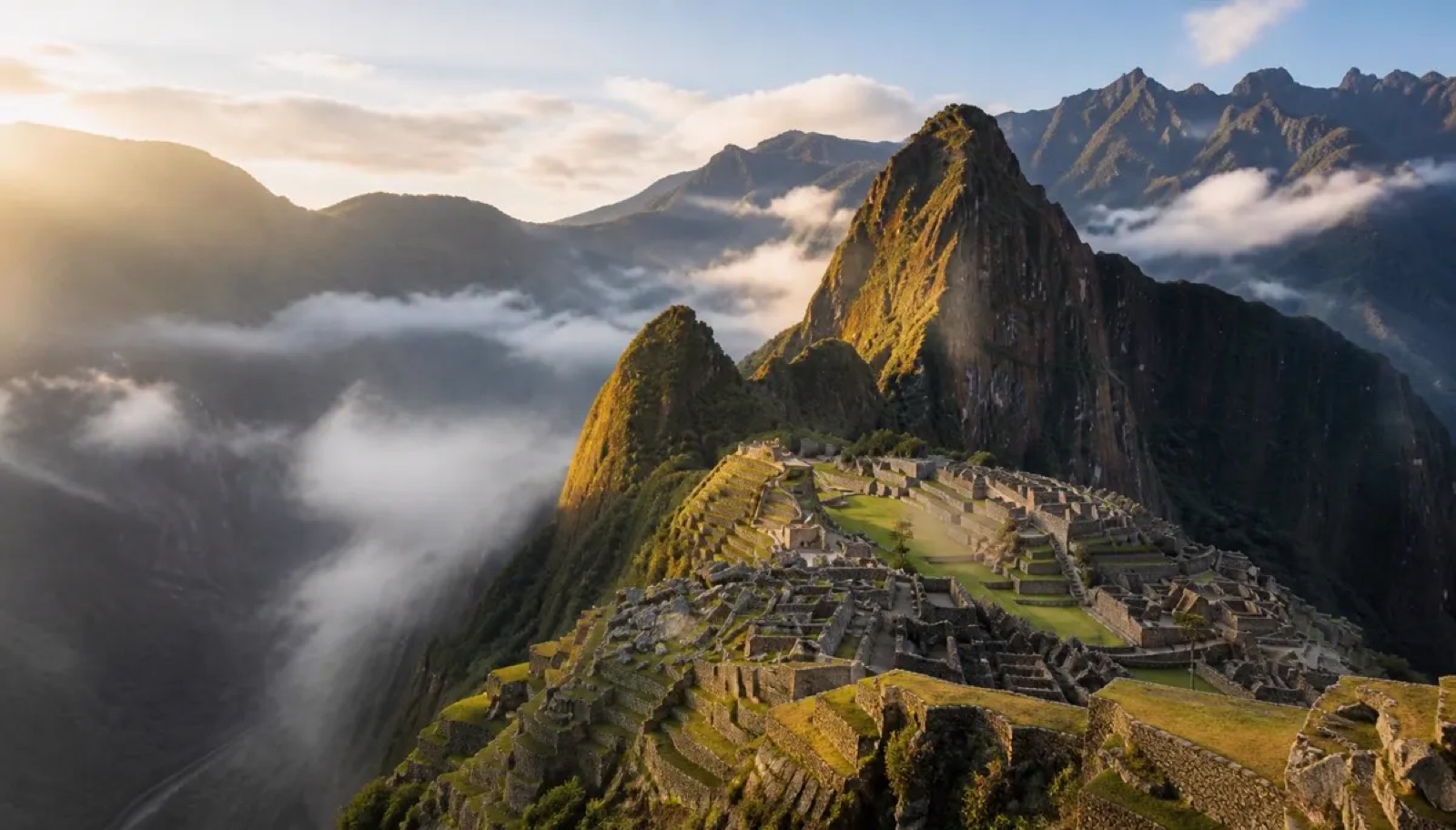
Machu Picchu Guide: Tickets, Trains and Trekking
How Machu Picchu access works — timed tickets and circuits, the train through the Sacred Valley, trekking options and how to handle…
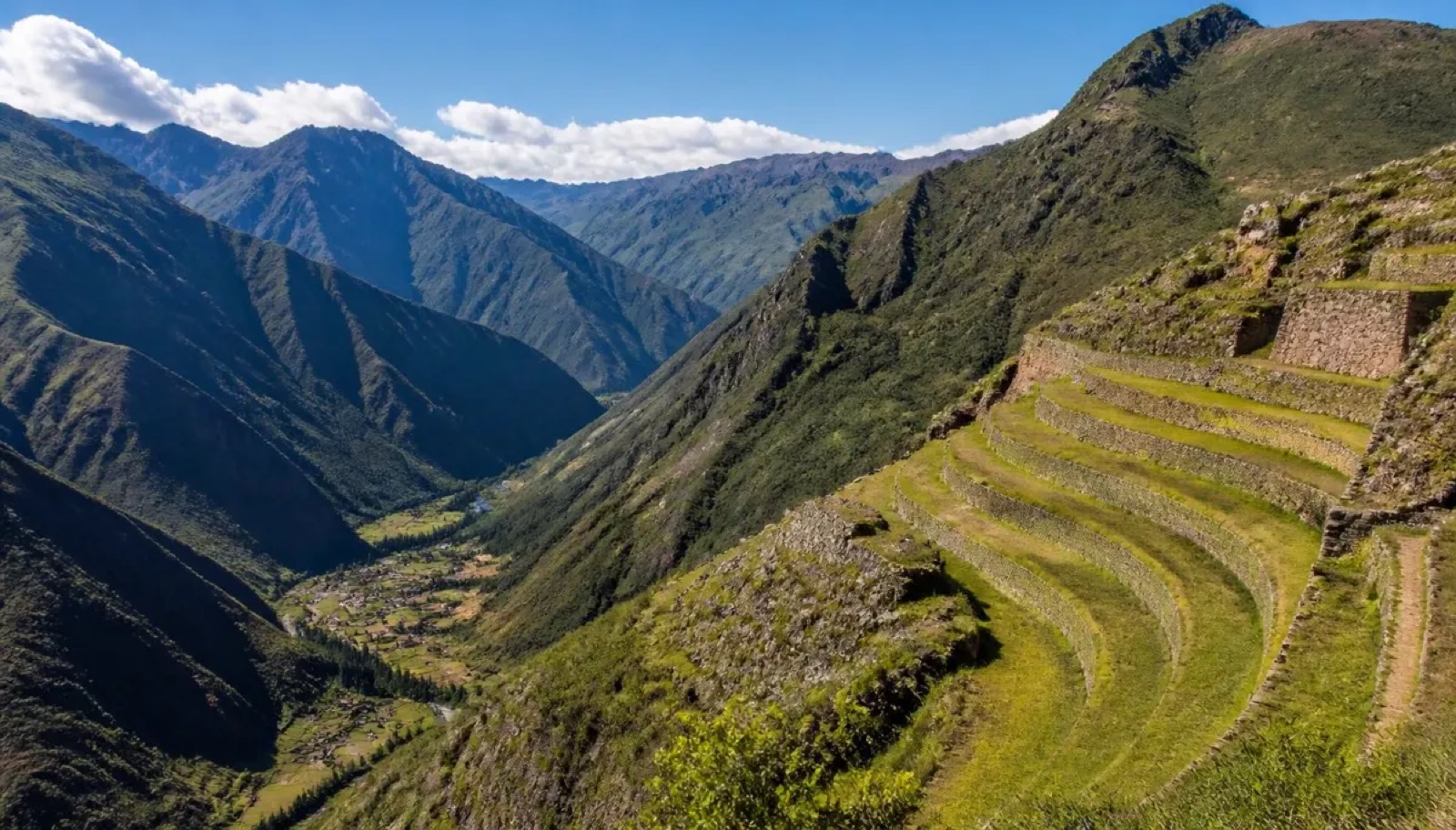
Cusco and the Sacred Valley: Altitude, Ruins and Markets
Acclimatising in Cusco, the Inca sites that are worth your time, Pisac and Ollantaytambo, market days and how to sequence the valley…
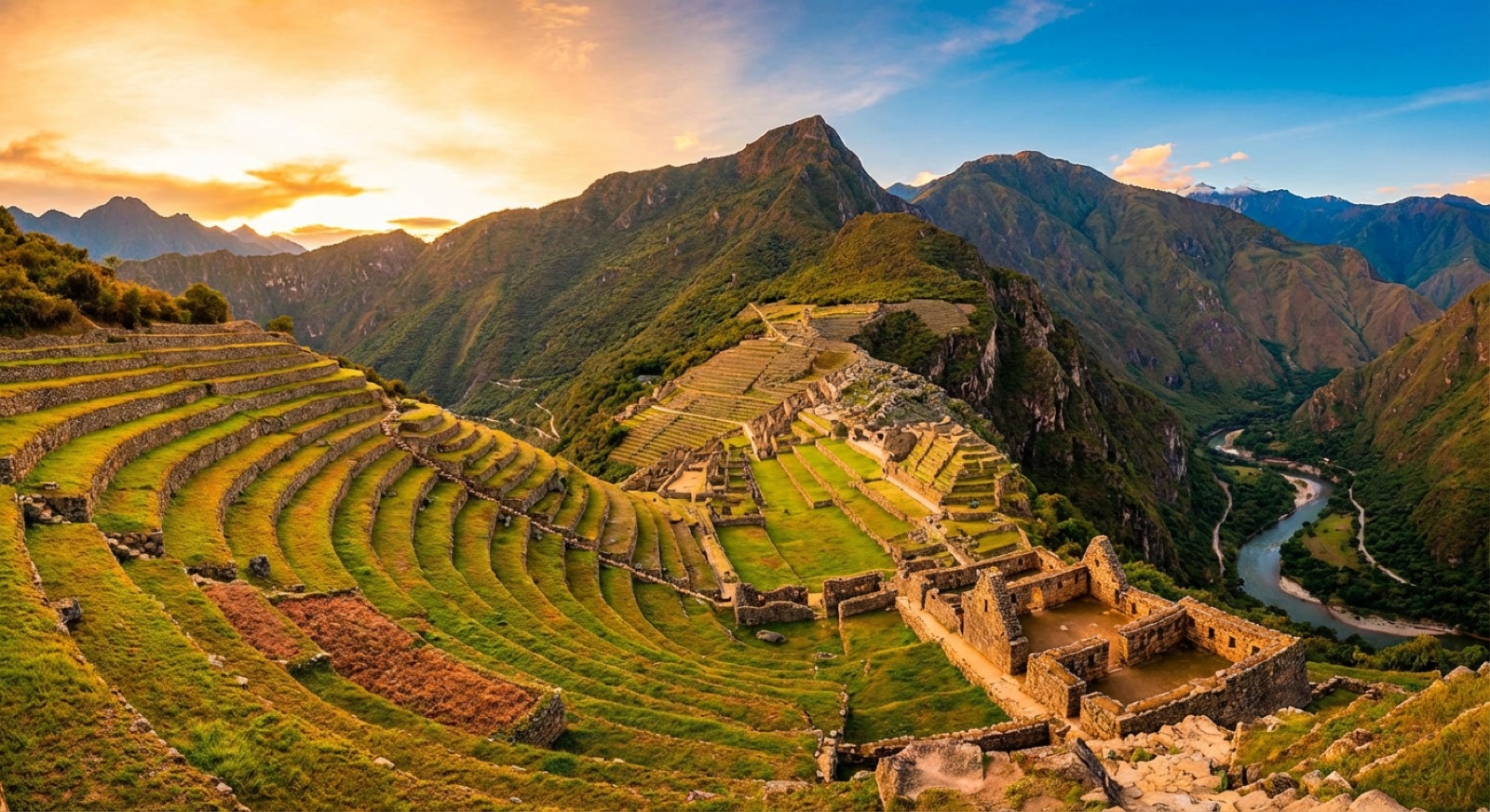
Best Places to Visit in Peru Beyond Machu Picchu
Machu Picchu, Cusco, the Sacred Valley, Lima, Lake Titicaca, Colca Canyon, the Nazca Lines, the Amazon, Arequipa and Huacachina, and why…