Melbourne Travel Guide: Laneways and Coastline
Coffee, laneway art, trams and the Great Ocean Road — how to spend three or four days in Melbourne and get the weather right.
In this guide
- Quick Facts
- Exploring Laneways and World-Class Coffee
- Cultural Icons and Historic Markets
- Where to Base Yourself: Neighbourhood Guide
- Coastline and Countryside: Unmissable Day Trips
- Navigating the City: Trams, Trains, and Transit
- Flavours of Melbourne: What to Eat and Drink
- Weather Strategy: Packing for Four Seasons in One Day
- Budgeting and Money-Saving Tips
- Common Visitor Mistakes to Avoid
- The 5-Day Melbourne Itinerary
- Final Thoughts
- Explore in Depth
This guide is part of our Australia Travel Guide: Planning a First Trip — start there for the overview, when to go and how to get around.
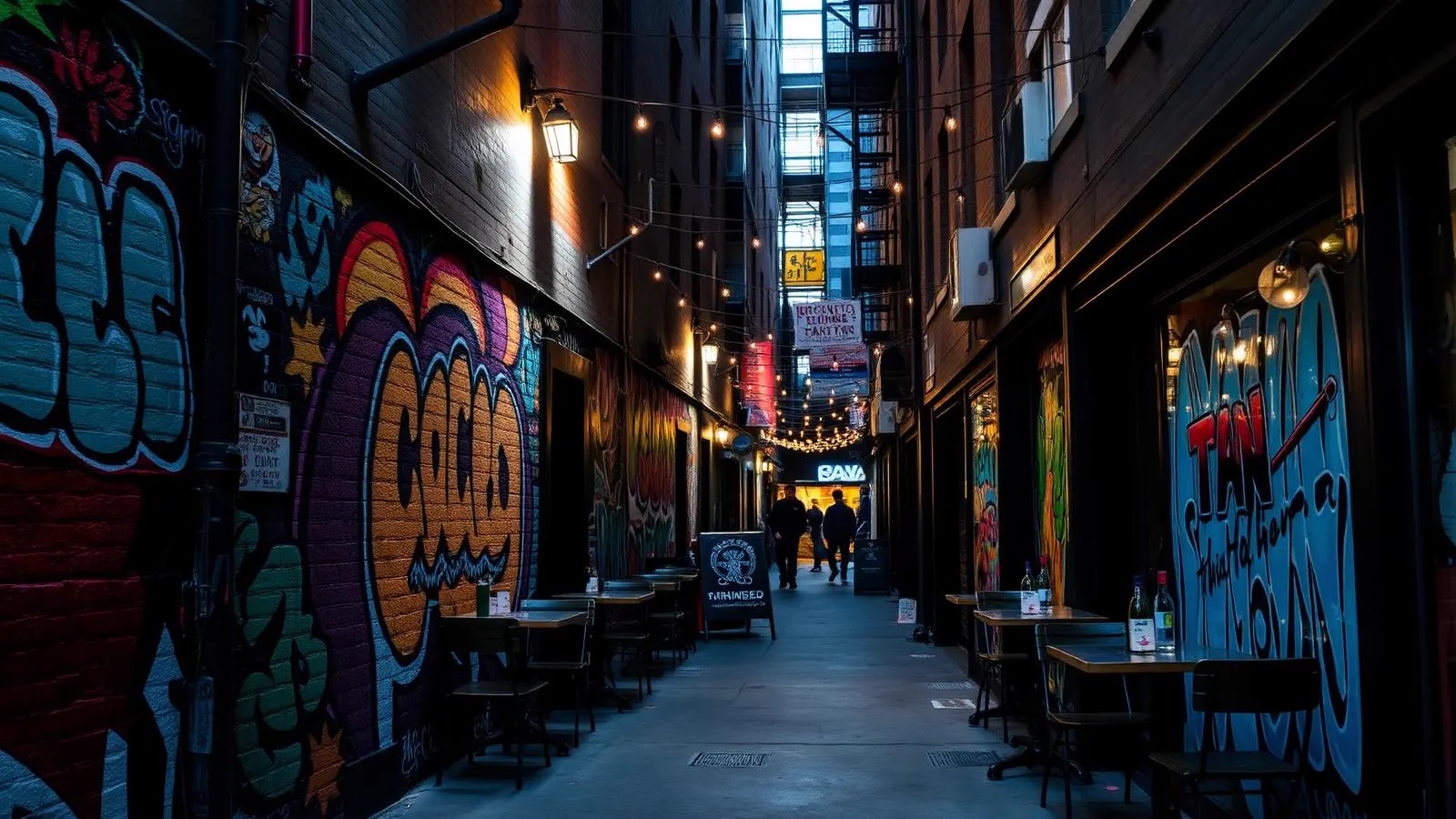
Wander Melbourne's maze of cobblestone laneways on a drizzly morning and you'll find narrow alleyways barely wider than a doorway, rich with the scent of freshly ground espresso. Within twenty minutes the clouds can part, flooding the brick arches with sunlight while you hold a sublime flat white and admire a freshly painted mural. That fluid transition—between unpredictable weather, spontaneous art, and serious coffee—is the quintessential Melbourne experience.
As Australia's undisputed capital of culture, sport, and gastronomy, Melbourne operates at a rhythm entirely different from its sun-drenched northern sibling, Sydney. Where Sydney dazzles immediately with its dramatic natural harbour and soaring landmarks, Melbourne reveals its true magic slowly, inviting you to peek behind unpretentious facades, turn down unassuming corridors, and explore distinct urban neighbourhoods that feel like self-contained villages.
Having spent more than a decade documenting world cities, I return to Melbourne time and again for its creative energy and unmatched livability. Whether you are leaning against a brick wall admiring world-class street art, cheering alongside eighty thousand passionate fans at the historic cricket ground, or driving along dramatic coastal cliffs just beyond the urban fringe, this Victorian capital offers an extraordinarily rich travel experience. This guide provides everything you need to navigate the city like a seasoned local.
Quick Facts
- State: Victoria (State Capital)
- Primary Transit: Extensive network of trams, suburban trains, and buses (using the integrated Myki card system)
- Central Transport Hubs: Flinders Street Station (suburban trains) and Southern Cross Station (regional trains and airport transfers)
- Climate: Temperate oceanic; famous for rapid weather transitions ("four seasons in one day")
- City Layout: The "Hoddle Grid" forms the central business district, bordered by the Yarra River to the south
- Visa Basics: An Electronic Travel Authority (ETA) or eVisitor visa is required for most international passport holders prior to departure
- Key Highlights: Laneway street art, specialty coffee, Queen Victoria Market, National Gallery of Victoria, Melbourne Cricket Ground, Great Ocean Road
Exploring Laneways and World-Class Coffee
The Art of the Laneway
In the late nineteenth century, Melbourne’s laneways were utilitarian service corridors designed for night-soil collection and deliveries behind grand Victorian buildings. Today, these narrow thoroughfares represent the city's artistic beating heart. City planners and local creatives turned these spaces into open-air urban galleries, transforming dark brick walls into canvas for world-renowned street artists.
Start your exploration at Hosier Lane, directly opposite Federation Square. Here, the street art changes almost daily, featuring layered aerosol murals, stencils, and paste-ups from both international icons and emerging local talents. For a slightly quieter, music-themed experience, head to AC/DC Lane and adjacent Duckboard Place, where towering brick facades host massive murals celebrating Australian rock history and international pop culture. Meanwhile, Centre Place and Degraves Street offer the classic Melbourne aesthetic: tiny boutique shops, outdoor café tables crammed onto bluestone footpaths, and iron fire escapes zigzagging overhead. To see these areas at their best for photography, set your alarm early to catch the gentle morning light before the midday crowds arrive.
Decoding Melbourne Coffee Culture
To call coffee a daily habit in Melbourne would be a vast understatement; it is a cultural religion. The roots of this obsession lie in the post-WWII influx of Italian and Greek immigrants who brought commercial espresso machinery to the southern hemisphere. Over the decades, local baristas refined the craft into a science, prioritising light-to-medium roasts, single-origin bean traceability, and impeccable milk texture.
When stepping up to an espresso bar, understanding the local lexicon is essential. A standard white coffee is usually ordered as a Flat White—espresso topped with steamed milk featuring a micro-thin layer of velvety foam. If you want a stronger espresso punch with less milk, ask for a Magic, a local Melbourne creation consisting of a double ristretto poured into a smaller cup with flat milk. For filter fans, pour-overs and cold drips are widely available, highlighting bean profiles from Ethiopia, Colombia, and Guatemala. Avoid asking for large commercial syrup-sweetened drinks; instead, trust the barista to serve coffee prepared the way the bean roast intended.
Cultural Icons and Historic Markets
National Gallery of Victoria (NGV)
The National Gallery of Victoria is Australia's oldest and most visited public art museum, split across two distinct architectural sites within walking distance of one another. The main facility, NGV International on St Kilda Road, is instantly recognisable by its iconic bluestone facade and cascading entry waterwall. Inside, you will find an extraordinary global collection spanning European masters, Asian antiquities, and modern international design, all housed under the spectacular stained-glass ceiling of the Great Hall.
Just across the Yarra River at Federation Square sits the Ian Potter Centre: NGV Australia. This branch is dedicated entirely to the art of Australia, featuring an unmatched collection of Indigenous Australian works alongside colonial historical paintings and contemporary domestic art. Visiting the permanent collections at both branches is completely free, making high culture accessible to every traveler.
Queen Victoria Market
Affectionately known by locals as "Vic Market" or "the Queen Vic," this sprawling precinct has been trading continuously since the late nineteenth century. Covering over seven hectares, it stands as the largest open-air market in the Southern Hemisphere. Walking through the heritage sheds is a sensory delight: fishmongers call out the daily catch in the Meat & Fish Hall, artisan cheesemongers trim wheels of imported gouda in the Dairy Hall, and fruit hawkers stack vibrant seasonal produce beneath cast-iron columns.
Beyond fresh food, the market features extensive aisles of leather goods, local souvenirs, clothing, and vintage homewares. No visit to the market is complete without lining up at the historic food trucks parked along the perimeter for hot, sugar-dusted jam doughnuts served fresh from the fryer. During warmer months, the market transforms on Wednesday evenings into a bustling Night Market filled with global street food stalls, live bands, and open-air bars.
The Spirit of Sport: MCG and Beyond
It is impossible to understand Melbourne without acknowledging its unyielding devotion to sports. The crown jewel of the city's sporting landscape is the Melbourne Cricket Ground (MCG), known simply as "The 'G." With a seating capacity exceeding one hundred thousand, this colossal stadium has hosted the Olympic Games, Commonwealth Games, international cricket matches, and the annual Australian Rules Football (AFL) Grand Final.
If you visit between autumn and early spring (March to September), purchasing a ticket to an AFL match is an absolute must. The atmosphere when rival fans roar inside the stadium is electric. During the summer months, the venue pivots back to international and domestic cricket. Even on non-game days, taking a guided tour of the venue gives you behind-the-scenes access to the player changerooms, the long room, and the sacred turf itself, along with access to the Australian Sports Museum housed within the stadium structure.
Where to Base Yourself: Neighbourhood Guide
Central Business District (CBD)
Staying within the city grid places you directly at the centre of the action. The CBD is defined by grand Victorian civic architecture, soaring skyscrapers, hidden rooftop bars, and pedestrian shopping thoroughfares like Bourke Street Mall. It is an ideal base for first-time visitors due to its central transport links and walking accessibility to major cultural sites.
- Vibe: Fast-paced, architectural, commercial, and highly convenient.
- Key Highlights: The Block Arcade, Royal Arcade, Flinders Street Station, Federation Square, and state library reading rooms.
- Best For: First-time travelers, short-stay visitors, and those reliant on public transport.
Fitzroy and Collingwood
Located just north-east of the CBD grid, Fitzroy and Collingwood represent the creative, bohemian soul of Melbourne. Historically working-class industrial suburbs, these inner-north pockets are now lined with restored bluestone cottages, converted textile warehouses, indie fashion boutiques, and exceptional dining rooms. Brunswick Street and Gertrude Street serve as the commercial arteries, packed with vintage clothing stores, record shops, and commercial art galleries.
- Vibe: Alternative, artistic, hipster, and culinary-focused.
- Key Highlights: Gertrude Street boutiques, Rose Street Artists' Market, craft brewery taprooms, and rooftop cocktail lounges.
- Best For: Foodies, art enthusiasts, vintage shoppers, and night owls.
St Kilda and South Yarra
For those who prefer water views or refined elegance, head south of the river. St Kilda offers a nostalgic beachside atmosphere complete with a historic amusement park, sea baths, and a scenic pier where wild fairy penguins return to nest at sunset. Just inland lies South Yarra and Prahran, wealthy enclave neighbourhoods defined by tree-lined avenues, upscale fashion boutiques along Chapel Street, and high-end dining rooms.
- Vibe: Coastal seaside charm in St Kilda; stylish, upscale, and trendy in South Yarra.
- Key Highlights: Luna Park, St Kilda Pier, Acland Street bakeries, Chapel Street shopping, and Prahran Market.
- Best For: Beach lovers, fashion enthusiasts, and families wanting open parklands near the bay.
Carlton and Brunswick
Directly north of the CBD, Carlton is Melbourne’s historic Italian quarter, centred around the energy of Lygon Street. It is home to grand Victorian gardens, world-class educational institutions, and traditional trattorias. Continuing further north along Sydney Road brings you to Brunswick, a diverse neighbourhood boasting a rich Middle Eastern community, live music venues, and laid-back beer gardens.
- Vibe: Academic, heritage Italian charm in Carlton; eclectic, multicultural, and musical in Brunswick.
- Key Highlights: Royal Exhibition Building, Carlton Gardens, Sydney Road bakeries, and historic espresso halls.
- Best For: Students, heritage lovers, budget travelers, and live music fans.
Coastline and Countryside: Unmissable Day Trips
The Great Ocean Road
Stretching along Victoria’s south-western coastline, the Great Ocean Road is widely regarded as one of the world's most spectacular coastal drives. Constructed by returned soldiers between 1919 and 1932 as a war memorial, the road winds along sheer coastal cliffs, misty rainforest gorges, and dramatic ocean beaches before reaching the famous limestone sea stacks known as the Twelve Apostles in Port Campbell National Park.
While day tours operate daily from central Melbourne, driving the route yourself allows you to slow down and explore coastal towns like Torquay (Australia's surfing capital), Lorne, and Apollo Bay. Keep an eye out for wild koalas resting in the eucalyptus branches around Kennett River, and ensure you take the scenic detours through the temperate rainforest cascades of the Otway Ranges. To fully appreciate the landscape without rushing, consider allocating a two-day road trip itinerary.
Yarra Valley Wine Region
Located less than an hour's drive east of the city centre, the Yarra Valley is Victoria’s oldest wine region. Dominated by rolling green hills, mountain backdrop vistas, and ocean-cooled valley floors, this region is internationally renowned for producing elegant cool-climate varietals, particularly Pinot Noir, Chardonnay, and high-quality sparkling wines.
A day trip to the Yarra Valley can easily combine cellar door tastings at historic vineyards with visits to local artisan cheesemongers, fruit orchards, and handcrafted chocolate workshops. Nature lovers should pair a morning of wine tasting with a drive through the adjacent Dandenong Ranges, where giant mountain ash trees overhang winding roads and historic steam trains chug through fern gullies.
Mornington Peninsula and Phillip Island
Extending south-east of the city, the Mornington Peninsula provides a classic coastal getaway featuring calm bay beaches on one side and rugged ocean surf on the other. Beyond its scenic coastal walks, the peninsula is famous for its natural geothermal mineral springs, boutique hill-country wineries, and seaside villages like Sorrento and Portsea.
Further along the coastline lies Phillip Island, connected to the mainland by a short bridge. The island is world-famous for the daily Penguin Parade, where hundreds of little penguins emerge from the ocean at dusk and waddle across the sand to their sand-dune burrows. It is an unforgettable wildlife experience, particularly for families and photography enthusiasts.
Navigating the City: Trams, Trains, and Transit
Mastering the Free Tram Zone
One of Melbourne’s greatest advantages for travelers is its Free Tram Zone. Encompassing the entire inner city grid from Spring Street in the east to Docklands in the west, and extending from Flinders Street Station up to La Trobe Street, riding any tram within these boundaries is completely free of charge.
You do not need to purchase a ticket or tap a transit card when boarding and exiting a tram inside this central zone. Stops clearly indicate whether they sit inside the free area. If your journey starts or ends outside these boundaries, however, you must hold a valid transit card to avoid steep transport fines.
Using the Myki Card System
To travel on the public transport network outside the central free zone—including suburban trains, regional buses, and outer tram routes—you will need a smart travel card called a Myki Card. These reusable plastic cards can be purchased at station ticketing machines, customer service centres, and convenience stores, or loaded digitally onto compatible smartphones.
Before boarding a train, bus, or outer-zone tram, ensure your card balance has sufficient funds. You must "touch on" at the green card reader when beginning your journey and "touch off" when exiting at your destination (on trams, touching off is only required if you travel entirely in the outer fare zone). Fares automatically cap at a daily maximum rate, making public transport an affordable way to explore distant neighbourhoods. During 2026, tapping a contactless Visa or Mastercard is also being rolled out across trains, trams and buses as an alternative to Myki.
Walking and Cycling
Thanks to the regular layout of the historic Hoddle Grid, central Melbourne is exceptionally easy to navigate on foot. Wide pedestrian footpaths, signalised crossings, and tree-lined avenues make walking between major sights comfortable and enjoyable. For longer cross-city trips, Melbourne features an expanding network of separated bicycle paths, including the scenic Capital City Trail which loops for about 29 kilometres around the inner city along the Yarra River and converted railway corridors.
Driver Note: If you choose to rent a vehicle to explore regional Victoria, be aware that Melbourne CBD streets feature a unique traffic management rule known as the Hook Turn. To allow trams to pass freely in the centre of the road, drivers turning right at designated intersections must pull into the far-left lane, wait until the traffic light on the street they are turning into turns green, and then complete the turn across traffic.
Flavours of Melbourne: What to Eat and Drink
The Brunch Scene
In Melbourne, breakfast is not merely a morning meal; it is an art form elevated to mid-morning theatre. The city pioneered modern cafe dining trends that have since been exported around the globe. Expect creative menus featuring dishes like smashed avocado on toasted sourdough with whipped feta, chilli-scrambled eggs topped with crispy fried shallots, and ricotta hotcakes served with seasonal berries and edible flowers.
Weekend brunch is a sacred local social ritual. Cafés do not typically take reservations for small groups, so be prepared to put your name on a clip-board list and wait casually outside with a takeaway coffee. The wait is almost universally worth it.
Multicultural Dining Hotspots
Melbourne’s culinary landscape reflects its rich history of global immigration. Different waves of international arrivals have established thriving culinary enclaves across the metropolitan area:
- Chinatown (Little Bourke Street): Operating continuously since the gold rush era of the 1850s, this central street is packed with regional Chinese dining rooms, hand-pulled noodle shops, and late-night dim sum houses.
- Italian Precinct (Lygon Street, Carlton): The spiritual home of Melbourne’s espresso culture, lined with outdoor pasta houses, wood-fired pizzerias, and historic artisanal gelaterias.
- Vietnamese Precinct (Victoria Street, Richmond): A vibrant hub renowned for fragrant beef pho, crispy banh mi pork rolls, and fresh rice paper rolls.
- Middle Eastern & Greek Enclaves (Brunswick & Oakleigh): Head north to Sydney Road for wood-fired flatbreads and falafel, or south-east to Oakleigh for traditional charcoal-grilled souvlaki and honey-soaked pastries.
Iconic Victorian Produce
Victoria's varied microclimates produce exceptional agricultural yields. When dining out, look for local menu highlights such as grass-fed beef from Gippsland, fresh oysters harvested from Port Phillip Bay, hand-crafted cheeses from the Yarra Valley, and seasonal stone fruits grown in the Mornington Peninsula. Accompany your meals with regional cold-climate wines, craft beers brewed in inner-north industrial taprooms, or small-batch gins distilled in the nearby Yarra Valley.
Weather Strategy: Packing for Four Seasons in One Day
Understanding the Microclimates
The famous local phrase "four seasons in one day" is not an exaggeration. Due to Melbourne’s geographical position between hot inland Australian plains and the frigid Southern Ocean, rapid weather shifts occur regularly. A blustery summer morning of thirty-five degrees Celsius can transform within an hour into a cool, rainy eighteen-degree afternoon when a southerly wind front rolls through Port Phillip Bay.
Because of these sudden temperature drops, dressing in versatile layers is the ultimate insider secret. Carry a lightweight compact jacket, a warm mid-layer, and a reliable travel umbrella in your day pack regardless of what the morning sky looks like when you walk out of your hotel room.
Seasonal Highlights
- Autumn (March – May): Widely considered the best time to visit. Days are generally stable, mild, and clear, while city parks like the Carlton Gardens and Royal Botanic Gardens explode in brilliant gold and crimson foliage.
- Winter (June – August): Cool, crisp, and occasionally damp, with average day temperatures hovering around fourteen degrees Celsius. It is the perfect season for cozying up inside heritage pubs, touring art galleries, and catching live indoor sports.
- Spring (September – November): Highly variable weather bringing beautiful park blossoms, vibrant cultural festivals, and major horse racing carnivals.
- Summer (December – February): Warm to hot, featuring long daylight hours, rooftop film screenings, outdoor concerts, and seaside beach trips. High heat waves occasionally sweep through, followed by dramatic cool changes.
Budgeting and Money-Saving Tips
Smart Travel Strategies
While Melbourne is a world-class international city, careful planning can help stretch your travel budget significantly:
- Maximise the Free Transit Zone: Plan your sightseeing schedule so that central city explorations fall on consecutive days, eliminating transport costs completely while within the CBD grid.
- Enjoy Free World-Class Culture: Take full advantage of permanent art exhibitions at NGV International and NGV Australia, both of which require zero entry fees.
- Dine at Fresh Food Markets: Rather than eating at sit-down restaurants for every meal, grab fresh cheeses, crusty sourdough loaves, deli meats, and seasonal fruit from Queen Victoria Market or Prahran Market for picnic lunches in the Royal Botanic Gardens.
- Self-Guided Architectural Walking: The city's stunning 19th-century arcades, riverside promenades, and alleyway art galleries are completely free to wander and photograph.
Common Visitor Mistakes to Avoid
- Tapping on inside the Free Tram Zone: Tapping your Myki card on a tram reader while inside the central free area needlessly charges you for a fare. Only tap on if your journey extends into the outer fare zones.
- Expecting late-afternoon coffee: Many specialty espresso bars in business districts cater strictly to morning workers and close by 3:00 PM or 4:00 PM. If you need a late afternoon fix, seek out traditional cafes in dining strips like Lygon Street or Brunswick Street.
- Underestimating Great Ocean Road driving distances: Driving to the Twelve Apostles and back in a single day involves over six hours behind the wheel. Take your time and book overnight accommodation along the coast rather than rushing the journey.
- Leaving your jacket in the hotel room: Even if the sky is clear and warm at breakfast time, never leave your base without a warm layer or rain protection. Weather conditions change quickly.
- Skipping table reservations on weekends: Melbourne’s top-tier dining spots and regional wine-country restaurants book out weeks in advance. Reserve key dinner slots well before arriving.
The 5-Day Melbourne Itinerary
Day 1: CBD Laneways, Art, and Riverside Views
Begin your morning with a freshly brewed espresso at a hole-in-the-wall café along Degraves Street before exploring the street art murals covering Hosier Lane and AC/DC Lane. Walk through the ornate 19th-century glass domes of The Block Arcade and Royal Arcade. In the afternoon, cross the Yarra River to explore the international collections at NGV International. End your daylight hours strolling through the lush lawns of the Royal Botanic Gardens before enjoying a dinner overlooking the lit city skyline along the Southbank promenade.
Day 2: Heritage Markets and Inner-North Culture
Spend your morning browsing the bustling sheds of Queen Victoria Market, picking up fresh pastries, coffee, and local handcrafts. After lunch, take a brief tram ride north into Carlton to admire the grand Victorian architecture of the historic Royal Exhibition Building and stroll through the adjacent Carlton Gardens. Spend the late afternoon and evening exploring the boutique shops, record stores, and alternative cocktail bars along Gertrude Street and Brunswick Street in Fitzroy.
Day 3: Sport, Coastal Vibe, and St Kilda Sunset
Start your third day taking a behind-the-scenes stadium tour of the legendary Melbourne Cricket Ground (MCG) and visiting the Australian Sports Museum. In the afternoon, board a southbound tram out to seaside St Kilda. Take a leisurely walk along the Esplanade, browse the cake shop displays along Acland Street, and take a photo outside the iconic mouth entrance of Luna Park. As dusk approaches, walk out along the historic wooden pier to spot the wild fairy penguins returning to their burrows among the rocks.
Day 4: Spectacular Coastline along the Great Ocean Road
Depart early in the morning for a breathtaking day trip along the Great Ocean Road. Stop at the coastal surfing hub of Torquay before following the coastal highway as it carves along sheer seaside cliffs through Lorne and Apollo Bay. Pass through the cool temperate rainforests of the Otway Ranges before arriving at the iconic limestone formations of the Twelve Apostles and nearby Loch Ard Gorge. Return to the city in the evening, stopping for dinner at a coastal tavern along the drive.
Day 5: Yarra Valley Tastes and City Nightfall
Head east into the rolling green hills of the Yarra Valley for a morning of cold-climate wine tastings, artisan cheese sampling, and visits to local orchards. Return to central Melbourne in the late afternoon for a final evening celebration. Cap off your journey by seeking out one of the city's famous hidden rooftop bars tucked above a central laneway, raising a glass as night falls over the rooftops of Australia's creative capital.
Final Thoughts
Melbourne is a city that repays curiosity. It does not demand that you check off a rigid list of global tourist monuments; instead, it invites you to join its everyday rhythm. To truly experience Melbourne, you must be willing to slow down, put away your map for an hour, step down an unfamiliar cobblestone alleyway, and see where the aroma of roasting coffee or the vibrant colours of fresh mural art might lead you.
From its passionate sporting crowds and high-fashion retail arcades to its wind-swept coastal highways and misty vineyard hills, Melbourne holds a distinct space in the landscape of world travel. Pack your favourite comfortable walking shoes, prepare a warm jacket just in case, and get ready to fall in love with Australia's undisputed capital of culture.