Tasmania Travel Guide: Plan the Perfect Trip
Getting to and around Tasmania, when to go, top sights, 5-day to 2-week itineraries, where to stay, food and wine, road-trip advice and trip costs.
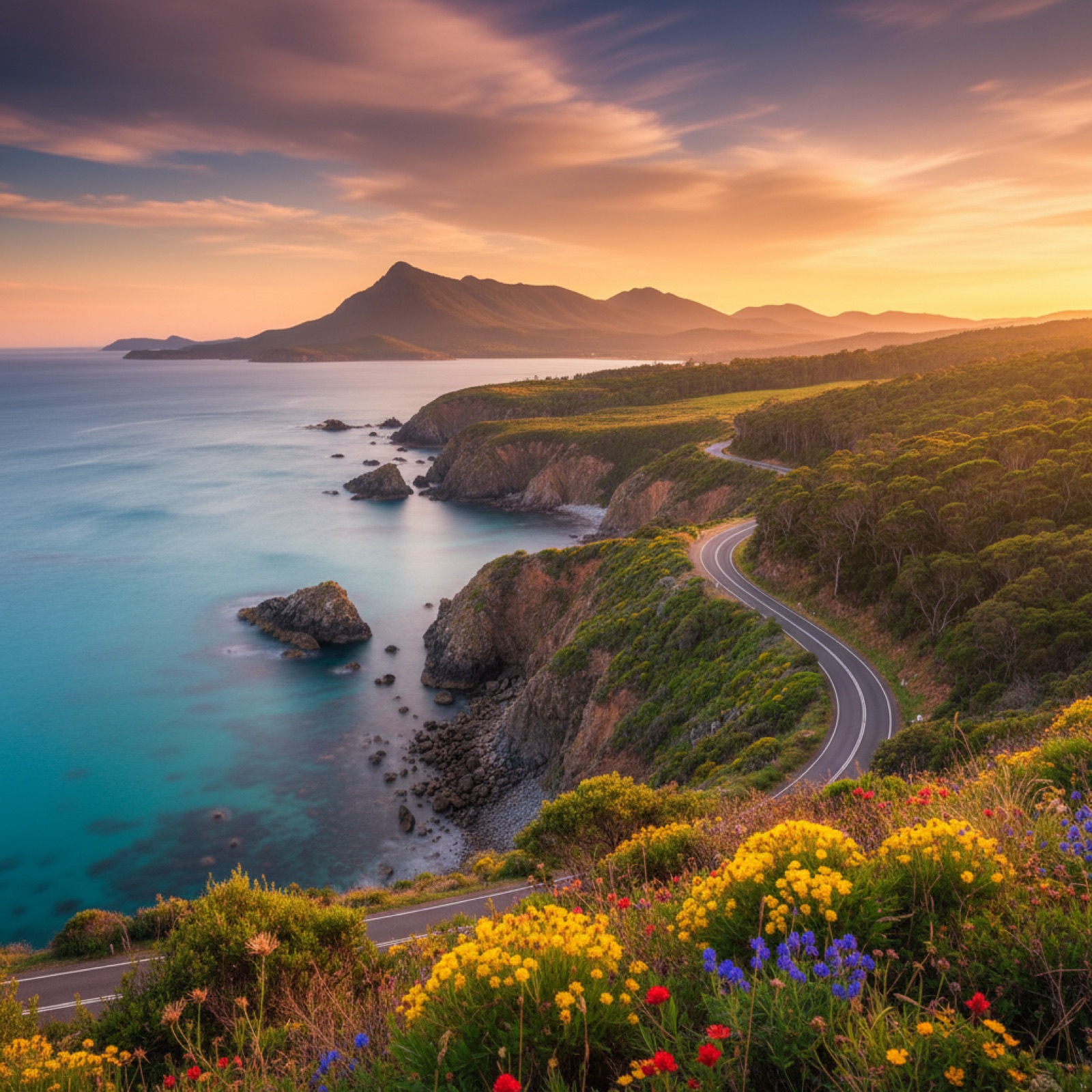
In this guide
- Introducing the Apple Isle
- Table of Contents
- Getting To and Around Tasmania: Your Essential Transport Hub
- Best Time to Visit Tasmania: Seasons, Festivals, & Weather
- Top Things to Do in Tasmania: Must-See Sights & Hidden Gems
- Tasmania Itinerary Suggestions: From 5 Days to 2 Weeks
- Where to Stay in Tasmania: Accommodations for Every Budget
- Eating and Drinking Your Way Through Tasmania: A Culinary Journey
- Tasmania Road Trip Guide: Freedom on Four Wheels
- Budgeting for Your Tasmania Trip: Costs & Money-Saving Tips
- Port Arthur Historic Site: A Journey into the Past
- Pro Tips for a Memorable Tasmania Experience
- Common Mistakes to Avoid in Tasmania
- Explore Tasmania in Depth: My Detailed Guides
- Tasmania Travel FAQ: Your Questions Answered
- Conclusion: Your Tasmanian Adventure
- More Australia Planning
Introducing the Apple Isle
Few places are quite like Tasmania. It’s a land where ancient rainforests meet pristine beaches, where fascinating history whispers from every corner, and where the air just feels… cleaner. If you're looking for an unforgettable journey, you need a comprehensive Tasmania travel guide, and you've found it! This isn't just a collection of facts; it's a deep dive into Tasmania, packed with practical tips to ensure your 2025 adventure is nothing short of epic.
Hike through Cradle Mountain-Lake St Clair National Park on a crisp morning and you may see mist dancing over Dove Lake, with the silence broken only by birdsong and the crunch of boots on the trail. That's the magic of Tasmania – it reconnects you with nature in a way few other destinations can. Navigating this diverse island does require a bit of planning, which is why this guide covers everything from must-see sights and hidden gems to delicious food and smart budgeting, making it your go-to resource for an epic Tasmania travel guide.
Table of Contents
- Getting To and Around Tasmania: Your Essential Transport H
- Best Time to Visit Tasmania: Seasons, Festivals, & Weather
- Top Things to Do in Tasmania: Must-See Sights & Hidden Gems
- Tasmania Itinerary Suggestions: From 5 Days to 2 Weeks
- Where to Stay in Tasmania: Accommodations for Every Budget
- Eating and Drinking Your Way Through Tasmania: A Culinary Jo
- Tasmania Road Trip Guide: Freedom on Four Wheels
- Budgeting for Your Tasmania Trip: Costs & Money-Saving Tips
- Port Arthur Historic Site: A Journey into the Past
- Pro Tips for a Memorable Tasmania Experience
- Common Mistakes to Avoid in Tasmania
- Explore Tasmania in Depth: My Detailed Guides
- Tasmania Travel FAQ: Your Questions Answered
- Conclusion: Your Tasmanian Adventure Awaits!
Getting To and Around Tasmania: Your Essential Transport Hub
One of the first questions I get asked about planning a Tasmania travel guide is, 'How do I even get there, and then how do I get around?' Good questions! The island feels remote, but it's surprisingly accessible, and exploring it is an adventure in itself.
Arriving by Air: Major Airports in Tasmania
Most international travellers will fly into Sydney, Melbourne, or Brisbane, then catch a domestic flight to Tasmania. The two main entry points are:
- Hobart International Airport (HBA): Located about 17 km (10.5 miles) east of Hobart. This is a great base for exploring the south, Tasman Peninsula, and the East Coast. Frequent flights from Melbourne (MEL), Sydney (SYD), and Brisbane (BNE).
- Launceston Airport (LST): Located about 15 km (9 miles) south of Launceston. Ideal for accessing the north, Cradle Mountain, and the Tamar Valley wine region. Also has regular flights from Melbourne (MEL) and Sydney (SYD).
Pro tip: Book internal flights within Australia well in advance, especially during peak seasons (December-February) to secure better prices. Airlines like Qantas, Virgin Australia, and Jetstar operate these routes. For Hobart, a taxi into the city will cost around AUD $60-70 (USD $40-47), while an Airporter shuttle is about AUD $19.50 (USD $13) per person.
Arriving by Sea: The Spirit of Tasmania
For those of you, like me, who love a good sea journey, or if you plan on bringing your own vehicle, the Spirit of Tasmania ferry is an iconic experience. It departs from the Spirit of Tasmania terminal at Corio Quay, Geelong, Victoria, and arrives at the Devonport terminal, East Devonport, Tasmania.
- Duration: Approximately 9-11 hours (day and night sailings available).
- Cost (approx.): A one-way adult passenger fare typically ranges from AUD $120-$200 (USD $80-$135) depending on the season and cabin choice. Bringing a standard car can add AUD $100-$150 (USD $67-$100) each way. Booking cabins for overnight trips is highly recommended for comfort.
- Address: Geelong Terminal, 136 Corio Quay Road, North Geelong, VIC & Devonport Terminal, Esplanade, East Devonport, TAS.
My first Spirit of Tasmania journey was a night crossing. Waking up to the crisp morning air and seeing the Tasmanian coastline emerge from the dawn mist was truly special. It's an integral part of the Tasmania travel guide experience for many.
Getting Around Tasmania: The Best Options
This is where your Tasmania travel guide truly begins to take shape. Tasmania is best explored by road. Public transport outside of the main cities is limited, making a car almost essential for flexibility.
- Rental Car: This is my top recommendation for a Tasmania road trip. All major car rental companies (Hertz, Avis, Europcar, Budget, Thrifty) operate at both Hobart and Launceston airports, as well as in the city centers.
- Cost (approx.): A compact car can cost AUD $50-$100 (USD $33-$67) per day, depending on the season and booking lead time. Larger SUVs or 4WDs will be more. Always book well in advance, especially for popular travel times.
- Campervan/Motorhome: A fantastic option for adventurous travellers. Companies like Britz, Apollo, and Maui offer a range of vehicles. This gives you amazing flexibility, especially when exploring national parks.
- Cost (approx.): Basic campervans start from AUD $100-$200 (USD $67-$135) per day, increasing for larger, more luxurious models.
- Buses: While not ideal for extensive touring, bus services like Tassielink and Metro Tasmania connect main towns and cities. Useful if you're only visiting one or two major hubs.
- Taxis/Ride-sharing: Available in Hobart and Launceston, but impractical for inter-city travel or exploring rural areas.
Driving tip: Driving in Tasmania is generally easy, but remember to stay on the left side of the road! Rural roads can be winding, and wildlife (especially wallabies and possums) is very active at dawn and dusk. Drive carefully, especially outside daylight hours. We'll dive into more depth on a dedicated Tasmania road trip section later in this Tasmania travel guide.
Best Time to Visit Tasmania: Seasons, Festivals, & Weather
Choosing the best time to visit Tasmania can significantly impact your experience. Tasmania has four distinct seasons, each offering a unique charm and a different set of activities. Your ultimate Tasmania travel guide needs to account for this!
Summer (December – February): Peak Season
- Weather: Warm, sunny days with average temperatures between 17-23°C (63-73°F). Ideal for hiking, beach activities, and outdoor adventures.
- Pros: Long daylight hours, best weather for national parks, vibrant festival atmosphere (Hobart's Taste of Tasmania, MONA FOMA). All attractions are open.
- Cons: Peak season means higher prices for accommodation and rentals, and more crowds. Book everything well in advance!
- Summer in practice: January is popular, but the energy is infectious. Hiking Wineglass Bay in flawless sunshine is incredible, and Hobart has a real buzz. Just be prepared for competition on campsites!
Autumn (March – May): My Personal Favorite
- Weather: Mild, clear days with temperatures between 12-18°C (54-64°F). Beautiful golden foliage, especially in the central highlands (the 'Turning of the Fagus').
- Pros: Fewer crowds than summer, still excellent hiking weather, stunning scenery, comfortable temperatures. Great for wine tasting and photography.
- Cons: Days are getting shorter, some high-altitude tracks might see early snow/ice towards May.
- Why it's the best time to visit Tasmania for me: The Fagus! Witnessing Australia's only deciduous native, the Nothofagus gunnii, turn vibrant golds and oranges around Cradle Mountain is a pilgrimage every nature lover should make. It makes for an incredible Tasmania travel guide photo op.
Winter (June – August): Serene & Cosy
- Weather: Cold, crisp days with temperatures between 3-11°C (37-52°F). Snowfall in the highlands (Cradle Mountain, Ben Lomond), perfect for cosy fireside meals.
- Pros: Fewer tourists, lower prices, opportunity for snow sports (Ben Lomond), stunning misty landscapes, excellent for aurora australis viewing. Taste of Huon festival.
- Cons: Shorter daylight hours, some roads/tracks in national parks may close due to snow/ice. Not ideal for beach holidays.
- Tip: If you're brave enough for a winter trip, pack layers! I found sitting by a roaring fire with a local red wine absolutely sublime after a day of crisp hikes. It's a different kind of beauty.
Spring (September – November): Blooming Beauty
- Weather: Gradually warming, with average temperatures between 10-17°C (50-63°F). Wildflowers begin to bloom, especially in coastal areas. Can be windy.
- Pros: Landscapes burst into life, fewer crowds than summer, excellent for wildlife spotting (penguin parades start up). Good value for accommodation.
- Cons: Weather can be unpredictable with strong winds and occasional rain. Some higher ground can still be chilly.
Ultimately, the best time to visit Tasmania depends on your interests. For general outdoor activities, summer and autumn are superb. For a quieter, mystical experience, consider winter or spring. This Tasmania travel guide helps you prepare for any season!
Top Things to Do in Tasmania: Must-See Sights & Hidden Gems
No Tasmania travel guide would be complete without a comprehensive list of things to do in Tasmania. From world-renowned natural wonders to quirky cultural experiences, Tasmania truly has it all. I’ve explored this island extensively, and these are my absolute highlights!
1. Cradle Mountain-Lake St Clair National Park: An Icon of the Tasmanian Wilderness
- What to do: This is undoubtedly one of the most iconic natural attractions. Hike the famous Dove Lake Circuit (2-3 hours, 6 km/3.7 miles), tackle parts of the Overland Track (multi-day hike, booking essential), or simply soak in the breathtaking views. Keep an eye out for wombats, echidnas, and pademelons.
- Address: Cradle Mountain-Lake St Clair National Park, TAS. Entry via the visitor centre (Shuttle bus required for most areas).
- Opening Hours: Visitor Centre 8:00 AM - 4:30 PM (varies seasonally). Park open 24/7.
- Cost: National Parks Pass required. A Cradle Mountain-only daily pass (shuttle included) is AUD $30.70 (USD $20) per adult; the standard daily pass (AUD $49.15 per vehicle) excludes Cradle Mountain. A Holiday Pass (up to 2 months) is AUD $98.35 (USD $65) per vehicle.
- Don't miss: Cradle Mountain reflected perfectly in Dove Lake on a still morning is even more stunning than the postcards. Allow an entire day to explore the shorter walks and soak in the atmosphere.
2. Port Arthur Historic Site: A Glimpse into Australia's Convict Past
- What to do: Explore Australia's most infamous convict settlement, a UNESCO World Heritage site. Wander through preserved buildings, take a harbour cruise, and join a ghost tour for a spooky evening experience.
- Address: Arthur Hwy, Port Arthur, TAS 7182.
- Opening Hours: 9:00 AM - 5:00 PM daily (check website for seasonal variations).
- Cost: General admission (valid 2 consecutive days) is AUD $55 (USD $37) for adults. Ghost tours (Wednesday to Sunday) are an additional AUD $35 (USD $23).
- Good to know: Port Arthur is a surprisingly moving place. The history is palpable, and the stories of the convicts are both heartbreaking and fascinating. Allow at least half a day, if not more, to fully absorb it. It’s a crucial part of understanding Tasmanian heritage.
3. Freycinet National Park & Wineglass Bay: Coastal Perfection
- What to do: Hike to the Wineglass Bay Lookout (1.5-hour return, moderate climb) for THAT iconic view. For a longer challenge, descend to the beach itself. Explore Hazards Beach, or kayak around the peninsula.
- Address: Coles Bay Rd, Coles Bay, TAS 7215.
- Opening Hours: Park open 24/7. Visitor Centre 9:00 AM - 5:00 PM.
- Cost: National Parks Pass required (same as Cradle Mountain).
- Recommendation: My favourite way to experience Wineglass Bay is to take the lookout trail, then descend to the beach for a swim (if you're brave!). The colours of the water and the white sand are simply incredible. Don't forget sunscreen and water!
4. Hobart: A Vibrant Capital with History and Art
- What to do: Wander through Salamanca Place, especially on Saturday for the famous Salamanca Market. Visit the Museum of Old and New Art (MONA), a truly unique and controversial art gallery. Climb Mount Wellington (Kunanyi) for panoramic views. Explore Battery Point's historic streets.
- Salamanca Market: Salamanca Pl, Hobart, TAS 7001. Open Saturdays, 8:30 AM - 3:00 PM.
- MONA: 655 Main Rd, Berriedale, TAS 7011. Open Thu-Mon, 10:00 AM - 5:00 PM. Ferry from Brooke Street Pier (Hobart) is from AUD $30 (USD $20) return. Entry to MONA is AUD $39 (USD $26) for non-Tasmanian adults and AUD $17 for ages 12-17. Tasmanians and children under 12 are free.
- Why go: Hobart is small enough to feel friendly, but packed with culture, history, and incredible food. MONA is a game-changer; it's unlike any other museum in the world. Allow a full day there, at least.
5. Launceston & Tamar Valley: Wine, Wildlife & Cataract Gorge
- What to do: Explore Cataract Gorge Reserve within walking distance of the city center. Enjoy the chairlift, swimming pool, and peacocks. Embark on a wine-tasting tour through the scenic Tamar Valley. Visit Platypus House and Seahorse World in Beauty Point.
- Cataract Gorge Reserve: 69 Basin Rd, Launceston, TAS 7250. Open 24/7. Chairlift: AUD $16 (USD $11) return.
- Tamar Valley Wine Route: Numerous cellar doors. Expect tasting fees of AUD $5-$10 (USD $3-$7) per person, often redeemable against purchase.
- Launceston and the Tamar Valley: Launceston has a relaxed vibe, and Cataract Gorge is a truly unique urban wilderness. For wine lovers, the Tamar Valley offers some excellent cool-climate wines, and an afternoon hopping between vineyards is a very pleasant way to enjoy the scenery and the sips.
6. Maria Island National Park: A Walled Garden of Wildlife
- What to do: A car-free island paradise accessible by ferry. Hire a bike or walk to see wombats, kangaroos, and Cape Barren geese roaming freely. Visit Darlington Probation Station (another UNESCO site) and walk to Painted Cliffs and Fossil Cliffs.
- Ferry Departure: Triabunna. Operates daily (check schedule).
- Cost: Same-day return ferry AUD $59 (USD $39) for adults. National Parks Pass required.
- Highlight: Maria Island is like a living zoo, but better! The sheer abundance of wildlife, especially wombats munching grass right by your feet, is unforgettable. It’s one of the best locations for experiencing the true Tasmanian wilderness up close and personal.
7. Tasman Peninsula & Wineries: Rugged Coastline & Delicious Drops
- What to do: Beyond Port Arthur, explore the geological wonders of Tasman Arch, Devil's Kitchen, and the Blowhole. Take a Tasman Island Cruise for dramatic cliffs and wildlife. Sample local wines from the numerous vineyards in the region.
- Tasman Arch/Devil's Kitchen: Blowhole Rd, Eaglehawk Neck, TAS 7172.
- Tasman Peninsula Wineries: A personal favourite was Bream Creek Vineyard (www.breamcreekvineyard.com.au, 1300 E Coast Rd, Bream Creek). Open weekends, 11 AM - 5 PM. Tasting fees vary.
- Adrenaline rush: The Tasman Island Cruise is exhilarating, with towering sea cliffs seen from below and seals basking on rocks. Make sure to factor this into your Tasmania travel guide planning if you seek adventure!
8. The Far South: Wilderness & Wildlife
- What to do: Drive the Huon Trail, visit Hastings Caves and Thermal Springs (allow 2-3 hours for tour). Head to Cockle Creek, Australia's southernmost point accessible by road, for stunning beaches and bushwalks in the Southwest National Park.
- Hastings Caves & Thermal Springs: 754 Hastings Caves Rd, Hastings, TAS 7116. Tours every hour. Entry: AUD $30 (USD $20) adults (cave & pool).
- Remote wilderness: Cockle Creek can feel like the edge of the world, and its isolation and beauty are profound. It's truly off the beaten path, and highly recommended for anyone looking to connect with the raw Australian wilderness.
Tasmania Itinerary Suggestions: From 5 Days to 2 Weeks
Planning your route for a truly memorable Tasmania travel guide experience can be daunting. Here are some tried-and-tested itineraries, ranging from a quick highlights tour to a more leisurely exploration.
5-Day Tasmania Highlights Itinerary (Northern Loop)
This Tasmania itinerary focuses on the north and west, perfect for a shorter trip or arriving via the Spirit of Tasmania.
- Day 1: Arrive Launceston. Explore Cataract Gorge. Enjoy a Tamar Valley wine tour. Overnight Launceston.
- Day 2: Launceston to Cradle Mountain. Drive to Cradle Mountain-Lake St Clair National Park. Hike the Dove Lake Circuit. Overnight Cradle Mountain area.
- Day 3: Cradle Mountain Exploration. More hiking, visit Sheffield (Mural Town). Drive towards the West Coast (Queenstown or Strahan). Overnight Strahan.
- Day 4: West Coast Wilderness. Gordon River Cruise from Strahan. Explore Henty Dunes. Overnight Strahan or drive towards Deloraine.
- Day 5: Return to Launceston. Drive back to Launceston for departure or further exploration.
7-Day Tasmania Itinerary: East Coast & South
This itinerary covers key highlights and starts from Hobart, perfect for those flying in.
- Day 1: Arrive Hobart. Explore Salamanca Place, Battery Point. Climb Mount Wellington (Kunanyi). Overnight Hobart.
- Day 2: Port Arthur & Tasman Peninsula. Day trip to Port Arthur Historic Site, Tasman Arch, Devil's Kitchen. Overnight Hobart or nearby Nubeena.
- Day 3: Hobart to Freycinet National Park. Scenic drive up the East Coast. Visit Kate's Berry Farm. Hike to Wineglass Bay Lookout. Overnight Coles Bay/Bicheno.
- Day 4: Freycinet to St Helens/Binalong Bay. Explore more of Freycinet, then continue north to Binalong Bay (Bay of Fires). Enjoy the orange lichen-covered boulders. Overnight St Helens.
- Day 5: St Helens to Launceston. Drive inland, perhaps via Derby for world-class mountain biking (if interested) or a quick stop at Bridestowe Lavender Farm (seasonal). Explore Launceston. Overnight Launceston.
- Day 6: Cradle Mountain Day Trip (long day). Drive to Cradle Mountain, do the Dove Lake Circuit. Return to Launceston. Or, if time and interest allow, overnight near Cradle for a more immersive experience.
- Day 7: Depart Launceston/Hobart.
10-14 Day Tasmania Road Trip Itinerary: The Grand Tour
This is my recommended Tasmania road trip for truly immersing yourself in the island. It's the ultimate Tasmania travel guide experience.
Part 1: Hobart & South (Days 1-4)
- Day 1-2: Hobart. Arrive, MONA, Salamanca Market (if Saturday), Mt Wellington, Battery Point.
- Day 3: Tasman Peninsula. Port Arthur, Tasman Arch, Devil's Kitchen.
- Day 4: Huon Valley & Far South. Hastings Caves, Cockle Creek.
Part 2: East Coast & Northeast (Days 5-7)
- Day 5: Hobart to Freycinet. Scenic drive, Wineglass Bay. Overnight Coles Bay.
- Day 6: Freycinet to Bay of Fires. Explore coastal attractions, Bicheno Penguin Tour. Overnight St Helens or Binalong Bay.
- Day 7: Bay of Fires to Launceston. Drive inland, maybe via Bridestowe Lavender Farm (seasonal), explore Launceston.
Part 3: North, West & Central (Days 8-10)
- Day 8: Launceston & Tamar Valley. Cataract Gorge, wine tasting.
- Day 9: Launceston to Cradle Mountain. Explore Cradle Mountain, hiking. Overnight Cradle Mountain.
- Day 10: Cradle Mountain to Strahan. Scenic drive through the Tarkine (optional detour), Zeehan, Queenstown. Overnight Strahan.
Part 4: West Coast & Return (Days 11-14)
- Day 11: Strahan & Gordon River. Gordon River Cruise. Explore Strahan.
- Day 12: Strahan to Central Highlands/Lake St Clair. Drive past Hydro Tasmania schemes, stop at Lake St Clair (southern end of Overland Track). Overnight Derwent Bridge or Tarraleah.
- Day 13: Central Highlands to Hobart. Scenic drive back to Hobart, perhaps via the historic town of Richmond.
- Day 14: Depart Hobart.
Remember this is a template for your Tasmania travel guide; feel free to adjust it based on your interests and pace!
Where to Stay in Tasmania: Accommodations for Every Budget
From luxury lodges to charming campsites, Tasmania offers a fantastic range of accommodation options. Choosing the right places to stay can really enhance your Tasmania travel guide experience.
Hobart Accommodation
- Luxury: The Henry Jones Art Hotel (25 Hunter St, Hobart, TAS 7000). From AUD $300 (USD $200) per night. Former jam factory, rich in history, contemporary art.
- Mid-Range: Mövenpick Hotel Hobart (28 Elizabeth St, Hobart, TAS 7000). From AUD $180 (USD $120) per night. Modern, central, rooftop bar.
- Budget: Montacute Boutique Bunkhouse (111 Montagu St, Battery Point, TAS 7004). From AUD $45 (USD $30) for a dorm bed, AUD $150 (USD $100) for private. Charming, well-located.
- Tip: For a true Hobart experience, try to stay in or near Salamanca Place or Battery Point. Walking distance to markets, pubs, and the waterfront.
Launceston Accommodation
- Luxury: Country Club Tasmania (10 Casino Rise, Prospect Vale, TAS 7250). From AUD $250 (USD $167) per night. Resort-style, golf course, casino.
- Mid-Range: Peppers Seaport Hotel Launceston (28 Seaport Blvd, Launceston, TAS 7250). From AUD $170 (USD $114) per night. Overlooking the Tamar River.
- Budget: Launceston Backpackers (103 George St, Launceston, TAS 7250). From AUD $35 (USD $23) for a dorm bed. Central, good facilities.
Cradle Mountain Accommodation
Accommodation here can be pricey due to its remote location and high demand. Book well ahead!
- Luxury: Peppers Cradle Mountain Lodge (4038 Cradle Mountain Rd, Cradle Mountain, TAS 7306). From AUD $400 (USD $268) per night. Stunning wilderness cabins, close to park entrance.
- Mid-Range: Discovery Parks - Cradle Mountain (3875 Cradle Mountain Rd, Cradle Mountain, TAS 7306). Cabins from AUD $150 (USD $100), powered sites from AUD $50 (USD $33). Good range of options.
- Budget: Cradle Mountain Wilderness Village (3790 Cradle Mountain Rd, Cradle Mountain, TAS 7306). From AUD $120 (USD $80) for basic cabins.
- Camping: National Park campsites (e.g., Waldheim Campground), AUD $16 (USD $11) per site/night. Bookable online via Parks Tasmania.
Freycinet & East Coast Accommodation
- Luxury: Saffire Freycinet (2308 Coles Bay Rd, Coles Bay, TAS 7215). From AUD $2,500 (USD $1,675) per night (all-inclusive). One of Australia's most exclusive lodges.
- Mid-Range: Freycinet Lodge (Coles Bay Rd, Coles Bay, TAS 7215). From AUD $250 (USD $167) per night. Located inside the National Park gates.
- Budget: Iluka Holiday Centre (2 Bridge St, Bicheno, TAS 7216). Cabins from AUD $120 (USD $80), caravan/camping sites from AUD $35 (USD $23).
- Secret spot: If you're on a budget but still want that 'inside the park' feel, look for campsites at Coles Bay or Richardsons Beach. The sunrises are magnificent. This is a key detail for any comprehensive Tasmania travel guide!
Eating and Drinking Your Way Through Tasmania: A Culinary Journey
Tasmania is a foodie's paradise! Its pristine environment yields some of the freshest produce in Australia. This Tasmania travel guide would be incomplete without a deep dive into its culinary delights.
Seafood Galore
- Oysters: Lease 65 (St Helens) or Barilla Bay Oysters (near Hobart Airport) are legendary. I've sampled oysters globally, and Tasmanian ones are among the best – plump, briny, and fresh.
- Salmon & Trout: Tasmanian Atlantic Salmon is world-renowned. Try it smoked, fresh, or as a pâté.
- Crayfish (Lobster) & Scallops: Seasonal delicacies, often available fresh from fishing boats in coastal towns.
- Where to try:
- Mures Upper Deck (Hobart): Victoria Dock, Hobart, TAS 7000. Mains AUD $35-$50 (USD $23-$33). Classic seafood restaurant.
- Fish Frenzy (Hobart): Elizabeth Street Pier, Hobart, TAS 7000. Fish and chips AUD $18-$25 (USD $12-$17). Excellent casual option.
Farm-to-Table Freshness
- Cheese: Award-winning cheeses from King Island Dairy, Ashgrove Cheese (Elizabeth Town), and Bruny Island Cheese Co. (Bruny Island).
- Berries: Cherries, raspberries, strawberries – especially in summer. Kate's Berry Farm (Swansea) is a must-stop.
- Meats: Premium beef, lamb, and unique game meats like wallaby.
- Where to try:
- Salamanca Market (Hobart): Saturdays, a feast for the senses with local produce, artisanal foods, and street eats.
- Agrarian Kitchen Eatery (New Norfolk): 11a The Esplanade, New Norfolk, TAS 7140. Mains AUD $30-$45 (USD $20-$30). Renowned for its focus on local, seasonal produce.
Beverages & Spirits
- Cool-Climate Wines: Pinot Noir, Chardonnay, Sauvignon Blanc, and sparkling wines are specialties, particularly from the Tamar Valley, Coal River Valley, and Huon Valley.
- Craft Beer: Tasmania has a thriving craft beer scene. Brews from Moo Brew (MONA), Cascade Brewery (Hobart – Australia's oldest operating brewery), and James Boag (Launceston) are popular.
- Whisky: Tasmania is gaining international acclaim for its single malt whisky. Distilleries like Sullivans Cove (Cambridge) and Lark Distillery (Hobart) offer tours and tastings.
- Cider: Crisp ciders made from local apples are fantastic.
- Where to sample:
- Lark Cellar Door (Hobart): 148 Elizabeth St, Hobart, TAS 7000. Whisky tastings from AUD $30 (USD $20). larkdistillery.com
- Jansz Tasmania Wine Room (Tamar Valley): 1630 Pipers Brook Rd, Pipers Brook, TAS 7254. Tastings from AUD $15 (USD $10). jansz.com.au
Guilty pleasure: A recommendation from this Tasmania travel guide for a real treat: a dozen fresh oysters from a roadside shack, paired with a crisp local sparkling wine, all while overlooking the ocean. Perfection!
Tasmania Road Trip Guide: Freedom on Four Wheels
As I mentioned, a Tasmania road trip is by far the best way to see the island. The freedom to explore at your own pace, stopping at scenic lookouts, local cafes, and hidden beaches, is priceless. This section of the Tasmania travel guide focuses on making that happen.
Planning Your Route
- Consider your interests: Are you a hiker? A food and wine lover? History buff? Tailor your route.
- Time Management: Tasmania might look small, but drives can be winding. Factor in extra time for scenic detours and photo stops. Average speed might be slower than you expect.
- Avoid Over-packing: Don't try to cram too much into one day. A leisurely pace allows for better immersion.
Essential Road Trip Tips
- Book Car Rental Early: Especially during summer and school holidays. Prices can skyrocket if you leave it last minute. Compare prices on sites like RentalCars.com.
- Fuel Up: Petrol stations can be sparse in remote areas. Always fill up when you see a town, especially before heading into national parks or the West Coast.
- Wildlife Warning: Drive carefully at dawn, dusk, and night. Tasmanian wildlife is abundant and often crosses roads. Hitting an animal can be dangerous and costly.
- Mobile Coverage: Can be patchy outside major towns. Download offline maps and have a physical map as a backup. Telstra generally has the best coverage.
- National Parks Pass: Purchase a Holiday Pass (AUD $98.35, USD $65 per vehicle for up to 2 months) if you plan to visit multiple national parks. It's great value. Available online or at visitor centers.
Must-Do Scenic Drives
- Great Eastern Drive: Following the stunning East Coast from Orford to St Helens. Expect incredible beaches, vineyards, and delicious seafood.
- Heritage Highway: Linking Hobart and Launceston, this route goes through charming historic towns like Richmond, Oatlands, and Ross.
- Western Wilderness Highway: From Queenstown to Strahan, exploring rugged mountains and mining history.
- Road to the Bay of Fires: From St Helens to Binalong Bay, showcasing the vibrant orange granite boulders.
Road trip essentials: For any Tasmania road trip, pack a good playlist, plenty of snacks, and a reusable coffee cup for those small-town cafe stops. Embrace the unexpected detours; they often lead to the best discoveries!
Budgeting for Your Tasmania Trip: Costs & Money-Saving Tips
Tasmania can be explored on various budgets, but it's not a 'cheap' destination, particularly if you want to experience its top attractions. This section of the Tasmania travel guide will help you plan your finances.
Budget Breakdown Table (Per Person, Per Day, excluding flights)
| Category | Budget Traveler | Mid-Range Traveler | Luxury Traveler |
|---|---|---|---|
| Accommodation | AUD $35-$70 (USD $23-$47) (Hostel dorm/campsite) | AUD $100-$200 (USD $67-$135) (Mid-range hotel/cabin) | AUD $250-$500+ (USD $167-$335+) (Boutique hotel/lodge) |
| Food & Drinks | AUD $40-$60 (USD $27-$40) (Supermarket/cafes) | AUD $70-$120 (USD $47-$80) (Restaurants/some fine dining) | AUD $130-$250+ (USD $87-$167+) (Fine dining/gourmet experiences) |
| Transportation (Rental Car + Fuel) | AUD $50-$70 (USD $33-$47) (Shared car rental costs) | AUD $70-$100 (USD $47-$67) (Standard car rental) | AUD $100-$150+ (USD $67-$100+) (Premium car/4WD) |
| Activities & Entrance Fees | AUD $20-$40 (USD $13-$27) (National Parks Pass/free hikes) | AUD $50-$100 (USD $33-$67) (MONA/Port Arthur/some tours) | AUD $100-$250+ (USD $67-$167+) (Specialist tours/cruises) |
| Total Estimated Daily Cost | AUD $145-$240 (USD $97-$161) | AUD $290-$520 (USD $195-$349) | AUD $580-$1150+ (USD $389-$771+) |
Note: These are estimates for 2025 and can vary greatly by season, booking lead time, and individual choices. All AUD to USD conversions are approximate at time of writing.
Money-Saving Tips for Your Tasmania Travel Guide Adventure
- Travel Off-Peak: Visit in autumn or spring for better deals on accommodation and car rentals.
- Cook Your Own Meals: Stay in accommodations with kitchen facilities (like Discovery Parks cabins or Airbnbs) and buy groceries from supermarkets.
- Pack a Picnic: Enjoy scenic lunches by buying ingredients from local markets or bakeries.
- National Parks Pass: If you plan on visiting 2-3 parks, the Holiday Pass is excellent value.
- Free Activities: Many of Tasmania's best experiences are free – hiking, exploring cute towns, beach walks.
- Consider Campervan Hire: Combines transport and accommodation costs, often more economical than separate car hire and hotels.
- Book in Advance: Especially critical for car rental and popular accommodations in peak season.
Budget hack: Pack a small cooler bag. It's perfect for keeping drinks cold and makes it easy to assemble a quick lunch with local cheeses, fresh bread and fruit, saving a fortune on eating out every meal. It's a key part of any Tasmania travel guide for frugal but fantastic adventures!
Port Arthur Historic Site: A Journey into the Past
Visiting the Port Arthur Historic Site is an incredibly powerful and moving experience, one that stands out as a key historical landmark on any Tasmania Travel Guide. Located on the stunning Tasman Peninsula, this UNESCO World Heritage-listed site was once Australia's most infamous penal colony, a place of extreme punishment and deprivation for thousands of convicts between 1830 and 1877. Walking through the ruins and imagining the lives lived within those walls, you truly feel the weight of history.
Exploring the Site
The site is extensive, so allow at least 3-5 hours, or even a full day, to truly absorb it. General admission lets you explore at your own pace; guided options such as the 45-minute Essentials Tour (AUD $65 including entry) are sold separately and provide invaluable context.
Key Areas to Explore:
- Penitentiary: The imposing ruins of the main prison building. Learn about the 'Separate Prison' system designed to induce mental reform through isolation.
- Guard Tower & Asylum: Remnants of the strict control and harsh living conditions.
- Commandant's House: A stark contrast to the convict quarters, showcasing the life of the prison's overseer.
- Church: A beautiful shell of a building where convicts were brought, often against their will.
- Model Prison: An innovative, star-shaped prison designed for psychological rather than physical punishment.
- Isle of the Dead: A small island where over 1,000 convicts and free settlers were buried. The harbor cruise takes you past it, providing a chilling perspective.
- Point Puer Boys' Prison: The first purpose-built juvenile correctional facility in the British Empire, holding boys as young as nine.
Ghost Tours (Optional but Recommended)
For an even more immersive (and chilling) experience, consider doing an evening Ghost Tour. Armed with a lantern, you'll explore the site after dark, hearing stories of unexplained events and supernatural encounters. I did it, and let me tell you, the atmosphere is incredibly eerie!
- Ghost Tour Price: AUD $35 / USD $23 (in addition to day entry)
- Booking: Essential, book far in advance on the Port Arthur website.
Practical Information for Port Arthur Historic Site
- Address: 6973 Arthur Hwy, Port Arthur TAS 7182, Australia
- Opening Hours: Daily, 9:00 AM - 5:00 PM (buildings close around 5:00 PM, but you can remain on site until dusk)
- Entry Fee (General Admission, valid 2 consecutive days):
- Adult: AUD $55 / USD $37
- Concession: AUD $44 / USD $29
- Child: AUD $27.50 / USD $18
- Family (2 adults, up to 6 children): AUD $120 / USD $80
- General admission is self-guided; the 45-minute Essentials Tour is sold separately (AUD $65 adult, including entry).
- Facilities: Visitor Centre, museum, cafe, restaurant, gift shop.
- Getting There: Approximately 1 hour 30 minutes drive from Hobart.
- Website: portarthur.org.au
It’s important to acknowledge the dark history of the site while appreciating its preservation. It's a vital part of Australia's story and truly one of the most impactful things to do in Tasmania.
Pro Tips for a Memorable Tasmania Experience
The following tips can truly elevate your trip from good to unforgettable. They're well worth knowing before a first visit, which is why they're included in this Tasmania Travel Guide.
1. Embrace the Layers
Seriously, I cannot stress this enough. Tasmania's weather is famously unpredictable. You can experience four seasons in a single day. My advice: pack layers. A good waterproof and windproof jacket is non-negotiable, even in summer. I always carry a thermal top, a fleece, and a light t-shirt. This way, you're always ready for anything the Tassie weather throws at you.
2. Book National Parks Accommodation and Ferry WELL in Advance
Particularly if you're traveling during peak season (December-February) or school holidays. Popular spots like Cradle Mountain Tasmania lodges or Freycinet Peninsula cabins book up months ahead. The same goes for the Spirit of Tasmania ferry if you're bringing a vehicle. Don't leave it to the last minute!
3. Factor in Driving Times and Fuel
Tasmanian roads, especially in national parks and rural areas, can be winding and hilly. Google Maps might give you optimistic timings. Always add 20-30% to estimated driving times, particularly if you’re planning a detailed Tasmanian road trip itinerary. Also, be mindful of fuel stops; some remote areas have long stretches between petrol stations. Fill up when you see the opportunity.
4. Rise Early for Wildlife and Solitude
Tasmania’s unique wildlife is most active at dawn and dusk. Early mornings in national parks (like Ronny Creek at Cradle Mountain) often reward you with incredible wombat and wallaby sightings. Plus, hitting popular trails early means more solitude and better photography opportunities before the crowds arrive.
5. Engage with Locals and Farmers' Markets
Tasmanians are incredibly friendly and proud of their island. Strike up conversations with locals; you'll often get the best tips for hidden gems, local eateries, or upcoming events. Visiting farmer's markets (like Salamanca Market or others in smaller towns) is the best way to sample fresh produce and connect with the community.
6. Go Beyond the Obvious
While the main attractions are fantastic, don’t be afraid to venture a little off the beaten path. Explore parts of the Huon Valley, discover the charming village of Evandale, or hike a lesser-known trail. Some of my most cherished memories came from unexpected detours.
7. Download Offline Maps
Cell service can be patchy in many remote areas, especially within national parks like Cradle Mountain or along parts of the East Coast. Download offline maps (Google Maps, Maps.me) for navigation, and consider important contact numbers. This is crucial for a stress-free Tasmania Travel Guide adventure.
8. Protect Your Food from Curiosity (Wildlife)
In national parks and campgrounds, keep all food securely stored, especially from possums and pademelons who are surprisingly cunning. Don’t leave food in your tent or unattended outside your car.
By keeping these pro tips in mind, you'll be well on your way to experiencing the absolute best of Tasmania!
Common Mistakes to Avoid in Tasmania
Even seasoned travelers can make missteps, and Tasmania, with its wild nature and unique quirks, has its own set of potential pitfalls. As your trusty Tasmania Travel Guide, I want to help you avoid these common mistakes so your 2025 adventure is as smooth and enjoyable as possible.
1. Underestimating Driving Distances and Times
This is probably the most common mistake! Tasmania might look small on a map, but its roads are often winding, hilly, and slower than mainland highways. A 200km journey can easily take 3 hours, not 2. Trying to cram too much into one day leads to exhaustion and less enjoyment. Plan drives realistically, allowing for photo stops and comfort breaks.
2. Not Booking Accommodation/Car in Advance (Especially Peak Season)
During summer (December-February) and school holidays, popular spots like Freycinet and Cradle Mountain can be fully booked months ahead. The same applies to rental cars and the Spirit of Tasmania ferry. Assume you need to book early, especially for a specific Tasmanian road trip itinerary.
3. Being Unprepared for the Weather
As covered in my Pro Tips, Tasmanian weather is notoriously fickle. Showing up in summer with only shorts and a t-shirt is a recipe for a chilly, uncomfortable experience. Always pack layers, including a waterproof and windproof jacket, even if the forecast looks sunny.
4. Ignoring Wildlife on the Roads
Tasmania has an abundance of incredible wildlife, but sadly, a lot of it ends up as roadkill. Driving at dawn, dusk, and night significantly increases your chances of encountering wallabies, wombats, and even devils on the road. Drive slowly and be alert during these hours to prevent accidents to yourself and the animals. My rental car once had a close call with a wallaby leaping out at dusk!
5. Not Carrying Cash (for rural honesty boxes)
While cards are widely accepted, many roadside fruit stalls, farm gates, and some small local shops operate on an honesty box system, or prefer cash. It's always a good idea to have some smaller denominations of Australian Dollars on hand, especially when exploring the more remote areas.
6. Forgetting Your National Parks Pass
Access to Tasmania's stunning national parks (like Cradle Mountain Tasmania and Freycinet National Park) requires a valid Parks Pass. Purchase a Holiday Pass online or at visitor centers if you plan to visit multiple parks – it's much better value than single-day passes. Fines for not having one can be hefty.
7. Over-Relying on Public Transport
Outside of Hobart and Launceston, public transport options are extremely limited or non-existent. To truly explore the island's diverse attractions and epic scenery, you absolutely need your own vehicle (rental car or campervan). Public buses won't get you to the trailhead of Wineglass Bay or the heart of Cradle Mountain.
8. Not Allowing Enough Time for MONA
MONA is not a quick visit. It’s an immersive, thought-provoking experience that demands time. Rushing through it often means you miss the nuances and the full impact of the art. Allow a minimum of 3-4 hours for the museum itself, plus travel time and time for food/drinks. It’s one of the top Hobart attractions for a reason.
By being aware of these common pitfalls, you can navigate your Tasmanian adventure with confidence and enjoy every moment.
Explore Tasmania in Depth: My Detailed Guides
This guide is the overview. When you are ready to plan a specific leg of the trip, I have written a dedicated deep-dive on each of these, and every one of them links back here:
Cities and towns
- Hobart: three days in Tasmania's capital
- Launceston: what to do in Tasmania's north
- Burnie and the northwest coast
- Cataract Gorge, Launceston
National parks and islands
- Cradle Mountain
- Freycinet National Park
- Bruny Island Travel Guide: Day Trips and Overnight Stays
- Maria Island
Hiking
- Best hikes in Tasmania (trail roundup)
- Overland Track: six-day thru-hike
- South Coast Track
- Wineglass Bay lookout and beach walk
Food, wine and culture
Tasmania Travel FAQ: Your Questions Answered
Having explored Tasmania multiple times, I've heard (and asked!) a lot of questions. Here are some of the most common ones to help you plan your ultimate Tasmania travel guide.
Is Tasmania expensive to visit?
Compared to Southeast Asia, yes. Compared to mainland Australia, it can be similar, but sometimes slightly more expensive for certain services due to its island nature. However, careful planning and utilizing money-saving tips (like those above) can make it a very accessible destination. The value for the unique experiences is high.
How many days do you need for a Tasmania vacation?
I recommend at least 7-10 days to get a good feel for the island, covering major highlights like Hobart, Port Arthur, Freycinet, and Cradle Mountain. If you have 5 days, focus on one region (e.g., south/east or north/west). For a comprehensive exploration, 2 weeks or more is ideal. My Tasmania travel guide itineraries reflect this.
What is the best way to get around Tasmania?
By far, renting a car or campervan is the best way to get around Tasmania. It offers the flexibility to explore remote areas, beautiful scenic drives, and hidden gems that public transport won't reach. Book your vehicle well in advance.
What should I pack for Tasmania?
Layers, layers, layers! Even in summer, evenings can be cool, and mountain weather can change rapidly. Essential items include:
- Waterproof and windproof jacket
- Warm layers (fleece, merino wool)
- Comfortable walking shoes/hiking boots
- Sunscreen, hat, and sunglasses (UV is strong)
- Insect repellent (especially for bushwalks)
- Reusable water bottle
- Camera (you'll want it!)
Is Tasmanian wildlife dangerous?
Generally, no. Most Tasmanian wildlife (wallabies, pademelons, wombats, echidnas) are shy and harmless. The Tasmanian devil, while wild, is not aggressive towards humans unless cornered or sick. Like anywhere, respect wildlife's space. Be mindful of snakes (though encounters are rare) and spiders (especially redbacks and white-tailed spiders, which prefer sheltered areas). Driving at night is the biggest 'danger' due to animal collisions.
What are some unique Tasmanian experiences?
- Visiting MONA (Museum of Old and New Art)
- Seeing the 'Turning of the Fagus' in autumn
- Taking a ghost tour at Port Arthur
- Spotting penguins in Bicheno
- Tasting world-class whisky and cool-climate wines
- Hiking the Overland Track or other multi-day bushwalks.
Do I need a visa to visit Tasmania (Australia)?
Yes, all non-Australian citizens require a visa to enter Australia. The most common tourist visas are the eVisitor (subclass 651) for many European passport holders or the ETA (Electronic Travel Authority, subclass 601) for citizens of certain countries like the USA, Canada, Japan, and Singapore. Always check the official Australian Department of Home Affairs website for the latest requirements specific to your nationality.
Conclusion: Your Tasmanian Adventure
As I wrap up this comprehensive Tasmania travel guide, I hope I've ignited your wanderlust and given you all the tools you need to plan an incredible journey. Tasmania is more than just a destination; it's an experience that stays with you long after you've left its shores. From the exhilarating hikes around Cradle Mountain to the haunting history of Port Arthur Historic Site and the vibrant art scene of Hobart, this island offers something truly unique for every traveler.
My journeys through Tasmania have left me with countless cherished memories – the taste of fresh oysters on a quiet beach, the smell of eucalypt forests after rain, the thrill of spotting a wild wombat, and the warmth of a local hospitality. This Tasmania travel guide is my way of sharing that magic with you.
So, what are you waiting for? Start dreaming, start planning, and get ready for an epic adventure to the Apple Isle. Tasmania is calling, and believe me, it’s a call worth answering. Safe travels, and I can't wait to hear about your own Tasmanian stories!
More Australia Planning
More Tasmania guides
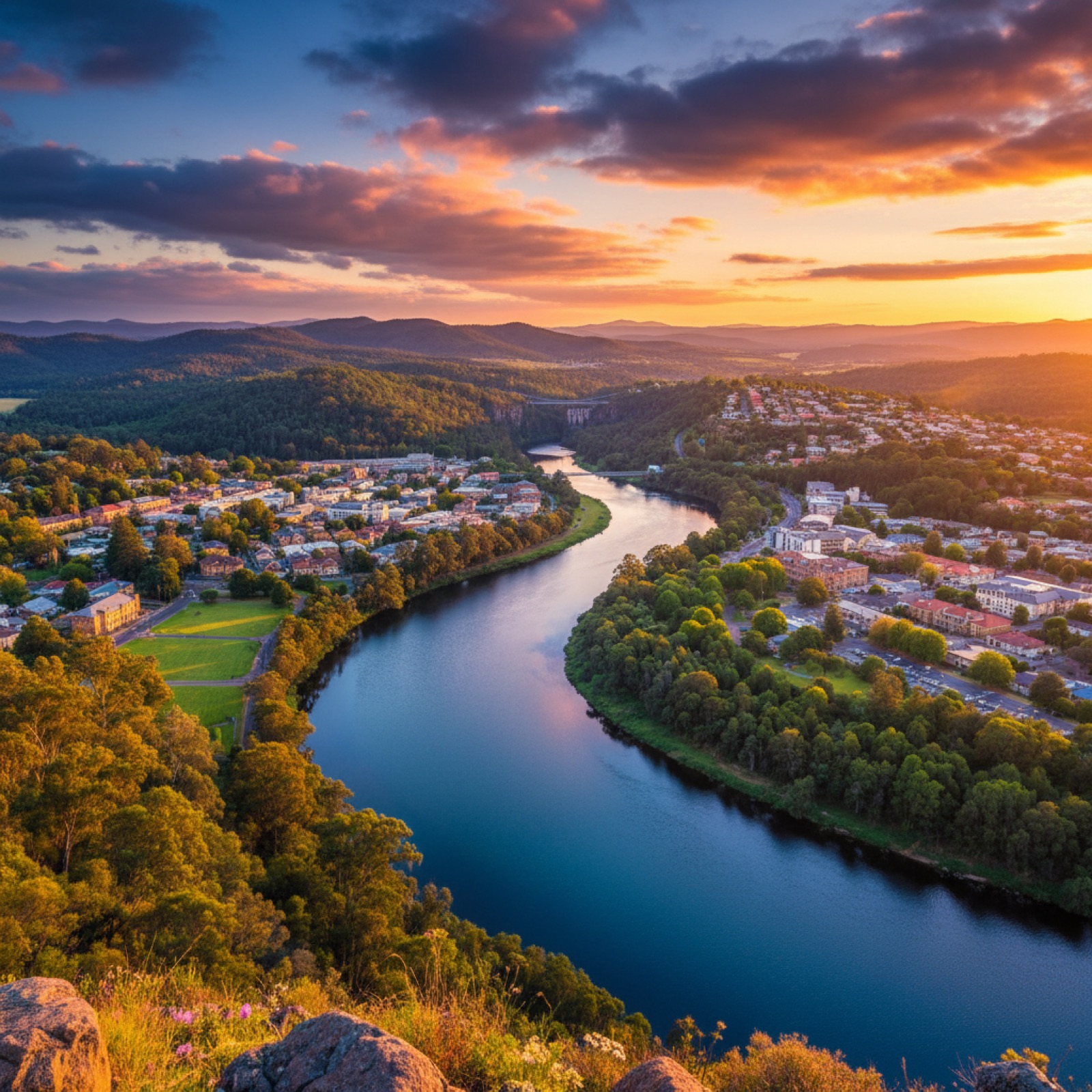
Launceston Travel Guide: Things to Do in Two Days
How to spend two days in Launceston: Cataract Gorge, the Tamar Valley cellar doors, City Park and the best cafes and pubs in town.
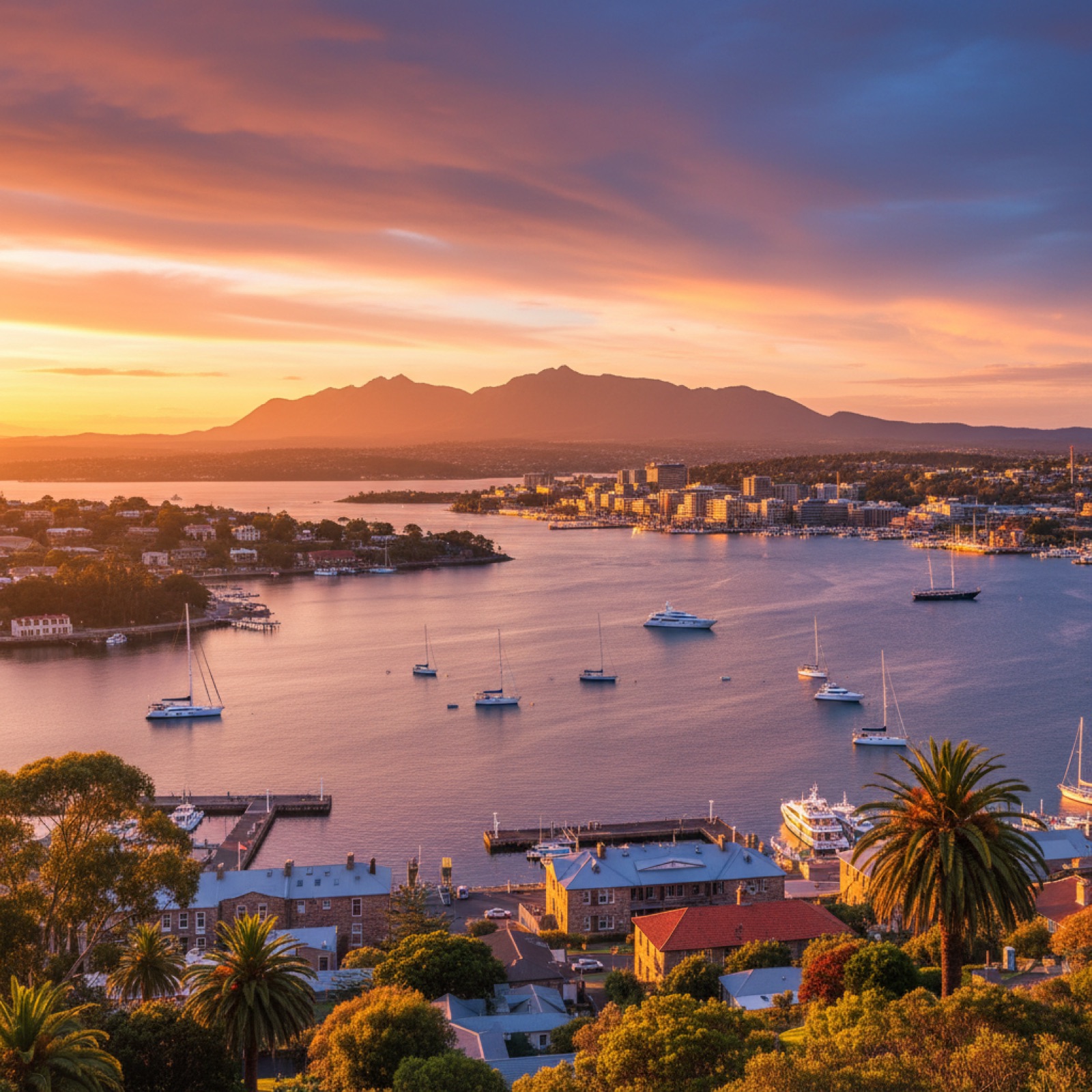
Hobart Travel Guide: Where to Eat, Stay and Explore
Three days in Hobart done properly: Salamanca Market, MONA, kunanyi/Mount Wellington, the best places to eat and where to base yourself.
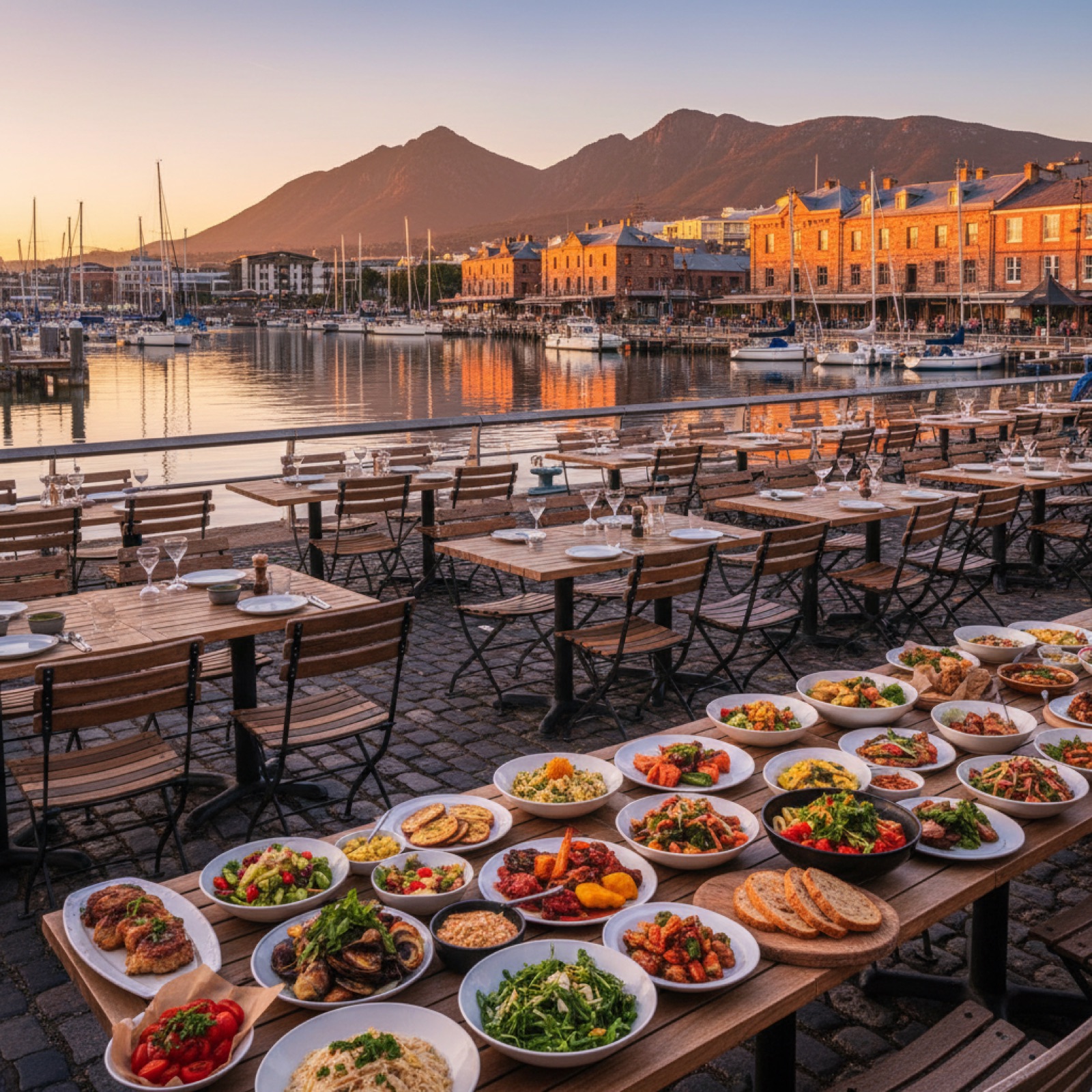
Where to Eat in Tasmania: Best Restaurants by Region
Where to eat in Hobart and Launceston, plus farm-to-table meals, seafood, fine dining, winery restaurants and cheaper options, with a…