Nepal Travel Guide: Kathmandu, Trekking and Seasons
Planning Nepal: trekking regions compared, permits, altitude, the two clear seasons and how to travel respectfully.
In this guide
- Quick Facts
- Arriving in the Kingdom of the Himalaya
- Kathmandu and the Valley of the Gods
- When to Go: Nepal's Distinct Seasons
- Choosing Your Trek: A Guide to the Main Regions
- Teahouse Trekking: Your Home in the Hills
- Guides, Porters, and Trekking Permits
- Taking Altitude Seriously: Acclimatisation
- Beyond the Mountains: Pokhara, Wildlife, and Pilgrimage
- Getting Around: Flights, Roads, and Patience
- Practicalities: Power, Photos, and Etiquette
- Insurance Is Not Optional
- Explore in Depth
- Frequently Asked Questions
- Final Thoughts
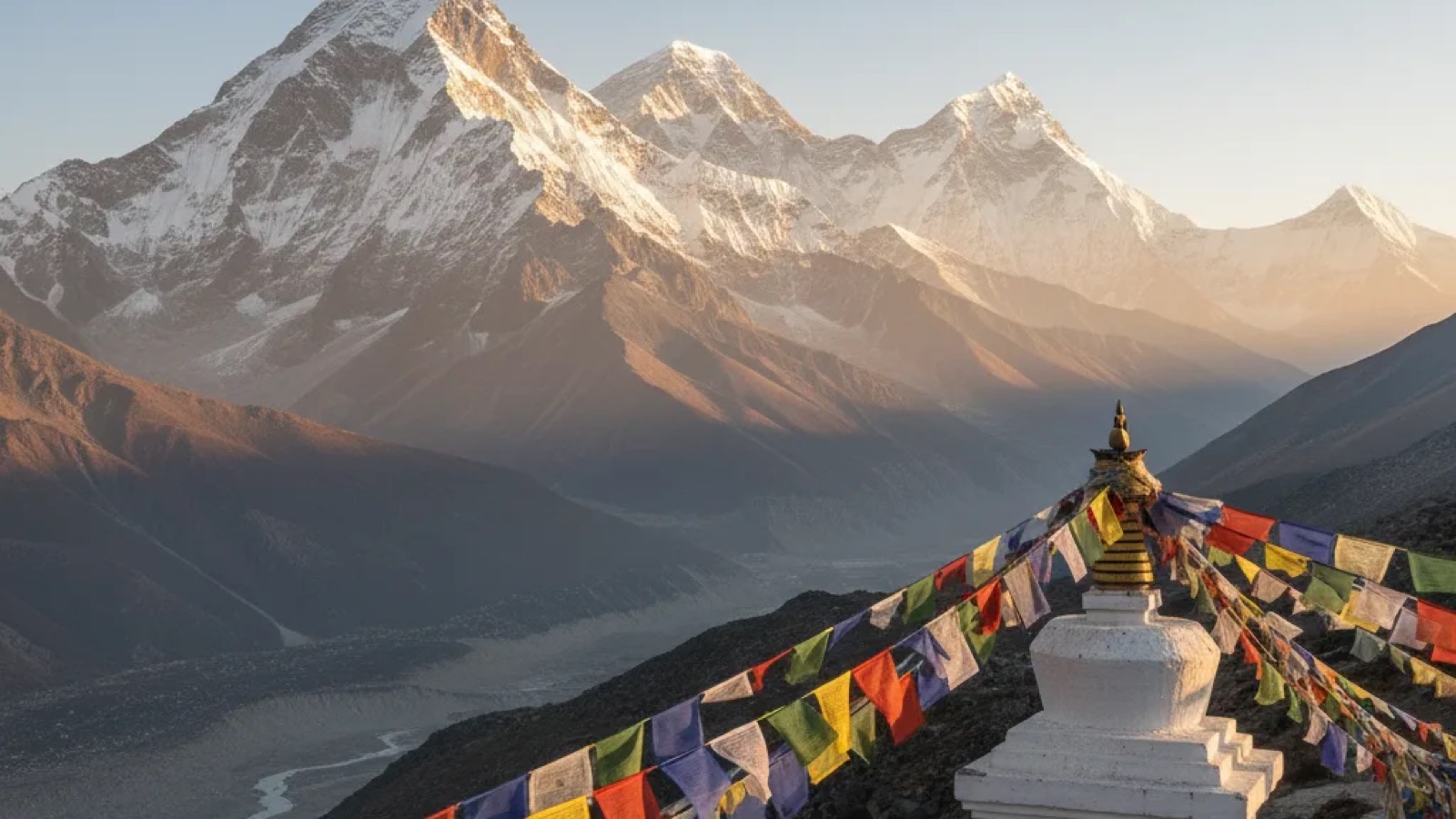
The air thins, and each breath feels deliberate, earned. At 5,100 metres, perched on a rocky outcrop above Gorak Shep, the last tiny settlement before Everest Base Camp, the world falls away into a theatre of giants. The Khumbu Glacier groans below, a river of ice carving its slow, inexorable path. As the sun dips, it kisses the summit of Nuptse, bathing its sheer western face in an unearthly pink glow. Everest, Lhotse, and their court of 8,000-metre peaks stand not as goals to be conquered, but as presences to be humbled by. You feel impossibly small, yet deeply connected to everything. This single moment, a blend of exhaustion, awe, and crisp Himalayan air, is the essence of Nepal.
This guide is an attempt to share that Nepal with you. It’s more than just mountains; it’s a country that works its way into your soul. We'll journey from the chaotic, mesmerising streets of Kathmandu to the serene shores of Pokhara, and deep into the heart of the world’s greatest trekking routes. We’ll cover the practicalities—the visas, the seasons, the teahouses, the all-important acclimatisation—and the cultural fabric that makes this place so unique. Whether you’re dreaming of your first high-altitude trek or a gentle immersion into Hindu and Buddhist culture, this is your starting point for an unforgettable adventure in the land of Sagarmatha and stupas.
Quick Facts
- Location: A landlocked country in South Asia, sandwiched between India to the south, east, and west, and China (Tibet) to the north. Home to eight of the world's ten highest peaks.
- Getting There: Tribhuvan International Airport (KTM) in Kathmandu is the primary point of entry for travellers; Gautam Buddha International (Bhairahawa) and Pokhara International airports opened in 2022 and 2023 but handle few international flights.
- Getting Around: A combination of domestic flights, tourist buses, local buses, and private 4WD vehicles. Travel by road is notoriously slow and often on rough terrain; patience is essential.
- Language & Currency: The official language is Nepali. English is widely understood in the main tourist hubs of Kathmandu, Pokhara, and on the major trekking routes. The currency is the Nepalese Rupee (NPR).
- Best Time to Visit: For trekking and clear mountain views, the best seasons are Autumn (October to November) and Spring (March to April).
Arriving in the Kingdom of the Himalaya
Flying into Kathmandu is an experience in itself. On a clear day, the final approach offers a staggering panorama of the Himalayan range—a white-toothed spine of rock and ice that seems to float above the clouds. Dropping below them, you descend into the Kathmandu Valley, a sprawling, dusty, vibrant bowl of cities and fields. Tribhuvan International Airport (KTM) can be a chaotic introduction. It's an old airport doing its best to handle a volume of traffic it was never designed for. Be prepared for queues.
Most nationalities can obtain a visa on arrival. The process typically involves filling out a form on a kiosk (or beforehand online, which can save time), paying a fee, and then queueing for the immigration official. However, visa regulations can and do change. It is absolutely essential that you check the latest requirements for your nationality on the official website of the Nepal Department of Immigration or your nearest Nepalese embassy well before you travel.
Once you’re through, the sensory assault begins. The jostle of taxi drivers, the scent of incense and exhaust fumes, the kaleidoscope of colour. A first arrival can be a blur of noise and confusion. The advice? Organise an airport transfer through your hotel for your first visit. It simplifies that initial, overwhelming step and gets you to the relative sanctuary of your room with minimal fuss. From there, your adventure truly begins.
Kathmandu and the Valley of the Gods
Kathmandu is not just a gateway; it's a destination. The city is a living museum, a frantic, fascinating blend of ancient traditions and modern pressures. Most travellers start in Thamel, the tourist ghetto, a labyrinth of narrow streets packed with trekking gear shops, bakeries, bars, and guesthouses. It’s a great place to organise trekking logistics, but the real magic of the valley lies just beyond.
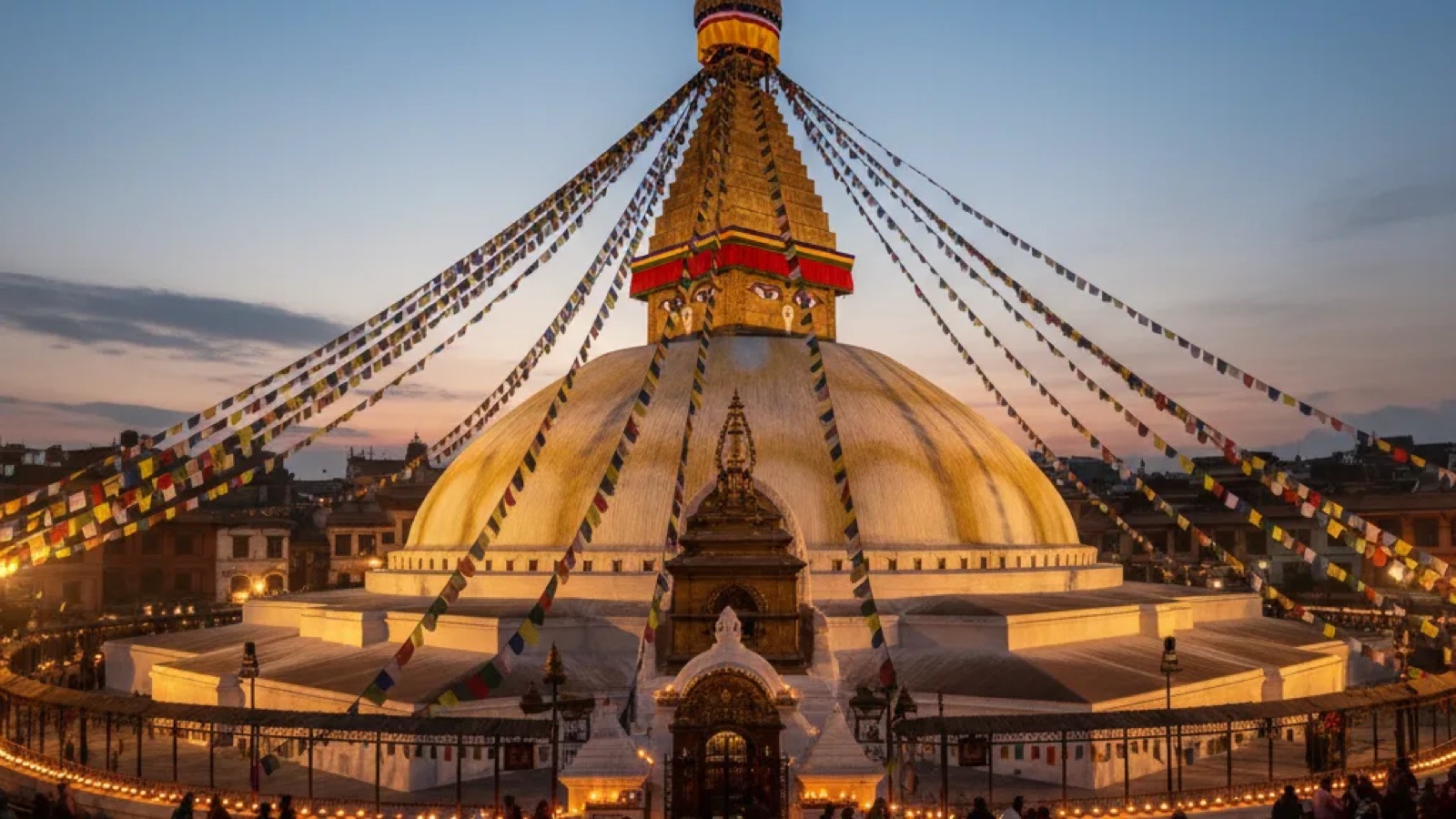
Make your way to Boudhanath Stupa, one of the world's largest, and join the pilgrims walking clockwise (kora) around its white dome, spinning prayer wheels as they go. The all-seeing eyes of the Buddha gaze out from the central tower, a profound sense of peace settling over the courtyard, especially at dusk. Then there's Swayambhunath, the "Monkey Temple," perched on a hill overlooking the city. Climbing the steep steps is a workout, but the view and the playful antics of the resident monkeys are worth it.
A visit to Pashupatinath Temple, on the banks of the Bagmati River, offers a powerful, confronting look at the cycle of life and death in the Hindu faith. It is the site of public cremations, a ceremony that is deeply spiritual and treated with reverence. Visitors should be respectful and observe from a distance. The valley also holds the ancient cities of Patan and Bhaktapur, each with its own Durbar Square (Royal Square) showcasing stunning Newari architecture. While the 2015 earthquake caused devastating damage, particularly in Bhaktapur and at Kathmandu Durbar Square, the meticulous work of reconstruction is a testament to the resilience of the Nepali people. Many temples have been beautifully restored.
When to Go: Nepal's Distinct Seasons
Timing your trip to Nepal is crucial, as the weather dictates everything, especially if you plan to trek. The country has two main, glorious trekking seasons.
Autumn (October – November) is considered the absolute best time to visit. The monsoon has just passed, washing the dust from the atmosphere and leaving behind crisp, clear blue skies. The views of the high Himalaya are at their most spectacular and reliable. The temperature is moderate and comfortable at lower altitudes, though it gets cold quickly as you go higher. The downside? This is peak season. The main trails, like the Everest Base Camp and Annapurna Sanctuary treks, can be very busy.
Spring (March – April) is the second-best window. The weather begins to warm up after the cold of winter, and the trails come alive with colour as the rhododendron forests, Nepal’s national flower, burst into bloom. It’s a photographer’s dream. The trade-off is that the air is often hazier than in autumn due to more dust, which can sometimes obscure the long-distance mountain views, especially at lower elevations.
Monsoon (late May/June – September) brings heavy, persistent rain to most of the country. This means leeches on the trail, landslides that can block roads and trails, and mountain views that are almost completely hidden by cloud. Most trekking is not recommended, with the significant exception of regions in the Himalayan rain shadow, like Upper Mustang and parts of the Annapurna Circuit, which remain relatively dry.
Winter (December – February) is cold, especially at altitude. The days can be clear and sunny, but temperatures plummet at night, and snow can block high passes like the Thorong La on the Annapurna Circuit or the Cho La in the Everest region, making them impassable. Lower-elevation treks are still very possible and offer the advantage of quiet trails.
Choosing Your Trek: A Guide to the Main Regions
Nepal’s treks are legendary, and choosing the right one can feel daunting. Each region has its own unique character, challenges, and rewards. Here’s a breakdown of the most popular areas.
Everest Region (Khumbu)
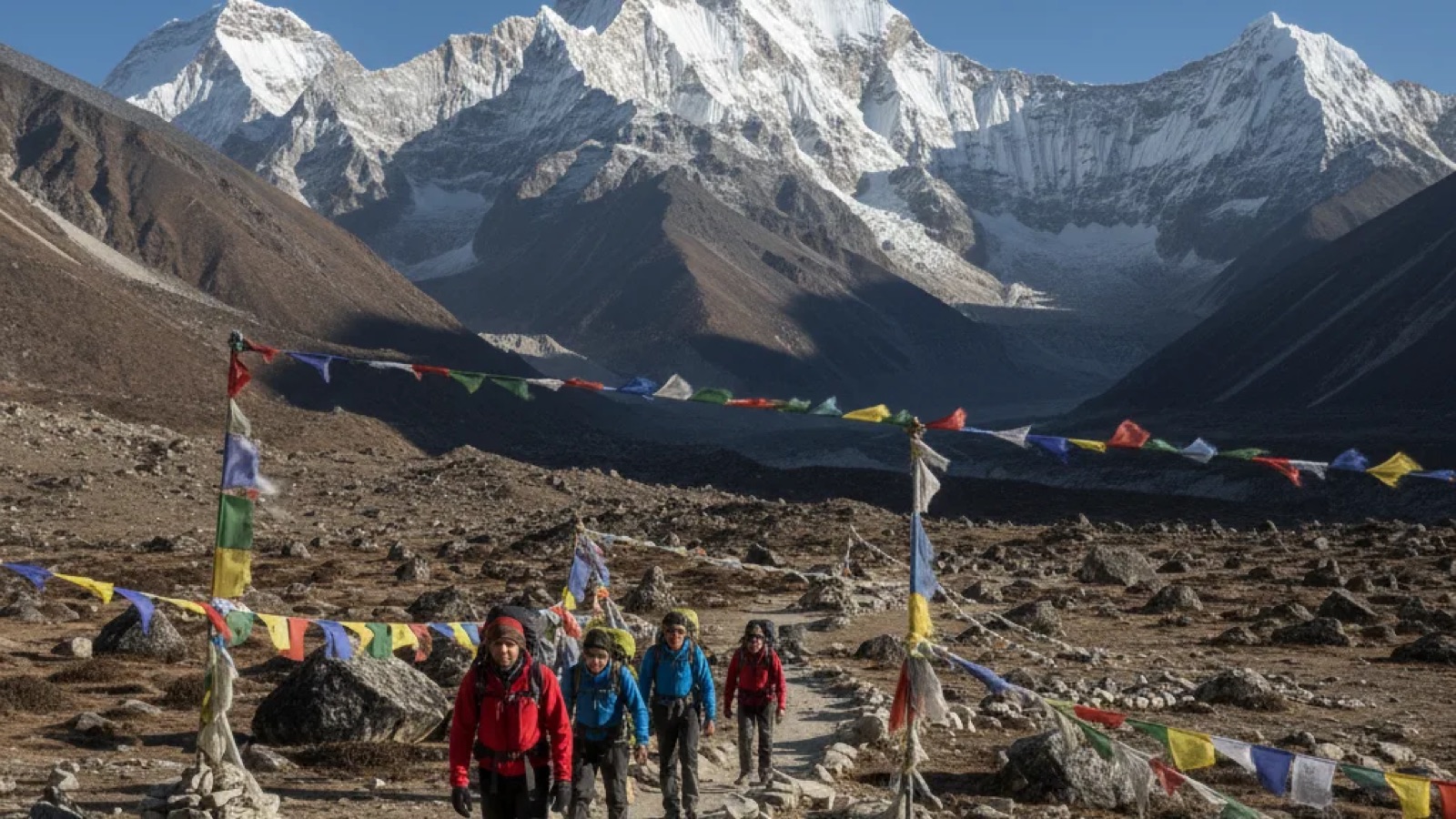
This is the big one, the land of the Sherpa people, dominated by Sagarmatha (Mount Everest). The classic Everest Base Camp (EBC) trek is a bucket-list journey for many. It's a high-altitude, out-and-back route that takes you through bustling Sherpa towns like Namche Bazaar and past incredible monasteries like Tengboche. You are constantly surrounded by some of the world's most famous peaks. Who it's for: Trekkers who want to see Everest up close and experience the unique Sherpa culture. It requires good fitness and a commitment of at least 12-14 days. The altitude is a serious factor here.
Annapurna Region
The most diverse trekking region in Nepal. It offers everything from short, gentle walks to one of the world's great long-distance hikes.
- The Annapurna Circuit: The classic, a multi-week trek that traditionally circumnavigated the entire Annapurna massif. It offers an incredible cross-section of Nepal, from lush subtropical forests in the foothills to an arctic-like landscape as you cross the 5,416-metre Thorong La pass. While road construction has altered the trail, it remains a world-class journey.
- Annapurna Base Camp (ABC) / Annapurna Sanctuary: A shorter, spectacular trek that takes you into a natural amphitheatre of giant peaks, including Annapurna I. It’s an in-and-out route, more focused on high mountain scenery than cultural diversity.
- Poon Hill Trek: A wonderful short trek (4-5 days) that’s perfect for those with limited time or who want a taste of Himalayan trekking without the commitment to high altitude. The sunrise view from Poon Hill over the Annapurna and Dhaulagiri ranges is justifiably famous.
Langtang Valley
Located just north of Kathmandu, the Langtang region is often called the most accessible of the high-Himalayan treks. The valley was tragically devastated by a landslide triggered by the 2015 earthquake, but the teahouses have been rebuilt and the resilient local Tamang community has been welcoming trekkers back. The trek up the valley is a beautiful, relatively quiet journey towards the glaciers near the Tibetan border. Who it's for: Those seeking a shorter (7-10 day) trek with a strong cultural element and fewer crowds than Everest or the Annapurnas.
Manaslu and Mustang
For those seeking something more remote. The Manaslu Circuit is a challenging, restricted-area trek that circles the world's eighth-highest peak. It feels like the Annapurna Circuit did 20 years ago—more rugged, less infrastructure, and profoundly beautiful. Upper Mustang, another restricted area, is a different world entirely. It's a high-altitude desert kingdom, a slice of Tibet within Nepal, with incredible wind-carved canyons, ancient monasteries, and a unique culture. Who it's for: Experienced trekkers looking to get off the beaten path. Both require special permits and mandated guides.
Teahouse Trekking: Your Home in the Hills
One of the joys of trekking in Nepal's main regions is the teahouse system. Forget carrying tents and cooking gear; your accommodation and meals are waiting for you in small, family-run lodges all along the trail. The setup is simple but effective. Rooms are typically basic, often just two wooden sleeping platforms with a mattress, and rarely heated. You’ll need a good sleeping bag for warmth and a bit of comfort. Toilets and showers can range from a rustic outhouse to a shared bathroom with a solar-powered hot shower (for which you often pay a small extra fee).
The heart of every teahouse is the dining room. Warmed by a pot-bellied stove in the centre (often fuelled by dried yak dung at high altitudes), this is where trekkers from all over the world gather in the evenings. You’ll share stories, play cards, and pore over maps with other trekkers. The menus can be surprisingly extensive, but the undisputed king of trekking food is dal bhat. This staple meal of lentil soup, rice, and vegetable curry is what fuels guides, porters, and trekkers alike. The best part? It’s usually served with free refills. As the saying goes: "Dal bhat power, 24 hour!"
Guides, Porters, and Trekking Permits
Organising your trek involves a few key decisions. The first is whether to hire a guide and/or a porter.
A guide is a licensed professional who speaks English, knows the trail, the culture, the teahouses, and can manage your day-to-day logistics. They are invaluable for safety, providing context, and handling any problems that arise. A porter is someone who carries your main pack, leaving you free to walk with just a small daypack. For many, a porter-guide is a great compromise—they carry a lighter load than a full porter but also perform the duties of a guide.
Hiring local staff is a direct way to support the mountain economy. It is vital to ensure they are treated fairly. This means ensuring they have proper clothing and footwear, adequate insurance (especially helicopter evacuation), and are not asked to carry an unsafe amount of weight. Reputable trekking companies, both international and local, will have clear policies on this.
Trekking in Nepal requires permits. This typically includes a TIMS (Trekkers' Information Management System) card and a National Park or Conservation Area Permit for the specific region you are entering. These are checked at various points along the trail. Some areas, like Manaslu and Upper Mustang, are restricted and require more expensive special permits and a mandatory guide.
Important Note: The rules regarding whether an independent trekker needs to hire a guide have changed and been subject to frequent updates. For a long time, it was possible to trek many major routes independently. However, new regulations have been introduced. You must check the latest, official rules with the Nepal Tourism Board or a reputable, registered trekking agency before making any plans. Do not rely on old blog posts or forum advice.
Taking Altitude Seriously: Acclimatisation
This is perhaps the most important section in this guide. Acute Mountain Sickness (AMS), or altitude sickness, is a serious and potentially fatal condition. It has nothing to do with your physical fitness; marathon runners can be laid low while older, slower walkers are fine. It’s all about how your body adapts to the reduced oxygen at high altitudes.
The golden rule is to ascend slowly. A common guideline is not to increase your sleeping altitude by more than 300-500 metres per day once you are above 3,000 metres. The mantra is "climb high, sleep low." You can, and should, take day hikes to higher elevations, but always return to a lower altitude to sleep.
Proper acclimatisation is built into any well-designed trekking itinerary. Those "rest days" in places like Namche Bazaar on the EBC trek aren't for lazing around; they're for taking an acclimatisation hike and letting your body catch up. Listen to your body. Common symptoms of AMS include headache, nausea, dizziness, fatigue, and loss of appetite. If you feel unwell, do not ascend further. Rest, hydrate, and if symptoms don’t improve or get worse, descend immediately. A descent of even a few hundred metres can make a massive difference. Talk to your guide; they are trained to recognise the symptoms. Do not ignore them. Your trek ends the moment you compromise on safety.
Beyond the Mountains: Pokhara, Wildlife, and Pilgrimage
There is so much more to Nepal than just the high peaks. Pokhara is the country's second city and the perfect antidote to the intensity of Kathmandu. Set on the beautiful Phewa Lake with the Annapurna range providing a spectacular backdrop (on a clear day!), it’s a place to relax and unwind. You can hire a boat on the lake, hike up to the World Peace Pagoda for sunset, or try paragliding for one of the world's most scenic flights. It's the chilled-out adventure capital and the main gateway for treks in the Annapurnas.
Head south to the Terai lowlands, and you'll find a completely different Nepal. This flat, subtropical jungle region is home to Chitwan National Park, a UNESCO World Heritage site. Here, you can go on jeep safaris or guided walks in search of the one-horned rhinoceros, deer, monkeys, and if you are exceptionally lucky, the elusive Bengal tiger. Further west and much more remote is Bardia National Park, which offers a wilder, more off-the-beaten-track wildlife experience.
For a spiritual journey, travel to Lumbini in the western Terai. Also a UNESCO site, it is revered by millions of Buddhists as the birthplace of Siddhartha Gautama, the Lord Buddha. The Sacred Garden contains the spot where he was born, and the surrounding area is a peaceful zone of monasteries built by Buddhist communities from all over the world.
Getting Around: Flights, Roads, and Patience
Navigating Nepal is an adventure in itself. The country's topography makes travel slow and often challenging.
Domestic flights are the fastest way to get between major hubs like Kathmandu, Pokhara, and Lukla (the gateway to the Everest region). They offer incredible views but are notoriously dependent on weather. Delays of hours, or even days, are common, especially for mountain airports like Lukla where clear visibility is non-negotiable. It's crucial to build buffer days into your itinerary. It is also important to be aware that Nepal has a poor aviation safety record. Before you fly, it is sensible to check the current travel advisory from your government and choose airlines with a better reputation if possible.
Road travel is the more common method. "Tourist buses" offer a relatively comfortable and affordable way to travel between Kathmandu, Pokhara, and Chitwan. The journeys are long and winding. A 200-kilometre trip can easily take 7-9 hours due to road conditions, traffic, and terrain. Hiring a private car or 4WD jeep is more expensive but offers more comfort, speed (relatively speaking), and the flexibility to stop for photos. For the truly adventurous, local buses are a cheap and colourful way to travel, but expect a crowded and bone-jarring ride.
Practicalities: Power, Photos, and Etiquette
A few final things to keep in mind. Power cuts, known as "load-shedding," were once a defining feature of life in Nepal. While the situation has improved dramatically, outages can still occur, especially on trek. Most teahouses have solar power and will charge a fee to recharge your devices. A good power bank is an essential piece of kit.
For photographers, Nepal is a land of extremes. The dynamic range between bright, snow-covered peaks and deep, shadowed valleys is huge. It’s worth bracketing your exposures. Dust is a constant enemy, so keep your camera in a sealed bag when not in use and carry a sensor-cleaning kit if you're comfortable using one. Be mindful when photographing people. Always ask for permission before taking a close-up portrait. A smile and a "Namaste?" goes a long way. Many older people, particularly in remote areas, may not wish to be photographed.
Culturally, Nepalis are warm and tolerant. A few points of etiquette will be appreciated. "Namaste" (Nah-ma-stay), with palms pressed together, is the all-purpose greeting. Dress modestly when visiting religious sites—cover your shoulders and knees. Remove your shoes before entering a temple or a private home. Always walk clockwise around Buddhist stupas and monuments. Use your right hand for giving, receiving, and eating; the left hand is considered unclean.
Insurance Is Not Optional
This can't be stated strongly enough: if you are trekking in Nepal, you must have comprehensive travel insurance. And not just any policy—it must explicitly state that it covers you for high-altitude trekking (up to 6,000 metres for most popular treks) and emergency helicopter evacuation. Helicopter rescue is the only way to get out of a life-threatening situation in the high mountains, and the cost is astronomical. Your insurance company will need to guarantee payment before a chopper is even dispatched. Read the fine print of your policy carefully. If you can't afford insurance, you can't afford to trek in Nepal. It's that simple.
Explore in Depth
This guide provides a country-wide overview. For a more detailed look at specific journeys, dive into the dedicated guides that cover the day-by-day experience and granular details you'll need on the trail and in the city.
Frequently Asked Questions
Do I absolutely need to hire a guide to trek in Nepal?
The rules on this have been changing. For many years, independent trekking was common on routes like the Annapurna and Everest Base Camp trails. However, the government has moved towards making guides mandatory for all foreign trekkers to enhance safety and create employment. Because this policy is subject to change and enforcement can vary, it is absolutely critical to check the very latest regulations directly from the official Nepal Tourism Board website before you finalise your plans. For restricted areas like Manaslu or Upper Mustang, a guide has always been, and remains, mandatory.
How fit do I really need to be for a trek like Annapurna or Everest Base Camp?
You don't need to be a mountaineer, but you do need very good cardiovascular fitness. The key is endurance, not speed. You'll be walking for 5-7 hours a day, for many consecutive days, often with significant daily ascents and descents. The best preparation is hiking on hilly terrain for several hours with a daypack. Consistent training like running, cycling, or swimming for a few months before your trip will make a huge difference. Most importantly, mental stamina is just as crucial as physical fitness, especially when dealing with the altitude and basic conditions.
As a solo female traveller, is Nepal a safe destination?
Nepal is generally considered a safe country for solo travellers, including women. Nepali culture is respectful and violent crime against foreigners is rare. However, it's wise to take the same precautions you would anywhere. Dress modestly, especially in rural areas and when visiting religious sites, to respect local sensibilities. Avoid walking alone at night in unlit areas. When trekking, joining a group or hiring a reputable guide is a good safety measure. Many solo women have incredible experiences in Nepal, finding the people to be welcoming and protective.
I've heard about "dal bhat power." What exactly is it?
Dal bhat is more than just a meal; it's the fuel of Nepal. The dish consists of a pile of steamed rice (bhat) and a thin, flavourful lentil soup (dal). It's almost always accompanied by a vegetable curry (tarkari) and sometimes a small portion of pickles (achar). On the trekking trails, it's the staple diet for guides, porters, and trekkers. The "power" comes from it being a fantastic source of carbohydrates and protein, perfect for long days of walking. The best part is that in teahouses, you're almost always offered free refills of the rice, dal, and curry, making it fantastic value and ensuring you're fully energised.
Is it possible to trek in Nepal during the monsoon season?
For most of Nepal, trekking during the monsoon (roughly June to September) is not recommended. The trails become muddy and slippery, leeches are abundant, roads can be blocked by landslides, and the mountain views are usually completely obscured by clouds. Domestic flights are frequently cancelled. However, there are exceptions. Regions that lie in the Himalayan "rain shadow," such as Upper Mustang and parts of the Annapurna Circuit north of the main Himalayan chain, receive significantly less rainfall and can be excellent monsoon trekking destinations, offering a unique opportunity to see the landscape in a different, greener light.
Final Thoughts
Nepal has a way of resetting your perspective. It’s a country that challenges you physically, engages you spiritually, and rewards you with moments of profound clarity. The scale of the landscape is humbling, but it’s the warmth and resilience of the Nepali people that truly define the experience. From the first "Namaste" shared on a dusty trail to the quiet satisfaction of sipping a hot masala tea while gazing at a 7,000-metre peak, the memories you make here will be etched deep.
To travel in Nepal is to embrace uncertainty, to find joy in simplicity, and to walk with a sense of wonder. It demands patience and a sense of humour, but it gives back so much more. Go with an open heart, walk slowly, and let the mountains work their magic on you. You won't leave the same person you were when you arrived.
More Nepal guides
Everest Base Camp Trek: What to Expect
An honest look at the EBC trek: the day-by-day route, altitude, Lukla, teahouse life, fitness and the seasons that work.
Kathmandu Guide: Temples, Thamel and the Valley
Kathmandu without the overwhelm: Durbar Squares, Boudhanath and Pashupatinath, Thamel, air quality and valley day trips.