Singapore Travel Guide: Three Days in the City
Three days in Singapore: Marina Bay, the heritage quarters, green corridors and hawker centres, plus transport, heat and the laws worth knowing.
In this guide
- Quick Facts
- Planning Your Three Days in Singapore
- Day One: The Iconic Skyline and Colonial Heart
- Day Two: A Tapestry of Cultures
- Day Three: Green Escapes and Island Fun
- The Heart of Singaporean Life: Hawker Centres
- Navigating the Lion City
- Essential Know-Before-You-Go
- Frequently Asked Questions
- Final Thoughts
- Explore in Depth
Land in Singapore and what strikes you first isn't the futuristic skyline or the legendary cleanliness. It's the air. Step out of Changi Airport and you're wrapped in a blanket of heat so thick and fragrant it feels alive: a heady mix of frangipani blossoms, diesel fumes, and the distant, tantalising promise of cooking spices. It's the smell of the tropics, supercharged, and the city’s constant reminder that beneath the polished glass and steel beats a vibrant, equatorial heart.
Singapore evolves at a dizzying pace, yet its core paradox remains. It's a place where you can wander through a primeval-feeling rainforest canopy in the morning and sip a cocktail atop one of the world's most audacious architectural marvels that same evening. It's a city where century-old temples sit peacefully in the shadows of shimmering office towers, and where four official languages mingle in the symphony of a bustling hawker centre. Singapore is far more than a convenient stopover; it’s a destination that rewards the curious traveller with layers of culture, flavour, and unexpected wilderness.
Quick Facts
- Language: Singapore has four official languages: English, Mandarin, Malay, and Tamil. English is the language of business, government, and is spoken almost universally, making communication a breeze for most travellers.
- Getting Around: The Mass Rapid Transit (MRT) system is phenomenal—clean, efficient, and comprehensive. It’s the best way to navigate the city. Taxis and ride-sharing services are also plentiful.
- Power: Sockets are Type G, the same three-pronged plug used in the United Kingdom.
- Water: The tap water in Singapore is of a high quality and is perfectly safe to drink.
- Connectivity: Wi-Fi is fast and widely available in public areas, shopping centres, and on the public transport network.
Planning Your Three Days in Singapore
Three days is an ideal amount of time to get a real feel for Singapore, allowing you to experience its iconic highlights, dive into its cultural neighbourhoods, and even escape into nature. The key to maximising your time is to plan geographically. This itinerary is designed to group attractions logically, minimising travel time and letting you soak in the atmosphere of each district. On day one, we'll tackle the spectacular modern skyline. Day two is a deep dive into the city's multicultural soul. And day three offers a choice between lush greenery and island leisure.
If you're here for a shorter period, perhaps on a long layover, you may want to focus on the more condensed experiences outlined in our dedicated Singapore stopover guide. But with three full days, you have the luxury of exploring deeper. Wear comfortable shoes, carry a water bottle, and prepare for an adventure that engages all your senses.
Day One: The Iconic Skyline and Colonial Heart
Your first day is all about embracing the Singapore you've seen in photographs. This is the city of audacious architecture, glittering water, and grand colonial remnants, all clustered around the magnificent Marina Bay and the historic Singapore River.
Marina Bay Sands and the SkyPark Observation Deck
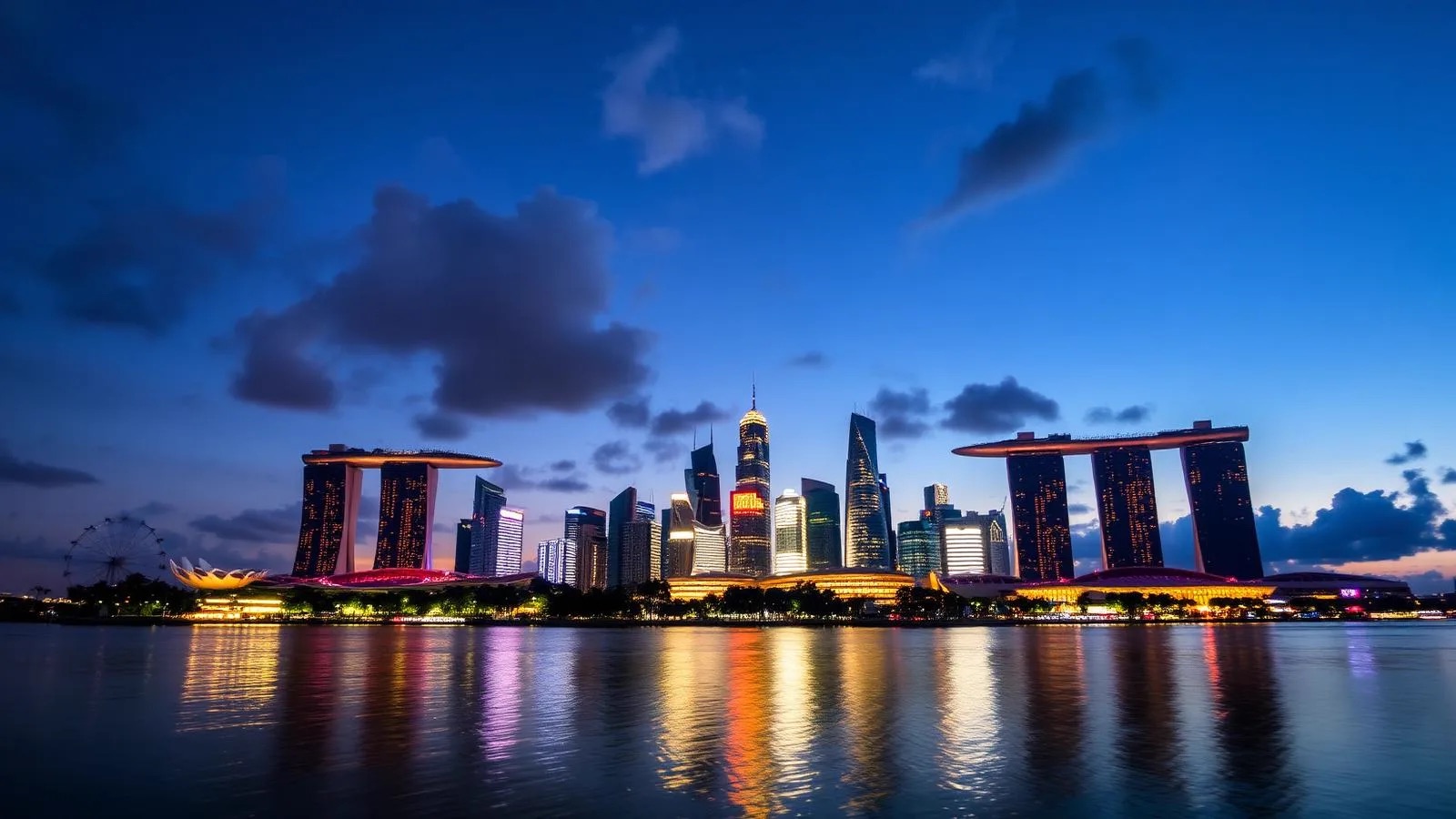
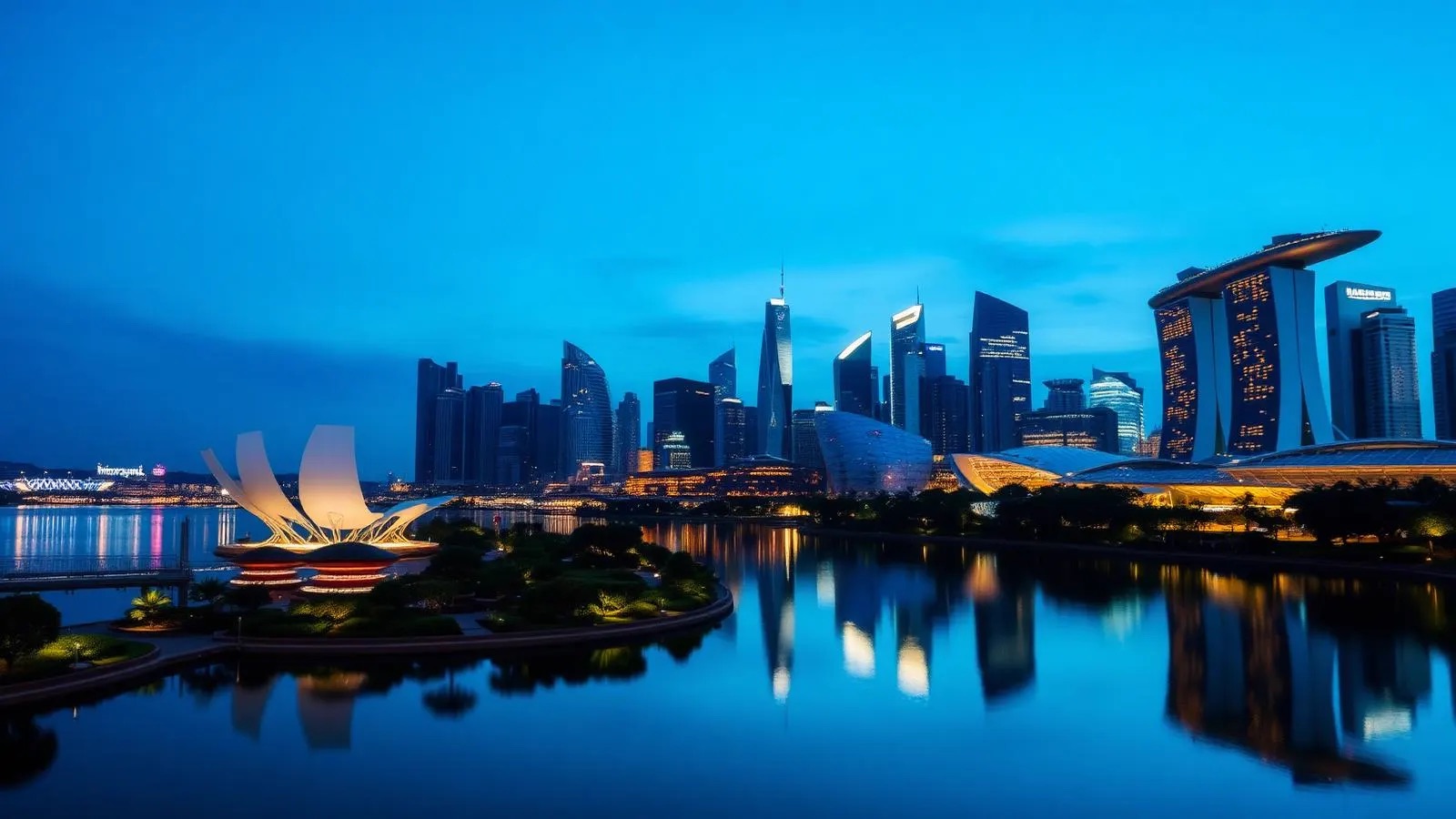
You can't miss it. The three soaring towers of the Marina Bay Sands hotel, crowned by a ship-like cantilevered platform, have redefined the city's skyline. While the famous infinity pool is reserved for hotel guests, the SkyPark Observation Deck is open to the public and offers one of the most breathtaking panoramic views in all of Asia. From 57 storeys up, you can map out your entire trip, gazing across the bay to the financial district, the Gardens by the Bay, and the dozens of ships queuing for the port. Go in the late afternoon to see the city in daylight, watch the sunset, and then witness the skyline transform into a galaxy of lights. Remember to check the official website for opening hours and current ticket information.
Gardens by the Bay
Adjacent to Marina Bay Sands is a horticultural wonderland that feels like a scene from a science fiction film. Gardens by the Bay is a testament to Singapore's "City in a Garden" vision. The main outdoor areas are free to wander, and the highlight for many is the Supertree Grove. These colossal, tree-shaped vertical gardens are incredible by day, but they truly come alive at night during the Garden Rhapsody light and sound show. It's a genuinely magical experience to lie on the grass and watch the Supertrees dance with light.
Don't skip the ticketed conservatories. The Cloud Forest is the standout. You enter at the base of a towering indoor mountain veiled in mist and covered in lush vegetation, complete with a 35-metre indoor waterfall. You then take a lift to the top and descend via winding treetop walkways. The Flower Dome is a gentler experience, a vast, cool conservatory replicating a Mediterranean climate and showcasing flowers and plants from around the globe. It's a beautiful, fragrant, and welcome respite from the tropical heat.
The Merlion and the Fullerton Heritage Precinct
A short walk around the bay will bring you to Merlion Park. Here stands the city's official mascot, the Merlion, a mythical creature with the head of a lion and the body of a fish. It's an unmissable photo opportunity, with the statue spouting water into the bay against the backdrop of the Marina Bay Sands complex. The lion head symbolises Singapore's original name, Singapura (Lion City), while the fish body represents its origins as a fishing village.
The area around the Merlion is part of the Fullerton Heritage Precinct, a beautifully preserved cluster of colonial-era buildings. The grand dame is the former General Post Office, now a luxury hotel, standing proudly at the mouth of the Singapore River. The juxtaposition of this stately neoclassical architecture against the ultra-modern skyline across the water captures the essence of Singapore's story.
Boat Quay and Clarke Quay
From the Merlion, wander upstream along the Singapore River. You’ll first hit Boat Quay, a row of restored shophouses that once housed warehouses and merchants' offices. Today, they're filled with riverside restaurants and bars. It’s a bit tourist-heavy, but the view of the financial district skyscrapers towering over the colourful, low-rise shophouses is fantastic.
Continue further to reach Clarke Quay. This area has been given a more modern, polished makeover, with its warehouses converted into a vibrant hub for nightlife. The area is covered by giant, umbrella-like canopies, making it an all-weather destination. For a different perspective, consider taking an evening river cruise from here. Seeing the illuminated bridges, the lit-up skyline of Marina Bay, and the bustling quays from the water is a genuinely memorable way to cap off your first day.
Day Two: A Tapestry of Cultures
Today is about leaving the gleaming modern centre and diving into the rich, multicultural heart of Singapore. The city's distinct ethnic enclaves are not just tourist attractions; they are living, breathing communities where history and daily life intertwine. Prepare for a sensory explosion of sights, sounds, and smells.
Chinatown's Rich Heritage
Singapore's Chinatown is a bustling maze of narrow streets, traditional shophouses, and vibrant markets. Start your exploration at the immense and magnificent Buddha Tooth Relic Temple and Museum. Even if you're not religious, the architecture and the sheer opulence of the interiors are astounding. Inside, you can observe chanting monks and explore museum floors detailing the history of Buddhism.
Just a few streets away, you'll find the Sri Mariamman Temple, Singapore's oldest Hindu temple. Its ornate gopuram (entrance tower), covered in sculptures of deities, is a riot of colour. Stepping inside this Hindu sanctuary located right in the heart of Chinatown is a powerful reminder of Singapore's cross-cultural fabric. Spend time wandering through the streets, browsing the market stalls selling everything from silk robes to souvenir trinkets, and be sure to stop by the Chinatown Complex Food Centre, one of the city's largest hawker centres, for an authentic lunch.
Little India's Sensory Overload
A short MRT ride takes you to another world entirely. Little India is a shock to the senses in the best possible way. The air is thick with the scent of incense, jasmine garlands, and aromatic spices. Shopfronts overflow with colourful saris, gold jewellery shines in windows, and Bollywood music pumps from speakers. The main thoroughfare, Serangoon Road, is the district's spine.
Explore the Tekka Centre, a multi-purpose complex with a wet market on the ground floor selling fresh produce and meats, and a fantastic hawker centre serving incredible Indian cuisine. Visit the Sri Veeramakaliamman Temple, dedicated to the fierce goddess Kali, a vibrant and active place of worship. For a unique shopping experience, seek out the massive, round-the-clock shopping complex in the area, a treasure trove where you can find practically anything imaginable.
Kampong Glam: Old Malay Quarter Meets Modern Cool
Next, we head to the historic Malay-Arab quarter, Kampong Glam. The area is dominated by the majestic, golden-domed Sultan Mosque, the spiritual heart of Singapore's Muslim community. The surrounding streets, like Arab Street, are famous for their textile shops, selling beautiful fabrics, carpets, and handmade perfumes. The atmosphere here feels distinctly different—more laid-back than Chinatown or Little India.
Running parallel to Arab Street is the impossibly hip Haji Lane. This narrow alleyway is a canvas for vibrant street art and is packed with independent fashion boutiques, quirky lifestyle shops, and cool cafes. The contrast is brilliant: one moment you're absorbing the historic reverence of Sultan Mosque, and the next you're browsing eclectic designs in a trendy shop. It’s the perfect fusion of Singapore's past and its creative present.
Joo Chiat and Katong: The Peranakan Legacy
For a dose of pure architectural eye-candy, you'll need to venture a little further east to the neighbourhoods of Joo Chiat and Katong. This area is the heartland of Peranakan culture. The Peranakans are descendants of early Chinese migrants who settled in the Malay archipelago and blended their customs with local Malay traditions. This unique fusion is most beautifully expressed in their architecture and food.
The main draw here is the rows of immaculately preserved pre-war shophouses, painted in a stunning palette of pastel colours and adorned with intricate floral tiles and decorative flourishes. The stretch along Koon Seng Road is particularly famous and a photographer's dream. While it's a bit of a journey from the city centre (a bus or taxi is easiest), the visual reward is more than worth it. It feels like stepping into a different, more genteel and colourful era of Singapore's history.
Day Three: Green Escapes and Island Fun
For your final day, the choice is yours: delve into the lush, green spaces that have earned Singapore its "City in a Garden" moniker, or unwind on the resort island of Sentosa. It’s a chance to see a different side of the city, away from the urban hustle.
Option 1: The Green Adventure
Many visitors are surprised to learn that nearly half of Singapore is under green cover. The city has done a remarkable job of weaving nature into its urban fabric, and there are several world-class parks and reserves to explore.
Singapore Botanic Gardens
The first and only tropical botanic garden on the UNESCO World Heritage list, the Singapore Botanic Gardens is a stunning 82-hectare oasis just a stone's throw from the bustling Orchard Road shopping district. It's a place of rolling lawns, serene lakes, and pockets of remnant rainforest. The jewel in its crown is the National Orchid Garden, which requires a separate entrance fee. Here you'll find a breathtaking collection of over 1,000 species and 2,000 hybrids, including the national flower, Vanda Miss Joaquim. It’s the perfect spot for a peaceful morning stroll.
The Southern Ridges
For active travellers and walkers, the Southern Ridges offer a ten-kilometre trail of green, open spaces connecting several parks. The trail takes you through the canopy of the forest on elevated walkways and bridges. The absolute highlight is Henderson Waves, Singapore's highest pedestrian bridge, which undulates like a giant wooden serpent through the treetops. The views of the city and the harbour from here are spectacular. It’s a fantastic way to get some exercise while enjoying unique perspectives of the urban landscape.
MacRitchie Reservoir Park and the Treetop Walk
If you're feeling more adventurous, head to MacRitchie Reservoir, Singapore's oldest reservoir. This is the gateway to a large central nature reserve. The park is popular with kayakers and trail runners, but the main attraction for hikers is the Treetop Walk. This is a 250-metre long, free-standing suspension bridge connecting the two highest points in the reserve, giving you a monkey's-eye view of the forest canopy. The full round-trip hike to the bridge and back is around 10 kilometres, so allow at least three to four hours. Keep an eye out for long-tailed macaques and other wildlife, but remember not to feed them.
Option 2: Sentosa Island, The State of Fun
If your idea of a holiday finale involves sun, sand, and entertainment, then Sentosa is your destination. Connected to the mainland by a short causeway and a scenic cable car, Sentosa is Singapore’s purpose-built island getaway. It’s home to major theme parks, luxury hotels, and a variety of attractions.
For a more relaxed day, head to one of the three man-made beaches. Siloso Beach is the most active, with water sports and beach bars. Palawan Beach is more family-oriented, featuring a suspension bridge to a small islet that is billed as the "Southernmost Point of Continental Asia." Tanjong Beach, at the far end, is the quietest and most tranquil of the three, perfect for simply relaxing with a book. You can get around the island easily using the free bus and beach shuttle services.
The Heart of Singaporean Life: Hawker Centres
You cannot say you've truly experienced Singapore until you've eaten at a hawker centre. These open-air food courts are the bedrock of Singaporean society, a place where people from all walks of life gather to eat delicious, authentic food. In recognition of their cultural significance, Singapore's hawker culture has been inscribed on the UNESCO Representative List of the Intangible Cultural Heritage of Humanity.
How to Navigate a Hawker Centre
For the uninitiated, a hawker centre can be a chaotic but thrilling experience. The system is simple. First, find a vacant table. It's common practice to reserve your spot by placing a packet of tissues, an umbrella, or a work pass on the table—this is known as "choping." Once you've secured your spot, you're free to wander around the dozens (sometimes hundreds) of stalls. Each stall typically specialises in just one or a few dishes, which they've perfected over decades. Peruse the menus, order directly from the stall owner, pay in cash, and carry your food back to your table. Remember to return your tray to a designated collection point when you're finished.
Dishes You Must Try
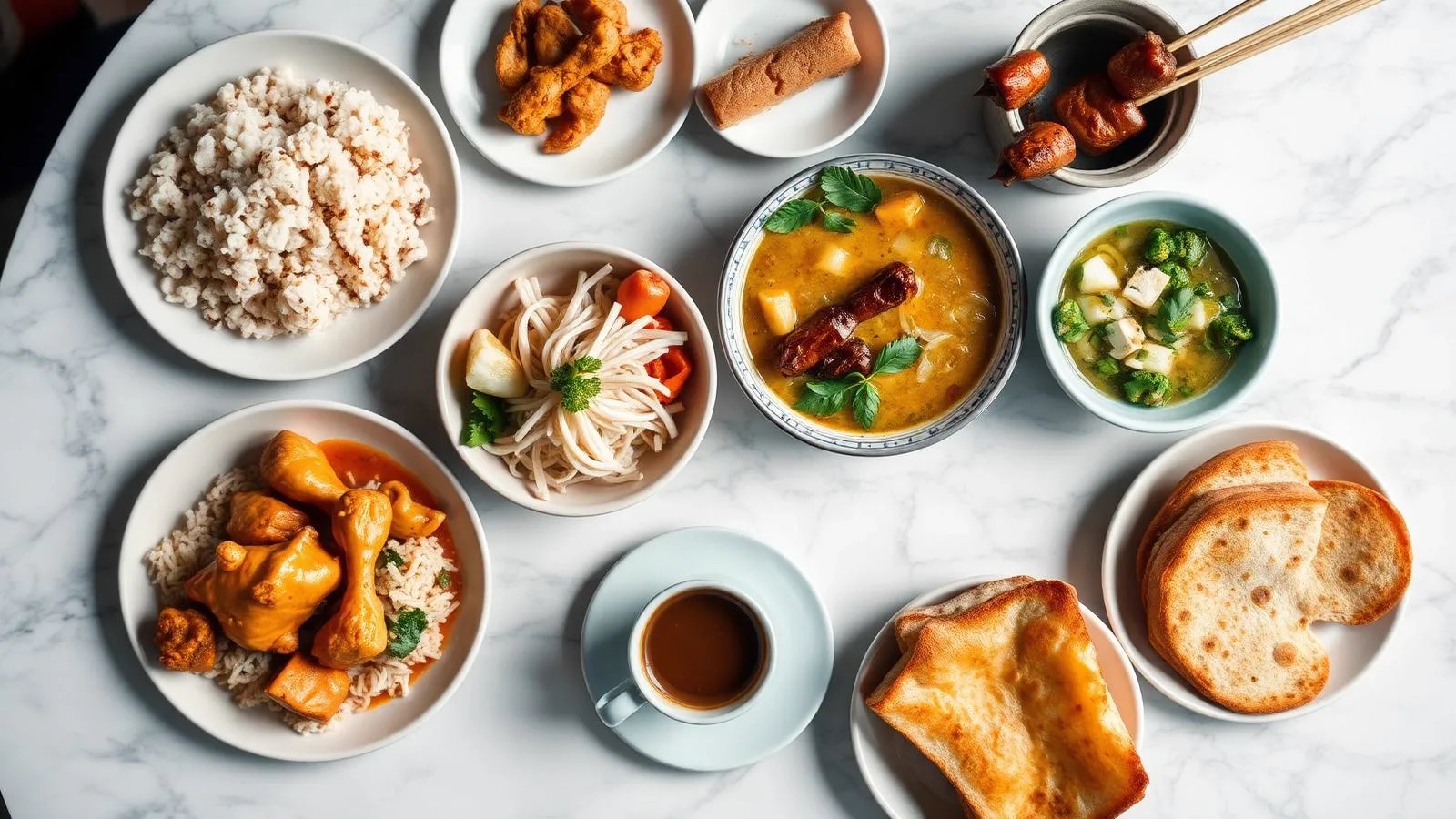
- Hainanese Chicken Rice: Often considered Singapore's national dish. It looks simple—poached chicken served with fragrant rice cooked in chicken stock—but the depth of flavour is incredible. It’s served with a trio of sauces: dark soy, chilli, and ginger.
- Chilli Crab: A glorious, messy, and utterly delicious affair. Hard-shell crabs are cooked in a thick, sweet, and savoury tomato-and-chilli-based sauce. Don’t be shy—use your hands and mop up the addictive sauce with fried buns called mantou.
- Laksa: A spicy noodle soup that is the perfect example of Peranakan cuisine. It consists of rice noodles, prawns, fish cakes, and sometimes chicken in a rich and creamy coconut-based curry broth, topped with fragrant laksa leaves.
- Char Kway Teow: A smoky, savoury stir-fry of flat rice noodles, prawns, cockles, Chinese sausage, and bean sprouts in a dark soy sauce. A good version will have a distinct "wok hei" or "breath of the wok," a smoky aroma from the high-heat cooking.
- Satay: Skewers of marinated meat (usually chicken, beef, or mutton) grilled over a charcoal fire. It's served with a rich peanut sauce, raw onions, and cucumber.
Navigating the Lion City
Getting around Singapore is exceptionally easy, thanks to a world-class public transport system that is clean, safe, and incredibly efficient.
The MRT: Your Best Friend
The Mass Rapid Transit (MRT) subway system is the backbone of Singapore's transport network. It connects almost every corner of the island, and trains are frequent and air-conditioned—a welcome relief from the outside humidity. Stations are clean, well-signed in English, and serve nearly all the major attractions mentioned in this guide. To pay for your rides, you can either purchase a stored-value EZ-Link card from a station ticket office or simply use a contactless credit or debit card at the fare gates. It's the most cost-effective and logical way for a traveller to explore the city.
Buses, Taxis, and Ride-Sharing
The public bus system is also excellent and offers more scenic routes than the underground MRT. It's a great way to see the city's neighbourhoods as you travel. Taxis are plentiful and metered, and ride-sharing apps are widely used and reliable options, especially for reaching places not directly on the MRT line, like Joo Chiat or MacRitchie Reservoir.
Changi Airport: More Than Just a Hub
Singapore's Changi Airport is consistently voted the best in the world, and for good reason. It's an attraction in its own right. Before you even head into the city, or on your way out, make time for Jewel Changi. This stunning lifestyle complex, accessible from the terminals, is famous for the HSBC Rain Vortex, a spectacular 40-metre-high indoor waterfall that cascades through a central dome surrounded by a terraced forest. With shops, restaurants, and gardens, it's a destination in itself and a wonderful introduction or farewell to Singapore.
Essential Know-Before-You-Go
Singapore is a remarkably safe and easy country to travel in, but it's important to be aware of the local climate and its strict laws and social norms.
Weather: Heat, Humidity, and Rain
Singapore's climate is tropical. This means it is hot and humid every single day of the year, with average temperatures hovering around 27-32°C. Dress in light, breathable clothing like cotton and linen. Brief, intense thunderstorms can occur at any time, often in the afternoon, so carrying a small, sturdy umbrella is always a wise idea. Occasionally, typically between June and October, the region can be affected by "haze" from forest fires in neighbouring countries, which can impact air quality. You can check daily advisories online if you are concerned.
Local Laws and Etiquette
Singapore is famous for its regulations, which are strictly enforced to maintain order and cleanliness. While this contributes to the city being one of the safest in the world, travellers must be mindful.
- Littering: Do not litter. Use the plentiful rubbish bins. First-time offenders can face significant fines.
- Jaywalking: Always use designated pedestrian crossings. Jaywalking is illegal and you can be fined.
- Chewing Gum: The sale of chewing gum is banned. While bringing a small amount for personal use isn't illegal, it's best to respect the local custom and simply go without. You will not be able to buy it anywhere.
- Public Transport: Eating and drinking are forbidden on the MRT and buses. This rule is strictly followed and helps keep the system spotlessly clean.
- Drugs: This is the most critical rule to understand. Singapore has a zero-tolerance policy towards illegal drugs. The penalties for trafficking, importing, or even possessing small amounts are extremely severe and include the death penalty. Do not, under any circumstances, bring illegal drugs into Singapore.
Frequently Asked Questions
Is three days enough to see Singapore?
Yes, three days is a great amount of time to experience the best of Singapore. By organising your itinerary geographically, you can comfortably visit the iconic Marina Bay skyline, explore the vibrant cultural districts of Chinatown and Little India, and still have time for a nature walk or an island trip. While you could always spend more time exploring, three days allows for a rich and varied introduction to the city without feeling too rushed.
What's the best way to get around the city?
The Mass Rapid Transit (MRT) system is undoubtedly the best way to navigate Singapore. It is extensive, reaching nearly all major tourist attractions, as well as being exceptionally clean, safe, and efficient. The trains and stations are air-conditioned, providing a cool escape from the tropical heat. For payment, you can easily use a contactless bank card or purchase a convenient stored-value EZ-Link card, making it the most practical choice for travellers.
What should I eat in Singapore?
You must visit the famous hawker centres, which are UNESCO-recognised hubs of local food culture. Be sure to try some of Singapore's national dishes. Hainanese Chicken Rice is a deceptively simple and flavourful classic. For something more adventurous, try the messy but delicious Chilli Crab. Other must-try dishes include the spicy coconut noodle soup Laksa, smoky Char Kway Teow noodles, and delicious grilled Satay skewers served with peanut sauce.
Is Singapore just a modern city of skyscrapers?
Not at all. While Singapore is famous for its futuristic skyline and modern architecture like Marina Bay Sands, it has a surprisingly diverse landscape. You can step back in time in the historic shophouses of cultural enclaves like Chinatown, Little India, and Kampong Glam. Furthermore, it truly is a "City in a Garden," with incredible green spaces like the UNESCO-listed Singapore Botanic Gardens and the rugged trails of MacRitchie Reservoir offering a complete escape into nature.
Are the laws in Singapore really as strict as people say?
Yes, it's crucial for travellers to take the local laws seriously. Regulations are strictly enforced, and there are substantial fines for offences that might be considered minor elsewhere, such as littering or jaywalking. The most important law to be aware of concerns illegal drugs; Singapore has a zero-tolerance policy, and trafficking carries mandatory severe penalties, including capital punishment. By being a respectful and law-abiding visitor, you'll have a safe and trouble-free trip.
Final Thoughts
Singapore has a way of surprising you. You might arrive expecting a sterile city of rules and business, only to find yourself captivated by the boisterous energy of a Little India market, moved by the quiet reverence of a historic temple, or awestruck by the sheer audacity of a forest inside an airport. It’s a city that runs on efficiency but is powered by a deep, multicultural soul.
After three days of exploring its gleaming towers, its historic laneways, and its lush green heart, you’ll leave with more than just photos of a famous skyline. You’ll leave with the lingering taste of chilli crab and chicken rice, the scent of jasmine and incense, and a newfound appreciation for a city that has masterfully engineered not just a world-class metropolis, but a vibrant and deeply compelling place to be.
Explore in Depth
More Singapore guides
Singapore Stopover: 24 to 48 Hours in the City
How to make a Singapore layover count: hawker centres, Marina Bay, MRT logistics and one-day and two-day plans that beat the humidity.
Singapore Hawker Food Guide: What to Order
How hawker centres work, the dishes, drinks and desserts to order, dietary needs and the best-known centres to visit, with answers to…