Singapore Stopover: 24 to 48 Hours in the City
How to make a Singapore layover count: hawker centres, Marina Bay, MRT logistics and one-day and two-day plans that beat the humidity.
In this guide
- Quick Facts
- Layover Logistics: Navigating Changi and Transit Rules
- Getting Around: Mastering the MRT and Urban Transit
- Essential Sights: Marina Bay and Beyond
- Cultural Enclaves: Chinatown, Little India, and Kampong Glam
- Culinary Adventures: Navigating Hawker Centres and Iconic Dishes
- Weather, Humidity, and Timing Your Days
- Where to Base Yourself: Neighbourhood Breakdown
- Step-by-Step Stopover Itineraries: 24 vs 48 Hours
- Common Mistakes and Practical Travel Tips
- Final Thoughts
- Explore in Depth
This guide is part of our Singapore Travel Guide: Three Days in the City — start there for the overview, when to go and how to get around.
My first encounter with Singapore was a classic long-haul mistake: a weary, twelve-hour transit spent slouched in an airport lounge terminal, staring at a departure board while one of the world's most vibrant urban landscapes sat just half an hour away by train. It took a subsequent trip—stepping out of Changi's air-conditioned bubble into the thick, sweet tropical night air—to realise that treating this island nation as merely a refuelling stop is a wasted opportunity. Within three hours of landing, I was standing beneath the glowing canopy of the Supertree Grove with my camera on a tripod, watching light filter through tropical foliage as the humidity wrapped around me like a warm blanket.
Singapore is custom-built for the layover traveller. Small in geographic footprint but vast in cultural depth, it offers a seamless blend of hyper-modern engineering, historic ethnic enclaves, and lush natural sanctuaries. The efficiency of the city means you can disembark a flight, clear customs, stash your bags, and be eating a world-class bowl of noodles in a bustling hawker centre within an hour. Whether you have twenty-four hours between connections or a generous forty-eight-hour break to stretch your legs, this tiny island delivers maximum reward for minimum travel friction.
As a travel writer and photographer who has covered dozens of stopover cities across forty-eight countries, I consistently rate Singapore as the easiest, safest, and most visually rewarding layover destination on Earth. You do not need weeks to understand the rhythm of this city; you simply need a clear plan, a pair of breathable walking shoes, an appetite for street food, and an understanding of how to work around the mid-day tropical heat. This guide breaks down everything you need to execute the ultimate Singapore stopover, turning dead transit time into an unforgettable adventure.
Quick Facts
- Location: Island city-state located at the southern tip of the Malay Peninsula in Southeast Asia, roughly 137 kilometres north of the equator.
- Language: English is the primary language of administration, business, and daily life, alongside Malay, Mandarin, and Tamil.
- Visas: Most Western nationalities receive a visa-free entry permit upon arrival for stays up to 30 or 90 days. You must submit the electronic SG Arrival Card within three days prior to arrival.
- Transit Ease: Singapore Changi Airport is connected directly to the downtown core via the Mass Rapid Transit (MRT) network, with rides taking around 30 minutes.
- Climate: Equatorial rainforest climate. Warm and humid year-round, with temperatures consistently between 25°C and 32°C, and frequent afternoon downpours.
- Local Etiquette: Very safe and clean. Strictly enforced rules prohibit chewing gum importation, littering, jaywalking, and smoking outside designated zones.
- Payment: Contactless credit and debit cards are accepted universally across the MRT network, taxis, retail shops, and almost all hawker stalls.
Layover Logistics: Navigating Changi and Transit Rules
Clearing Immigration and Luggage Storage
Singapore’s entry process is arguably the smoothest on the planet. To streamline your arrival, ensure you complete the free online SG Arrival Card on your smartphone before boarding your flight or while connected to Changi’s free Wi-Fi upon arrival. Automated immigration lanes process visitors in seconds using facial recognition. If you are on a short stopover and do not wish to drag your carry-on luggage through the tropical heat, make use of the left luggage facilities located in the public transit areas of every terminal. These facilities charge a nominal fee per bag based on size and duration, allowing you to walk into the city entirely light and unencumbered.
Maximising Changi Airport on Arrival or Departure
Unlike most international hubs that you wish to escape as quickly as possible, Changi Airport is an attraction in its own right. If your stopover schedule is tight, allocate at least two to three hours specifically to explore the airport complex. The centrepiece is Jewel Changi, a multi-story lifestyle complex connected to Terminals 1, 2, and 3. Here, you will find the Rain Vortex—the world’s tallest indoor waterfall—surrounded by a multi-tiered indoor forest garden. As a photographer, capturing the waterfall from the upper canopy bridges during the evening light show is a must. Inside the departure terminals, you will also find a butterfly garden, a rooftop swimming pool, cactus gardens, and free movie theatres, making any lingering wait before a flight entirely enjoyable.
Getting Around: Mastering the MRT and Urban Transit
The Mass Rapid Transit (MRT) Network
The MRT system is the lifeblood of Singapore and your best friend during a short stay. Clean, fully air-conditioned, precise, and expansive, it connects every major district in the city. The best part for travellers is that you do not need to buy paper tickets or purchase a dedicated transit card unless you want to. Simply tap your contactless bank card, smart watch, or mobile payment app directly at the turnstiles when entering and exiting stations. Fares are calculated automatically based on distance. Trains run from roughly 5:30 am until midnight, with short headways between services.
Taxis, Ride-Hailing, and Walking
For destinations not directly adjacent to an MRT station, or when travelling with family, ride-hailing services like Grab are ubiquitous, safe, and reasonably priced. You can easily book a ride using a downloadable smartphone app. Traditional metered taxis are also plentiful and can be flagged at designated taxi stands outside hotels, malls, and transit hubs. When exploring districts like Chinatown or Kampong Glam, walking is the absolute best way to absorb the atmosphere. However, keep in mind that the heat can be draining; plan your walking routes through air-conditioned shopping malls and covered five-foot walkways whenever possible to keep cool.
Essential Sights: Marina Bay and Beyond
Gardens by the Bay and the Supertree Grove
Gardens by the Bay stands as one of the great horticultural engineering triumphs of the modern world. Spanning over 100 hectares of reclaimed land, this futuristic park is home to the iconic Supertree Grove—massive, plant-covered concrete structures that range from 25 to 50 metres in height. Walking beneath these giants during the day is impressive, but visiting at night is transcendent. Twice every evening, the trees illuminate for a choreographed light and music spectacle that is completely free to watch from the ground level. For panoramic views across the bay, purchase a ticket to walk the elevated skyway suspended between the structures.
The Cooled Conservatories: Flower Dome and Cloud Forest
Adjacent to the Supertree Grove sit two massive, climate-controlled glass bio-domes: the Flower Dome and the Cloud Forest. The Flower Dome replicates a Mediterranean climate, housing rare flora from arid regions across five continents. However, the Cloud Forest is the true photographer’s paradise. Stepping inside, you are greeted by a 35-metre-tall artificial mountain clad in orchids, pitcher plants, and ferns, veiled in a cool, misty haze, with a roaring indoor waterfall cascading down its face. Lift access takes you to the top of the mountain, where you walk down along suspended walkway pathways that offer magnificent viewpoints over Marina Bay.
Marina Bay Sands Promenade and the Merlion
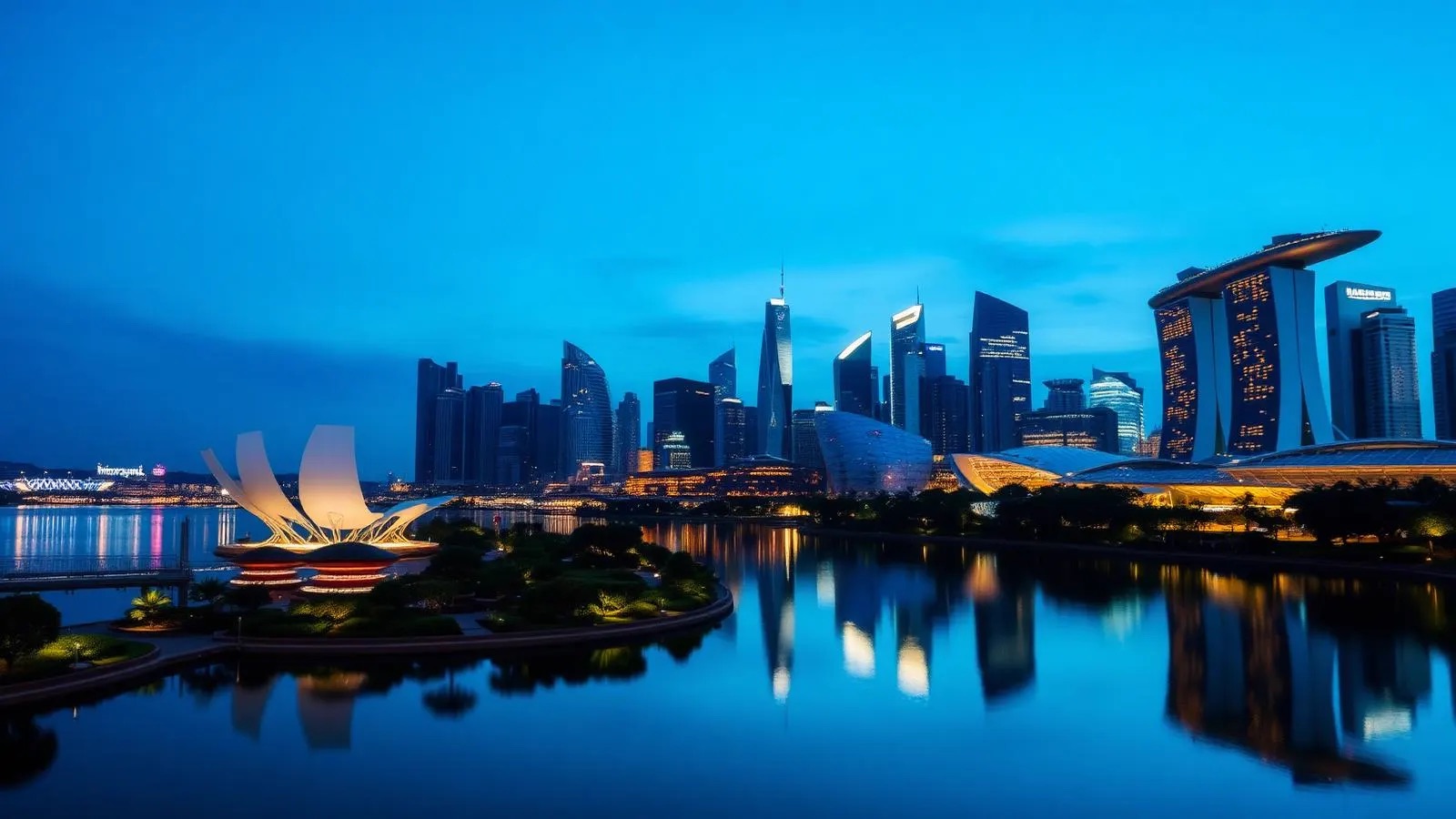
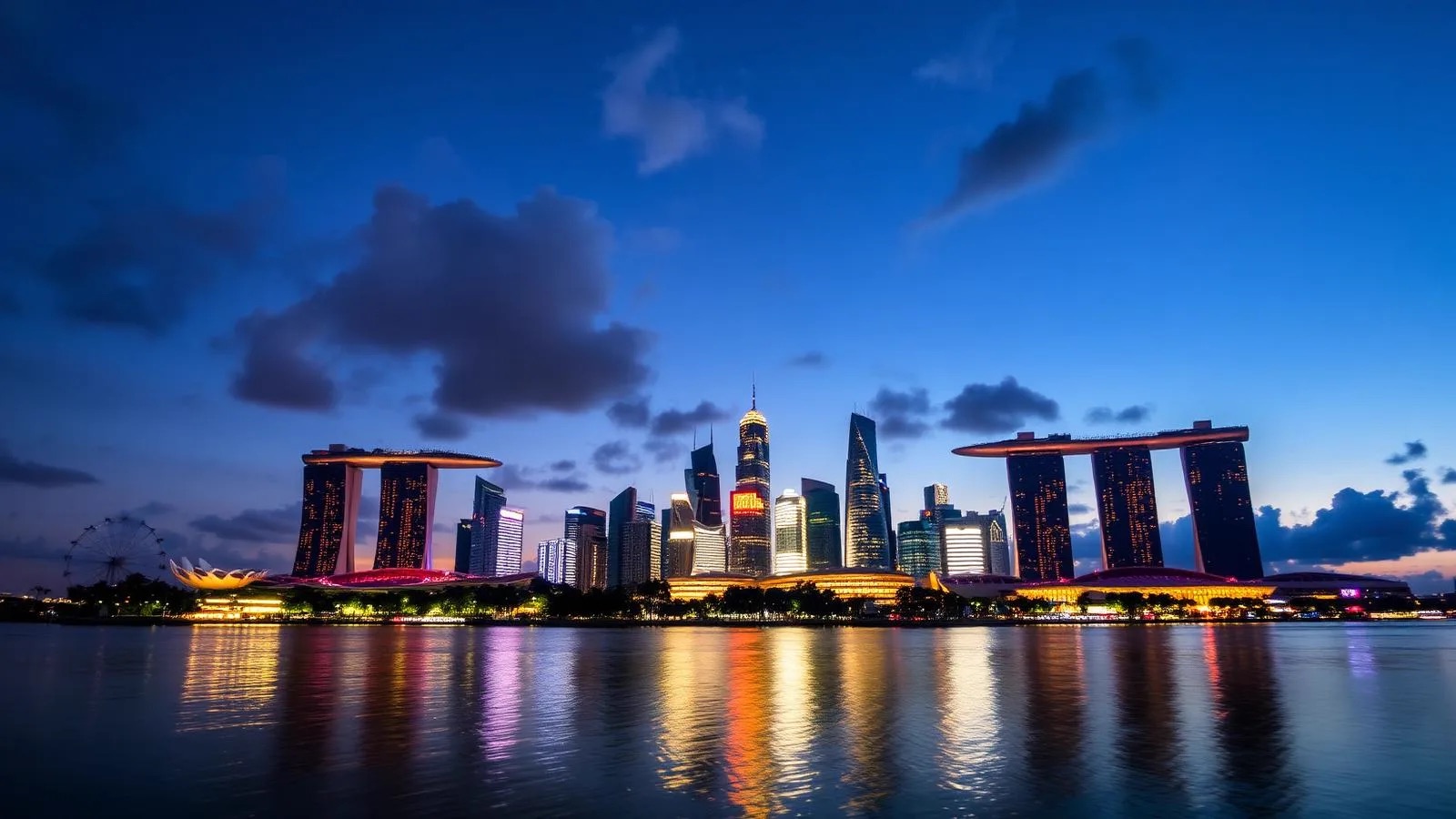
A stroll around the Marina Bay waterfront loop offers the classic, skyline view of Singapore. Start at the Merlion Park to photograph the iconic half-lion, half-fish statue spouting water into the bay, framed by the skyscrapers of the financial district. From there, cross the Helix Bridge—a pedestrian structure designed to mirror the structure of DNA—toward the Marina Bay Sands complex. The promenade is ideal for late-afternoon photography as the sun sets behind the city skyline, casting golden light across the water. At night, the waterfront comes alive with light shows reflected in the bay's calm waters.
Sentosa Island: A Quick Escape to the Coast
If your idea of a layover involves palm trees, sea breezes, or family entertainment, Sentosa Island lies just off the southern coast. Connected to the mainland via a road bridge, monorail, and scenic cable car network, Sentosa offers sandy beaches, beach clubs, and theme parks. While it lacks the historic charm of the mainland enclaves, spending an afternoon at Palawan or Siloso Beach is an excellent way to unwind after a long flight before returning to the city for dinner.
Cultural Enclaves: Chinatown, Little India, and Kampong Glam
Chinatown: Heritage Architecture and Temple Culture
Chinatown is a rich tapestry of historic shop-houses, vibrant markets, and deeply sacred sites. The highlight of the district is the Buddha Tooth Relic Temple, an imposing four-story Tang-style structure that houses what Buddhists believe to be a tooth of the Buddha. The interior is lavishly decorated in gold and red, and visitors are welcome to explore respectfully. Just a short walk down South Bridge Road sits the Sri Mariamman Temple, Singapore’s oldest Hindu temple, featuring a striking gopuram (entrance tower) covered in intricate statues of deities. Chinatown is also a fantastic photography location; narrow lanes like Pagoda Street and Keong Saik Road combine vintage architecture with modern backdrop towers.
Little India: Aromas, Colours, and Vibrant Markets
Stepping off the MRT into Little India is an immediate sensory experience. The air is scented with jasmine, incense, and toasted spices. Walk down Serangoon Road to admire colourful shop-houses, flower garland vendors, and traditional goldsmiths. Don't miss the House of Tan Teng Niah, a restored multi-coloured villa that represents one of the last remaining Chinese villas in the neighbourhood. For shopping, the sprawling Mustafa Centre operates continuously, stocking everything from electronics to spices under one massive roof. Little India is also home to some of the best vegetarian dining in Southeast Asia.
Kampong Glam: Historic Street Art and Malay Culture
Kampong Glam is the historic Malay and Arab quarter, centred around the majestic Sultan Mosque with its massive golden dome dominating the skyline. Arab Street and the surrounding lanes are packed with textile shops, carpet vendors, and Mediterranean cafes. Adjacent to Arab Street is Haji Lane, a narrow alleyway famous for its vibrant street murals, independent boutiques, and quirky coffee shops. It is one of the best spots in the city for street photography and people-watching in the late afternoon as outdoor seating fills up.
Culinary Adventures: Navigating Hawker Centres and Iconic Dishes
Understanding Hawker Culture
Singapore’s hawker culture is so central to its national identity that it is recognised by UNESCO as Intangible Cultural Heritage. Hawker centres are open-air, covered food halls housing dozens—sometimes hundreds—of individual stalls, each specializing in a handful of dish recipes refined over generations. Eating at a hawker centre is safe, highly affordable, and offers an authentic slice of daily Singaporean life. To dine like a local, adopt the practice of "choping"—reserving a table by placing a tissue packet, umbrella, or card on it before ordering your food from the stalls.
Must-Try Local Dishes
With limited time, prioritize these classic dishes to get a real taste of the local palate:
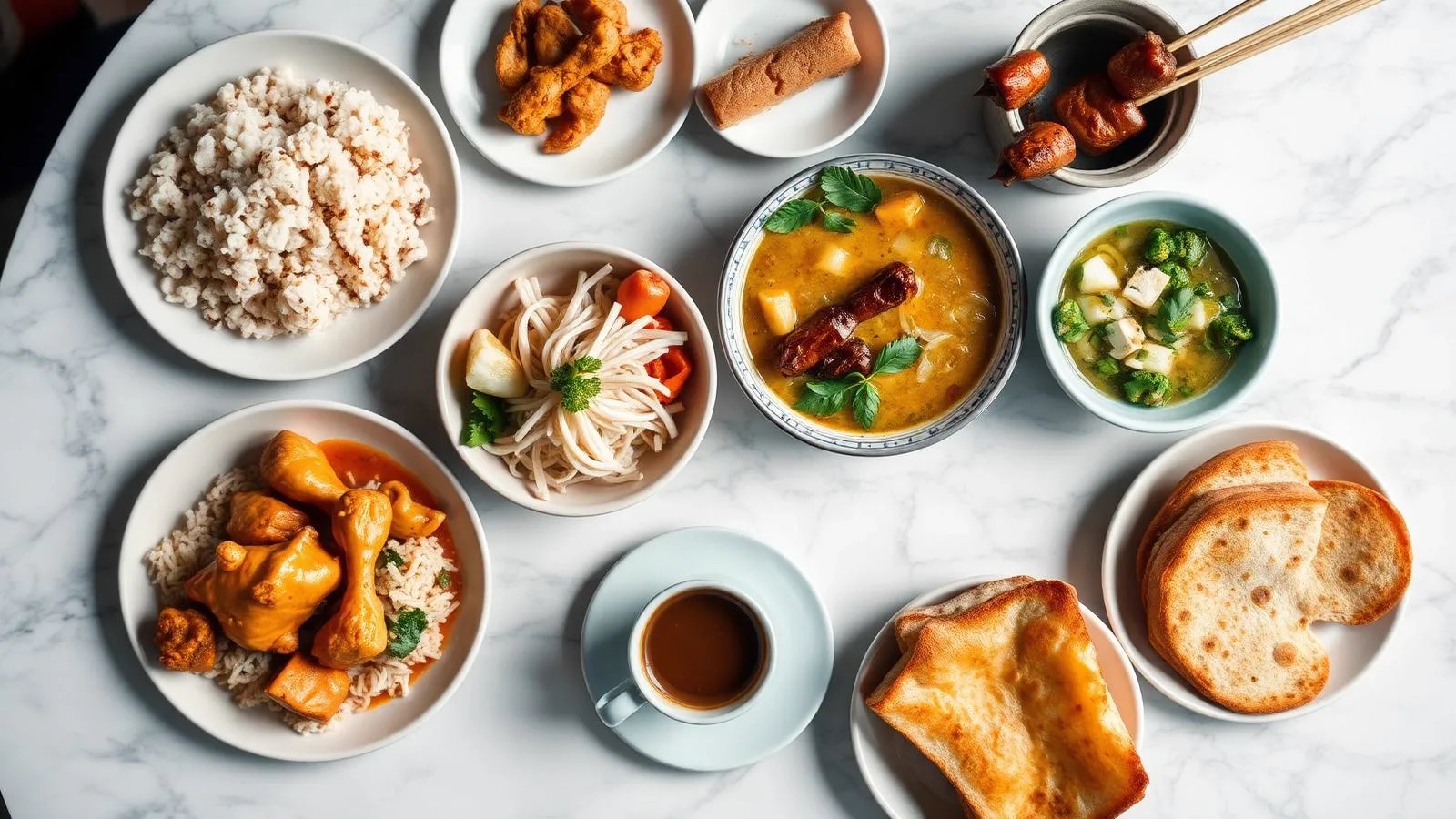
- Hainan Chicken Rice: Poached chicken served over fragrant rice cooked in chicken stock, pandan, and ginger, accompanied by chilli sauce and sweet soy paste. Simple, comforting, and delicious.
- Laksa: A rich, spicy noodle soup featuring a coconut-milk broth flavoured with dried shrimp, topped with prawns, fish cakes, and cockles.
- Char Kway Teow: Flat rice noodles wok-fried over intense heat with soy sauce, chilli, Chinese sausage, eggs, and bean sprouts, imparting a smoky flavor known as "wok hei".
- Chilli Crab: Mud crab stir-fried in a sweet, savoury, and mildly spicy tomato-and-chilli gravy, best eaten with deep-fried mantou (steamed buns) to soak up the sauce.
- Kaya Toast and Soft-Boiled Eggs: The traditional Singaporean breakfast. Crisp toasted bread slathered with butter and kaya (a sweet coconut and pandan jam), eaten alongside soft-boiled eggs splashed with dark soy sauce and white pepper.
Recommended Hawker Centres
While almost every neighbourhood has a fantastic food centre, three stand out for accessibility and variety:
- Lau Pa Sat: Located in the heart of the financial district, famous for its historic Victorian cast-iron architecture and its evening outdoor "Satay Street", where the road closes down and stalls grill skewers over open charcoal flames.
- Maxwell Food Centre: Located near Chinatown, home to several famous stalls serving world-renowned chicken rice and traditional snacks.
- Tekka Centre: In Little India, perfect for sampling South Indian thalis, crispy prata, and biryani.
Weather, Humidity, and Timing Your Days
Managing Tropical Heat and Monsoon Downpours
Singapore’s proximity to the equator means high heat and extreme humidity are constant factors year-round. Temperatures hover around 31°C during the day, but the heat index often feels significantly higher. Furthermore, tropical rainstorms can develop rapidly, particularly in the late afternoon. These downpours are usually intense but short-lived. Always carry a small compact umbrella or light rain shell in your daypack, which can double as sun protection during bright afternoons.
Optimal Daily Strategy for Outdoor Activities
To avoid getting overwhelmed by heat fatigue during a short layover, structure your day with the weather in mind:
- Early Morning (7:00 am – 10:30 am): Best for outdoor street exploration in Chinatown or Little India, or walking through outdoor botanical areas before the sun reaches its peak.
- Mid-Day (11:00 am – 3:30 pm): Retreat indoors. Use this time to visit air-conditioned museums, explore shopping malls, or visit the cooled conservatories at Gardens by the Bay.
- Late Afternoon to Evening (4:00 pm – 10:00 pm): As temperatures begin to cool, head out for waterfront walks around Marina Bay, enjoy outdoor hawker dining, and catch evening light displays.
Where to Base Yourself: Neighbourhood Breakdown
Marina Bay and City Hall
If you have 24 to 48 hours and want maximum convenience, staying in the Marina Bay or City Hall area places you within walking distance of key attractions like Gardens by the Bay, the waterfront promenade, and the Civic District. Transport links here are exceptional, making it effortless to hop on the MRT to anywhere else on the island.
Chinatown and Tanjong Pagar
Ideal for food lovers and culture seekers. This area offers a fantastic blend of historic charm and modern lifestyle dining. You are surrounded by traditional hawker centres, cocktail bars, and boutique heritage properties, all while remaining just two MRT stops away from Marina Bay.
Bugis and Kampong Glam
A vibrant, creative hub perfect for budget-conscious travellers and photography enthusiasts. Staying near Bugis gives you MRT access to Changi Airport on the East-West Line (with a change to the airport shuttle at Tanah Merah), alongside immediate access to the street art, independent shops, and night markets of Kampong Glam.
Orchard Road
Best suited for travellers whose primary goal is retail therapy. Orchard Road is a multi-kilometre boulevard lined with mega-malls, department stores, and international dining. It is well-connected via the North-South MRT line, though slightly further from the main waterfront sights.
Step-by-Step Stopover Itineraries: 24 vs 48 Hours
The 24-Hour Express Itinerary
This fast-paced plan hits the essential highlights without making you feel completely rushed.
- 8:00 am – Morning Arrival & Drop Luggage: Land at Changi, clear customs, stash carry-on bags if necessary, and take the MRT or taxi straight into Chinatown.
- 9:00 am – Traditional Breakfast: Head to a local coffee shop in Chinatown for kaya toast, soft-boiled eggs, and a hot cup of local coffee (kopi).
- 10:00 am – Heritage Walk: Explore the Buddha Tooth Relic Temple, walk through the colourful lanes of Chinatown, and snap photos of historic shop-houses.
- 12:30 pm – Lunch at Maxwell Food Centre: Order a plate of classic Hainan Chicken Rice and fresh sugar cane juice.
- 2:00 pm – Indoor Retreat at Gardens by the Bay: Take the MRT to Gardens by the Bay. Spend the hottest part of the afternoon exploring the air-conditioned Flower Dome and Cloud Forest.
- 5:30 pm – Marina Bay Waterfront Stroll: Walk along the bay, taking in views of the city skyline. Cross the Helix Bridge toward Marina Bay Sands.
- 7:00 pm – Dinner at Lau Pa Sat: Head to Lau Pa Sat, sit at the outdoor street tables, and order fresh satay skewers cooked over open charcoal fires.
- 8:45 pm – Supertree Light Show: Return to the Supertree Grove to watch the light and sound show illumination.
- 10:00 pm – Return to Changi: Head back to the airport to catch your onward late-night flight, or check in for your stay.
The 48-Hour Ultimate Experience
With two days, you can dive deeper into Singapore’s diverse cultural enclaves and enjoy a more relaxed pace.
Day 1: Modern Marvels and Marina Bay
- Morning: Arrive, check into your accommodation, and begin at the Singapore Botanic Gardens (a UNESCO World Heritage Site). Walk through the National Orchid Garden before heat peaks.
- Lunch: Enjoy lunch at a nearby local café or food hall.
- Afternoon: Head to Gardens by the Bay. Visit the Cloud Forest and Flower Dome, followed by a skywalk along the OCBC Skyway.
- Evening: Walk around Marina Bay Sands, enjoy a waterfront meal, and watch the Supertree Grove night illumination. Finish with a cocktail at a rooftop bar overlooking the harbor skyline.
Day 2: Cultural Enclaves and Culinary Heritage
- Morning: Start early in Little India. Visit the vibrant Tekka Centre market, admire the colourful architecture, and visit Sri Veeramakaliamman Temple on Serangoon Road.
- Mid-day: Walk over to Kampong Glam. Explore Arab Street, photograph the Sultan Mosque, and browse the independent boutiques along Haji Lane.
- Lunch: Eat local Malay or Middle Eastern dishes in Kampong Glam, or grab a bowl of Laksa nearby.
- Late Afternoon: Head to Chinatown for afternoon photography, explore Sri Mariamman Temple, and purchase souvenirs along Pagoda Street.
- Dinner: Spend your final evening indulging in Chilli Crab at a waterfront seafood restaurant or feast at Maxwell Food Centre.
- Night: Head to Changi Airport early to explore Jewel and the Rain Vortex before your departure flight.
Common Mistakes and Practical Travel Tips
Packing and Clothing Choices
The single biggest mistake stopover visitors make is dressing for cooler climates because they just stepped off an air-conditioned long-haul flight. Singapore is extremely humid. Wear light, loose-fitting, breathable fabrics like linen or moisture-wicking technical wear. However, always carry a light cardigan or wrap in your daypack, as indoor shopping malls, MRT trains, and museums blast air conditioning at extremely low temperatures.
Respecting Local Laws
Singapore’s reputation for strict laws is well-earned, but easy to navigate if you exercise basic common sense. Do not bring chewing gum into the country. Only smoke in clearly designated yellow metal boxes on street corners. Never litter, and refrain from eating or drinking (even water) while inside MRT stations or on trains, as fines are strictly enforced by transit security.
Hydration and Heat Safety
You will sweat significantly more than expected while walking outside. Tap water in Singapore is fully treated, clean, and safe to drink directly from the faucet. Carry a reusable water bottle and refill it at public fountains, hotels, or restaurants throughout the day. If you begin to feel lightheaded, step into an air-conditioned mall or MRT station immediately to cool down.
Final Thoughts
A layover in Singapore should never feel like wasted time between flights. Few places on Earth offer such a dense concentration of culture, world-class cuisine, futuristic design, and lush greenery, all connected by a public transportation system that makes navigation effortless. By stepping out of the airport terminal and embracing the tropical warmth, you turn what could have been hours sitting in a boarding gate into a memorable chapter of your journey. Pack light, stay hydrated, keep an open palate at the hawker stalls, and let this remarkable city-state show you just how much magic can happen in twenty-four to forty-eight hours.
Explore in Depth
More Singapore guides
Singapore Travel Guide: Three Days in the City
Three days in Singapore: Marina Bay, the heritage quarters, green corridors and hawker centres, plus transport, heat and the laws worth…
Singapore Hawker Food Guide: What to Order
How hawker centres work, the dishes, drinks and desserts to order, dietary needs and the best-known centres to visit, with answers to…