Snorkelling in the Red Sea: Best Spots and Tips
The best snorkelling spots on Egypt's Red Sea coast, the marine life on its reefs, tours and excursions, gear to bring, practical tips and typical costs.
In this guide
- Snorkeling Red Sea, Egypt
- Why the Red Sea is a Top Snorkeling Destination: A Biodiverse Wonderland
- Best Snorkeling Spots in the Red Sea, Egypt: Top Picks
- What Marine Life to Expect in Red Sea Coral Reefs: A Glimpse into the Underwater World
- Planning Your Egypt Snorkeling Tours and Excursions: Maximizing Your Underwater Time
- Essential Gear for Snorkeling Red Sea, Egypt: Don't Forget Your Fins
- Practical Tips for a Perfect Red Sea Snorkeling Trip
- Budgeting for Your Red Sea Snorkeling Adventure: Costs
- Common Mistakes to Avoid While Snorkeling in Egypt
- Conclusion: Your Unforgettable Snorkeling Red Sea, Egypt Adventure
This guide is part of our Egypt Travel Guide — start there for the overview, itineraries and costs.
Snorkeling Red Sea, Egypt
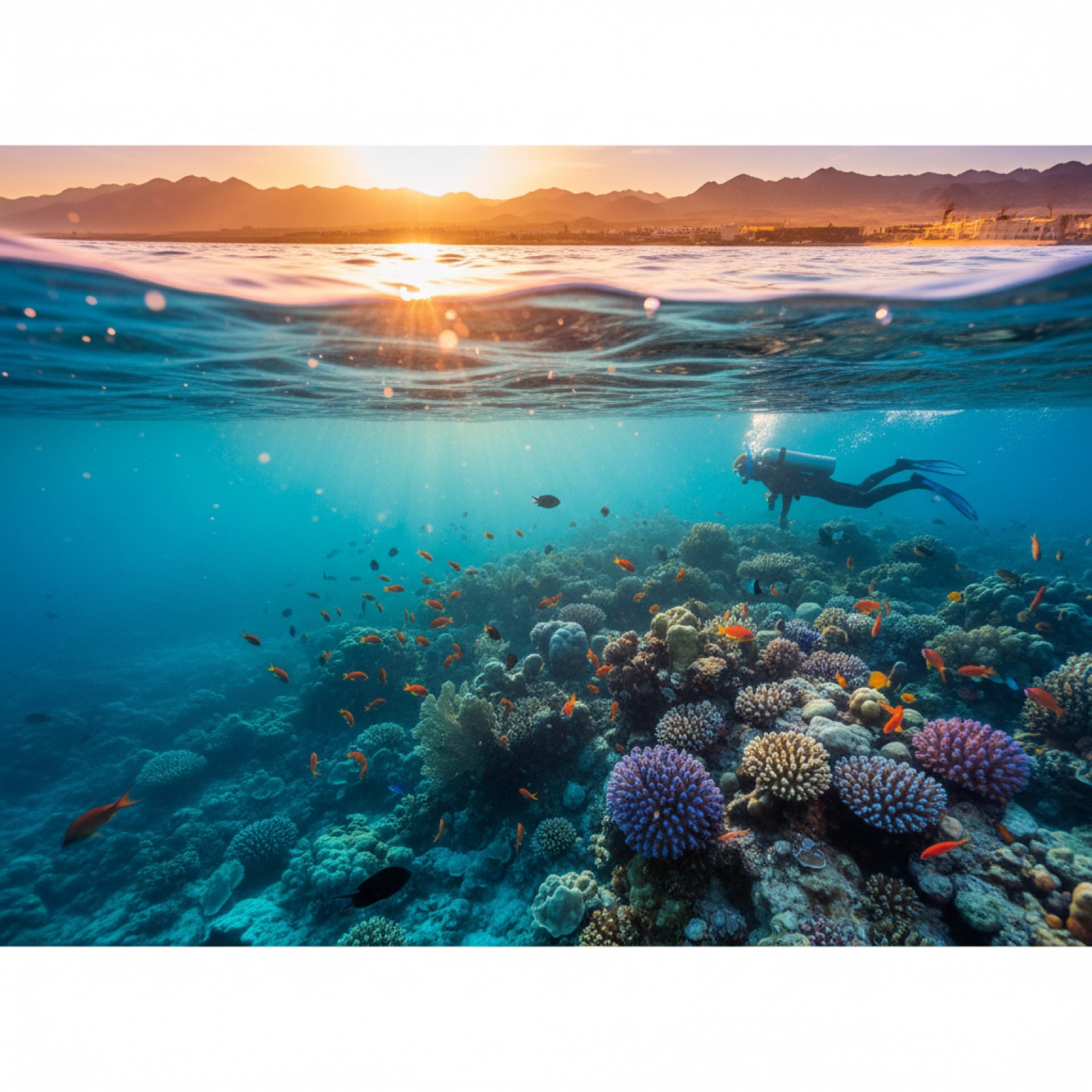
Ah, the Red Sea! Just the name conjures images of shimmering turquoise waters and a kaleidoscope of life beneath the surface, and snorkeling Red Sea Egypt offers an unparalleled experience. Even with a basic mask and fins, the water near Hurghada reveals schools of iridescent fish, vibrant corals in every hue imaginable, and the gentle sway of anemones supporting Nemo-like clownfish. This guide will help make your 2025 trip to Egypt one filled with unforgettable underwater adventures. We’ll cover everything from the best snorkeling spots Egypt has to offer to how to choose the right tour and what marine life you can expect to encounter.
Why the Red Sea is a Top Snorkeling Destination: A Biodiverse Wonderland
For any marine enthusiast, the Red Sea isn't just another body of water; it's a phenomenal ecosystem, home to some of the world's most pristine and biodiverse coral reefs. Unlike many other global reefs, the Red Sea has a unique geographical advantage – it’s a semi-enclosed sea, which contributes to its warm, stable temperatures and high salinity, fostering an ideal environment for coral growth. This makes snorkeling Red Sea Egypt a truly world-class activity.
Unrivaled Biodiversity and Endemic Species
What truly sets the Red Sea apart is its exceptional biodiversity. Scientists estimate over 1,200 species of fish inhabit these waters, with approximately 10% being endemic, meaning you won't find them anywhere else on Earth! Imagine gliding over a vibrant reef and encountering a Red Sea bannerfish or a masked butterflyfish, unique to this region. This rich tapestry of life is what makes marine life Red Sea explorers come back again and again.
Crystal Clear Waters and Excellent Visibility
One of the biggest draws for snorkelers is the phenomenal water clarity. Visibility often exceeds 30 meters, allowing for breathtaking views of the extensive Red Sea coral reefs even from the surface. Unlike many destinations where murkiness can spoil the experience, the Red Sea feels like peering through a giant aquarium. This exceptional clarity enhances your chances of spotting even the most elusive creatures.
Year-Round Warm Temperatures
Forget wetsuits unless you're diving in winter! The Red Sea boasts warm water temperatures throughout the year, typically ranging from 21°C (70°F) in winter to a balmy 29°C (84°F) in summer. This makes snorkeling Red Sea Egypt a comfortable and enjoyable activity regardless of when you visit.
Best Snorkeling Spots in the Red Sea, Egypt: Top Picks
When it comes to finding the best snorkeling spots Egypt has to offer, the choices can be overwhelming. Here are the absolute must-visit locations, each offering a unique glimpse into the wonders of the Red Sea. Remember, snorkeling Red Sea Egypt isn't just about clear water; it's about finding those vibrant ecosystems!
1. Ras Mohammed National Park (Sharm El Sheikh)
Arguably the crown jewel of Egyptian snorkelling, Ras Mohammed National Park is a protected area at the southern tip of the Sinai Peninsula. It's a short boat ride from Sharm El Sheikh and boasts some of the healthiest and most spectacular Red Sea coral reefs. Snorkelling here feels like stepping into a National Geographic documentary, and the sheer density and variety of fish are astounding.
- Shark Reef and Yolanda Reef: These twin reefs are world-famous. While mostly known for diving, their shallow sections are incredible for snorkeling. You'll see massive schools of barracuda, snapper, and often sea turtles. The remains of the Yolanda shipwreck (a cargo vessel that sank in 1980) are visible in shallower parts, providing homes for countless organisms.
- Accessible from: Sharm El Sheikh.
- Typical Tour Price: ~1,000 EGP - 2,100 EGP (approx. $20-$40 USD) including lunch and drinks.
- Opening Hours: Tours typically depart mornings, returning late afternoon. The park itself is generally open dawn to dusk.
- Booking: Most hotels in Sharm El Sheikh can arrange tours, or book directly through operators like Sharm Club.
- Pro Tip: Look for tours that offer multiple stops within the park, allowing you to experience different reef ecosystems.
2. The Giftun Islands (Hurghada)
Just off the coast of Hurghada, the Giftun Islands are a popular and easily accessible destination for Hurghada snorkeling. There are two main islands, Big Giftun and Small Giftun, surrounded by vibrant reefs and crystal-clear lagoons. Keep an eye out for majestic eagle rays gliding effortlessly below.
- Mahmya Beach: Located on Big Giftun Island, Mahmya offers postcard-perfect white sands and incredible shallow reefs. It's a slightly more upscale experience, but worth it for the pristine environment and excellent facilities. You can spend hours just floating and watching the fish.
- Orange Bay: Another stunning spot with shallow, calm waters ideal for beginners and families. The vibrant coral formations are just steps from the beach.
- Accessible from: Hurghada.
- Typical Tour Price: 1,300 EGP - 2,600 EGP (approx. $25-$50 USD), often including beach access fees, lunch, and snorkeling gear.
- Opening Hours: Daily boat tours depart from Hurghada Marina, typically 8:00 AM - 4:00 PM.
- Booking: Numerous operators in Hurghada, such as GetYourGuide.
- Pro Tip: Book a tour that includes both Mahmya and a snorkeling stop at one of the outer reefs around the islands for the best variety.
3. Abu Dabbab Bay (Marsa Alam)
If seeing sea turtles and dugongs (manatees of the Red Sea) is on your bucket list, then Abu Dabbab Bay near Marsa Alam is the place to be. This calm, sandy bay is famous for its resident green sea turtles and the occasional dugong. With luck, you may find yourself swimming alongside a huge green turtle here.
- Key Features: Shallow, protected bay, ideal for beginners and families. Excellent chance to see turtles feeding on seagrass.
- Accessible from: Marsa Alam.
- Typical Tour Price: Entrance fee if visiting independently is around 160-260 EGP (approx. $3-$5 USD). Organized tours often combine with other activities and cost 1,600 EGP - 3,100 EGP (approx. $30-$60 USD).
- Opening Hours: Resorts and beach access points are typically open from morning till sunset.
- Booking: Often arranged through resorts in Marsa Alam or local tour operators.
- Pro Tip: Go early in the morning for the best chance to spot dugongs before the crowds arrive. Maintain a respectful distance from the animals.
4. The Blue Hole (Dahab)
While primarily a world-renowned dive site, the Blue Hole in Dahab also offers incredible snorkeling Red Sea Egypt opportunities, particularly along its rim. It's a geological wonder, a massive submarine sinkhole that plunges to over 100 meters. The shallow reef around the edge is teeming with life.
- Key Features: Unique geological formation, dramatic drop-offs, abundant fish life along the reef plate.
- Accessible from: Dahab. Easily reachable by taxi or camel from Dahab town.
- Typical Tour Price: No formal entrance fee to the Blue Hole itself, but taxis from Dahab cost around 370-520 EGP (approx. $7-$10 USD) round trip. Guided tours combining with other Dahab attractions might cost 1,000-1,800 EGP (approx. $20-$35 USD).
- Opening Hours: Accessible during daylight hours.
- Booking: Taxis are readily available in Dahab. Many dive shops offer combined snorkel/dive trips.
- Pro Tip: Stick to the inner rim for snorkeling, as the currents can be strong further out. The 'Bells' entry point is also popular for snorkelers.
5. Tiran Island (Sharm El Sheikh)
North of Sharm El Sheikh lies Tiran Island, famous for its magnificent reefs that emerge from deep waters. Its four reefs (Gordon, Woodhouse, Thomas and Jackson) are marked by the wrecks of the Loullia on Gordon Reef and the Lara on Jackson Reef. Snorkelling here means gliding over spectacular coral gardens, often with sightings of larger pelagic fish. Keep an eye out for the majestic Napoleon Wrasse!
- Key Features: Deep water reefs, often strong currents, vibrant fish schools.
- Accessible from: Sharm El Sheikh.
- Typical Tour Price: 1,300 EGP - 2,600 EGP (approx. $25-$50 USD), including lunch and multiple stops.
- Opening Hours: Daily boat tours depart mornings, returning late afternoon.
- Booking: Available through most tour operators and hotels in Sharm El Sheikh.
- Pro Tip: This spot is better for confident swimmers due to potential currents.
Comparison of Top Snorkeling Spots
| Location | Best For | Key Marine Life | Water Conditions |
|---|---|---|---|
| Ras Mohammed NP | Abundant fish, diverse reefs | Barracuda, snapper, turtles | Generally calm, some currents |
| Giftun Islands | White sands, easy access | Parrotfish, butterflyfish, rays | Very calm, shallow areas |
| Abu Dabbab Bay | Sea turtles, dugongs | Green turtles, dugongs, guitar sharks | Calm, sandy bay |
| Blue Hole (Dahab) | Dramatic scenery, reef edge | Various reef fish | Can have currents, dramatic drop |
| Tiran Island | Large pelagics, deep reefs | Napoleon Wrasse, sharks (rarely) | Can have strong currents |
What Marine Life to Expect in Red Sea Coral Reefs: A Glimpse into the Underwater World
One of the most captivating aspects of snorkeling Red Sea Egypt is the incredible kaleidoscope of marine life that thrives within its coral reefs. Every swim in these waters brings a new discovery. You'll encounter a stunning array of fish, invertebrates, and even larger marine creatures. This section will give you a taste of what to look for, enhancing your anticipation for your underwater adventure!
Fish Species: Colors and Patterns Galore
The Red Sea is famous for its vibrant fish, many of which are endemic. Here are some of the stars you're likely to encounter:
- Clownfish (Anemonefish): Instantly recognizable, these iconic fish dart amongst the tentacles of anemones, providing endless entertainment.
- Parrotfish: Known for their bright colors and parrot-like beaks used to nibble on coral. They play a vital role in reef health.
- Butterflyfish and Angelfish: Elegantly shaped and often brightly patterned, these fish add splashes of color to the reef. Look for the Red Sea bannerfish, a true beauty.
- Surgeonfish and Tangs: Often found in large schools, like the striking yellowfin surgeonfish.
- Triggerfish: Distinctive for their thick bodies and unique dorsal fins. The Picasso triggerfish is a particularly eye-catching species.
- Moray Eels: Often seen peeking out from holes in the reef. While they look intimidating, they are generally shy unless threatened.
- Lionfish: Beautiful but venomous, these fish are a striking sight with their long, feathery fins. Observe from a distance.
The variety of marine life Red Sea boasts is truly astonishing, ensuring every snorkeling session is a discovery.
Invertebrates and Other Reef Dwellers
- Sea Urchins: Spiky residents, often found on rocky surfaces.
- Starfish (Sea Stars): Various species, from the common blue starfish to the crown-of-thorns.
- Giant Clams: Often embedded in the reef, with beautifully colored mantle edges.
- Christmas Tree Worms: Tiny, colorful spiral plumes that retract quickly when approached.
Larger Marine Animals (If You're Lucky!)
While not guaranteed, keeps your eyes peeled for these magnificent creatures:
- Green Sea Turtles: Regularly seen grazing on seagrass beds, particularly in places like Abu Dabbab.
- Hawksbill Turtles: Smaller than green turtles, often found near healthy coral reefs.
- Dugongs (Sea Cows): Elusive and gentle, these herbivorous mammals are a rare but incredible sight, mainly found in Abu Dabbab.
- Dolphins: Often sighted from snorkeling boats, sometimes swimming alongside.
- Rays: Look for Blue-spotted stingrays on sandy bottoms, and if you're very lucky, larger eagle rays or even manta rays in deeper waters.
It's important to remember that these are wild animals. Always observe from a respectful distance and never touch or disturb the marine life Red Sea offers.
Planning Your Egypt Snorkeling Tours and Excursions: Maximizing Your Underwater Time
To truly experience the best of snorkeling Red Sea Egypt, booking the right tour or knowing how to access the best spots is crucial. Here are the options for both organized tours and independent trips, especially for your 2025 adventure.
Choosing the Right Egypt Snorkeling Tours
Most visitors opt for organized Egypt snorkeling tours, which often include transportation, gear, and lunch. Here's what to look for:
- Full-Day Boat Trips: These are the most popular, usually visiting 2-3 different snorkeling spots. They depart from major hubs like Hurghada, Sharm El Sheikh, and Marsa Alam.
- Private Boat Charters: If you're traveling with a group or prefer a more personalized experience, a private charter offers flexibility on destinations and timings.
- Beach-Based Snorkeling: Some resorts, particularly in Marsa Alam and Dahab, offer excellent house reefs directly accessible from the shore. This is perfect for casual, unhurried snorkeling.
What to Expect on a Typical Snorkeling Tour
| Inclusion | Details | Average Cost for Day Trip |
|---|---|---|
| Transportation | Hotel pickup/drop-off, boat transfer | Included in tour price |
| Snorkeling Equipment | Mask, snorkel, fins, (sometimes life vest) | Included, or small rental fee (e.g., 80 EGP / $1.5 USD for wetsuit) |
| Meals & Drinks | Often buffet lunch on board, soft drinks, water | Included |
| Guides | Experienced personnel to point out marine life and ensure safety | Included |
| Permits/Fees | National park entry fees (e.g., Ras Mohammed) | Sometimes an additional fee (e.g., 340 EGP / $6.5 USD for Ras Mohammed NP) |
| Total Full Day Tour (Per Person) | Hurghada/Sharm: 1,300 EGP - 3,100 EGP (approx. $25 - $60 USD) | N/A |
Booking Recommendations for Egypt Snorkeling Tours
- Online Platforms: Websites like GetYourGuide and Viator offer a wide selection of tours with reviews, making it easy to compare.
- Local Tour Operators: Often found near hotel receptions or in town centers. They can offer competitive prices, but ensure they are reputable.
- Resort Bookings: Many hotels have their own excursion desks, which can be convenient but might be slightly more expensive.
Booking: For tours from Hurghada, consider providers like Egypt Excursions or GetYourGuide Hurghada.
Best Time to Go Snorkeling Red Sea Egypt
- Spring (March-May) & Autumn (September-November): These are often considered the sweet spots. The weather is warm but not scorching, and the water is perfectly clear and pleasant.
- Summer (June-August): Excellent water temperatures and visibility, but air temperatures can be very hot (often exceeding 40°C / 104°F). Be prepared for intense sun.
- Winter (December-February): Still pleasant for snorkeling, but water temperatures are cooler (around 22°C / 72°F), so a thin wetsuit might be appreciated, especially for longer sessions. Air temperatures are mild.
Essential Gear for Snorkeling Red Sea, Egypt: Don't Forget Your Fins
While many Egypt snorkeling tours provide gear, having your own well-fitting equipment can significantly enhance your snorkeling Red Sea Egypt experience. A leaky mask or uncomfortable fins can quickly turn paradise into a pain! It's worth bringing these essentials if you have them.
The Core Three: Mask, Snorkel, Fins
- Mask:
- Fit is King: The most crucial aspect. A well-fitting mask forms a seal around your face without being too tight. Test it by gently pressing it to your face and inhaling – it should suction on without holding straps.
- Clear Silicone Skirt: Offers wider peripheral vision.
- Low Volume: Easier to clear water from if it leaks.
- Prescription Masks: If you wear glasses, consider a prescription mask for clear underwater vision.
- Snorkel:
- Dry Snorkel: Features a valve at the top that seals when submerged, preventing water from entering. A game-changer!
- Purge Valve: A one-way valve at the bottom that makes clearing water much easier.
- Comfortable Mouthpiece: Silicone is generally preferred over plastic.
- Fins:
- Full-Foot Fins: Ideal for snorkeling, as they are lightweight and comfortable without needing booties.
- Open-Heel Fins: Provide more power but require wearing neoprene booties. Good if you're doing longer swims.
- Medium Stiffness: Offers a good balance of propulsion and ease of kicking.
Brands like Cressi, Mares, and Tusa offer excellent quality gear at various price points. For example, a good quality snorkel set (mask, snorkel, fins) can range from 1,600 EGP to 5,200 EGP (approx. $30-$100 USD).
Protecting Yourself and the Environment
- Rash Guard/Swim Shirt: Essential for sun protection, especially when floating for extended periods. The Egyptian sun is intense! Look for UPF 50+.
- Reef-Safe Sunscreen: Crucial for protecting the delicate Red Sea coral reefs. Many chemical sunscreens contain oxybenzone and octinoxate, which harm corals. Choose mineral-based zinc oxide or titanium dioxide sunscreens.
- Underwater Camera: A GoPro or a waterproof phone case is fantastic for capturing the vibrant marine life Red Sea offers. Don't forget a floating wrist strap!
- Small Dry Bag: Handy for keeping your phone, wallet, and towel dry on the boat.
- Biodegradable Soap/Shampoo: If you're staying in eco-resorts or on liveaboards.
Practical Tips for a Perfect Red Sea Snorkeling Trip
A few invaluable tips will help make your Red Sea trip truly magical. Paying attention to these details will make your snorkeling Red Sea Egypt experience even better.
Safety First
- Swim with a Buddy: Never snorkel alone, especially in unfamiliar waters or strong currents.
- Know Your Limits: If you're not a strong swimmer, wear a life vest. Most tour boats provide them. Don't venture too far from the boat or shore.
- Check Conditions: Always be aware of currents, especially around dive sites like Tiran Island or the Blue Hole. Your guide will advise you.
- Listen to Your Guide: They know the area best and can point out hazards or special sightings.
Protecting the Reef (and Yourself!)
- Look, Don't Touch: This is perhaps the most important rule. The Red Sea coral reefs are incredibly fragile. Touching coral can kill it, and some marine life can sting or bite.
- Control Your Buoyancy: Avoid kicking up sand or scraping the coral with your fins. Use slow, gentle kicks.
- Reef-Safe Sunscreen: As mentioned, protect the corals from harmful chemicals.
- Stay Hydrated: The Egyptian sun and salty sea water can cause dehydration quickly. Drink plenty of water.
Maximizing Your Experience
- Practice Before You Go: If you're new to snorkeling, practice with your gear in a pool or calm, shallow water first to get comfortable.
- Mouth Breathing: Get comfortable breathing solely through your mouth with the snorkel.
- Defog Your Mask: Spit on the inside of your mask lens, rub it around, then rinse quickly in the sea. This prevents fogging.
- Go Early: Often, the mornings offer calmer waters, fewer crowds, and more active marine life.
- Look for the Little Things: While the big fish are exciting, don't forget to appreciate the smaller, intricate creatures and the vibrant patterns of the corals themselves. The marine life Red Sea offers is diverse!
- Learn Basic Fish ID: Knowing a few common fish species before you go can add another layer of enjoyment to your sightings.
Budgeting for Your Red Sea Snorkeling Adventure: Costs
Planning a trip means knowing what to expect financially. Here's a realistic breakdown of costs for your snorkeling Red Sea Egypt adventure in 2025.
Accommodation Costs (Per Night)
These are approximate ranges for a double room and can vary significantly based on season, how far in advance you book, and resort rating:
- Budget Hostel/Guesthouse: 520 EGP - 1,300 EGP (approx. $10 - $25 USD)
- Mid-Range Hotel (3-4 Star): 1,600 EGP - 4,200 EGP (approx. $30 - $80 USD)
- Luxury Resort (5 Star): 5,200 EGP - 15,500+ EGP (approx. $100 - $300+ USD)
Food and Drink Costs (Per Day)
- Street Food/Local Eateries: 260 EGP - 520 EGP (approx. $5 - $10 USD) per meal
- Mid-Range Restaurant (non-resort): 520 EGP - 1,300 EGP (approx. $10 - $25 USD) per meal
- Resort Restaurant: 1,000 EGP - 2,600 EGP (approx. $20 - $50 USD) per meal
- Water/Soft Drinks: 30 EGP - 80 EGP (approx. $0.50 - $1.5 USD) per bottle/can
Snorkeling Tour Costs (Per Person, Full Day)
As detailed above, these are a significant part of your Egypt snorkeling tours budget:
- Standard Group Tour (e.g., Hurghada/Sharm): 1,300 EGP - 3,100 EGP (approx. $25 - $60 USD)
- Premium/Smaller Group Tour: 3,100 EGP - 5,200 EGP (approx. $60 - $100 USD)
- National Park Entry Fee (if not included): 340 EGP (approx. $6.5 USD)
Transportation Costs (Estimated)
- Taxi within City (e.g., Hurghada/Sharm): 100 EGP - 260 EGP (approx. $2 - $5 USD) per ride
- Intercity Bus (e.g., Hurghada to Marsa Alam): 260 EGP - 520 EGP (approx. $5 - $10 USD)
- Domestic Flight (e.g., Cairo to Hurghada/Sharm): 2,600 EGP - 7,900 EGP (approx. $50 - $150 USD) one-way
Example Budget Breakdown for a 3-Day Snorkeling Trip (Mid-Range)
| Category | Cost (EGP) | Cost (USD, approx.) |
|---|---|---|
| Accommodation (3 nights @ 1500 EGP) | 4,500 | 150 |
| Food & Drink (3 days @ 1200 EGP) | 3,600 | 120 |
| Snorkeling Tours (2 full days @ 1200 EGP) | 2,400 | 80 |
| Local Transport (e.g., taxis) | 300 | 10 |
| Miscellaneous/Souvenirs | 500 | 17 |
| TOTAL (excluding international flights) | 20,000 EGP | ~$377 USD |
Note: Exchange rates can fluctuate. EGP figures in this guide are converted from the USD prices at about 52 EGP to 1 USD (October 2026). Always check current rates.
Common Mistakes to Avoid While Snorkeling in Egypt
Mistakes happen, even to seasoned travellers. To ensure your snorkeling Red Sea Egypt adventure goes smoothly, here are some common pitfalls to avoid. Knowing these can save you discomfort, money, and protect the precious Red Sea coral reefs.
1. Not Using Reef-Safe Sunscreen
Mistake: Using conventional sunscreen that contains harmful chemicals like oxybenzone and octinoxate. These chemicals are potent coral killers, even in minute quantities.
Solution: Always opt for mineral-based sunscreens with zinc oxide or titanium dioxide. Better yet, wear a long-sleeved rash guard for maximum protection and minimal chemical impact.
2. Touching or Standing on Coral
Mistake: Accidentally or intentionally touching, kicking, or standing on the Red Sea coral reefs. Coral polyps are tiny, living animals that are easily damaged or killed by human contact, which can take decades to recover.
Solution: Maintain good buoyancy. If you're a beginner, practice in sandy areas first. Wear a life vest if it helps you stay afloat easily. Always observe from a respectful distance and use your fins for propulsion, not for pushing off the reef.
3. Feeding Fish
Mistake: Offering food (bread, crackers, etc.) to fish. While it might seem harmless and even fun, it disrupts their natural feeding behavior, makes them dependent on humans, and can introduce unnatural substances into their diet, harming their health and the ecosystem.
Solution: Enjoy the fish in their natural habitat. Appreciate the abundance of marine life Red Sea offers without interfering with it.
4. Underestimating the Sun
Mistake: Hours spent floating in tropical waters can lead to severe sunburns, even on cloudy days. The water magnifies UV rays.
Solution: Wear a rash guard, a wide-brimmed hat on the boat, and use reef-safe sunscreen. Take breaks from the sun, especially during peak hours (10 AM - 4 PM).
5. Not Hydrating Enough
Mistake: Prolonged sun exposure and physical activity in warm conditions can lead to dehydration very quickly.
Solution: Drink plenty of water throughout the day, even if you don't feel thirsty. Most tours provide water, but bring extra if you can.
6. Renting Ill-Fitting Gear
Mistake: Settling for a mask that leaks, fins that chafe, or a snorkel that fills with water. This can quickly ruin your experience.
Solution: If renting, thoroughly test the gear. If possible, bring your own mask and snorkel, as fit is very personal. A good fit means a comfortable and enjoyable snorkeling Red Sea Egypt session.
7. Ignoring Your Guide's Instructions
Mistake: Disregarding safety briefings or advice from your tour guide, especially regarding currents or delicate areas.
Solution: Always pay attention to your guide. They are there for your safety and to enhance your experience, often knowing the best spots and specific conditions of the day.
Conclusion: Your Unforgettable Snorkeling Red Sea, Egypt Adventure
There you have it – a comprehensive guide to experiencing the magic of snorkeling Red Sea Egypt. Egypt's underwater world is something truly special: the vibrant Red Sea coral reefs, teeming with an incredible array of marine life, offer a spectacular and accessible adventure for everyone.
Whether you choose the bustling energy of Hurghada, the dive mecca of Sharm El Sheikh, or the serene bays of Marsa Alam, the Red Sea promises breathtaking encounters. Remember to prioritize safety, protect the delicate ecosystem by being mindful of your actions, and embrace the wonder of this unique environment. Don't just dream of seeing those colorful clownfish or majestic sea turtles; make 2025 the year you dive into the unforgettable experience of snorkeling Red Sea Egypt. Pack your bags, grab your gear, and get ready for an adventure that will stay with you long after you've returned to dry land. Happy snorkeling!
More Egypt guides
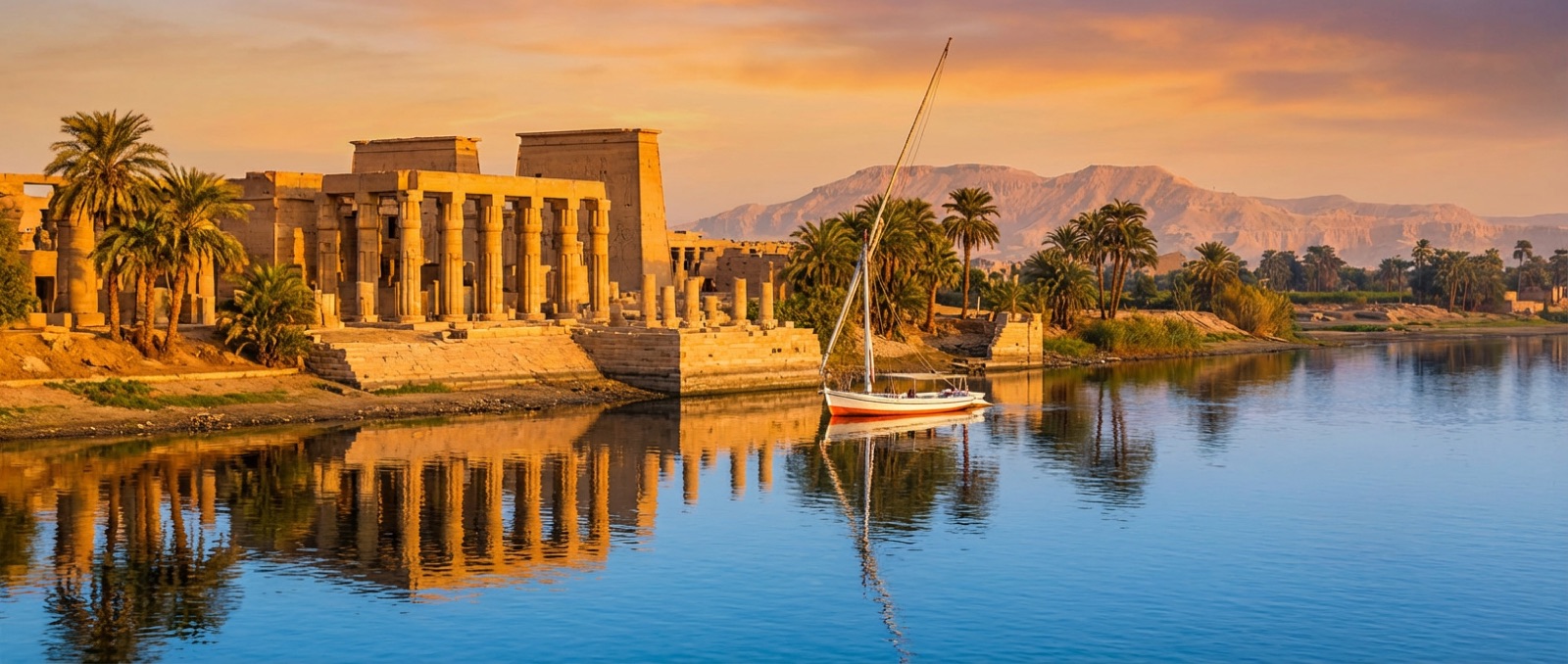
Egypt Travel Guide: Pyramids, the Nile and Practical Tips
When to visit, visas and entry, getting around, 7 to 14 day itineraries, safety and local customs, Egyptian food and what a trip to Egypt…
Egypt Weather Guide: The Complete Month-by-Month Breakdown
Month-by-month weather for Cairo, Luxor and the Red Sea - cool winter temple days, peak summer diving heat - so you can pick the right…
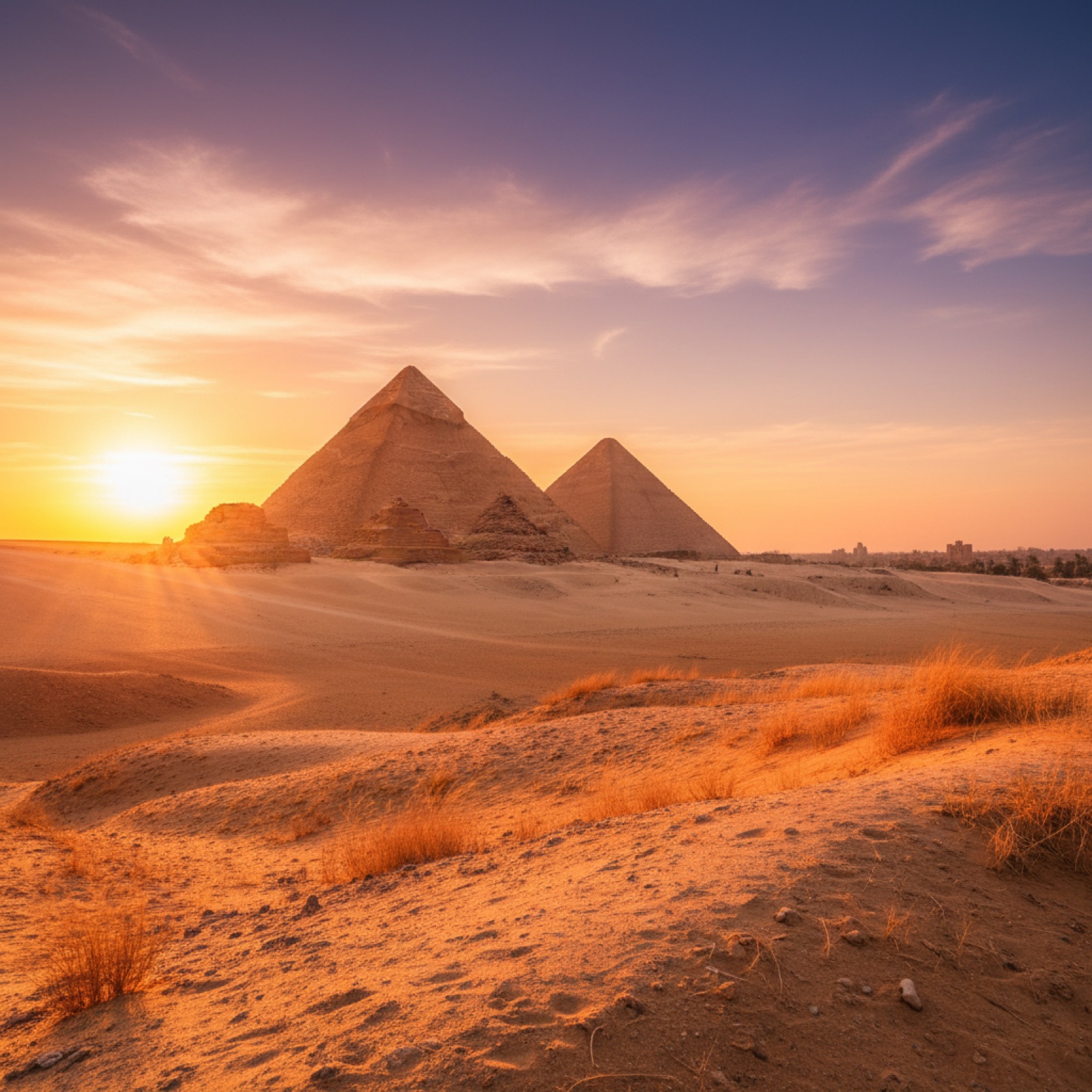
Pyramids of Giza: Tickets, Timing and How to Visit
Giza tickets and prices, the best time to visit for weather and crowds, transport to the plateau and what to see across the necropolis…