Egypt Travel Guide: Pyramids, the Nile and Practical Tips
When to visit, visas and entry, getting around, 7 to 14 day itineraries, safety and local customs, Egyptian food and what a trip to Egypt costs.
In this guide
- Welcome to Egypt: a Travel Guide
- Table of Contents
- When is the Best Time to Visit Egypt ?
- Egypt Visa Requirements and Entry
- Getting Around Egypt: Transportation Tips
- Top Things to Do in Egypt : An Unforgettable Itinerary
- Egypt Itinerary Suggestions ( Egypt Itinerary for 7 to 14 Days)
- Egypt Safety Tips & Local Customs
- Budget Breakdown: How Much Does an Egypt Trip Cost?
- Savoring Egypt: A Culinary Journey
- Common Mistakes to Avoid in Egypt
- Pro Tips for Egypt Travel
- Conclusion: Your Unforgettable Egypt Trip
- Explore Egypt in Depth: My Detailed Guides
- The Egypt Shortlist: What to Prioritise on a First Trip
- Nearby Guides
Welcome to Egypt: a Travel Guide
Few places carry the weight of history quite like Egypt, from its sand-swept temples and towering pyramids to its bustling souks. Standing before the Great Pyramid of Giza is a reminder of just how vast human civilisation is. This Egypt travel guide covers what you need to know to plan your visit.
As we look ahead to 2025, Egypt continues to be a destination that calls to the curious, the adventurous, and the history buffs. From unraveling the mysteries of the pharaohs to cruising the timeless Nile River, an Egypt trip promises an experience unlike any other. This comprehensive guide is packed with everything you need to plan your ultimate adventure, ensuring you see the ancient wonders, navigate the logistics, and create memories that will last a lifetime.
Table of Contents
- When is the Best Time to Visit Egypt?
- Egypt Visa Requirements and Entry
- Getting Around Egypt: Transportation Tips
- Top Things to Do in Egypt: An Unforgettable Itinerary
- The Pyramids of Giza and the Sphinx
- Nile Cruise: Luxor to Aswan
- Valley of the Kings, Luxor
- Karnak and Luxor Temples
- Abu Simbel Temples
- The Grand Egyptian Museum, Cairo
- Khan el-Khalili Bazaar, Cairo
- Dahab and the Red Sea Coast
- Egypt Itinerary Suggestions (7 to 14 Days)
- Egypt Safety Tips & Local Customs
- Budget Breakdown: How Much Does an Egypt Trip Cost?
- Savoring Egypt: A Culinary Journey
- Common Mistakes to Avoid in Egypt
- Pro Tips for Egypt Travel
- Conclusion: Your Unforgettable Egypt Adventure Awaits!
When is the Best Time to Visit Egypt?
Choosing the right time to visit Egypt can make or break your experience, especially when dealing with the desert climate. The best time to visit Egypt is during the cooler months, specifically from October to April. During this period, temperatures are much more pleasant, making sightseeing at historical sites like the Pyramids of Giza and the Valley of the Kings enjoyable without the oppressive summer heat.
October to February: This is peak tourist season. The weather is ideal, with average temperatures in Cairo ranging from 15-25°C (59-77°F). Luxor and Aswan will be warmer, but still comfortable. Expect more crowds and higher prices for accommodations and tours. November typically brings sunny skies, ideal for exploring the ancient Egypt culture.
March to April: Spring offers a sweet spot before the summer heat kicks in. Temperatures are mild, and the crowds begin to thin out. However, be aware of the Khamsin winds, which can bring sandstorms for a few days each spring. It’s less busy than winter, offering a good balance for your Egypt travel guide planning.
May to September: These are the summer months, and it gets incredibly hot, especially in Upper Egypt (Luxor and Aswan), where temperatures can soar above 40°C (104°F). While you'll find fewer tourists and lower prices, exploring temples in this heat can be exhausting and even dangerous. If you travel during this time, stick to early mornings, late evenings, and consider coastal areas like the Red Sea for relief.
Weather Overview by Month (Cairo Averages)
| Month | Average Min Temp (°C/°F) | Average Max Temp (°C/°F) | Notes |
|---|---|---|---|
| Jan | 9 / 48 | 19 / 66 | Cool, pleasant, peak season |
| Feb | 10 / 50 | 20 / 68 | Cool, pleasant, peak season |
| Mar | 12 / 54 | 23 / 73 | Mild, potential Khamsin winds |
| Apr | 15 / 59 | 28 / 82 | Warm, good value, less crowded |
| May | 18 / 64 | 32 / 90 | Hot, start of low season |
| Jun | 21 / 70 | 34 / 93 | Very hot, very low season |
| Jul | 22 / 72 | 35 / 95 | Extremely hot, stay hydrated |
| Aug | 22 / 72 | 34 / 93 | Extremely hot, quietest time |
| Sep | 20 / 68 | 32 / 90 | Hot, but starts to cool down slowly |
| Oct | 17 / 63 | 29 / 84 | Pleasant, beginning of peak season |
| Nov | 14 / 57 | 24 / 75 | Ideal, popular, perfect for an Egypt trip |
| Dec | 11 / 52 | 20 / 68 | Cool, pleasant, peak season |
Egypt Visa Requirements and Entry
Before you even think about boarding that flight, understanding the visa requirements for Egypt is crucial. Most nationalities, including citizens of the USA, Canada, UK, EU, and Australia, require a visa to enter Egypt. Don't worry, it's generally a straightforward process.
Visa on Arrival (VOA): For many nationalities, a visa can be obtained upon arrival at major Egyptian airports like Cairo (CAI), Hurghada (HRG), or Luxor (LXR). You'll typically pay for this at a dedicated bank kiosk before proceeding to immigration. The cost is usually around USD $25 or its equivalent in EUR or GBP. You'll need cash for this. I always make sure to have crisp USD twenties ready for multiple travelers, it makes the process smoother.
e-Visa: Egypt also offers an online e-Visa system, which I highly recommend for peace of mind. You can apply for this before your trip at the official Egyptian e-Visa portal (visa2egypt.gov.eg). The process is relatively simple, and you'll receive your e-Visa via email, which you then print and present upon arrival. The cost is also USD $25 for a single entry. Allow several business days for processing.
Visa Exemptions: A few countries, mostly in the Middle East, are visa-exempt. Always check the latest requirements well in advance of your trip through the Egyptian Ministry of Foreign Affairs website or your local embassy/consulate.
Passport Requirements & Customs
- Passport Validity: Your passport must be valid for at least six months beyond your intended departure date from Egypt.
- Blank Pages: Ensure you have at least two blank pages in your passport for stamps.
- Customs: Be aware of customs regulations, especially regarding medications, as certain prescription drugs might be restricted or require a doctor's note translated into Arabic. Always check with the Egyptian embassy in your country if you have concerns.
Getting Around Egypt: Transportation Tips
Navigating Egypt can be an adventure in itself! From internal flights to felucca rides, there are various ways to traverse this vast country, each with its own charm and challenges. This Egypt travel guide wouldn't be complete without a breakdown of your transport options.
Internal Flights
For covering long distances quickly, particularly between Cairo, Luxor, and Aswan, internal flights are your best friend. EgyptAir is the national carrier, and they offer frequent connections. This often saves valuable time that would otherwise be spent on long train journeys. I usually pre-book these flights, especially during peak season, to secure better prices.
- Typical Route: Cairo (CAI) to Luxor (LXR) or Aswan (ASW).
- Cost: Expect to pay around EGP 1,200 - 2,500 (approx. USD $40 - $80) for a one-way ticket, depending on how far in advance you book.
- Booking: Book directly on EgyptAir's official website or through reputable travel agents.
Trains
Trains are a popular way to travel between major cities, offering a more authentic experience than flying. The sleeper train between Cairo and Luxor/Aswan is particularly iconic. It’s less efficient than a flight, but provides a comfortable overnight journey.
- Overnight Sleeper Train: Operated by Watania Sleeping Trains, these offer private cabins with beds, dinner, and breakfast.
- Route: Cairo to Luxor/Aswan.
- Cost: Approx. USD $80 - $110 per person for a single cabin (foreigner price). Book well in advance.
- Day Trains: Standard seats are far cheaper, but can be crowded and less comfortable, especially in second class. Prices for foreigners are often significantly higher than for locals.
Tip: If you opt for the sleeper train, book directly through the Watania website or a trusted local agent. It’s a good way to save on a night’s accommodation while covering ground. The scenery isn't much to write home about, but the experience itself is part of the Egypt travel guide adventure.
Nile Cruise (Luxor to Aswan or vice versa)
A Nile cruise isn't just a leisure activity; it's a vital mode of transport between Luxor and Aswan, stopping at key historical sites along the way. Most cruises are 3 or 4 nights.
- Typical Duration: 3 nights (Aswan to Luxor) or 4 nights (Luxor to Aswan).
- Cost: Varies wildly depending on boat luxury, season, and inclusions. Expect anywhere from USD $300 - $1,500+ per person for a 3-4 night cruise, including full board and guided excursions. See detailed section below.
Taxis and Ride-Sharing (Uber/Careem)
In major cities like Cairo, Alexandria, Luxor, and Aswan, taxis are abundant. Always negotiate the fare beforehand or insist on using the meter (which drivers often 'forget' to use). For a hassle-free experience, I strongly recommend using Uber or the local equivalent, Careem. They offer fixed prices and clear navigation, making them indispensable for any Egypt travel guide.
- Average Cost (Cairo): Short rides within the city might be EGP 50-150 (USD $1.50 - $5). A longer trip from Cairo Airport to Giza could be EGP 250-400 (USD $8 - $13).
Private Drivers and Group Tours
For day trips to more remote sites (like Abu Simbel) or for multi-day itineraries, hiring a private driver or joining a group tour is often the most practical and efficient option. Your hotel can usually arrange this, or you can book through online tour operators.
- Cost: A private driver for a full day in Luxor to visit the West Bank might cost EGP 800 - 1,500 (USD $25 - $50), excluding guide and entry fees.
Top Things to Do in Egypt: An Unforgettable Itinerary
Egypt is a treasure trove of ancient wonders, and planning your itinerary can feel overwhelming with so much to see. This section of my Egypt travel guide highlights the absolute must-see attractions and experiences. Prepare to be amazed!
The Pyramids of Giza and the Sphinx, Cairo
There's no better way to kick off your Egypt trip than standing before the last remaining wonder of the ancient world. The Pyramids of Giza are truly monumental, and no photograph does them justice. Arrive just as the sun is rising to see them casting long, dramatic shadows.
- Location: Giza Necropolis, Al Haram, Giza Governorate, Egypt.
- Opening Hours: 8:00 AM - 5:00 PM (winter), 7:00 AM - 6:00 PM (summer).
- Entry Fee:
- Giza Plateau (incl. Great Pyramid exterior & Sphinx): EGP 700 (approx. USD $14.50)
- Entry inside Great Pyramid: EGP 1,500 (approx. USD $31) (separate ticket)
- Entry inside Khafre's Pyramid: EGP 280 (approx. USD $6) (separate ticket, often closed for rotation)
- Camel Ride: Negotiate fiercely! Expect EGP 200-400 (USD $6.50 - $13) for a 30-minute ride, but prices can go higher.
- Pro Tip: Visit early in the morning to beat the crowds and the heat. Consider hiring a licensed guide at the entrance for deeper insights into the ancient Egypt culture.
Nile Cruise: Luxor to Aswan (or Aswan to Luxor)
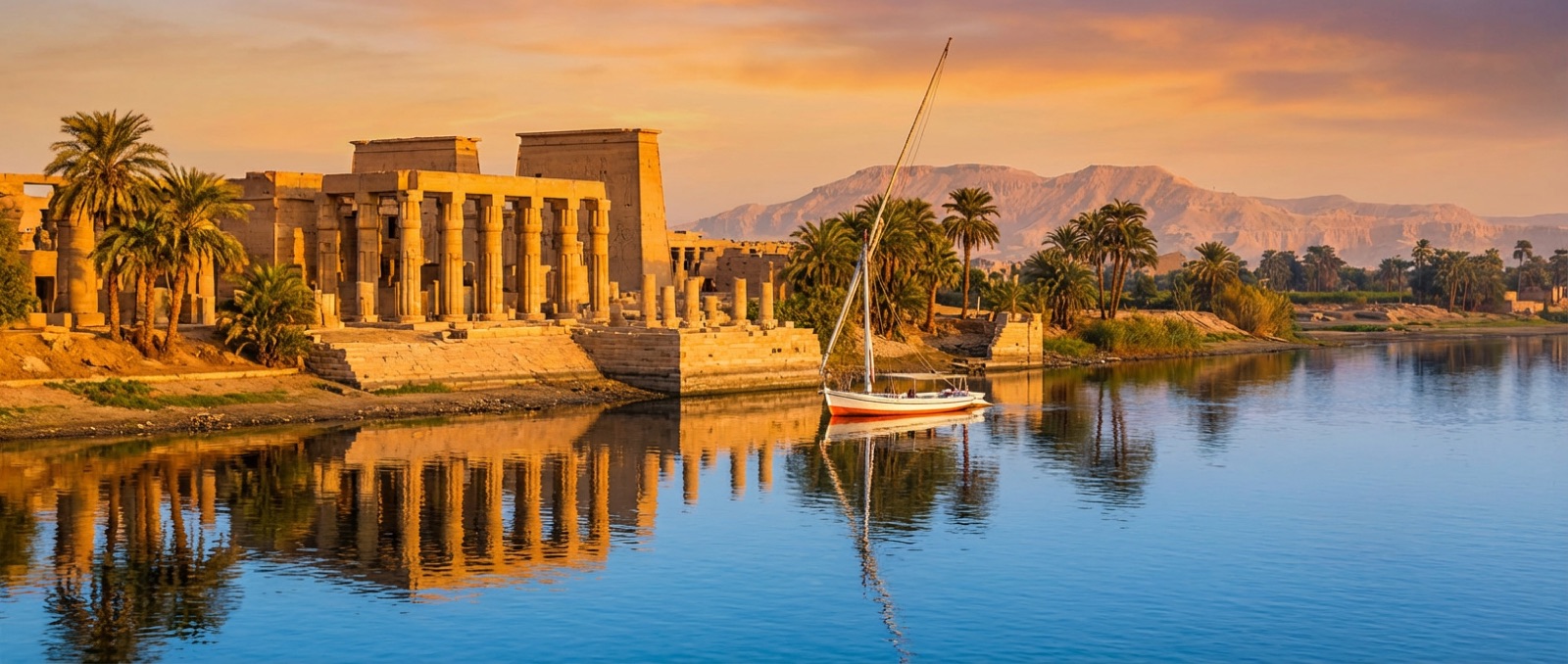
Cruising the Nile is, without a doubt, one of the most iconic and relaxing things to do in Egypt. It's a journey back in time, allowing you to witness riverside life unchanged for millennia while visiting magnificent temples along the banks. My first Nile cruise was an absolute highlight – lazy days on deck, stunning sunsets, and incredible history.
- Duration: Typically 3 nights (Aswan to Luxor) or 4 nights (Luxor to Aswan).
- Includes: Full board (breakfast, lunch, dinner), cabin accommodation, and guided excursions to sites like Kom Ombo, Edfu, Philae Temple, and the High Dam.
- Cost: Starts from around USD $300 per person for a budget 3-star boat, up to USD $1,500+ for luxury cruises (e.g., Oberoi Philae). This is a crucial element when calculating your Egypt trip budget.
- Booking: Book through a reputable travel agent or directly with cruise lines like Movenpick, Sonesta, or Oberoi. Ensure your package includes an Egyptologist guide.
Valley of the Kings, Luxor
On the West Bank of Luxor lies the Valley of the Kings, the burial ground for many pharaohs from the New Kingdom, including the famous Tutankhamun. Descending into these intricately decorated tombs is an awe-inspiring experience. Each tomb tells a story through vibrant hieroglyphs. This is a crucial part of any Egypt travel guide.
- Location: West Bank, Luxor, Egypt.
- Opening Hours: 6:00 AM - 5:00 PM.
- Entry Fee:
- Standard ticket (entry to 3 tombs, excluding select few): EGP 400 (approx. USD $13)
- Tutankhamun's Tomb (separate ticket): EGP 500 (approx. USD $16)
- Seti I's Tomb (separate ticket, most expensive): EGP 1800 (approx. USD $58)
- Pro Tip: Photography inside the tombs is generally prohibited or requires an extra photography permit (usually a few hundred EGP). Respect the rules to preserve these ancient treasures. Wear comfortable shoes and stay hydrated in the Luxor heat.
Karnak and Luxor Temples, Luxor
These two magnificent temple complexes in Luxor are colossal testaments to ancient Egyptian religious devotion. Karnak Temple, especially, feels like an entire city of towering columns, colossal statues, and sacred lakes. The sheer scale of the Hypostyle Hall leaves most visitors feeling dwarfed.
- Karnak Temple Location: Karnak, Luxor, Luxor Governorate, Egypt.
- Karnak Opening Hours: 6:00 AM - 5:00 PM (to 6:00 PM May-Sep).
- Karnak Entry Fee: EGP 600 (approx. USD $12.50)
- Luxor Temple Location: Luxor, Luxor Governorate, Egypt.
- Luxor Opening Hours: 6:00 AM - 9:00 PM Oct-Apr, 6:00 AM - 8:00 PM May-Sep (night visit highly recommended!).
- Luxor Entry Fee: EGP 500 (approx. USD $10.50)
- Pro Tip: Visit Luxor Temple at sunset or night when it's beautifully illuminated. For Karnak, allow at least 3-4 hours to explore the vast complex.
Abu Simbel Temples, Aswan
One of the most impressive feats of ancient engineering and modern preservation, the Abu Simbel temples, carved into a mountainside, are absolutely breathtaking. They were famously relocated in the 1960s to save them from the rising waters of Lake Nasser. The story behind their move is as fascinating as the temples themselves. This is high on the list of things to do in Egypt.
- Location: Abu Simbel, Aswan, Egypt (approx. 3 hours drive south of Aswan).
- How to Get There: Typically via an organized tour by bus convoy (leaves very early morning) or by internal flight from Aswan.
- Opening Hours: 6:00 AM - 5:00 PM.
- Entry Fee: EGP 822 (approx. USD $17).
- Bus Tour Cost: Approx. EGP 500-800 (USD $16 - $26) per person from Aswan (excluding entry fee).
- Pro Tip: The bus convoy leaves Aswan very early (around 3:00-4:00 AM) to arrive at Abu Simbel around sunrise. It's an early start but entirely worth it. Pack snacks and water.
The Grand Egyptian Museum (GEM), Cairo
The Grand Egyptian Museum, often referred to as GEM, is the largest archaeological museum in the world, a truly modern marvel complementing the ancient Pyramids of Giza just a stone's throw away. It houses an incredible collection, including the full Tutankhamun collection.
- Location: Next to the Pyramids of Giza, Giza, Egypt.
- Official Opening: Fully inaugurated on 1 November 2025.
- Entry Fee: EGP 1,590 (approx. USD $33) for foreign adults (2026).
- Pro Tip: Check the official GEM website for the latest opening dates and ticket information before your Egypt trip.
Khan el-Khalili Bazaar, Cairo
After a dose of ancient history, immerse yourself in the vibrant chaos of modern-day Cairo at Khan el-Khalili, a sprawling, historic souk. This bustling market has been a center of trade since the 14th century. I love getting lost in its narrow alleys, haggling for spices, jewelry, and souvenirs while sipping mint tea at El Fishawi, Cairo's oldest coffee house.
- Location: El-Gamaleya, Cairo Governorate, Egypt.
- Opening Hours: Generally 9:00 AM - late evening (many shops close for a few hours in the afternoon). Some cafes stay open 24/7.
- Cost: Free to enter, but prepare to spend on souvenirs!
- Pro Tip: Bargaining is expected and part of the fun. Start at 50% of the asking price and work your way up. Keep an eye on your belongings in crowded areas.
Dahab and the Red Sea Coast
If your Egypt itinerary allows for some relaxation or adventure outside of temples, head to the Red Sea coast. Dahab, with its laid-back atmosphere, incredible diving, and snorkeling, is a personal favorite. The vibrant coral reefs are a stark contrast to the desert landscapes. This provides a different spin on things to do in Egypt.
- Location: Sinai Peninsula, on the coast of the Red Sea.
- Activities: Diving (Blue Hole!), snorkeling, jeep safaris, climbing Mount Sinai, relaxing by the beach.
- Accommodation: Guesthouses and resorts to suit all budgets.
- Cost: Dive trips start from around EGP 1,000 (USD $32) for a two-dive day. Accommodation can be very affordable, from EGP 300 (USD $10) for a simple guesthouse.
- How to Get There: Fly to Sharm El Sheikh (SSH) and take a taxi or bus to Dahab (approx. 1 hour drive).
Egypt Itinerary Suggestions (Egypt Itinerary for 7 to 14 Days)
Crafting the perfect Egypt itinerary depends on your interests, budget, and the amount of time you have. Here are a few suggestions from my own planning process, to help you visualize your Egypt trip.
7-Day Classic Egypt Itinerary: Pyramids & Nile Cruise
This is a fast-paced but comprehensive option for first-timers, focusing on the highlights.
- Day 1: Arrival in Cairo. Settle in, perhaps a felucca ride on the Nile at sunset.
- Day 2: Cairo - Giza & Egyptian Museum. Explore the Pyramids of Giza, Sphinx, and the Grand Egyptian Museum (GEM).
- Day 3: Fly to Luxor & East Bank. Morning flight to Luxor. Visit Karnak Temple and Luxor Temple (evening). Check into Nile cruise.
- Day 4: Nile Cruise - West Bank & Edfu. Early morning visit to Valley of the Kings, Hatshepsut's Temple, Colossi of Memnon. Sail to Edfu.
- Day 5: Nile Cruise - Kom Ombo & Aswan. Visit Edfu Temple and Kom Ombo Temple. Arrive in Aswan.
- Day 6: Aswan - Philae & Unfinished Obelisk. Visit Philae Temple, Aswan High Dam, and the Unfinished Obelisk. Consider a traditional felucca ride. Fly back to Cairo late evening.
- Day 7: Departure from Cairo.
10-Day In-Depth Egypt Itinerary: History & Culture
This allows for a deeper dive into the ancient sites and more relaxed travel.
- Days 1-3: Cairo & Surroundings.
- Day 1: Arrival, local exploration.
- Day 2: Pyramids of Giza, Sphinx, GEM.
- Day 3: Dahshur & Saqqara (Step Pyramid) for more pyramid history, then Khan el-Khalili Bazaar.
- Days 4-7: Nile Cruise (Luxor to Aswan).
- Day 4: Fly to Luxor, check into cruise, Karnak & Luxor Temples.
- Day 5: West Bank (Valley of the Kings, Hatshepsut). Sail to Edfu.
- Day 6: Edfu, Kom Ombo. Sail to Aswan.
- Day 7: Aswan - Philae, High Dam, Unfinished Obelisk.
- Day 8: Abu Simbel Excursion & Aswan. Early morning trip to Abu Simbel. Afternoon relaxation in Aswan.
- Day 9: Fly Aswan to Cairo. Farewell dinner, perhaps a final souk visit.
- Day 10: Departure from Cairo.
14-Day Egypt Itinerary: History, Culture & Red Sea Adventure
For those with more time, combine history with some relaxation and adventure.
- Days 1-4: Cairo & Pyramids. (As per 10-day itinerary)
- Days 5-8: Nile Cruise (Luxor to Aswan). (As per 10-day itinerary)
- Days 9-10: Aswan & Abu Simbel. (As per 10-day itinerary)
- Day 11: Fly Aswan to Sharm El Sheikh / Dahab. Transition from ancient wonders to beaches.
- Days 12-13: Dahab / Red Sea Relaxation & Diving. Enjoy snorkeling, diving, or simply relaxing by the Red Sea. (Consider a trip to St. Catherine's Monastery or Mount Sinai).
- Day 14: Fly from Sharm El Sheikh to Cairo, then connect for international departure.
Egypt Safety Tips & Local Customs
Like any popular travel destination, it's wise to be informed about safety and local customs to ensure a smooth and respectful journey. I’ve traveled extensively through Egypt, and with a few precautions, it’s an incredibly welcoming and safe place for tourists. Your Egypt travel guide needs this crucial section!
General Safety Tips
- Political Stability: Egypt has seen periods of unrest in the past, but major tourist areas have generally remained safe and heavily policed. Always check your government's latest travel advisories before your Egypt trip.
- Petty Crime: Pickpocketing and bag snatching can occur in crowded areas like markets or public transport. Be vigilant, keep valuables secure, and avoid flashing expensive items.
- Scams and Hustle: You will encounter persistent vendors and touts, especially at major tourist sites. A firm but polite 'no, thank you' (or 'la shukran' in Arabic) usually works. Don't engage if you're not interested. My golden rule: if someone approaches you offering a 'gift' or unsolicited help, it almost always comes with a price tag.
- Transportation Safety: Use reputable taxis or ride-sharing apps (Uber/Careem). Avoid unmarked taxis. For long-distance travel, stick to established airlines, train services (especially the Watania sleepers), or organized tour buses.
- Solo Female Travelers: While generally safe, solo female travelers may experience unwanted attention or harassment. Dress modestly, avoid walking alone at night in unlit areas, and consider joining group tours for excursions. Confidence and clear communication are key.
- Health: Drink bottled water only. Be cautious with street food; stick to busy stalls with high turnover. Keep hydrated, especially in the summer. Consider travel insurance.
Local Customs and Etiquette
Egypt is a conservative, predominantly Muslim country. Showing respect for local customs will enhance your experience and avoid unintentional offense.
- Dress Code: Modest dress is respectful, especially outside of resort areas. For women, this means covering shoulders and knees. Loose-fitting clothing is also more comfortable in the heat. When visiting mosques, women will need to cover their hair as well (scarves are often provided or can be easily purchased). Men should avoid tank tops and shorts in religious sites.
- Photography: Always ask permission before photographing people, especially women. Avoid military installations.
- Ramadan: If traveling during Ramadan, be aware that many restaurants will have altered hours (closed during the day, busy after sunset for Iftar). Eating, drinking, and smoking in public during fasting hours are considered disrespectful.
- Bargaining: In markets like Khan el-Khalili, bargaining is not only expected but almost a cultural ritual. Do it respectfully and with a smile.
- Left Hand: The left hand is considered unclean in Islamic culture. Try to use your right hand when shaking hands, passing food, or handling money.
- Greetings: A simple 'Salam Alaikum' (peace be upon you) is a polite greeting.
Budget Breakdown: How Much Does an Egypt Trip Cost?
One of the most common questions I get asked is, 'How much money do I need for an Egypt trip?' The answer, of course, varies wildly depending on your travel style. However, I've put together a realistic budget breakdown for different traveler types for 2025, to help you plan your finances. These figures are estimates and can fluctuate.
Estimated Daily Costs Per Person (excluding international flights)
| Category | Budget Traveler (USD) | Mid-Range Traveler (USD) | Luxury Traveler (USD) |
|---|---|---|---|
| Accommodation | $20 - $40 | $50 - $120 | $150 - $400+ |
| Food & Drink | $15 - $30 | $35 - $70 | $80 - $150+ |
| Activities & Entry Fees | $20 - $40 | $45 - $80 | $90 - $150+ |
| Local Transport | $5 - $15 | $15 - $30 | $30 - $60 |
| Daily Total (Avg.) | $60 - $125 | $145 - $300 | $350 - $760+ |
Specific Costs for Popular Items and Activities
- Visa on Arrival: USD $25
- SIM Card (e.g., Vodafone 10GB): EGP 250-350 (USD $8 - $11)
- Water Bottle (1.5L): EGP 8-15 (USD $0.25 - $0.50)
- Koshary (local staple): EGP 30-70 (USD $1 - $2.25)
- Meal in a mid-range restaurant: EGP 150-300 (USD $5 - $10)
- Coffee/Tea: EGP 30-80 (USD $1 - $2.50)
- Giza Plateau Entry: EGP 700 (USD $14.50)
- Valley of the Kings Entry: EGP 400 (USD $13)
- Luxor Temple Entry: EGP 500 (USD $10.50)
- Karnak Temple Entry: EGP 600 (USD $12.50)
- Abu Simbel Entry: EGP 822 (USD $17)
- Nile Cruise (3-4 nights, mid-range boat): USD $400 - $800 per person (see details above).
- Internal Flight (Cairo-Luxor): USD $40 - $80 one way.
Budgeting Tips
- Cash is King: While credit cards are accepted in larger hotels and tourist shops, many smaller establishments and taxis deal only in cash (Egyptian Pounds). Always have small denominations.
- ATM Fees: Most Egyptian ATMs charge a withdrawal fee (around EGP 30-70 or USD $1-$2.25). Check with your bank about foreign transaction fees.
- Haggling: Embrace it in markets and for taxi rides (unless using meter/app). It’s part of the culture and can save you significant amounts.
- Group Tours vs. Independent: Group tours often combine transport, guide, and entry fees, which can be cost-effective, especially for solo travelers. Independent travel offers more flexibility but requires more planning. This Egypt travel guide aims to support both.
- Tipping (Baksheesh): Tipping is deeply ingrained in Egyptian culture. Have small bills handy for baksheesh for services like carrying luggage, bathroom attendants, and drivers. A few EGP goes a long way.
Savoring Egypt: A Culinary Journey
No Egypt travel guide would be complete without talking about the food! Egyptian cuisine is a delicious blend of Middle Eastern, Mediterranean, and African flavors, offering hearty and flavorful dishes. My personal highlights always include starting the day with fresh ta'ameya (falafel) and ending it with a strong cup of karkadeh (hibiscus tea).
Must-Try Dishes
- Koshary: The national dish! A delicious and hearty mix of rice, macaroni, lentils, chickpeas, topped with a spicy tomato sauce, garlic vinegar, and crispy fried onions. It's incredibly cheap and satisfying.
- Ful Medames: A staple breakfast dish of slow-cooked fava beans, seasoned with olive oil, cumin, and lemon juice. Served with bread and often eggs or cheese.
- Ta'ameya (Egyptian Falafel): Unlike the chickpea-based falafel in the Levant, Egyptian falafel is made from fava beans and is often greener and fluffier. Unmissable!
- Molokhia: A green, leafy vegetable stew (often described as slimy, but delicious!). Served with rice and chicken or rabbit. An acquired taste for some, but a cultural experience.
- Mahshi: Vegetables (peppers, zucchini, cabbage leaves, vine leaves) stuffed with a rice and herb mixture, cooked in tomato sauce.
- Hawawshi: A savory pie or pita bread stuffed with minced meat, onions, and spices, then baked in a traditional oven.
- Konafa & Basbousa: Popular sweet pastries. Konafa is shredded pastry with cheese or cream and syrup; Basbousa is semolina cake soaked in syrup.
Drinks
- Shai (Tea): The national drink, typically black and often served with plenty of sugar.
- Karkadeh (Hibiscus Tea): Served hot or cold, it's refreshing and a personal favorite.
- Fresh Juices: Everywhere you go, you'll find fresh juices (mango, guava, orange, strawberry). They are incredibly delicious and cheap.
Common Mistakes to Avoid in Egypt
Through my travels, I've learned a few things the hard way. Here are some common pitfalls that tourists often experience while on their Egypt trip, and how you can avoid them, ensuring a smoother journey for your Egypt travel guide.
Not Carrying Small Denominations (for Baksheesh and Small Purchases)
As I mentioned, baksheesh (tipping) is ubiquitous. You'll need small bills for everything from bathroom attendants to porters. Trying to pay for a 10 EGP tea with a 200 EGP note will often result in 'no change' or a frustrated vendor. Always keep a stash of EGP 5, 10, 20 notes.
Not Negotiating Fares or Prices
In markets and for non-metered taxis, not negotiating is a rookie mistake. Prices quoted to tourists are often inflated, sometimes by 100% or more. Don't be afraid to haggle; it's part of the experience and expected. If you're uncomfortable, use Uber/Careem for explicit pricing.
Drinking Tap Water
Unless you have a high-filtration water bottle, avoid drinking tap water. Stick to bottled water to prevent stomach issues. Even brushing teeth with tap water can sometimes be a problem for sensitive stomachs.
Dressing Inappropriately (Especially for Women)
While the Red Sea resorts are more relaxed, in cities and religious sites, modest dress is essential. Showing too much skin can draw unwanted attention and is seen as disrespectful. Err on the side of caution with loose-fitting clothes that cover shoulders and knees.
Over-Scheduling Your Itinerary
Egypt is vast, and travel between sites can be slow. Don't try to cram too much into one day. The heat can be exhausting, and you'll want time to simply soak in the atmosphere. Build in some downtime, especially with a packed Egypt itinerary.
Ignoring Sun Protection
The Egyptian sun is intense, even in winter. Sunscreen, a wide-brimmed hat, sunglasses, and lightweight long sleeves are non-negotiable. Dehydration is a real risk. Carry plenty of water.
Falling for Tourist Traps
Be wary of uninvited 'guides' at temple entrances or people offering 'free' boat rides. These invariably come with a catch (e.g., being led to a shop where you're pressured to buy). Stick to licensed guides and official tour operators for your Egypt trip.
Pro Tips for Egypt Travel
These 'Pro Tips' will help first-time visitors get more out of their trip and elevate your Egypt travel guide experience.
- Get a Local SIM Card: As soon as you land, pick up a local SIM card (Vodafone, Orange, Etisalat). It's cheap, provides excellent data coverage, and makes navigating, booking Ubers/Careems, and staying connected a breeze. You can buy them at the airport.
- Download Google Translate (Arabic Offline Pack): While many people in tourist areas speak English, having an offline Arabic dictionary or translator is incredibly useful for communicating with locals, especially when off the beaten path.
- Bring a Portable Fan/Cooling Towel: Seriously, even in winter, the sun can feel relentless at archaeological sites. A handheld fan or a cooling towel can be a lifesaver.
- Wear Comfortable, Sturdy Shoes: You'll be doing a lot of walking, often on uneven terrain, sand, and ancient stones. Good footwear is essential.
- Carry Hand Sanitizer and Wet Wipes: Public restrooms can vary in cleanliness, and these are always useful, especially before eating.
- Embrace the Haggling!: View bargaining in the souks as a fun cultural exchange, not a confrontation. It’s part of the charm of an Egypt trip.
- Rise Early: Beat the crowds and the worst of the heat by starting your sightseeing as early as possible. Temples at dawn are magical and much more enjoyable.
- Hire an Egyptologist Guide: For the major historical sites, a good guide will bring the ancient stones to life. Their knowledge of ancient Egypt culture is invaluable. Your Nile cruise will likely include one, but consider hiring one for your Cairo portion.
- Stay Safe from Sunstroke: Always wear a hat, sunglasses, apply sunscreen liberally, and drink plenty of bottled water. Look for shade whenever possible.
- Be Patient and Flexible: Things don't always run on Western time in Egypt. Buses might be late, plans might change. Embrace the fluidity and go with the flow. It’s all part of the adventure!
Conclusion: Your Unforgettable Egypt Trip
There you have it – my ultimate Egypt travel guide for 2025. This country, with its timeless pyramids, majestic temples, and the life-giving Nile, offers an unparalleled journey into the heart of human history. From the bustling streets of Cairo to the serene waters of the Red Sea, every moment in Egypt is a chance to connect with a civilization that shaped the world.
Remember to plan thoughtfully, respect local customs, embrace the adventure, and most importantly, allow yourself to be swept away by the magic of this incredible land. Whether you're decoding hieroglyphs in the Valley of the Kings or simply sipping mint tea by the Nile, your Egypt trip will undoubtedly be an experience you'll cherish forever. Happy travels!
Ready to uncover the secrets of the Pharaohs? Start planning your 2025 Egypt adventure today!
Explore Egypt in Depth: My Detailed Guides
This guide is the overview. When you are ready to plan a specific part of the trip, I have written a dedicated deep-dive on each of these, and every one of them links back here:
Weather and when to go
Food, drink and dining
Beaches, nature and outdoors
- Nile River Cruise Guide: Routes, Seasons and Booking
- Sinai Peninsula Travel Guide: Dahab, Mount Sinai and More
- Snorkelling in the Red Sea: Best Spots and Tips
Attractions and experiences
- Egypt Travel Guide: Pyramids & Culture
- Egypt Travel Guide: Top 10 Must-See Wonders
The Egypt Shortlist: What to Prioritise on a First Trip
If you only have ten days and you want the highlights without the regret, this is the order I'd put them in.
- The Pyramids of Giza and the Sphinx. Go at opening (8am) or in the last two hours of light. Buy the extra ticket to go inside the Great Pyramid only if tight spaces don't bother you — it's a hot, hunched climb to an empty chamber, and the outside is the real event.
- A Nile cruise from Luxor to Aswan. Three to four nights. It's not just transport; it's the only way to see how completely Egyptian life still clings to that river.
- The Valley of the Kings. Your ticket covers three tombs; pay the surcharge for Seti I if the budget stretches, it is in a different league.
- Karnak and Luxor Temples. Karnak in the morning, Luxor Temple lit up after dark.
- Abu Simbel. A 3am convoy from Aswan or a short flight. Worth every bit of the early start.
- The Red Sea. Dahab for laid-back diving, Marsa Alam for the reefs, Hurghada if you want resorts.
- Khan el-Khalili bazaar, Cairo. Late afternoon, mint tea at El Fishawy, and haggle at roughly a third of the opening price.
- The Grand Egyptian Museum. Half a day minimum for the Tutankhamun collection alone.
- Alexandria. A day trip by train from Cairo for the Mediterranean corniche, the catacombs and the library.
- A felucca at sunset in Aswan. An hour, a small boat, no engine. The cheapest great memory in Egypt.
What Egypt costs per person, per day
- Budget: US$35-50 — hostels, local minibuses, koshari and ful for most meals
- Mid-range: US$90-140 — three or four-star hotels, a guided day or two, domestic flights
- Comfortable: US$220+ — five-star Nile cruise, private Egyptologist guide, transfers
Budget separately for tipping (baksheesh) — small notes, constantly. It is part of the economy, not a scam.
Nearby Guides
More Egypt guides
Egypt Weather Guide: The Complete Month-by-Month Breakdown
Month-by-month weather for Cairo, Luxor and the Red Sea - cool winter temple days, peak summer diving heat - so you can pick the right…
Pyramids of Giza: Tickets, Timing and How to Visit
Giza tickets and prices, the best time to visit for weather and crowds, transport to the plateau and what to see across the necropolis…

Snorkelling in the Red Sea: Best Spots and Tips
The best snorkelling spots on Egypt's Red Sea coast, the marine life on its reefs, tours and excursions, gear to bring, practical tips and…