Things to Do in Colombia: Cartagena to Coffee Country
Cartagena's walled city, Medellín's Comuna 13, Guatapé, the Coffee Triangle, Tayrona's beaches and the Lost City trek.
In this guide
- Quick Facts: Colombia at a Glance
- Bogota: High-Altitude Culture, History, and Mountain Views
- Medellin: Urban Transformation and Eternal Spring
- Day Trips from Medellin: Guatape and El Penol
- The Coffee Triangle: Salento and the Cocora Valley
- Cartagena: Colonial Charm and Caribbean Rhythms
- Tayrona National Park and the Sierra Nevada: Minca and Beyond
- Islands of the Caribbean: San Andres and Providencia
- Colombia’s Hidden Gems: Cano Cristales, Heritage Towns, and Cali
- Comparing Colombia's Core Travel Regions
- Practical Travel Advice for Colombia
- Final Thoughts: Embracing the Magic of Colombia
This guide is part of our Colombia Itinerary: Medellin, Cartagena, Coffee Triangle — start there for the overview, when to go and how to get around.
At dawn on the edge of the Cocora Valley, thick ribbons of Andean mist thread through the crowns of giant wax palms towering sixty metres into the overcast sky. The air smells of damp earth and crushed leaves, sharp and cool, while the distant clatter of a wooden chiva bus echoes down the valley. Moments like this shatter every lingering stereotype about Colombia.
For decades, Colombia was a land spoken of in quiet, cautious tones by travellers. Today, it stands as one of South America's most thrilling, complex, and astonishingly diverse destinations. From the sun-baked cobblestones of walled Caribbean ports to high-altitude Andean capitals, humid jungle trails leading to ancient lost cities, and rolling green hills carpeted in coffee bushes, the sheer variety of landscapes here is intoxicating.
What makes travelling through Colombia so special, however, is not just its geographic drama, but the extraordinary warmth and resilience of its people. Whether you are learning to step to the frantic rhythm of salsa in Cali, riding a cable car high above Medellin's rejuvenated neighbourhoods, or sipping fresh tinto on a plaza in Salento, you will encounter a country proud to share its culture, history, and natural beauty with the world.
Quick Facts: Colombia at a Glance
- Capital City: Bogota (located in the high Andes at 2,640 metres above sea level)
- Official Language: Spanish
- Currency: Colombian Peso (COP)
- Primary Transport Modes: Domestic flights, long-distance buses, cable cars, local metro networks, and colourful wooden chivas
- Geographic Regions: Andes Mountains, Caribbean Coast, Pacific Coast, Amazon Rainforest, Orinoquia (Plains), and Insular Region
- Key Cultural Motto: "No dar papaya" (A local phrase meaning "don't give papaya" — or don't present easy opportunities for theft)
Bogota: High-Altitude Culture, History, and Mountain Views
Sitting high in the Eastern Cordillera of the Andes, Bogota is a vast, moody, and dynamic metropolis that serves as the nation's political and cultural anchor. The climate here is crisp and perpetually cool, requiring a fleece or light coat even on sunny days. It is a city of distinct contrasts, where historic colonial architecture sits directly beside striking modern skyscrapers, and dramatic mountain peaks frame almost every street view looking east.
The Gold Museum and Historic La Candelaria
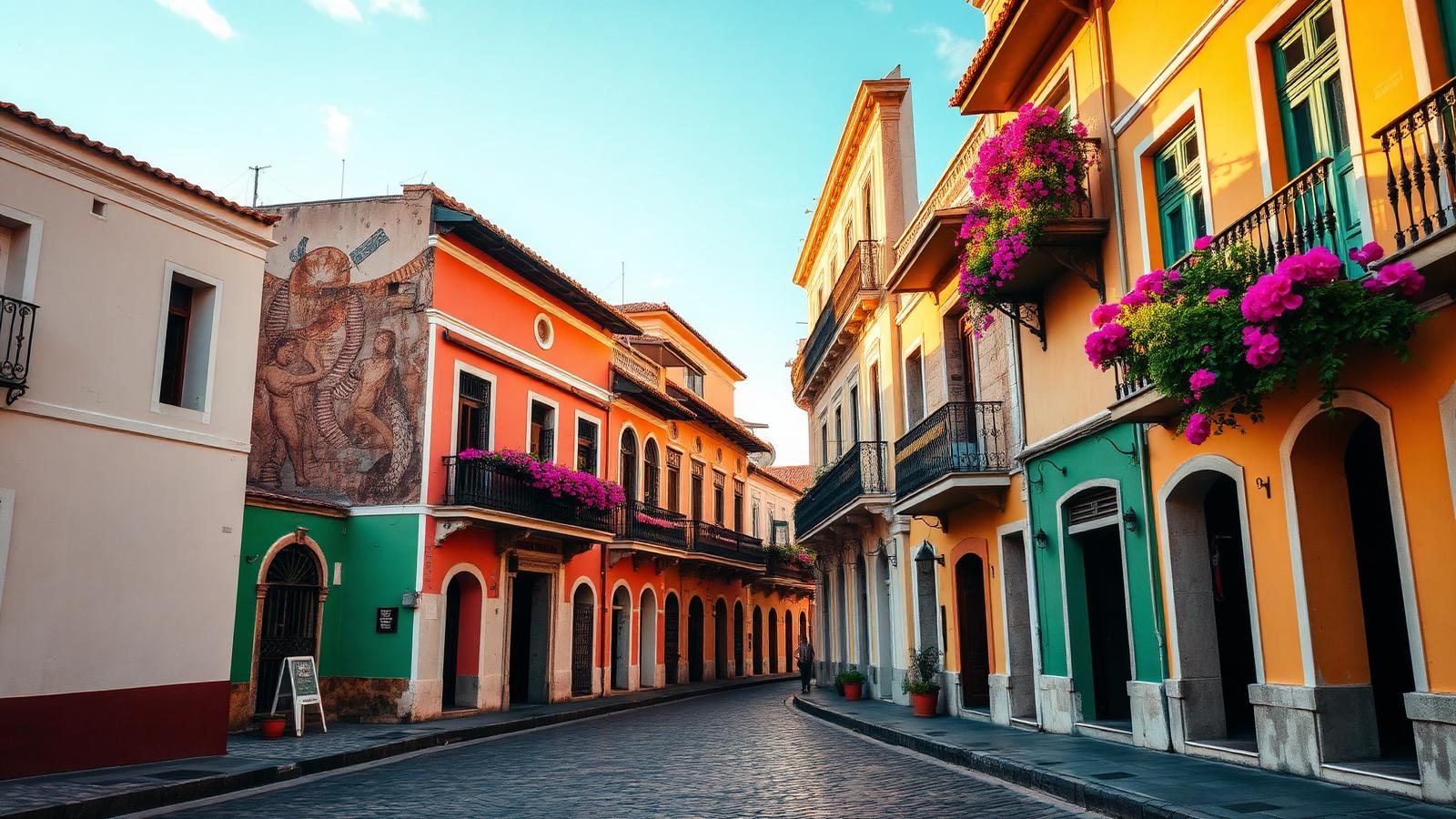
The historical beat of the capital sounds loudest in La Candelaria, Bogota’s atmospheric colonial neighbourhood. Walking these steep cobblestone streets, you will brush past bright terracotta houses, wrought-iron balconies trailing bougainvillea, and striking urban street art that tells stories of political activism and Indigenous heritage. At the heart of the district sits the central Plaza de Bolivar, flanked by the grand Cathedral of Bogota and the National Capitol building.
A short stroll away lies the world-renowned Gold Museum (Museo del Oro). This institution houses one of the most important collections of pre-Hispanic metalwork anywhere on earth. Gazing through the glass display cases, you will see thousands of intricately carved gold ornaments, breastplates, and sacred poporos crafted by ancient civilizations including the Muisca, Quimbaya, and Tairona. The highlight for most visitors is the Muisca Raft, an exquisite gold votive figure depicting the ceremony that inspired the legend of El Dorado.
Ascending Cerro de Monserrate
To truly comprehend the sheer, staggering scale of Bogota, you must ascend Cerro de Monserrate. Rising to over 3,100 metres above sea level, this sacred mountain dominates the eastern skyline of the city. You can reach the top via a steep funicular railway or an aerial cable car that glides up the mountain forest.
At the summit, beside the 17th-century fallen lord shrine, the entire urban sprawl unfolds below you like a massive grid extending to the horizon. Standing at the lookout viewpoint, watching the late afternoon fog roll off the paramo peaks while drinking a hot cup of agua de panela (sweetened sugarcane tea), is an essential Bogota experience that helps you grasp the highland geography of the country.
Medellin: Urban Transformation and Eternal Spring
Cradled within the lush Aburra Valley, Medellin is famously nicknamed the "City of Eternal Spring" thanks to its pleasant, year-round temperate climate. Once known primarily for its troubled past during the late twentieth century, Medellin has undertaken one of the most celebrated urban transformations in modern history, morphing into an innovative hub of public art, green architecture, and efficient transit systems.
Comuna 13: A Symbol of Transformation
There is perhaps no clearer evidence of Medellin's rebirth than Comuna 13. Formerly one of the most dangerous and isolated hillside neighbourhoods in the city, this district was radically reconnected to the urban core through progressive public engineering projects, including a series of outdoor covered escalators built directly into the steep mountainside.
Today, taking a guided walking tour through Comuna 13 offers a powerful lesson in community resilience. Local artists have adorned the concrete walls with massive, colourful murals depicting the community's history, loss, and hope. Hip-hop performers and street dancers entertain visitors on open terraces overlooking the valley, transforming what was once a zone of conflict into a vibrant celebration of culture and survival.
Riding the Metrocable to Parque Arvi
Medellin's public transport system is a point of massive civic pride, anchored by Colombia’s only rail metro network. To see urban planning at its finest, step onto the Metrocable, a system of aerial cable cars designed to link hillside barrios with the valley floor. As the gondola silently glides upward above brick rooftops and narrow canyon streets, you gain a unique perspective on the density of the city.
Continuing on the upper line takes you over the mountain ridge and directly into Parque Arvi, an expansive nature reserve covered in high-altitude cloud forest, native pine trees, and ancient Indigenous trails. Leaving the buzz of the city behind for cooler mountain air, organic food stalls, and woodland hiking tracks takes less than forty minutes, showcasing how closely Medellin borders wild nature.
Day Trips from Medellin: Guatape and El Penol
Located roughly two hours east of Medellin, the town of Guatape and the surrounding lake country offer one of the most popular and visual day trips in the Antioquia region. The area was transformed decades ago when a vast hydroelectric dam flooded the rolling hills, creating a maze of bright blue lakes, islands, and winding peninsulas.
Climbing El Penon de Guatape
Rising abruptly out of the flat water landscape is El Penon de Guatape (often referred to simply as La Piedra), a gargantuan granite monolith that looms over 200 metres high. The sheer rock face looks almost alien against the rolling green environment, featuring a single, dramatic fissure where a zigzagging staircase has been built into the stone.
Climbing the 708 concrete steps built into the crevice requires a bit of effort, particularly in the humidity, but the reward at the top is spectacular. From the viewing platform, you enjoy an uninterrupted 360-degree panorama across hundreds of forested islands floating in tranquil turquoise waters. It is easily one of the most iconic landscapes in all of South America.
Exploring the Colourful Zocalo Streets
After descending the monolith, a short ride brings you into the lakefront town of Guatape itself. The town is famous worldwide for its zocalos — carved, brightly painted bas-relief panels that line the lower exterior walls of every building. Each panel tells a story about the building's owners, their trade, or local folklore, displaying images of sunflowers, farm animals, coffee cups, and historical events.
Wandering down the cobblestone alleyways like Calle del Recuerdo feels like walking through an open-air art gallery. Stopping at a plaza café for a local fruit juice while admiring the kaleidoscopic buildings painted in shades of cobalt blue, yellow, and coral pink is the perfect way to spend a slow afternoon.
The Coffee Triangle: Salento and the Cocora Valley
Stretching across the departments of Quindio, Risaralda, and Caldas lies the Eje Cafetero (Coffee Axis), a lush landscape of dramatic green valleys, steep mountains, and manicured plantations. Recognized as a UNESCO World Heritage site, this region is the beating heart of Colombia’s world-famous coffee industry, where rich volcanic soil and perfect rain cycles yield some of the finest Arabica beans on the planet.
Hiking Among Giant Wax Palms in the Cocora Valley
The gateway to the region’s natural treasures is the stunning Cocora Valley, part of the broader Los Nevados National Natural Park. This high valley is famous for being the primary habitat of the Quindio wax palm — the national tree of Colombia. These extraordinary palms can reach heights of up to sixty metres, standing like lonely wooden towers against the dramatic mountain backdrop.
A popular day loop trail leads hikers through open pastures dotted with palms, across rickety wooden suspension bridges over rushing mountain streams, and up through thick cloud forest to mountain lookouts. Standing in the middle of a valley swept by cool breeze while these towering giants sway overhead is a surreal, unforgettable natural encounter.
Coffee Finca Tours and Salento Town
Nestled on a ridge above the valley sits Salento, a historic coffee town characterized by colourful bahareque architecture, wooden balconies, and traditional craft workshops. The main street, Calle Real, is lined with shops selling leather goods, wool ponchos, and handmade souvenirs, leading up to a hillside lookout point overlooking the town and valley.
No trip to the Eje Cafetero is complete without visiting a working coffee finca (plantation). Guided walks through the terraced hillsides teach you the painstaking, hand-picked process required to produce speciality coffee. You will see how red coffee cherries are harvested, depulped, fermented, dried in the sun, and roasted, concluding with a professional tasting session that changes how you appreciate your morning cup forever.
Cartagena: Colonial Charm and Caribbean Rhythms
On the northern coast, where the turquoise waters of the Caribbean Sea hit ancient stone fortifications, lies Cartagena de Indias. Founded in the sixteenth century as a major Spanish trade port, Cartagena is steeped in romance, piracy, and colonial splendour. The air here is warm, tropical, and heavy with salt, while the rhythm of the city moves to the beat of champeta and salsa music echoing through the streets.
Wandering the Walled City and Getsemani
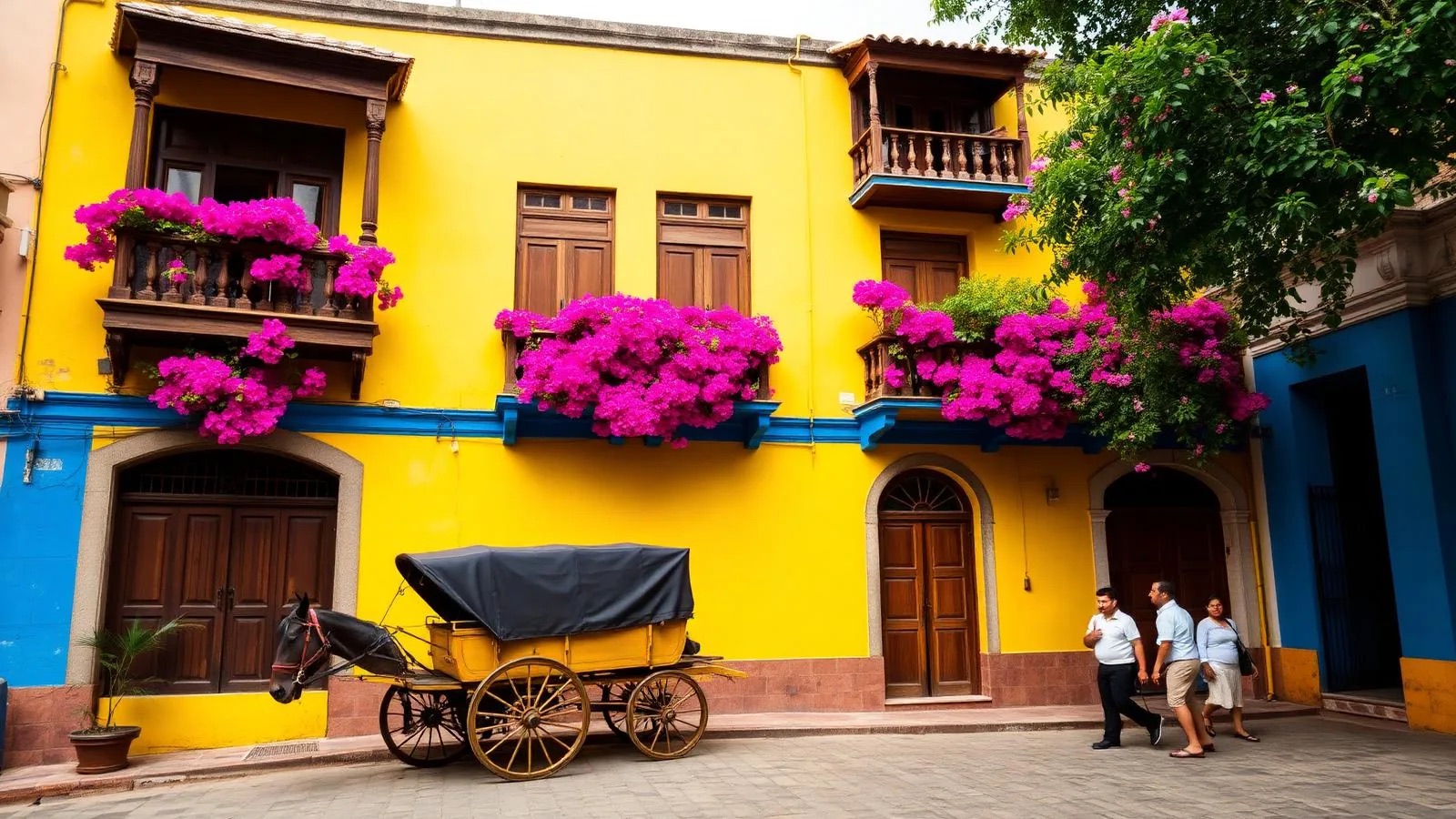
The heart of Cartagena is its magnificent, UNESCO-listed Walled City. Enclosed by kilometres of thick limestone walls built to defend against pirate raids, the inner historic centre is a maze of cobblestone streets, grand plazas, ivy-draped mansions, and shaded courtyards. Palenqueras — traditional Afro-Colombian women dressed in vibrant yellow, blue, and red dresses — balance bowls of fresh tropical fruit on their heads, creating vivid pops of colour against historic stone walls.
Just outside the main city walls lies Getsemani, historically a working-class neighbourhood that has transformed into a trendy cultural district. Getsemani retains an authentic, gritty soul, where locals sit on plastic chairs outside their open doorways chatting with neighbours, while murals cover old walls and glowing lanterns illuminate Plaza Trinidad every night as street performers take the stage.
Historic Fortresses and Coastal Ramparts
Dominating the approach to the city is the Castillo San Felipe de Barajas, the largest fortress built by the Spanish empire anywhere in the Americas. Exploring this massive stone structure involves walking along elevated battlements and squeezing through an intricate network of underground tunnels designed to trap invaders and transmit whispers along stone passages.
As late afternoon approaches, the place to be is atop the western walls at Las Murallas. Watching the glowing orange sun sink beneath the Caribbean horizon while waves crash against the rocks below, cold drink in hand, is a classic Cartagena ritual that draws travellers and locals alike.
Tayrona National Park and the Sierra Nevada: Minca and Beyond
East of Cartagena along the coast lies Santa Marta, the oldest surviving city in Colombia, backed by the dramatic Sierra Nevada de Santa Marta — the highest coastal mountain range on the planet. Here, snow-capped peaks rise dramatically out of the tropical forest just forty kilometres from the sea, creating incredible biodiversity and unique ecosystems.
Hiking and Camping in Tayrona National Park
Where the dense coastal jungle meets the Caribbean Sea sits Tayrona National Natural Park, a sacred territory for Indigenous tribes including the Kogui and Wiwa. Visiting Tayrona involves leaving motorized transport behind at the park entrance and trekking along rainforest trails, over slippery tree roots, and across wooden boardwalks beneath the jungle canopy.
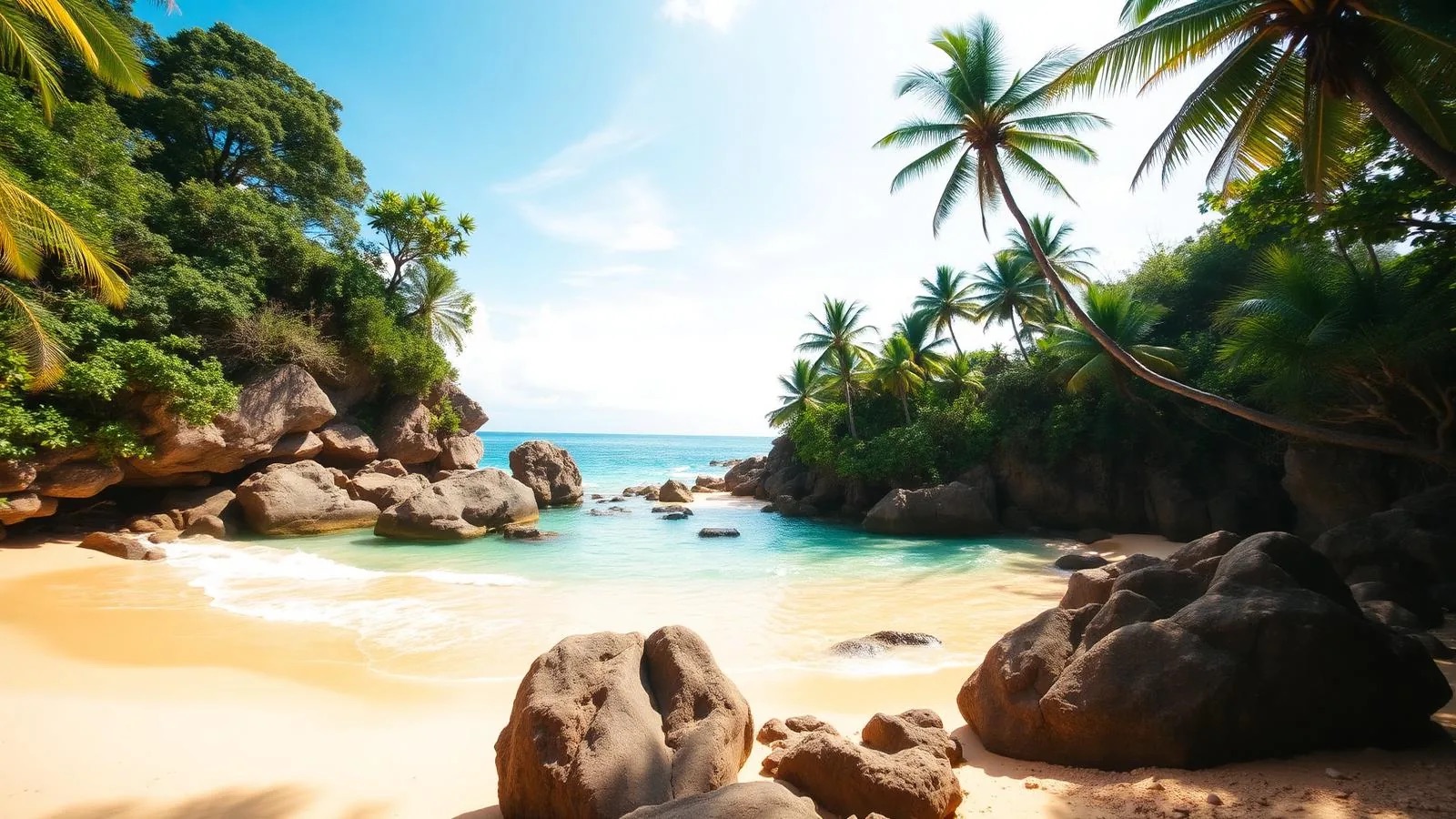
The trail opens up onto magnificent, wild beaches like Arrecifes, La Piscina, and the iconic headland of Cabo San Juan de la Guia. Here, massive granite boulders dot golden sand bays framed by coconut palms. While strong rip currents make swimming dangerous at many beaches, protected coves allow for refreshing dips in warm tropical waters after hours of trekking through humid forest.
Cool Mountain Air in Minca
Perched high in the foothills of the Sierra Nevada, just an hour's drive inland from Santa Marta, lies the small mountain village of Minca. Offering immediate relief from the coastal heat, Minca is surrounded by dense cloud forest, rushing rivers, hidden waterfalls like Marinka, and organic coffee plantations.
Minca has become a paradise for nature lovers, birdwatchers, and hikers. Visiting giant hammock viewpoints strung over deep mountain valleys allows you to lounge high above the tree canopy, watching toucans and hummingbirds dart through the morning mist while looking all the way down to the blue ocean in the distance.
The Lost City Trek (Ciudad Perdida)
Deep within the dense jungle of the Sierra Nevada lies Teyuna, known globally as Ciudad Perdida (The Lost City). Built by the Tairona civilization around 800 AD — centuries before Machu Picchu was constructed — this ancient archaeological site remained hidden beneath dense vegetation until it was rediscovered in the 1970s.
Reaching the Lost City requires an arduous multi-day trek through humid rainforest, crossing waist-deep rivers, and tackling steep mud tracks. The journey culminates in a breathless climb up 1,200 mossy stone steps to reach set terraced platforms carved into the mountain ridge. Surrounded by jungle mist and silent mountain peaks, it stands as one of South America's ultimate wilderness trekking adventures.
Islands of the Caribbean: San Andres and Providencia
Located far off the mainland, closer to Nicaragua than to continental Colombia, sits the Caribbean archipelago of San Andres, Providencia, and Santa Catalina. These tropical islands offer a fascinating cultural mix of British, Spanish, and African influences, where local Raizal people speak English-based Creole alongside Spanish.
While San Andres is developed and energetic, featuring duty-free shopping and bustling resorts, Providencia remains blissfully untouched and remote. Known for its "Sea of Seven Colours" due to the shimmering shades of turquoise, navy, and emerald water surrounding its coral reefs, Providencia offers world-class diving, quiet beaches, and traditional seafood shacks serving fresh fish and coconut rice.
Colombia’s Hidden Gems: Cano Cristales, Heritage Towns, and Cali
Beyond the primary travel circuit, Colombia is packed with extraordinary cultural pockets and natural anomalies that reward travellers willing to step off the well-trodden paths.
Cano Cristales: The River of Five Colours
Tucked away in the remote Serrania de la Macarena national park lies Cano Cristales, widely referred to as the most beautiful river in the world. For several months each year between the wet and dry seasons, a unique aquatic plant called Macarenia clavigera blossoms on the riverbed, turning the crystalline waters into a brilliant tapestry of magenta, crimson, yellow, green, and blue.
Cobblestones and History: Villa de Leyva and Barichara
If you love slow-paced history, Colombia’s network of heritage towns (Pueblos Patrimonio) offers an incredible glimpse into colonial life. Villa de Leyva, located a few hours north of Bogota, features one of the largest cobblestone plazas in South America, surrounded by whitewashed walls, red-tile roofs, and dry desert mountains containing rich marine fossils.
Further north in the Santander region lies Barichara, often called the prettiest town in Colombia. Built from warm sandstone on the edge of a dramatic canyon, Barichara boasts pristine streets, artisan stonecarving workshops, and the scenic Camino Real walking path that winds through dry forest down to the tranquil village of Guane.
Cali: Capital of Salsa
Located in the warm Cauca Valley, Cali is the undisputed salsa capital of the world. Unlike cities where dance is performed primarily for tourists, salsa in Cali is a vital, daily pulse that drives local life. The style here — Salsa Caleña — is world-famous for its blisteringly fast footwork and intricate acrobatic turns. Visiting salsa schools, listening to live brass bands in open-air venues, and dancing late into the humid night is an essential Colombian cultural immersion.
Comparing Colombia's Core Travel Regions
To help you structure your trip depending on your travel interests, climate preferences, and time constraints, here is a comparison of Colombia’s primary destinations:
| Region | Primary Vibe | Key Highlights | Climate | Ideal For |
|---|---|---|---|---|
| Bogota & Highlands | Urban, historic, cultural | Gold Museum, Monserrate, La Candelaria | Cool / Crisp mountain weather | Museums, gastronomy, history buffs |
| Medellin & Surrounds | Innovative, modern, scenic | Comuna 13, Metrocable, Guatape monolith | Temperate ("Eternal Spring") | Urban culture, street art, warm days |
| Coffee Triangle | Tranquil, lush, agricultural | Cocora Valley wax palms, Salento, fincas | Mild, humid mountain valleys | Hiking, nature, slow travel, coffee lovers |
| Caribbean Coast | Vibrant, historic, tropical | Cartagena walls, Tayrona beaches, Minca | Hot, humid, coastal breeze | History, beaches, nightlife, trekking |
| Santander & Heritage Towns | Rustic, peaceful, adventurous | Barichara cobblestones, Chicamocha Canyon | Warm to dry continental climate | Colonial architecture, extreme sports, hiking |
Practical Travel Advice for Colombia
Getting Around Safely and Efficiently
Colombia’s mountainous topography means land travel can take much longer than distance suggests. While long-distance buses are comfortable and cost-effective for medium distances (like Medellin to Guatape or Bogota to Villa de Leyva), domestic flights are usually the most efficient way to travel between major regions like Bogota, Medellin, Cartagena, and Cali.
For safety, adhere to the local rule of thumb: no dar papaya. Avoid flashing expensive jewellery or high-end electronics on quiet streets, particularly at night. Use hailed ride-share apps or official taxi stands rather than flagging random cabs off the street late in the evening. Major tourist destinations across the country maintain a strong, visible police presence and are generally safe and welcoming for international travellers.
Packing for Multiple Microclimates
Because Colombia’s weather is dictated primarily by altitude rather than traditional seasons, you can experience multiple distinct climates within a single week of travel. Packing versatile layers is essential for a smooth journey.
- High Altitude (Bogota, Monserrate): Warm jackets, trousers, light sweaters, and comfortable walking boots.
- Mid Altitude (Medellin, Coffee Triangle): T-shirts, light jeans, shorts, breathable rain coats, and sturdy trail runners for muddy walks.
- Coastal / Lowland (Cartagena, Tayrona, Cali): Lightweight linen shirts, shorts, swimwear, sandals, sunhats, high-SPF sunscreen, and bug repellent.
Final Thoughts: Embracing the Magic of Colombia
Colombia is a country that defies simple categorization. It is a place where you can begin your morning high in an Andean cloud forest listening to exotic birds, spend your afternoon drinking freshly roasted coffee on a shaded farm veranda, and end your evening watching the moon rise over medieval stone walls while warm Caribbean air carries the beat of salsa through the night.
More than its stunning geography or rich historic sights, however, it is the spirit of Colombia that stays with you long after you have packed your bags. Open your mind, pack your sense of adventure, and leave your preconceptions behind — Colombia is ready to surprise, inspire, and welcome you with open arms.
More Colombia guides
Colombia Itinerary: Medellín, Cartagena, Coffee Triangle
A two-week Colombia itinerary through Bogotá, Medellín, Cartagena and the Coffee Triangle, with honest safety advice, flights and daily…
Best Beaches in Colombia: Caribbean and Pacific
Tayrona's jungle-backed bays, Palomino, the Rosario Islands, San Andrés and the wild Pacific coast — which Colombian coast suits which…