Things to Do in Taiwan: Taipei, Taroko and Beyond
Taipei 101, Beitou hot springs, Jiufen, Taroko Gorge, Sun Moon Lake and the night markets, with timing and transport for each.
In this guide
- Quick Facts: Essential Taiwan Overview
- Capital Delights: Iconic Highlights of Taipei
- Thermal Escape and Alpine Trails: Beitou and Yangmingshan
- Day Trips into Nostalgia: Jiufen, Shifen, and Keelung
- Marble Canyons and Coastal Bluffs: Taroko Gorge, Hualien, and Taitung
- Sacred Peaks and Highland Lakes: Sun Moon Lake, Alishan, and Yushan
- Cultural Capitals and Southern Charm: Tainan, Kaohsiung, and Kenting
- Offshore Adventures: Penghu, Green Island, and Orchid Island
- Taiwan’s Culinary Heart: Night Markets and Tea Culture
- Living Traditions: Indigenous Heritage, Festivals, and Cycling
- Getting Around: High Speed Rail and the EasyCard
- Practical Tips for Travelling in Taiwan
- Final Thoughts on Taiwan's Enduring Magic
This guide is part of our Taiwan Itinerary: 10 Days From Taipei to Taroko Gorge — start there for the overview, when to go and how to get around.
At the edge of a bustling Taipei night market, the rich, complex aroma of sizzling black pepper buns drifts through the warm night air. Bright neon signs shimmer through a gentle tropical mist, casting a brilliant glow over queues of locals waiting patiently for freshly steamed dumplings and ice-cold bubble tea. It is a sensory overload in the best possible way, a captivating blend of ancient tradition, ultra-modern energy, and unmatched culinary passion.
Taiwan defies simple categorisation. One morning you might be gazing up at the glass-and-steel heights of a towering skyscraper in Taipei, and by afternoon you could be sipping high-mountain oolong tea atop a misty ridge or soaking in a natural volcanic hot spring. The sheer density of diverse landscapes and cultural experiences packed into this leaf-shaped island is nothing short of extraordinary.
Whether you are drawn by the breathtaking granite cliffs of Taroko Gorge, the rich temple heritage of Tainan, or the simple joy of tapping an EasyCard to hop on a high-speed train towards southern beaches, Taiwan rewards curiosity at every turn. This comprehensive guide covers the very best things to do, see, eat, and experience across every corner of the island.
Quick Facts: Essential Taiwan Overview
- Capital City: Taipei, located in the northern basin of the island.
- Official Language: Mandarin Chinese, with Taiwanese Hokkien and indigenous languages widely spoken. English signage is excellent across public transport.
- Currency: New Taiwan Dollar (NTD). Cash remains king at night markets and smaller traditional eateries.
- Best Time to Visit: Autumn (October to December) offers pleasant temperatures and minimal rainfall, while Spring (March to April) brings lush blossoms across the mountains.
- Transport Network: Exceptionally efficient, featuring High Speed Rail (THSR), standard trains (TRA), modern metro systems (MRT), and integrated tap-card ticketing.
- Geography: A rugged mountain spine running north-to-south, flanked by fertile western plains and dramatic eastern Pacific ocean cliffs.
Capital Delights: Iconic Highlights of Taipei
Taipei is a city that seamlessly weaves the old with the new. Nestled within a mountain-ringed basin, Taiwan’s capital is a vibrant metropolis where high-tech modernity sits side-by-side with smoke-filled temples and quiet neighbourhood alleyways.
Standing Beneath Taipei 101
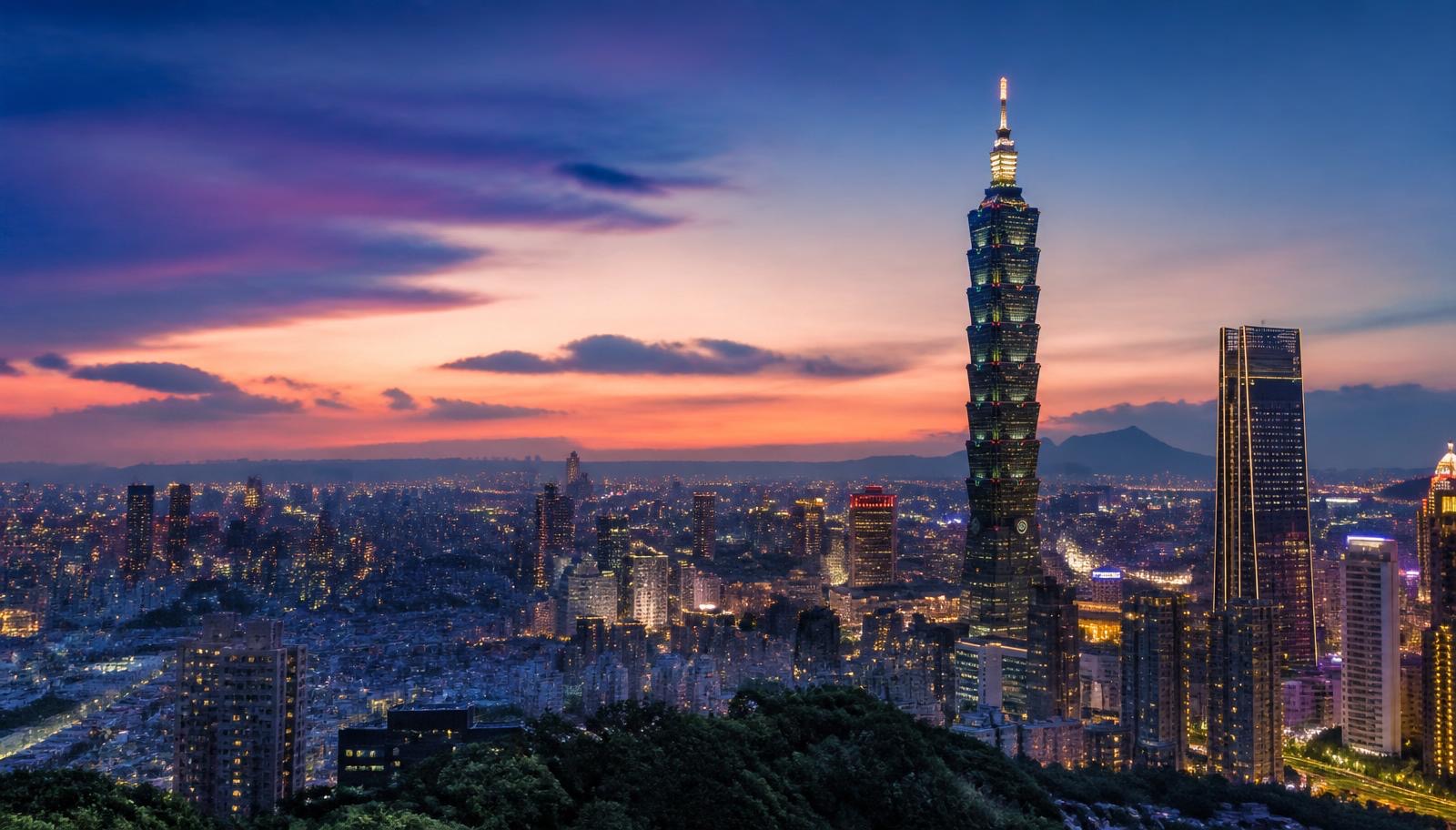
Dominating the city skyline, Taipei 101 was once the tallest building in the world, and its design remains an architectural marvel. Modeled after a giant stalk of bamboo, the glass tower is built to withstand both typhoon-force winds and seismic tremors thanks to a massive, suspended steel pendulum hanging between its upper floors.
Taking the high-speed elevator up to the indoor and outdoor observation decks offers sweeping 360-degree views of the entire Taipei Basin. Visit late in the afternoon so you can watch the sunset behind the western hills before the vast urban sprawl lights up beneath you.
Solitude and Grandeur at Chiang Kai-shek Memorial Hall
Framed by vast manicured gardens and striking blue-tiled roofs, the Chiang Kai-shek Memorial Hall is one of the most prominent historic landmarks in Taiwan. The imposing white marble structure stands as a monument to the nation's 20th-century history, flanked by the elegant National Theatre and National Concert Hall.
Since July 2024, honour guards no longer stand watch beside the large bronze statue of the former president; their drill performances now take place outdoors on Democracy Boulevard in front of the main hall (cancelled in rain). Beyond its political significance, the surrounding plaza is a wonderful spot in the early morning to observe local residents practicing tai chi, fan dancing, and traditional calligraphy.
Incense and History at Longshan Temple
Located in the historic Wanhua District, Longshan Temple is a vibrant spiritual hub that has survived earthquakes, fires, and wartime damage since the 18th century. Dedicated to Guanyin (the Goddess of Mercy) alongside dozens of other Buddhist and Taoist deities, the temple complex is filled with intricate stone carvings, bronze pillars, and soaring wooden roofs.
Wandering through the ornate courtyards as thick clouds of incense rise into the air offers an intimate glimpse into Taiwan’s living religious traditions. Local worshippers come here daily to chant, offer flowers and fruits, and toss wooden moon blocks to seek divine guidance on life’s big decisions.
Thermal Escape and Alpine Trails: Beitou and Yangmingshan
One of Taipei’s greatest charms is how quickly you can swap urban energy for lush green nature. A short ride on the city's clean and efficient metro system takes you directly to volcanic hot springs and misty mountain peaks.
Soaking in the Sulphur Waters of Beitou
Situated at the foot of the mountains, Beitou Hot Springs is Taiwan’s most accessible geothermal enclave. Developed into a spa resort town during the early 20th century, the neighbourhood retains a calm, nostalgic atmosphere filled with historic bathhouses, wooden park pavilions, and steaming creeks.
At the heart of the district lies the Thermal Valley, a boiling sulphur lake where turquoise-hued mineral waters spew clouds of warm vapour continuously. Visitors can choose between open-air public bathing pools, traditional wooden bathhouses, or luxury hot spring resorts to enjoy a deeply relaxing soak.
Crisscrossing Volcanic Fumaroles in Yangmingshan
Directly northern backdrop to Beitou lies Yangmingshan National Park, a volcanic mountain range renowned for its hiking trails, open grasslands, and geothermal activity. In spring, the hillside trails bloom with vibrant pink cherry blossoms and azaleas, while autumn coats the ridges in golden silvergrass.
Hiking trails lead past steaming fumaroles at Xiaoyoukeng, where sulphur vents hiss and pop right alongside the trail, up to Qixingshan, the highest peak in Taipei. The grassy meadows of Qingtiangang, where wild water buffalo graze lazily on rolling green plateaus, offer one of the most peaceful day walks in the region.
Day Trips into Nostalgia: Jiufen, Shifen, and Keelung
Extending your journey northeast of the capital reveals charming hillside villages, historic railway lines, and harbour towns rich with maritime heritage and night market delicacies.
Lantern-Lit Alleyways of Jiufen
Perched high on a mountain ridge overlooking the Pacific Ocean, Jiufen was once a gold-mining boomtown that later transformed into a picturesque mountain destination. Its famous narrow staircases and cobblestone alleyways are hung with hundreds of red paper lanterns, creating an enchanting old-world atmosphere.
Exploring Old Street reveals traditional tea houses, handcrafted souvenirs, and local delicacies such as chewy taro balls and herbal rice cakes. Sitting on a wooden tea balcony as mist rolls over the ocean bay below is an essential Taiwan experience.
Releasing Sky Lanterns along the Pingxi Branch Line
Deep within the Keelung River Valley, the historic Pingxi Railway Line winds through dense rainforest and historic coal mining towns. The most famous stop along the route is Shifen, where train tracks cut directly through the middle of a lively village street market.
Here, travellers write their hopes and wishes on colourful paper sky lanterns before sending them drifting high into the mountain skies. A short walk from the railway station leads to Shifen Waterfall, a broad, horseshoe-shaped cascade often referred to as Taiwan’s Niagara Falls.
Maritime Flavours at Keelung's Miaokou Night Market
Located on the northern coast, the port city of Keelung is home to one of the most celebrated culinary destinations on the island: Miaokou Night Market. Centred around an ancient temple, the yellow-lanterned market street is famous for its exceptional fresh seafood and traditional Taiwanese comfort dishes.
Locals and visitors flock here to savour crab butter soup, deep-fried nutritious sandwiches, fresh sashimi, and shaved ice desserts. The energetic coastal breeze and rich smells of grilling seafood make Keelung an unmissable evening stop.
Marble Canyons and Coastal Bluffs: Taroko Gorge, Hualien, and Taitung
Taiwan’s east coast is wildly dramatic, dominated by sheer mountain slopes that plunge directly into the deep turquoise waters of the Pacific Ocean. It is a region of untamed natural beauty and slow-paced coastal living.
Marvels of Taroko Gorge and Hualien
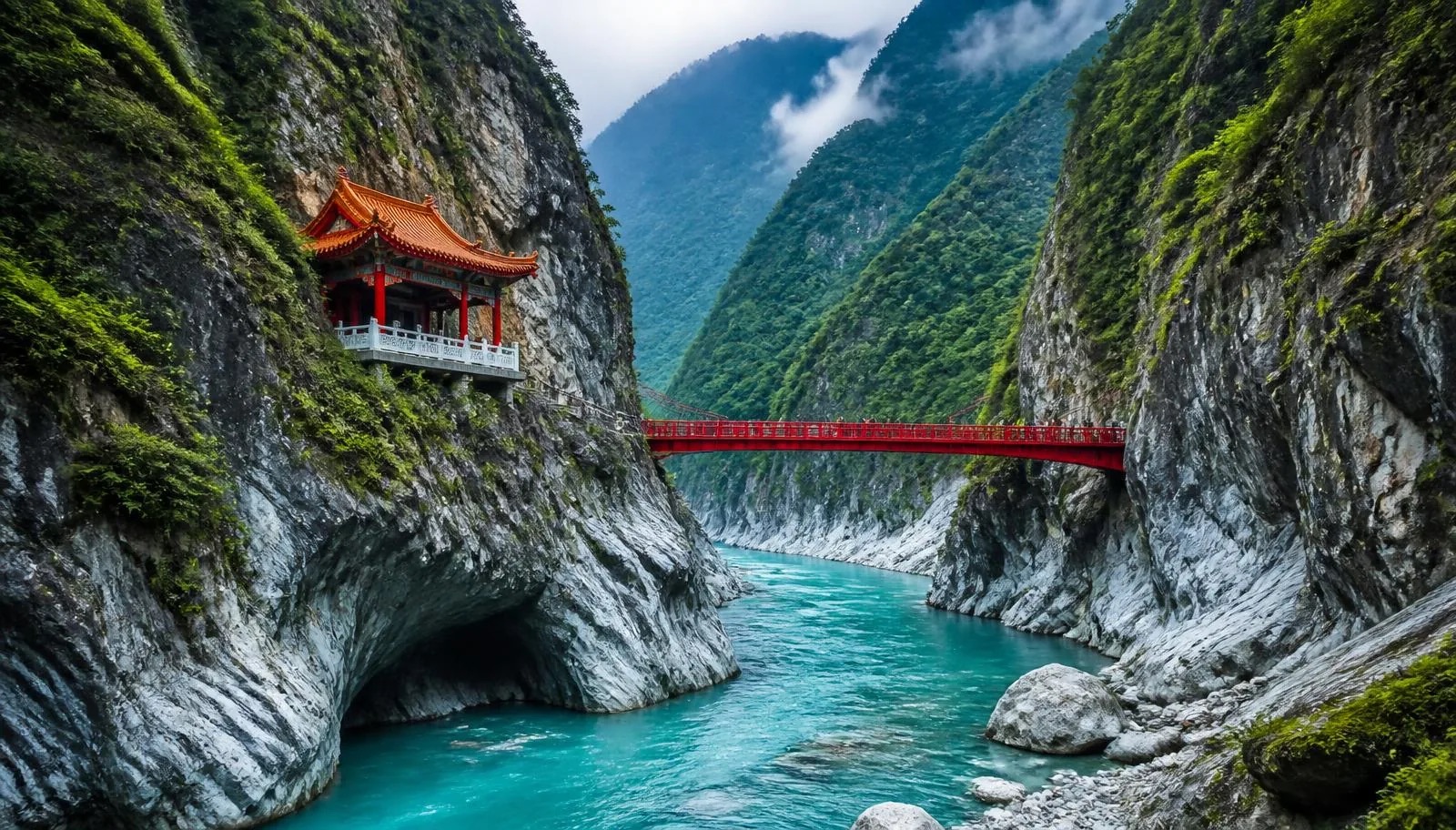
The crown jewel of Taiwan’s natural attractions is undoubtedly Taroko Gorge, a massive marble canyon carved over millenia by the Liwu River. Towering limestone walls rise hundreds of metres into the air, framing marble-bottomed rivers and hidden caves.
Signature sights include the Swallow Grotto, where dramatic rock faces show off natural erosion, and the Shrine of the Eternal Spring, perched above a cascading waterfall. However, both remained closed in 2026 after damage from the April 2024 Hualien earthquake (the shrine can be seen from the highway), so check the park's current trail status before visiting. The nearby coastal town of Hualien serves as the perfect base, boasting laid-back night markets, pebble beaches, and warm hospitality.
Driving the Wild Pacific Coast Highway to Taitung
The coastal journey south from Hualien along the Pacific Highway reveals some of the most spectacular scenery in East Asia. Driving or riding along this route brings you face-to-face with crashing waves on one side and towering coastal mountains on the other.
Points of interest along the route include Sanxiantai, famous for its distinctive dragon-shaped footbridge connecting the mainland to an offshore islet, and the rolling rice fields of Chishang in Taitung County. Taitung offers a relaxed, artistic vibe, surrounded by sugar cane fields, indigenous settlements, and clear, starry night skies.
Sacred Peaks and Highland Lakes: Sun Moon Lake, Alishan, and Yushan
Heading inland takes you straight into the mountainous backbone of Taiwan, where pristine alpine lakes, ancient giant cedar trees, and soaring mountain summits dominate the landscape.
Cycling and Cruising Around Sun Moon Lake
Nestled in the central hills of Nantou County, Sun Moon Lake is Taiwan’s largest alpine body of water. The lake gets its name from its unique shape: the eastern side resembles the sun, while the western side resembles a crescent moon.
Visitors can explore the sparkling blue lake via passenger ferries connecting key piers, cable car rides offering bird's-eye views, or by cycling along the world-renowned lakeside bike path. Highlights around the shore include the majestic Wenwu Temple and the peaceful lakeside villages of the indigenous Thao people.
Riding the Alishan Forest Railway for Sunrise
High in the central mountain range, the Alishan National Forest Recreation Area is celebrated for its ancient giant cypress trees, misty forests, and legendary sea of clouds. A highlight of visiting is riding the red diesel trains of the historic narrow-gauge Alishan Forest Railway, originally built to transport timber down the mountain slopes.
Waking early to catch the morning train up to the sunrise viewing platforms is a cherished national rite of passage. Watching the morning sun break over a sea of white clouds clinging to mountain peaks is an unforgettable spectacle.
Summiting Yushan and Taiwan’s Mountain Culture
For outdoor enthusiasts and high-altitude trekkers, Yushan (Jade Mountain) stands as the ultimate goal. Reaching nearly 4,000 metres above sea level, it is the highest peak in Northeast Asia, towering above mountain ranges across Japan and eastern China.
Hiking to the peak of Yushan requires advance permits and physical fitness, taking trekkers through alpine forests, dwarf bamboo meadows, and rocky slate ridges. The mountain holds deep spiritual importance for Taiwan's indigenous Bunun people and represents the pinnacle of the island's passionate alpine hiking culture.
Cultural Capitals and Southern Charm: Tainan, Kaohsiung, and Kenting
Taiwan’s south is warm, sunny, and steeped in history. Here, pace of life slows down, street food culture reaches its historical roots, and modern harbour cities meet tropical marine parks.
Wandering Ancient Temples and Streets in Tainan
As Taiwan’s oldest city and former capital, Tainan is the spiritual and historical heartland of the island. With over a thousand temples scattered across its historic core, the city feels like a living museum filled with traditional craft workshops, red-brick lanes, and preserved Dutch colonial fortresses.
Tainan is equally famous across Taiwan for its unique culinary heritage. Dish recipes here have been handed down through generations, featuring slightly sweeter flavour profiles and iconic local comfort foods such as milkfish soup, Danzai noodles, and savory coffin bread.
Art, Harbours, and Lotus Pond in Kaohsiung
Kaohsiung, Taiwan’s major southern port city, has undergone an extraordinary urban transformation in recent years. Industrial warehouses along the waterfront have been converted into the vibrant Pier-2 Art Center, filled with contemporary art installations, galleries, and performance spaces.
To the north of the city center lies Lotus Pond, a scenic artificial lake famed for its colourful traditional architecture. Visitors can enter the giant mouths of the Dragon and Tiger Pagodas, exploring inner painted tunnels designed to turn bad luck into good fortune while taking in views of surrounding temples reflected in the water.
Tropical Escapes on the Beaches of Kenting
At the southernmost tip of the island lies Kenting National Park, a tropical paradise defined by white sandy beaches, coral reefs, and dense coastal jungles. It is the go-to destination for ocean lovers, surfers, and anyone seeking laid-back beach vibes.
Days in Kenting are spent swimming at Nanwan Beach, scooter riding along coastal roads to Eluanbi Lighthouse, or snorkeling off coral headlands. When night falls, the main street of Kenting town transforms into an energetic open-air night market packed with seafood stalls, tropical fruit stands, and beach bars.
Offshore Adventures: Penghu, Green Island, and Orchid Island
Beyond the main island, Taiwan governs several distinct offshore archipelagos, each offering unique volcanic geology, marine ecosystems, and distinct cultural traditions.
Basalt Cliffs and Windsurfing in Penghu
Situated in the Taiwan Strait, the Penghu Archipelago is a collection of over ninety islands and islets famous for dramatic basalt column formations, historic stone-walled villages, and pristine sand bars. Summer brings warm waters and ocean breezes, making it a hub for windsurfing, island-hopping, and seafood feasts.
Saltwater Hot Springs on Green Island
Located off the eastern coast near Taitung, Green Island (Lüdao) is a small volcanic island surrounded by thriving coral reefs and crystalline ocean waters. Aside from world-class scuba diving and snorkeling, the island is famous for housing the Zhaori Hot Springs—one of only three natural saltwater hot springs in the entire world.
Tao Indigenous Heritage on Orchid Island
Further south in the Pacific Ocean lies Orchid Island (Lanyu), home to the indigenous Tao people. Isolated from the mainland for centuries, Orchid Island retains its authentic heritage, characterized by traditional underground houses, hand-carved wooden canoes, and deeply held fishing customs surrounding the annual flying fish season.
Taiwan’s Culinary Heart: Night Markets and Tea Culture
It is impossible to talk about travelling in Taiwan without highlighting its extraordinary food and drink scene. Dining here is not merely a daily routine; it is a national passion and a primary form of social connection.
Mastering the Art of the Night Market Feast
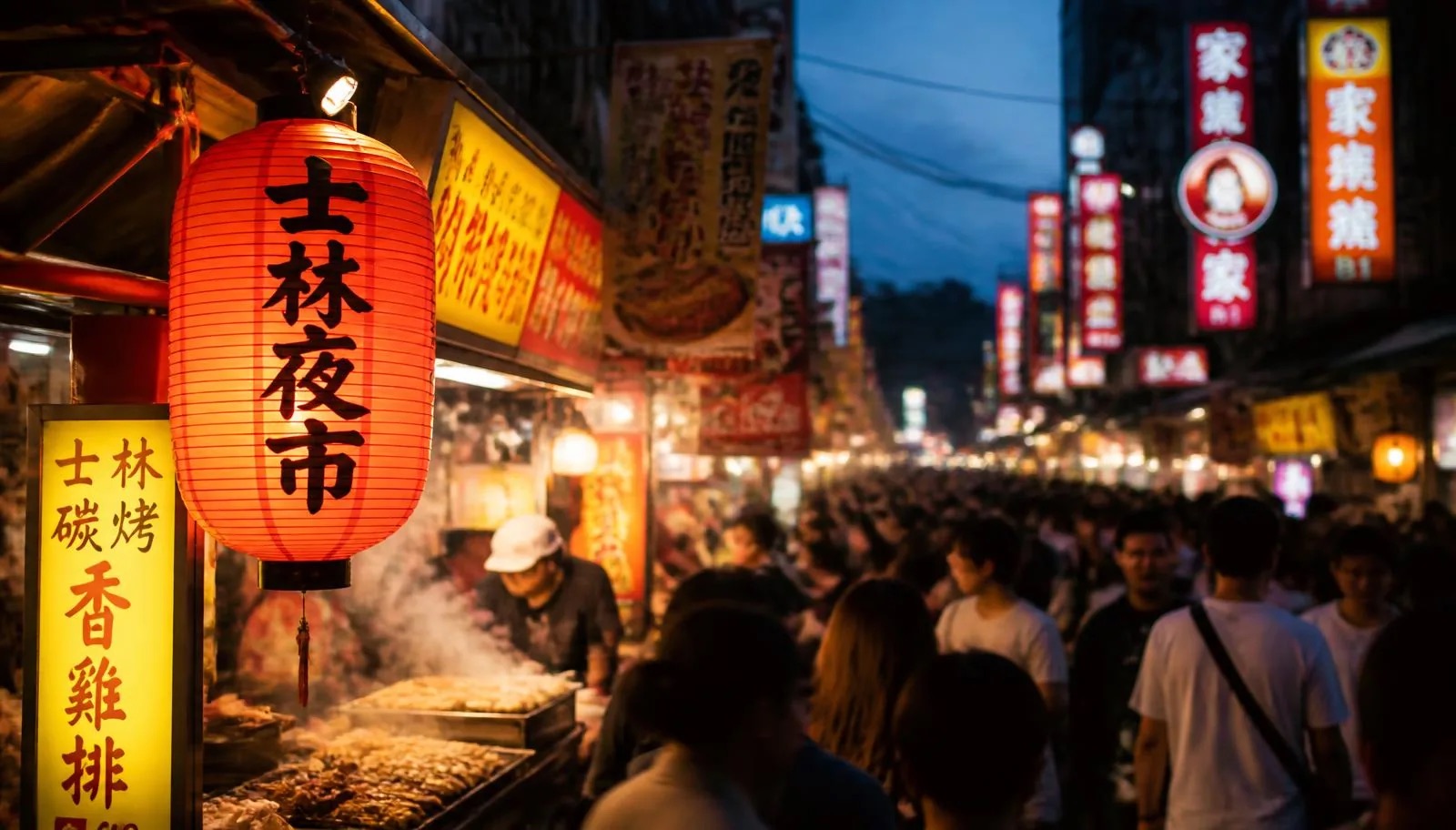
Every major town and city across Taiwan boasts at least one bustling night market. These vibrant street food hubs light up as dusk falls, creating sensory labyrinths of fragrant cooking smoke, cheerful vendor shouts, and long lines of eager diners.
Navigating a night market is best done in small bites, grazing from stall to stall. Must-try classics include crispy Taiwanese fried chicken, braised pork rice (Lu Rou Fan), savoury oyster omelettes, grilled sausages, and the infamous stinky tofu—a fermented delicacy that tastes vastly better than its pungent aroma suggests!
Tea Culture from Maokong to High Mountain Oolongs
Taiwan produces some of the finest teas on earth, particularly semi-fermented oolong varieties grown in high-altitude mountain microclimates. The art of tea brewing is taken seriously, emphasizing aroma, mouthfeel, and carefully measured water temperatures.
In Taipei, taking the scenic Maokong Gondola cable car up to the hilltop tea plantations of Maokong offers a perfect introduction to tea culture. Here, you can sit at open-air tea houses overlooking the capital below while learning traditional Gongfu tea preparation techniques using locally grown Tieguanyin tea leaves.
Taiwan's Regional Culinary & Tea Highlights
To help you navigate Taiwan's rich food landscape, here is a quick guide to signature regional specialties you should try across the island:
| Region | Iconic Culinary Specialties | Local Tea Specialty | Dining Setting |
|---|---|---|---|
| Taipei & North | Beef Noodle Soup, Black Pepper Buns, Xiaolongbao | Tieguanyin (Maokong) | Bustling Night Markets & Tea Houses |
| Central Highlands | Poultry dishes, Freshwater Fish, Wild Mushrooms | High Mountain Oolong (Alishan) | Mountain Lodges & Lakeside Cafes |
| Tainan & South | Milkfish Soup, Danzai Noodles, Coffin Bread | Winter Melon Tea | Historic Alleyway Food Stalls |
| East Coast | Mochi, Scallion Pancakes, Fresh Pacific Tuna | Honey Scented Black Tea (Ruisui) | Oceanfront Markets & Coastal Eateries |
Living Traditions: Indigenous Heritage, Festivals, and Cycling
Beyond its urban centres and natural landscapes, Taiwan’s cultural fabric is enriched by centuries-old indigenous roots, vibrant religious festivals, and a modern passion for outdoor sports.
Honouring Taiwan’s Indigenous Cultures
Long before Han settlers arrived, Taiwan was inhabited by Austronesian indigenous tribes. Today, sixteen officially recognised indigenous groups preserve their distinct languages, weaving traditions, woodcarving styles, and musical heritage.
Visiting indigenous communities across Hualien, Taitung, and Pingtung offers fascinating insights into tribal customs, sustainable harvesting practices, and unique regional cuisines featuring mountain pepper (Makauy), wild boar, and millet wine.
Temple Festivals and the Magic of the Lantern Festival
Taiwan’s calendar is filled with energetic religious celebrations that transform streets into explosion of colour and sound. Traditional temple festivals feature vibrant parades with towering deity puppets, traditional opera performances, and lion dances designed to ward off evil spirits.
The most famous of these celebrations is the annual Lantern Festival, held at the end of the Lunar New Year celebrations. Massive light installations and thousands of illuminated lanterns decorate hosting cities, creating a magical wonderland of light and art.
Conquering the Island on Cycling Route 1
Taiwan is a global powerhouse of bicycle manufacturing and home to a world-class cycling culture. The island features Cycling Route 1, a fully designated 900-kilometre bicycle highway that circles the entire perimeter of the main island.
Whether you choose to ride a small coastal segment along Sun Moon Lake or spend nine days cycling the complete circuit, the infrastructure is remarkable. Dedicated bike paths, clear directional signage, and rest stations make Taiwan one of the safest and most enjoyable cycling destinations in the world.
Getting Around: High Speed Rail and the EasyCard
One of the main reasons travelling in Taiwan is so enjoyable and stress-free is its world-leading public transportation network. Getting across the country or navigating urban metros is effortlessly simple.
Navigating the Island via Taiwan High Speed Rail (THSR)
Gliding along the western coast at speeds up to 300 km/h, the Taiwan High Speed Rail (THSR) connects Taipei in the north to Kaohsiung in the south in under two hours. Trains are spotlessly clean, punctual to the second, and feature spacious seating.
It allows travellers to effortlessly base themselves in Taipei while taking seamless day trips down to Taichung, Chiayi, or Tainan. Standard train lines (TRA) complement the high-speed rail, reaching around the rugged east coast where high-speed tracks do not operate.
Tap-and-Go Convenience with the EasyCard
The single best investment any traveller can make upon landing in Taiwan is picking up an EasyCard (or iPASS). This contactless smart card can be purchased and topped up at any metro station or ubiquitous 24-hour convenience store across the island.
The EasyCard works seamlessly across urban MRT trains, city buses, regional trains, ferry services, and public bike rental stations. Even better, you can use it to pay for items at convenience stores, bakeries, and vending machines, eliminating the need to carry pockets full of small coins.
Practical Tips for Travelling in Taiwan
To ensure your journey across Taiwan is as smooth as possible, keep these tried-and-tested practical travel tips in mind:
- Stay Connected: Pick up an unlimited data SIM card or pocket Wi-Fi device directly at the airport upon arrival. High-speed mobile coverage is excellent everywhere, even deep in mountain national parks.
- Always Carry Cash: While major hotels, department stores, and rail stations accept credit cards, local night market stalls, small family eateries, and traditional taxis strictly operate on cash.
- Convenience Stores Are Lifesavers: Taiwan has the highest density of convenience stores in the world. They offer high-quality hot food, clean restrooms, ticket purchasing, ATM access, and EasyCard top-up services at all hours.
- Mind Local Etiquette: Avoid eating or drinking (including water) on urban metro trains and inside stations, as fines are strictly enforced. When riding escalators, stand on the right side to let others pass on the left.
- Pack Wise Layers: Tropical southern beaches call for light summer wear, but high-altitude destinations like Alishan and Yushan can drop close to freezing temperatures at night, requiring warm jacket layers.
Final Thoughts on Taiwan's Enduring Magic
Taiwan is one of those rare travel destinations that consistently exceeds every expectation. The sheer variety of experiences packed into a relatively compact area means that no two days here ever feel the same. One morning you are gazing out over volcanic steam vents, and by nightfall you are sharing a table with welcoming locals over bowls of hot noodle soup.
Above all, it is the genuine warmth and legendary hospitality of the Taiwanese people that leaves the most lasting impression. Whether a stranger steps in to help you navigate a train schedule or a night market vendor warmly recommends their favourite local dish, you will feel welcomed at every step of your journey. Pack your appetite, slip on your comfortable walking shoes, and prepare to fall head over heels for this extraordinary island.
More Taiwan guides
Taiwan Night Market Food Guide: What to Eat and How to Order
Beef noodle soup, gua bao, lu rou fan, oyster omelette and stinky tofu — what to order at Taiwan's night markets and how ordering works.
Taiwan Itinerary: 10 Days From Taipei to Taroko Gorge
A 10-day Taiwan itinerary from Taipei to Taroko Gorge, Sun Moon Lake and Kaohsiung — high-speed rail tips, night markets and what it all…