Turkey Itinerary: Istanbul, Cappadocia, Coast
How to plan a first Turkey trip: Istanbul, Cappadocia, Ephesus and the Turquoise Coast, with route order, transport and timing.
In this guide
- Quick Facts
- A Classic Turkey Itinerary: 10 to 14 Days
- When to Travel: Weather and Holidays
- Getting Around: Flights, Buses, and Hire Cars
- Essential Logistics: Visas and Money
- Istanbul: The City on Two Continents
- Cappadocia: From Balloons to Underground Cities
- A Taste of Turkey: Feasting and Food Culture
- Etiquette and Customs: Mosques and Hammams
- For Australians: A Pilgrimage to Gallipoli
- Staying Safe: Common Scams and Turkish Hospitality
- Explore in Depth
- Frequently Asked Questions
- Final Thoughts
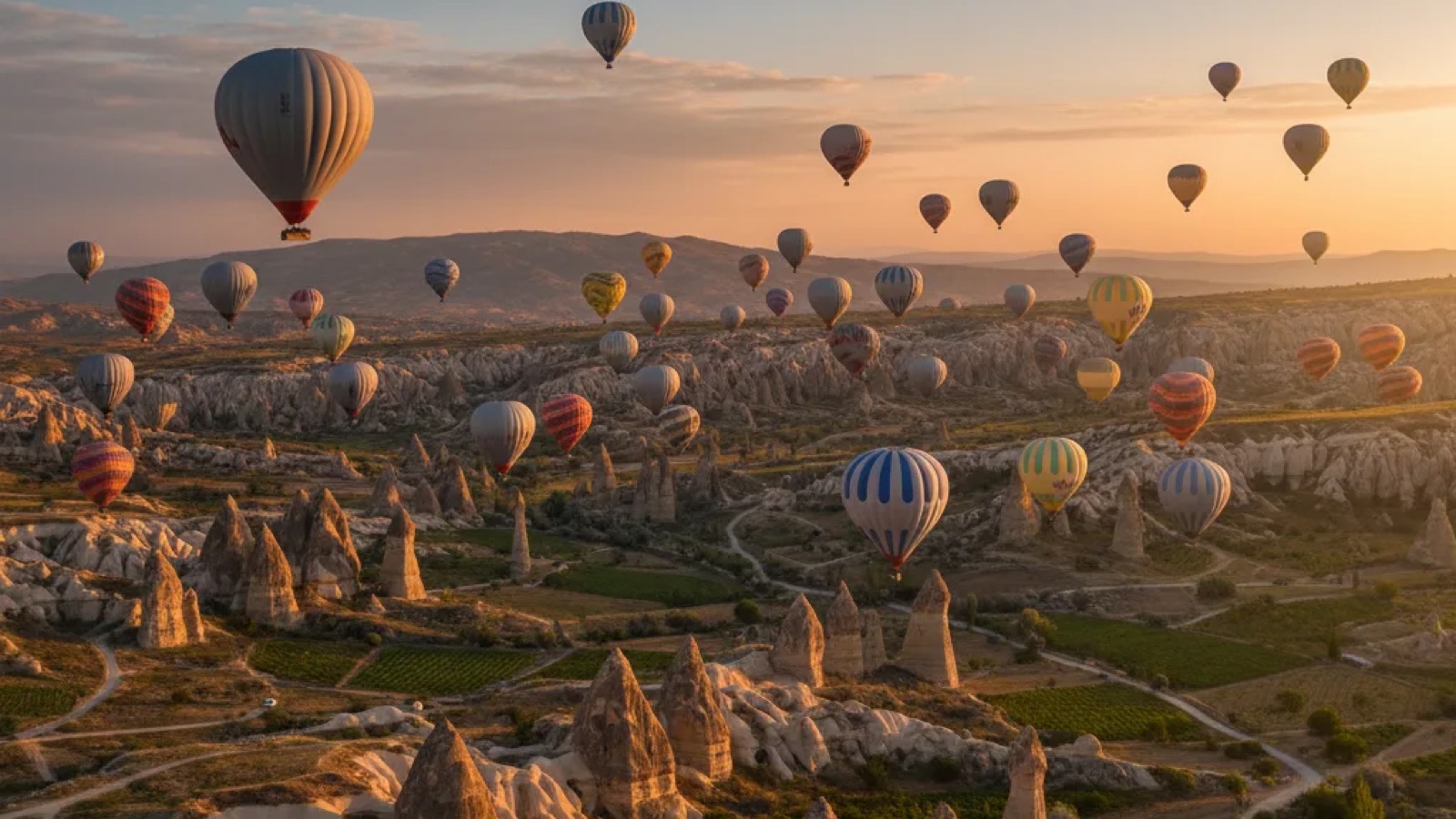
In the pre-dawn darkness of Cappadocia, the hiss and roar of the gas burner is the only sound, its flame throwing a warm, golden light across the dozen faces in a wicker basket. Then, a gentle lurch, and you're airborne. Slowly, silently, you ascend. Below, the surreal landscape of fairy chimneys and carved-out rock homes takes shape in the soft morning light, and all around, hundreds of other balloons are rising too, a silent, floating armada of colour against a pastel sky. It’s one of those travel experiences that’s as magical in reality as it is in photographs, and it perfectly encapsulates the wonder of Turkey: a country that consistently exceeds even the wildest of expectations.
Turkey is one of the world’s great destinations and an easy recommendation for first-timers. It’s an entire world in one nation, where the echoes of Roman, Byzantine, and Ottoman empires reverberate in the call to prayer, and where otherworldly landscapes give way to some of the most beautiful coastline on Earth. This guide is designed to help you plan that first, unforgettable 10 to 14-day trip. We'll cover a classic route from the magnificent chaos of Istanbul to the dreamscapes of Cappadocia and the sparkling Mediterranean, along with all the practical advice you'll need to travel smoothly, eat spectacularly, and connect with the incredible soul of this country.
Quick Facts
- Location: A transcontinental country at the crossroads of Southeast Europe and Western Asia.
- Getting There: Istanbul Airport (IST) is the primary international gateway, one of the world's major aviation hubs with connections from almost everywhere.
- Getting Around: An excellent network of domestic flights connects major cities. A comfortable, reliable, and extensive intercity bus network is the backbone of regional travel. Hire cars are fantastic for coastal exploration.
- Language & Currency: The official language is Turkish. The currency is the Turkish Lira. Credit and debit cards are widely accepted in cities and tourist areas, but it's essential to carry some cash for smaller towns, markets, and tips.
- Best Time to Visit: The shoulder seasons of Spring (April to May) and Autumn (September to October) offer pleasant weather for both sightseeing and coastal relaxation. Summers are very hot, especially on the south coast, while winters can be cold with snow in central Anatolia.
A Classic Turkey Itinerary: 10 to 14 Days
This route is a greatest hits compilation, threading together Turkey's most iconic experiences in a logical flow. It’s fast-paced but immensely rewarding, giving you a profound taste of the country's diversity.
The 10-Day Whirlwind
- Days 1-3: Istanbul. Immerse yourself in the history of Sultanahmet (the Blue Mosque, Hagia Sophia, Topkapı Palace). Get lost in the Grand Bazaar, cruise the Bosphorus, and eat your way through the vibrant neighbourhoods on both the European and Asian sides.
- Day 4: Fly to Cappadocia. Take a morning flight from Istanbul to one of Cappadocia's two main airports (Nevşehir or Kayseri). Settle into your cave hotel and catch the sunset over one of the stunning valleys.
- Days 5-6: Cappadocia. The bucket-list hot air balloon ride at sunrise is a must. Spend the rest of your time hiking the Rose and Pigeon Valleys, exploring an underground city like Kaymaklı, and visiting the Göreme Open-Air Museum.
- Day 7: Fly to the Aegean. Take a flight from Cappadocia to Izmir (ADB). From the airport, it’s a short train or bus ride to the charming town of Selçuk, your base for exploring Ephesus.
- Day 8: Ephesus & Pamukkale. Spend the morning walking in the footsteps of Roman senators at the magnificent ruins of Ephesus. In the afternoon, travel by bus or private transfer (around 3 hours) to Pamukkale to see the famous white travertine terraces and the ruins of Hierapolis. You can stay overnight here or press on towards the coast.
- Days 9-10: The Turquoise Coast. From Pamukkale/Denizli, take a bus to Fethiye or Kaş. This is your time to decompress. Swim in the dazzling blue water of Ölüdeniz, take a boat trip around the bays, or simply relax in a waterfront cafe in Kaş's beautiful harbour. Fly home from Dalaman (DLM) airport.
If You Have 14 Days...
With four extra days, you can slow down and go deeper. Add two days to the Turquoise Coast. This gives you time to do a proper full-day gulet cruise, perhaps to the sunken city of Kekova from Kaş, and explore more hidden beaches. It also opens up the possibility of hiking a beautiful section of the famous Lycian Way. Add the other two days to Istanbul, which allows you to explore beyond the main sights into fascinating neighbourhoods like Fener, Balat, and Kadıköy at a more relaxed pace.
When to Travel: Weather and Holidays
Timing your Turkish adventure is crucial. The best times to visit are Spring (April-May) and Autumn (September-October). The weather is Goldilocks-perfect: warm enough for swimming on the coast but cool enough for comfortable sightseeing in Istanbul and Cappadocia. The landscapes are also at their best, with spring wildflowers or the soft light of autumn.
Summer (June-August) is peak season. It’s fantastic if your main goal is a beach holiday, but be prepared for intense heat, especially along the Mediterranean and Aegean coasts, which can make exploring ancient sites a real challenge. Cities are crowded and accommodation is at its most expensive. If you must travel in summer, do your exploring at sunrise and spend your afternoons by the water or in an air-conditioned museum.
Winter (November-March) is the off-season. Istanbul can be cold, grey, and rainy, but it’s also atmospheric and free of crowds. Cappadocia in the snow is utterly magical, though balloon flights are more prone to cancellation due to weather. The coastal resorts are mostly shut down.
Be aware of major public holidays, particularly the two big religious festivals, Ramadan Bayramı (Şeker Bayramı) and Kurban Bayramı (Festival of Sacrifice). The dates for these move each year according to the lunar calendar. Travel during these periods can be frantic, with transport and accommodation booked out far in advance as many Turks travel to visit family. While it’s a fascinating cultural experience, it can be logistically difficult for a first-time visitor. Many businesses might also have reduced hours.
Getting Around: Flights, Buses, and Hire Cars
Turkey is a huge country, but its transport infrastructure is superb, making it surprisingly easy to cover large distances.
For the itinerary outlined here, you will rely on domestic flights. Airlines like Turkish Airlines and the budget carrier Pegasus connect all major hubs multiple times a day. Flying is the only sensible way to get from Istanbul to Cappadocia or from Cappadocia to the Aegean coast without losing two full days to travelling.
The unsung hero of Turkish travel is the intercity bus network. Forget your assumptions about bus travel; these are modern, comfortable coaches with reclining seats, air-conditioning, and often an attendant who serves complimentary water, tea, coffee, and snacks. Every town has a central bus station, or otogar, and companies like Pamukkale, Kamil Koç, and Metro Turizm run services almost everywhere. Overnight buses are a popular, budget-friendly option for long hauls, though buses are at their best for journeys of 4-5 hours between places like Selçuk, Pamukkale, and Fethiye.
A hire car offers the ultimate freedom, particularly for exploring the Turquoise Coast. Driving between the small bays, ancient ruins, and mountain villages between Fethiye, Kaş, and Antalya is a true joy. The roads are generally in excellent condition. However, avoid driving in Istanbul. The traffic is intense, parking is a nightmare, and the public transport system is so good it’s just not worth the stress.
Essential Logistics: Visas and Money
First, the paperwork. Visa requirements for Turkey vary significantly depending on your nationality. Some passport holders need a visa, although Australians have been able to visit visa-free for up to 90 days in any 180-day period since April 2026. For many, this can be easily obtained online before you travel through the official Republic of Turkey e-Visa website. This is critical: only use the official government website. Many third-party sites exist that charge extra fees. Rules can and do change, so you must check the latest requirements for your specific nationality well in advance of your trip.
When it comes to money, Turkey is a modern economy. You'll be able to use your credit or debit card for most larger purchases like hotels, flights, organised tours, and meals in city restaurants. However, cash is still king for many things. You will absolutely need some Turkish Lira on hand for local markets (like the Grand Bazaar, where cash can help your bargaining position), taxis, small corner-store purchases, and tipping. ATMs are widespread in all towns and cities. A sensible strategy is to get a decent amount of Lira from an ATM at the airport on arrival and then top up as needed, while using your card for bigger ticket items.
Istanbul: The City on Two Continents
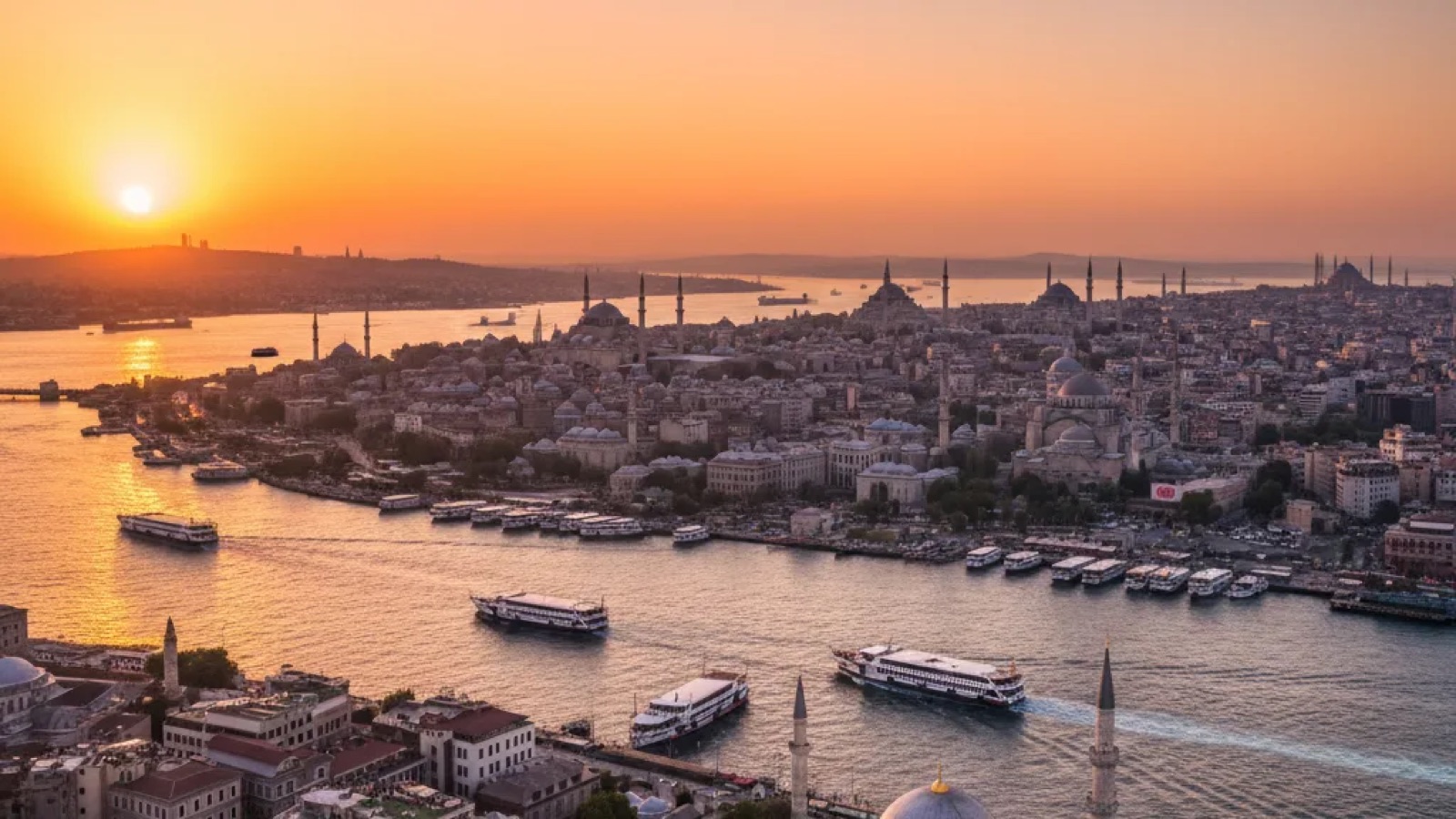
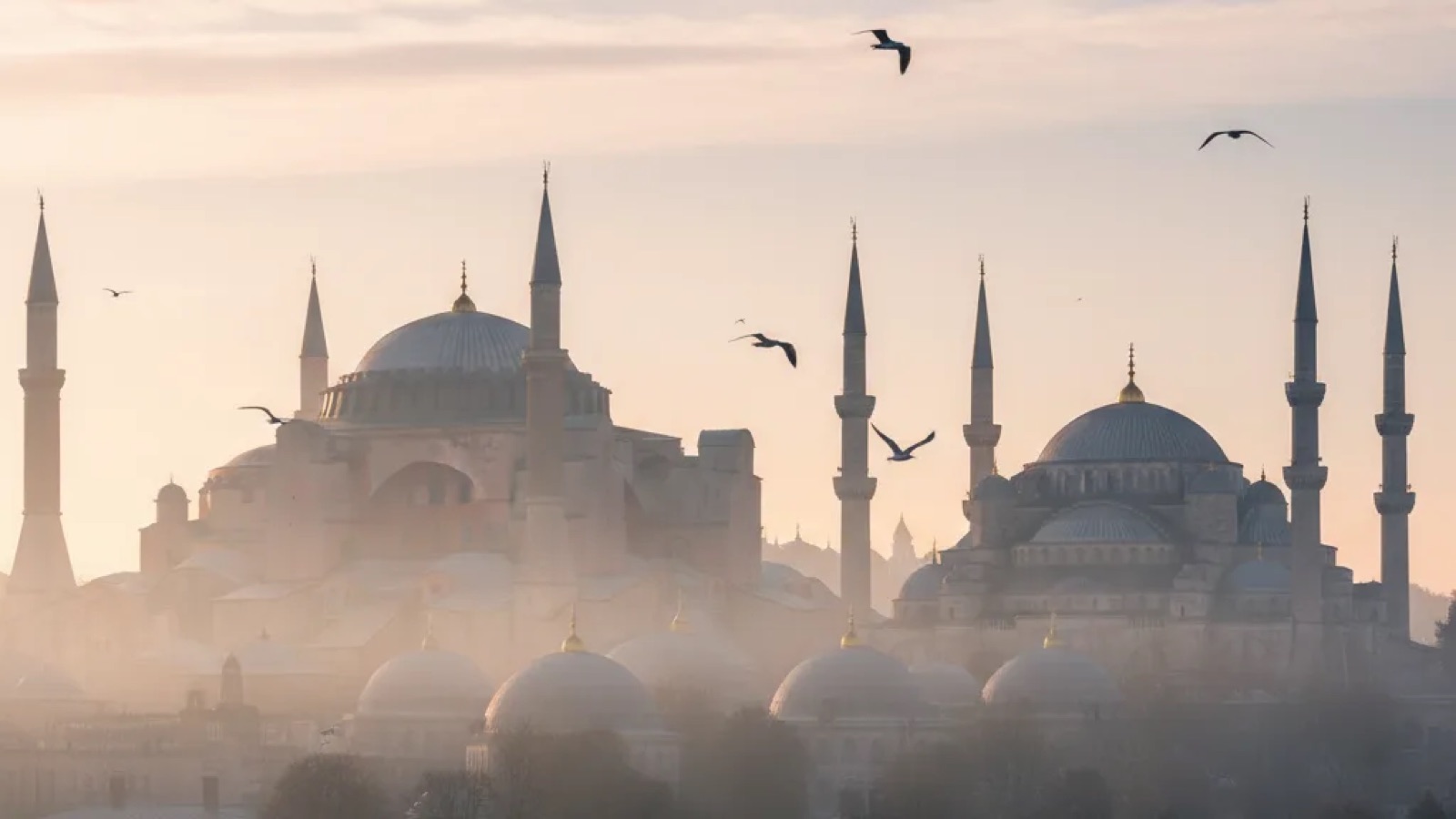
There is nowhere else on Earth like Istanbul. To stand on the Galata Bridge at sunset, with the domes and minarets of the old city silhouetted on one side and the buzz of modern Beyoğlu on the other, is to feel the pulse of history. For your first visit, base yourself in or near Sultanahmet to be within walking distance of the 'big three': the awe-inspiring Hagia Sophia, the elegant Blue Mosque, and the sprawling, opulent Topkapı Palace.
Beyond these, dive into the sensory chaos of the Grand Bazaar and the Spice Bazaar. A photography tip: look for the shafts of light that pierce through the high windows, illuminating the swirling dust and crowds – it’s challenging to capture, but magical when you do. Don’t miss a trip down into the hauntingly beautiful Basilica Cistern.
But the real soul of Istanbul is on the water. A public ferry ride across the Bosphorus Strait is non-negotiable. For the price of a local commute, you’re on one of the world’s most scenic boat trips, passing waterside mansions, ancient fortresses, and palaces. Get off on the Asian side at Kadıköy. The market here is one of Turkey’s best, a real, working food market that’s a feast for the eyes and the stomach. It feels a world away from the tourist crowds of Sultanahmet and gives you a glimpse into the everyday life of this incredible city.
Cappadocia: From Balloons to Underground Cities
Cappadocia is pure fantasy. The landscape, formed by volcanic ash and sculpted by wind and water over millennia, is unlike anywhere else. The hot air balloon ride at sunrise is the signature experience, and it's worth every single penny. The scale, the silence, and the shared sense of wonder are unforgettable. Book well in advance, especially in high season, and be aware that flights are weather dependent.
But there is so much more to Cappadocia than balloons. Staying in a cave hotel is an essential part of the experience, offering a cosy and unique connection to the region’s history. Some of the best days here are spent on foot. The hiking trails through the Rose Valley and Pigeon Valley are spectacular, leading you past rock-cut churches with faded frescoes and through fantastical rock formations. You don't need to be a hardcore hiker; many trails are gentle and well-marked.
Finally, you must go underground. The subterranean cities of Derinkuyu or Kaymaklı are staggering feats of ancient engineering. These multi-level complexes housed thousands of people, complete with ventilation shafts, wineries, and chapels, all dug by hand. Descending into the narrow passageways is a slightly claustrophobic but utterly fascinating experience that reveals the ingenuity of the people who sought refuge here centuries ago.
A Taste of Turkey: Feasting and Food Culture
To travel through Turkey is to embark on a culinary pilgrimage. The food is a highlight in itself, deeply woven into the social fabric of the country. Your day should start with a proper kahvaltı, or Turkish breakfast. This is not a quick bite; it’s a lavish spread of cheeses, olives, honey, clotted cream (kaymak), jams, eggs, fresh tomatoes, cucumbers, and bread. It's a social ritual meant to be savoured.
Throughout the day, you'll be powered by çay (tea). Served in small, tulip-shaped glasses, it’s the fuel of the nation, a symbol of hospitality offered everywhere from carpet shops to bus stations. Turkish coffee (kahve) is a different experience – thick, strong, and served after a meal, often with the grounds used for fortune-telling.
When it comes to meals, look beyond the standard döner kebap (which is still delicious when done well). Turkish cuisine is incredibly regional. Seek out Adana or Urfa kebaps (spicy or mild minced meat grilled on a skewer) or the standout patlıcanlı kebap, with chunks of eggplant. But before the meat, there is always meze. Ordering a selection of these small cold and hot appetisers – like smoked eggplant salad, spicy tomato dip, and yoghurt with herbs – is one of the great joys of Turkish dining.
Etiquette and Customs: Mosques and Hammams
Respectful conduct goes a long way in Turkey, and two experiences require a little cultural know-how: visiting a mosque and going to a hammam.
When visiting a mosque, such as Istanbul's iconic Blue Mosque, dress modestly. This means covering your shoulders and knees for both men and women. Women will also need to cover their hair. Major tourist mosques usually provide scarves and wraps for visitors, but it's respectful to carry your own lightweight scarf. You’ll need to remove your shoes before entering, so wear shoes that are easy to slip on and off. Inside, be quiet and respectful, and never walk in front of someone who is praying. Avoid visiting during prayer times, which are posted at the entrance.
A Turkish bath, or hammam, is an invigorating and cleansing experience. Don't go in expecting a hushed, Zen-like spa. Hammams are often lively, steamy, social places. The process typically involves relaxing in a hot steam room, followed by a vigorous, exfoliating scrub with a coarse mitt (a kese) and then a soapy, bubble-filled massage on a hot marble slab. Most historical hammams have separate sections or different hours for men and women. You’ll be given a towel (peştemal) to wear. It can feel a little intimidating the first time, but just let go and embrace the tradition. Most people emerge with their skin glowing and their body feeling completely renewed.
For Australians: A Pilgrimage to Gallipoli
For any Australian or New Zealander visiting Turkey, a trip to the Gallipoli peninsula is more than just a historical tour; it’s a pilgrimage. A profound quiet hangs over the beautifully kept cemeteries, and Anzac Cove is surprisingly small in scale. Seeing the impossibly steep, scrub-covered hills the soldiers had to climb gives you a visceral understanding of the hardship they faced that history books can’t convey.
To stand at Lone Pine Cemetery, reading the names and looking out over the sparkling Aegean Sea, is a deeply moving experience. What makes it even more poignant is the genuine respect and friendship shown by the Turkish people. The words of Mustafa Kemal Atatürk, the commander at Gallipoli who later founded the Turkish Republic, are inscribed on a memorial and perfectly capture this spirit of shared loss and reconciliation.
A day tour from Istanbul is highly recommended. A good guide is essential to navigate the various sites – from the Australian memorials at Lone Pine and The Nek to the Turkish 57th Infantry Regiment Memorial – and to provide both the Anzac and the crucial Turkish perspective on the campaign. Nearby, you can also visit the archaeological site of ancient Troy, weaving another layer of legend into your journey.
Staying Safe: Common Scams and Turkish Hospitality
First things first: Turkey is a very safe country to travel in, and the hospitality of its people (misafirperverlik) is legendary. You are far more likely to be overwhelmed by kindness than to encounter any trouble. However, like any major tourist destination, it pays to be aware of a few common scams, especially in Istanbul's busiest areas.
Be wary of the "friendly" local who strikes up a conversation and invites you for a drink at a bar he knows; this can lead to a massively inflated bill. Another classic is the shoe-shine man who "accidentally" drops a brush in front of you; if you pick it up, he'll insist on giving you a "free" shoe shine as thanks, only to demand an exorbitant payment afterwards. In taxis, always insist the metre is used. Simply be polite but firm in declining unwanted offers.
These are isolated incidents, usually confined to a few blocks in Istanbul. Please don’t let them make you paranoid. The overwhelming reality of travelling in Turkey is one of warmth and genuine curiosity. You'll have people go out of their way to help you, invite you for tea, and welcome you to their country. Just use the same common sense you would in any big city, keep your valuables secure, and you’ll have a wonderful time.
Explore in Depth
This guide offers a broad overview for a first trip to Turkey. Once you've decided on your route, dive deeper into the specific destinations with the more detailed guides.
Frequently Asked Questions
Is 10 days really enough to see Turkey?
Ten days is enough for a fantastic introduction to Turkey, but it is a "taster" tour. A 10-day itinerary like the one described here focuses on the absolute highlights: Istanbul, Cappadocia, and a glimpse of the ancient sites and coast. It will be fast-paced with several internal flights required to make it work. If you prefer to travel more slowly, either extend your trip to 14 days or focus on just two regions, for example, Istanbul and the Turquoise Coast, or Istanbul and Cappadocia, to explore them more deeply without feeling rushed.
How should I dress as a female traveller in Turkey?
Turkey is a modern country, but it's culturally conservative outside the major coastal resorts. In Istanbul, Cappadocia, and other cities, it's best to dress modestly to show respect and avoid unwanted attention. This means covering your shoulders and knees. Loose-fitting linen trousers or a long skirt and a t-shirt are perfect. You only need to cover your hair when entering a mosque. On the Turquoise Coast (in towns like Kaş or Fethiye) and at beach resorts, attitudes are much more relaxed, and standard summer holiday wear like shorts and sleeveless tops is completely fine.
Do I need to be able to speak Turkish?
You don’t need to be fluent in Turkish to travel here, especially along the main tourist routes. In hotels, major restaurants, and tour companies in Istanbul, Cappadocia, and the coastal resorts, English is widely spoken. However, learning a few basic Turkish phrases will be warmly received and can greatly enhance your interactions. Simple words like 'Merhaba' (Hello), 'Teşekkür ederim' (Thank you), 'Lütfen' (Please), and 'Hesap, lütfen' (The bill, please) go a long way in showing respect and opening doors to more genuine connections with local people.
Is it better to take a bus or fly between cities?
It depends on the distance. For long journeys like Istanbul to Cappadocia (over 700 kilometres), flying is the only practical option unless you're on a very tight budget and don't mind sacrificing a full day or night. A flight takes about 90 minutes. For medium distances, like from the Ephesus area (Izmir) to the coast (Fethiye), the bus is an excellent choice. The journey is around 4-5 hours through scenic countryside, and the buses are comfortable and affordable. The decision comes down to balancing your time against your budget.
Should I avoid travelling during Ramadan?
Not at all, but you should be aware of how it can affect your trip. During the holy month of Ramadan, observant Muslims fast from sunrise to sunset. In conservative inland cities, you may find many restaurants closed during the day. In major tourist areas like Sultanahmet in Istanbul or on the coast, it's business as usual. The evenings come alive with a festive atmosphere as families break their fast (iftar). It can be a special time to visit, but you should be respectful by not eating or drinking ostentatiously in public in more traditional areas.
Final Thoughts
Turkey draws visitors back time and again. It’s a country that engages all your senses – the scent of spices and grilled meats, the sound of the call to prayer echoing over a 2,000-year-old city, the sight of a turquoise sea against rugged cliffs, the feeling of hundred-year-old silk under your fingertips in a bazaar.
More than anything, it’s the human element that makes Turkey so special. It's the warmth of the welcome, the shared cup of tea, the pride in a culture that bridges ancient and modern, East and West. So go with an open mind and an empty stomach. Let yourself get lost in the laneways, talk to strangers, and accept the invitations that will surely come your way. You'll come home with more than just photos; you'll come home with stories etched into your soul.
More Turkey guides
Istanbul Travel Guide: Three Days in the City
Three days in Istanbul: Hagia Sophia and the Blue Mosque, the Grand Bazaar, ferries on the Bosphorus and where to eat between them.
Cappadocia Guide: Balloons, Valleys, Cave Stays
Cappadocia in two or three days: balloon flights and cancellations, the valley walks, underground cities and staying in a cave hotel.