United Kingdom Travel Guide: How to Plan Your Trip
How to plan a trip across England, Scotland, Wales and Northern Ireland: where to go, how long to stay and how to get between them.
In this guide
- Quick Facts: United Kingdom
- Why Visit the United Kingdom?
- London and England: Historic Capitals, Rolling Hills, and Iconic Coastlines
- Scotland: Highland Drama, Isles, and Historic Cities
- Wales: Castles, Dragons, and Dramatic National Parks
- Northern Ireland: Coastal Giants and Cultural Revival
- Best Time to Visit: Weather, Seasons, and Regional Variations
- Getting Around: Rail Networks, Driving on the Left, and Public Transport
- UK Food and Drink: Beyond the Stereotypes
- Understanding Costs and Budgeting Mindset
- Crafting Your Itinerary: Recommended Route Shapes
- Practical Tips for International Travellers
- Explore the UK in Depth
I still vividly remember standing on the chalk edge of Beachy Head on the Sussex coastline, watching a moody morning fog recede across the English Channel to reveal dramatic white cliffs plummeting into churning blue water. Coming from Australia, where our vast landscapes are defined by sun-drenched red earth and ancient eucalyptus forests, the sheer density of history and visual variety compressed into the British Isles caught me completely off guard. In a single day, you can stroll past Roman ruins, dine in a medieval pub, and attend a cutting-edge theatre performance in a world capital.
The United Kingdom is far more than a single country; it is a fascinating tapestry woven from four distinct nations—England, Scotland, Wales, and Northern Ireland. Each nation possesses its own unique character, regional accents, cultural heritage, and breathtaking geography. From the honey-coloured stone villages of the Cotswolds and the haunting beauty of the Scottish Highlands to the rugged coastal paths of Wales and the geological wonders of Northern Ireland, exploring the UK feels like opening an endless vault of stories.
Whether you are planning your maiden overseas voyage to London or returning to delve deeper into remote glens and historic market towns, this comprehensive guide provides the foundational insights, practical advice, and cultural context needed to plan an unforgettable journey across the United Kingdom.
Quick Facts: United Kingdom
- Nations: England, Scotland, Wales, and Northern Ireland
- Capital Cities: London (UK and England), Edinburgh (Scotland), Cardiff (Wales), Belfast (Northern Ireland)
- Languages Spoken: English (official), alongside recognized regional languages including Welsh, Scottish Gaelic, Scots, Irish, and Cornish
- Currency: Pound Sterling (GBP). Note that Scottish and Northern Irish banks issue their own banknotes, which are legal currency across the UK
- Driving Side: Left-hand side of the road
- Electricity: 230V AC, 50Hz, using three-rectangular-pin plugs (Type G)
- Rail Network: Integrated National Rail network across Great Britain, supplemented by Translink services in Northern Ireland
Why Visit the United Kingdom?
For international travellers, and particularly those arriving from newer nations like Australia, the United Kingdom offers an extraordinary sense of depth. You are constantly walking through layers of human history that stretch across millennia. Iron Age hill forts, Roman roads, Anglo-Saxon cathedrals, Norman castles, and Victorian industrial wonders exist side by side with modern, multicultural cities.
Beyond its deep historical roots, the UK stands out for its landscape diversity within relatively short travelling distances. You can wake up in a cosmopolitan metropolis, take a scenic two-hour train ride through rolling countryside, and spend your afternoon hiking across wild moorland or along dramatic sea cliffs. Furthermore, the four nations offer distinctly different cultural experiences—from the language and rugby passion of Wales to the traditional fiddle music and coastal heritage of Northern Ireland.
London and England: Historic Capitals, Rolling Hills, and Iconic Coastlines
England forms the largest landmass of the United Kingdom and is home to its political capital, London. Beyond the urban reach of the capital, England unfolds into a varied tapestry of pastoral beauty, historic university towns, rugged national parks, and vibrant northern industrial hubs.
London: The Global Metropolis
As one of the world's premier global cities, London is a place where history and modernity collide on an epic scale. Straddling the River Thames, the city is composed of distinct neighbourhoods, each carrying its own personality and architectural aesthetic.
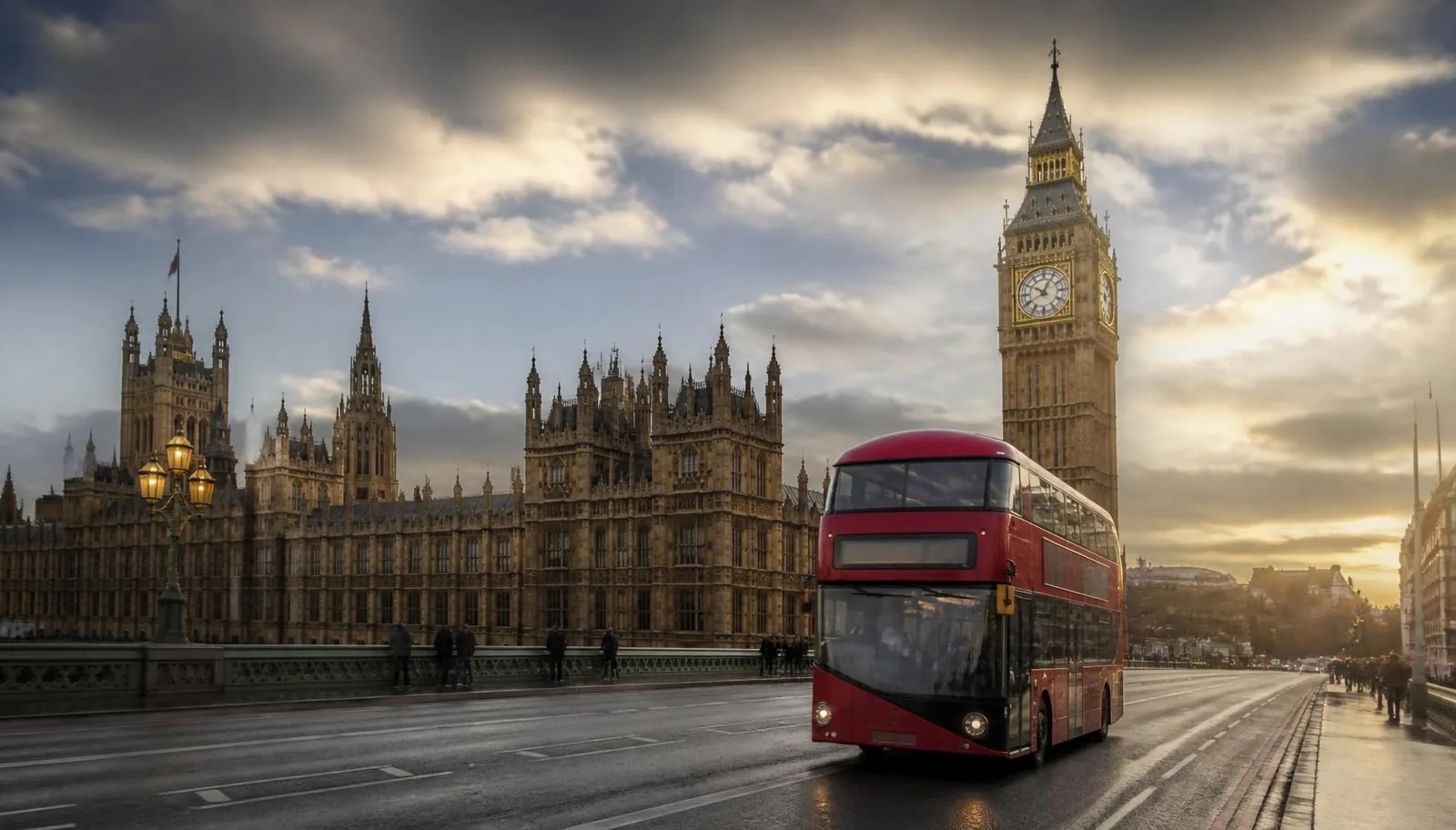
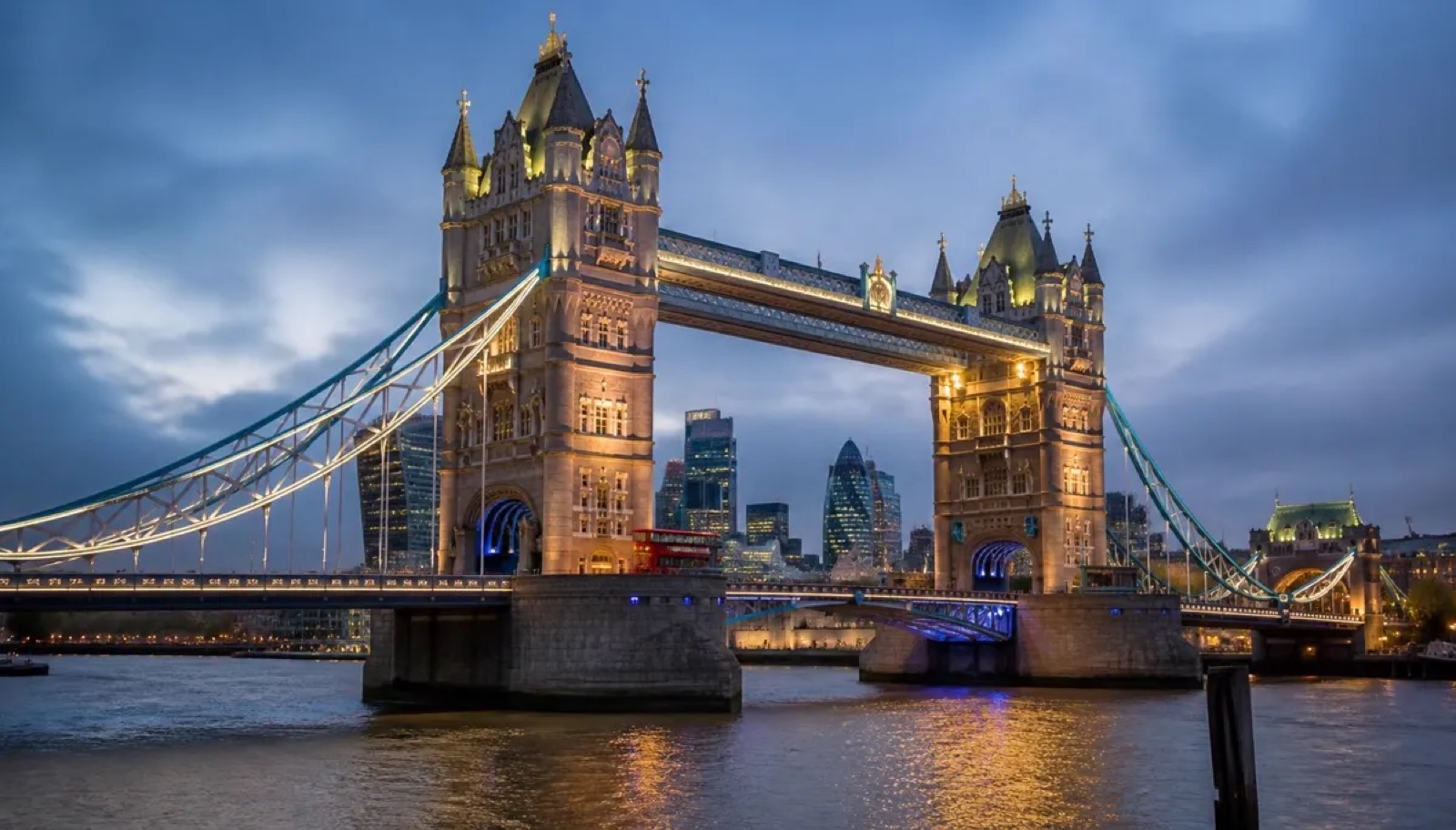
A classic exploration of London usually begins in the historic heart of Westminster, where you will find iconic landmarks such as the Houses of Parliament, Big Ben, and Westminster Abbey—the crowning site of monarchs since 1066. A short stroll along the river embankment leads to the Tower of London, an ancient fortress that has served as a royal palace, prison, and secure home for the Crown Jewels for nearly a thousand years.
London is also a cultural titan, offering world-class public institutions that are remarkably free to enter for standard exhibitions. Unmissable cultural stops include:
- The British Museum: Housing a vast global collection of human history, art, and culture, including the Rosetta Stone and Egyptian mummies.
- The Victoria and Albert Museum (V&A): The world's leading museum of art, design, and performance, situated in South Kensington alongside the Natural History Museum.
- Tate Modern and Tate Britain: Showcasing international modern art in a converted power station on the Bankside, and classic British masterworks in Pimlico, respectively.
Beyond traditional sightseeing, take time to explore London’s green expanses, such as Hyde Park and Regent's Park, catch a world-class theatrical production in the West End, and wander through historic street markets like Borough Market or Portobello Road.
The South and West Country: Bath, Stonehenge, and Cornwall
Heading west from London brings you into the soft, green countryside of Southern England and the West Country. Here, rolling chalk hills give way to ancient monuments and picturesque coastlines.
In Wiltshire, standing isolated on Salisbury Plain, sits Stonehenge—the world's most famous prehistoric stone circle. Nearby, the elegant city of Bath offers a stunning showcase of Roman and Georgian engineering. Visitors can explore the remarkably preserved ancient Roman Baths fed by natural thermal springs, and admire the sweeping golden-stone arc of the Royal Crescent.
Further west lies the rural charm of the Cotswolds, famous for its thatched cottages, winding streams, and honey-coloured stone villages like Castle Combe and Bourton-on-the-Water. Continuing to the far south-western tip brings you to Cornwall, a maritime region defined by dramatic granite sea cliffs, sandy coves, surf breaks, and romantic fishing harbours like St Ives and Padstow.
Northern England: Lake District, York, and Industrial Heritage
Northern England possesses a rugged beauty and a proud regional identity rooted in history, industry, and natural grandeur. The walled city of York serves as an ancient crossroads, boasting rich Viking and Roman roots. Walking atop the city's medieval stone walls or wandering through The Shambles—a timber-framed narrow street dating back to the Middle Ages—leads directly to the majestic York Minster, one of the largest Gothic cathedrals in Northern Europe.
To the west lies the Lake District National Park in Cumbria, a region of breathtaking glacial lakes, high mountain passes, and lush valleys that inspired famous romantic poets and writers. Whether cruising on Lake Windermere, walking through Borrowdale, or hiking up Scafell Pike—England's highest peak—the scenery is breathtaking.
For music, industrial heritage, and modern culture, the northern cities of Manchester and Liverpool offer incredible experiences. Liverpool, positioned on the River Mersey, is world-famous for its maritime history at the Albert Dock and as the birthplace of The Beatles, while Manchester stands as a dynamic powerhouse of science, street art, and football.
Scotland: Highland Drama, Isles, and Historic Cities
Occupying the northern third of Great Britain, Scotland is a nation defined by geological drama, wild coastal landscapes, rich clan history, and fiercely proud cultural traditions.
Edinburgh and Glasgow: A Tale of Two Cities
Scotland’s two largest cities sit less than an hour apart by rail across the Central Belt, yet they present two completely distinct urban personalities.
Edinburgh, the national capital, is built across ancient volcanic ridges and deep glens. The town is divided into the medieval labyrinth of the Old Town, anchored by the iconic Edinburgh Castle atop Castle Rock, and the elegant neoclassical grid of the 18th-century New Town. Strolling down the cobbles of the Royal Mile or hiking to the peak of Arthur’s Seat offers incredible views over the city and the Firth of Forth.
In contrast, Glasgow is a vibrant industrial metropolis built on the historic wealth of shipbuilding along the River Clyde. Famous for its warm hospitality, brilliant live music scene, and Victorian red-sandstone architecture, Glasgow boasts top-tier cultural destinations such as the Kelvingrove Art Gallery and Museum and the architectural legacies of Art Nouveau pioneer Charles Rennie Mackintosh.
The Scottish Highlands and Isles: Glencoe, Loch Ness, and Skye
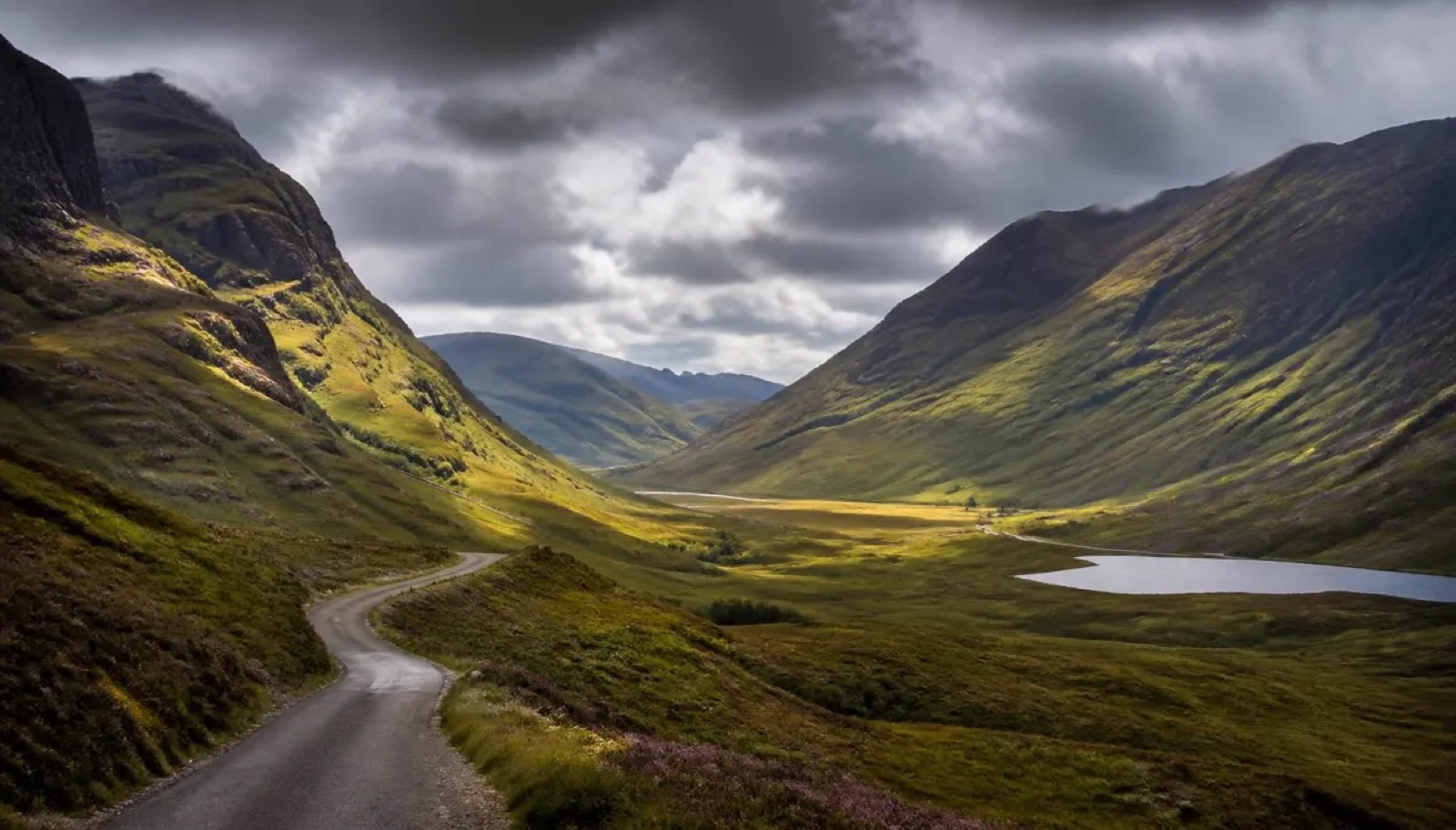
North of the Highland Boundary Fault, the Scottish landscape transforms into one of Europe's last great wild spaces. Driving north leads through the brooding volcanic pass of Glencoe, a valley flanked by sheer mountain ridges known as the Three Sisters, steeped in natural beauty and tragic clan history.
Further north sits Fort William, the outdoor adventure capital positioned beneath Ben Nevis, the highest peak in the British Isles. From here, travellers can witness the magnificent 21-arch Glenfinnan Viaduct—made world-famous by film—or travel east towards Loch Ness and the Highland capital of Inverness.
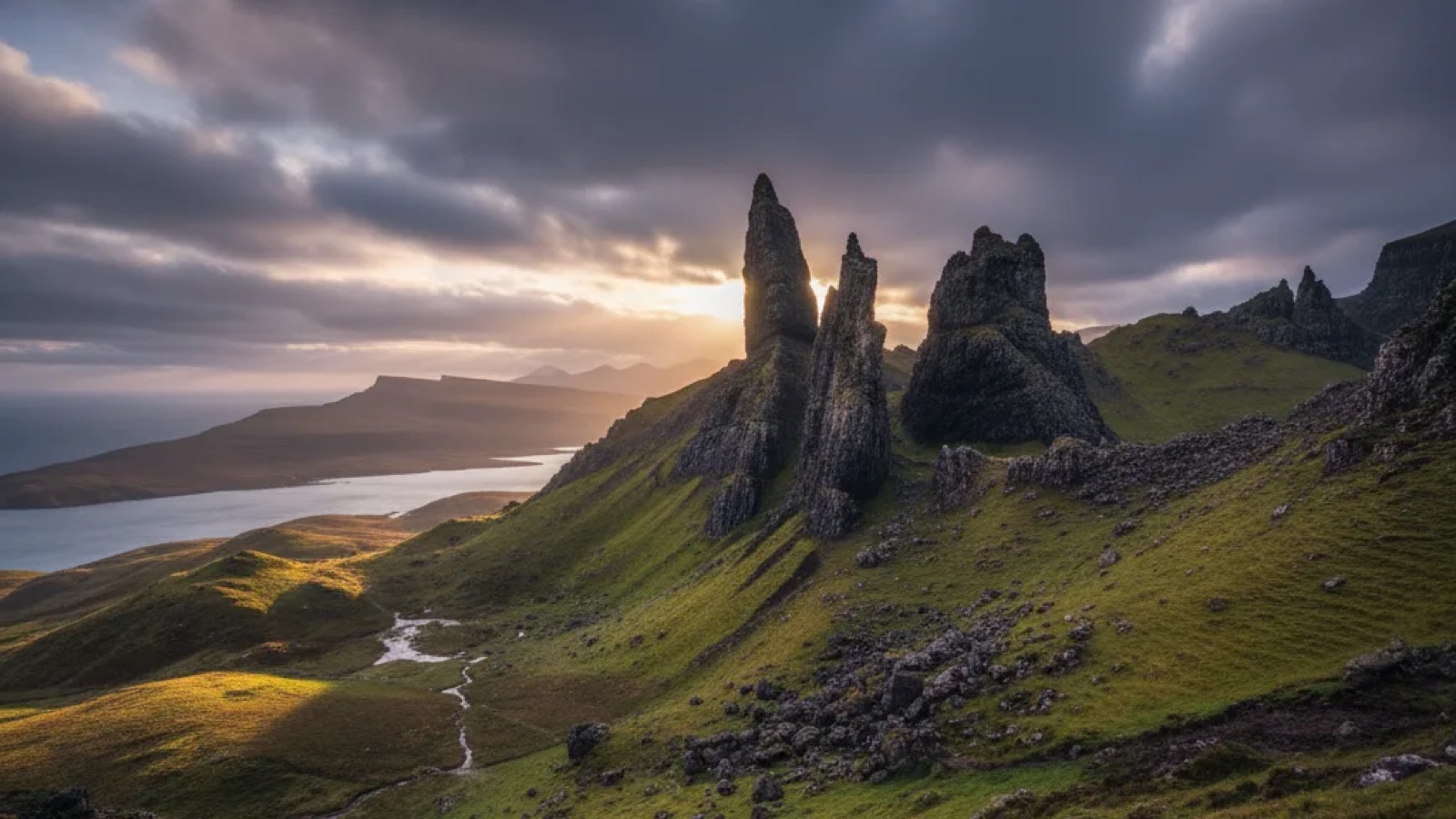
Off the western coast lie Scotland’s stunning island archipelagos. The Isle of Skye is accessible via a road bridge or ferry, drawing visitors with its surreal geological landslips including the Old Man of Storr and the dramatic terrain of the Quiraing. Further offshore, the Outer Hebrides and Inner Hebrides feature turquoise waters and pristine white beaches that rival tropical shores, albeit with a fresh Atlantic breeze.
Wales: Castles, Dragons, and Dramatic National Parks
Known in the native tongue as Cymru, Wales is a country of ancient myth, dramatic coastlines, deep linguistic heritage, and incredible historic architecture. It boasts more castles per square kilometre than anywhere else in Europe.
Eryri (Snowdonia) and Northern Wales
The northern interior of Wales is dominated by Eryri National Park (Snowdonia), a high-altitude realm of slate mountains, deep lakes, and historic mountain passes. At its heart stands Yr Wyddfa (Mount Snowdon), the tallest mountain in Wales and England. Visitors can choose to hike to the summit via several well-maintained mountain paths or take the historic mountain railway from Llanberis.
Along the northern coast stand spectacular 13th-century fortresses built during the reign of King Edward I. Key coastal strongholds include:
- Caernarfon Castle: A massive imperial fortress standing where the Seiont River meets the Menai Strait, featuring distinctive polygonal towers and multi-coloured stone banding.
- Conwy Castle: An extraordinarily well-preserved medieval castle backed by mountain scenery, guarding a historic walled town with intact stone town walls.
- Beaumaris Castle: Located across the Menai Strait on Anglesey, famed for its perfect symmetrical inner and outer defense rings.
Cardiff, Pembrokeshire, and the Coastal South
In South Wales, the national capital of Cardiff blends historic heritage with vibrant contemporary waterfront spaces. Cardiff Castle sits right in the city centre, displaying a remarkable combination of ancient Roman walls, Norman fortifications, and opulent Victorian Gothic palace rooms. Nearby, Cardiff Bay features the striking copper-domed Wales Millennium Centre, a beacon for performing arts.
Heading west reveals the sweeping Pembrokeshire Coast National Park, the UK's only national park designated primarily for its coastal landscape. Here, dramatic sea cliffs, natural archways, and sheltered sandy beaches line the coast, anchored by St Davids—Britain's smallest city, famous for its magnificent 12th-century cathedral nestled in a secluded valley.
Inland from the southern coast lie the rolling upland ridges and grassy valleys of Bannau Brycheiniog (Brecon Beacons National Park), a popular haven for hillwalkers, star-gazers, and wilderness enthusiasts.
Northern Ireland: Coastal Giants and Cultural Revival
Separated from Great Britain by the Irish Sea, Northern Ireland packs world-renowned geological sites, historic walled cities, and a booming cultural scene into a compact, easily reachable destination.
Belfast and the Titanic Legacy
The capital city of Belfast has undergone a remarkable transformation in recent decades, re-emerging as a warm, creative, and dynamic urban destination. Set between rolling green hills and the mouth of the River Lagan, Belfast's identity was historically built on maritime engineering and linen manufacturing.
The city's star attraction is Titanic Belfast, an award-winning architectural and historical museum located at the exact shipyard slipways where the ill-fated ocean liner RMS Titanic was designed, built, and launched in 1912. The interactive visitor experience offers a fascinating look at Belfast's industrial heyday.
Visitors to Belfast can also stroll through the bustling Cathedral Quarter with its vibrant street art and traditional pubs, admire the grand Victorian architecture of the City Hall, or take an informative Black Cab tour to view the famous political street murals that detail the region's complex 20th-century history.
The Causeway Coastal Route and Derry~Londonderry
Extending north from Belfast along the Antrim coast is the spectacular Causeway Coastal Route, widely recognized as one of the world's great coastal drives. The journey winds beneath dramatic sea cliffs, past romantic ruined strongholds like Dunluce Castle, and through quiet coastal villages.
The pinnacle of this coastal drive is the Giant's Causeway, Northern Ireland's famous UNESCO World Heritage site. This geological wonder comprises roughly 40,000 interlocking basalt stone columns formed by ancient volcanic activity, stretching out into the ocean waves like stepping stones.
At the western end of the coastal route lies Derry~Londonderry, the only remaining completely intact walled city in Ireland. Walking along the top of the 17th-century stone ramparts provides panoramic views across the city rooftops and the River Foyle, while the modern Peace Bridge stands as an inspiring symbol of reconciliation and community unity.
Best Time to Visit: Weather, Seasons, and Regional Variations
The British climate is temperate maritime, meaning it is rarely subject to extreme heat or extreme cold, but it is notoriously changeable. It is common to experience sunshine, rain, wind, and cloud all within the space of a single afternoon.
When planning your trip, consider how seasonal changes affect daylight, crowds, and countryside access:
- Spring (March to May): A lovely season characterized by blooming flowers, blossoming trees, and fresh green countryside. Temperatures are cool to mild, and light rainfall is common. Crowds are lower than in summer, making it an ideal time for sightseeing.
- Summer (June to August): The warmest and sunniest time of the year, with daytime temperatures averaging 18°C to 25°C, though heatwaves can occur. Days are remarkably long, particularly in Northern Scotland where dusk lingers past 10:00 PM. This is peak tourist season, so booking attraction tickets and hotel rooms well ahead of time is recommended.
- Autumn (September to November): A stunning time to travel, especially for countryside walks through woodlands turned gold and amber. September often brings stable, warm days, while late autumn brings cooler temperatures, crisp mornings, and shorter daylight hours.
- Winter (December to February): The coldest and wettest season, with short daylight hours (sunset as early as 3:30 PM in northern areas). However, winter brings magical festive markets, cozy pub fireplaces, and lit urban streets. Major attractions and museums are quiet, though some rural historic sites operate reduced opening schedules.
Getting Around: Rail Networks, Driving on the Left, and Public Transport
Navigating the United Kingdom is relatively straightforward thanks to a comprehensive public transport network and well-maintained road infrastructure.
Exploring by Train: National Rail
For travelling between major cities and regional towns across Great Britain, the National Rail network is efficient and convenient. High-speed services connect major hubs—for instance, train trips from London King's Cross to Edinburgh Waverley take around four and a half hours, cutting right through the heart of the country.
To keep travel costs down when using the rail network, keep the following strategies in mind:
- Book Advance Tickets: Fixed-train Advance tickets usually go on sale up to 12 weeks ahead of travel and are significantly cheaper than buying On-the-Day tickets at the station.
- Travel Off-Peak: Avoid travelling during weekday morning and evening peak commuter rush hours when train fares are substantially higher.
- BritRail Passes: Overseas visitors can purchase a BritRail Pass before arriving, offering flexible unlimited rail travel across England, Scotland, or Wales over set travel days.
Driving in the UK: Rules and Road Culture
Renting a car provides ultimate freedom, particularly when exploring rural areas such as the Scottish Highlands, North Wales, the Lake District, or the Cotswolds. Drivers operate on the left-hand side of the road, and the vast majority of rental cars are manual transmission unless an automatic vehicle is specifically requested in advance.
Roads in the UK range from multi-lane motorways (prefixed with 'M') and primary trunk roads (prefixed with 'A') to narrow, winding single-lane country tracks. When driving on narrow rural lanes, watch for designated passing places—wide spots in the road used to allow oncoming vehicles to pass safely. Navigating roundabouts is standard practice across the UK; always yield to traffic coming from your right before entering the roundabout circle.
City Transit and Long-Distance Coaches
Within major cities, public transit is exceptionally efficient. London features the famous Underground (the Tube), double-decker buses, light rail, and river buses. Payment in London public transit is completely seamless—simply tap a contactless credit card or smartphone at the yellow gate readers when entering and exiting stations.
For budget-conscious travellers, long-distance coach operators connect all major cities and airports across the UK, offering an affordable alternative to rail travel, though travel times are longer due to highway traffic.
UK Food and Drink: Beyond the Stereotypes
The culinary landscape of the United Kingdom has undergone a true renaissance in recent decades. Far from the outdated stereotypes of plain food, modern British dining focuses on high-quality regional produce, sustainable farming, rich craft brewing traditions, and a dynamic multicultural food scene.
Pub Culture and Traditional Fare
The public house, or pub, is the cultural heart of British social life. Pubs serve as local gathering places, historic monuments, and relaxed places to enjoy a meal. Traditional pub dining centres around hearty, comforting dishes made from local ingredients.
Classic British dishes you must sample include:
- Sunday Roast: A classic weekend tradition featuring roasted beef, lamb, pork, or chicken served alongside roasted potatoes, seasonal vegetables, rich gravy, and fluffy Yorkshire pudding.
- Fish and Chips: Fresh white fish (usually cod or haddock) fried in crisp batter, served with thick-cut chips, mushy peas, and tartar sauce. Best enjoyed fresh from a seaside chip shop.
- Pies and Savoury Pasties: Slow-cooked fillings wrapped in buttery pastry, such as steak and ale pie, or the traditional Cornish Pasty packed with beef, potato, and swede.
Regional Delicacies Across the Four Nations
Each of the four nations takes immense pride in its distinct regional foods and specialities:
- Scotland: Famous for wild salmon, prime Aberdeen Angus beef, fresh seafood, and Haggis—a savoury, spiced dish traditionally served with 'neeps and tatties' (turnips and potatoes).
- Wales: Renowned for Welsh lamb, Welsh Rarebit (a rich, seasoned cheese sauce served over toasted bread), and Crampog (traditional Welsh buttermilk pancakes).
- Northern Ireland: Home to the famous Ulster Fry, a generous breakfast plate that includes soda bread and potato bread alongside sausage, bacon, and eggs.
- England: Beyond roast dinners, England excels in artisanal cheeses (such as Cheddar and Stilton), cream teas served with warm scones, clotted cream, and jam, and incredible international cuisine including local variations of Indian curry.
Beverages: Tea, Ale, and Spirits
Tea remains an integral part of daily life across the UK, usually served strong with a splash of milk. For beer drinkers, traditional cask-conditioned real ales and modern craft beers are served in nearly every pub. Scotland and Ireland are world-famous for their whiskies (spelt 'whisky' in Scotland and 'whiskey' in Northern Ireland), where visitors can tour historic distilleries to learn about copper pot distillation and cask maturation.
Understanding Costs and Budgeting Mindset
Travelling through the United Kingdom can accommodate a wide spectrum of budgets, depending on how you structure your journey. London and the South East of England are generally more expensive for accommodation and dining than regions in Northern England, Wales, or Northern Ireland.
Managing Accommodation and Dining Costs
To manage accommodation costs, mix classic boutique hotels with regional Bed & Breakfasts (B&Bs), country inns, or self-catering holiday cottages. B&Bs offer extraordinary local value, combining comfortable quarters with a generous cooked breakfast included in your morning stay.
When dining out, lunch menus at mid-range restaurants and pubs often offer fixed-price deals that are considerably cheaper than evening dinner menus. High-street supermarkets also offer excellent 'meal deal' combinations that make for easy, budget-friendly picnic lunches while exploring national parks and historic towns.
Maximizing Sightseeing Value
The UK offers exceptional value for cultural travellers through its national museum policies. National museums and galleries in London, Edinburgh, Cardiff, and Belfast offer free standard admission, making world-class art and historical treasures accessible to everyone.
If you plan to visit multiple castles, historic stately homes, and ancient monuments, consider purchasing a tourist pass through historic heritage bodies such as the National Trust, Historic England, Historic Environment Scotland, or Cadw in Wales. These passes grant unlimited entry to hundreds of protected sites across the country, saving significant money over individual entry fees.
Crafting Your Itinerary: Recommended Route Shapes
Because the UK rail and road networks radiate outward from major cities, structuring your travel route efficiently saves considerable travel time. Here are three recommended route shapes based on trip length:
10-Day Classic Britain Highlights
Ideal for first-time visitors who wish to experience major urban hubs and historic landmarks via high-speed rail:
- Days 1–4: London. Explore key sights in Westminster, visit top museums, catch a West End play, and take a day trip to Windsor Castle or Bath.
- Days 5–6: York. Take a high-speed train north to York. Explore the medieval street walls, visit York Minster, and discover Viking heritage.
- Days 7–10: Edinburgh. Travel north by rail along the Northumberland coast to Edinburgh. Explore Edinburgh Castle, the Royal Mile, and take a day tour into the Scottish Highlands.
2-Week Four-Nations Loop
A comprehensive journey connecting capitals and iconic landscapes across all four UK nations:
- Days 1–4: London & South West England. Discover London, then travel west via Bath into South Wales.
- Days 5–6: Wales (Cardiff & Eryri/Snowdonia). Visit Cardiff Castle before travelling north through the dramatic slate mountains of Eryri National Park.
- Days 7–9: Northern Ireland (Belfast & Causeway Coast). Take a short flight or ferry across to Belfast. Explore Titanic Belfast and drive along the Causeway Coastal Route to the Giant's Causeway.
- Days 10–14: Scotland (Glasgow, Highlands & Edinburgh). Fly or take a ferry over to Scotland. Travel through Glasgow, explore Glencoe in the Scottish Highlands, and finish your trip in Edinburgh.
3-Week Deep Countryside and Coastal Exploration
Designed for travellers hiring a car to explore the historic countryside, national parks, and wild coastlines at a relaxed pace:
- Days 1–4: London & The Cotswolds. Pick up a car to explore honey-stone Cotswold villages and university towns like Oxford.
- Days 5–8: Lake District & North Wales. Drive north through Wales to explore Conwy Castle, then head into the English Lake District for lakeside walking.
- Days 9–15: Scottish Highlands & Isle of Skye. Drive north into Scotland, taking in Loch Lomond, the pass of Glencoe, the Isle of Skye, and Loch Ness.
- Days 16–21: Northumberland, York & Return South. Return southward down the east coast, visiting coastal castles in Northumberland and historic York before dropping your rental car back in London.
Practical Tips for International Travellers
To ensure a seamless, enjoyable trip across the United Kingdom, keep these practical operational tips in mind before departure:
Entry Requirements and Visas
International travellers visiting the United Kingdom must hold a passport valid for the duration of their intended stay. Depending on your nationality, you may require a visa or an Electronic Travel Authorisation (ETA) prior to boarding your flight. Check the official UK government border website well in advance of travel to review the latest entry requirements for your country of citizenship.
Staying Connected and Using Money
The UK is virtually a cashless society in daily operations. Contactless card payment is accepted almost everywhere, from street food stalls and taxi cabs to high-end restaurants and country pubs. Carrying a small amount of cash in cash notes is helpful for minor rural expenses, but major credit and debit cards are universally preferred.
For mobile phone connectivity, purchase a local UK eSIM or physical SIM card upon arrival at major airports or retail shops. Local mobile network packages offer generous data allowances at affordable rates, allowing you to use navigation apps, train timetables, and messaging services throughout your journey.
Packing and Clothing Layers
Because British weather can change rapidly throughout the day, the golden rule for packing is layering. Pack breathable base layers, warm mid-layers such as wool sweaters or fleece jackets, and a high-quality, windproof waterproof outer jacket. Comfortable, broken-in waterproof walking shoes or boots are absolute essentials for walking on wet cobblestones and unpaved country footpaths.
Finally, remember to pack a three-rectangular-pin power adapter (Type G plug) to charge your electronics, along with a small travel umbrella tucked inside your daypack. Armed with rain gear, a spirit of adventure, and an appetite for discovery, you are ready to explore the endless magic, history, and natural grandeur of the United Kingdom.
Explore the UK in Depth
This guide is the starting point. Once you've settled on a route, these deeper guides cover the two places most first-timers build their trip around:
- London Travel Guide — landmarks, museums, neighbourhoods and getting around the capital.
- Scotland Travel Guide — Edinburgh, the Highlands and the isles.
More United Kingdom guides
London Travel Guide: Landmarks, Museums and Transport
How to see London without wasting half your trip on the Tube — grouping sights by area, free museums, markets, day trips and where to base…
Scotland Travel Guide: Edinburgh, Highlands and Islands
Edinburgh and Glasgow, the North Coast 500, Glencoe and Skye, ferries to the isles, driving on single-track roads and how to plan around…
Isle of Skye Guide: Fairy Pools, Quiraing, Storr
Skye done properly: how many days, driving single-track roads, the walks that are worth it and how to handle weather and crowds.