Scotland Travel Guide: Edinburgh, Highlands and Islands
Edinburgh and Glasgow, the North Coast 500, Glencoe and Skye, ferries to the isles, driving on single-track roads and how to plan around Scottish weather.
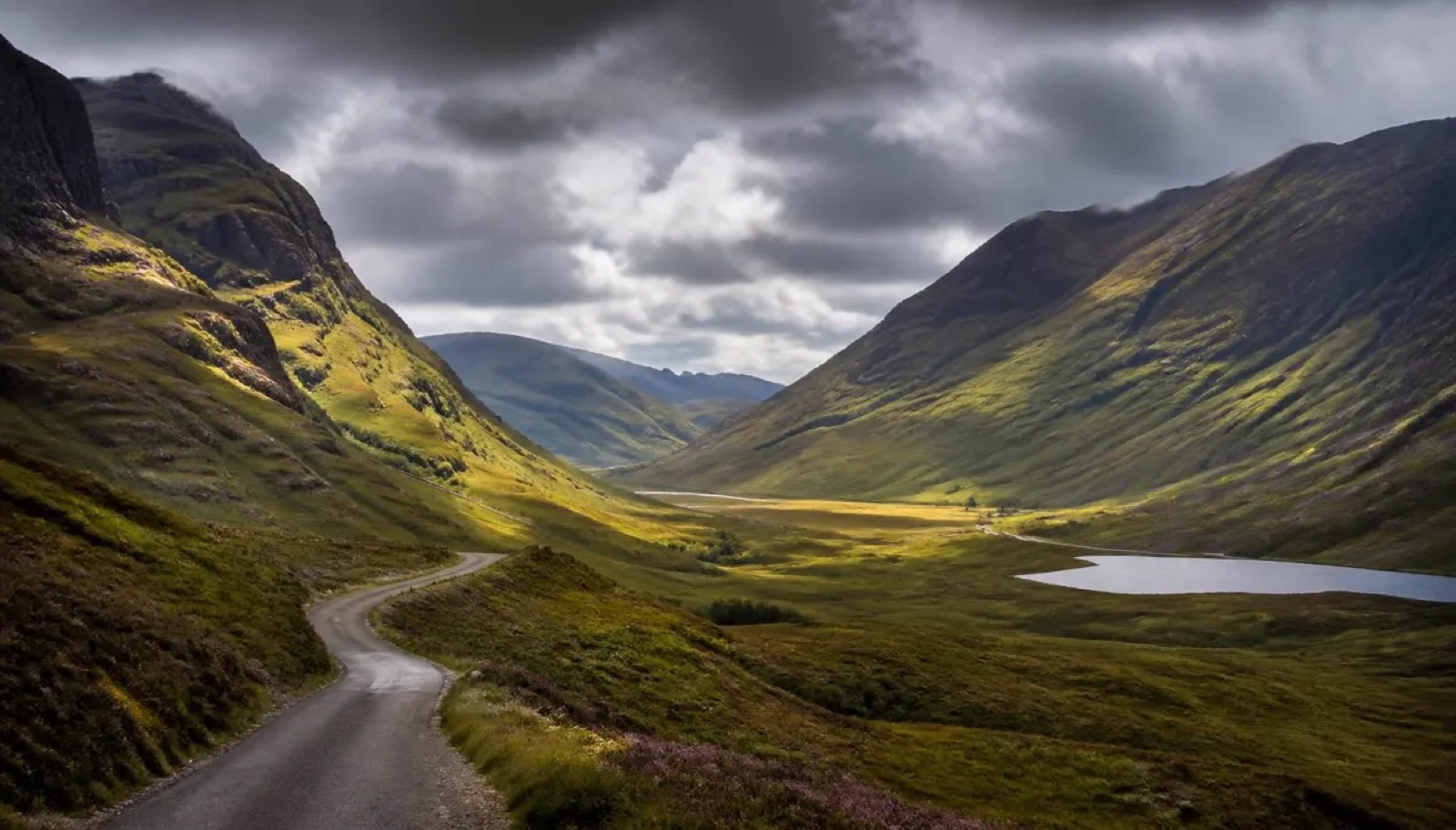
In this guide
- Quick Facts: Scotland
- Edinburgh and the Lothians: Cobbles, Castles, and Crags
- Glasgow, Stirling, and the Gateway to the Lochs
- The Dramatic Western Highlands: Glencoe to Fort William
- The Isle of Skye: Misty Peaks and Coastal Wonders
- The North Coast 500, Inverness, and Loch Ness
- Cairngorms, Aberdeenshire, and St Andrews
- Beyond Skye: Outer Hebrides and Orkney
- Understanding Scottish Whisky Regions
- Practical Planning Advice for Scotland
- Final Thoughts: The Eternal Appeal of Scotland
- Explore in Depth
This guide is part of our United Kingdom Travel Guide — start there for the full country overview.
I still vividly remember standing on the windswept basalt ridge of the Quiraing on the Isle of Skye, watching horizontal rain give way to a brilliant shaft of golden sunlight in the space of three minutes. The smell of wet earth and ancient peat smoke hung heavy in the air, while below me, the land tumbled down to a navy-blue sea scattered with distant Hebridean islands. That morning encapsulated everything I have come to love about Scotland: raw geological drama, weather with a mind of its own, and a landscape that feels intensely alive.
From the medieval wynds of Edinburgh to the solitary expanses of the Far North, Scotland condenses an astonishing variety of landscapes into a compact, endlessly fascinating country. You can spend your morning admiring world-class modern art in a grand Victorian gallery in Glasgow, and by mid-afternoon find yourself listening to the call of red deer stags echo through the brooding glen of Glencoe. It is a place where history is written into every stone castle wall, every highland pass, and every dram of single malt whisky poured beside a peat fire.
Whether you are planning your very first journey to the capital or setting off on an extended road trip around the rugged coastlines, this comprehensive guide will help you navigate the rich geography, culture, and practical quirks of exploring Scotland.
Quick Facts: Scotland
- Capital City: Edinburgh
- Languages Spoken: English, Scots, and Scottish Gaelic (Gàidhlig)
- Currency: Pound Sterling (GBP), though Scottish banknotes are issued alongside Bank of England notes
- Geography: Part of the United Kingdom, comprising the northern third of Great Britain along with nearly 800 islands
- Driving Side: Left-hand side of the road
- Public Access Rights: Protected by the Scottish Outdoor Access Code, granting responsible access to most land and inland water
Edinburgh and the Lothians: Cobbles, Castles, and Crags
There are few capital cities on Earth that match the sheer dramatic topography of Edinburgh. Built across extinct volcanic ridges and deep glens, the town is divided into two distinct architectural eras: the medieval tangle of the Old Town and the elegant, symmetrical neoclassical grid of the Georgian New Town. It is a city made for walking, provided your legs are ready for steep cobbles and endless stone staircases known locally as closes.
The Royal Mile and Edinburgh Castle
Perched high on Castle Rock, a volcanic plug that has been fortified since the Iron Age, Edinburgh Castle dominates the city skyline. Walking up the Esplanade, you can feel the centuries of military history beneath your boots. Inside the castle gates, visitors can view the Honours of Scotland (the nation's Crown Jewels) and St Margaret’s Chapel, the oldest surviving building in the capital.
Stretching downhill from the castle gates to the gates of Holyrood Palace is the Royal Mile, the spine of the Old Town. Walking this cobble-paved thoroughfare brings you past tall tenement buildings, narrow hidden alleyways, and street performers. Be sure to peer down Real Mary King’s Close or stroll through the peaceful courtyard of Makar’s Court to appreciate the layered history buried beneath the modern pavement.
Arthur's Seat, Holyrood, and the New Town
At the eastern foot of the Royal Mile sits the Palace of Holyroodhouse, the official Scottish residence of the monarch, framed by the soaring cliffs of Salisbury Crags. Immediately adjacent rises Arthur’s Seat, an extinct volcano standing over 250 metres above sea level right in the heart of the city. A hike to the summit rewards you with panoramic views across the Firth of Forth, the Lothian coastline, and the distant Highland peaks to the north.
Across the sunken gardens of Princes Street lies the New Town, constructed in the late 18th century to relieve the squalor and overcrowding of the Old Town. Here, broad avenues like George Street and beautiful circular squares present some of the finest Georgian townhouses in Europe. It is an ideal neighbourhood for boutique shopping, visiting cozy tea rooms, and admiring classical architecture.
The Festival Fringe and August Atmosphere
If you visit during August, Edinburgh transforms into the cultural crossroads of the planet. The Edinburgh Festival Fringe is the largest arts festival in the world, taking over hundreds of venues across the city—from established theatres and subterranean vaults to pub backrooms and temporary spiegeltents. Streets brim with energy, outdoor performances, and vibrant international crowds. If travelling in August, booking accommodation many months in advance is essential.
Glasgow, Stirling, and the Gateway to the Lochs
Where Edinburgh is refined and dramatic, Glasgow is energetic, creative, and famously friendly. Located less than an hour away by train, Scotland’s largest city offers a striking contrast in character, built on the historic wealth of the River Clyde’s shipping and shipbuilding industries.
Glasgow: Culture, Music, and Grand Architecture
Glasgow is world-renowned for its architectural heritage, particularly the distinctive Victorian red-and-blonde sandstone tenements and the pioneering Art Nouveau masterpieces of Charles Rennie Mackintosh. The city is also a recognized UNESCO City of Music, with live tunes echoing from historic halls and atmospheric basement venues every night of the week.
One of the greatest joys of exploring Glasgow is its commitment to culture; major municipal museums and art galleries offer free standard admission. Key cultural highlights include:
- Kelvingrove Art Gallery and Museum: Located in the West End, housing a vast collection ranging from prehistoric fossils to Renaissance paintings and modern design.
- The Burrell Collection: Set within Pollok Country Park, featuring an extraordinary gathering of medieval art, stained glass, and oriental antiquities.
- Glasgow Cathedral and the Necropolis: A stunning rare survivor of the medieval period, overlooked by a dramatic Victorian garden cemetery on the hill above.
Stirling Castle and the Wallace Monument
Heading north towards the Highlands, the historic city of Stirling marks the geographic choke point of Scotland. Positioned atop a sheer basalt crag, Stirling Castle rivalled Edinburgh in royal importance during the Renaissance era. From its ramparts, you look down upon crucial battlefields where William Wallace and Robert the Bruce fought for Scottish independence.
Across the valley, the towering stone spire of the National Wallace Monument stands on the Abbey Craig. Climbing the spiral stairs inside the monument offers fascinating insights into medieval warfare along with sweeping views of the River Forth winding through the carse below.
Loch Lomond and The Trossachs National Park
Just west of Stirling lies Loch Lomond and The Trossachs National Park, the historic borderland where the gentle rolling Lowlands meet the rugged, rising hills of the Highlands. Loch Lomond is the largest freshwater lake by surface area in Great Britain, dotted with forested islands and flanked by the dominant peak of Ben Lomond. Taking a ferry across the loch or hiking along its eastern shore along the West Highland Way reveals classic Highland scenery within an easy drive from the major central belt cities.
The Dramatic Western Highlands: Glencoe to Fort William
As you continue north along the main trunk roads, the trees thin out, the valleys deepen, and the grand scale of the Scottish Highlands asserts itself fully. This is a landscape sculpted by ancient ice sheets and defined by centuries of clan history.
Glencoe: History, Geology, and Mountain Pass
Few places in the British Isles possess the haunting majesty of Glencoe. The narrow glen is flanked by steep, sheer mountain ridges—including the famous Three Sisters—carved out by the collapse of an ancient supervolcano and subsequently gouged deep by glaciers during the last ice age. Driving through the glen on a misty day, with waterfalls cascades plunging down grey rock faces, is an unforgettable experience.
The beauty of Glencoe carries a poignant historical note; it was the site of the infamous massacre of 1692, when government troops accepted the hospitality of Clan MacIain of Glencoe before turning upon their hosts. A modern visitor centre near the mouth of the glen provides context on both the geology and the human tragedy of this famous landscape.
Fort William, Ben Nevis, and the Glenfinnan Viaduct
At the head of Loch Linnhe sits Fort William, known as the outdoor capital of the UK. The town serves as a base for hillwalkers, climbers, and mountain bikers setting out into the surrounding ranges. Rising directly behind the town is Ben Nevis, the highest mountain in the British Isles at 1,345 metres above sea level. While a well-trodden mountain track leads to the summit, the ascent is a serious mountain hike requiring proper footwear, warm layers, and navigation tools, as snow can linger on the upper plateau well into summer.
A short drive west of Fort William brings you to Glenfinnan, located at the head of Loch Shiel. Here, two famous sights draw visitors from across the globe:
- The Glenfinnan Viaduct: A magnificent 21-arch concrete railway curve constructed in the late 19th century, made famous globally as the route of the Hogwarts Express in film.
- The Glenfinnan Monument: A solitary tower topped by a statue of an unknown Highlander, marking the spot where Prince Charles Edward Stuart ("Bonnie Prince Charlie") raised his royal standard in 1745 to launch the final Jacobite Rising.
Riding the Rails: The West Highland Line
For those who prefer to explore without a steering wheel, the West Highland Line operated by ScotRail is widely considered one of the world's most scenic railway journeys. Running from Glasgow north to Fort William and onwards to the west coast port of Mallaig, the train travels across the vast wilderness of Rannoch Moor, where no public roads exist, giving passengers a front-row seat to pristine peat bogs, mountain lochs, and solitary herds of red deer.
The Isle of Skye: Misty Peaks and Coastal Wonders
Connected to the mainland by a free road bridge at Kyle of Lochalsh (as well as seasonal car ferries), the Isle of Skye—or An t-Eilean Sgitheanach in Gaelic—is famed for its dramatic coastal scenery, jagged mountain ranges, and rich folklore.
The Trotternish Peninsula: Old Man of Storr and the Quiraing
The northern peninsula of Trotternish features some of the most striking landslips in Europe. Leaving the colourful harbour town of Portree, the main coastal road heads north toward two iconic geological formations:
- The Old Man of Storr: A massive spike of basalt standing erect beneath a towering cliff face. A steady uphill hike from the roadside carpark leads to the base of the pinnacle, offering jaw-dropping views across the Sound of Raasay.
- The Quiraing: An extraordinary landslip system that is still moving slightly each year. The walking trail weaves through rock towers, hidden grassy plateaus known as the Table, and sharp pinnacles like the Needle.
Fairy Pools and Neist Point Lighthouse
Further south on the island, beneath the dark, jagged peaks of the Black Cuillin mountains, lie the Fairy Pools near Glenbrittle. Here, crisp mountain meltwater flows down a series of vibrant turquoise pools connected by natural rock chutes and waterfalls. While extremely popular, taking the trail further up the glen helps disperse the crowds.
On the westernmost point of Skye sits Neist Point. A concrete walking path descends down dramatic sea cliffs toward a historic lighthouse standing at the edge of the Minch. It is one of the premier spots in Scotland to watch the sun set over the distant silhouettes of the Outer Hebrides, with minke whales, basking sharks, and dolphins occasionally spotted in the offshore waters during summer months.
The North Coast 500, Inverness, and Loch Ness
The northern realm of the Scottish mainland offers vast open horizons, white sandy beaches bathed in turquoise water, and ancient castle ruins standing against the North Sea.
Inverness and Loch Ness
Known as the capital of the Highlands, Inverness sits where the River Ness empties into the Moray Firth. It is a compact, walkable city featuring a fine riverside setting, historic churches, and excellent transport links to all points north. Just east of the city lies Culloden Battlefield, the sombre moorland where the Jacobite Rising of 1745 came to a tragic and decisive end in April 1746.
Extending southwest from Inverness is Loch Ness, a freshwater loch holding more water than all the lakes in England and Wales combined due to its extreme depth of over 220 metres. Driving the northern or southern shores brings you past the romantic ruins of Urquhart Castle, perched on a rocky promontory overlooking the deep, dark water.
Touring the North Coast 500 (NC500)
Starting and ending in Inverness, the North Coast 500 is a world-renowned coastal touring route loop of roughly 500 miles (800 kilometres). The route takes drivers through the wild regions of Wester Ross, Sutherland, and Caithness. Key highlights along the loop include:
- Bealach na Bà (Pass of the Cattle): A hairpin-filled mountain pass climbing from sea level to over 600 metres, leading to the remote coastal village of Applecross.
- Assynt and Wester Ross: A unique landscape where isolated, monadnock mountains like Suilven and Stac Pollaidh rise directly out of ancient Lewisian gneiss rock formations.
- Smoo Cave: A vast, limestone sea cave near Durness featuring a cascading waterfall fed by an underground river inside its floodlit inner chamber.
- Duncansby Head: The northeasternmost point of the Scottish mainland, famous for its towering sea stacks rising like stone needles out of the churning ocean.
Cairngorms, Aberdeenshire, and St Andrews
Moving south into eastern Scotland, the landscape transitions into high plateau tundra, rich pine forests, rolling farmland, and dramatic eastern coastlines.
Cairngorms National Park
As the UK’s largest national park, the Cairngorms encompass four of the five highest mountains in Great Britain. The park is a vital sanctuary for rare wildlife, including native red squirrels, pine martens, golden eagles, and the UK's only herd of free-ranging reindeer. The Caledonian pine forests surrounding Aviemore and Loch An Eilein offer peaceful walking trails beneath ancient trees, while high mountain plateaus challenge winter mountaineers and summer hillwalkers alike.
Aberdeen and the Castle Trail
Known as the Granite City due to its Victorian architecture carved from local silver granite, Aberdeen is a prosperous coastal city with a deep maritime heritage. The surrounding region of Aberdeenshire boasts the highest density of castles per acre in the United Kingdom.
Visitors can follow the signposted Aberdeenshire Castle Trail, which highlights grand historic fortresses. Highlights range from the dramatically ruined Dunnottar Castle, standing precariously on a cliff top surrounded by the sea near Stonehaven, to fairytale baronial residences like Craigievar Castle and the royal retreat at Balmoral Castle in Royal Deeside.
St Andrews: Golf, University, and Coastal Ruins
Located on the coast of the Kingdom of Fife, St Andrews is world-famous as the home of golf and Scotland's oldest university. Golfers from across the globe make pilgrimages to play the legendary Old Course, a public links course where the game has been played since the 15th century.
Even non-golfers will find St Andrews enchanted by its historic streets, the grand seaside ruins of St Andrews Cathedral, and the crumbling walls of St Andrews Castle, where visitors can crawl through underground siege mines dug into the soft sandstone during the Protestant Reformation.
Beyond Skye: Outer Hebrides and Orkney
For those willing to travel beyond the mainland ports by car ferry or light aircraft, the outer islands present distinct cultural traditions, landscapes, and archaeological treasures.
The Outer Hebrides: White Sands and Gaelic Heritage
Also known as the Western Isles, the chain of islands comprising Lewis, Harris, Uist, and Barra forms the stronghold of Scottish Gaelic culture and language. The landscapes here range from the vast peat bogs of Lewis to the breathtaking mountain and coastal scenery of Harris.
The western beaches of Harris—such as Luskentyre and Seilebost—look almost tropical on a sunny day, with wide expanses of brilliant white shell sand bordered by turquoise seas and green machair grassland. On Lewis, visitors can stand among the mysterious Callanish Standing Stones, an ancient megalithic stone circle erected over 4,000 years ago that rivals Stonehenge in historical significance.
Orkney and the Ancient Settlement of Skara Brae
Located just off the northern tip of Caithness, the archipelago of Orkney feels distinct from the Gaelic Highlands, reflecting a rich Norse inheritance from centuries of Viking rule. The heart of Mainland Orkney houses the Heart of Neolithic Orkney, a designated UNESCO World Heritage Site.
The crown jewel of this ancient landscape is Skara Brae, a remarkably preserved stone-built Neolithic village uncovered by a storm in 1850. Older than the Egyptian Pyramids, the stone houses still contain built-in stone beds, dressers, and hearths, offering an intimate glimpse into the daily lives of agricultural communities who inhabited the island five millennia ago.
Understanding Scottish Whisky Regions
Single malt Scotch whisky is deeply tied to the land, water, and climate of the region where it is distilled. To be legally defined as Scotch whisky, the spirit must be aged in oak casks in Scotland for a minimum of three years. However, individual regional styles offer vast differences in flavour, peat smoke intensity, and sweetness.
| Whisky Region | Primary Flavour Profile | Geographic Character | Notable Attributes |
|---|---|---|---|
| Speyside | Apple, pear, honey, vanilla, nutmeg | Lush valleys around the River Spey | Highest density of distilleries in Scotland; famous for elegant, elegant malts. |
| Islay | Peat smoke, sea spray, iodine, medicinal, tar | Exposed Southern Hebridean island | Pungent, heavily peated spirits influenced by coastal air and local peat bogs. |
| Highlands | Heather, honey, light peat, dry oak, fruit | Vast region spanning coast to mountains | Extremely diverse; northern malts tend to be coastal and salty, southern malts lighter. |
| Lowlands | Grass, citrus, floral, cream, toasted malt | Rolling countryside south of the Highland fault line | Traditionally triple-distilled, producing light, gentle, and accessible drams. |
| Campbeltown | Brine, smoke, oil, dried fruit, salt | Kintyre Peninsula in southwest Scotland | Historic whisky capital; produces complex, oily, maritime-influenced single malts. |
When visiting distilleries, keep in mind that driver tasting limits in Scotland are strictly enforced. Most distillery visitor centres provide small sample bottles ("driver’s packs") so drivers can safely take their drams away to enjoy later in the evening.
Practical Planning Advice for Scotland
A successful journey through Scotland requires a blend of flexible scheduling, practical gear, and awareness of local rural driving etiquette.
Driving Single-Track Roads and Passing Places
Once you leave the dual carriageways of the central belt and enter the Highlands or islands, much of your driving will be on single-track roads wide enough for only one vehicle. These roads feature frequent widened cutouts marked as Passing Places.
To navigate these roads smoothly and safely, follow these established rules of local etiquette:
- Keep to the left: Always pull into a passing place on your left side. If the passing place is on your right, stop directly opposite it on the left side of the main tarmac lane and allow the oncoming vehicle to manoeuvre around you.
- Do not block passing places: Never park your vehicle inside a passing place to take photos or walk; they are strictly for traffic flow.
- Allow overtaking: Keep an eye on your rear-view mirror. If a local driver or delivery van approaches behind you, pull into the next passing place on the left to let them pass.
- Acknowledge courtesy: A friendly wave of the hand to drivers who stop for you is customary across the Highlands.
Navigating Midge Season
The Highland Midge (Culicoides impunctatus) is a tiny biting insect that can assemble in huge swarms in humid, still conditions between late spring and early autumn. While completely harmless, their bites cause annoying itching.
Midges are most active at dawn and dusk, or on overcast days with little to no wind. They cannot fly in breeze speeds above roughly 8 kilometres per hour (5 mph). To mitigate them, pack an insect repellent containing proven active ingredients (or local favourites formulated with bog myrtle) and consider carrying a fine mesh head net if you plan on camping or hiking in sheltered western glens during peak summer months.
The Scottish Outdoor Access Code and Wild Camping
Scotland’s Land Reform Act grants some of the most progressive public access rights in the world, often referred to as the "right to roam." You are allowed to access almost all land and inland water for recreation and wild camping, provided you exercise these rights responsibly.
Under the Scottish Outdoor Access Code, statutory responsible behaviour means:
- Leave No Trace: Carry out every item of rubbish and food waste you bring in.
- Fire Safety: Never light open fires on peat soil or near dry timber during dry periods; use a portable camping stove instead.
- Respect Livestock: Keep dogs on short leads or under close control near farm animals, particularly during spring lambing season.
- Special Loch Lomond Bye-laws: Be aware that seasonal camping management zones exist within Loch Lomond and The Trossachs National Park, requiring permits for camping in specified zones during summer months. Always check current park authority rules before pitching a tent.
Weather, Packing, and the Art of Layering
It is often said that Scotland can experience all four seasons in a single afternoon. The country’s oceanic climate means weather conditions can shift rapidly from bright sunshine to cold downpours and thick sea fog (known locally along the east coast as haar).
Packing effectively comes down to a reliable three-layer system rather than single heavy garments:
- Base Layer: A moisture-wicking synthetic or merino wool top to regulate body temperature.
- Warmth Layer: A fleece, lightweight down, or wool sweater to trap body heat.
- Outer Layer: A fully waterproof and windproof jacket with taped seams and an adjustable hood. Ordinary water-resistant jackets will not keep you dry in heavy Highland rain.
- Footwear: Sturdy, waterproof hiking boots with good lugged soles are essential for uneven, boggy terrain.
Language Notes: Gaelic and Scots
While English is spoken universally, you will encounter both Scottish Gaelic and Scots in signs, place names, and everyday speech across the country.
Gaelic is a Celtic language historically spoken across the Highlands and Islands. Main road signs across the Highland region are bilingual, displaying English alongside Gaelic in blue lettering. Understanding common Gaelic terms enhances your appreciation of landscape features on maps:
- Ben / Beinn: Mountain (e.g., Ben Nevis)
- Loch: Lake or deep sea inlet (e.g., Loch Ness)
- Glen / Gleann: Deep, broad valley (e.g., Glencoe)
- Eilean: Island (e.g., Eilean Donan)
- Sgùrr: Sharp, rocky peak (e.g., Sgùrr Alasdair)
Scots, a Germanic language related to English, is spoken widely across the Lowlands and north-east. You will frequently hear terms like wee (small), bonnie (pretty), dreich (dreary, wet weather), and outwith (outside of) woven naturally into daily conversation.
Final Thoughts: The Eternal Appeal of Scotland
Scotland has a way of working itself under your skin. Long after you return home, it is not just the memory of grand monuments or famous landscapes that stays with you. It is the sensory details: the crunch of gravel beneath your boots on a quiet mountain trail, the sound of bagpipes floating down an ancient cobbled street in Edinburgh, the smell of woodsmoke lingering over a remote coastal village, and the genuine warmth of the greeting you receive in a village pub at the end of a long day's walk.
Take your time, travel with a spirit of flexibility, embrace the shifting weather as part of the drama, and let this extraordinary country reveal its stories to you at its own eternal pace.
Most trips to Scotland start or end in the capital down south — see my London travel guide for planning that leg.
Explore in Depth
If you want to go deeper on this trip, these companion guides pick up where this one leaves off.
More Scotland guides
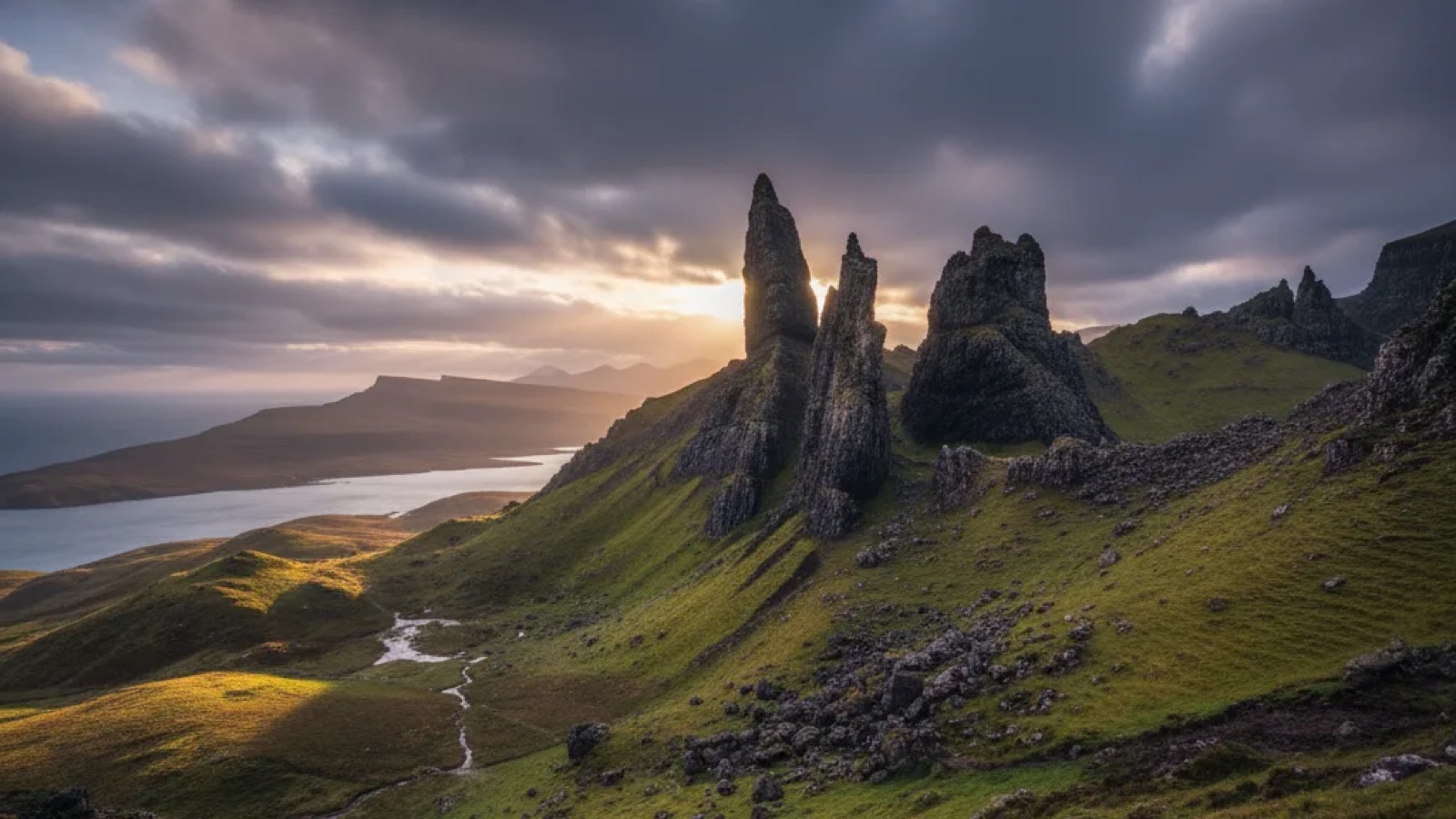
Isle of Skye Guide: Fairy Pools, Quiraing, Storr
Skye done properly: how many days, driving single-track roads, the walks that are worth it and how to handle weather and crowds.
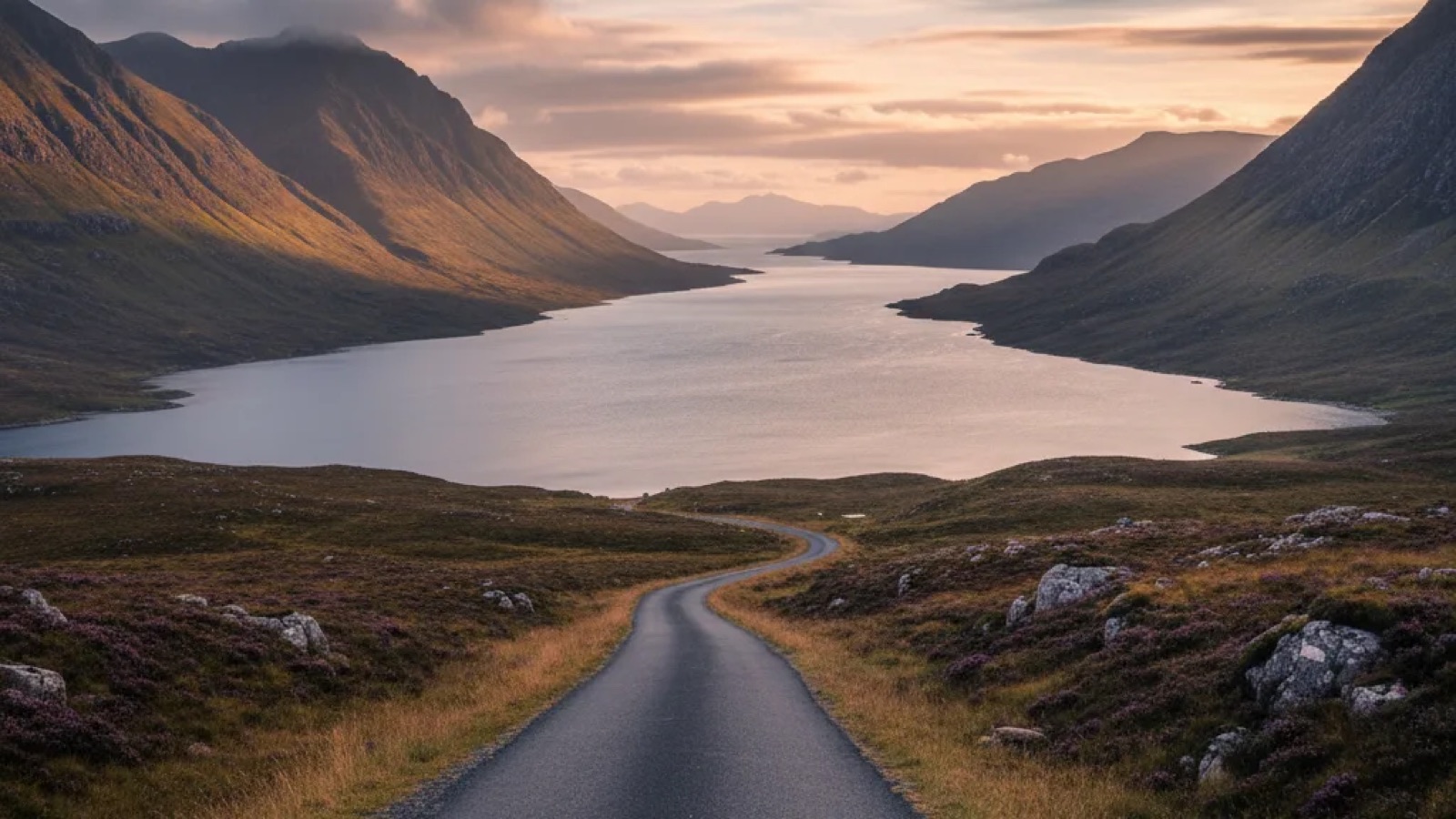
North Coast 500 Road Trip: Route, Timing and Tips
Planning the NC500: which direction to drive, how many days you actually need, the highlights, and the etiquette that matters.
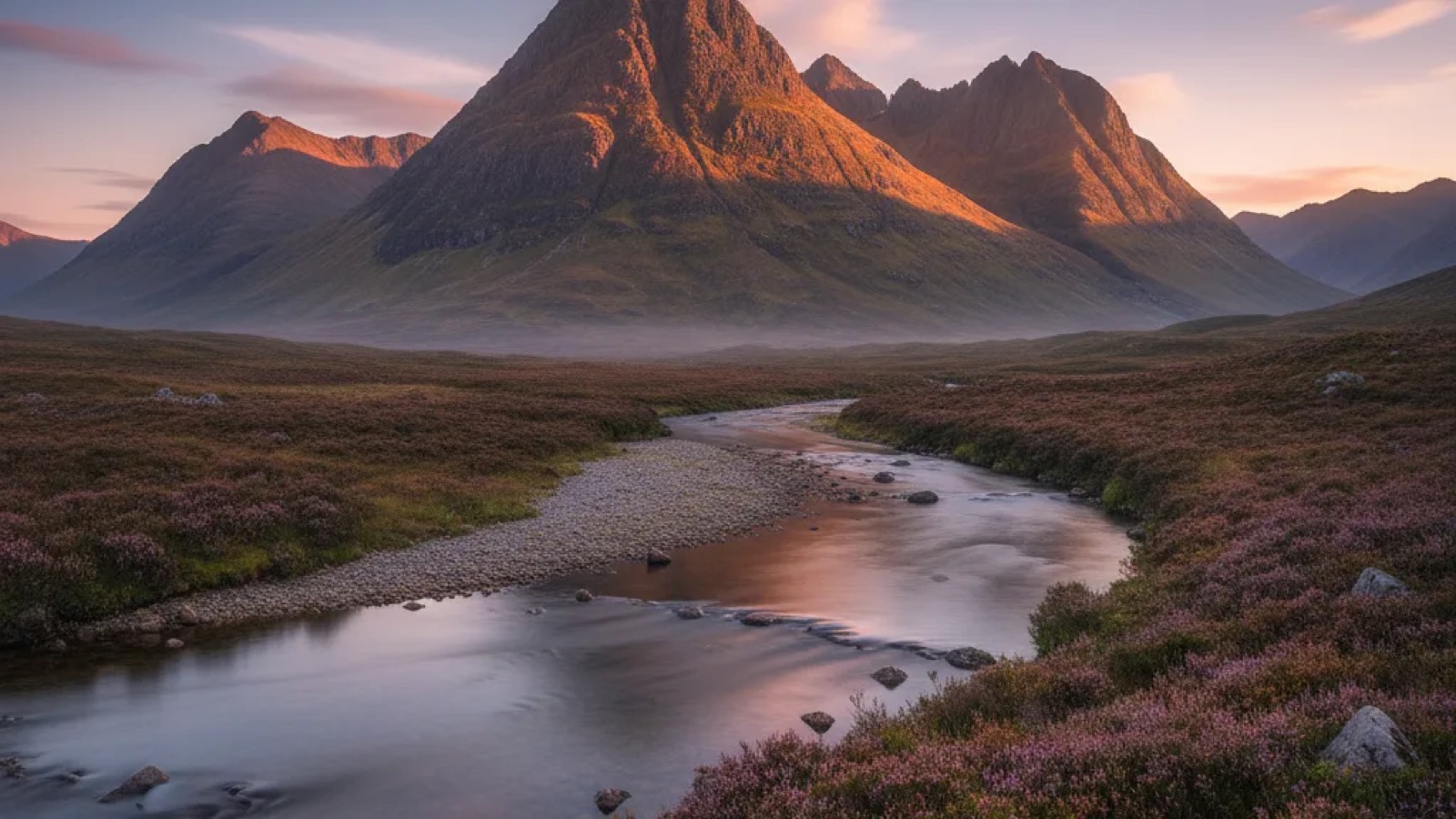
Scottish Highlands Guide: Glencoe, Lochs and Munros
The Highlands beyond the postcards: Glencoe, Cairngorms, Loch Ness, hiking Munros, driving conditions and the best seasons.