Best Beaches in Portugal: Algarve, Atlantic, Islands
Portugal's beaches by region: Algarve sea caves, Costa Vicentina surf, Lisbon's coast, Comporta, Nazaré, Porto, Madeira and the Azores, plus water safety.
In this guide
- Quick Facts: Essential Guide to Portuguese Beaches
- Understanding the Portuguese Coast: Water Temperatures, Wind, and Safety
- The Golden Algarve: Limestone Cliffs and Sea Caves
- The Wild West Coast: Costa Vicentina and Atlantic Surf
- Lisbon’s Coastline: Cascais, Guincho, and Costa da Caparica
- The Alentejo Coast and Comporta: Pristine Pines and Rice Fields
- Surf Capitals: Peniche and the Big Waves of Nazaré
- The Silver Coast: Windswept Bays and Coastal Lagoons
- Northern Portugal: Granite Boulders and River Mouths Near Porto
- Island Beaches: Madeira’s Volcanic Sands and Porto Santo
- The Azores: Thermal Springs and Black Sand Basalt Shores
- When to Visit: Seasonal Guide to Portugal’s Coastal Regions
This guide is part of our Portugal Travel Guide — start there for the overview, when to go and how to get around.
The wooden staircase down to Praia do Camilo near Lagos leads to water that can numb your toes within seconds. It's easy to assume that because Portugal gets Mediterranean sunshine, it enjoys Mediterranean water temperatures. It does not.
Portugal faces the wild, unfiltered Atlantic Ocean. The water is cold, the tides are powerful, and the wind—particularly the relentless afternoon breeze known as the nortada—can sweep your beach towel into the next postcode if you do not secure it with heavy stones. But what Portugal lacks in bath-warm water, it makes up for with some of the most spectacular coastal geology and coastlines on the planet.
From towering limestone sea stacks carved out by millennia of ocean swell in the south to the massive, pine-fringed dunes of the central coast and the volcanic black sands of the Atlantic archipelagos, Portugal offers an incredible variety of beach environments. Whether you want to surf world-class barrels, float in a sheltered lagoon, or hike along remote coastal cliffs where the ocean spray coats your lips with salt, this guide covers every major stretch of coast across the mainland and the islands.
Quick Facts: Essential Guide to Portuguese Beaches
- Water Temperature Reality: Atlantic water temperatures range from 14°C to 19°C along the mainland coast during summer. The warmest waters are found in the eastern Algarve (up to 21°C or 22°C) and on the island of Porto Santo. Wetsuits are standard equipment for surfers year-round.
- Beach Safety Flag System: Portuguese beaches use a strict flag safety code. A green flag means swimming is permitted; a yellow flag means you can wade but swimming is forbidden; a red flag means complete prohibition from entering the water. A chessboard (black and white checkered) flag means the beach is temporarily unattended by lifeguards.
- The Nortada Wind: A strong northerly and northwesterly wind that blows along the western coast of mainland Portugal during summer afternoons. It keeps temperatures pleasant on land but can make open sand stretches chilly without a windbreak (paravento).
- Blue Flag Status: Portugal consistently ranks among the top European nations for Blue Flag designations, marking clean water, accessible infrastructure, and certified lifeguard coverage, typically from June to September.
- Tide Awareness: Shorelines along the west coast and the Algarve cliffs shrink dramatically at high tide. Always check tide charts before settling beneath steep limestone cliffs where rockfalls can occur.
Understanding the Portuguese Coast: Water Temperatures, Wind, and Safety
Before packing your swimwear for a Portuguese coastal journey, it helps to align your expectations with oceanic realities. Unlike the landlocked Mediterranean Sea, Portugal’s entire western and southern mainland margins are shaped by the open Atlantic. This brings crisp, clear water, consistent surf ocean swells, and coastal weather patterns that require a bit of respect and preparation.
Water temperatures along the western coast—stretching from Minho in the north down through Porto, Lisbon, and the western Alentejo—rarely exceed 18°C, even in August. As deep, cold ocean water rises along the continental shelf, it creates a refreshing swim on hot days, but it is rarely warm. When you wrap around the corner of Cabo de São Vicente into the sheltered southern Algarve, water temperatures rise slightly, averaging around 20°C to 22°C during late summer, especially near Tavira and the Spanish border.
Wind is another defining element of the Portuguese coastal experience. The summer nortada sets in around mid-afternoon, picking up northern ocean breezes that draw cool marine air inland to replace rising heat over the interior plains. If you plan to spend full days on west-facing beaches, buying a local canvas windbreak (paravento) and wooden mallet from a seaside supermarket is a standard local practical step. These windbreaks create an effective microclimate on the sand when the breeze picks up.
Navigating Beach Safety and Ocean Currents
Lifeguard supervision on designated beaches typically runs from 1 June through 30 September, though some popular urban beaches near Lisbon and the Algarve maintain services year-round. Ocean currents, particularly rip currents along western surf beaches, can be exceptionally strong. Always swim between the green flags when lifeguards are present, and never enter the sea when a red or yellow flag is displayed.
Additionally, rockfalls are a real hazards beneath the crumbling limestone cliffs of the Algarve and the soft clay cliffs of the Silver Coast. Look out for warning signs that mark unstable cliff zones, and avoid placing your towel directly beneath overhanging cliffs, no matter how tempting the shade might seem.
The Golden Algarve: Limestone Cliffs and Sea Caves
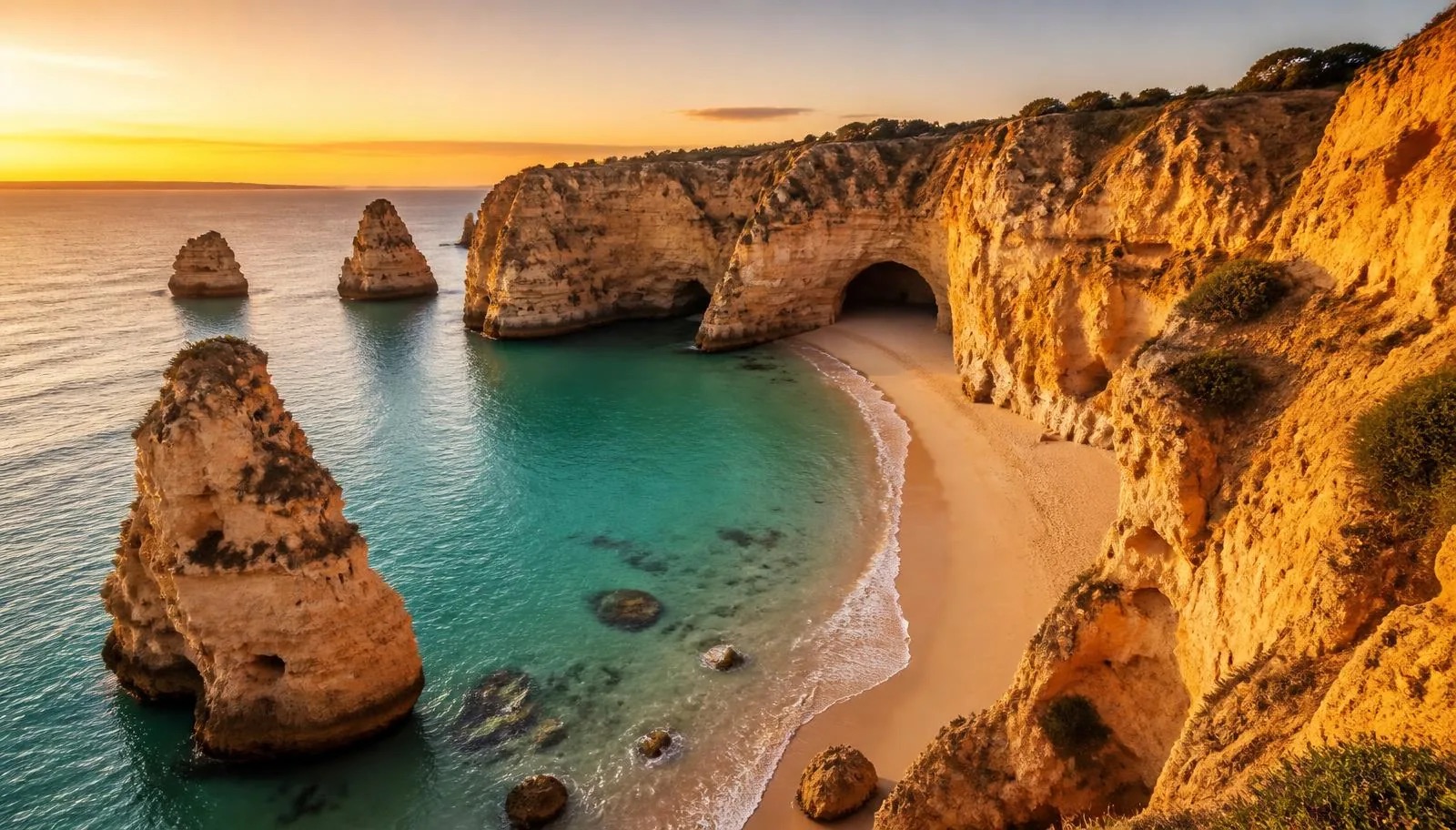
The Algarve is Portugal’s southern crown jewel, celebrated worldwide for its honey-coloured limestone cliffs, hidden cove beaches (known locally as praias), and archways carved out by marine erosion. The region is broadly divided into the western cliff-lined coast (Barlavento) and the eastern low-lying barrier island coast (Sotavento).
Praia da Marinha
Frequently listed among the most picturesque beaches in Europe, Praia da Marinha is quintessential central Algarve. Located near Carvoeiro, this beach is framed by high, intricate limestone cliffs that shield the sand from wind. Access is down a long concrete staircase built into the ravine. At low tide, you can walk along the base of the cliffs to reveal hidden rock arches and tide pools brimming with marine life. The iconic double sea stack arch, viewed from the cliff path above, is a favourite viewpoint for landscape photographers late in the afternoon when the light turns golden.
Praia do Camilo and Lagos Beaches
Situated on the outskirts of Lagos, Praia do Camilo is reached by descending around 200 wooden steps that wind down a vertical cliff face. The beach itself is partitioned into two small sandy coves connected by a hand-carved pedestrian tunnel through the cliff wall. The water here is remarkably clear, protected by the rocky headland of Ponta da Piedade, making it an excellent spot for stand-up paddleboarding and snorkeling early in the morning before the crowds arrive.
Nearby, Praia Dona Ana offers a wider expanse of golden sand framed by similar rock formations, while Meia Praia provides a sweeping five-kilometre curve of soft sand extending east toward Alvor, perfect for long walks without tight physical constraints.
Praia da Falésia
Stretching for over six kilometres between Olhos de Água and Vilamoura, Praia da Falésia contrasts sharply with the smaller coves of Lagos. Here, the coast is backed by striking, multi-coloured cliffs composed of dark red clay and white limestone topped by bright green umbrella pine trees. Because the beach is so long, it rarely feels overcrowded once you walk a few hundred metres away from the main access staircases. The soft, stone-free sand and gradual entry into the sea make it a versatile destination for long beach runs and swimming.
The Benagil Coastline
The coast around Benagil is famous for the Algar de Benagil, a massive natural sea cave with a circular skylight hole in its roof. While the cave itself receives high visitor traffic, the surrounding coastline features dramatic sea cliffs and smaller, secluded pocket beaches. Only licensed tours may enter the Benagil Cave, and landing on the beach inside the cave has been prohibited since 2023; since August 2024, the number of vessels inside at any one time has been capped and visits limited to a few minutes. Swimming to the cave from the main beach is strongly discouraged due to unpredictable tidal currents and heavy motorized boat traffic passing through the cave mouth.
The Wild West Coast: Costa Vicentina and Atlantic Surf
Turning around the southwestern tip of Portugal at Sagres brings you into the Parque Natural do Sudoeste Alentejano e Costa Vicentina. This protected coastal belt stretches northward along the Atlantic edge for over 100 kilometres, offering a landscape utterly removed from the developed resort towns of the southern Algarve.
Here, massive dark slate and schist cliffs drop straight into powerful ocean waves. The coastal vegetation consists of low-growing aromatic scrub, salt-tolerant succulents, and wild coastal flowers. This is the domain of board surfers, independent road trippers, and hikers following the Fisherman's Trail (Rota Vicentina).
Praia do Amado and Praia da Arrifana
Located near the village of Carrapateira, Praia do Amado is one of Portugal's premier surf breaks. The broad beach faces directly into the Atlantic, picking up consistent year-round swell that attracts surf schools and seasoned surfers alike. Wooden boardwalks sweep along the headlands, providing access points to different sections of the sand and panoramic view points across the crashing surf.
A short drive north, Praia da Arrifana sits nestled inside a crescent-shaped bay beneath a high black-stone cliff face. The bay structure offers natural protection from strong northerly winds, making Arrifana a favoured beach for both casual swimmers and beginner-to-intermediate surfers. At the southern tip of the beach, a dramatic needle-like rock stack called the Pedra da Agulha rises sharply out of the ocean.
Praia de Odeceixe
Positioned right on the border between the Algarve and the Alentejo region, Praia de Odeceixe is a geomorphological gem. The Seixe River winds down through a green valley and loops directly across the sandy beach before entering the Atlantic ocean. This creates a dual-sided shoreline: on one side, calm river water provides gentle floating conditions suitable for families; on the other, open ocean waves roll onto the main sandbar, giving ocean swimmers plenty of surf to play in.
Lisbon’s Coastline: Cascais, Guincho, and Costa da Caparica
One of Lisbon's greatest advantages as a capital city is its immediate proximity to diverse coastlines. Within 30 to 45 minutes of the historic city centre, you can choose between calm, urban resort bays, windswept wild surf coastlines, or long sandy ocean spits.
The Cascais Riviera: Calm Waters and Heritage Architecture
Connected to central Lisbon by the scenic Linha de Cascais railway that hugs the Tagus Estuary, the line of beaches running from Estoril to Cascais offers calm swimming and rich history. Praia da Conceição and Praia da Rainha are small, sheltered sandy coves flanked by 19th-century grand villas and lively pedestrian promenade streets. The waters here are remarkably quiet compared to the open west coast, making them popular for casual dip taking and sunbathing.
Praia do Guincho: Raw Atlantic Energy
About five kilometres from Cascais, on the coast south of Cabo da Roca (mainland Europe’s westernmost point), lies Praia do Guincho. Tucked between the pine-covered Serra de Sintra mountains and the Atlantic Ocean, Guincho is a striking expanse of white sand dunes and wild waves. The summer nortada wind funnels down off the Sintra hills, creating world-class conditions for windsurfing and kitesurfing. While the powerful rip currents and cold water mean casual swimming requires caution, the dramatic natural setting makes it one of the finest walking and landscape photography spots near Lisbon.
Costa da Caparica: Kilometres of Continuous Sand
Across the 25 de Abril Suspension Bridge on the southern bank of the Tagus River lies the Costa da Caparica peninsula. This continuous strip of fine golden sand stretches unbroken for nearly 26 kilometres. The northern section, near the town of Caparica, features urban beach bars, surf rental shops, and protective breakwaters. As you travel south along the coastal road toward the pine forests of Fonte da Telha, the landscape opens up into spacious dune beaches where crowds thin out significantly.
The Alentejo Coast and Comporta: Pristine Pines and Rice Fields
South of Caparica and the Setúbal peninsula lies the Alentejo coast—a quiet, low-density region where rolling countryside, cork oak forests, and green rice fields stretch right down to meet sand dunes and wild ocean beaches.
The Comporta Peninsula
Located at the base of the Tróia Peninsula, Comporta has evolved into a stylish, low-key retreat praised for its minimalist design and preserved environment. Building regulations here have strictly restricted massive high-rise developments, leaving the coastal fringe dominated by umbrella pine forests, sand dunes, and flooded rice paddies.
Beaches like Praia da Comporta, Praia do Pêgo, and Praia do Carvalhal feature endless sweeps of white sand and wide, open ocean horizons. The sand here is unusually soft, and the ocean floor drops off gently, offering space for walking along the water’s edge. Beach cafes along this stretch are simple, wooden structures set on stilts over the dunes, keeping the fragile dune vegetation intact.
Vila Nova de Milfontes and Zambujeira do Mar
Further south along the Alentejo shoreline, the coastal landscape grows wilder. Vila Nova de Milfontes sits at the mouth of the River Mira, offering quiet river-facing beaches like Praia da Franquia alongside Atlantic wave beaches like Praia do Malhão. Further down, Praia da Zambujeira do Mar features impressive dark cliff faces and broad ocean access, serving as a hub for coastal walking paths and coastal wildlife watching, including white storks that uniquely nest directly on the rocky ocean sea stacks along this region.
Surf Capitals: Peniche and the Big Waves of Nazaré
Heading north from Lisbon into the Oeste region, the coastline becomes dominated by powerful ocean swells, unique peninsular geology, and rich maritime traditions.
Peniche and Baleal Peninsula
Peniche sits on a rocky, exposed peninsula that juts out into the Atlantic Ocean. Because the coast wraps completely around this landmass, surfers can almost always find a break that offers off-shore winds, regardless of the wind direction. South of the town lies Praia do Medão, world-famous as Supertubos due to its fast, heavy, tubular barrel waves that host international surfing competitions every spring.
To the north lies Baleal, a small village built on a rock island connected to the mainland by a narrow sand causeway. The beaches on either side of the causeway (Praia do Baleal do Norte and Praia do Baleal do Sul) face opposite directions, allowing beachgoers to choose between larger ocean waves or smaller, sheltered water depending on which side of the sand spit they sit on.
Nazaré: Where Giants Rise
Nazaré is globally renowned for big-wave surfing, but its coastal layout is split into two distinct environments:
- Praia da Nazaré: The main town beach is a wide, traditional crescent of golden sand running along the promenade. Here, traditional wooden fishing boats sit on the sand, and local women dry fish on open wire racks in the sun. The cliff headland of Sítio protects this bay, keeping ocean waves manageable for summer bathers.
- Praia do Norte: Located on the north side of the Sítio headland, this wild beach faces directly over the Nazaré Canyon—a deep underwater geological trench that reaches depths of over 5,000 metres and extends right up to the coastline. During winter (from November to February), ocean swells travel through this deep trench without losing energy, refracting and combining with shallow coastal water to generate giant waves that routinely exceed 20 to 25 metres in height.
The Silver Coast: Windswept Bays and Coastal Lagoons
The Silver Coast (Costa de Prata) extends from north of Ericeira up toward the mouth of the Douro region. It offers an appealing mix of exposed ocean beaches, quiet sea lagoons, and historic fishing ports.
Ericeira: Europe’s First World Surfing Reserve
Ericeira is a whitewashed cliffside fishing village that was officially designated a World Surfing Reserve. Stretching along eight kilometres of coastline, spots like Ribeira d'Ilhas, Coxos, and Praia do Foz do Lizandro feature world-class reef breaks and sandy river mouths. For sunbathers, Praia dos Pescadores provides a quiet harbour beach nestled right beneath the town cliffs, sheltered from big ocean swells by concrete harbour breakwaters.
Foz do Arelho and Óbidos Lagoon
Located near the historic medieval town of Óbidos, Foz do Arelho offers a fascinating dual landscape. The long sand spit separates the open Atlantic Ocean from the quiet waters of the Óbidos Lagoon (Lagoa de Óbidos). Visitors can choose between facing the rolling surf waves of the ocean or turning around to swim, windsurf, or paddleboard in the warm, shallow, currents-free waters of the saltwater lagoon.
São Martinho do Porto
A few kilometres north of Foz do Arelho lies São Martinho do Porto, a natural anomaly along the rugged Silver Coast. The beach sits inside a nearly perfect circle of shell-shaped bay, connected to the ocean only by a narrow rocky gap between two headlands. This narrow opening blocks ocean swells completely, creating calm, lake-like swimming waters with almost no waves. It is widely considered one of the safest natural swimming beaches in northern Portugal.
Northern Portugal: Granite Boulders and River Mouths Near Porto
The coast of Northern Portugal is characterized by cooler ocean waters, granite rock formations, wide stretches of golden sand, and ancient walking paths. The beaches here feel spacious, airy, and deeply tied to regional fishing traditions.
Foz do Douro and Matosinhos
Right at the mouth of the Douro River in Porto lies Foz do Douro, where granite breakwaters, dark ocean rocks, and historic 19th-century pergolas frame beaches like Praia do Carneiro and Praia da Luz. While romantic for sunset walking and drinks at seaside kiosks, the water here is rocky and cold.
Just north of Foz lies Matosinhos, Porto’s primary urban beach. Featuring a massive, open expanse of fine sand, Matosinhos is the regional centre for surf schools, volleyball games, and seaside dining. The northern end of the beach sits near the harbour breakwater, providing consistent, manageable surf waves suitable for beginner lessons year-round.
Costa Nova and the Far North
South of Porto near Aveiro, Costa Nova is famous for its iconic palheiros—traditional wooden beach cottages painted in bright vertical stripes of red, blue, green, and yellow. The long sand barrier beach faces the open ocean on one side and the calm lagoons of the Ria de Aveiro on the other.
Further north toward the Spanish border, beaches like Moledo and Praia de Âncora offer dramatic views of rounded granite coastal hills, backed by dense pine forests and historic fortress ruins built on rocky islets offshore.
Island Beaches: Madeira’s Volcanic Sands and Porto Santo
The subtropical autonomous archipelagos of Portugal—Madeira and the Azores—offer coastal environments that contrast sharply with the mainland sand dune beaches.
Madeira: Black Sand and Lava Pools
The island of Madeira is volcanically young and mountain-heavy, meaning traditional golden sand beaches are rare. However, its coastal scenery is exceptional:
- Seixal Beach (Praia do Porto do Seixal): Located on Madeira’s north coast, this beach features fine, natural black volcanic sand set against a dramatic backdrop of towering green mountain cliffs. Fresh waterfall streams cascade directly down the sea cliffs near the ocean’s edge, creating one of the visually striking beach landscapes in the Atlantic.
- Prainha do Caniçal: Nestled near the eastern tip of the island (Ponta de São Lourenço), this tiny cove offers natural dark grey volcanic sand sheltered inside a dry, copper-coloured landscape.
- Lava Pools of Porto Moniz: While not a sand beach, these natural ocean swimming basins formed by cooled basaltic lava are continuously filled by clear sea tides, providing safe, sheltered swimming right at the ocean's edge.
Porto Santo: Nine Kilometres of Golden Paradise
Located a two-hour ferry ride northeast of Madeira main island, the small island of Porto Santo is almost entirely defined by its coast. The southern side of the island features a single, continuous nine-kilometre stretch of fine, golden sand.
Unlike mainland beaches, the water around Porto Santo is noticeably warmer (often reaching 23°C in late summer) and exceptionally clear. The sand is rich in natural minerals like calcium and magnesium, giving rise to local therapeutic sand bath traditions (psammatotherapy). The calm entry and lack of heavy surf swells make Porto Santo one of the premier relaxing beach destinations in all of Portugal.
The Azores: Thermal Springs and Black Sand Basalt Shores
Situated in the mid-Atlantic Ocean, nine islands of the Azores offer remote, wild beach settings shaped by geothermal energy and lush island microclimates.
São Miguel Island
The largest island, São Miguel, contains several broad black-sand beaches created by pulverized basaltic rock. Praia de Santa Bárbara, located on the north shore near Ribeira Grande, is a long black-sand beach renowned for powerful Atlantic surf breaks and fine facilities. On the southern coast, Praia da Vinha d'Areia in Vila Franca do Campo offers calmer waters sheltered by volcanic headlands.
Ocean Thermal Springs
One of the most remarkable ocean experiences in the Azores is found at Ponta da Ferraria on the western tip of São Miguel. Here, geothermal hot springs bubble up directly through underwater vents into a natural ocean cove carved out of dark basalt lava. At low tide, the mix of hot thermal water and cool Atlantic tide yields a warm natural ocean thermal pool surrounded by crashing ocean waves.
When to Visit: Seasonal Guide to Portugal’s Coastal Regions
To get the most out of Portugal's varied coastal landscapes, timing your journey to match regional weather patterns is key.
Peak Summer (July to August)
Peak summer brings high temperatures (28°C to 35°C on land), vibrant beach bar culture, and full lifeguard operations across all regions. The southern Algarve offers warm evenings and calm sea conditions, though popular beaches in Lagos and Carvoeiro experience high visitor numbers and busy parking areas. Along the west coast and Silver Coast, the nortada wind is strongest during summer afternoons, keeping air temperatures pleasant but making windbreaks mandatory for full sand days.
Shoulder Seasons (May to June & September to October)
The shoulder months are widely considered the ideal time for exploring Portugal's coastline. In September and early October, ocean water temperatures reach their annual maximum across the mainland and islands, while the afternoon summer winds begin to fade. Air temperatures remain warm (22°C to 26°C), and coastal crowds taper off significantly, making cliff hikes, beach photography, and surf road trips far more relaxed.
Winter & Early Spring (November to April)
Winter is the season for big-wave spectators and dedicated surfers. The Atlantic generates massive ocean swells that roll into Nazaré, Peniche, and the Costa Vicentina. While swimming is generally too cold for casual bathers without thick full-body wetsuits, the coastal light during winter is crisp, and clifftop coastal walking trails are quiet, fresh, and exceptionally scenic.
More Portugal guides
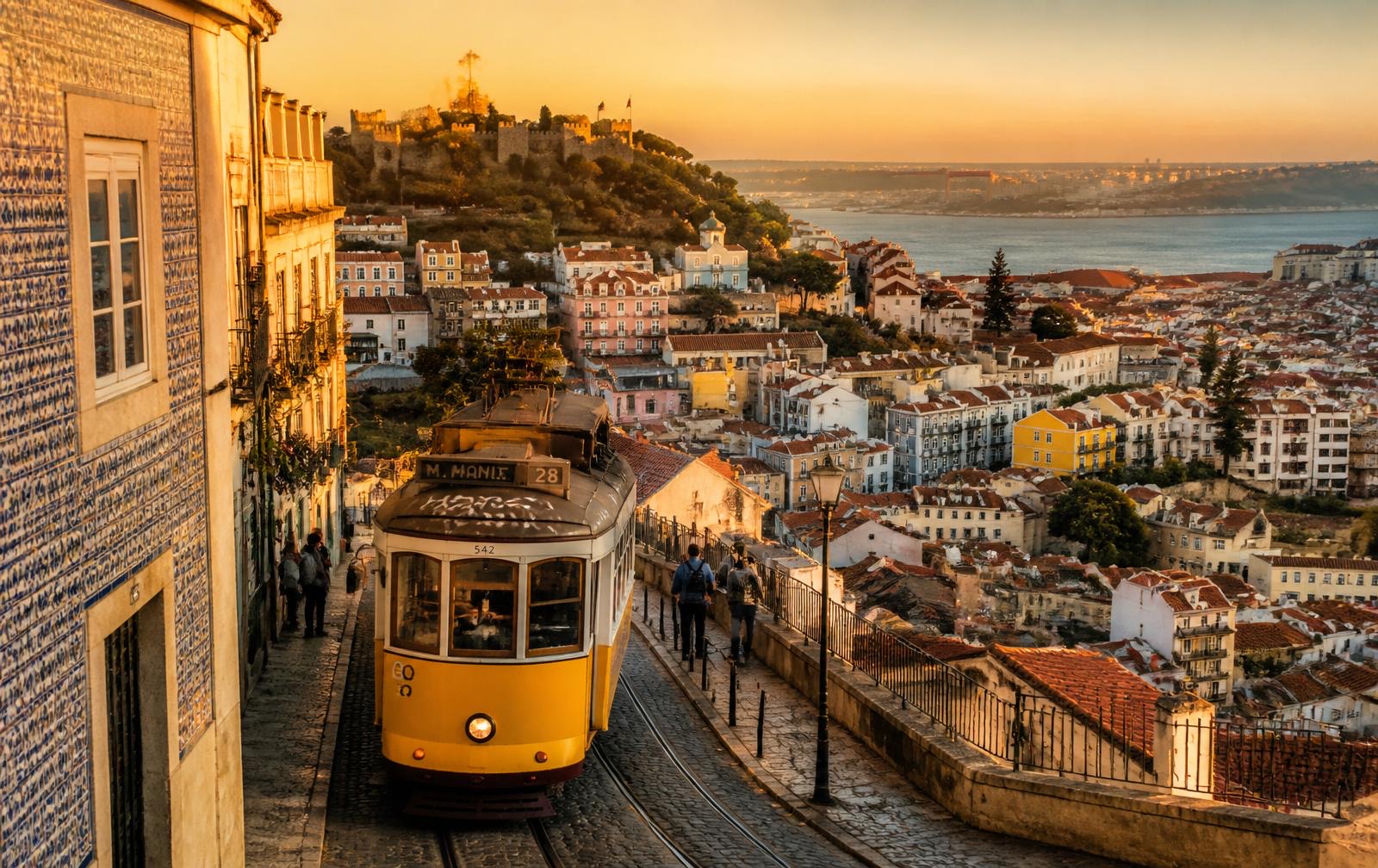
Lisbon Itinerary: How Many Days, Alfama, Belém, Sintra
How many days you need in Lisbon: a four-day itinerary through Alfama, Baixa and Belém, day trips to Sintra, tram tips and real daily costs.
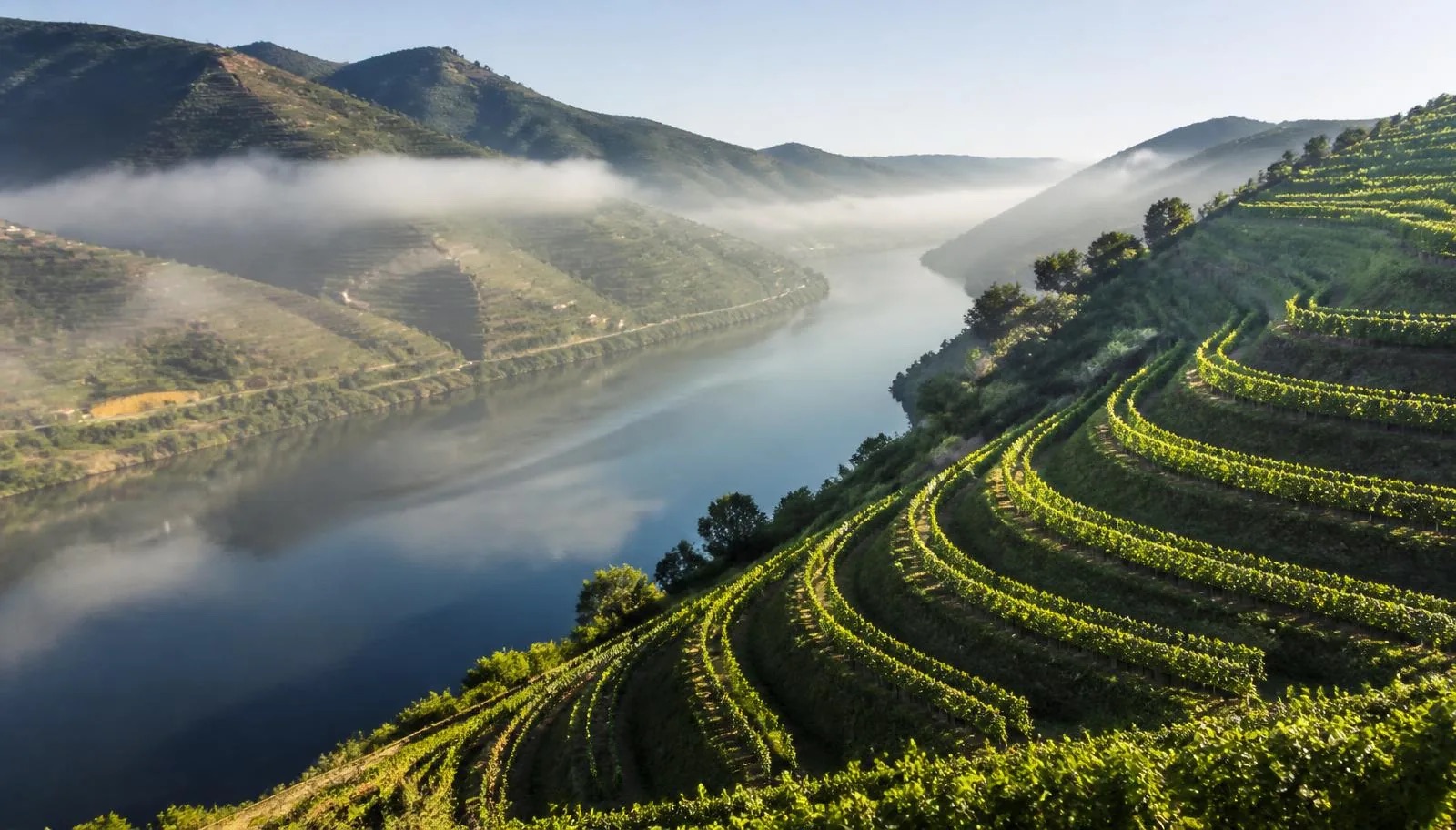
Things to Do in Portugal: Experiences Worth the Trip
Lisbon's neighbourhoods, Sintra, Porto and the Douro Valley, surfing the Atlantic coast, the Alentejo, Madeira and the Azores, fado, tiles…

Portugal Travel Guide: Where to Go and When to Visit
When to go, how long to stay and how to get around Portugal, with Lisbon, Porto and the Douro, the Algarve, Alentejo, Sintra, Madeira and…