Lisbon Itinerary: How Many Days, Alfama, Belém, Sintra
How many days you need in Lisbon: a four-day itinerary through Alfama, Baixa and Belém, day trips to Sintra, tram tips and real daily costs.
In this guide
- Table of Contents
- Why Lisbon Is Worth It
- Best Time to Visit Lisbon
- Alfama and Mouraria
- Baixa and Chiado
- Bairro Alto and Príncipe Real
- Belém
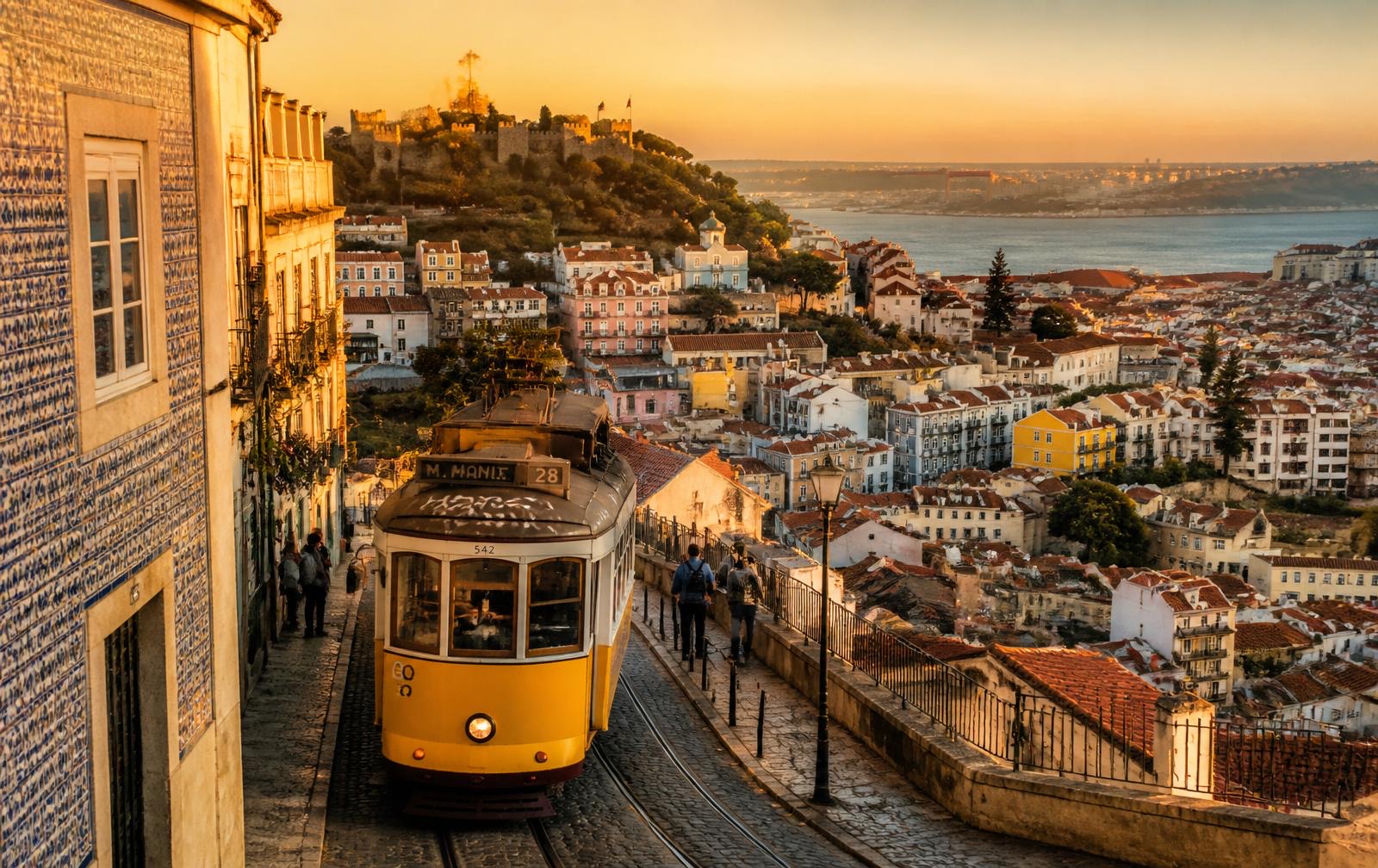
- The Trams (and Which to Actually Ride)
- Day Trip: Sintra
- Day Trip: Cascais and the Coast
- Food and Drink
- Is Lisbon Expensive to Visit? Costs and Daily Budget
- Getting Around
- How Many Days Do You Need in Lisbon? A Four-Day Itinerary
- Final Practical Tips
- Nearby Guides
This guide is part of our Portugal Travel Guide — start there for the overview, when to go and how to get around.
A rooftop in Alfama with a bottle of vinho verde, a plate of grilled sardines, and the sound of fado drifting up from an open window three streets below: that combination — food, light, tiled walls, and the sound of trams rattling past — sums up why Lisbon has quietly become one of the most appealing cities in Europe. This guide covers what you need to know before a first visit.
Lisbon is a city built on seven hills at the mouth of the Tagus, with an almost absurd amount of natural light bouncing off the river and off the pale limestone pavements. It survived a 1755 earthquake that flattened most of the medieval city and rebuilt itself around wide, gridded downtown streets while leaving the older hilltop quarters (Alfama, Mouraria) exactly as they were. The result is a capital that feels like two eras of a city stitched together, wrapped in azulejo tile, and priced meaningfully below Paris, Barcelona or Rome.
Table of Contents
- Why Lisbon Is Worth It
- Best Time to Visit Lisbon
- Alfama and Mouraria
- Baixa and Chiado
- Bairro Alto and Príncipe Real
- Belém
- The Trams (and Which to Actually Ride)
- Day Trip: Sintra
- Day Trip: Cascais and the Coast
- Food and Drink
- Is Lisbon Expensive to Visit? Costs and Daily Budget
- Getting Around
- How Many Days Do You Need in Lisbon? A Four-Day Itinerary
- Final Practical Tips
Why Lisbon Is Worth It
A few things set Lisbon apart from the usual western-European city break:
- The light. Because the city faces west onto a huge river estuary, the late-afternoon light coming off the Tagus is genuinely different from anywhere else in Europe. Photographers, painters and Wes Anderson all keep coming back for it.
- The layering. Old Moorish alleys, an 18th-century downtown grid, Belle Époque avenues, and 21st-century riverside developments all sit inside a 45-minute walk.
- The food. Portugal cooks better than its reputation suggests. Portuguese seafood is arguably the best in Europe; the pastry (pastéis de nata, travesseiros, queijadas) is dangerous; and the wine — vinho verde in summer, Douro reds year-round, port for pudding — is astonishingly cheap.
- The price. Lisbon has crept up in the last few years thanks to tourism and remote-worker influxes, but it's still 30–40% cheaper than Paris or Amsterdam on almost every line item.
- The day-trip radius. Sintra's palaces, Cascais's beaches, Setúbal's dolphins and Évora's Roman ruins are all within an hour of the city centre.
Best Time to Visit Lisbon
- April to early June is arguably the best time to visit. Mid-teens to mid-20s Celsius, jacarandas blooming in Príncipe Real, longer days, and the busiest tourist waves haven't started yet. Book flights the moment you decide to go.
- June to August is hot (regularly 30–35°C) and busy. If you come in this window, treat it like a Mediterranean holiday — early starts, long lunches, siesta, cocktails at 8 p.m. — rather than fighting the heat.
- September to October is arguably the perfect window. The ocean is at its warmest for Cascais beach days, the light is glorious, and prices dip meaningfully after mid-September.
- November to March is the low season. It rains — Lisbon gets more annual rainfall than London, most of it in these months — but between systems you get soft, low light and empty streets in the old quarters. Bring a proper raincoat and lean into it. Christmas markets in Rossio and Praça do Comércio are worth catching.
One warning: Lisbon is famously windy, especially on the miradouros (viewpoints) in the afternoon. Even in high summer, evenings by the river cool off fast. Pack a light layer.
Alfama and Mouraria
Alfama is the oldest neighbourhood in Lisbon and the one that survived the 1755 earthquake — a hilltop maze of tiled facades, narrow alleyways barely wide enough for a Fiat 500, and staircases that lead to viewpoints you didn't know were there. It's also the traditional home of fado, the melancholic Portuguese folk music you'll hear leaking out of small tavernas after dark.
The essentials:
- Get lost intentionally. Start at Largo das Portas do Sol, walk downhill without a map, and stop when you find a café you like. Alfama rewards drift, not itineraries.
- Miradouro de Santa Luzia and Portas do Sol — two tiled viewpoints back-to-back with the best rooftop-to-river panorama in the city. Go 30 minutes before sunset.
- São Jorge Castle (Castelo de São Jorge) — the Moorish citadel on top of the hill. Views are the point; buy the timed-entry ticket online to skip queues, and go early or in the last hour.
- Fado for dinner. Skip the €80 tourist dinner-shows on Rua dos Remédios and go instead to a small tasca where locals eat — Mesa de Frades (ex-chapel, tiled walls, book weeks ahead), Tasca do Chico in Bairro Alto for the walk-in version, or A Baiuca on weekends for the fado vadio (amateur) tradition.
- Feira da Ladra — the flea market at Campo de Santa Clara on Tuesdays and Saturdays. Turn up, look at everything, buy an old azulejo tile as a souvenir.
Just uphill, Mouraria is Alfama's less touristy sibling — the birthplace of fado, more immigrant-rich, cheaper for food, and a good place for lunch if you're staying in the old town.
Baixa and Chiado
Baixa is the flat, gridded downtown rebuilt after the earthquake — pastel buildings, mosaic pavements, and two enormous public squares (Praça do Comércio on the river, Rossio further inland) linked by the pedestrianised Rua Augusta. It's the tourist heart of the city, and it's a genuinely well-designed piece of 18th-century urban planning that's still doing its job.
- Praça do Comércio at sunset is the city's postcard.
- Rua Augusta and the Arco — walk down it once, climb to the top of the arch for a good, cheap view.
- Elevador de Santa Justa — a wrought-iron 1902 lift connecting Baixa to Chiado. Beautiful, but the queue is punishing. Skip the ride and instead walk up to the Convento do Carmo, then use the free upper walkway from inside the Bertrand bookshop side to reach the top viewing platform without waiting.
Chiado, on the hill above, is Lisbon's elegant old shopping and café district — the neighbourhood of Fernando Pessoa's bronze statue, Livraria Bertrand (the oldest operating bookshop in the world), and the classic café A Brasileira (Café Nicola, its old rival, is down the hill on Rossio). Fewer tourists per square metre than Baixa, and a much better place to sit.
Bairro Alto and Príncipe Real
Bairro Alto is Lisbon's nightlife quarter — sleepy and shuttered until about 9 p.m., then packed with a bar-per-doorway crowd spilling out into the streets. It's less a place with famous individual venues and more a district you wander through, drink in hand, until 2 a.m. Great fun. Terrible for hotel guests trying to sleep on Fridays and Saturdays, so weigh where you stay accordingly.
By day, Bairro Alto quiets down enough to visit its two viewpoints — Miradouro de São Pedro de Alcântara and Miradouro de Santa Catarina — and it's the natural walking route between Chiado and Príncipe Real.
Príncipe Real, one hill further up, is where a lot of Lisboetas would live if they could afford it: a leafy park square surrounded by 19th-century mansions, natural-wine bars, concept stores in old palaces (Embaixada is the classic), and the city's best independent bookshops and restaurants. It's a good choice for dinner when you're not in the mood for fado.
Belém
Belém is the western riverside district and it's basically an open-air museum to Portugal's Age of Discovery. Half a day minimum; a full day if you want to see everything properly.
- Mosteiro dos Jerónimos — the Manueline masterpiece where Vasco da Gama is buried. Buy tickets online. Go at opening or after 3 p.m. to avoid the worst of the queues.
- Torre de Belém — the 16th-century watchtower on the river. Photograph it from the outside; the interior is small and the queue is often longer than the visit deserves.
- Padrão dos Descobrimentos — the huge monument to the explorers. Take the lift up for the top-down view of the giant compass-rose and world-map mosaic on the pavement below.
- MAAT and the LX Factory — a striking contemporary-art building on the waterfront and, a short walk east, a converted industrial complex full of independent shops, restaurants and street art. This is where modern Lisbon lives.
- Pastéis de Belém — the original pastéis de nata, made from a monastery recipe since 1837. Yes, you should queue for the takeaway line (much faster than the sit-down room). Yes, they are genuinely better than the ones anywhere else in the city, though a good pastel de nata from Manteigaria in Chiado is closer than purists admit.
Getting there: tram 15E from Praça da Figueira, the suburban train from Cais do Sodré (five minutes), or a 40-minute walk along the river.
The Trams (and Which to Actually Ride)
Lisbon's yellow Remodelado trams are one of the great urban-transport icons in Europe and, at the same time, one of the biggest tourist traps in the city. A short primer to save you from the worst of it:
- Tram 28 is the famous one — the winding 40-minute route through Graça, Alfama, Baixa, Chiado and Estrela. It's genuinely a beautiful ride, but it's also a rolling pickpocket convention in summer. Two workarounds: catch it at Martim Moniz at the very first stop of the morning (7 a.m., basically empty), or ride it end-to-end from the far end at Campo de Ourique in the evening. Do not stand near the doors with your phone out.
- Tram 12 is the shorter Alfama loop — much less crowded, hits the same tiled streets.
- Tram 15E is the modern low-floor tram to Belém and is genuinely the best way to get there.
- The three funiculars — Bica, Glória and Lavra — connect the low streets to the high neighbourhoods, but all three have been out of service since the fatal Glória derailment of 3 September 2025; Glória is not expected back before 2029, so check Carris for the status of Bica and Lavra before planning around them.
Tickets: buy a rechargeable Viva Viagem card at any metro station for €0.50 and load either "zapping" credit (per-ride, cheapest) or a 24-hour unlimited pass (€7.25, works on metro, tram and bus). A cash ticket bought on the tram is nearly triple the price.
Day Trip: Sintra
Sintra is the number-one day trip from Lisbon and, on a summer weekend, one of the more overrun sights in Europe. It's still worth it — a UNESCO-listed hilltop town of Romantic-era palaces set in a misty microclimate forest 40 minutes from the city. But how you do it matters.
The core sights:
- Palácio Nacional da Pena — the technicolour Disney-esque palace on the highest peak. This is the postcard. Go at opening (9.30 a.m.) or in the last hour, and pre-book the timed-entry ticket online. In the middle of the day in July, the queue at the ticket booth alone is 90 minutes.
- Quinta da Regaleira — a 20th-century estate full of grottos, tunnels and the famous "Initiation Well" spiral staircase. A standout site in Sintra. Same rule: early or late.
- Palácio Nacional de Sintra — the twin-chimneyed medieval town palace, less crowded, all tiles and painted ceilings inside.
- Castelo dos Mouros — Moorish castle ruins with a walkable perimeter wall and huge views. Bundle it with Pena on the same 434 bus.
- Cabo da Roca and Praia da Adraga — if you have your own car, add continental Europe's westernmost point and one of the wildest Atlantic beaches on the same loop.
How to actually do it: catch the 8.30 a.m. train from Rossio station (40 minutes, €2.30 each way). Do Quinta da Regaleira first (opens 9.30) while everyone else queues at Pena. Then take the 434 tourist bus loop to the Castelo dos Mouros and Pena. Eat lunch in the old town at the tail end of the day when the day-trippers leave. Skip organised bus tours — the train is faster and you keep control of the schedule.
Day Trip: Cascais and the Coast
Cascais is the seaside town at the western end of the coastal train line — an easy 40-minute ride along the Tagus and out onto the Atlantic. It's more upmarket than the city (this is where Portuguese kings summered) and it's an ideal half-day of beach, seafood and mellow wandering.
- Take the train from Cais do Sodré station in Lisbon. Sit on the right-hand side going out for the water views. €2.30 each way.
- Praia da Rainha is the tiny in-town beach; Praia do Guincho, ten minutes further west by taxi or bus, is the big Atlantic surf beach. Guincho is windy — genuinely windy — so bring a jumper and don't build sandcastles.
- Boca do Inferno — a dramatic sea-cave cliff on the walking path west of town.
- Casa das Histórias Paula Rego — a striking little museum of Portugal's most important 20th-century figurative painter.
- Have lunch at Mar do Inferno (traditional seafood with a view) or, if you want something modern, Marisco na Praça inside the covered market.
You can also cycle the flat 9km oceanfront path west from Cascais to Guincho — bike hire at the train station is €5-10 for the day. It's one of the best half-day rides anywhere near a European capital.
Food and Drink
Portuguese food is generous, seafood-heavy, olive-oil-rich, and cooked from a smaller vocabulary of ingredients than French or Italian food but with real depth in each of them. A short cheat sheet:
- Pastel de nata — the flaky-shelled egg-custard tart. Manteigaria (Chiado, Time Out Market, Rato) is the best in the city centre; Pastéis de Belém is the traditional monastery version. Order it warm, with cinnamon and icing sugar.
- Bacalhau — dried, salted cod, cooked in more than a thousand ways. Bacalhau à Brás (shredded with eggs, potato and olives) and bacalhau à Gomes de Sá are the reliable orders.
- Grilled sardines (sardinhas assadas) — the summer classic, especially around the Santo António festival in June when Alfama sets up grills on every corner.
- Amêijoas à Bulhão Pato — clams in garlic, coriander and white wine. Order with fresh bread.
- Arroz de marisco — soupy shellfish rice, best from a proper seafood tasca.
- Bifana — the €3 marinated pork sandwich, national street food. Try O Trevo on Praça Luís de Camões, or the classic As Bifanas do Afonso.
- Ginjinha — the sour-cherry liqueur, drunk as a shot from a plastic cup outside A Ginjinha in Rossio. €1.50, no dignity, essential.
- Vinho verde in summer, Douro reds the rest of the year, port after dinner. House wine at any restaurant is almost always drinkable.
Where to eat: Time Out Market (Mercado da Ribeira) is a curated food hall with 30-plus stalls from the city's best chefs — perfect for a first meal, expect a wait at peak. For a properly traditional Portuguese lunch, Cervejaria Ramiro (seafood) and Zé dos Cornos (grilled meats) are institutions. For modern Portuguese, Belcanto (two Michelin stars) is world-class; Prado in Baixa is the more affordable modern-Portuguese tasting menu; A Cevicheria in Príncipe Real is small and worth the queue.
Is Lisbon Expensive to Visit? Costs and Daily Budget
Lisbon has crept upward but is still noticeably cheaper than Paris, Amsterdam or Copenhagen. Expect western-European prices at the most touristy Baixa restaurants and 30–40% less two streets away.
- Budget ($60–90/day): hostel dorm ($25–40), tasca lunches ($10–15), 24-hour Viva Viagem transport pass, one paid sight per day.
- Mid-range ($130–200/day): good boutique hotel or apartment ($100–150), mix of tasca and modern-Portuguese meals, most sights included, occasional Uber. This is the sweet spot.
- Comfort ($300–500/day): a genuinely nice hotel in Chiado or on the river, tasting menus at Belcanto or Alma, private day trips.
Reference prices: a bica (espresso) at a stand-up counter is €0.80–1.20. A pastel de nata is €1.30–1.80. A bifana sandwich is €2.50–4. A tasca lunch with wine is €12–18. A metro/tram day pass is €7.25. Sintra return train is €4.60. A Manteigaria pastel de nata is €1.40; at Pastéis de Belém €1.50. A decent bottle of Douro red on a restaurant list is €18–25.
Getting Around
Inside Lisbon
Buy a rechargeable Viva Viagem card at any metro station for €0.50, and load either the 24-hour unlimited pass (€7.25) or "zapping" per-ride credit. It covers the metro, all trams and all buses. The metro is small but useful for airport-to-centre and for reaching Belém-adjacent stops. Buses fill in the gaps. Uber and Bolt both work well and are cheap by western-European standards — a short cross-city ride is €5–8.
To and from the airport
The metro Red Line runs from Aeroporto directly into the city centre in 20–25 minutes for €1.90 (€1.72 using zapping credit). A taxi is €12–18. Uber is €8–14 outside peak. Avoid the tourist "shuttle" pitches at arrivals.
To Sintra, Cascais and Setúbal
Suburban trains from Rossio (Sintra) and Cais do Sodré (Cascais) run every 15–20 minutes and are cheap. Setúbal and Évora are reachable by longer trains from Oriente or Sete Rios. A rental car makes sense only if you want to loop Sintra + Cabo da Roca + Cascais on the same day, or explore the Alentejo.
How Many Days Do You Need in Lisbon? A Four-Day Itinerary
- Day 1 — Old Lisbon: Morning in Baixa and Chiado, lunch at Time Out Market, afternoon walk up to Alfama via the Sé cathedral, sunset at Portas do Sol, fado dinner in a small Alfama tasca.
- Day 2 — Belém and the west: Early train or tram 15E to Belém, Jerónimos + Torre + Padrão dos Descobrimentos, pastéis de nata at Pastéis de Belém, late afternoon at LX Factory, dinner in Príncipe Real.
- Day 3 — Sintra: 8.30 a.m. train from Rossio; Quinta da Regaleira first; 434 bus up to the Moorish castle and Pena; lunch in Sintra old town; back to Lisbon for sunset drinks at Park Bar in Bairro Alto.
- Day 4 — Coast and slow morning: Late-morning train to Cascais, beach or bike ride to Guincho, lunch with a Tagus view, evening back in Lisbon for dinner at Cervejaria Ramiro and a nightcap of ginjinha in Rossio.
Five days lets you add an Évora or Setúbal day trip; seven and you can add two nights in Porto (a comfortable three-hour train north).
Final Practical Tips
- Currency: euro. Cards accepted almost everywhere including trams via contactless.
- Visa: Schengen area — most Western visitors get 90 days visa-free within any 180-day period.
- Language: Portuguese. English is very widely spoken in Lisbon, especially in restaurants, hotels and tourism. Learning "olá / obrigado / obrigada" goes a long way.
- Hills. Lisbon is genuinely steep. Wear proper walking shoes with grip — the polished limestone (calçada) pavements are famously slippery when wet.
- Pickpockets on Tram 28 and in Baixa are the one persistent tourism issue in the city. Keep your phone off cafe tables, use a zipped bag on trams, and don't get distracted by any commotion — it's often engineered.
- Reservations. Book the top-tier restaurants (Belcanto, Prado, Mesa de Frades for fado) at least a week ahead in shoulder seasons and three weeks in summer.
- Tipping. Not automatic. 5–10% at a proper restaurant, or rounding up in tascas and taxis, is standard.
- Don't spend all your time in the centre. One evening in Príncipe Real, one afternoon in LX Factory or the Marvila brewery district, and you'll leave with a much fuller picture of the city than most first-time visitors ever get.
Lisbon is the sort of place where you can happily plan four days and end up staying seven. Wander slowly, eat everything, drink the vinho verde on a rooftop, and take the tram at dawn. Boa viagem.
Nearby Guides
More Portugal guides
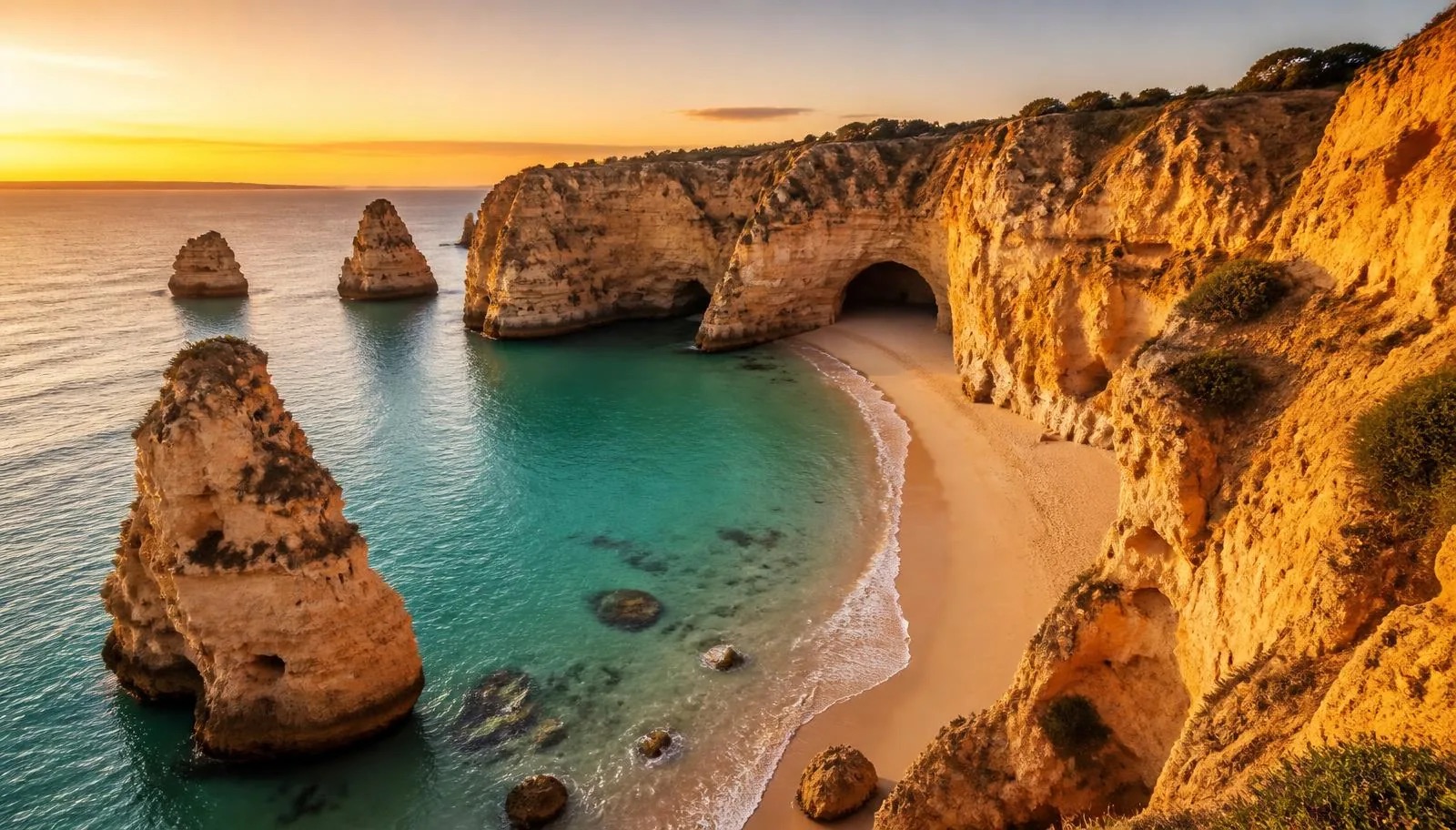
Best Beaches in Portugal: Algarve, Atlantic, Islands
Portugal's beaches by region: Algarve sea caves, Costa Vicentina surf, Lisbon's coast, Comporta, Nazaré, Porto, Madeira and the Azores…
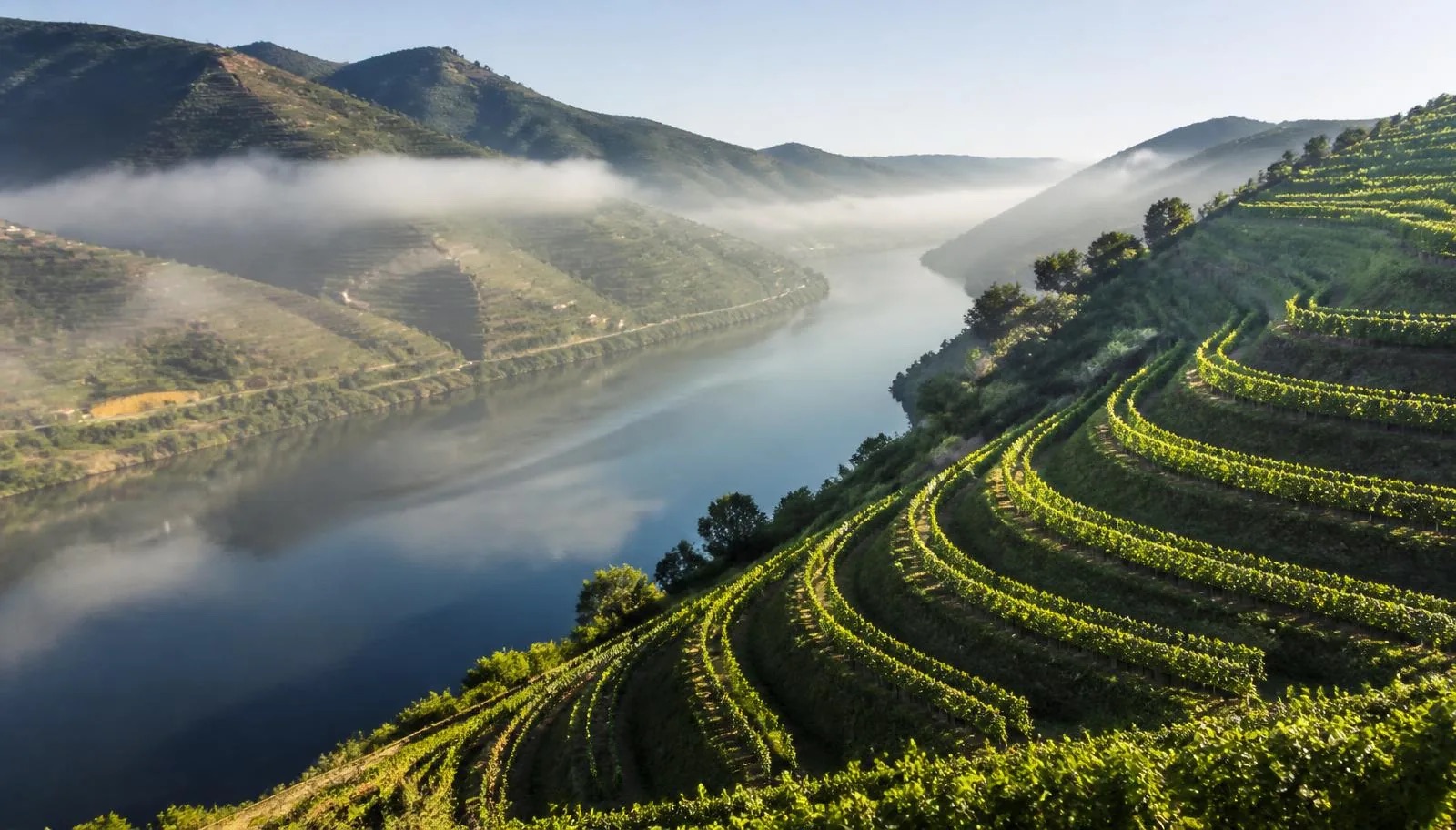
Things to Do in Portugal: Experiences Worth the Trip
Lisbon's neighbourhoods, Sintra, Porto and the Douro Valley, surfing the Atlantic coast, the Alentejo, Madeira and the Azores, fado, tiles…
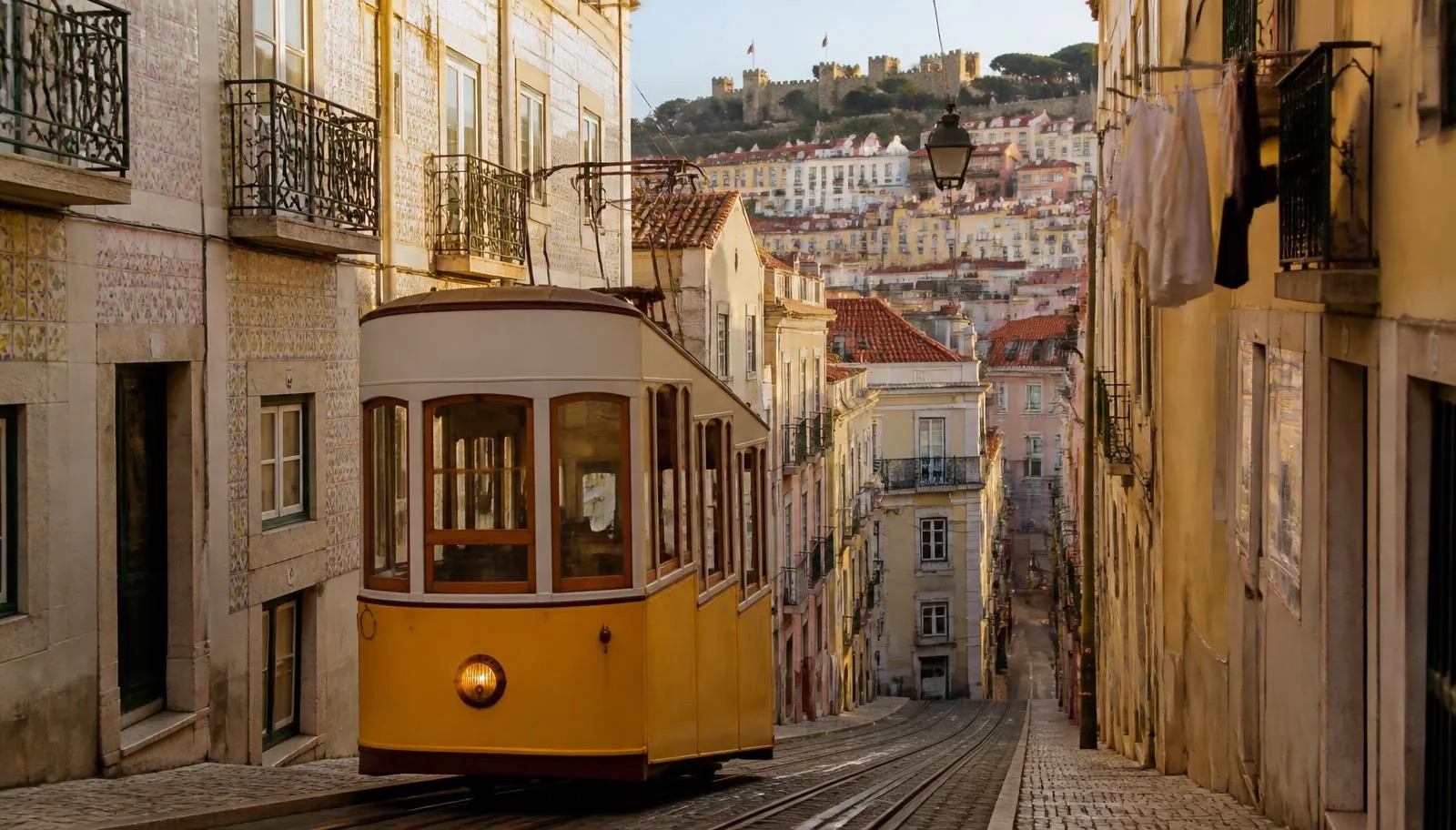
Portugal Travel Guide: Where to Go and When to Visit
When to go, how long to stay and how to get around Portugal, with Lisbon, Porto and the Douro, the Algarve, Alentejo, Sintra, Madeira and…